
 English
 русский
 Français
 Español
 中文简体
中文简体

PU Coating Fabric Guide: Properties, Benefits, and Applications
2026-05-09
Content
Polyurethane coating transforms ordinary textiles into high-performance materials without sacrificing the original fabric's look or feel. The immediate takeaway is that PU coating fabric offers a cost-effective balance of water resistance, flexibility, and breathability that few other treatments can match. While it provides a barrier against moisture and wind, it remains lighter and more pliable than many traditional rubber or PVC-based options. This combination makes it indispensable in outerwear, medical upholstery, and lightweight gear.
Understanding the Polyurethane Bond
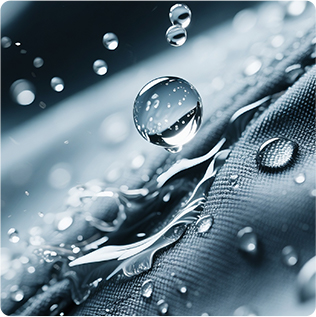
The core of this material lies in a thin polymer layer applied to one side of a base fabric, typically polyester or nylon. During manufacturing, a precise amount of polyurethane resin is spread across the surface and cured. This creates a bond that is more than just a surface layer; it integrates partially with the textile fibers. The resulting structure has microscopic pores that are small enough to block liquid water droplets but large enough to allow water vapor to escape. This breathable barrier is why the fabric is often chosen for active applications where PVC would cause overheating and condensation.
The standard thickness of the coating typically ranges from 0.2 mm to 0.5 mm, depending on the required durability. A thicker coat increases hydrostatic head ratings, often reaching between 2000 mm and 10000 mm, making the fabric suitable for prolonged rain exposure. Yet, even at these protective levels, the material retains a soft drape, unlike the rigid feel of heavily plasticized alternatives.
Key Performance Characteristics
Evaluating PU coating fabric means looking beyond simple waterproofing. The performance profile is defined by a few measurable traits that designers and manufacturers prioritize.
Water Resistance and Hydrostatic Head Rating
Water resistance is measured by the height of a water column the fabric can withstand before leaking. A rating of 1500 mm handles light rain, while 5000 mm and above is suitable for heavy downpours and ground contact pressure. Properly applied PU coatings consistently deliver these values without adding excessive weight.
Abrasion and Tear Resistance
The coating acts as a protective shield for the base fibers. Test data from Martindale abrasion tests show that a light nylon fabric with a PU finish can withstand 10,000 to 20,000 cycles before showing significant wear. This is a notable upgrade over the untreated base fabric, which might fray after just a few thousand cycles. However, it is critical to note that PU is a sacrificial layer; with enough friction, it will eventually degrade.
Flexibility and Low-Temperature Stability
Unlike PVC, which stiffens and cracks in cold environments, polyurethane retains its elasticity down to approximately -30°C. This makes it the preferred choice for ski jackets and mountaineering tents where peak performance cannot be compromised by freezing temperatures.
Practical Comparisons with Common Alternatives
To make an informed selection, it helps to place polyurethane coating alongside other common treatments. The differences often determine whether a material is fit for a specific purpose.
| Property | PU Coating | PVC Coating | TPU Coating |
|---|---|---|---|
| Weight | Light | Heavy | Light to Medium |
| Breathability | Moderate to High | None | Moderate |
| Cold Flexibility | Excellent | Poor | Good |
The table highlights why polyurethane frequently wins for apparel. It does not trap body heat and moisture to the same extent as PVC. Where PVC might be chosen for industrial tarpaulins due to its sheer toughness and lower cost, PU coating fabric dominates in situations where human comfort and weight matter. Compared to thermoplastic polyurethane, standard PU often provides a softer hand feel, though TPU can offer better hydrolysis resistance in prolonged water immersion.
Applications Driven by Functional Needs
The material's strengths align it with certain industries more than others. Its use is rarely arbitrary but rather a solution to a specific physical demand.
Outerwear and Active Gear
Windbreakers, rain jackets, and soft-shell pants rely on PU coatings to block wind and water while allowing sweat vapor to escape. A single-layer, 2.5-layer laminate with a PU film often weighs under 300 grams per square meter, making it a staple for hikers who count every ounce.
Healthcare and Hygiene Products
Hospital mattresses and wheelchair upholstery use PU coatings because the sealed surface prevents fluid ingress, meeting infection control standards. The fabric can be cleaned with alcohol-based sanitizers without immediate degradation, a practical necessity in clinical settings. Nylon fabrics with PU backing are also the default choice for reusable incontinence covers, where liquid-proof barriers must survive over 100 industrial wash cycles at high temperatures.
Lightweight Shelters and Accessories
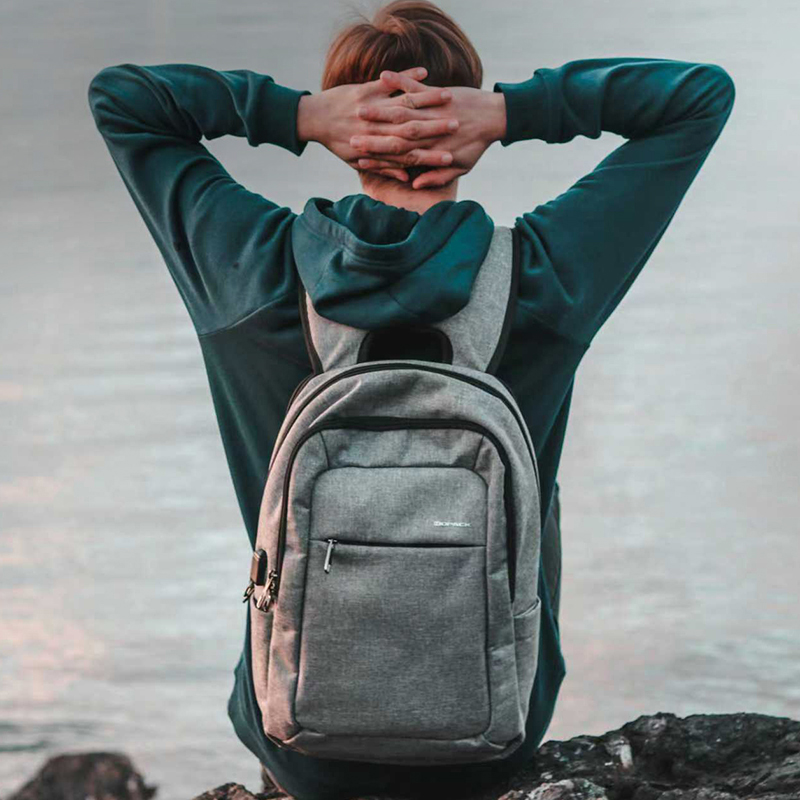
Tent flies and dry bags take advantage of the coating’s tactility. A silicone coating might offer a higher tear strength for the weight, but a PU coating is far easier to seam-seal, a critical step in making a tent waterproof. For backpacks, a PU-coated liner provides enough durability to withstand the abrasion of carrying sharp-edged gear without peeling immediately.
Durability Limitations and Hydrolysis
A realistic view of this material requires acknowledging its main weakness: susceptibility to hydrolysis. Over time, when exposed to warm, humid conditions, the polyurethane bonds break down through a chemical reaction with water. This is not a defect but an inherent material property. The result is a sticky, peeling texture that signals coating failure. Storage in unventilated, damp spaces accelerates this, with visible degradation sometimes occurring within 2 to 3 years. To counter this, newer polyester-based PU formulations show better resistance than older ether-based types, yet the risk remains something to manage rather than eliminate.
Maintenance for Extended Life
Care practices directly affect how long the coating remains intact. The following steps help delay hydrolysis and flaking.
- Clean with a damp cloth and mild soap; avoid powdered detergents that can abrade the surface.
- Never store the fabric when wet or folded in a compressed state for long periods.
- If the fabric feels tacky, a light dusting with talcum powder can temporarily restore a smooth feel, but this does not reverse the chemical breakdown.
- Avoid direct machine drying on high heat; the concentrated heat can delaminate the film from the base textile.
For critical gear, annual re-proofing with a compatible spray-on treatment helps maintain water beading on the outer surface, reducing the workload on the PU membrane below.
Selecting the Right Weight and Finish
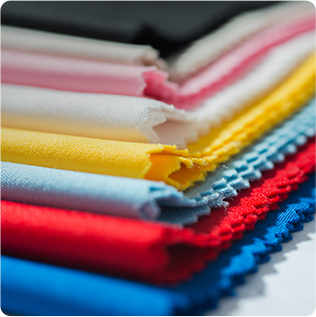
Not all PU coating fabric is the same. Denier, the weight of the base thread, combined with coating thickness, determines suitability. A 70D nylon with a light PU coat is perfect for a wind shirt, offering high packability. A 600D polyester with a thick PU backing is suitable for heavy-duty duffel bags that must sit on wet ground. The visual finish also varies. A matte finish reduces glare for tactical use, while a glossy finish is easier to wipe clean in medical environments. Specifying the right combination requires matching the hydrostatic head, the expected abrasion cycle count, and the softness needed for the specific product use case.


地址:
中国浙江省杭州市萧山区南阳街道岩峰村
Add:
Yanfeng Village, Nanyang Street, Xiaoshan District, Hangzhou,Zhejiang Province, China.


Copyright © Hangzhou Xiaoshan Wenfa Textile Co., Ltd.
All Rights Reserved.
 Polyester Fabric Manufacturers
Oxford Fabric Manufacturers
Polyester Fabric Manufacturers
Oxford Fabric Manufacturers