How UV Exposure Degrades Textiles and Why Polyester Tent Fabric Holds Up
Ultraviolet radiation doesn’t just cause fading—it attacks the molecular backbone of textile fibers. In natural fibers like cotton, UV photons break cellulose chains rapidly, but polyester’s aromatic ring structure absorbs and dissipates UV energy more effectively, giving it a natural advantage in outdoor settings. However, raw polyester alone still degrades over months of direct sun, losing tensile strength and developing surface microcracks that invite moisture and mildew. This is where advanced stabilization becomes critical.
The Role of UV Stabilizers and Absorbers
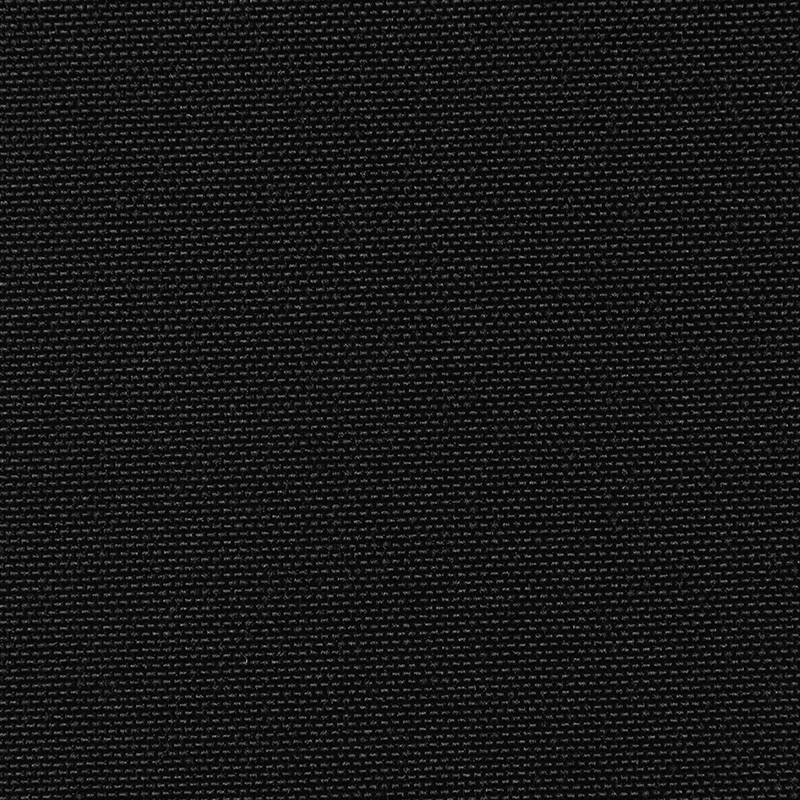
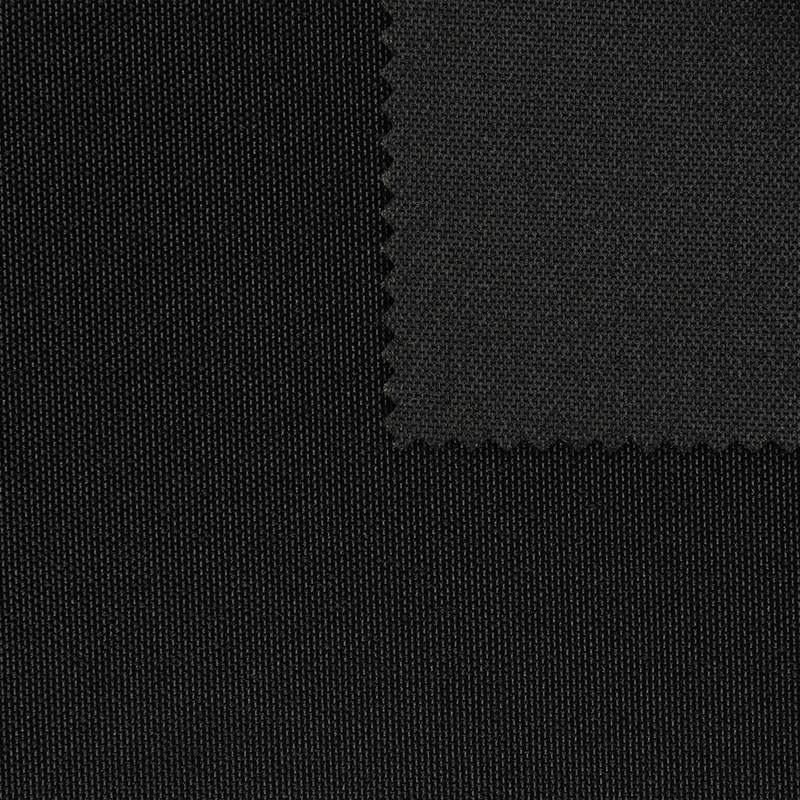
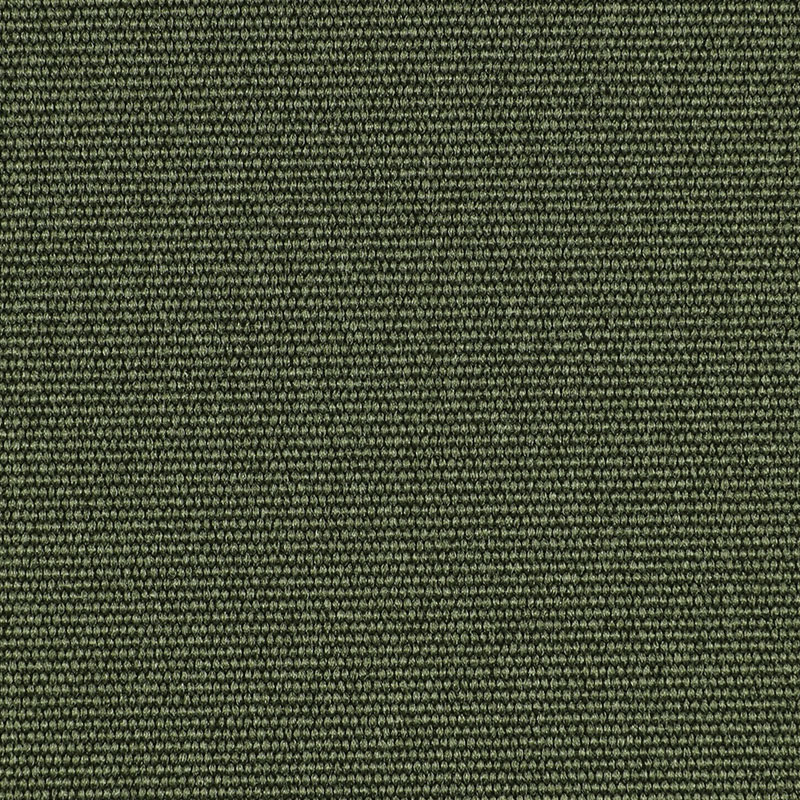
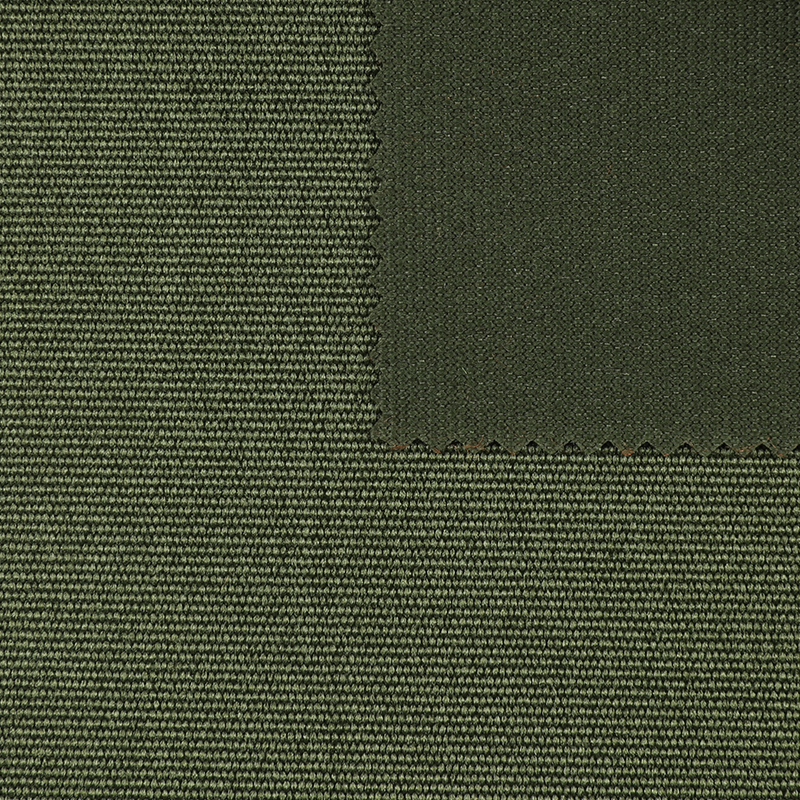
High-performance Polyester Tent Fabric integrates two classes of additives: UV absorbers (such as benzotriazoles) that convert UV radiation into harmless heat, and hindered amine light stabilizers (HALS) that scavenge free radicals before they sever polymer chains. When evaluating Tent Fabric for prolonged outdoor exposure, look for a denier-specific stabilizer package—lighter 68D–150D fabrics often need a higher additive concentration because the thinner yarn presents less bulk to sacrifice to UV damage. At Hangzhou Xiaoshan Wenfa Textile Co., Ltd., we formulate our polyester tent fabrics so that after 500 hours of accelerated weathering under ASTM G155, the material retains over 85% of its original breaking strength, matching field data from multi-season camping gear.
- UV-A (315–400 nm) penetrates deeper and contributes to color shift; stabilizers must cover this range.
- Continuous wet-dry cycling amplifies UV degradation—salt spray testing combined with UV exposure gives a more realistic durability picture.
- Polyester naturally blocks a portion of UVB, but a UPF 50+ rating in tent fabric requires a dense weave and often a topical UV blocker.
Our integrated approach means the fabric not only shields campers but also self-protects, reducing the risk of seam failure or sudden tearing after a summer of intense sun.
Coastal Challenges: Engineering Outdoor Beach Chair Fabric for Salt and Mildew Resistance
Beach environments combine saltwater mist, high humidity, and sand abrasion—a trio that rapidly destroys standard upholstery textiles. Salt crystals accelerate fiber abrasion at fold points and act as a desiccant that draws moisture irregularly, while the constant warm-moist cycle fuels mildew colonies. Outdoor Beach Chair Fabric must therefore be judged on both its physical endurance and its resistance to biological degradation.
We at Hangzhou Xiaoshan Wenfa Textile Co., Ltd. test our Outdoor Beach Chair Fabric using a modified AATCC TM30 protocol, exposing the material to Aspergillus niger and Chaetomium globosum spores after a saline pre-treatment. Results consistently show no visible fungal growth after 28 days under controlled humidity, thanks to a low-moisture-regain polyester base paired with a micro-porous water-repellent finish. This finish allows vapor to escape—so the fabric dries quickly—while repelling liquid saltwater, preventing the crusty salt residue that grinds away fibers during folding.
Maintenance Practices That Prolong Beach Chair Fabric Life
- Rinse with fresh water after each seaside use to flush out sodium chloride and fine sand particles.
- Avoid prolonged storage while damp: even antimicrobial fabric benefits from airflow to prevent odor-causing bacteria buildup.
- If folding chairs for winter, loosen the tension—folding while wet can imprint permanent crease lines that weaken the yarn.
The quick-dry property isn’t just a convenience feature; it’s a structural defense against the hidden damage that salt and dampness cause over time.
Decoding Denier, Weave, and Coating in Outdoor Polyester Fabric Selection
Specifying the right Outdoor Polyester Fabric goes beyond picking a color. The combination of yarn denier, weave structure, and back-coating determines whether a textile will serve reliably as a tent canopy, a chair seat, or a luggage shell. Denier measures the linear mass of yarn—higher numbers mean thicker, stronger threads but also more weight. For dynamic applications like folding beach chairs, a balanced 600D to 900D Oxford weave gives excellent tear resistance without becoming too stiff to fold repeatedly.
The Oxford Weave Advantage
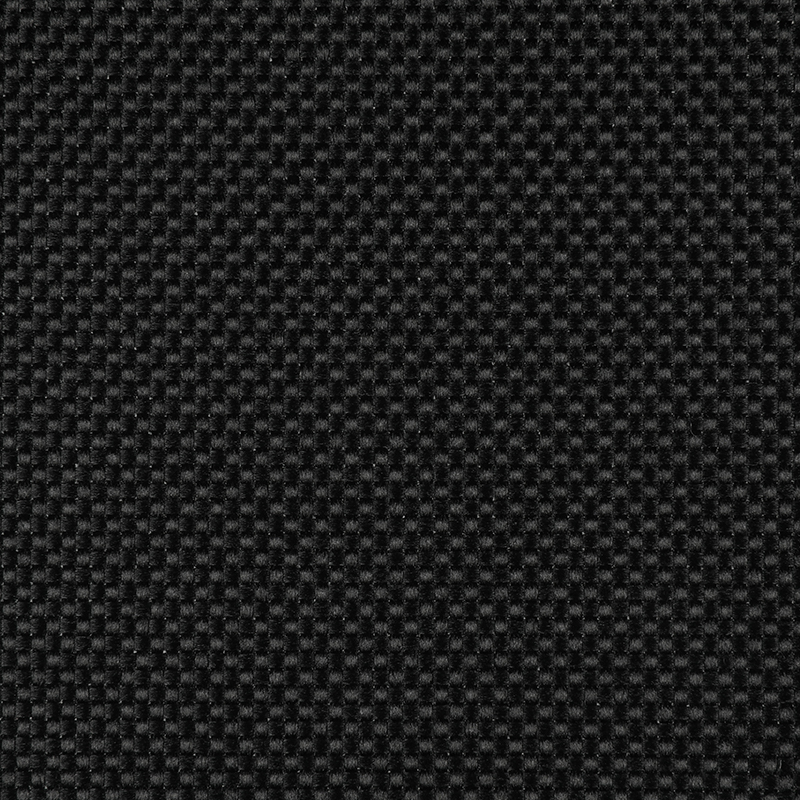
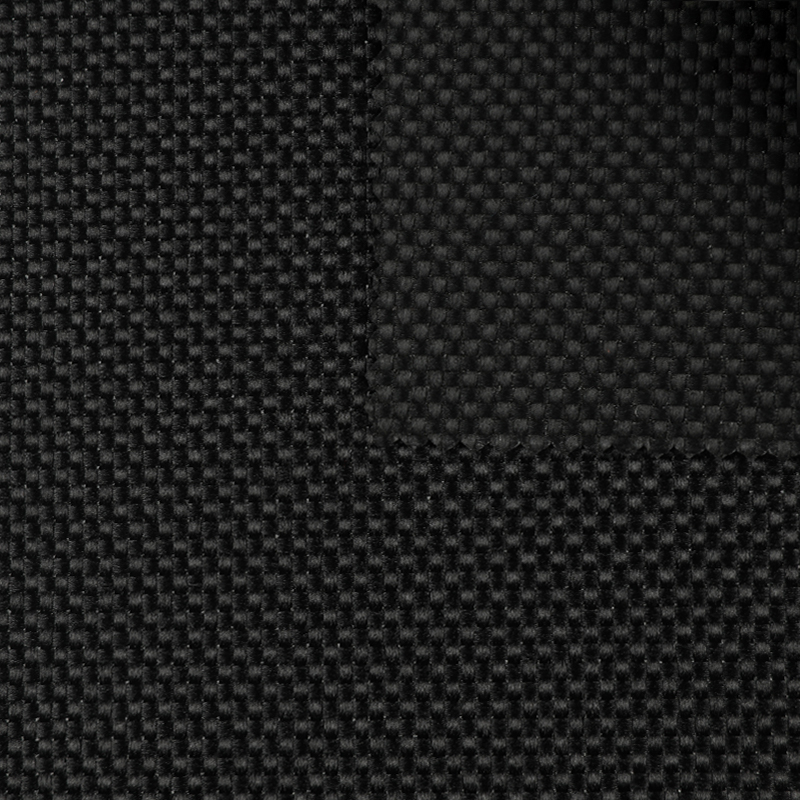
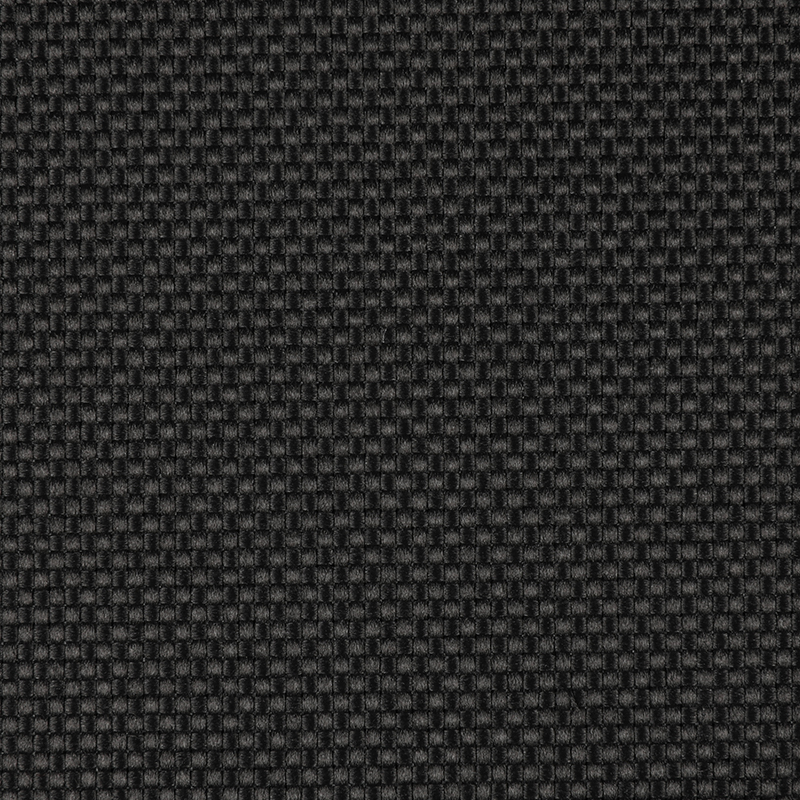
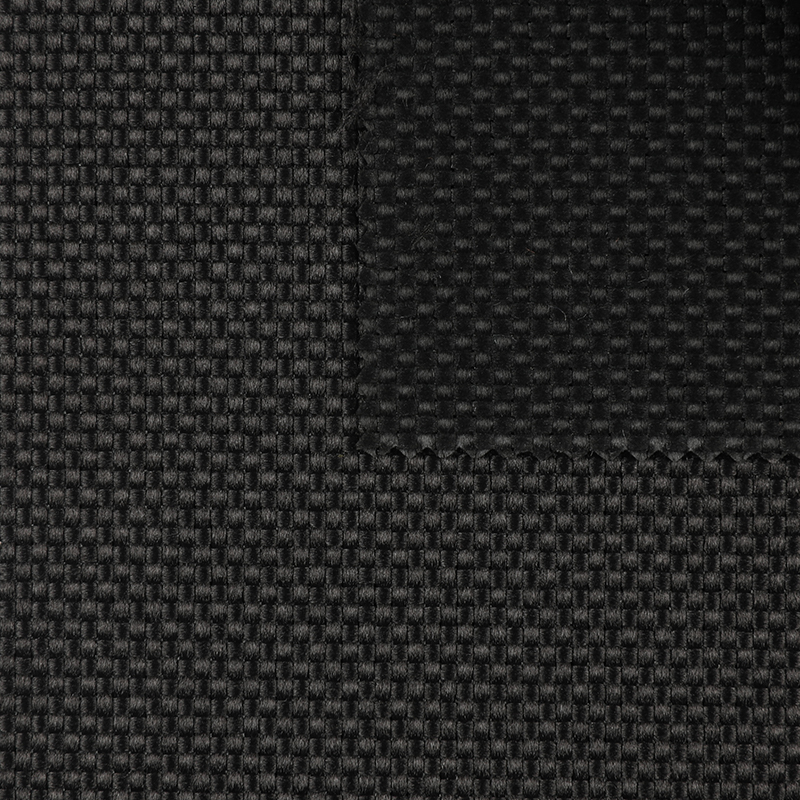
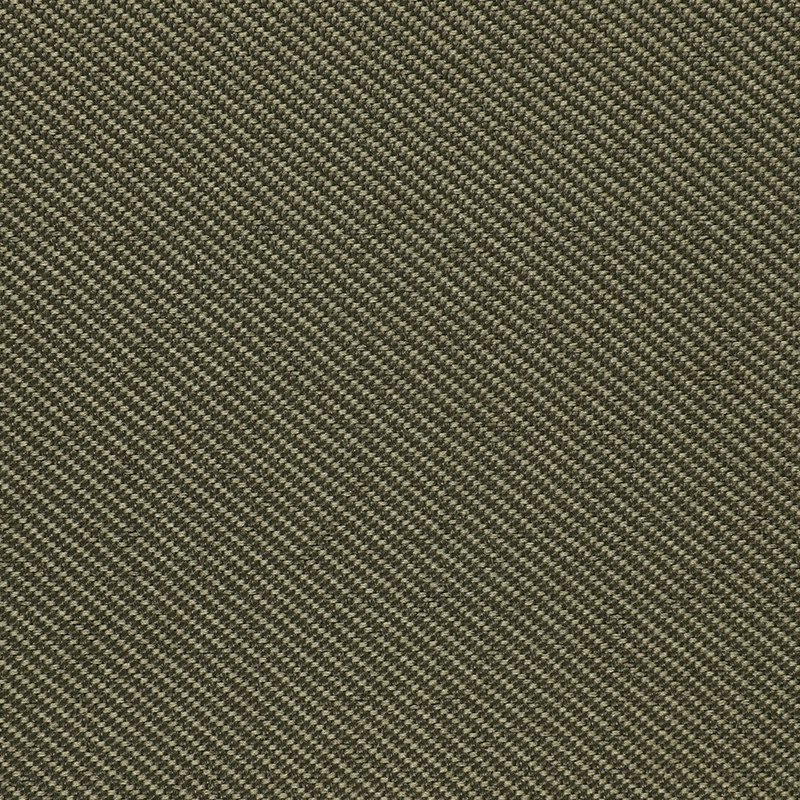
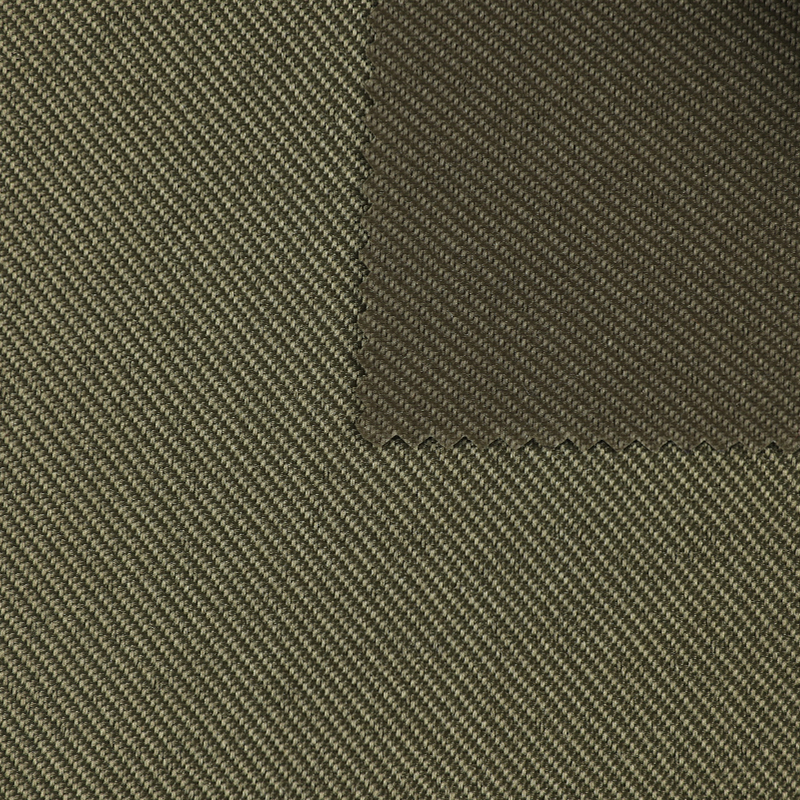
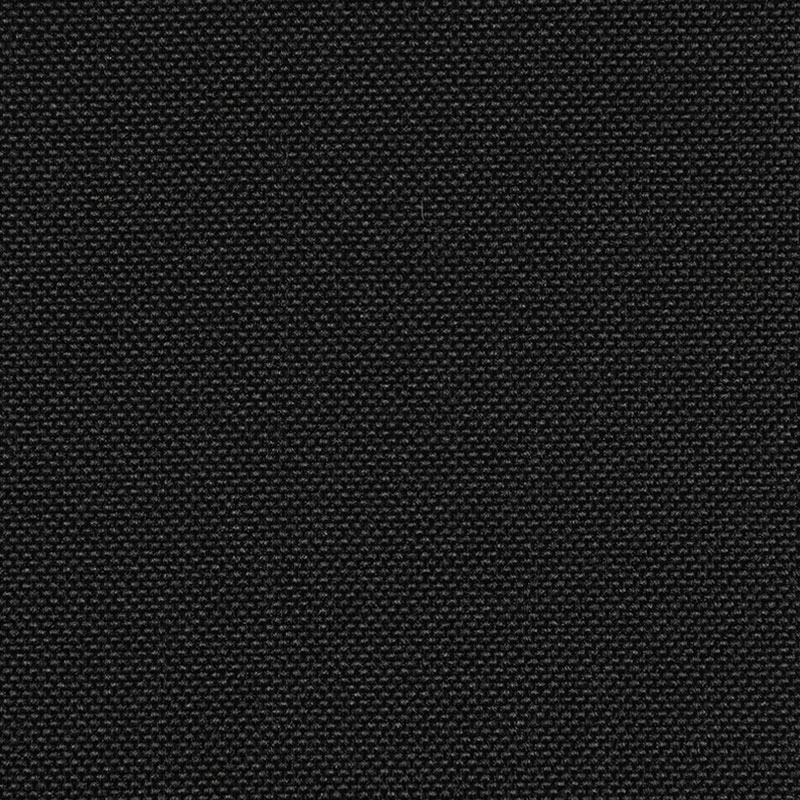
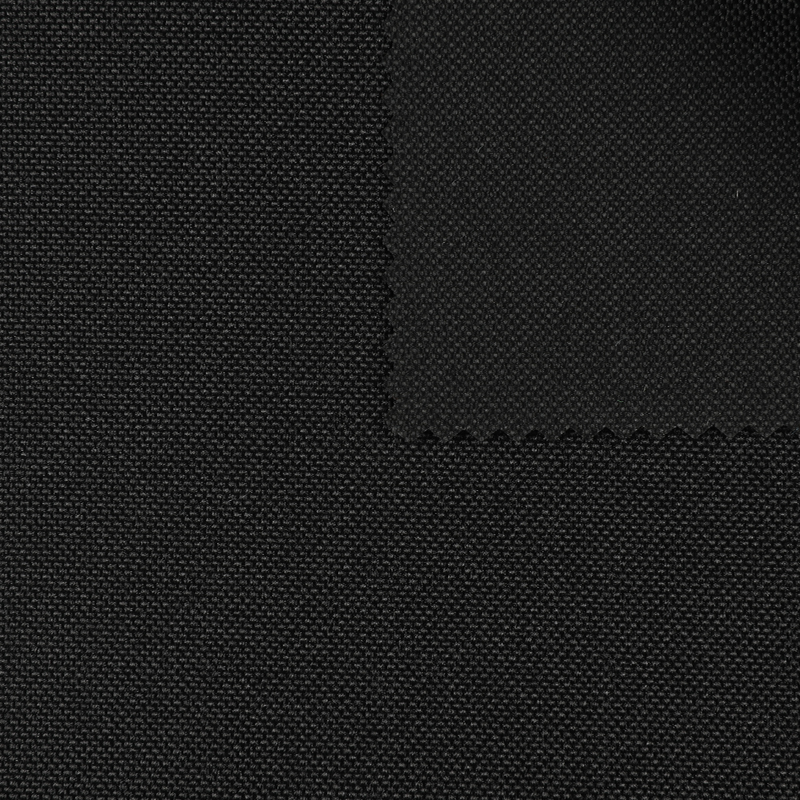
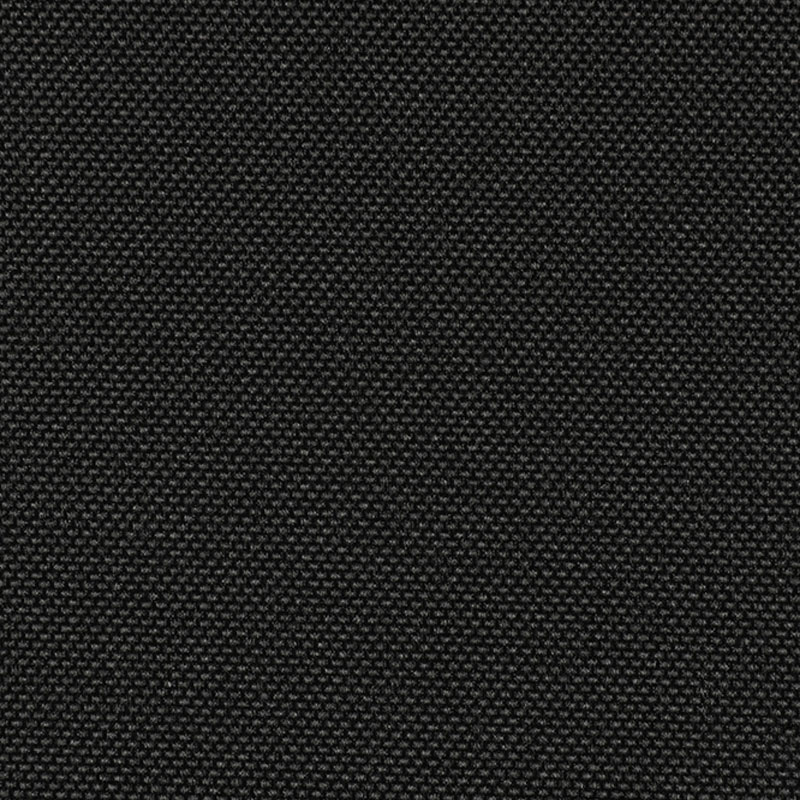
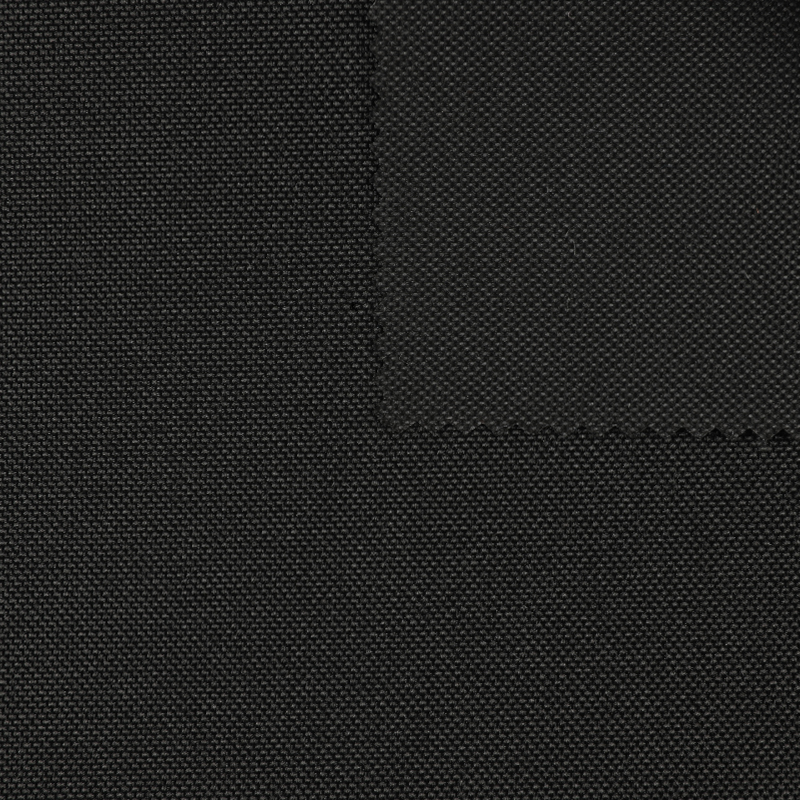
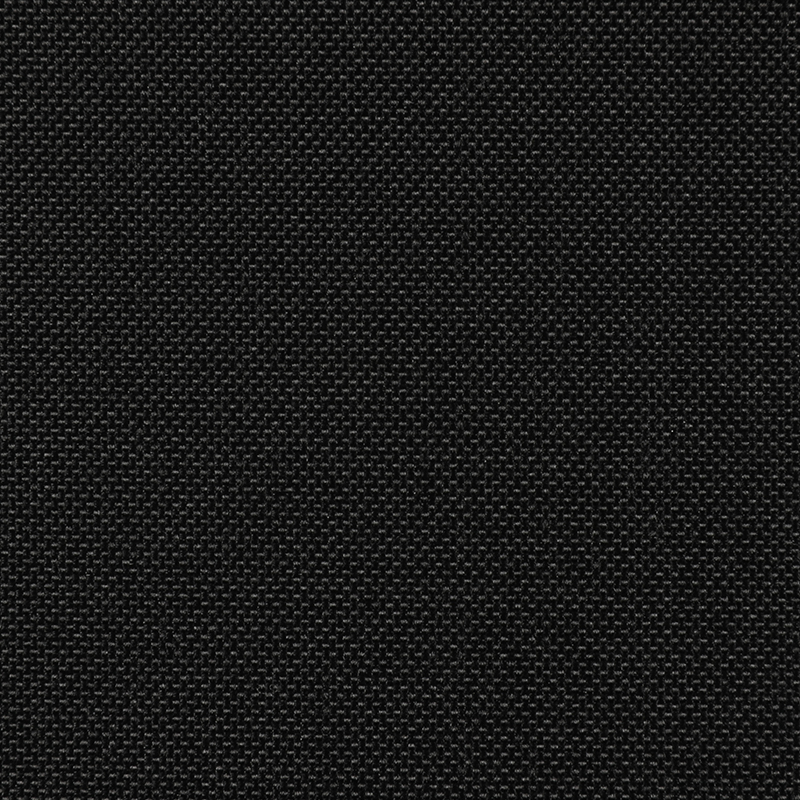
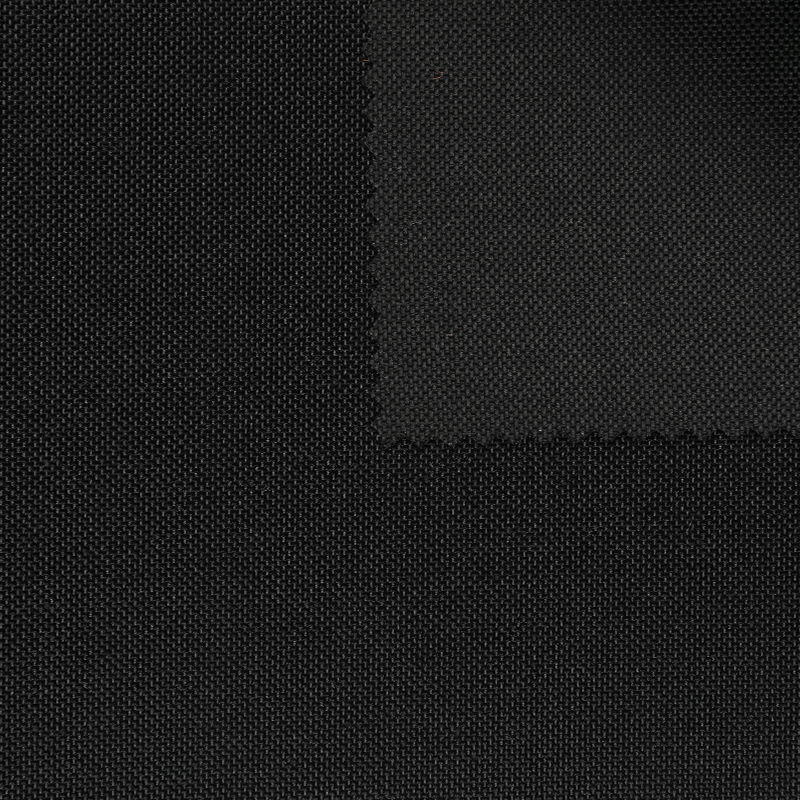
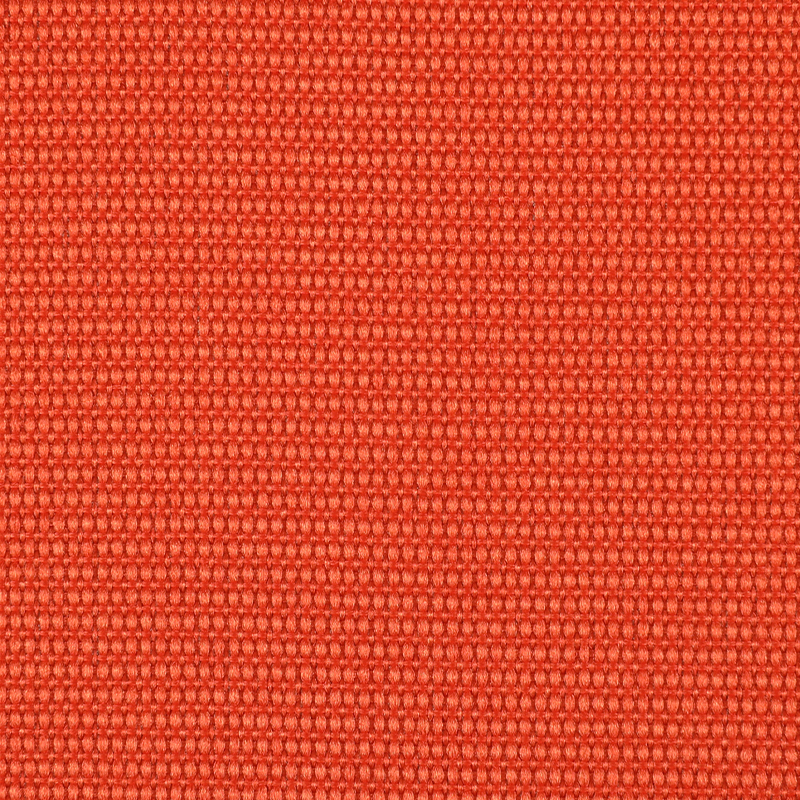
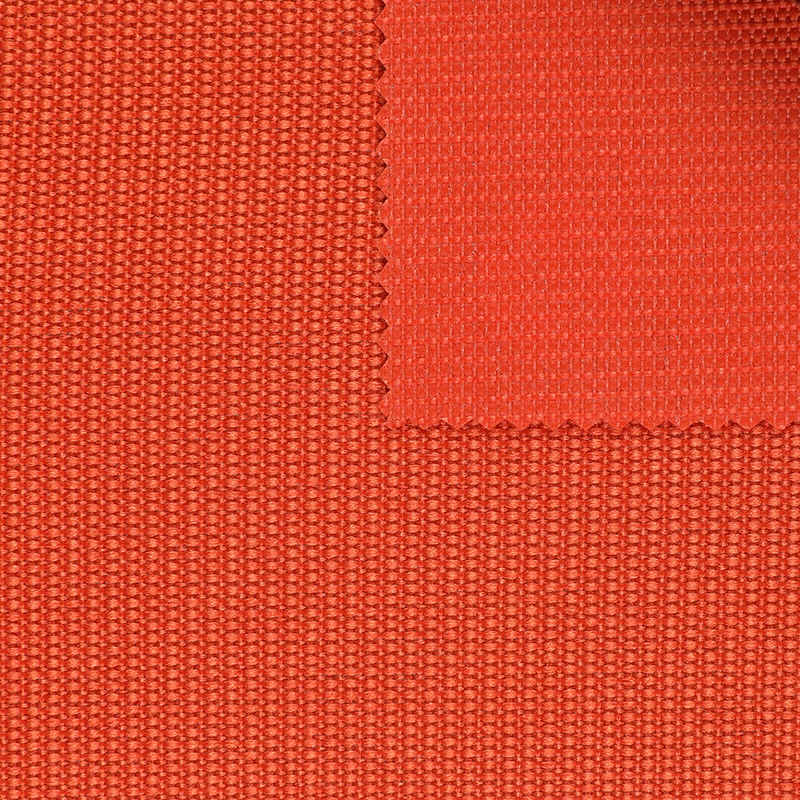
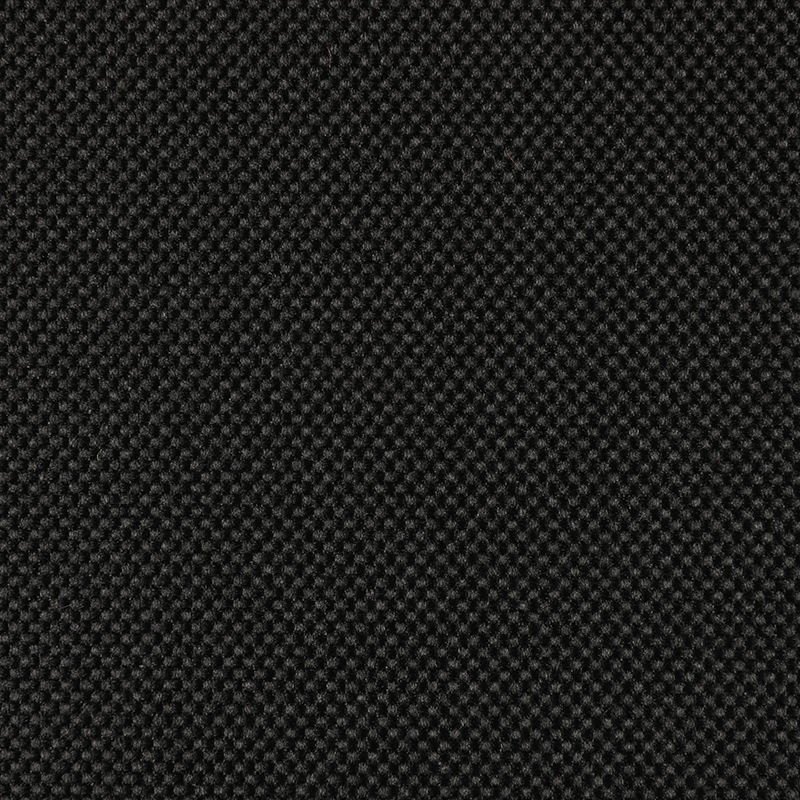
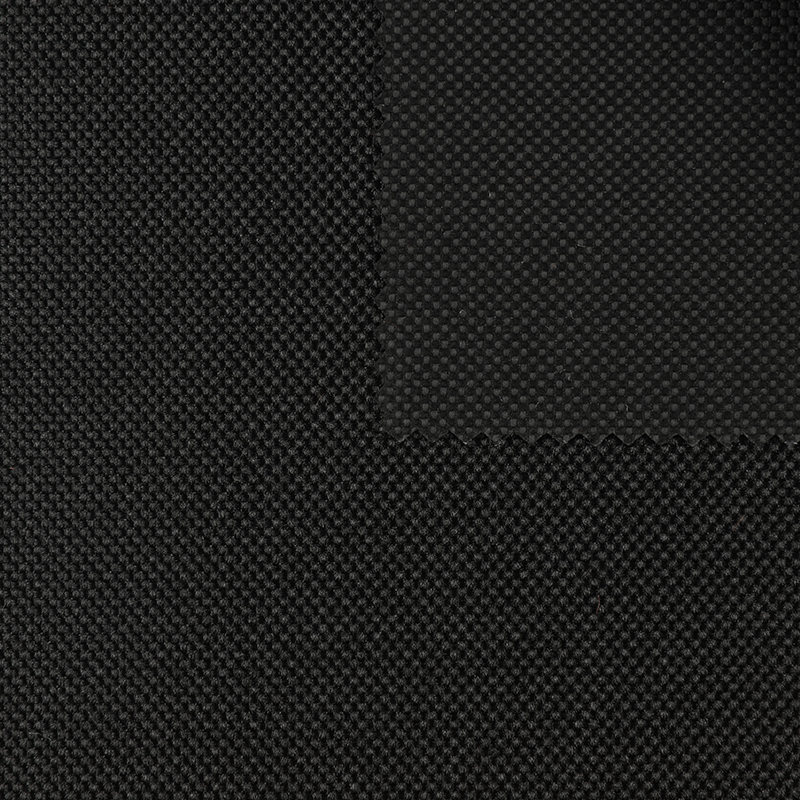
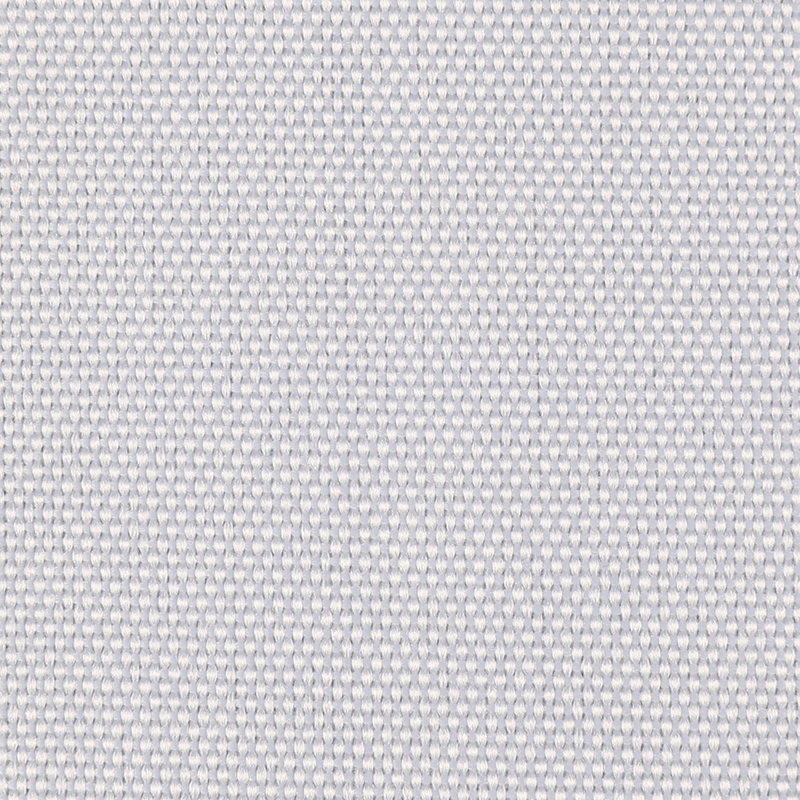
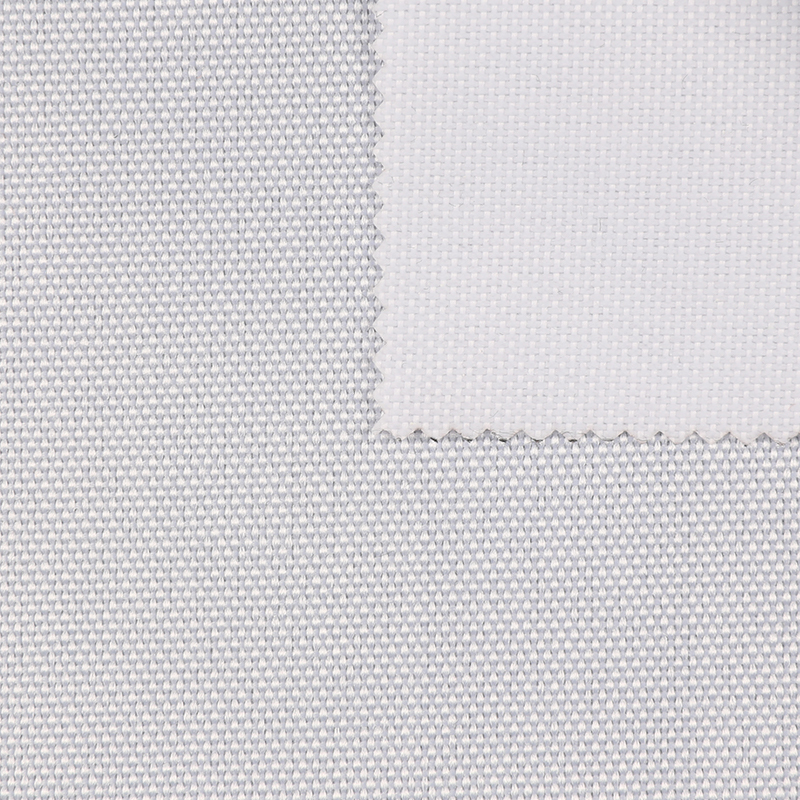
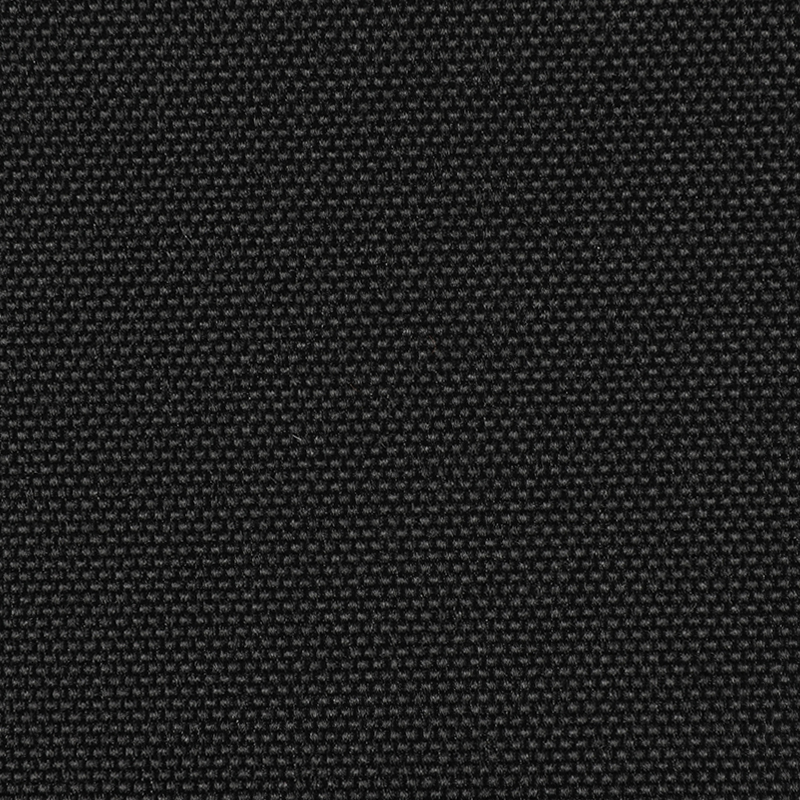
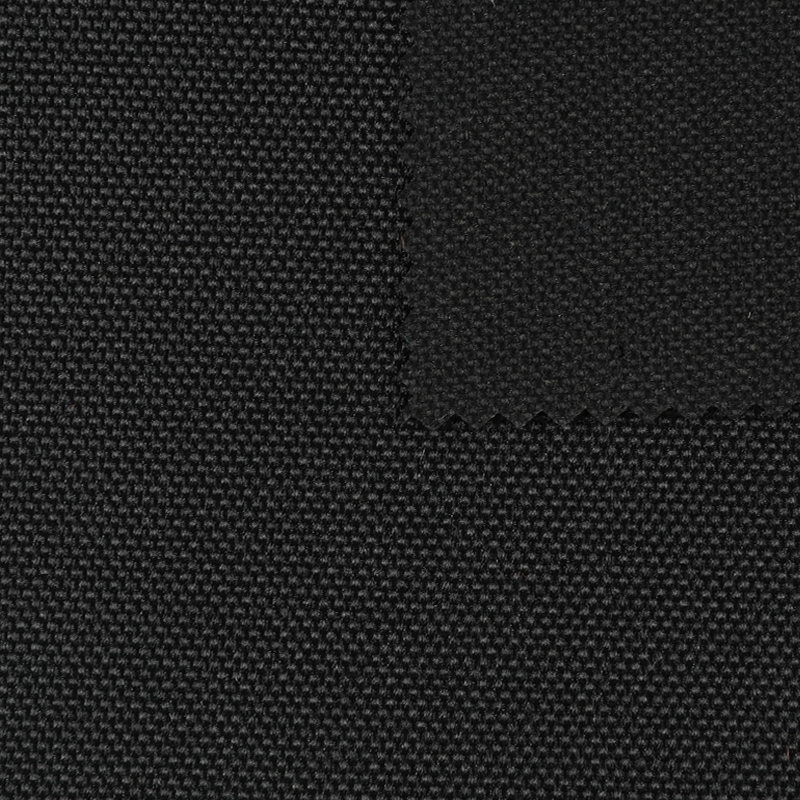
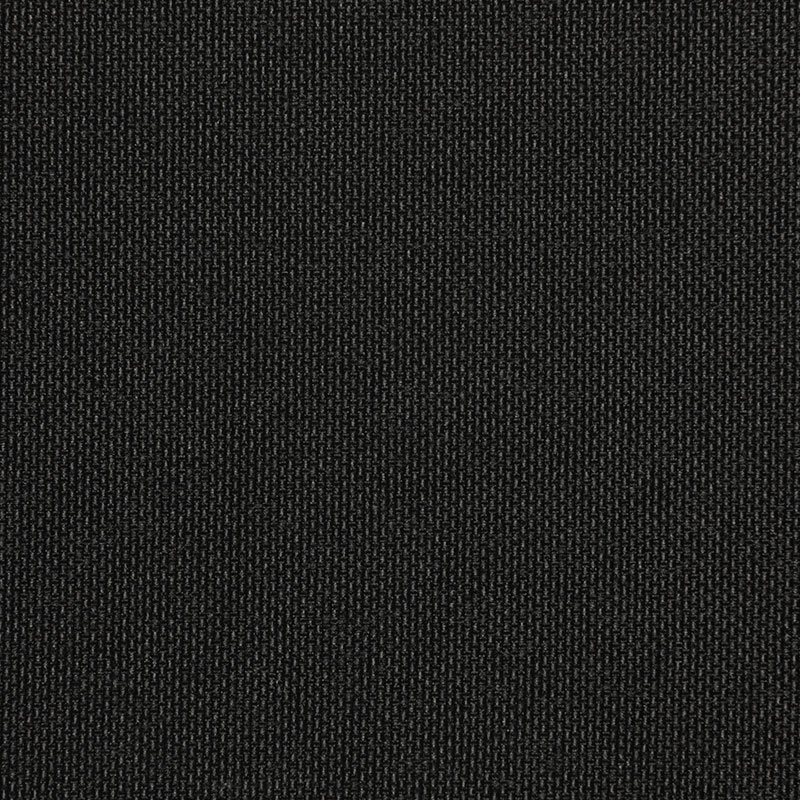
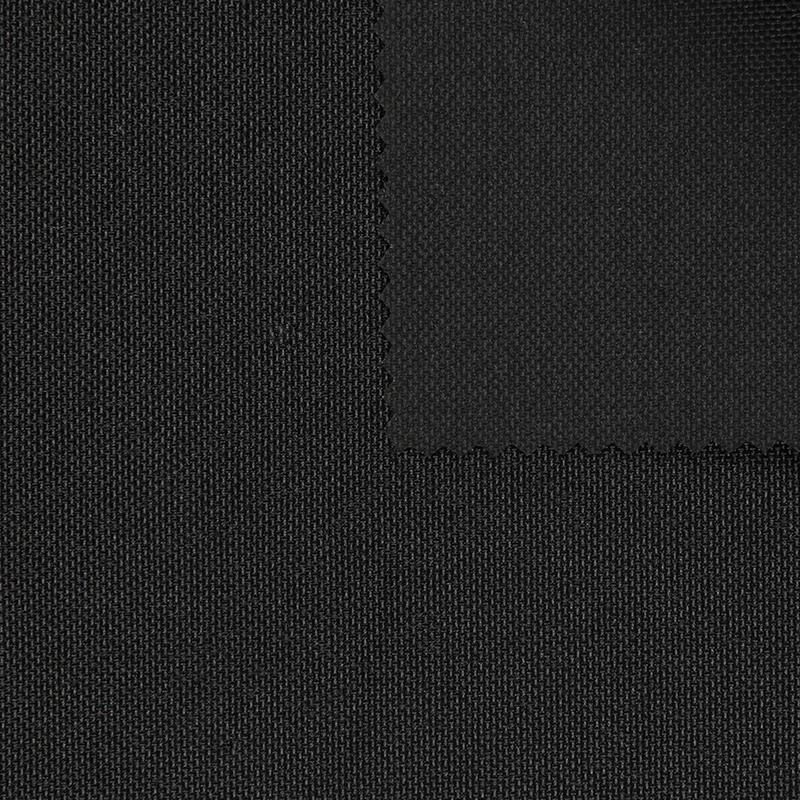
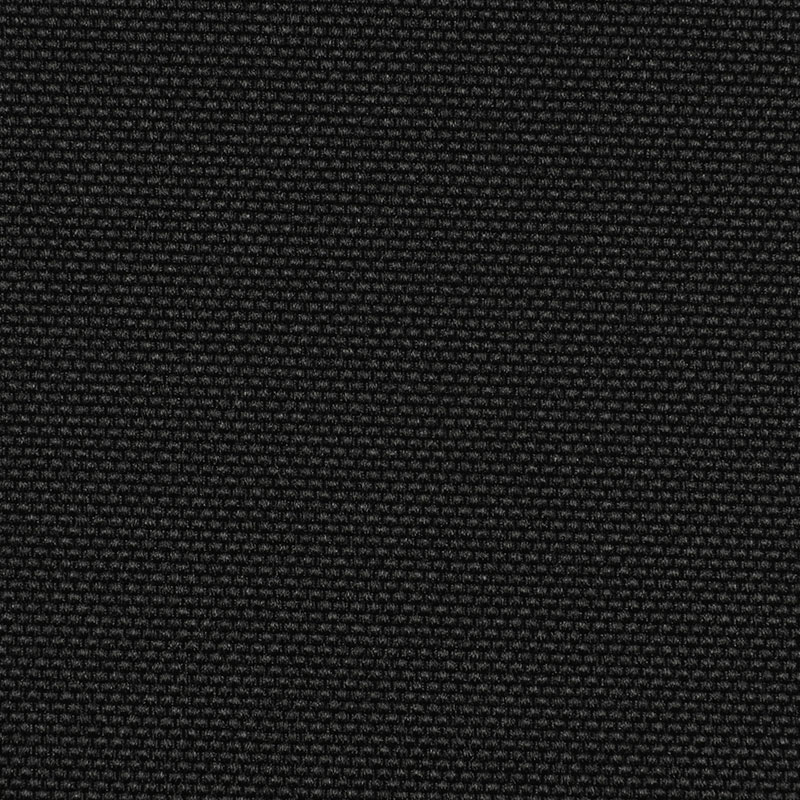
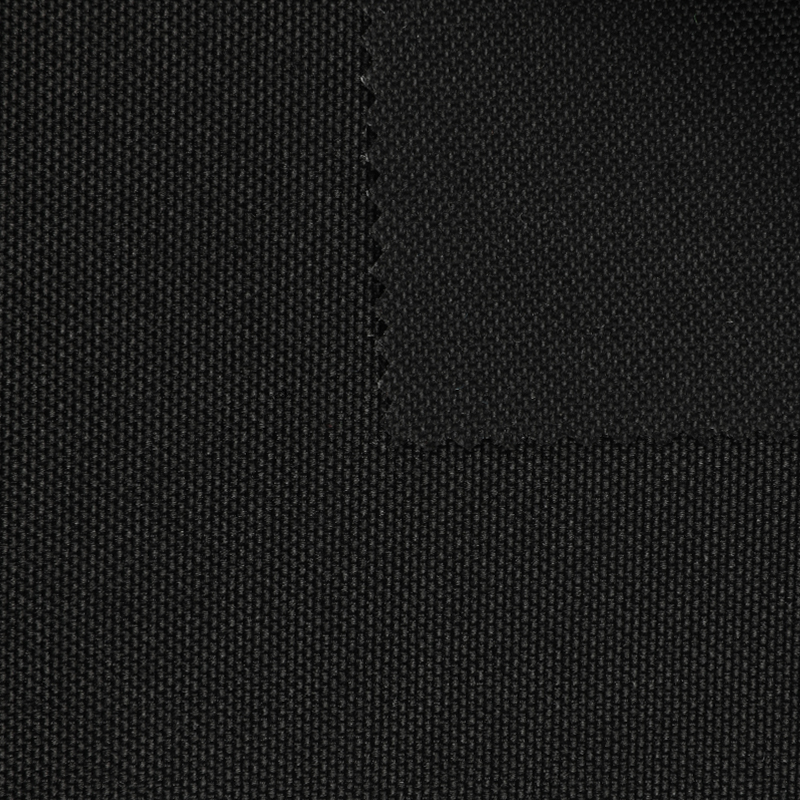
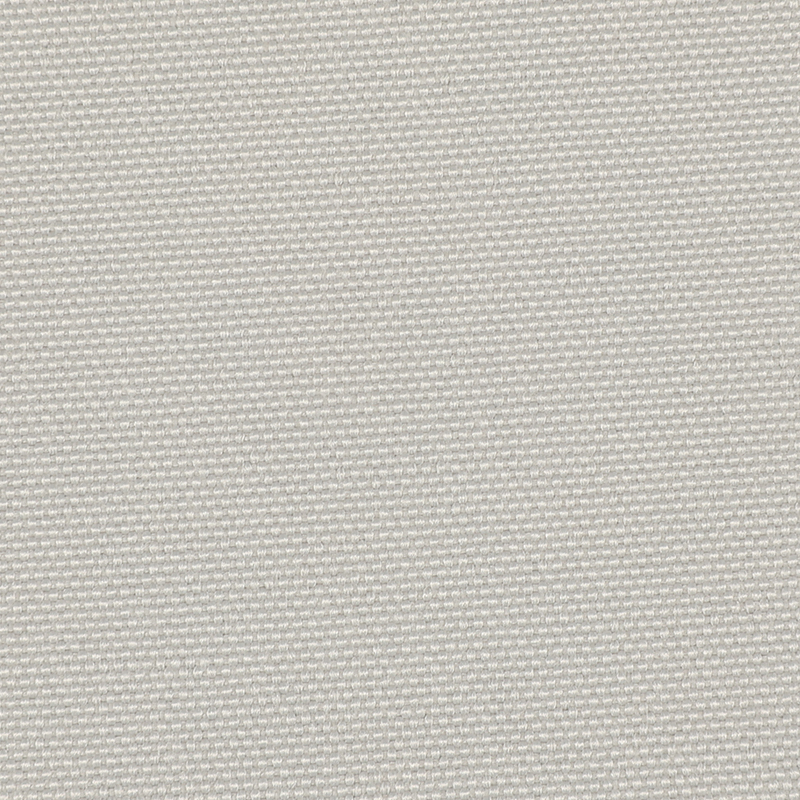
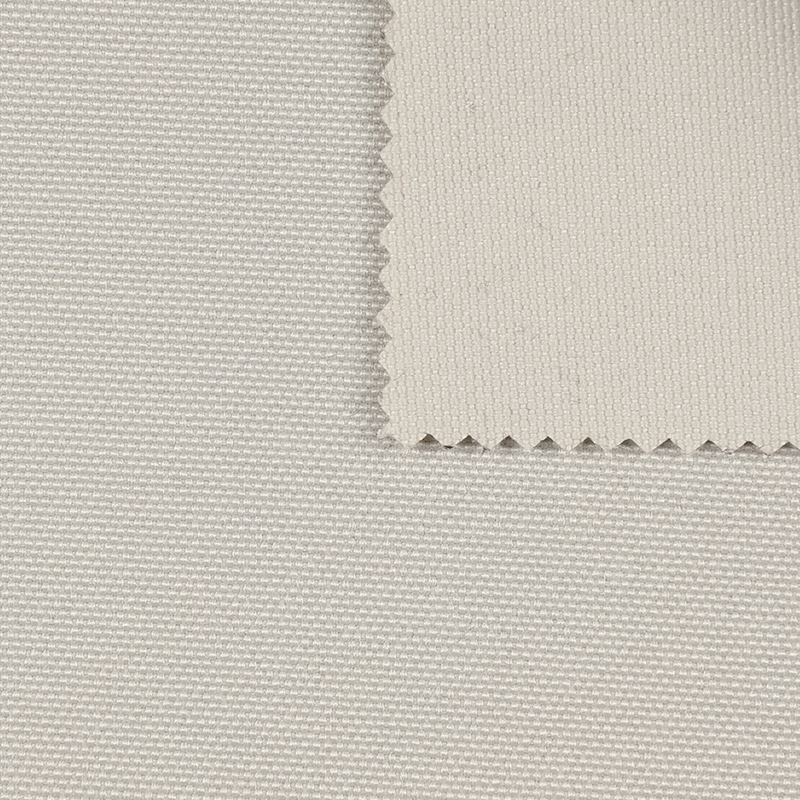
Oxford constructions use a basket-style weave that creates a subtle, durable surface and natural breathability. Our outdoor production line, operating nearly 300 sets of machinery including 200 water-jet looms, enables precise tension control that keeps the weave uniform—a critical factor in preventing thin spots that UV rays can exploit. As a vertically integrated supplier, Hangzhou Xiaoshan Wenfa Textile Co., Ltd. adjusts weave density and applies specialized polyurethane or acrylic coatings to meet end-use demands, from lightweight 210D inner tent liners to heavy-duty 1200D groundsheets.
Typical outdoor polyester Oxford fabric grades and their primary uses
| Denier Range |
Weight (gsm) |
Common Coating |
Outdoor Application |
| 150D–210D |
80–120 |
PU/WR |
Tent inner walls, stuff sacks |
| 300D–420D |
140–190 |
PU/PA |
Backpack panels, canopy roofs |
| 600D–900D |
220–300 |
PVC/PU dual |
Beach chair seats, heavy-duty outdoor gear |
| 1200D |
380+ |
PVC/TPE |
Groundsheets, high-abrasion corners |
The customizability of Outdoor Fabric lies in this layering: selecting a weave that manages stress in multiple directions and matching it with a coating that complements, not overpowers, the textile’s flexibility.
Beyond the Label: How Colorfastness and Weathering Tests Define Outdoor Fabric Reliability
A fabric labeled “UV-resistant” can still lose significant color depth within weeks if its colorfastness rating isn’t matched to the intended exposure level. The gold standard for Outdoor Fabric is ISO 105-B02 (Xenon arc lamp) or AATCC TM16, with a target of grade 4–5 for intense sunlight environments. These tests simulate full-spectrum solar radiation, including the UV and visible light that drive photochromic fading, as well as controlled moisture cycles that mimic morning dew or salt spray.
What a Proper Weathering Protocol Looks Like
- Prepare specimen swatches from both warp and weft directions, as fiber orientation influences light fastness.
- Expose in a xenon chamber with a controlled humidity cycle; include a batch of blue wool reference standards.
- Evaluate color change at increments of 200, 400, and 600 kJ/m² using a spectrophotometer under D65 illuminant.
- Cross-check with mechanical tests: a 5% drop in tear strength after colorfastness testing signals that UV penetration is causing subsurface damage.
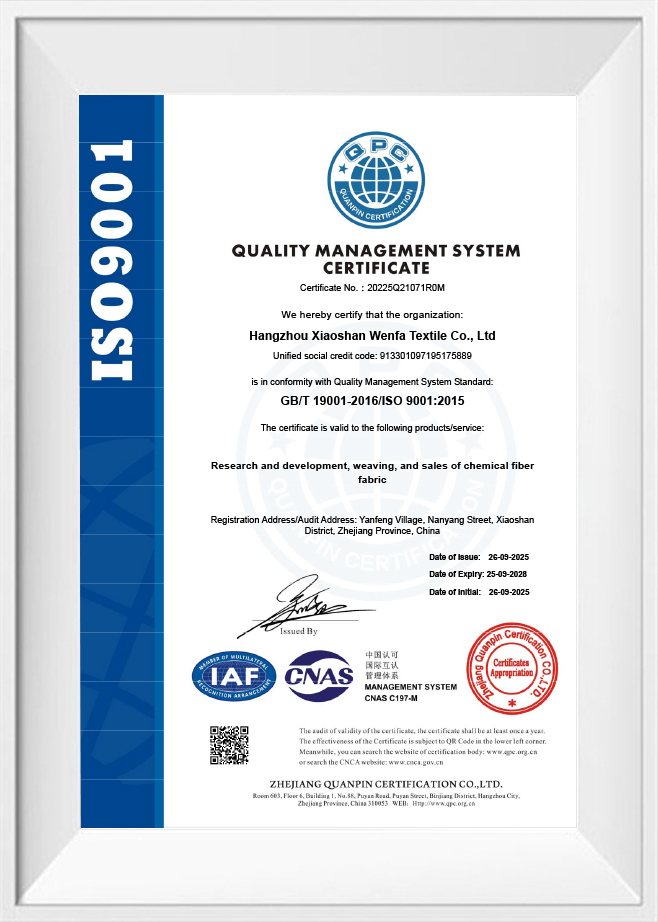
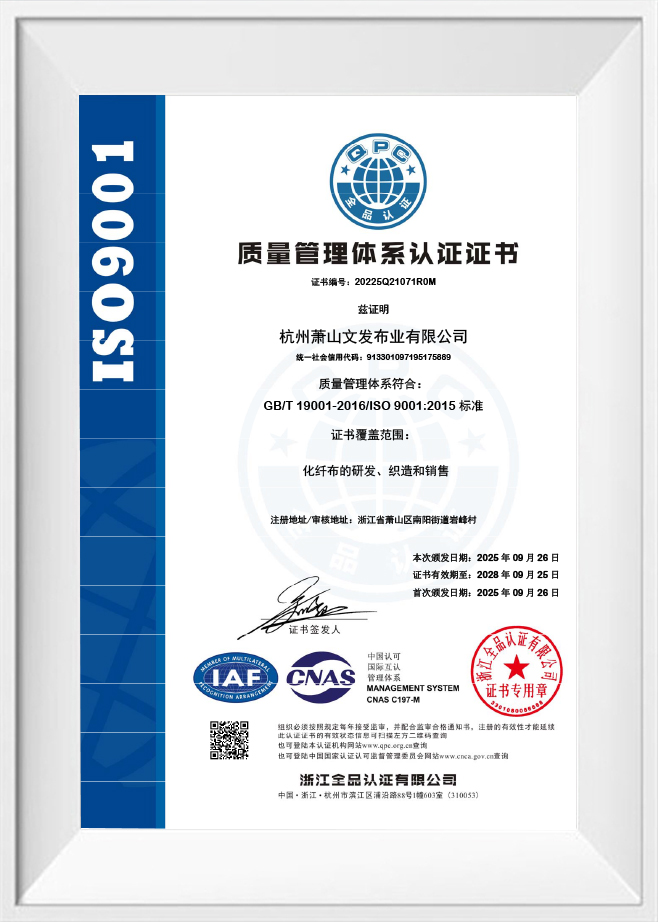
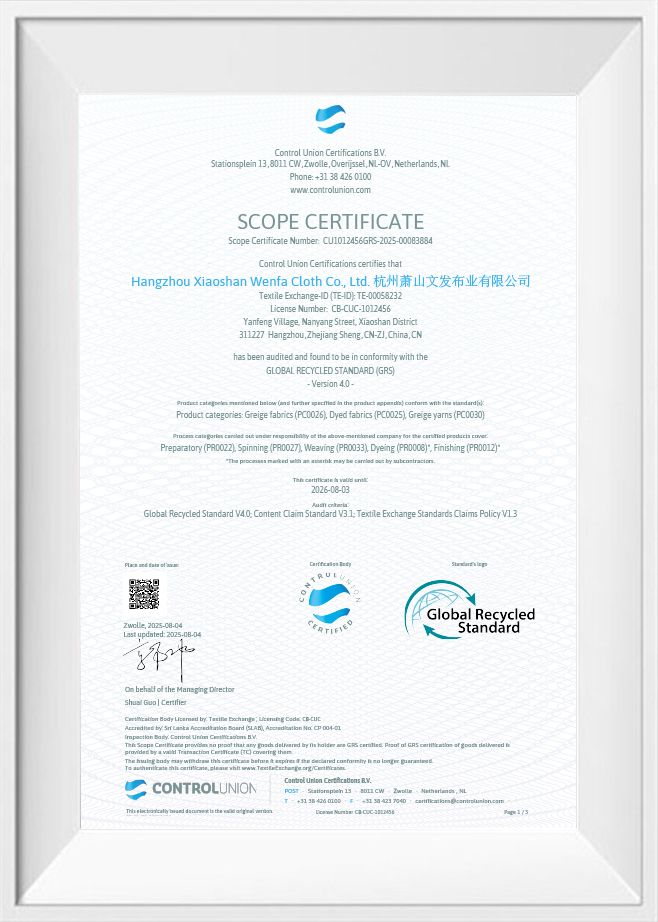
We apply this framework to every batch of Outdoor Polyester Fabric from our production line, and our in-house lab correlates results with real-world exposure data gathered from beach and alpine sites. This discipline helps product designers avoid the common pitfall of specifying a brilliant color that turns chalky within one season. Our compliance with REACH, GRS, and OBP standards also ensures that the stabilizers and dyes used meet stringent ecological requirements, so that long-lasting vibrancy doesn’t come at an environmental cost. For any outdoor gear brand, requiring a minimum light fastness rating of 4 (AATCC grey scale) after 40 AFU exposure is a practical benchmark that separates novelty fabrics from truly season-proof textiles.

 English
 русский
 Français
 Español
 中文简体
中文简体