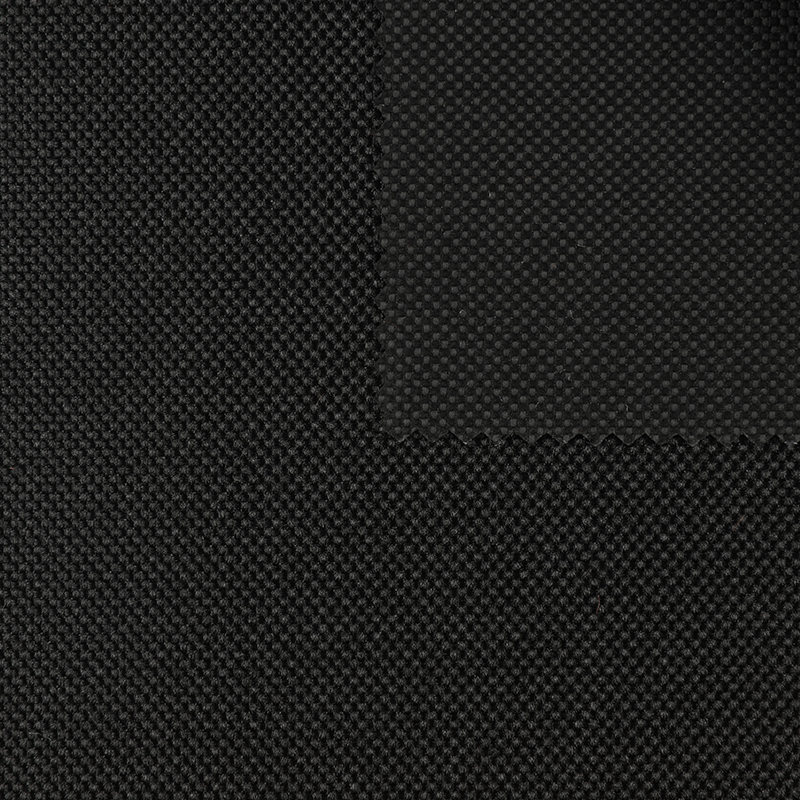
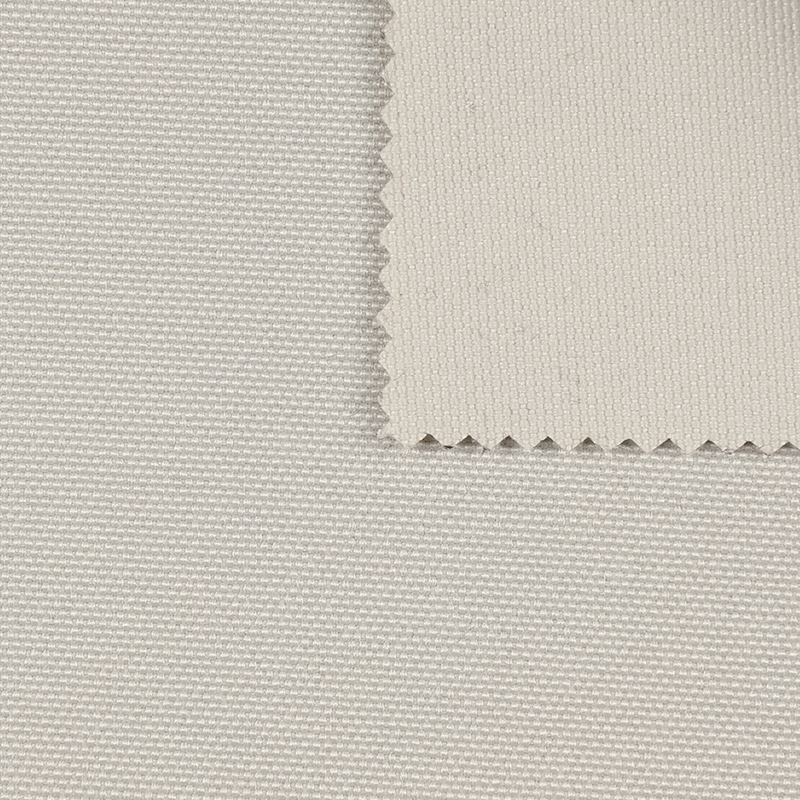
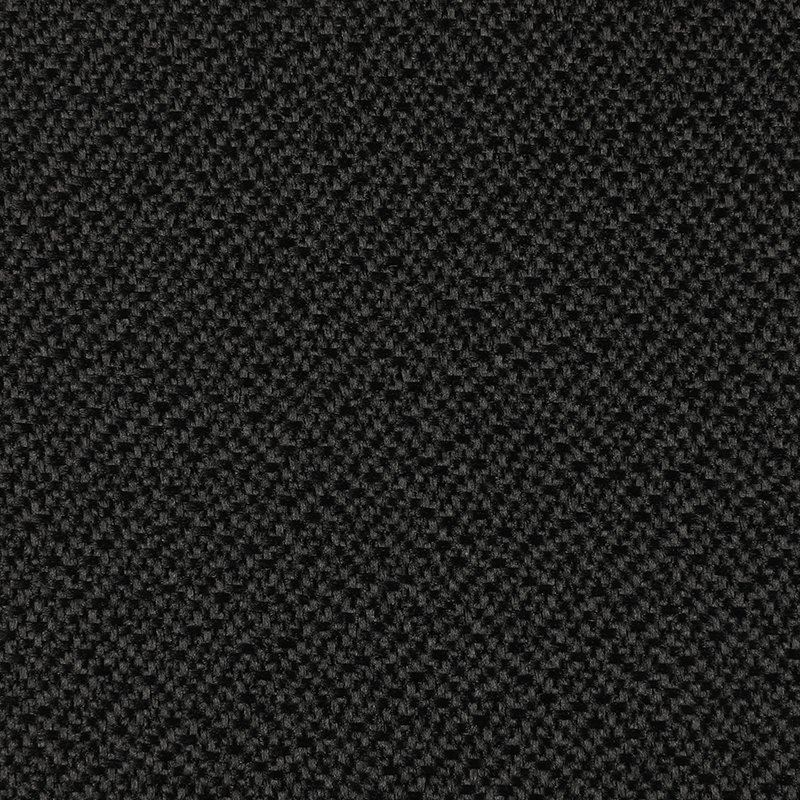
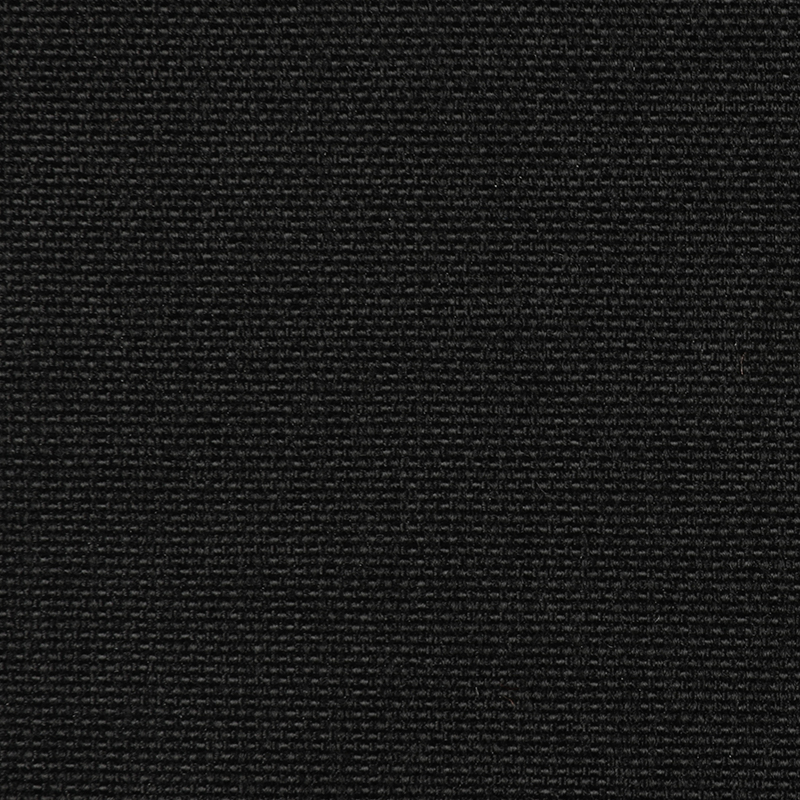
Choosing Between TPE and TPU Coating Technologies for Polyester Fabrics
Selecting the right coating often comes down to balancing cold-flexibility, hand feel, and abrasion resistance. TPE coatings excel in maintaining a soft, rubber-like texture even at -30°C, while TPU formulations provide higher surface toughness and can be tuned for low-temperature ductility. The table below outlines key performance indicators to guide material decisions for backpacks, tent floors, and protective outer layers.
| Property |
TPE Coating Polyester Fabric |
TPU Coating Polyester Fabric |
| Low-Temperature Flexibility |
Remains ductile below -30°C |
Standard to -20°C; cold-flex grades to -30°C |
| Surface Hand Feel |
Smooth, dry, non-sticky |
Slightly tackier; can be matte-finished |
| Abrasion Resistance |
Good for garment applications |
High; ideal for heavy-duty gear |
| Hydrolysis Stability |
Excellent; no plasticizer migration |
Ether-based TPU offers strong resistance |
Table: Comparative performance snapshot for coated polyester fabric selection
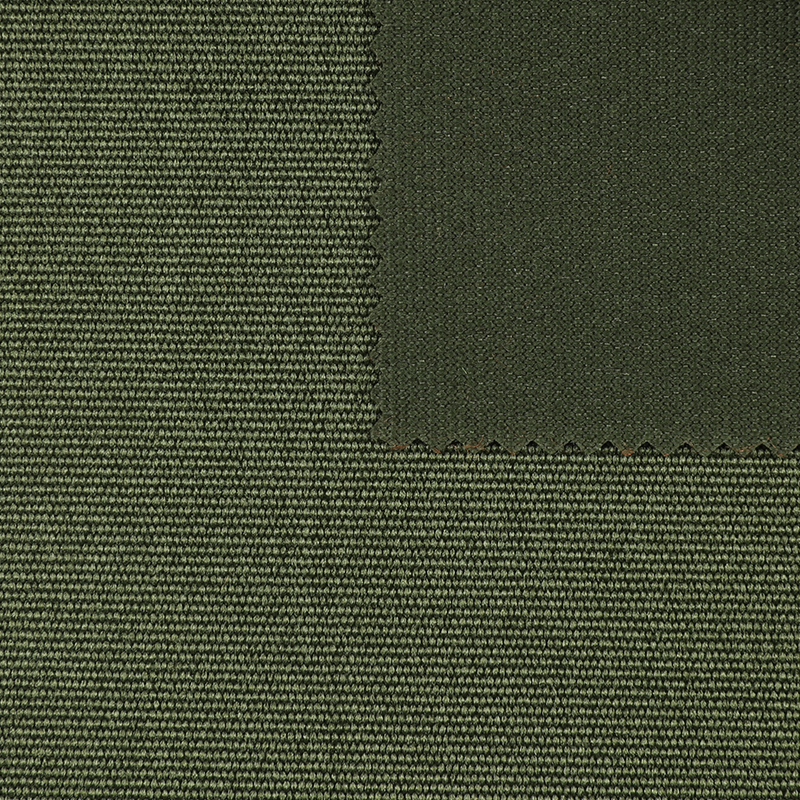
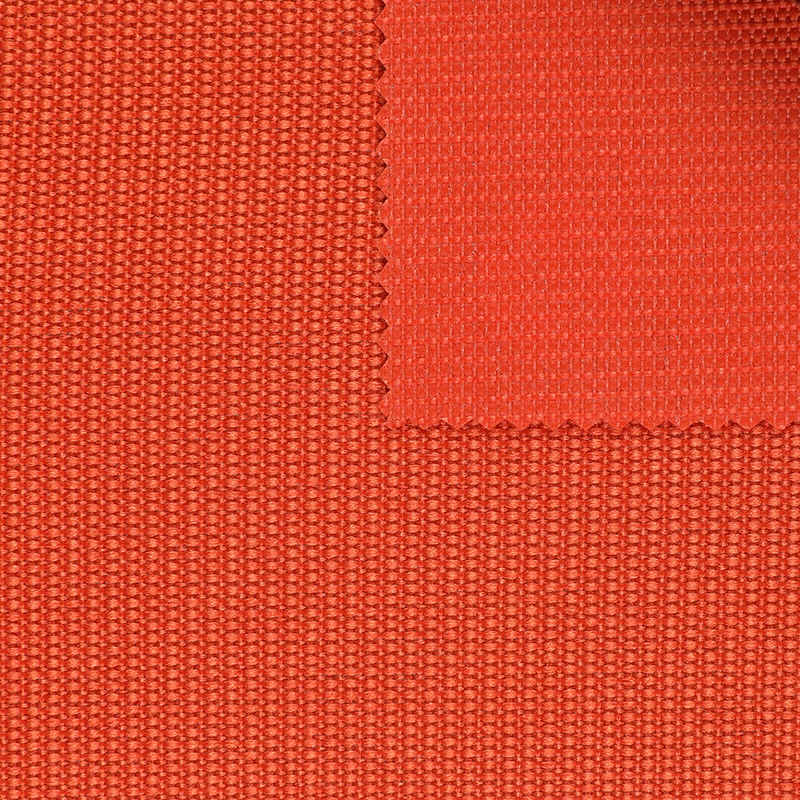
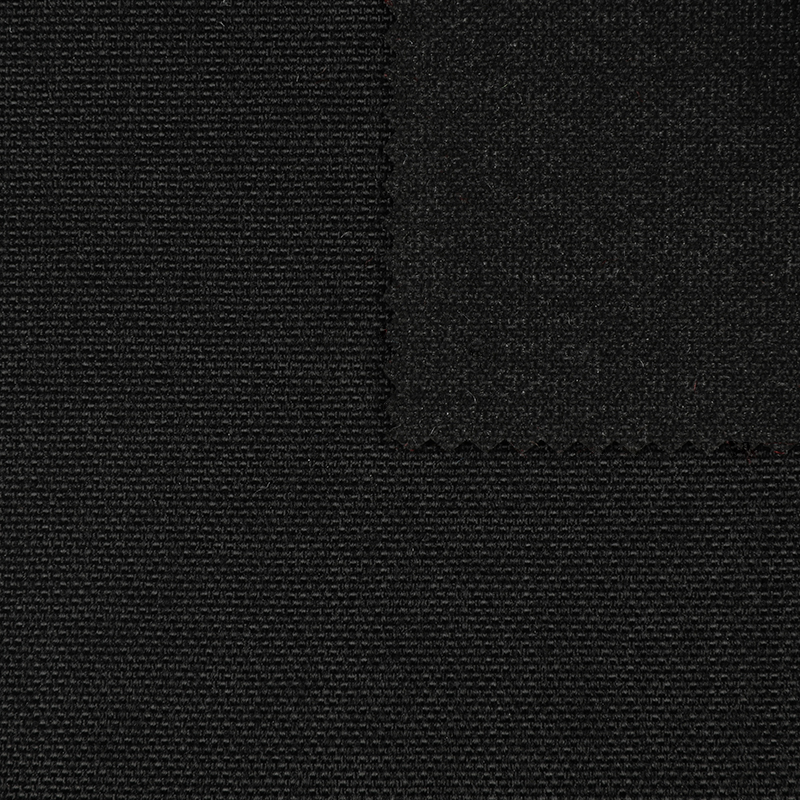
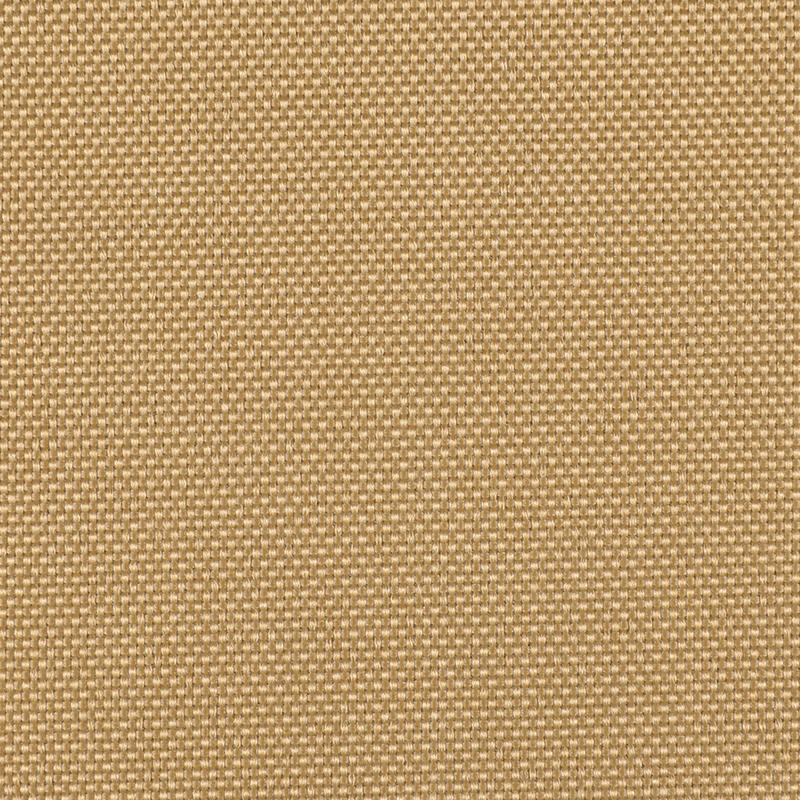
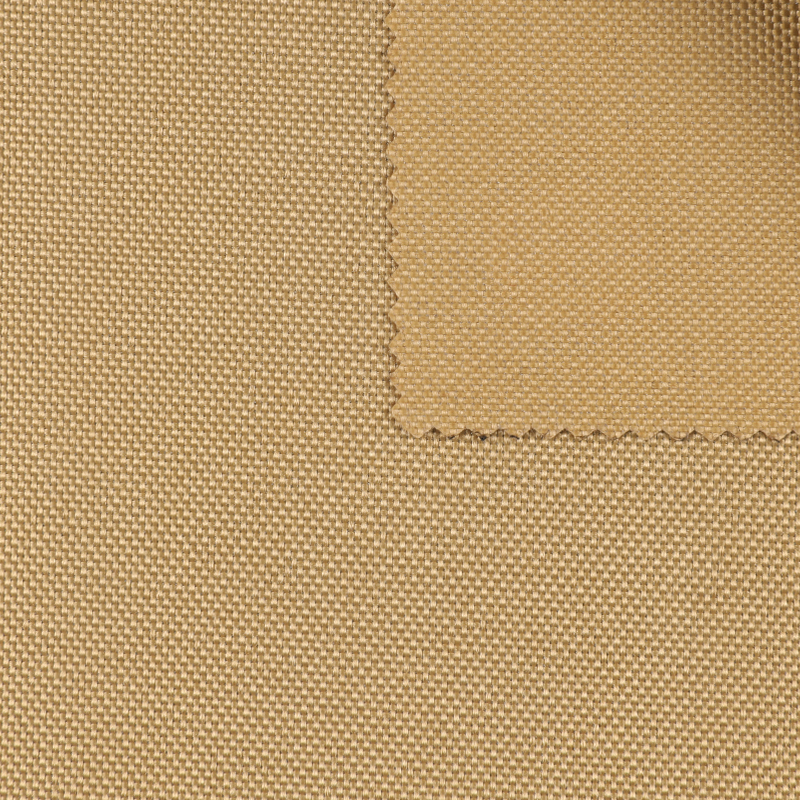
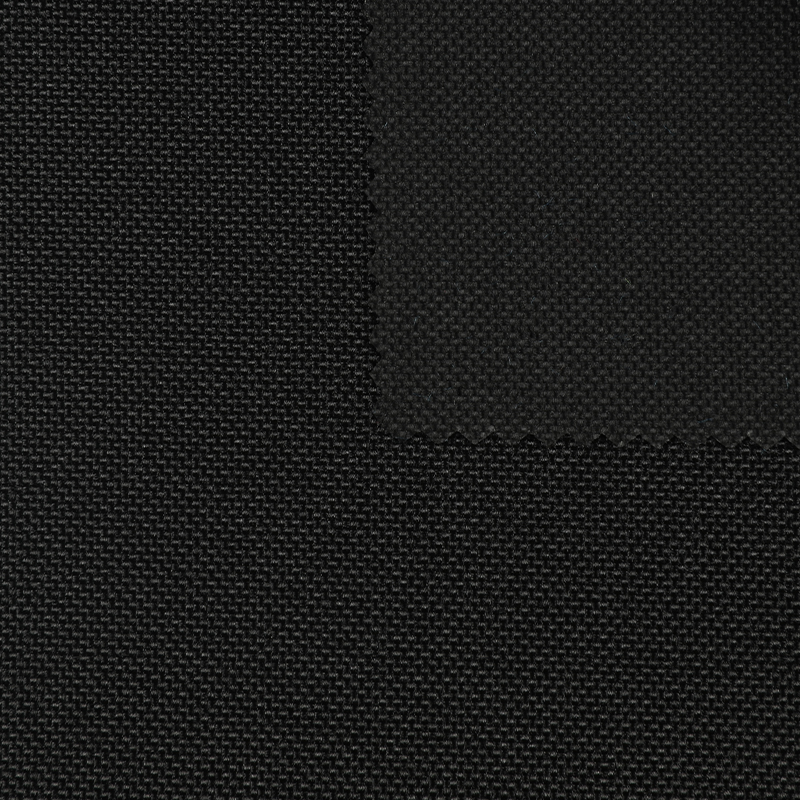
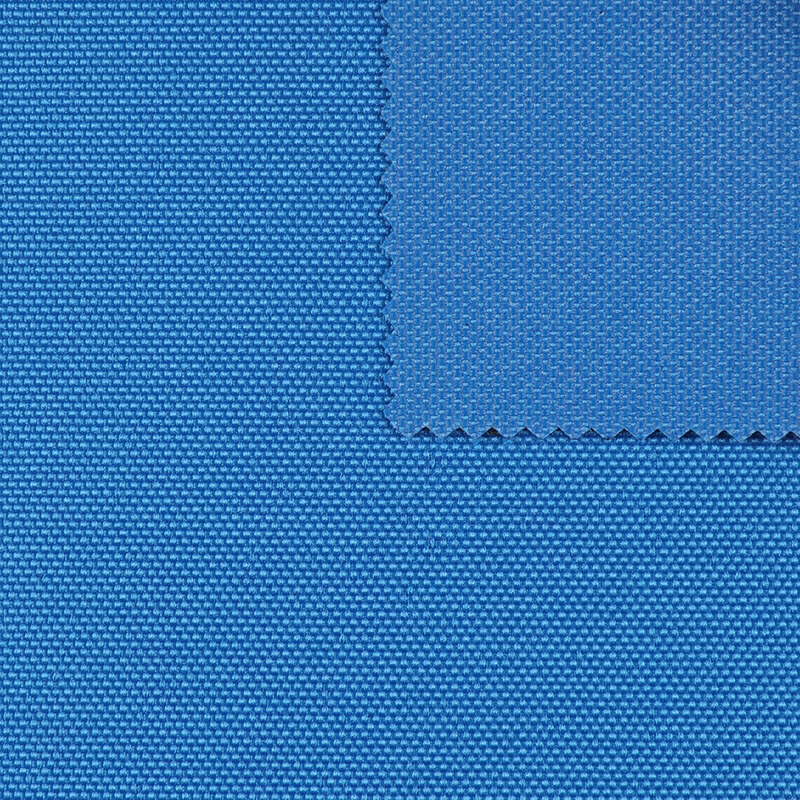
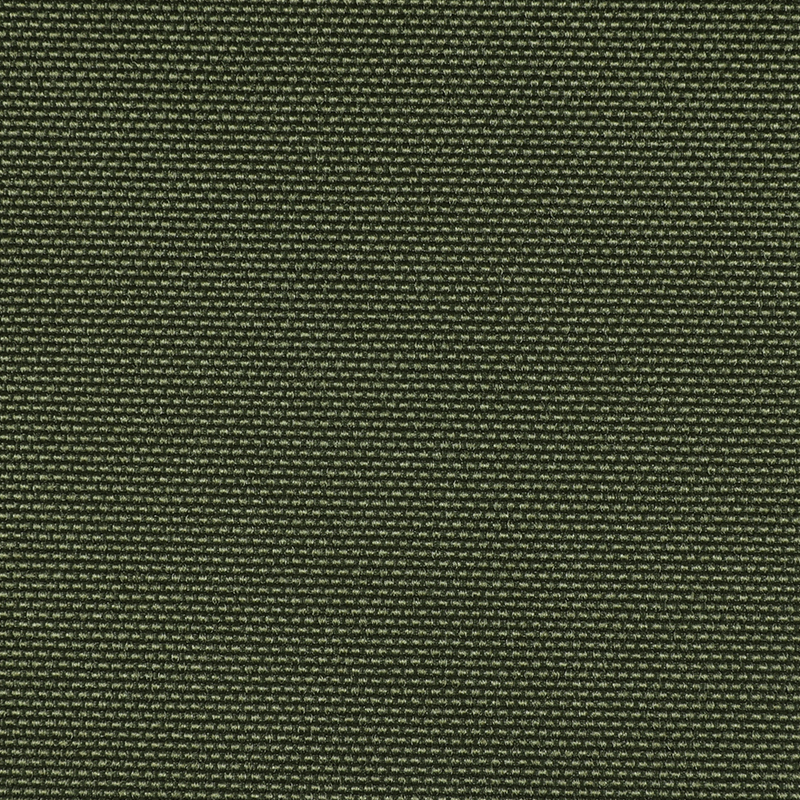
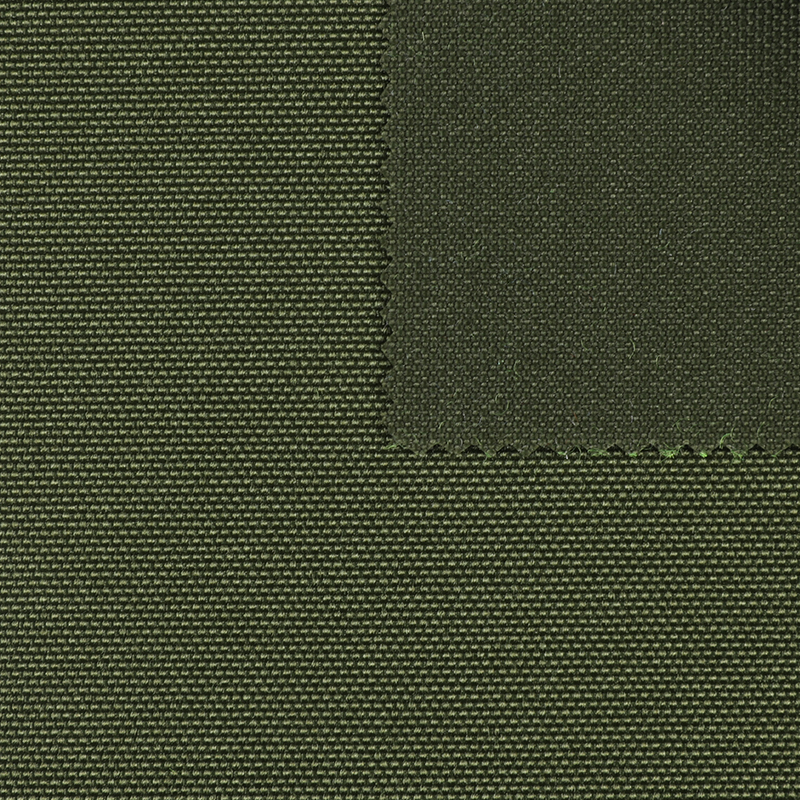
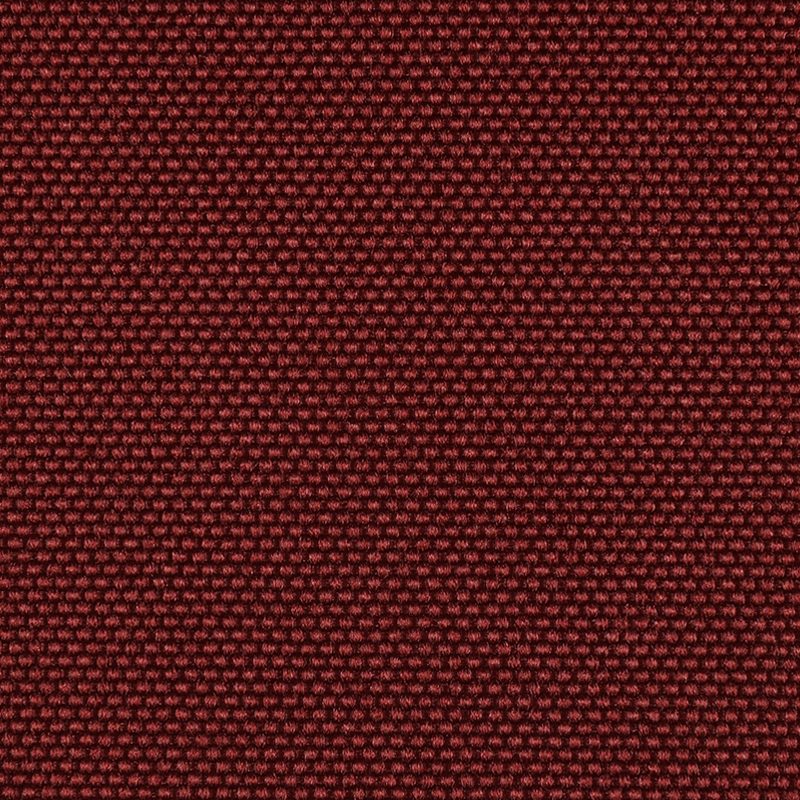
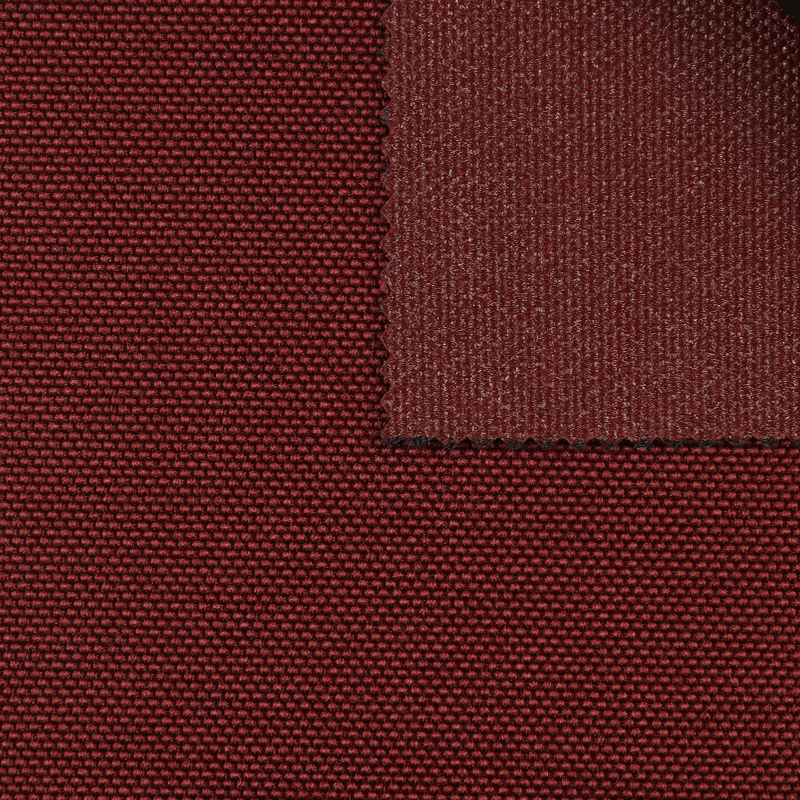
At Hangzhou Xiaoshan Wenfa Textile, we help you navigate these variables—whether you need the extreme cold-flexibility of TPE or the rugged durability of a custom TPU Coating Fabric, our integrated production ensures consistent quality across every batch.
Extending the Service Life of Waterproof Coated Fabrics
The longevity of a waterproof coating depends heavily on resisting delamination and hydrolysis. For polyester-based laminates, moisture trapped in the polymer matrix can accelerate degradation if the coating lacks proper crosslinking. Key practices include:
- Specifying ether-based TPU or stabilized TPE formulations that withstand high-humidity aging tests (e.g., 70°C, 95% RH for 4 weeks).
- Avoiding prolonged exposure to chlorinated solvents or DEET-based repellents, which can swell certain coatings.
- Storing finished goods in a dry, cool environment to minimize pre-use hydrolysis risk.
Our TPU Coating Polyester Fabric is engineered with optimized polymer blends that resist hydrolysis, helping outdoor brands reduce warranty claims and maintain waterproof integrity over multiple seasons. When combined with appropriate seam sealing, the coating life can exceed the expected product use cycle.
Manufacturing Best Practices for TPU Coating Polyester Fabric
Working with TPU-coated textiles requires adjustments on the factory floor to avoid needle gumming, uneven feed, or seam leakage. The following process tweaks yield significant quality gains:
- Use round-point or ball-point needles (size 70-90) to push fibers aside rather than piercing the coating film.
- Apply a PTFE-coated presser foot or roller foot to reduce friction and prevent sticking.
- Select continuous-filament polyester thread with a tensile strength of at least 2.5 kg to match coating toughness.
- Seal seams with hot-air tape at 380–420°C, ensuring the tape chemistry is compatible with TPU for a lasting bond.
Seam Sealing Techniques
For fully waterproof constructions, two-layer overlap seams sealed with a TPU-backed tape offer the highest hydrostatic resistance. We recommend a minimum tape width of 20 mm and on-site calibration of hot-air nozzles before each production run. As an OEM/ODM TPE Coating Fabric Factory, Hangzhou Xiaoshan Wenfa Textile shares these processing guidelines to simplify working with TPU Coating Polyester Fabric, reducing waste and improving seam quality for manufacturers transitioning to coated synthetics.
Navigating International Eco-Standards for Coated Textile Exports
Sustainability claims on coated fabrics must be backed by recognized certifications. Three frameworks are particularly relevant for brands shipping to Europe and North America:
- REACH – Restricts substances of very high concern (SVHC) in the polymer and coating. Compliance ensures no legacy plasticizers or heavy metals migrate from the coating layer.
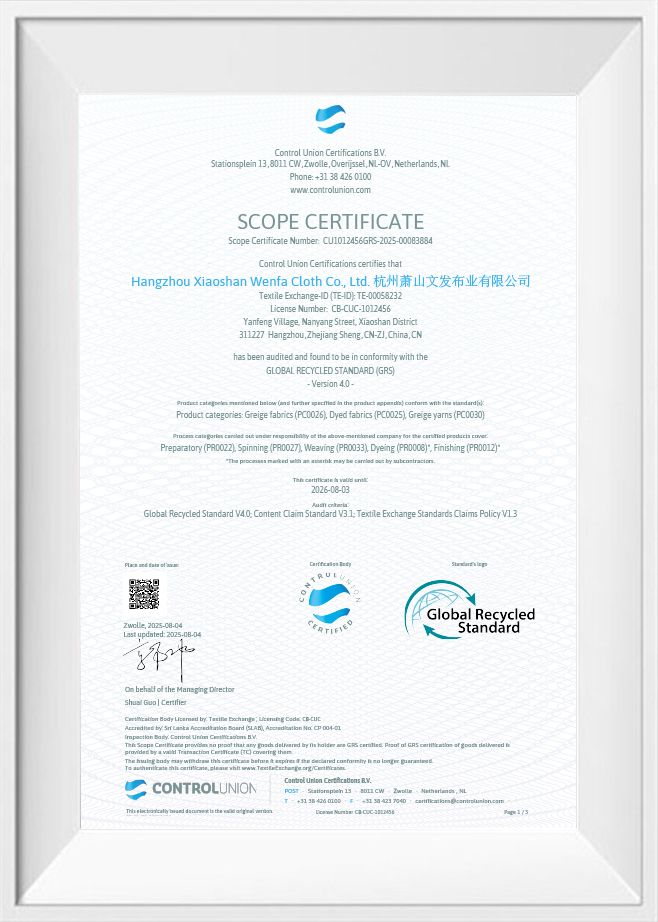
- GRS (Global Recycled Standard) – Verifies recycled content in the polyester base fabric and tracks it through the supply chain, supporting circular-economy goals.
- OBP (Ocean Bound Plastic) – Certifies that raw materials were collected from at-risk coastal areas, preventing plastic leakage into oceans.
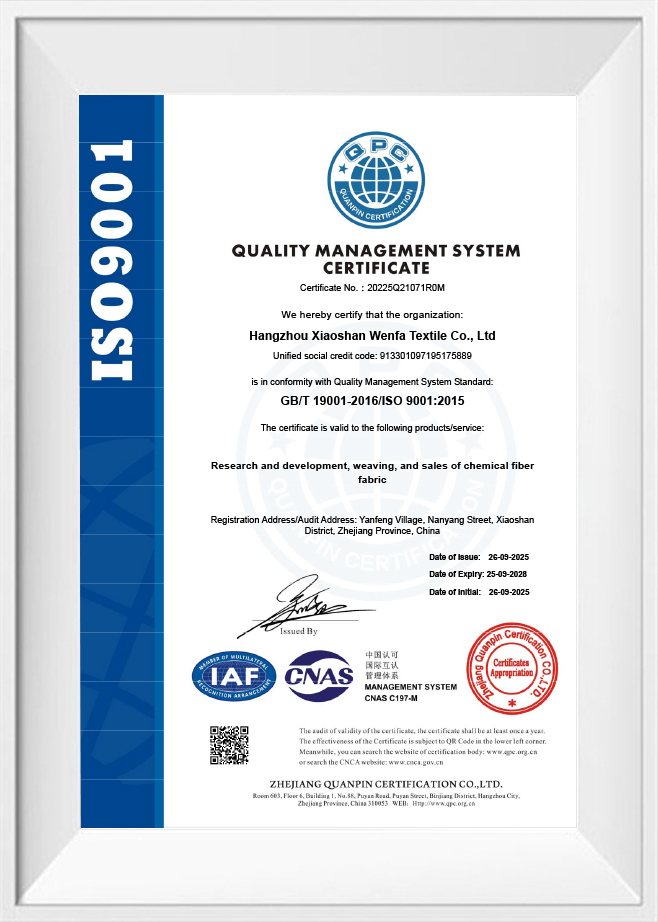
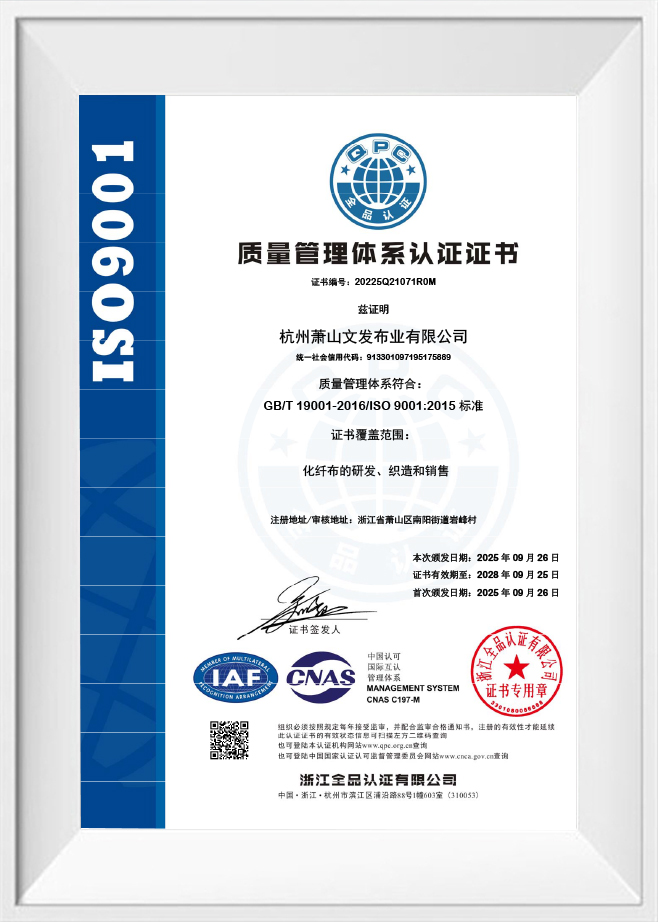
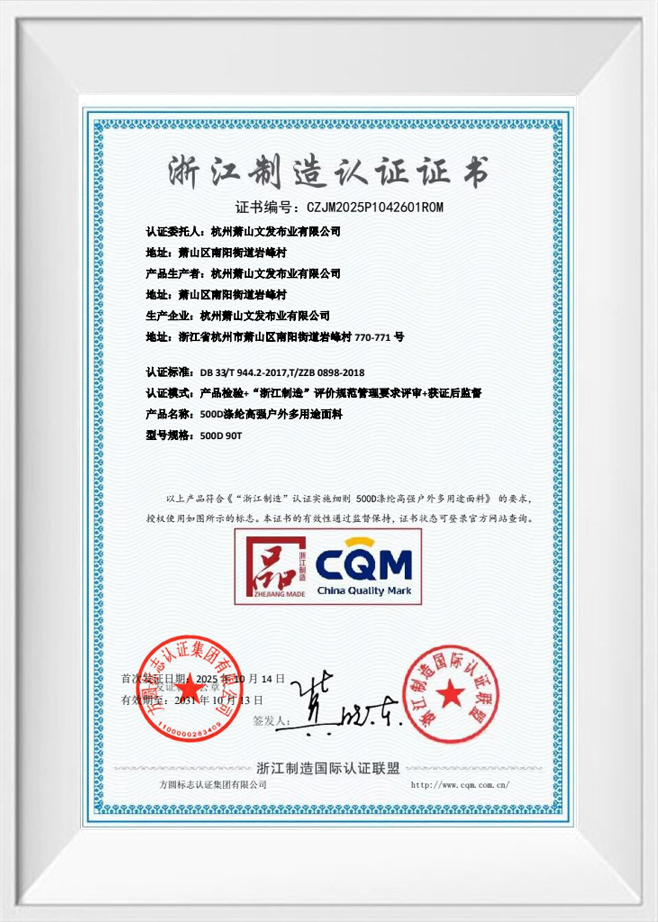
Hangzhou Xiaoshan Wenfa Textile holds ISO, REACH, GRS, and OBP certifications for both our TPE coating line and our TPU Coating Fabric range. This documentation streamlines your brand’s compliance audit, while the inherently phthalate-free nature of our TPU Coating Polyester Fabric adds an extra layer of safety for children’s products and direct-skin-contact gear. By choosing certified coated fabrics, outdoor labels can confidently bridge high performance and environmental responsibility.

 English
 русский
 Français
 Español
 中文简体
中文简体