Why TPE Coating Outperforms Traditional Waterproof Layers in Cold Environments
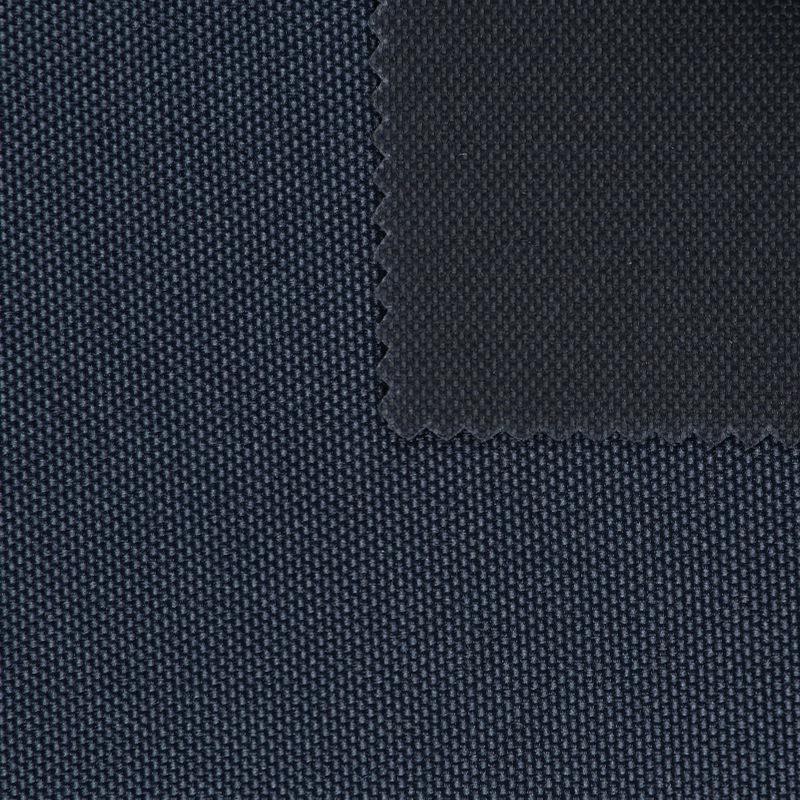
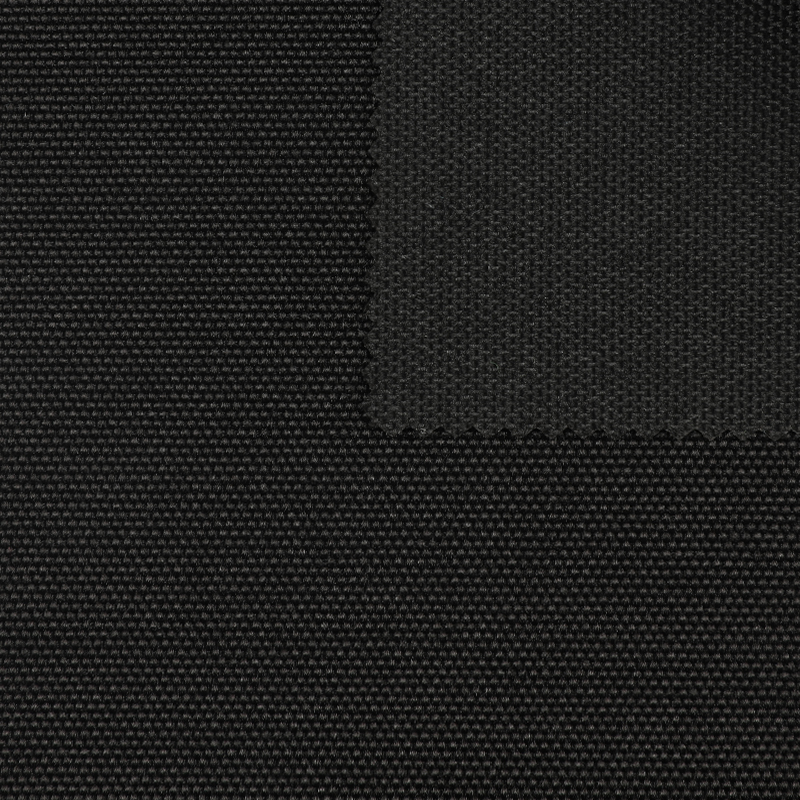
Conventional PVC or standard PU coatings often rely on plasticizers that migrate over time, causing stiffening and cracking when temperatures drop. TPE Coating Fabric, built on a thermoplastic elastomer backbone, sidesteps this weakness. Its molecular architecture combines hard domains that deliver strength with soft, flexible segments that retain mobility well below freezing. This structural design directly translates into the excellent cold flexibility that keeps gear pliable even in alpine or polar conditions.
Practical testing reveals clear differences. At Hangzhou Xiaoshan Wenfa Textile Co., Ltd., we regularly subject our TPE Coating Polyester Fabric to dynamic flex cycles at sub-zero temperatures. The coating remains ductile down to -30°C without micro-cracking, whereas comparable PVC-laminated controls typically embrittle below -10°C. This resilience is not just a lab figure—it means tent floors stay foldable, backpack roll-tops seal reliably, and glove shells resist tearing during extreme use.
Beyond temperature tolerance, the absence of volatile plasticizers preserves the soft texture over the product’s entire life span. Buyers who spec TPE-coated fabrics can confidently promise end-users a consistently comfortable hand feel, season after season.
Reading Between the Lines of Sustainability Certifications for Coated Fabrics
Navigating the label landscape is crucial when sourcing eco-friendly materials. Three certifications often appear alongside TPE coating solutions, and each tackles a different dimension of responsibility.
Key certifications that validate both chemical safety and resource circularity in coated fabrics
| Certification |
Core Focus |
Why It Matters for TPE-Coated Textiles |
| REACH |
Chemical substance restrictions |
Confirms that the TPE formulation avoids substances of very high concern, supporting safe skin contact and environmental compatibility. |
| GRS |
Recycled content and chain of custody |
Verifies the percentage of recycled polyester in the base fabric, aligning TPE coating fabrics with circular economy targets. |
| OBP |
Ocean-bound plastic collection |
Proves that raw material recovery prevents plastic waste from reaching marine ecosystems, adding a compelling story to sustainable gear collections. |
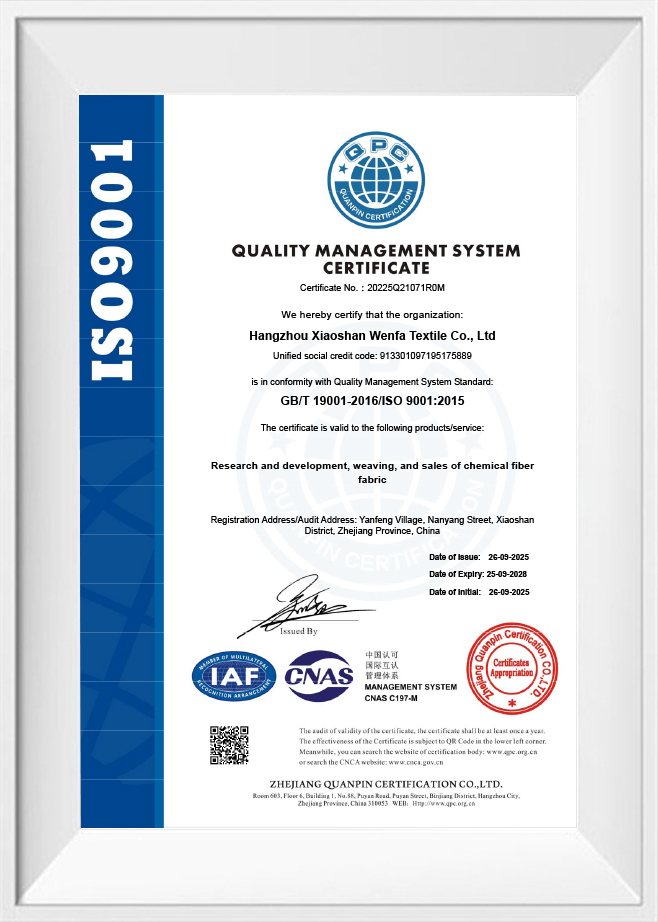
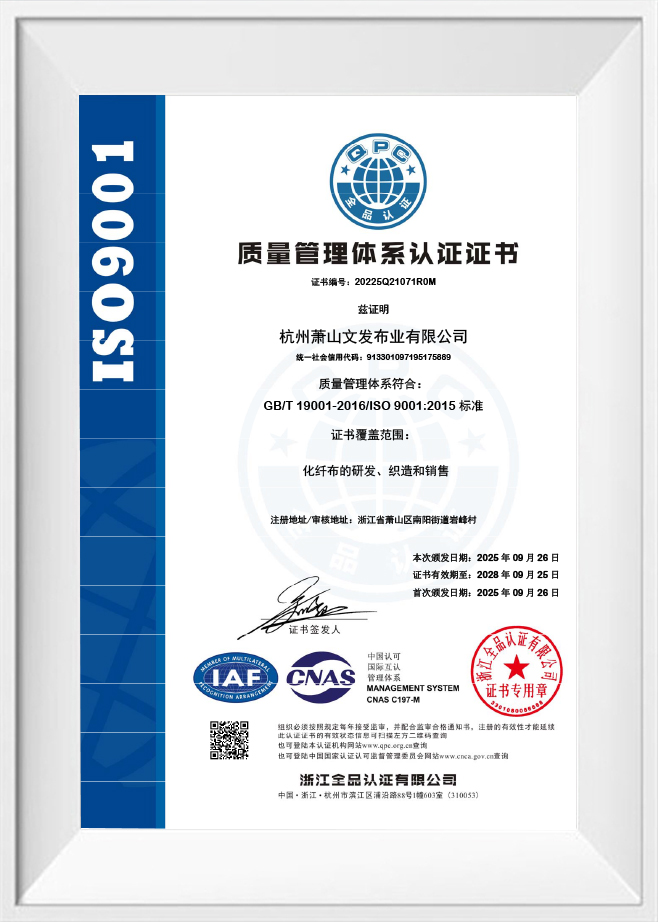
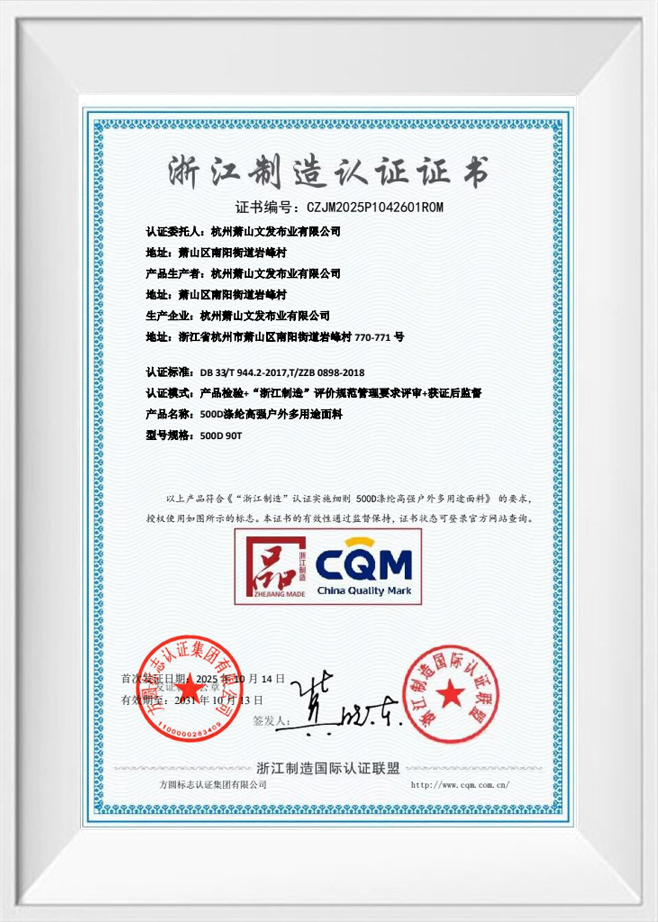
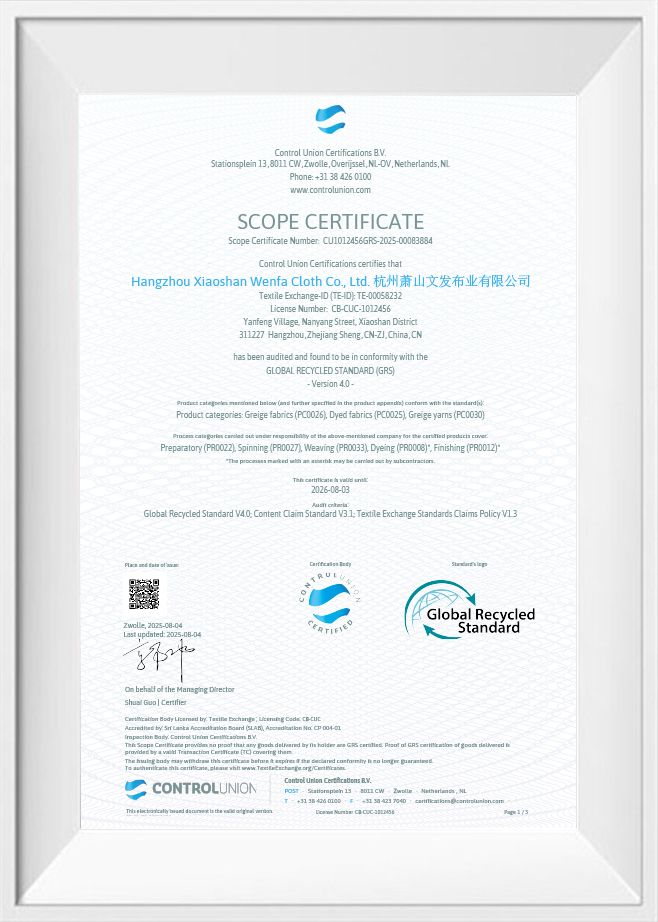
These three standards together deliver a multi-layered guarantee that the fabric meets both chemical safety and resource-circularity requirements. Our factory operations at Hangzhou Xiaoshan Wenfa Textile Co., Ltd. hold ISO, REACH, GRS, and OBP certifications, so every meter of TPE Coating Fabric we ship is backed by independently audited compliance—helping your brand substantiate its green claims without guesswork.
Matching Fabric Weight and Weave to End-Use: A Practical Guide for TPE-Coated Oxford
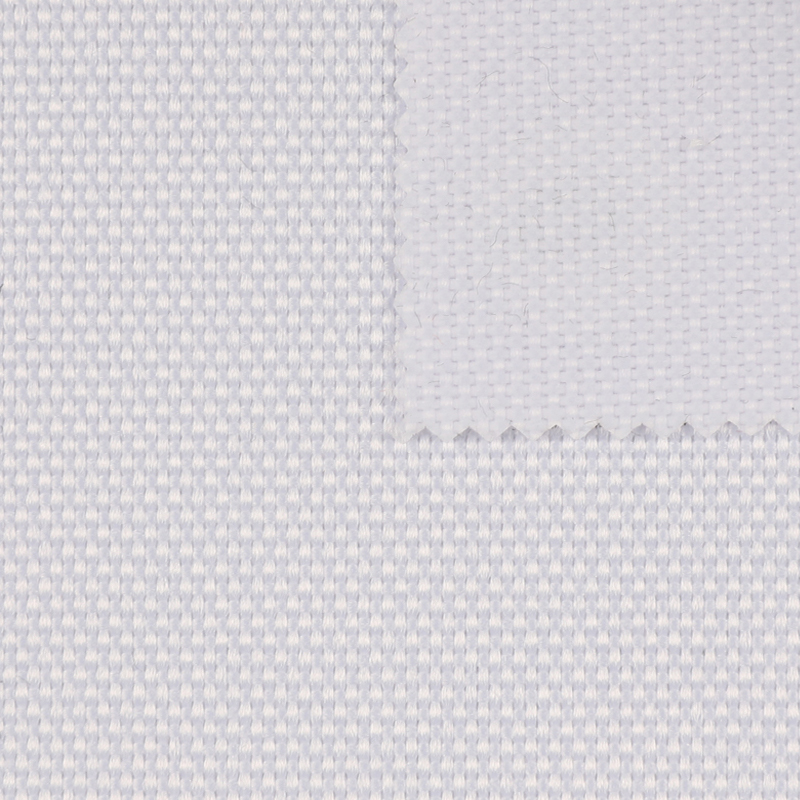
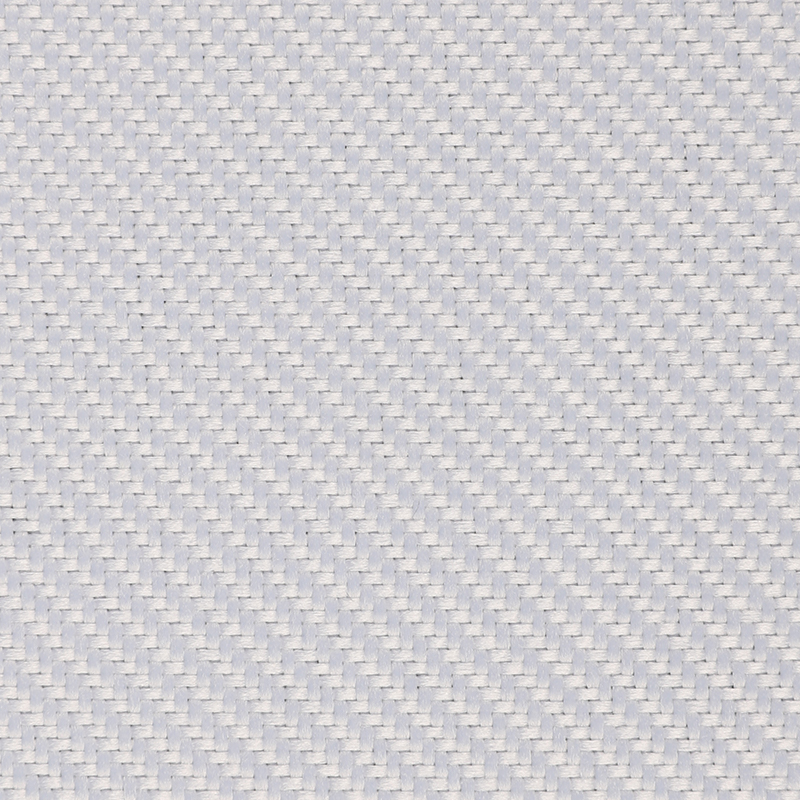
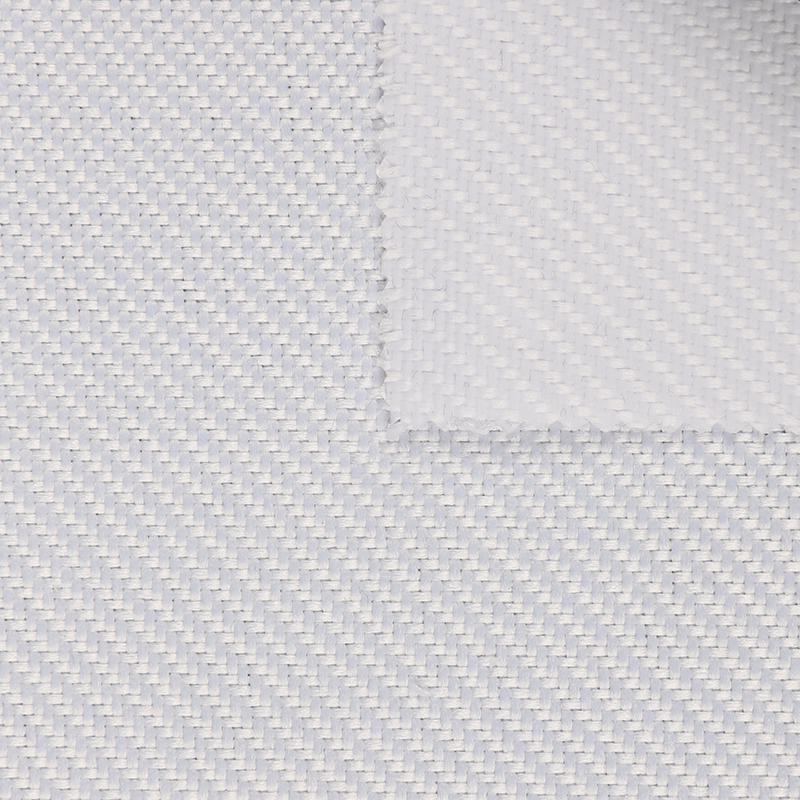
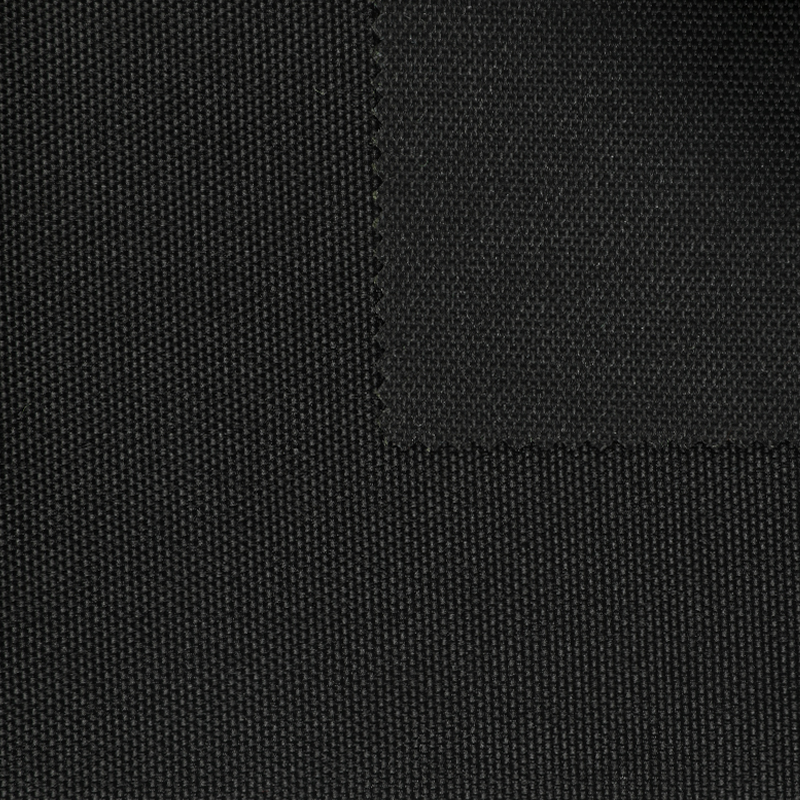
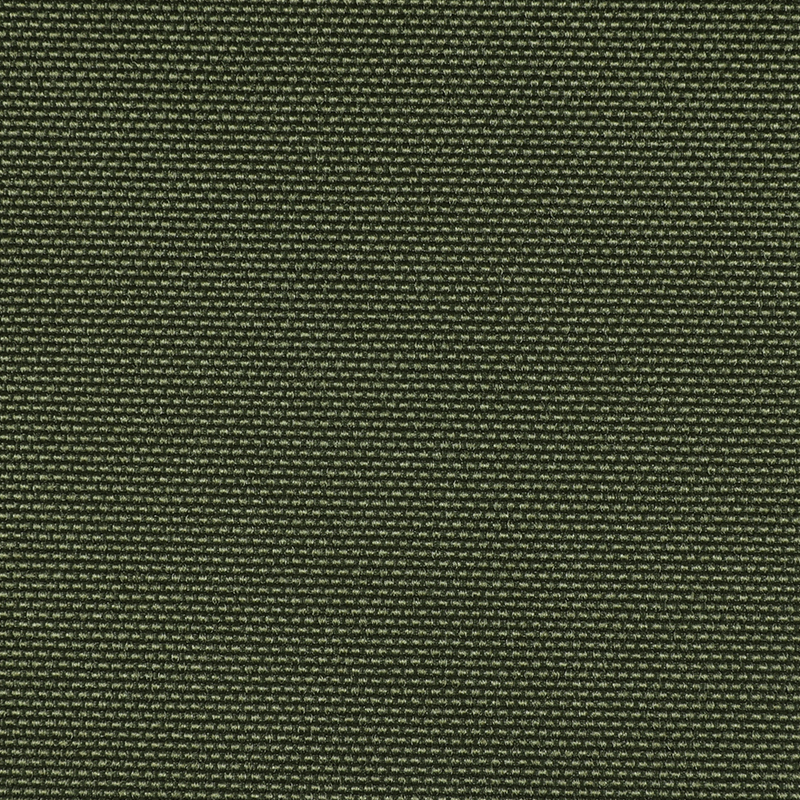
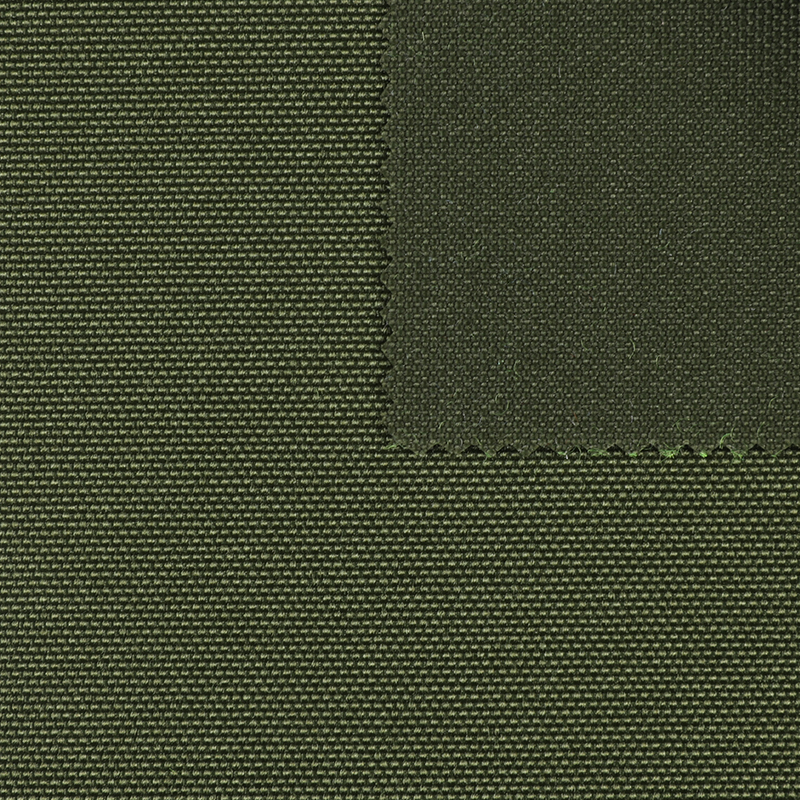
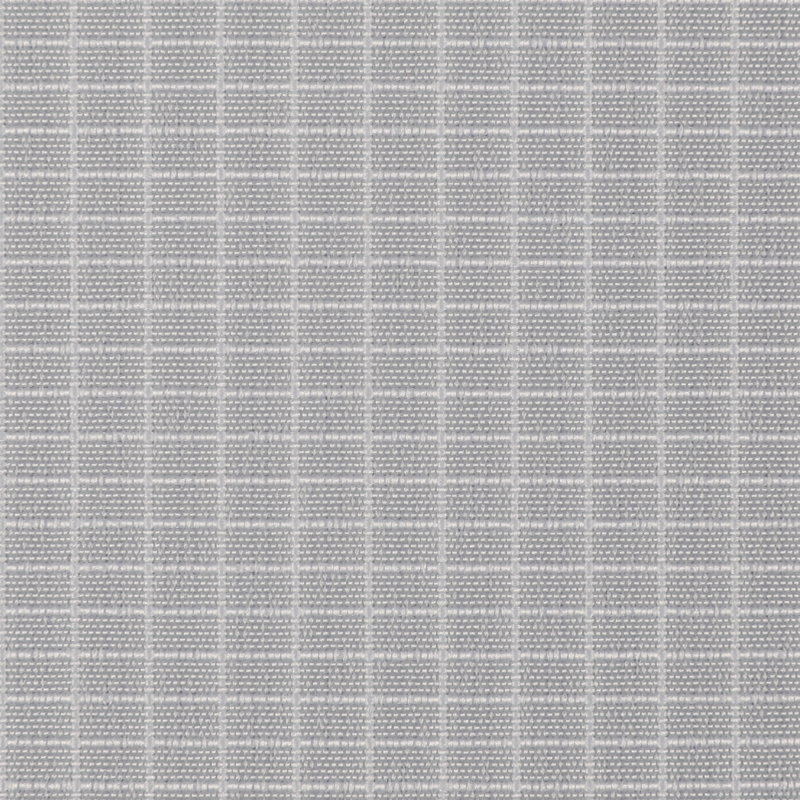
Selecting a denier is not just about durability—it directly affects packability, noise, and the tactile advantage of the coating. The TPE layer’s inherent soft texture can be fully exploited only when the base fabric complements it. A rough guideline for Oxford weaves commonly used with TPE Coating Fabric is outlined below.
Typical denier and weave recommendations for TPE-coated outdoor applications
| Base Fabric |
Typical Outdoor Application |
Recommended TPE Coating Weight |
Key Benefit |
| 210D ripstop nylon/polyester |
Ultralight rainfly, pack liner |
20–30 g/m² |
Minimal packed volume, silent movement |
| 420D Oxford |
Daypack, camping furniture |
40–60 g/m² |
Balanced tear strength and pliability |
| 600D Oxford |
Duffel bag, heavy-duty backpack |
60–90 g/m² |
High abrasion resistance with retained cold flex |
| 900D/1680D Oxford |
Expedition luggage, equipment cases |
80–120 g/m² |
Maximum puncture resistance, still foldable |
We supply custom TPE Coating Fabric across this full denier range, enabling you to tune hand feel and durability exactly to your design brief. Because the coating remains soft and drapeable even at higher coating weights, brands can avoid the cardboard-like stiffness often associated with heavy-duty waterproof textiles.
Optimizing Bond Strength: The Role of Lamination Parameters in TPE Coating Fabric Production
Achieving reliable waterproof performance without compromising the textile’s natural drape depends on precise lamination conditions. Three parameters critically influence the peel strength between the Oxford base and the TPE layer:
- Melt temperature – Too low, and the TPE fails to anchor into the weave; too high, and the polymer can penetrate excessively, creating a stiff hand.
- Nip pressure – Uniform pressure across the web width ensures consistent bonding, preventing weak spots that become leak paths under hydrostatic stress.
- Line speed and preheating – Adequate dwell time under heat allows the film to reach optimum flow viscosity, directly correlating with adhesion values above 15 N/5cm in standard peel tests.
At our facility, near 200 water-jet looms produce a stable, dimensionally uniform base fabric, while integrated coating lines maintain these parameters within narrow tolerances. As dedicated TPE Coating Polyester Fabric Manufacturers, Hangzhou Xiaoshan Wenfa Textile Co., Ltd. combines that production control with continuous inline inspection, so the finished roll exhibits both a hydrostatic head exceeding 10,000 mm and the softness that defines TPE technology.
For brands, this translates into fewer field failures and a differentiated product that can genuinely claim cold-ready, eco-conscious waterproof protection. When you evaluate a TPE Coating Fabric supplier, asking about lamination process capability is far more revealing than simply comparing coating material datasheets.

 English
 русский
 Français
 Español
 中文简体
中文简体