Frequency-Dependent Shielding: Why a Single dB Value Isn’t Enough
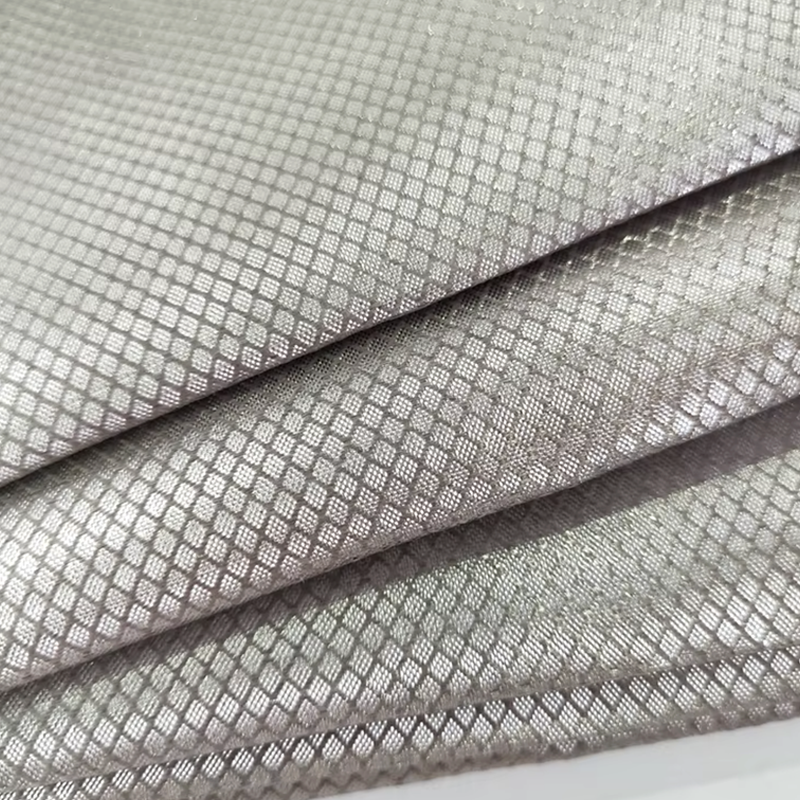
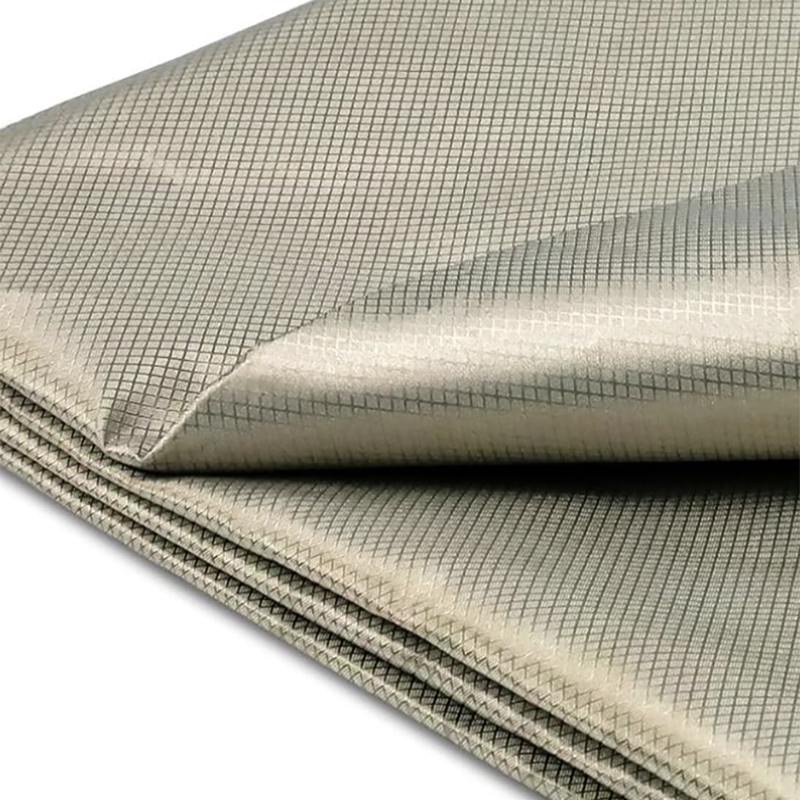
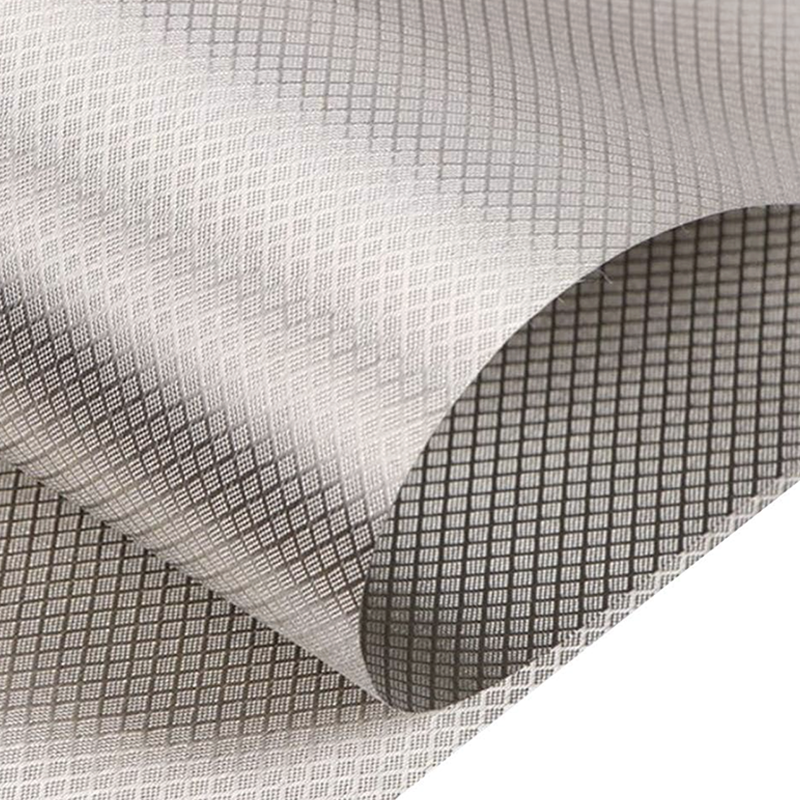
When sourcing a Signal Shield Fabric, it is tempting to rely on one attenuation number. However, shielding effectiveness is highly frequency-dependent. A fabric that delivers 35 dB at 900 MHz for GSM may drop to 18 dB in the 5.8 GHz Wi‑Fi band because of the changing relationship between weave aperture and wavelength. For trustworthy electromagnetic protection, performance should be verified across the full usage spectrum, not just at a single test point.
Common pitfalls we observe involve overestimating low-frequency results when the end product faces multi-band environments. Modern smart bags, for instance, must block 4G LTE, 5G NR, Bluetooth, and Wi‑Fi simultaneously. At Hangzhou Xiaoshan Wenfa Textile Co., Ltd., we validate our Signal Shield Fabric from 30 MHz up to 6 GHz, mapping SE curves so integrators can design with confidence.
Recommended shielding effectiveness targets per frequency band
| Frequency Band |
Typical Application |
Minimum SE Target |
| 700 MHz – 2.7 GHz |
2G, 3G, 4G cellular |
≥ 25 dB |
| 3.3 GHz – 6 GHz |
5G sub‑6 GHz, Wi‑Fi 5/6 |
≥ 20 dB |
| 2.4 GHz – 2.48 GHz |
Bluetooth, Wi‑Fi, Zigbee |
≥ 22 dB |
For high‑security enclosures, we recommend requesting test data that includes both near‑field and far‑field measurements. Even a small unshielded seam can degrade a well‑engineered fabric by 10 dB or more, making fabrication guidelines just as critical as raw material performance.
The Substrate Advantage: Why Polyester Outperforms in Flexible Shield Applications
Rigid metal enclosures offer high attenuation but cannot be cut, sewn, or draped. Signal Shield Polyester Fabric bridges this gap by anchoring conductive layers onto a polyester textile. Polyester was chosen for its dimensional stability under tension, low moisture regain, and strong adhesion with electroless metal coatings, all of which are critical for maintaining consistent surface resistivity after thousands of flex cycles.
Comparing substrate materials for shielding textiles
- Polyester (PET): Minimal stretch during lamination, retains shield integrity in curved linings.
- Nylon: Higher moisture absorption can accelerate oxidation of metal layers over time.
- Cotton blends: Inconsistent yarn thickness causes uneven coating and localized leakage.
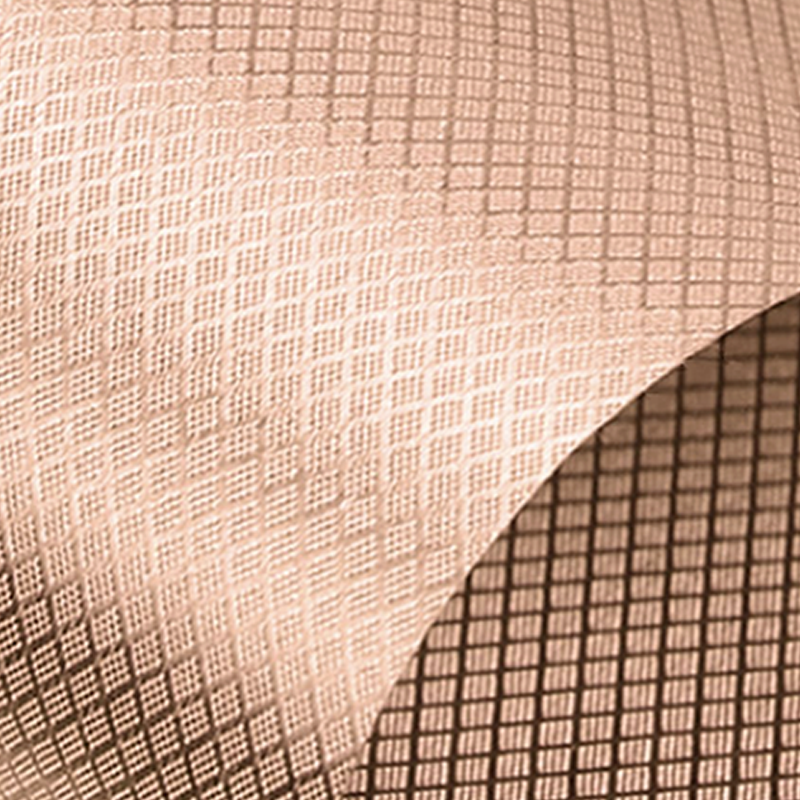
Our Signal Shield Polyester Fabric uses a base of 150D to 600D Oxford weave, allowing manufacturers to select the right weight for backpacks, security pouches, or architectural curtains. Because the polyester substrate resists fraying, laser-cut edges stay cleaner than those of many conductive knits, reducing post-processing steps. At Hangzhou Xiaoshan Wenfa Textile Co., Ltd., we stock standard widths and also supply laminated versions with a protective TPU film for outdoor gear, demonstrating how a substrate-first approach delivers durable shielding without sacrificing sewability.
RFID Shielding: Matching Fabric Construction to Tag Communication Protocols
RFID systems operate on distinct physical principles. Low‑frequency (125 kHz) and high‑frequency (13.56 MHz) tags couple magnetically, while UHF tags (860–960 MHz) rely on backscattered electromagnetic waves. A universal “Rfid Shield Fabric” does not exist; instead, shielding layers must be tuned to the target protocol. For near‑field HF cards, a thin aluminium layer embedded in fabric is effective, but that same construction may fail against UHF signals if the weave creates unintentional slot radiators.
Shielding approaches for common RFID frequency bands
| RFID Band |
Frequency |
Effective Shield Construction |
| LF |
125 kHz – 134 kHz |
High-permeability amorphous ribbon laminated to fabric |
| HF |
13.56 MHz |
Aluminium foil or metalized fabric with <1 Ω/sq surface resistance |
| UHF |
860 MHz – 960 MHz |
Conductive fabric with SE >30 dB and full seam grounding |
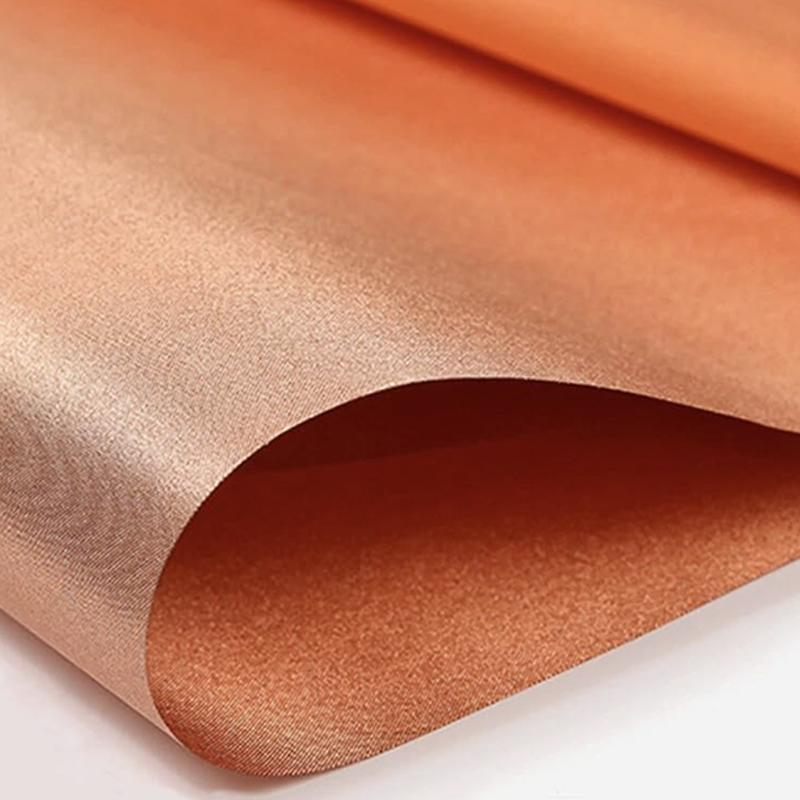
We produce Rfid Shield Polyester Fabric by combining a polyester base with a precision‑laminated metal layer or a high‑density nickel‑copper coating. For wallets and passport holders, this construction blocks ISO 14443 and ISO 18000-6C interrogation while keeping the total thickness under 0.35 mm. The same Rfid Shield Fabric can be supplied in roll form for automated cutting lines, enabling high‑throughput manufacturing of shielded accessories.
Manufacturing and Integration Guidelines for Shield Textiles
Turning a high‑performance Signal Shield Fabric into a reliable finished product depends on correct handling during cutting, sewing, and assembly. Conductive fibres exposed at cut edges can create unintended electrical paths, causing leakage or even short circuits if the fabric contacts PCBs inside a bag. At Hangzhou Xiaoshan Wenfa Textile Co., Ltd., we have refined a set of integration practices that our OEM partners routinely adopt.
- Seal raw edges with a thin insulating tape, an overlock stitch using non‑conductive thread, or a folded hem that fully encapsulates the conductive layer.
- When seams must cross the shield layer, employ a blind‑stitch technique or insert a non‑conductive interlining to prevent continuity loss across the stitch line.
- For applications demanding reflection‑dominant shielding, connect the fabric to a reliable ground via a crimped snap fastener; even a 2 cm ungrounded gap can reduce attenuation by 15 dB at UHF.
Standard industrial sewing machines work well with our fabrics. We recommend size 80/12 round‑point needles and a stitch length of 2.5–3 mm to minimise perforation damage. Because polyester‑based shield textiles resist puckering, they maintain flat seams even after repeated use. With nearly 300 sets of machinery and daily output of approximately 160,000 metres, Hangzhou Xiaoshan Wenfa Textile Co., Ltd. offers OEM/ODM services, including pre‑cut panels, laminated finishes, and custom‑width rolls, helping global brands integrate Signal Shield Fabric seamlessly into their security product lines.

 English
 русский
 Français
 Español
 中文简体
中文简体