How Denier Translates to Real-World Durability in Bag Fabric
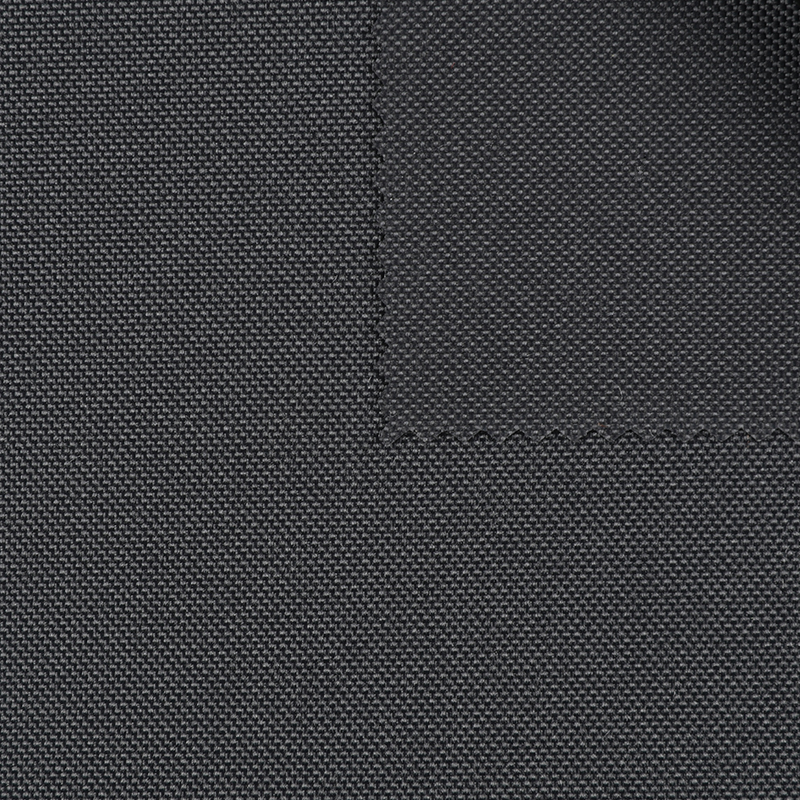
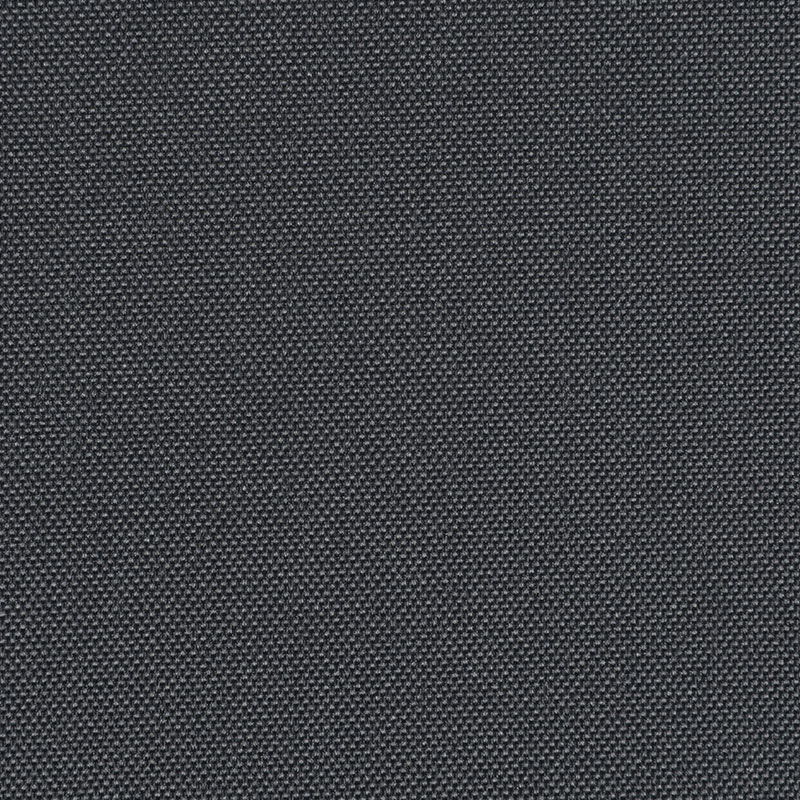
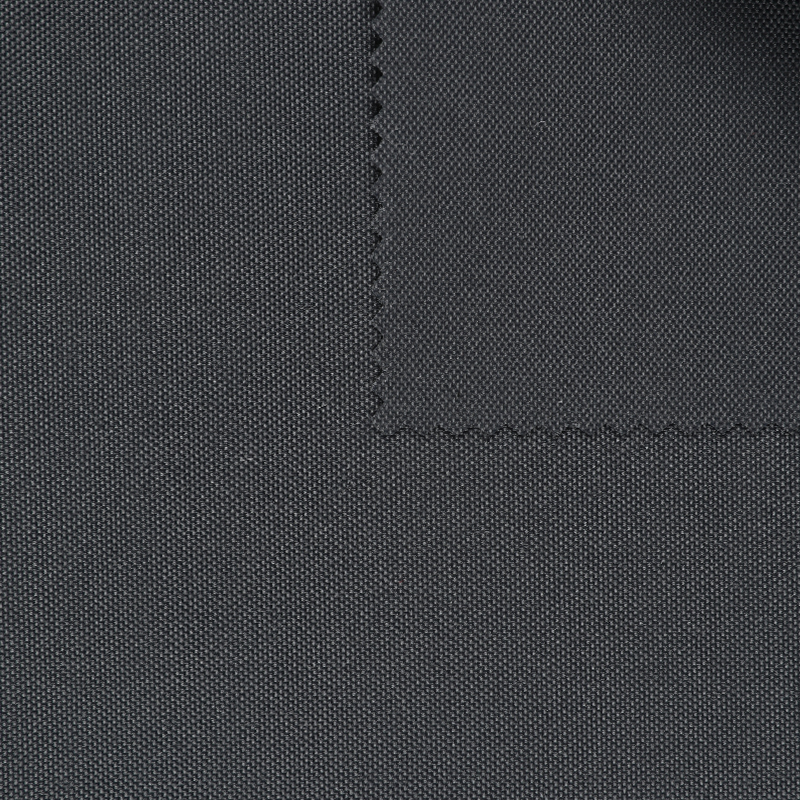
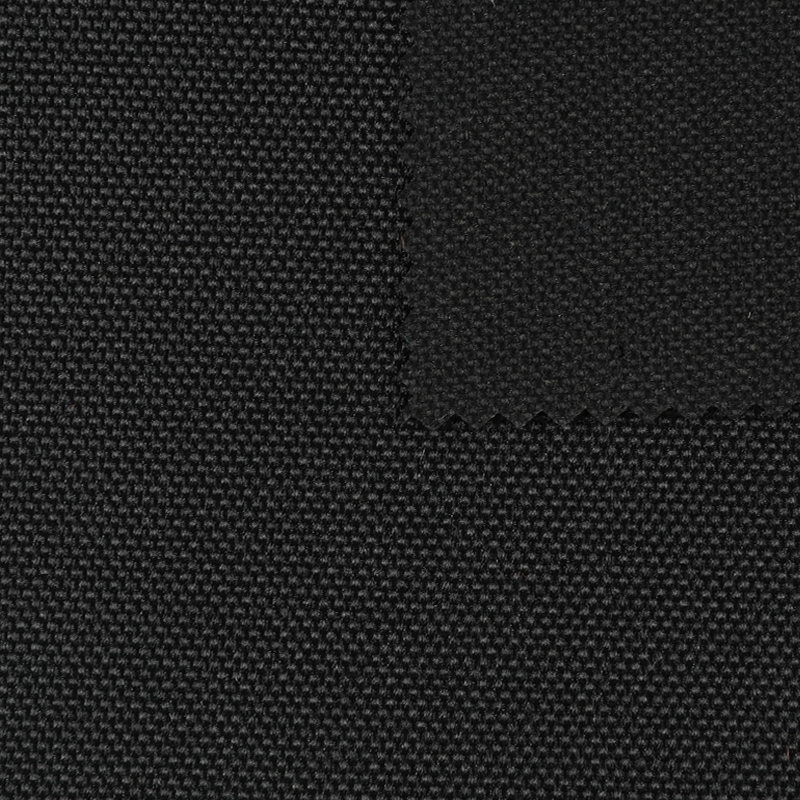
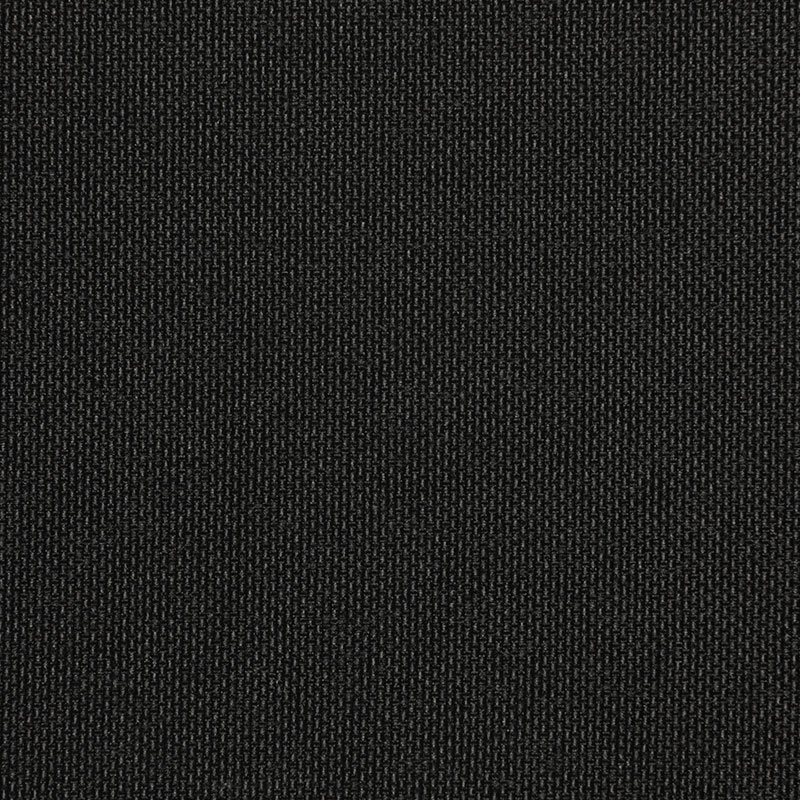
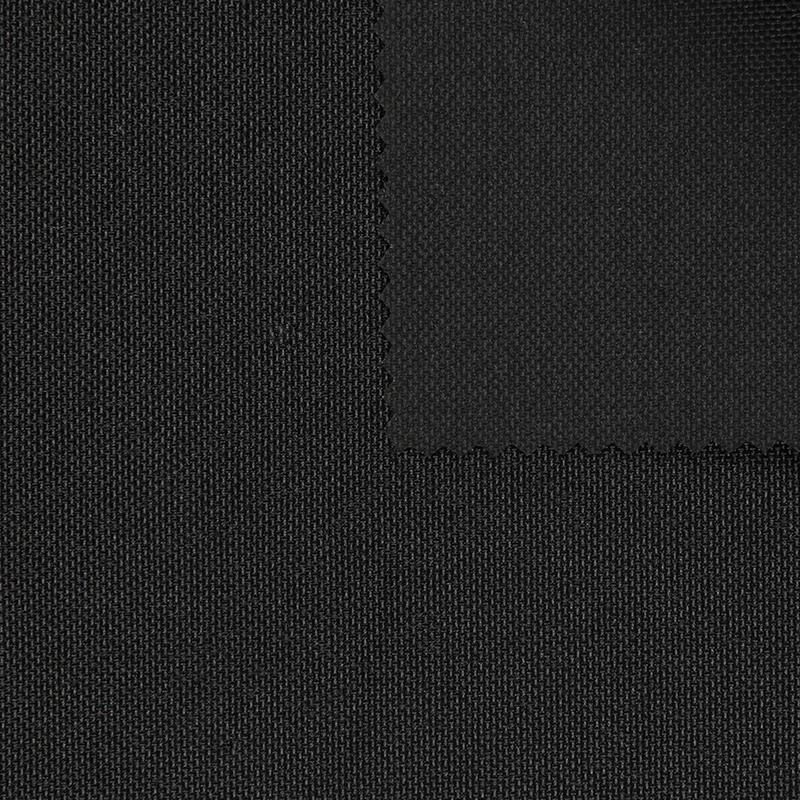
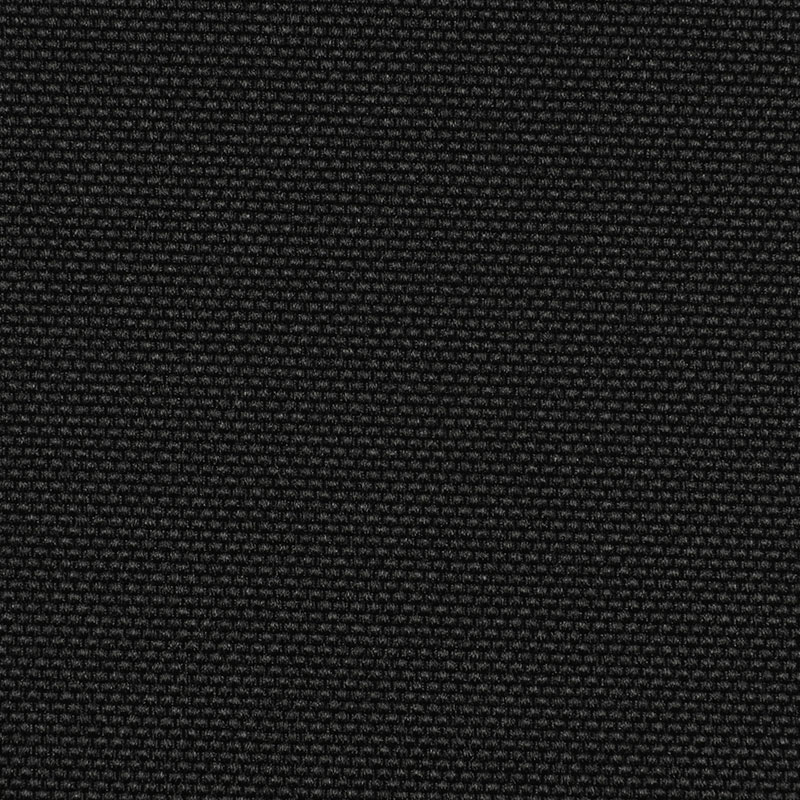
Denier is often mistaken for a direct measure of thickness, but it actually describes the linear mass density of the yarn—a higher denier number means a heavier, more substantial thread. In 100% polyester constructions, this directly influences tear strength, abrasion resistance, and the overall hand feel. However, relying solely on denier can be misleading because weave density and finishing processes play an equally critical role. A tightly woven 400D Bag Fabric can outperform a loosely constructed 600D Bag Fabric in puncture resistance, while a coated 300D Bag Fabric may rival uncoated 500D Bag Fabric in water repellency.
When evaluating Bag Fabric for load-bearing applications, pay attention to the fabric’s tensile and tear strength figures, not just the denier label. A well-calibrated 500D Bag Fabric with a high thread count can sustain heavy daily loads without seam slippage, making it a sweet spot for premium backpacks. Hangzhou Xiaoshan Wenfa Textile Co., Ltd. supplies the full spectrum from 300D to 600D, ensuring every yard meets tight tolerance standards so that performance remains predictable across production runs.
- Check the weave type: Oxford, ripstop, or plain weave will shift durability far more than a 100D difference.
- Request tear strength and abrasion (Martindale) test results alongside fabric samples.
- Combine denier choice with the right coating—PU for flexibility, PVC for extreme waterproofing.
The Hidden Role of Coatings and Backings in 100% Polyester Bag Fabric
The true potential of 100% Polyester Bag Fabric is unlocked through coating and backing technologies. Polyester yarn offers excellent dimensional stability, but without a functional finish, even a heavy 600D Bag Fabric will absorb moisture and fray under friction. A properly applied PU (polyurethane) coating can raise hydrostatic head resistance above 800 mm while maintaining the fabric’s suppleness, essential for foldable duffels and outdoor packs.
Different backings serve distinct purposes. An acrylic backcoat stabilizes the weave and prevents unraveling during laser cutting, while a waterproof membrane lamination transforms a 300D Bag Fabric into a fully weatherproof shell for cycling bags. UV-resistant coatings are critical for luggage that lives in direct sunlight, as untreated polyester loses up to 30% of its tensile strength after prolonged exposure. At Hangzhou Xiaoshan Wenfa Textile Co., Ltd., we apply precise coating formulations to our 100% Polyester Bag Fabric, fine-tuned for each denier to avoid the common trade-off between stiffness and durability.
- For water-resistant daypacks, request a 400D Bag Fabric with a light PA (polyamide) coating on the reverse side.
- For fully waterproof dry bags, insist on a 500D Bag Fabric or higher with a PVC lamination and welded seams.
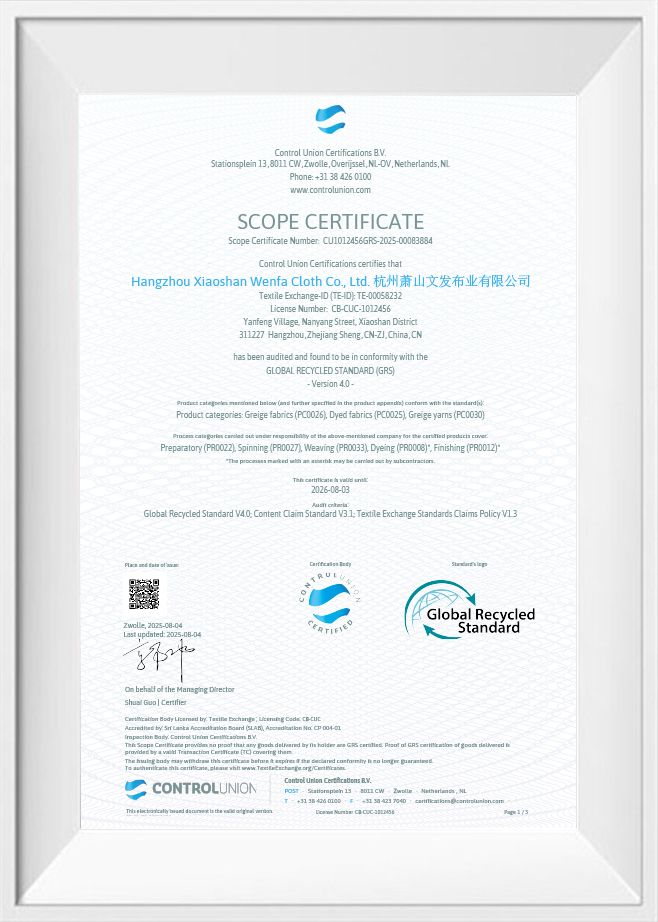
- For eco-conscious collections, specify a GRS-certified 100% Polyester Bag Fabric with a solvent-free PU coating.
Matching Denier to End Use: A Practical Comparison Table
Selecting between the core denier options should start with the bag’s primary function and expected load. Below is a simplified guide based on typical woven 100% polyester oxford constructions. The values represent common ranges from Hangzhou Xiaoshan Wenfa Textile Co., Ltd.’s production line, where daily output exceeds 160,000 meters, ensuring consistency batch after batch.
Performance and application ranges for common 100% polyester bag fabrics
| Fabric |
Weight (g/m²) |
Tear Resistance |
Typical Use |
| 300D Bag Fabric |
130–160 |
Moderate |
Lightweight totes, packable daypacks, interior linings |
| 400D Bag Fabric |
170–200 |
Good |
School backpacks, promotional bags, travel accessories |
| 500D Bag Fabric |
210–250 |
High |
Premium everyday backpacks, camera bags, urban duffels |
| 600D Bag Fabric |
260–310 |
Very High |
Tactical gear, heavy‑duty luggage, outdoor tool bags |
Always pair a higher denier fabric with reinforced stitching, because the added weight can stress seams if seam construction is not upgraded accordingly. For instance, a 600D Bag Fabric with a triple‑needle bound seam will far outlast a single‑lockstitch assembly.
Sewing and Handling Tips for Polyester Bag Fabrics Across the Denier Range
Different deniers demand distinct cut‑and‑sew approaches to prevent puckering, seam grin, or premature wear. For lightweight 300D Bag Fabric, use a size 70/10 or 75/11 sharp needle and reduce thread tension to avoid perforation damage. A 400D Bag Fabric handles comfortably with a universal 80/12 needle, while 500D Bag Fabric and 600D Bag Fabric call for a heavy‑duty 90/14 or 100/16 needle paired with bonded nylon or polyester thread.
Heat is a crucial factor. Polyester melts at lower temperatures than nylon, so sewing at high speed can generate enough frictional heat to seal coating edges and weaken the seam. Keep machine speeds moderate and use a walking foot or roller feed for coated 100% Polyester Bag Fabric. We have seen our own 600D Bag Fabric deliver over 4,000 Martindale cycles when stitched with a 3.5 mm stitch length and felled seams, a figure that drops dramatically with improper thread tension or needle damage. As a supplier deeply invested in after‑sales technical support, Hangzhou Xiaoshan Wenfa Textile Co., Ltd. often advises designers to pre‑test seam strength on small swatches of the exact 100% Polyester Bag Fabric batch they will use in production.
- Use a leather point needle for very tightly woven 600D Bag Fabric to avoid skipped stitches.
- Laser‑cut edges on 400D Bag Fabric with an acrylic backer require edge sealing to prevent fraying.
- Double‑fold hems on 300D Bag Fabric improve structure without adding bulk to minimalist designs.

 English
 русский
 Français
 Español
 中文简体
中文简体