
 English
 русский
 Français
 Español
 中文简体
中文简体

Why Most Abrasion Specs Fail Before Production Even Starts Most rejected fabric orders are not caused by weak material — they are caused by vague specification...
READ MORE
Oxford Fabric Suppliers
Different weaving and dyeing techniques create unique patterns. If you have your own creative ideas, feel free to share them with us!
Oxford fabric is highly popular in various industries, including bags, outdoor gear, and home furnishings, due to its excellent abrasion resistance, crispness, and lightweight properties. Oxford fabric can achieve waterproof, water-repellent, stain-resistant, and mildew-resistant functions through different yarn densities and diverse finishing processes, making it a multi-functional fabric that combines practicality and flexibility.
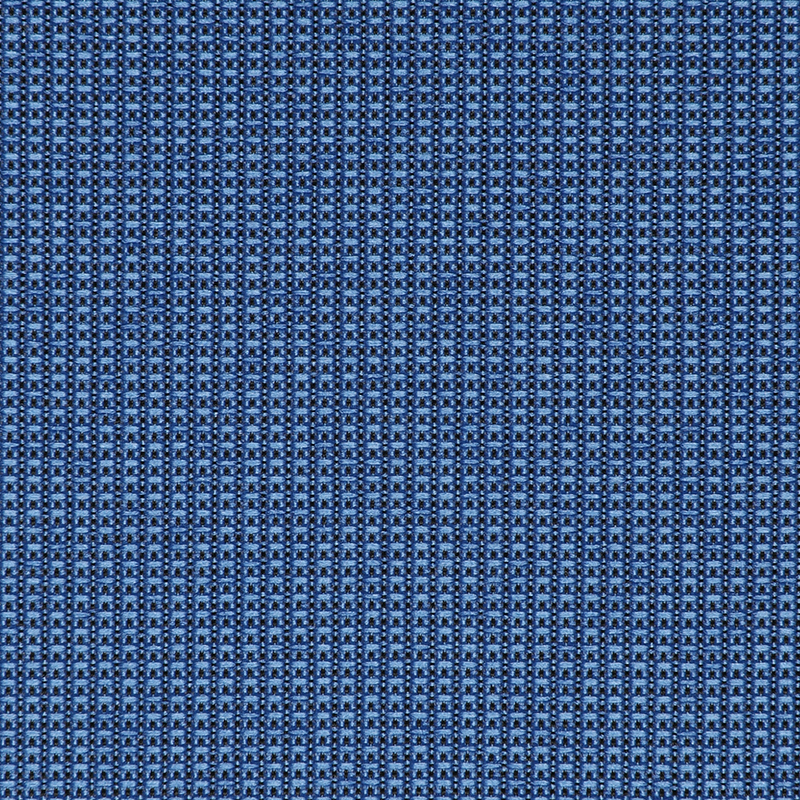
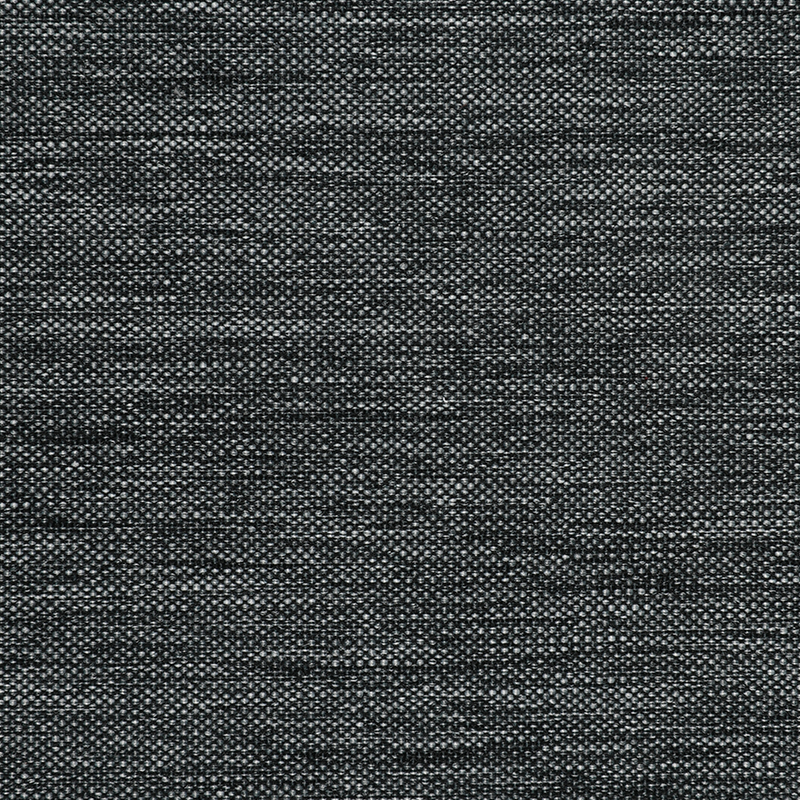
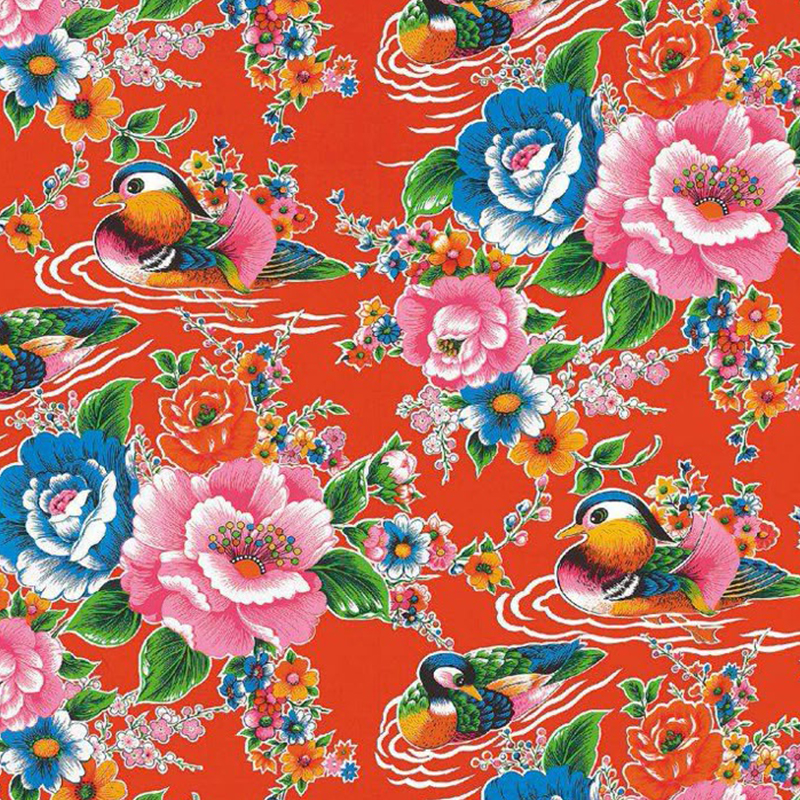
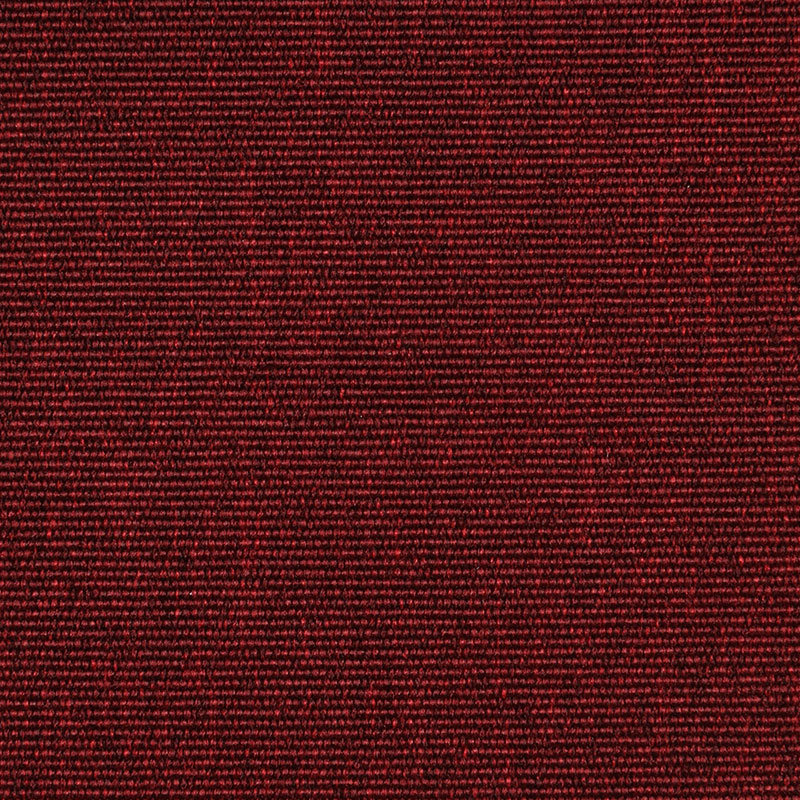
Beyond its stable performance, Oxford fabric also offers high versatility in appearance. Different weaving methods, textures, and dyeing and finishing processes can create unique visual effects and tactile textures.
Oxford fabric is not only a reliable functional fabric but also a "canvas of inspiration" for creative designers. Whether you want to create high-intensity outdoor gear, lightweight travel products, or lifestyle items with a strong design aesthetic, we can provide a variety of customization options.
View More
Message Feedback
About Us
Hangzhou Xiaoshan Wenfa Textile Co., Ltd. specializes in the production and sales of Oxford fabric, Oxford Fabric Suppliers and OEM/ODM Oxford Fabric Company, integrating R&D, manufacturing, and sales. With around 300 employees and nearly 300 sets of machinery, including 200 water-jet looms, the company maintains a daily output of approximately 160,000 meters of fabric, ensuring stable supply and reliable quality.
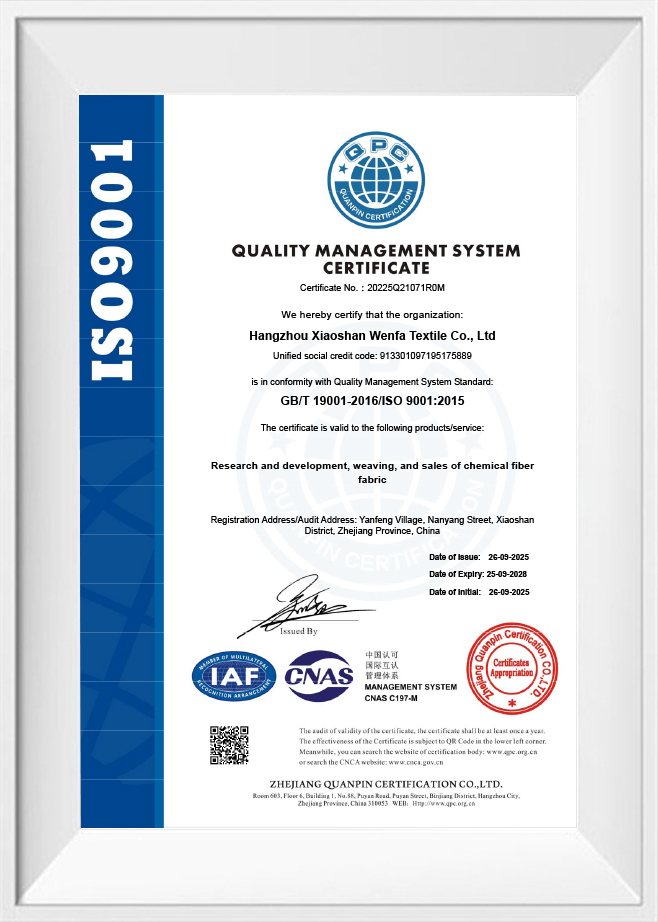
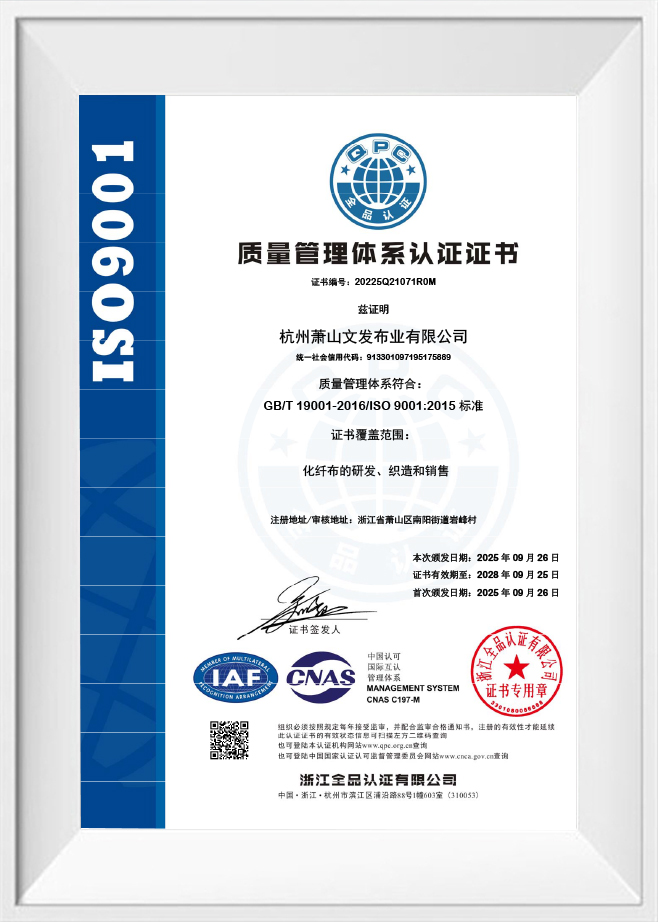
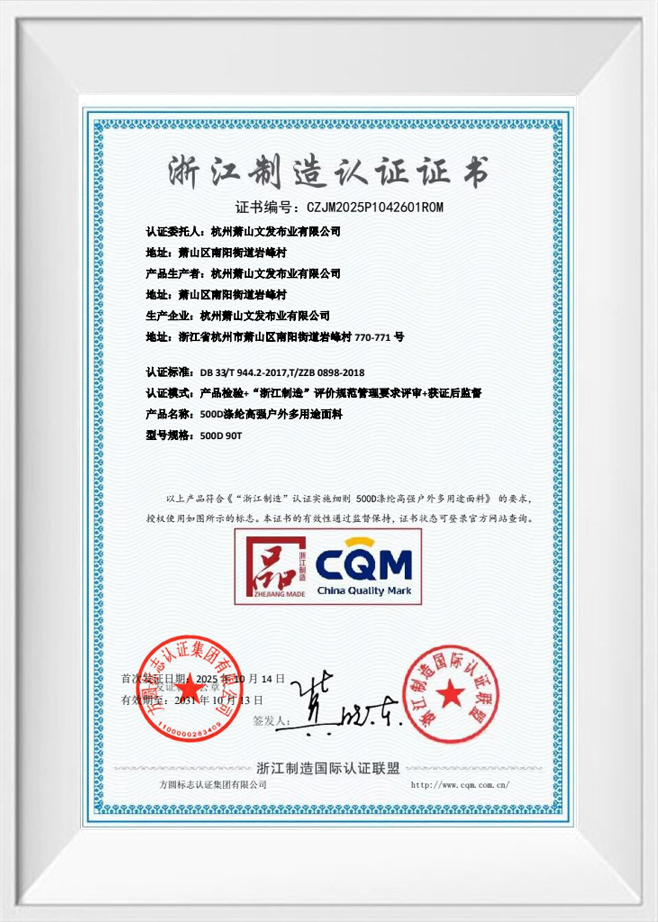
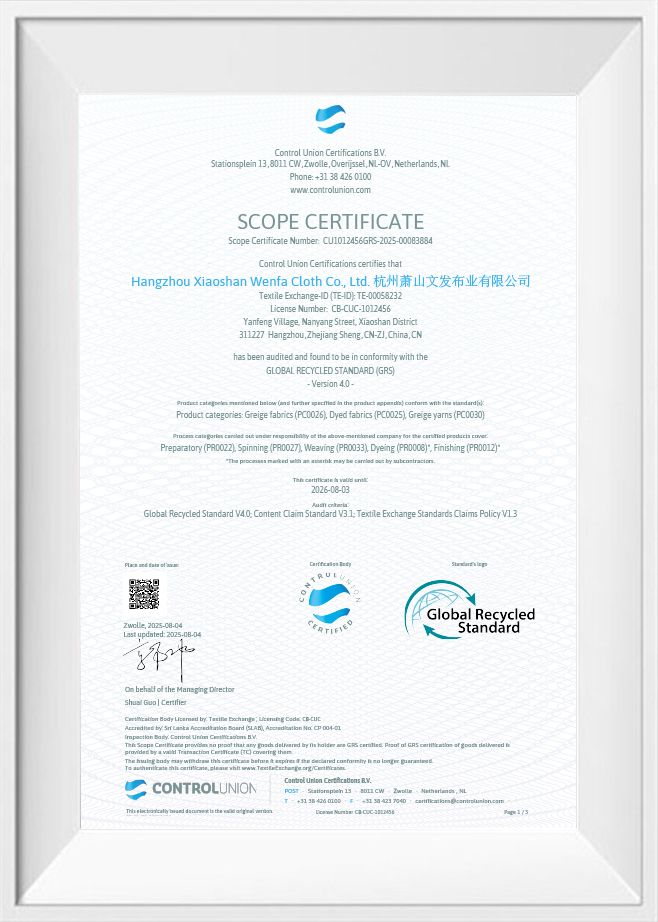
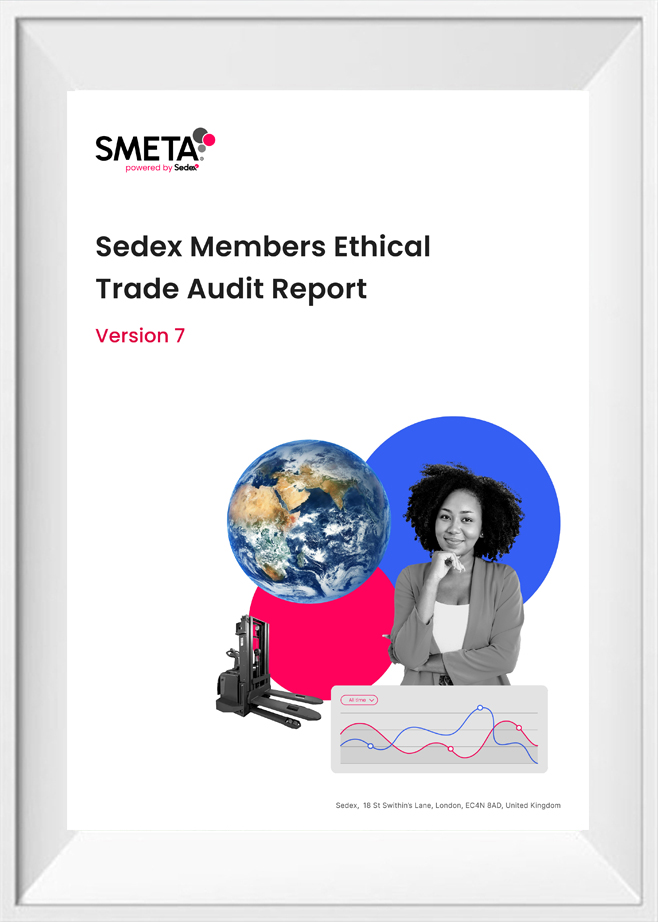
The company holds ISO certification as well as REACH, GRS, and OBP standards, reflecting its commitment to quality and sustainability. Supply Wholesale Oxford Fabric. Its Oxford fabric is widely used in luggage, outdoor gear, and children's products, serving both domestic and international markets including Europe, the Americas, and Southeast Asia. Moving forward, the company will continue to leverage its integrated supply chain and technical expertise to be a trusted global supplier of Oxford fabric.
Welcome to Hangzhou Xiaoshan Wenfa Textile Co., Ltd.
Honor
News
-
-
The Signal Problem No Metal Box Can Solve Faraday cages have protected sensitive electronics for nearly two centuries. The problem is that modern information s...
READ MORE -
Why the Coating Matters More Than the Base Fabric A backpack that soaks through after one rainstorm and one that survives five years of daily commuting can com...
READ MORE -
Why Traditional Polyester Is Under Pressure The textile industry generates roughly 10% of global carbon dioxide emissions — more than all international flights...
READ MORE
Industry Knowledge
Decoding Denier: How Yarn Specification Shapes Oxford Fabric Performance
When sourcing Oxford fabric, the term "Denier" (D) frequently appears in technical sheets. It quantifies the linear mass density of the yarn. The rule of thumb is straightforward: a higher denier number indicates a thicker, heavier, and generally more abrasion-resistant fabric. However, the selection is not simply about choosing the highest number; it is about matching the denier to the specific end-use stress points of a product.
The weave structure interacts directly with the yarn specification to determine tear strength. A basket weave using a coarse 1200D yarn creates a formidable barrier ideal for heavy-duty industrial slings, but it lacks the suppleness needed for a foldable daypack. Conversely, a 210D plain weave offers a silkier finish and superior print clarity, making it excellent for lining or promotional drawstring bags, though it will not withstand high-tensile stress. At Hangzhou Xiaoshan Wenfa Textile Co., Ltd., we guide clients through this matrix, ensuring the tensile and tear strength of the chosen yarn matches the product's life cycle expectations.
| Denier Range | Typical Weave | Key Property | Common Application |
|---|---|---|---|
| 150D – 300D | Plain / Ripstop | Lightweight & Soft Handfeel | Lining, Windbreakers, Stuff Sacks |
| 420D – 600D | Basket / Jacquard | Balanced Durability & Flexibility | Daypacks, School Bags, Light Luggage |
| 840D – 1680D | Basket | High Abrasion Resistance & Stiffness | Ballistic Luggage, Tactical Gear, Workwear |
For those requiring OEM/ODM Oxford Fabric Production, specifying the denier is the critical first step that dictates the entire downstream manufacturing process, from weaving loom setup to dyeing tension control.
The Durability Hierarchy of Waterproofing: Coating vs. Lamination
While Oxford fabric naturally offers a degree of water resistance due to its tight weave, achieving true waterproof functionality requires a secondary finishing process. The two dominant methods—direct coating and film lamination—present a significant divergence in durability and cost. Understanding this distinction prevents field failures in wet conditions.
PU/PA Coating
A liquid polyurethane or polyacrylic layer is applied directly to the fabric’s reverse side. This is a cost-effective method to achieve a hydrostatic head rating. However, coated layers are susceptible to hydrolysis—the gradual degradation of the polymer bond when exposed to warm, humid air over extended periods. For items intended for long-term storage in tropical climates, this is a crucial risk factor to consider.
TPU/TPE Film Lamination
Here, a pre-formed thermoplastic film is bonded to the fabric. The molecular structure of the film offers superior impermeability and, critically, eliminates the pin-hole leakage risks often found in low-weight coatings. Laminated Oxford fabric maintains its waterproof integrity under dynamic pressure, such as when a backpack strap pulls against the seam, making it the preferred choice for professional-grade outdoor gear and dry bags.
As an OEM/ODM Oxford Fabric Company, we help buyers navigate these choices based on realistic usage scenarios, ensuring the selected Oxford fabric meets specific hydrostatic head testing requirements.
Sustainable Sourcing: Navigating GRS and OBP Certification in Oxford Weaves
The shift toward circularity in textiles has made certifications a non-negotiable part of procurement for European and American markets. For Oxford fabric, the sustainability claim hinges on the traceability of the raw polyester yarn. Recycled yarns are now capable of achieving the same tenacity and dye-consistency as virgin polyester, but only if the supply chain is meticulously managed. You can confidently Supply Wholesale Oxford Fabric backed by verified environmental credentials.
The Global Recycled Standard (GRS) verifies the recycled content and tracks it from the recycler to the final product. It also imposes strict social and environmental criteria on the processing, including chemical restrictions. In contrast, the Ocean Bound Plastic (OBP) certification focuses specifically on plastic waste collected from areas at risk of polluting the ocean. An OBP-certified Oxford fabric directly addresses marine plastic pollution, a narrative that resonates strongly with conservation-focused brands. At Hangzhou Xiaoshan Wenfa Textile Co., Ltd., holding both GRS and OBP certifications ensures that our recycled Oxford fabrics meet rigorous international scrutiny, while REACH compliance guarantees the absence of harmful substances, keeping the final product safe for sensitive applications like children's products.
Critical Inspection Parameters for Wholesale Oxford Fabric Batches
A spec sheet alone cannot guarantee a successful production run. When you Supply Wholesale Oxford Fabric, variation between dye lots and weave consistency are the most common pain points. Implementing a robust incoming quality control checklist is essential. Relying solely on the standard four-point system may overlook aesthetic defects that matter to consumer-facing brands. Partnering with established Oxford Fabric Suppliers significantly reduces these risks through consistent process control.
The following critical checks should be performed on a randomized sample from every received batch:
- Shade Continuity: Evaluate under a lightbox (D65 light source) against the approved lab-dip. Variation across roll lengths is often more problematic than variation from the standard.
- Handfeel Consistency: Coating weight variations directly impact the stiffness of the Oxford fabric. A simple drape test can quickly identify over- or under-coated sections.
- Crocking Fastness: Rub a white cloth against the dyed fabric to check for color transfer, especially crucial for dark shades on luggage that will contact light-colored clothing.
- Weave Skew: For plaid or jacquard patterns, measure the bow or skew bias. A bias exceeding 3% will render the fabric unusable for structured bag panels.
For partners engaged in OEM/ODM Oxford Fabric Production with us, these parameters are proactively monitored and documented in a batch-specific certificate of analysis before the material leaves our facility, effectively shifting the quality control point upstream and preventing costly cutting-room rejections.

杭州萧山文发布业有限公司
地址:
中国浙江省杭州市萧山区南阳街道岩峰村
Hangzhou Xiaoshan Wenfa Textile Co., Ltd.
Add:
Yanfeng Village, Nanyang Street, Xiaoshan District, Hangzhou,Zhejiang Province, China.
Contact us
York
Cassie
Strategic Partners


Copyright © Hangzhou Xiaoshan Wenfa Textile Co., Ltd.
All Rights Reserved.
 OEM/ODM Oxford Fabric Production