Wash-Durable vs. Temporary Antimicrobial Technologies
The performance gap between a surface coating and an integrated antimicrobial system becomes evident after the first few laundry cycles. Post-finishing treatments often rely on organic binders that gradually detach from the fiber surface, causing the antibacterial effect to drop below meaningful levels within 5 to 10 home washes. In contrast, built-in protection embeds the active agent into the polymer matrix during the spinning or masterbatch stage, creating a reservoir that slowly migrates to the fiber surface to maintain long-term efficacy.
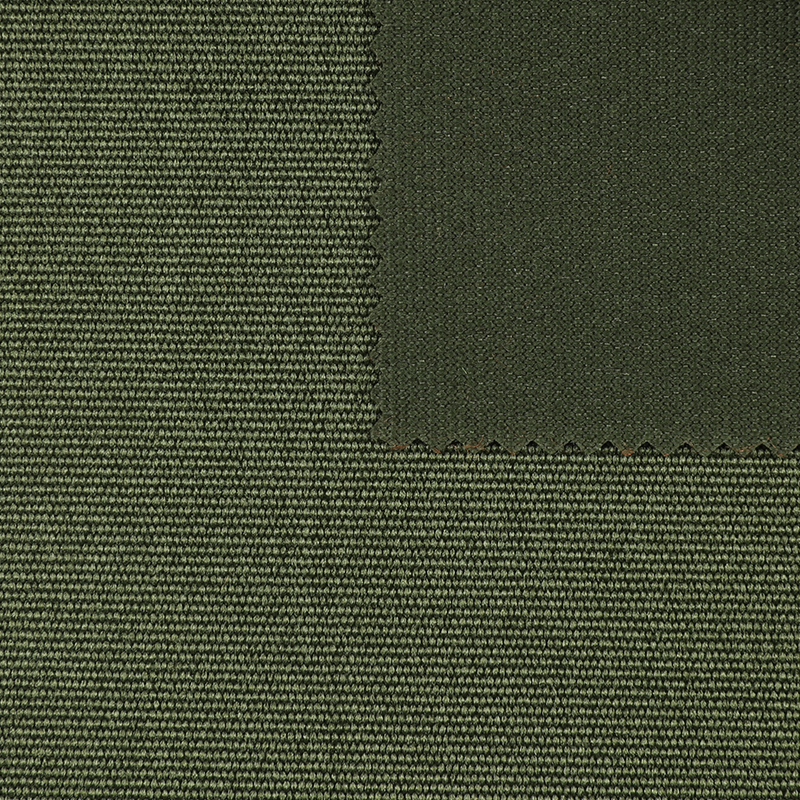
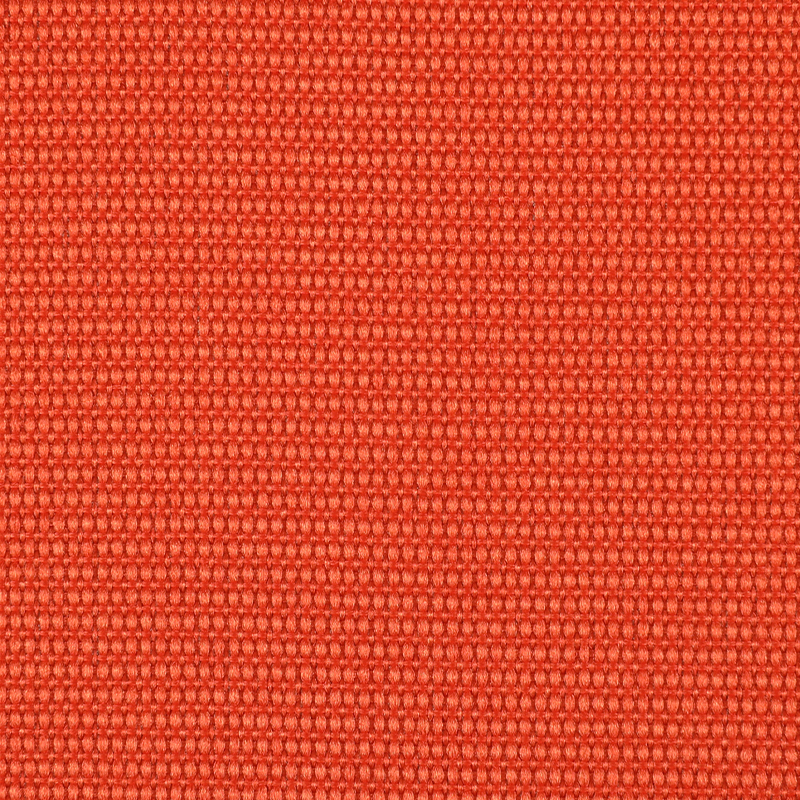
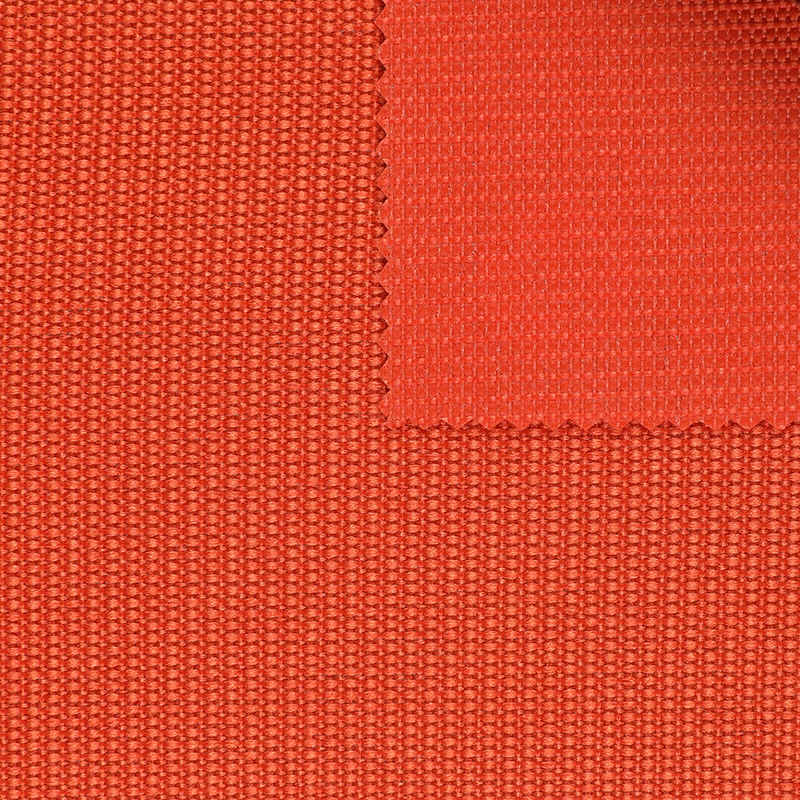
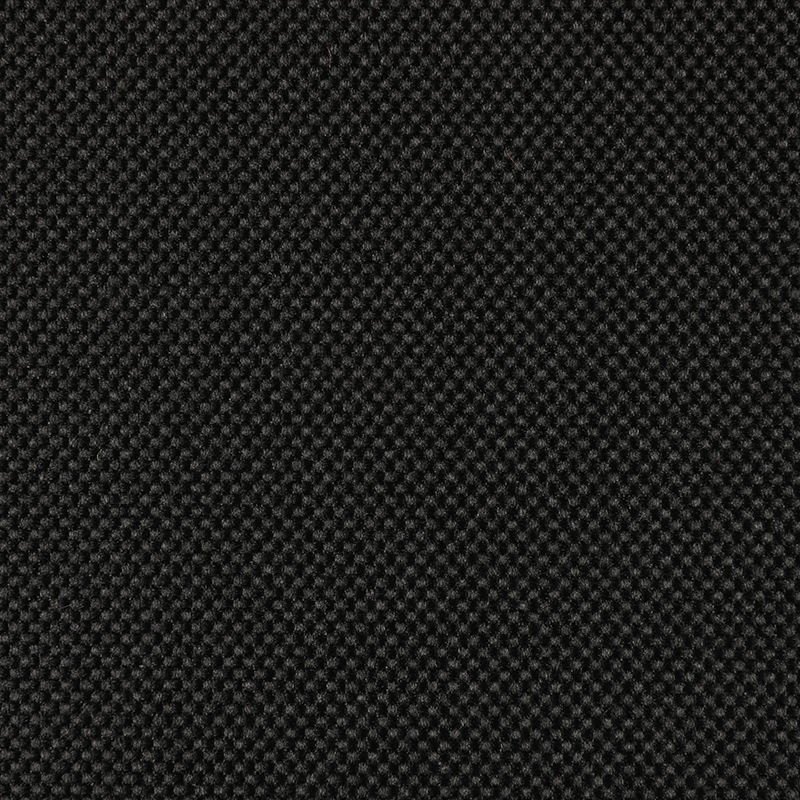
At Hangzhou Xiaoshan Wenfa Textile Co., Ltd., our Antibacterial Fabric uses precisely this integrated approach. Independent laboratory data confirm that even after 50 accelerated laundering cycles following AATCC 61 test parameters, the material retains a bacterial reduction rate of >99% against common challenge organisms. This durability directly impacts the practical lifespan of end products, minimizing the gap between hygienic performance and textile durability.
Key factors that govern wash durability
- Active ingredient compatibility with the polymer – silver-based or zinc-based additives must disperse uniformly without compromising yarn tenacity.
- Migration rate control – a well-designed system releases just enough active substance to inhibit bacterial growth while avoiding rapid depletion.
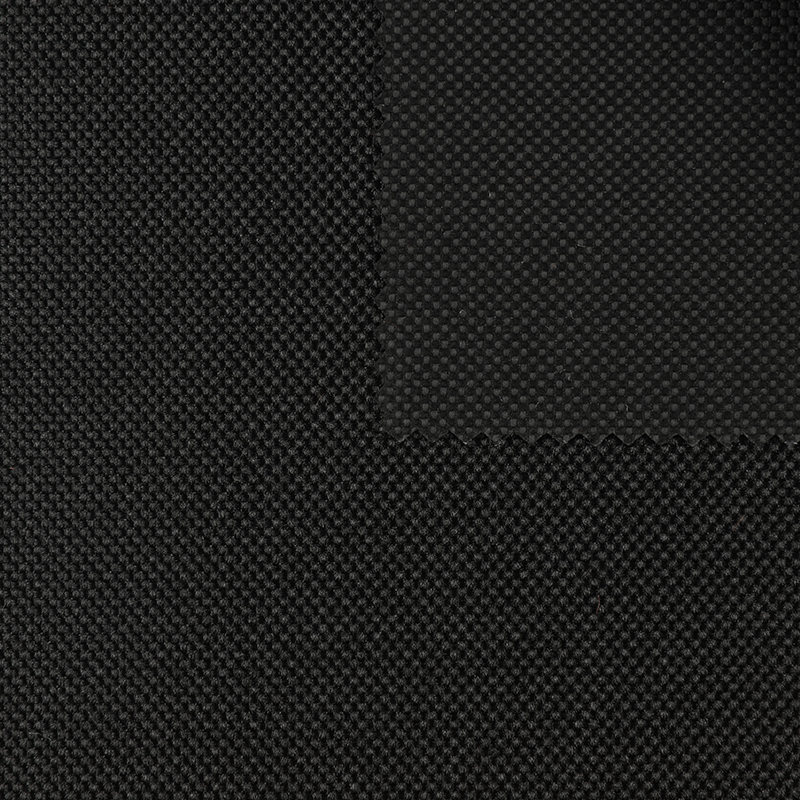
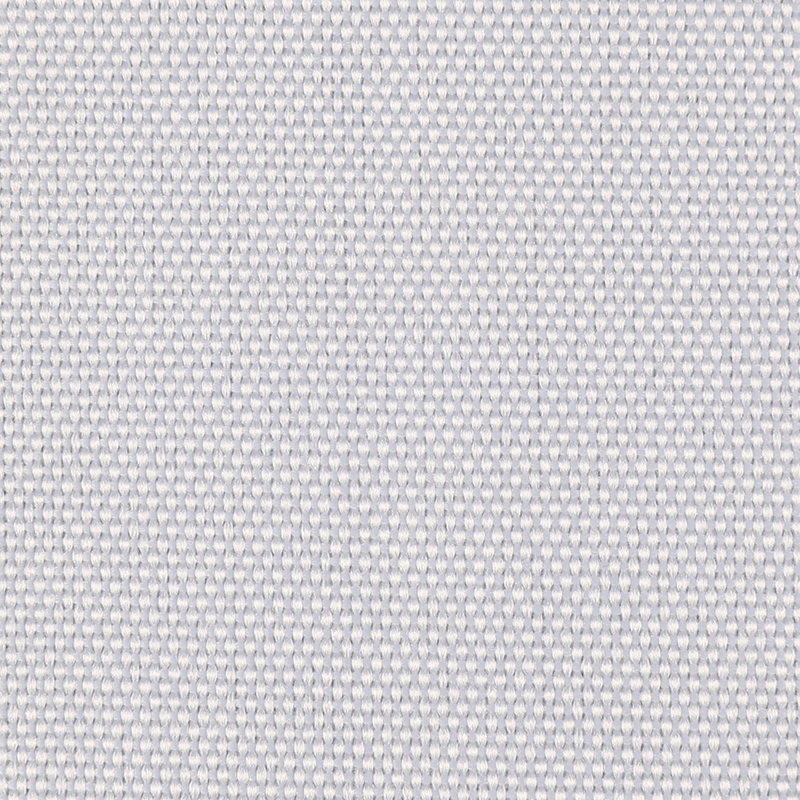
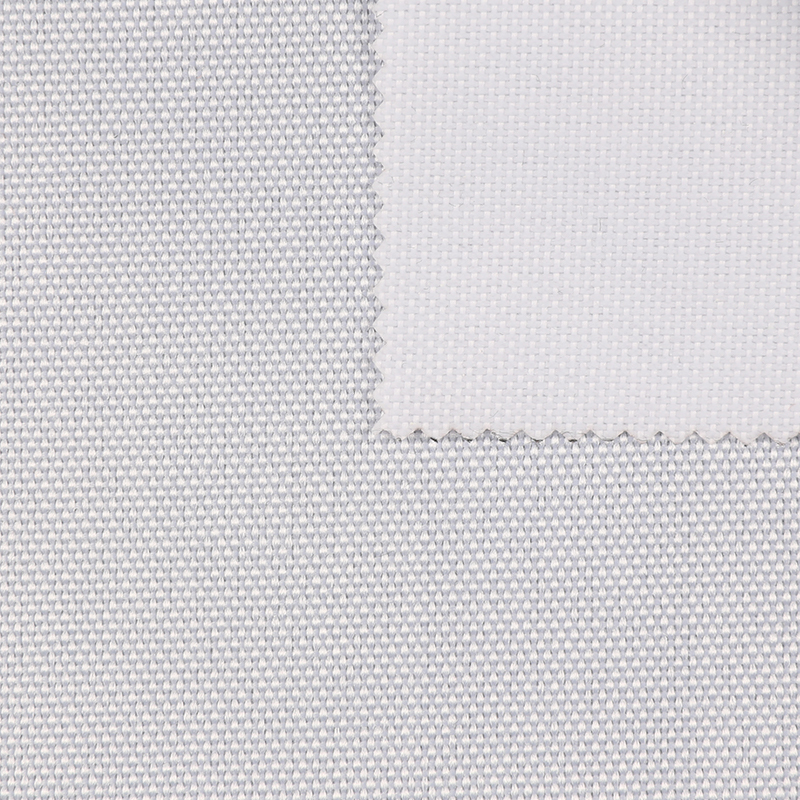
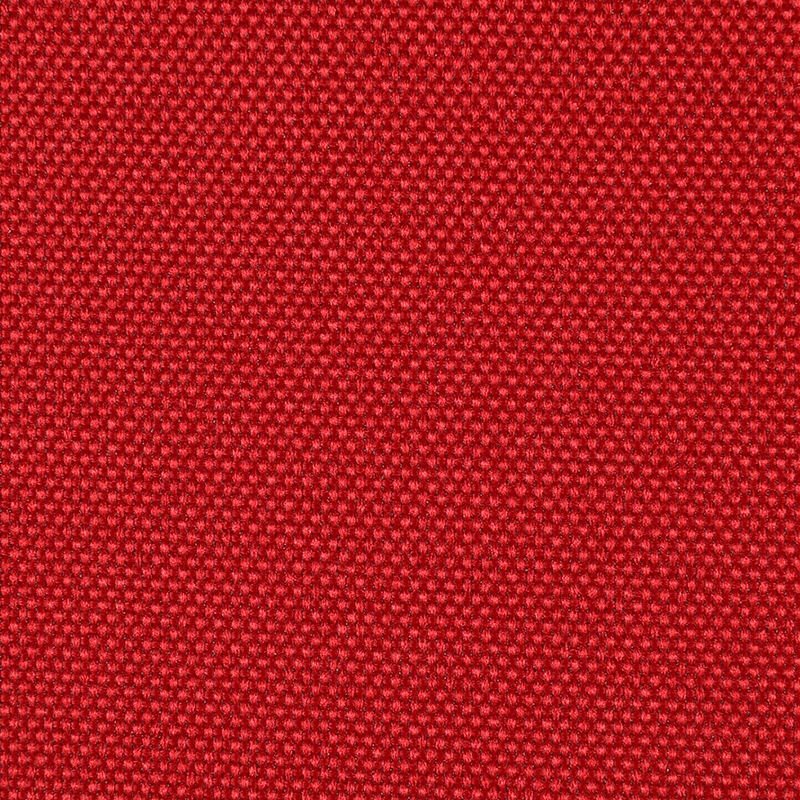
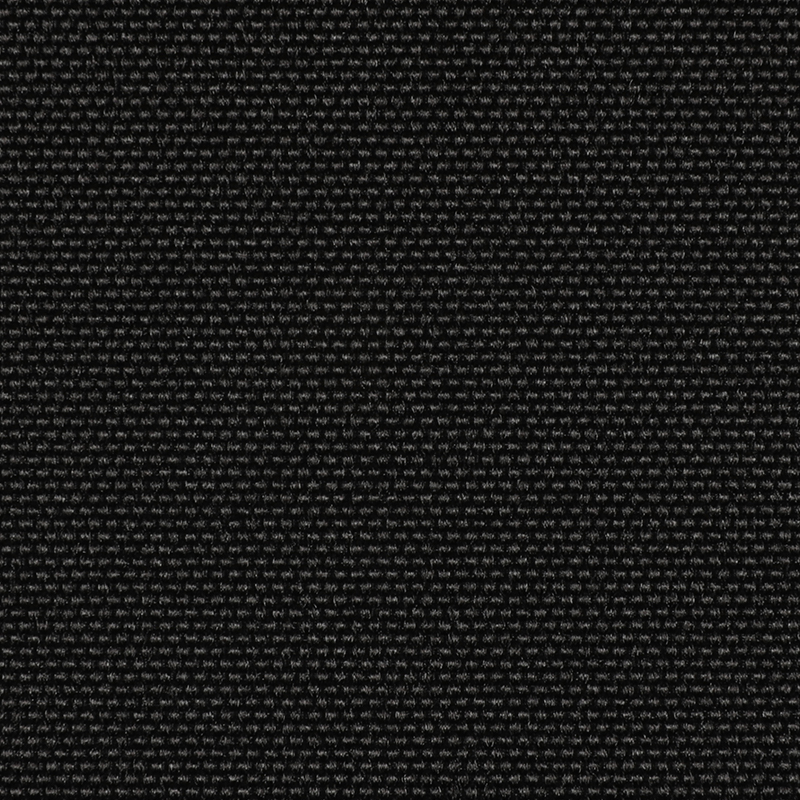
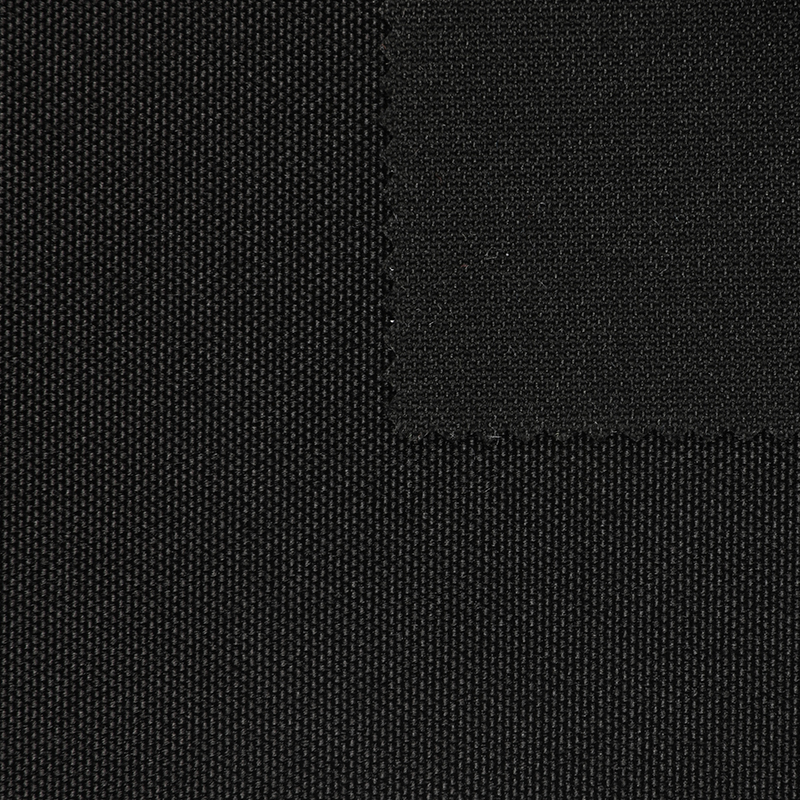
- Fabric construction – tight weaves and multifilament yarns in oxford fabric help slow the mechanical loss of the antimicrobial agent.
Navigating Antimicrobial Testing Standards and What They Mean for Buyers
When evaluating supplier claims, focusing on the specific test standard and the inoculated bacteria strains is far more instructive than a standalone percentage figure. Different standards simulate different contact conditions, and the pass criteria can vary significantly. Understanding these nuances helps buyers correlate lab results with real-world hygiene requirements.
Comparison of widely recognized antibacterial textile test standards
| Standard |
Test Principle |
Typical Inoculum |
Expression of Results |
| ISO 20743 |
Absorption / transfer method |
Staphylococcus aureus, Klebsiella pneumoniae |
Log reduction or percentage reduction |
| AATCC 100 |
Quantitative inoculum, static condition |
S. aureus, E. coli |
% reduction after 18–24 h |
| JIS L 1902 |
Quantitative absorption method |
Multiple specified strains |
Bacteriostatic activity value or log reduction |
We test our Antibacterial Polyester Fabric under ISO 20743 with documented results of >99.9% reduction for both Gram-positive and Gram-negative bacteria. The reports are shared transparently, allowing buyers to assess performance against their own regional compliance requirements and end-use hygiene standards.
Anti-Mildew Performance and Structural Integrity in Humid Applications
Bacteria accumulation on textiles rarely acts alone – it often precedes fungal growth in warm, damp conditions. For luggage interiors, camping gear, and stroller linings, uncontrolled microbial activity can lead to mildew stains, persistent musty odors, and even hydrolysis-driven fiber weakening. Specifying a fabric that suppresses both bacterial proliferation and the conditions that favor fungal spores becomes a practical performance requirement, not merely a hygiene add-on.
Our Antibacterial Polyester Fabric consistently achieves a rating of 0 (no fungal growth) under ASTM G21 testing, meaning the material surface itself does not support fungal colonization when the active antibacterial barrier is intact. Combined with polyester's inherent low moisture regain, this creates a dual defense that is especially valuable for products exposed to tropical climates or repeated damp storage.
Visible benefits observed in field applications
- Tensile strength retention remains above 95% after extended humidity chamber exposure, whereas untreated control fabrics show measurable degradation linked to microbial biofilm formation.
- Color fastness to washing and light is unaffected because the antimicrobial agent is incorporated before dyeing, avoiding the shading alterations occasionally seen with post-applied topical finishes.
- Odor-causing volatile compounds are suppressed at the source, reducing reliance on frequent laundering that can degrade fabric coatings or lamination layers.
Integrating Hygiene Performance with Sustainability Credentials
There is a growing expectation that functional textiles must deliver both performance and environmental accountability. Antibacterial functionality does not have to conflict with circularity principles. The key is to select antimicrobial masterbatches that are compatible with recycled polyester streams and to document full chemical transparency under REACH and related frameworks.
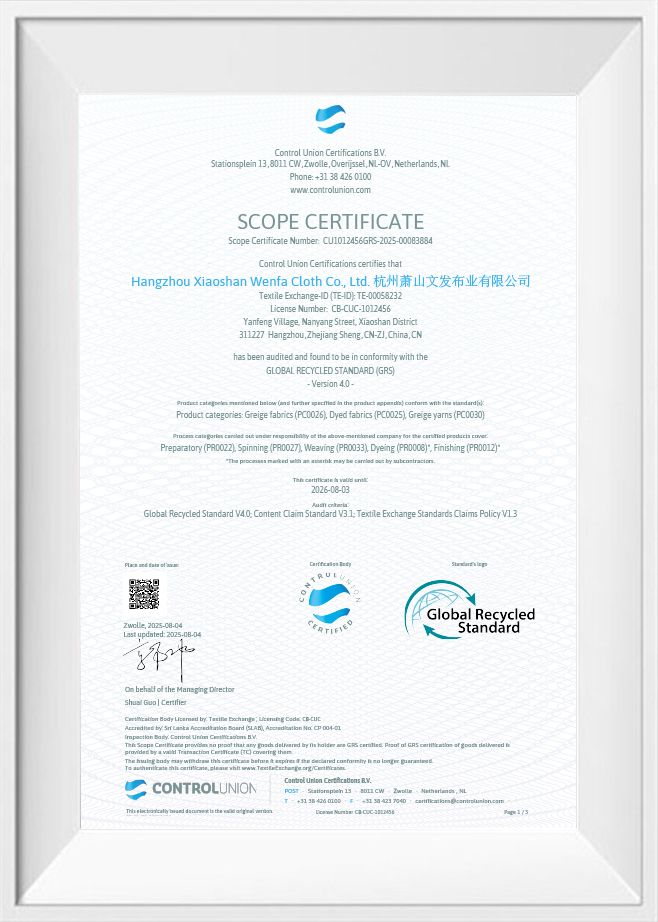
Hangzhou Xiaoshan Wenfa Textile Co., Ltd. supplies Antibacterial Fabric manufactured with GRS-certified recycled polyester content and OBP-certified ocean-bound plastic sources. The antimicrobial additive used is registered under REACH and does not interfere with the mechanical recycling process, meaning post-industrial scraps can re-enter the production loop. This combination allows brand owners to claim both product protection and responsible sourcing in a single material specification.
Sustainability and performance checklist for procurement
- Verify that the antimicrobial agent is listed on the supplier's REACH declaration and is free from substances of very high concern (SVHC).
- Request the transaction certificate for GRS or OBP alongside the antibacterial test report to confirm the material flow chain.
- Evaluate whether the fabric can be supplied as a single-layer solution (antimicrobial + recycled) to simplify downstream conversion and cut waste.
- Check for OEKO-TEX class compatibility when the end use involves direct skin contact, especially in children's products.
As an OEM/ODM Antibacterial Fabric Factory, we maintain full traceability from recycled chip sourcing through finished fabric, helping buyers align hygienic performance targets with their sustainability roadmaps without compromise.

 English
 русский
 Français
 Español
 中文简体
中文简体