Denier Density and Fabric Architecture: The Engineering Behind 1800D and 3000D Yarns
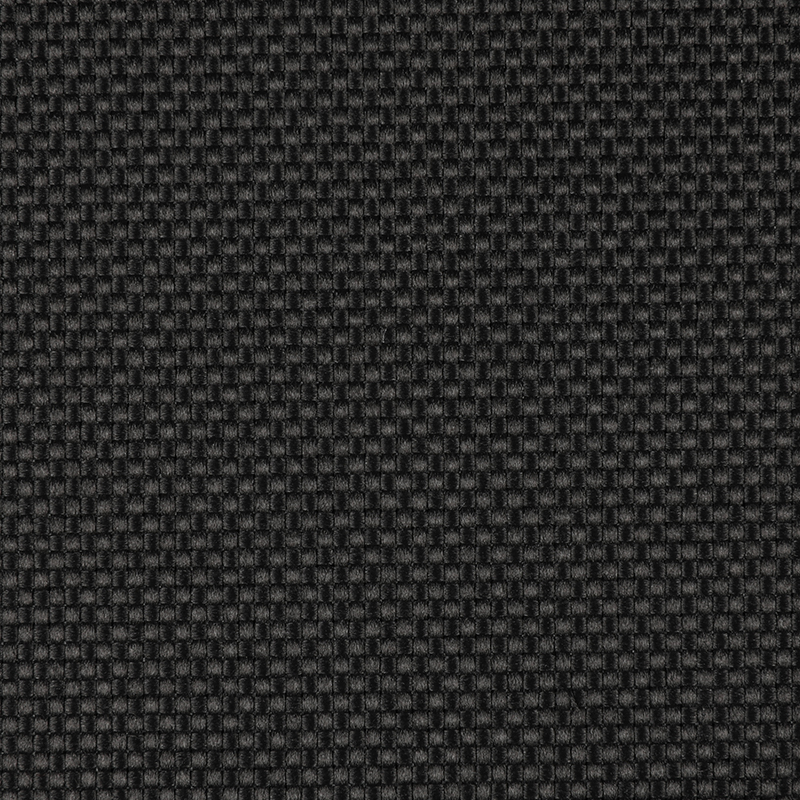
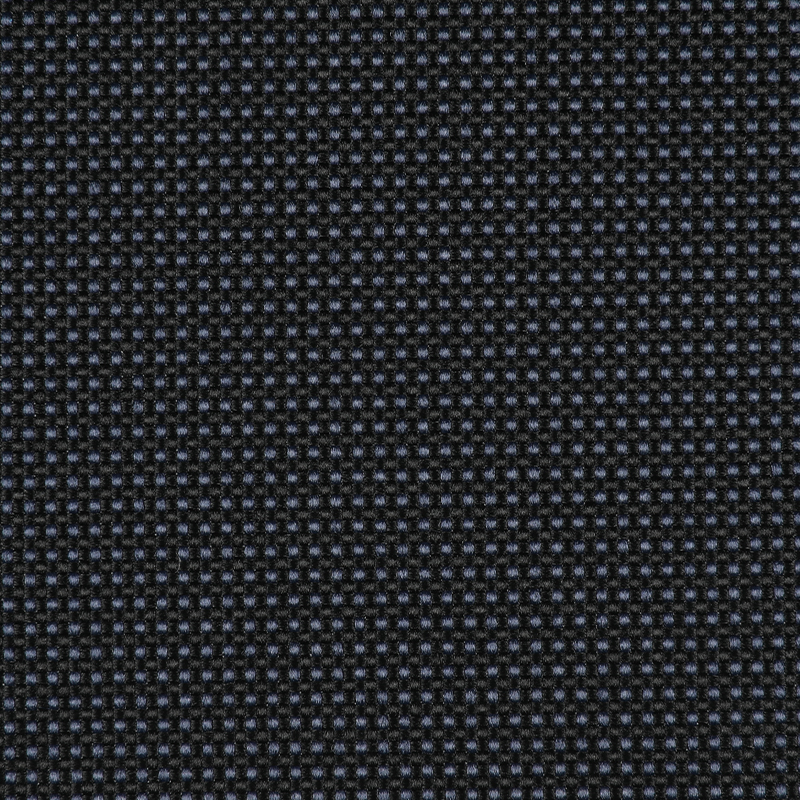
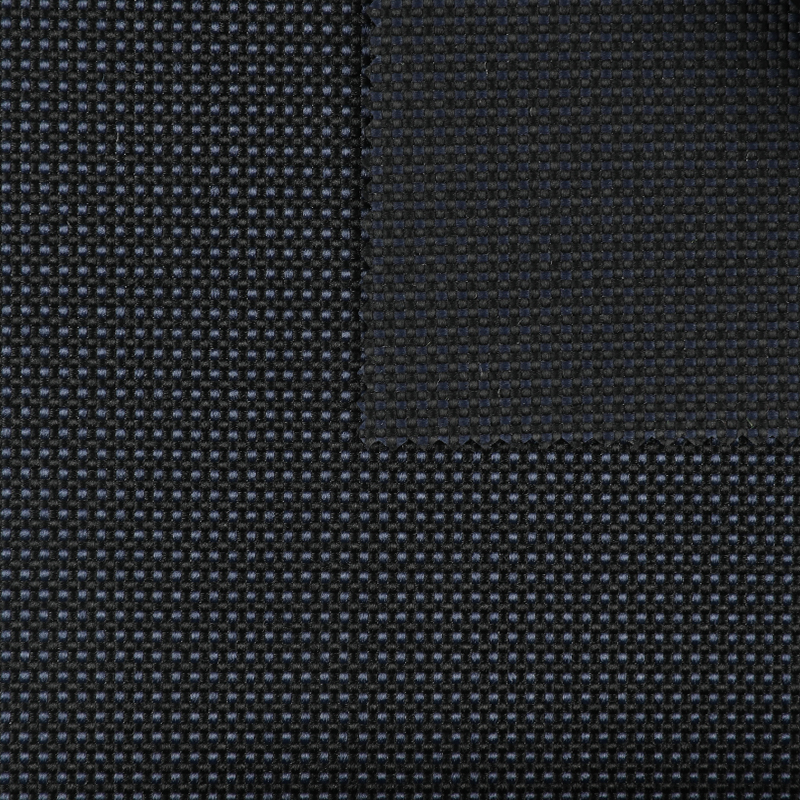
Moving beyond basic linear density, the performance of Dty 1800D Polyester Fabric and Dty 3000D Polyester Fabric is largely determined by cover factor and weave geometry. A higher denier yarn increases the mass per unit area, but the actual protective capability depends on how tightly these thick yarns are packed. An under-constructed 3000D fabric can fail earlier than a well-engineered 1800D variant if the interstitial spaces between yarns are too large.
At Hangzhou Xiaoshan Wenfa Textile Co., Ltd., our 200 water-jet looms are calibrated to maintain optimal pick density specifically for heavy denier yarns, transforming raw DTY into consistent, gap-free armor. This ensures both our Dty 1800D Polyester Fabric and Dty 3000D Polyester Fabric achieve a cover factor above 0.92, a threshold we have identified as critical for fortress-grade protection.
Optimizing Weave Construction for Fortress-Grade Protection
The weave structure interacts with denier to influence tear and abrasion resistance. For high-tenacity DTY fabrics, the following structural considerations are essential:
- Plain weave maximizes yarn interlacing, offering the highest resistance to yarn slippage and distortion under load.
- Basket or panama variations can increase tear strength by allowing paired yarns to share stress, but they may slightly reduce surface abrasion resistance.
- Balancing warp and weft density prevents anisotropic weakness, ensuring uniform protection in all directions.
We engineer these parameters so that the fabric retains its structural integrity even when punctured, a feature that directly extends the service life of industrial covers and safety cases.
Abrasion Resistance Testing Standards: Martindale vs. Taber and What They Mean for Protective Covers
Industrial buyers often encounter abrasion test results without context. Two primary methods define durability claims for heavy-duty textiles: the Martindale and Taber tests. Each simulates a different wear mechanism, and selecting the wrong benchmark can lead to under-specified material for premium safety cases or ultra-heavy-duty transport packs. Our High-Tenacity DTY Polyester Fabric is validated against the method most relevant to the application.
| Test Method |
Abrasive Action |
Typical Unit |
Recommended Target for Industrial Covers |
| Martindale |
Oscillating circular motion with worsted wool or abrasive paper |
Cycles to failure |
>50,000 cycles |
| Taber (CS-10 wheels) |
Rotating abrasive wheels under a fixed load |
Cycles per significant visual wear |
>3,000 cycles (1 kg load) |
Comparison of common abrasion test methods for heavy-duty textiles
For applications like equipment covers that endure constant vibration and rubbing, a Taber test with CS-10 wheels more accurately predicts real-world wear. We recommend that buyers confirm the specific test standard behind claimed cycles, as unstated test parameters can inflate performance figures by over 40%.
Selecting the Right Abrasion Metric for Your Product
- Identify the primary wear surface: smooth metal edges demand a different test than rough concrete contact.
- Match the test standard to your region’s regulatory expectations (ISO 12947 for Martindale, ASTM D3884 for Taber).
- Request the full test report including load weights and wheel types, not just the final cycle count.
Our High-Tenacity DTY Polyester Fabric consistently exceeds these thresholds, a result of the dense, uniform surface achieved through our integrated manufacturing process.
Tear Strength and Structural Integrity in Heavy-Duty Transport Packs
Tear strength in DTY polyester is not solely a function of yarn tenacity; the textured, crimped structure of draw-textured yarn plays a pivotal role. When a tear initiates, the wavy filaments straighten and bundle together to resist propagation, distributing stress across a larger yarn group. This mechanism gives Dty 3000D Polyester Fabric a distinct advantage in ultra-heavy-duty transport packs where a small puncture must not evolve into catastrophic failure.
For premium safety cases and transport packs carrying irregularly shaped cargo, Wenfa Textile’s fabric exhibits tongue tear values routinely exceeding 300 N in both warp and fill directions. This balanced strength eliminates the weak orientation common in lighter denier constructions.
Choosing the Right Denier for Tear-Prone Applications
The decision between Dty 1800D Polyester Fabric and 3000D often rests on the nature of the tear threat. We guide buyers with the following practical framework:
- For industrial covers exposed to occasional snags from protruding machine parts, the 1800D variant provides a lightweight yet highly resistant solution.
- For transport packs facing constant friction with sharp metal corners or heavy cargo shifting, the 3000D option offers a reserve of energy absorption that prevents initial tear formation.
- Combining the correct denier with a urethane or PVC coating further enhances tear resistance by locking yarns in place.
At Hangzhou Xiaoshan Wenfa Textile Co., Ltd., we produce both grades with the same stringent quality controls, allowing customers to precisely match the material to the mechanical hazard level of their application.
Sustainability and Compliance: How GRS and OBP Certifications Add Value to Industrial Textiles
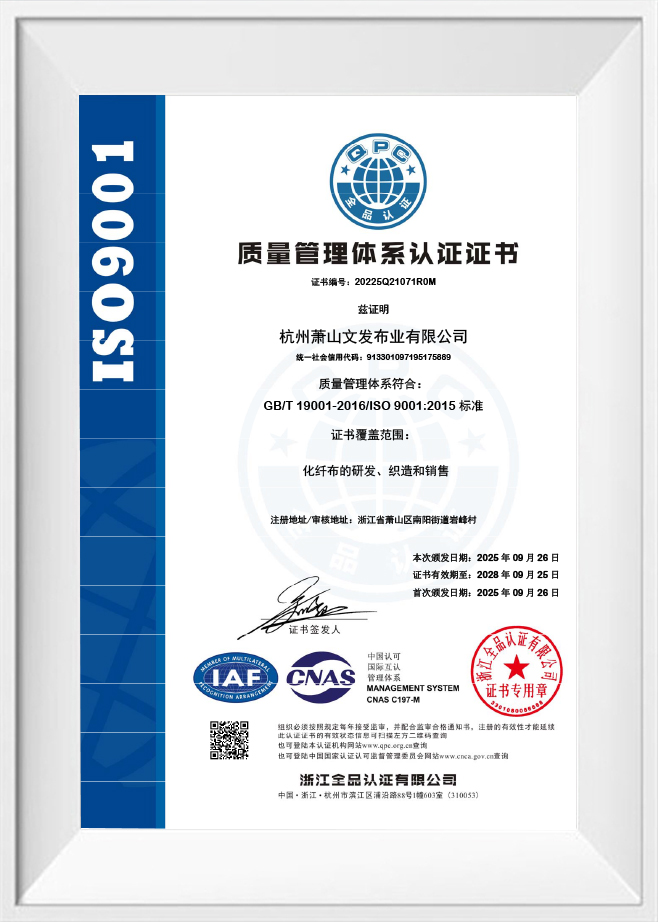
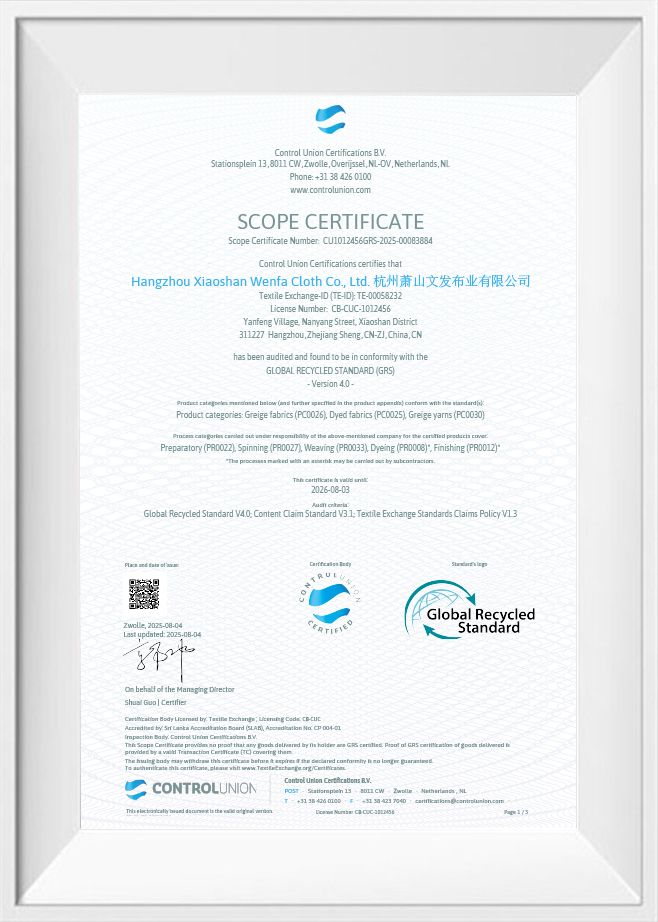
Procurement specifications for industrial fabrics now extend beyond mechanical performance. Certifications such as the Global Recycled Standard (GRS) and Ocean Bound Plastic (OBP) verify recycled content and responsible sourcing, while REACH compliance ensures the absence of restricted substances. For European and North American buyers, these are not optional additions but prerequisites for market access and corporate ESG reporting.
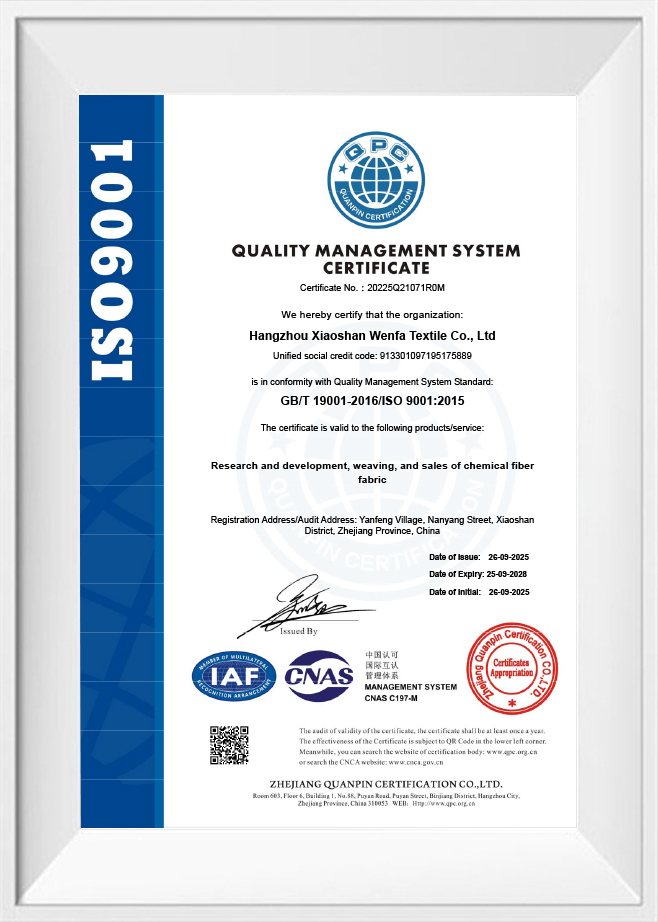
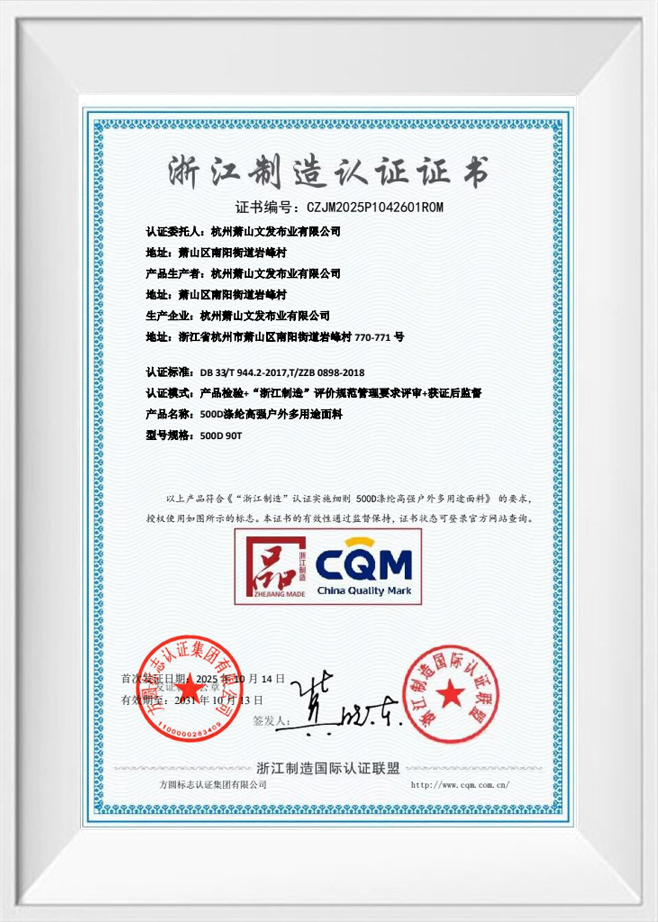
Hangzhou Xiaoshan Wenfa Textile Co., Ltd. holds ISO, REACH, GRS, and OBP certifications, enabling us to supply High-Tenacity DTY Polyester Fabric that meets stringent global procurement requirements without sacrificing fortress-grade durability.
Integrating Recycled Content Without Compromising Durability
A common concern is that recycled polyester fibers may exhibit lower tenacity than virgin equivalents. Our production approach mitigates this through optimized DTY texturing and precise heat-setting, achieving parity in tensile strength. The benefits of choosing certified sustainable high-tenacity fabric include:
- Compliance with extended producer responsibility schemes in the EU.
- Reduced carbon footprint documentation that supports green public procurement tenders.
- OBP certification specifically addresses marine plastic reduction, a priority for outdoor gear and luggage brands.
By embedding recycled raw materials into our 1800D and 3000D series, we help buyers create industrial covers and transport packs that are both ultra-reliable and environmentally accountable. Welcome to partner with us for customized heavy-duty fabric solutions that align with your sustainability mandates.

 English
 русский
 Français
 Español
 中文简体
中文简体