Understanding Abrasion Resistance Testing and Real-World Performance
When evaluating an Abrasive Resistance Fabric, it is critical to look beyond the label and understand the standardized tests behind the rating. Two methods dominate: the Martindale (ASTM D4966) and Wyzenbeek (ASTM D4157). Martindale rubs a fabric specimen against a standard abrasive under a known load in a Lissajous pattern, counting cycles until two yarns break. Wyzenbeek uses back-and-forth linear motion over abrasive material. The results are not interchangeable; a Martindale score of 40,000 cycles represents heavy-duty residential performance, while 50,000 cycles or above is often specified for commercial upholstery and demanding luggage. Buyers should request the exact test method, as a high Wyzenbeek double rub count does not directly equate to a specific Martindale figure. Matching the correct threshold to the end-use prevents premature failure and ensures you are procuring a fabric that truly withstands daily wear.
Recommended Martindale abrasion thresholds by end-use category
| End-Use Category |
Minimum Martindale Cycles |
Typical Products |
| Light Domestic |
15,000 |
Decorative cushions, occasional curtains |
| Heavy Domestic |
30,000 |
Sofas, everyday backpacks, children's wear |
| Commercial / Severe Use |
50,000+ |
Contract seating, workwear, luggage shells |
At Wenfa Textile, our Abrasive Resistance Fabric is tested to consistently meet or exceed these benchmarks, and we deliver full documentation with every order to support transparent sourcing decisions.
The Engineering Behind Abrasive Resistance Polyester Fabric
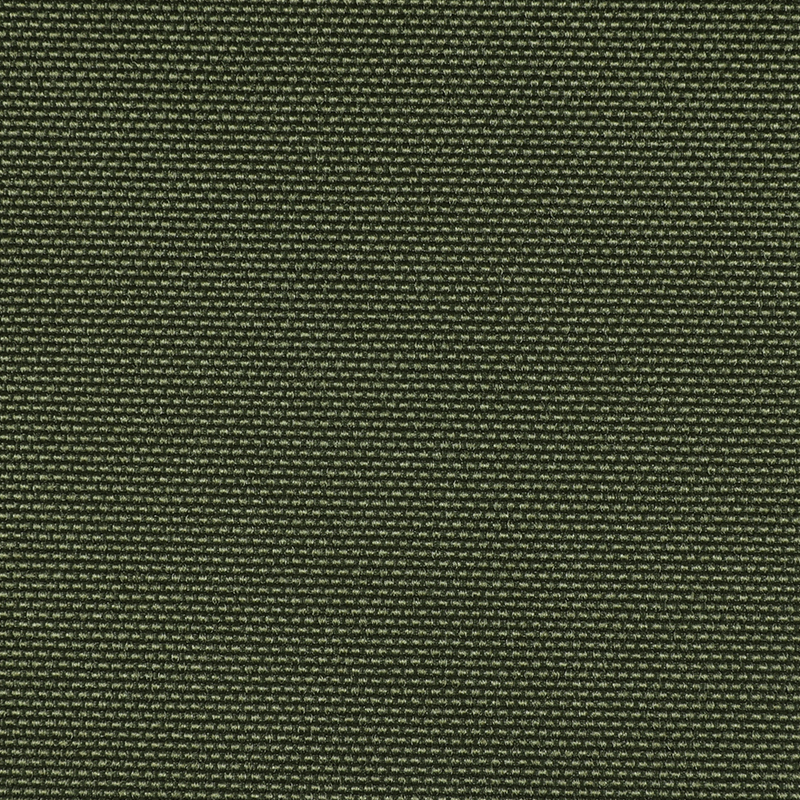
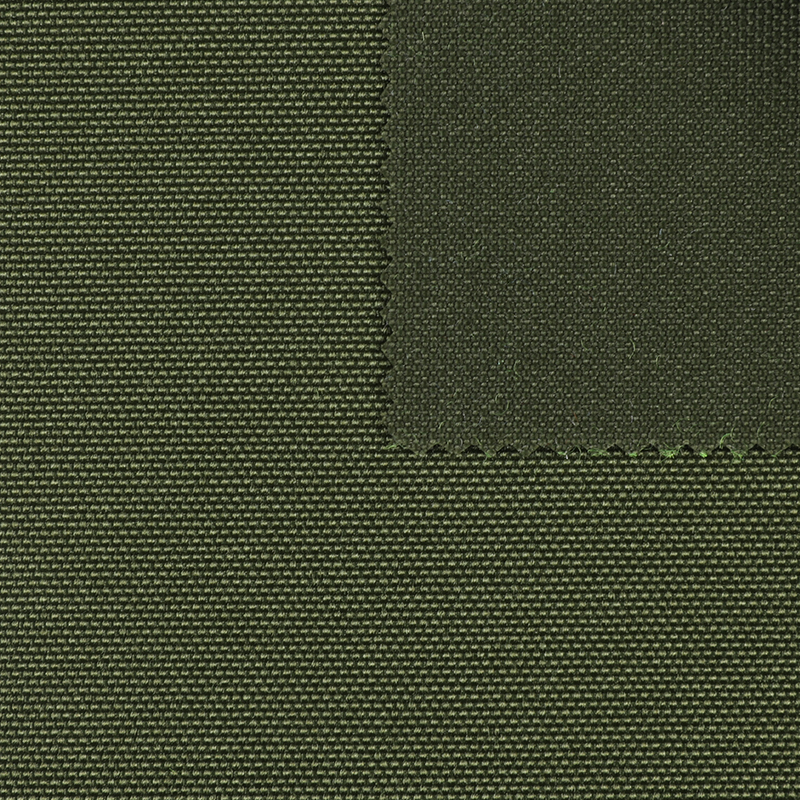
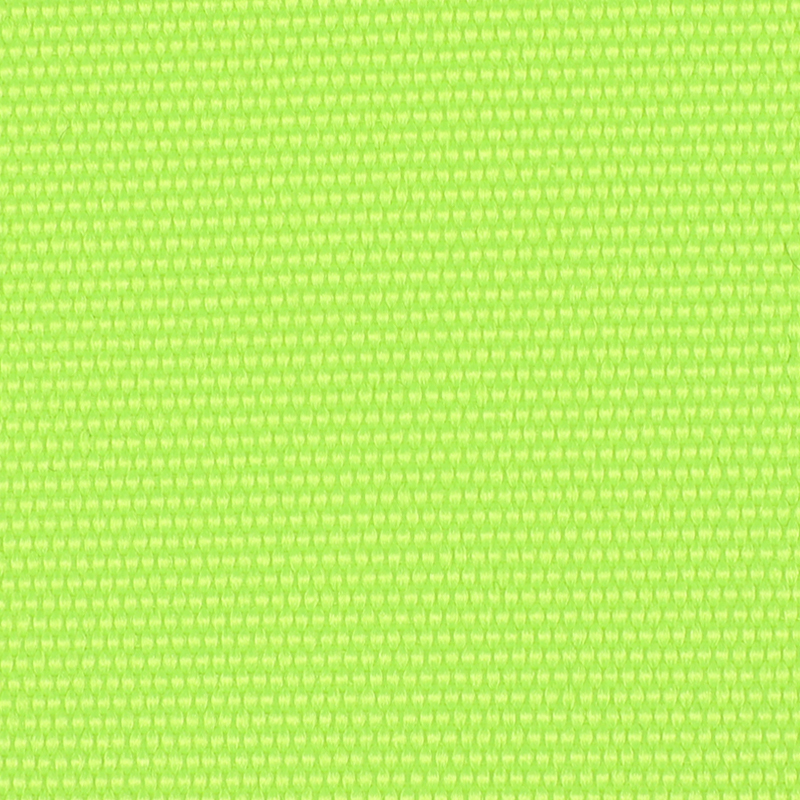
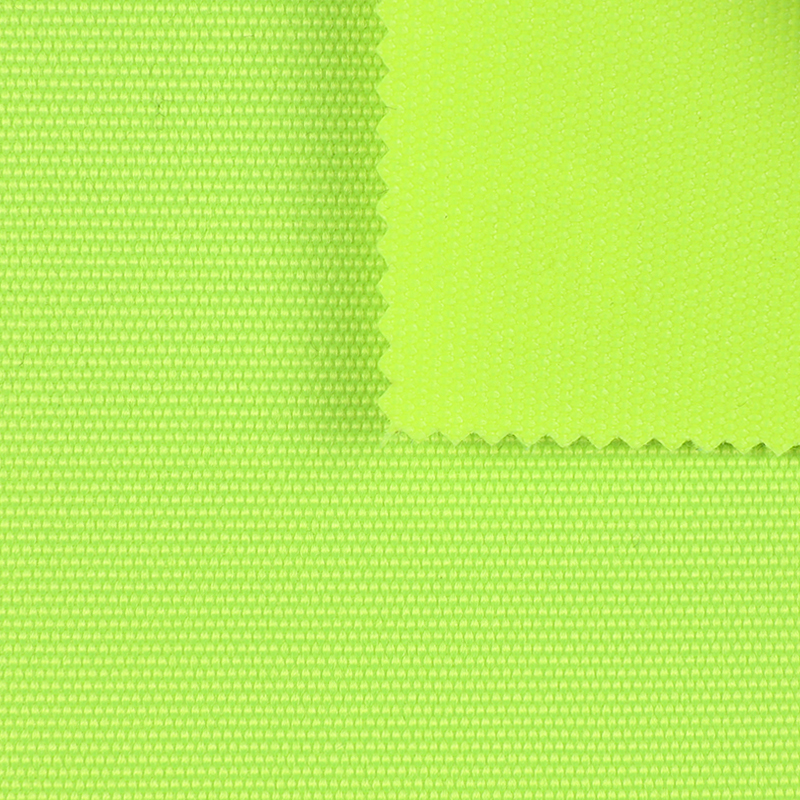
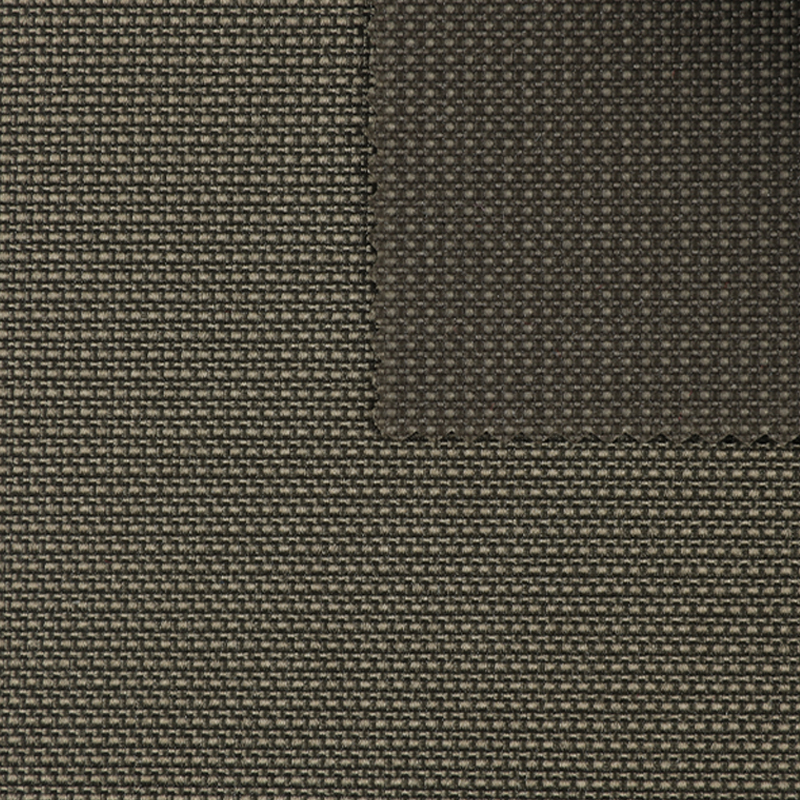
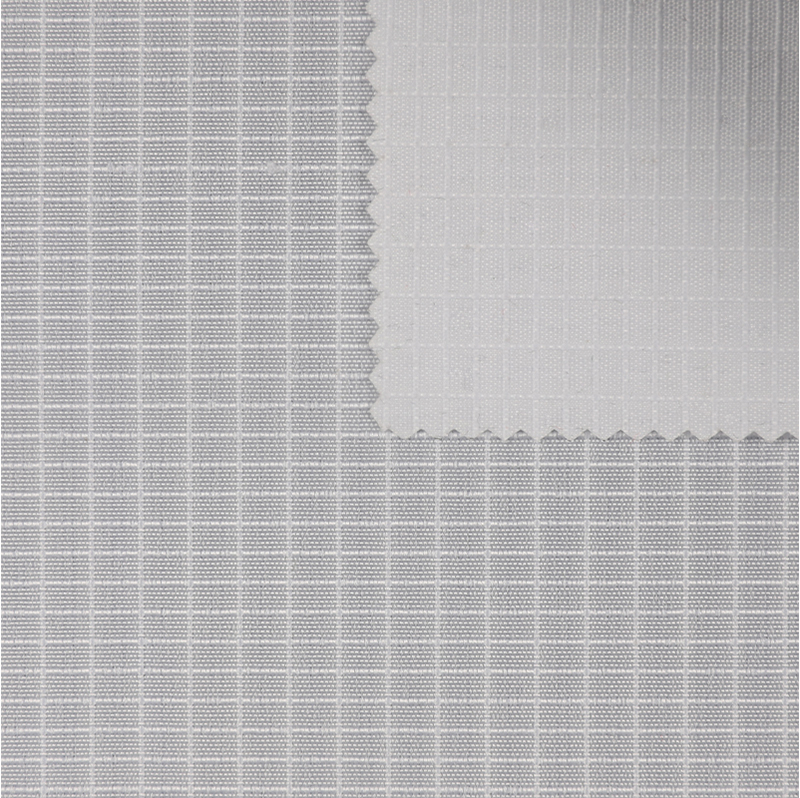
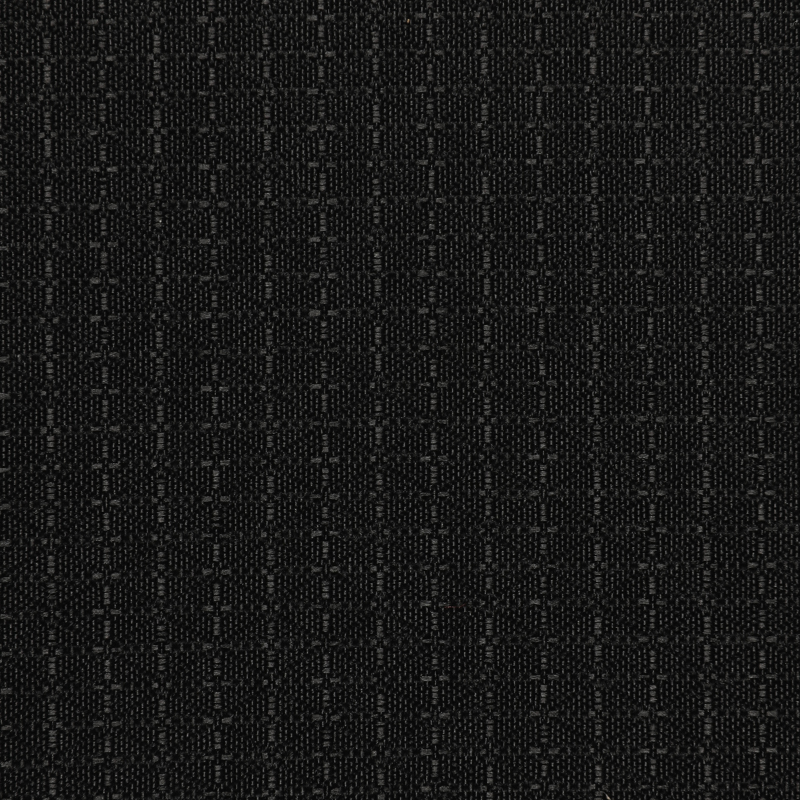
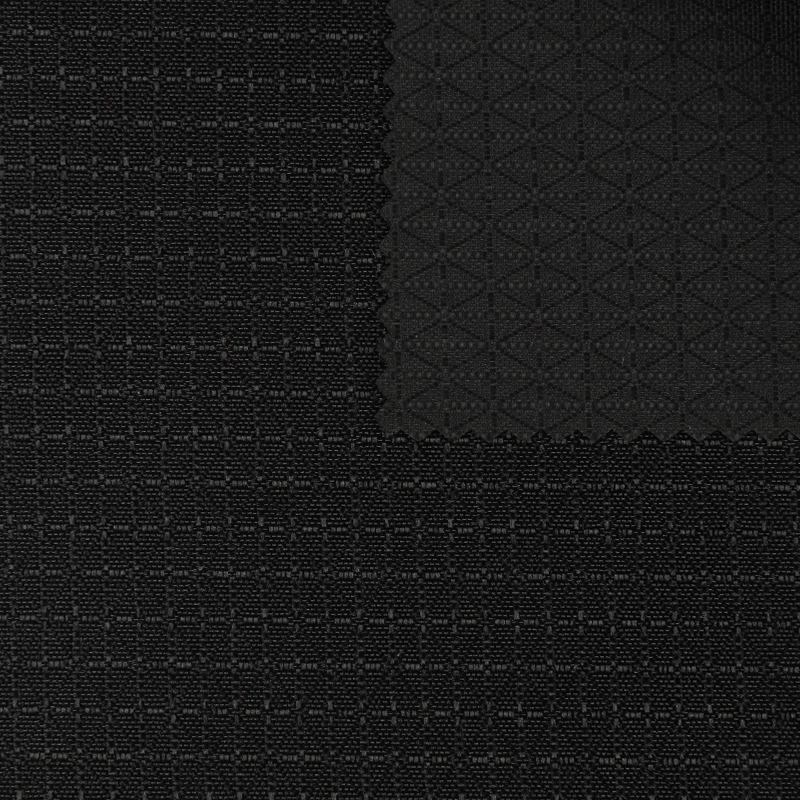
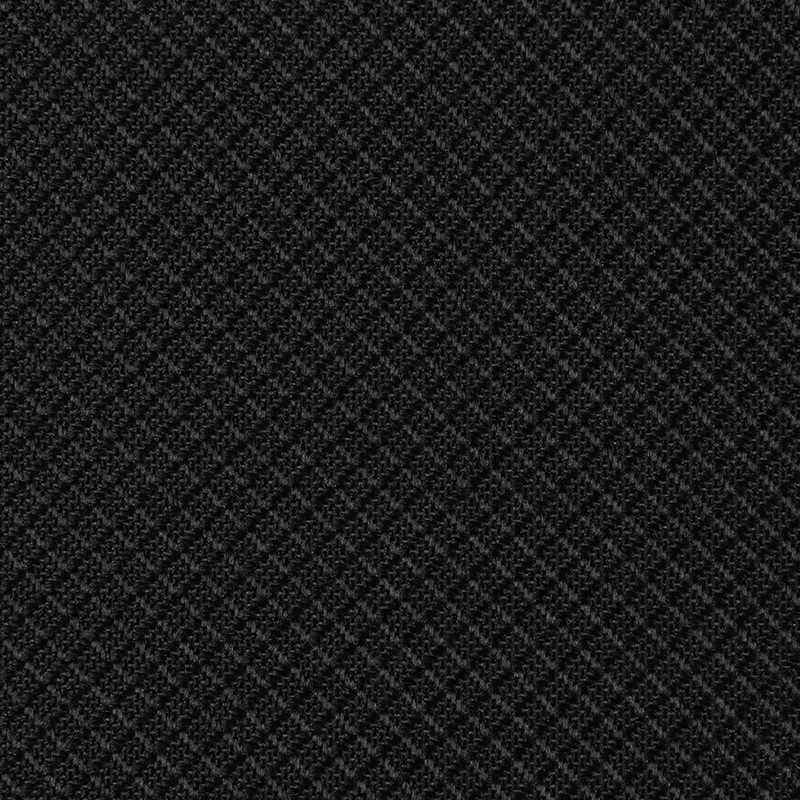
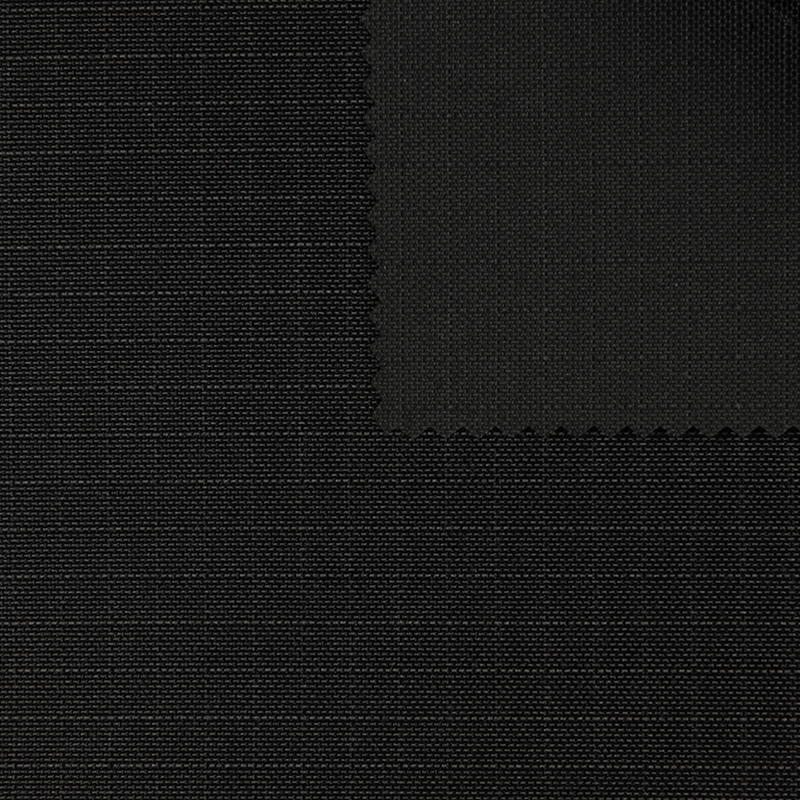
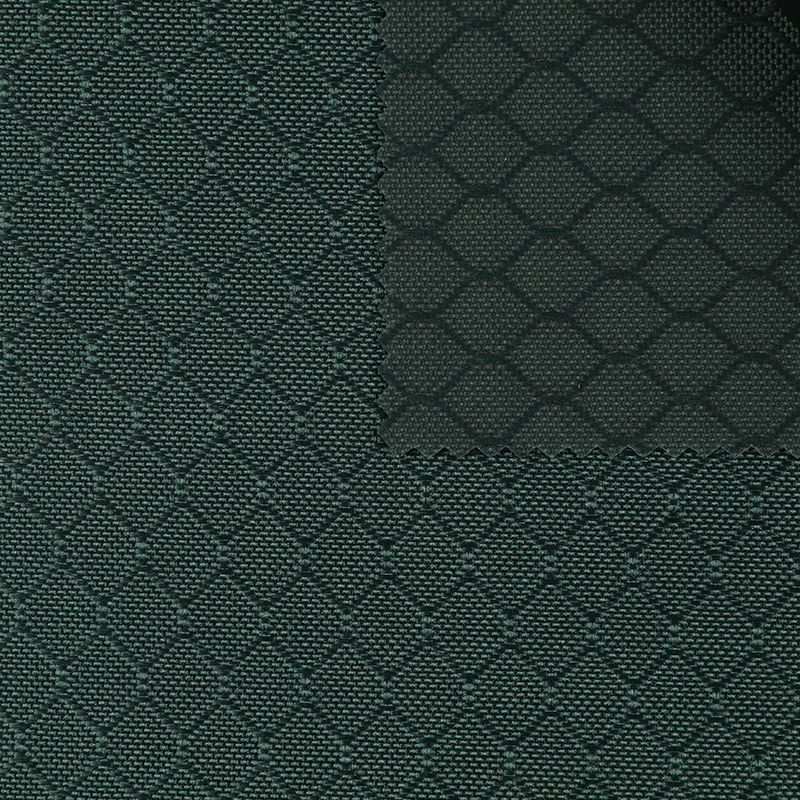
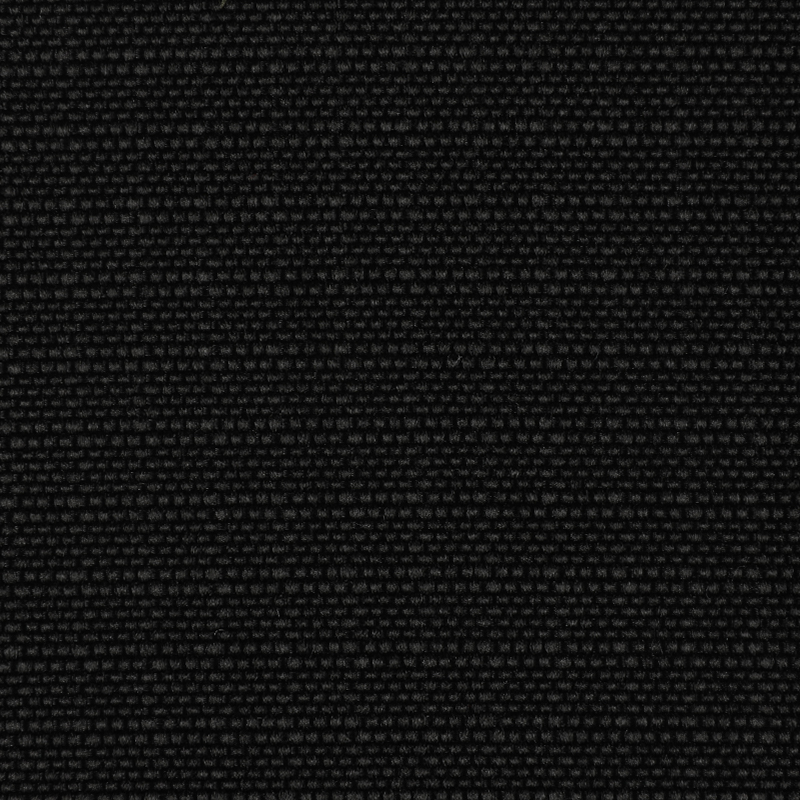
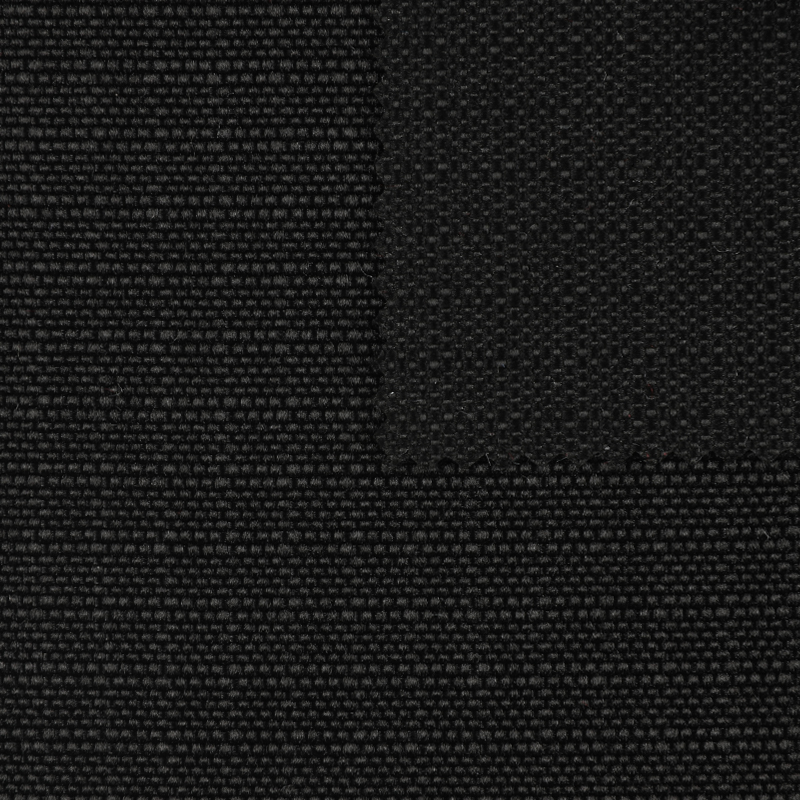
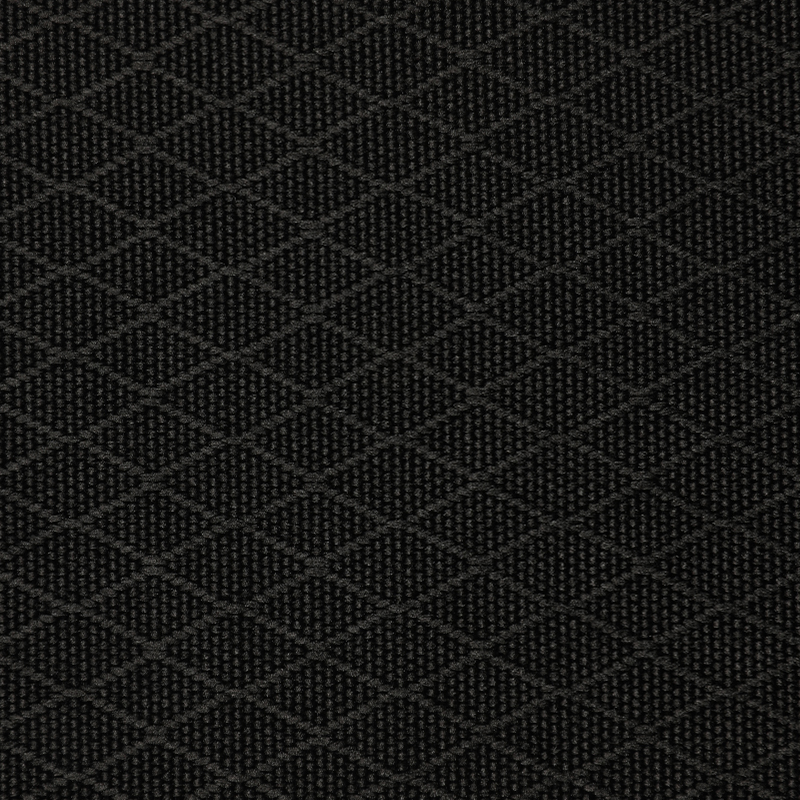
Creating a high-performance Abrasive Resistance Polyester Fabric demands careful control at each manufacturing stage. It begins with high-tenacity polyester yarns—typically in deniers from 500D to 1000D—chosen for their excellent filament strength and low elongation under load. The weave structure then plays an equally vital role; an Oxford weave, with its thicker, widely spaced fill yarns, forms a prominent surface that bears and distributes friction, delaying fiber breakage. Post-weaving treatments add another layer of defense. A polyurethane (PU) or polyvinyl chloride (PVC) coating seals the surface, reducing direct fiber-on-fiber abrasion, while specialized back coatings can lock yarns in place and prevent internal chafing. Even small adjustments in yarn twist or pick density can shift the abrasion resistance rating by thousands of cycles, making process consistency essential.
- High-tenacity polyester yarn (minimum tenacity 6.5 g/den) for core resistance
- Optimized weave density and Oxford structure to spread abrasive forces
- Protective PU/PVC coatings to reduce surface wear and fraying
- Controlled finishing to avoid chemical damage that weakens fibers
As Abrasive Resistance Polyester Fabric Manufacturers, Wenfa Textile leverages our integrated water-jet weaving facility and technical expertise to tune each of these elements. Through our OEM/ODM Abrasive Resistance Fabric Factory, we can develop bespoke constructions that match your product’s exact durability requirements while preserving the desired hand feel and weight.
Sustainable Durability: Recycled Polyester in High-Wear Applications
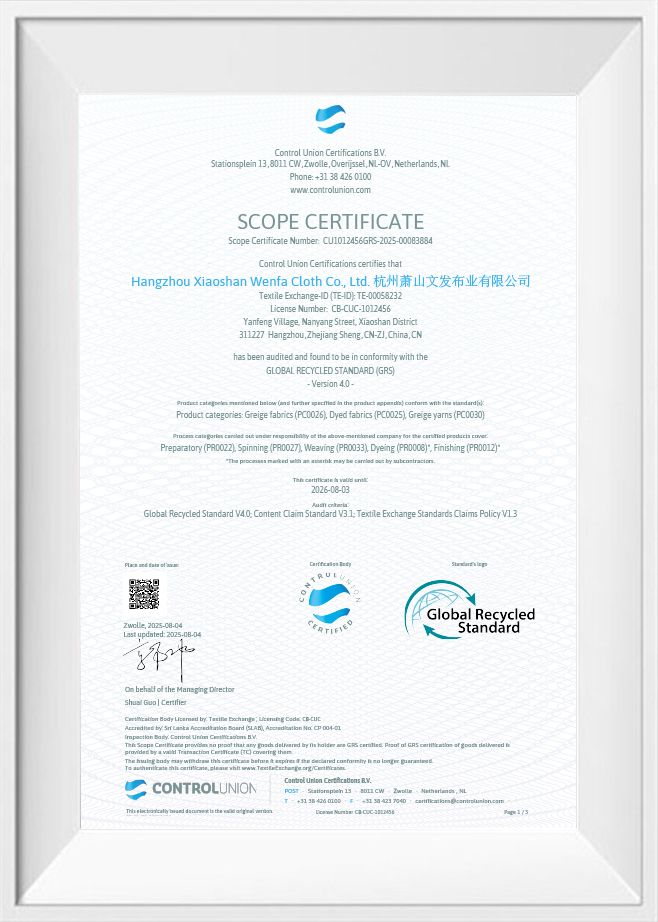
Durability and environmental responsibility are no longer mutually exclusive. Modern recycled polyester, certified by GRS (Global Recycled Standard) and sourced from post-consumer PET bottles or OBP (Ocean Bound Plastic), can achieve abrasion resistance values remarkably close to virgin polyester. The key lies in advanced mechanical recycling that preserves fiber integrity, resulting in yarns that retain over 90% of the tensile strength of their virgin counterparts. This allows an Abrasive Resistance Fabric made from recycled content to meet the same heavy-duty thresholds—reaching 50,000+ Martindale cycles—when properly woven and coated. For brands under pressure to meet ESG goals without compromising product lifespan, such fabrics offer a viable path forward.
Performance comparison between virgin and recycled polyester in Abrasive Resistance Fabric
| Property |
Virgin Polyester |
GRS Recycled Polyester |
| Martindale Abrasion (cycles) |
55,000 |
52,000 |
| Tensile Strength (N) |
1,200 |
1,130 |
| Colorfastness to Rubbing |
4-5 |
4 |
Wenfa Textile’s GRS- and OBP-certified Abrasive Resistance Polyester Fabric allows you to confidently specify recycled content for luggage, outdoor gear, or children’s products without sacrificing the rugged performance your customers expect. Our custom Abrasive Resistance Fabric solutions in this eco-line support a circular textile economy while keeping maintenance costs low and product life long.
Maximizing the Service Life of Your Abrasive Resistance Fabric
Even an exceptionally rugged Abrasive Resistance Fabric benefits from proper care to reach its full lifespan. The coating layers and fiber surfaces that provide wear resistance can be compromised by aggressive chemicals and mechanical stress during cleaning. Following a few practical guidelines helps maintain the fabric’s integrity, appearance, and protective qualities over years of use.
- Avoid bleach, chlorine, and strong acids, which can break down polyester molecular chains and degrade coatings.
- Turn items inside out before washing to shield coated outer surfaces from direct abrasion against zippers or other hardware.
- Use a gentle cycle with cold or warm water and mild detergent; skip fabric softeners that leave residues reducing surface friction performance.
- Air dry whenever possible, or tumble dry on low heat. High heat can embrittle polyester fibers and cause coating delamination over time.
- Store products away from sharp edges and prolonged direct sunlight to prevent unnecessary mechanical abrasion and UV-induced weakening.
We at Wenfa Textile share these care protocols with all our partners because our Abrasive Resistance Polyester Fabric, though built to withstand demanding daily use, will reward mindful handling with an even longer, trouble-free service life. That translates into lower replacement rates and a stronger value proposition for the final product.

 English
 русский
 Français
 Español
 中文简体
中文简体