How Tear Testing Validates the Reliability of High-Strength Fabric
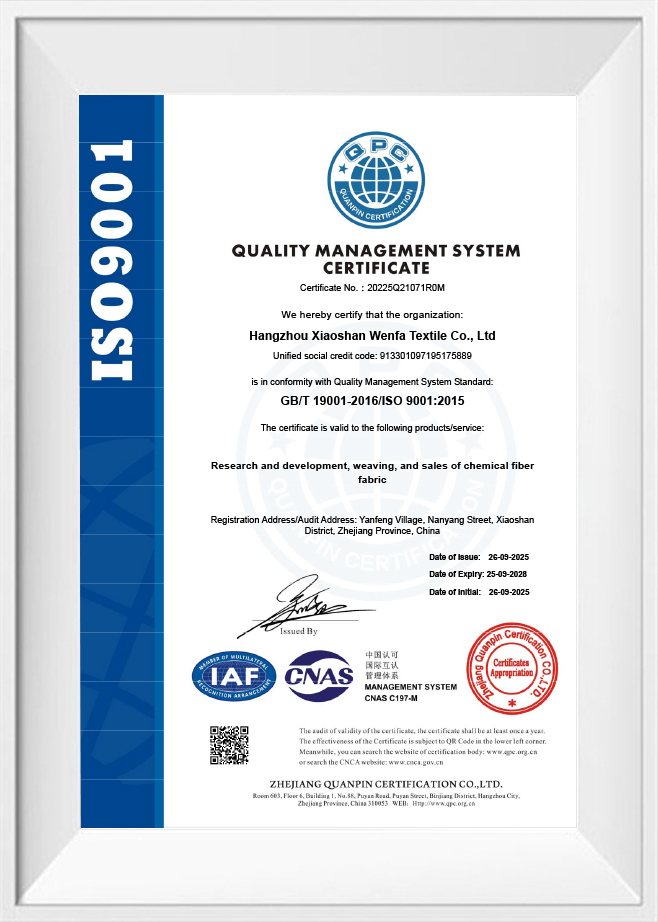
For load-bearing applications, tear strength often outperforms tensile strength as a predictor of real-world durability because it quantifies how a material resists damage propagation once a cut or puncture occurs. The two most referenced methods are the tongue tear test (ASTM D2261) and the trapezoid tear test (ASTM D5587). The tongue tear simulates a cut being pulled apart and reports the force required to continue the tear, while the trapezoid method uses a controlled slit under directed tension—especially useful for coated or treated textiles. At Hangzhou Xiaoshan Wenfa Textile Co., Ltd., we routinely apply both methods to our Oxford fabric development, ensuring values that comfortably exceed typical industry thresholds.
A common misinterpretation is equating high tensile strength with high tear resistance. A fabric can have strong yarns but still fail prematurely if its weave construction allows tears to propagate easily. True High-Strength Fabric exhibits arrested tear growth and a high tear-to-weight ratio, making it far more reliable for luggage, outdoor gear, and upholstery. When evaluating supplier data sheets, buyers should request the complete tear force curve rather than a single peak value; the shape of the curve reveals whether the fabric catches and stops a tear or yields catastrophically.
- Tongue tear (ASTM D2261) – measures continuous tear propagation force
- Trapezoid tear (ASTM D5587) – captures initial tear resistance under constrained tension
- Wing-rip tear – used for lightweight but high-tenacity fabrics
These benchmarks turn subjective claims of “tear resistance” into objective specifications. Specifying a High-Strength Fabric that carries documented tear test reports can reduce field failures by as much as 35% in heavy-use categories, directly lowering warranty and replacement costs.
Denier and Weave Density: Engineering High-Strength Polyester Fabric from the Yarn Up
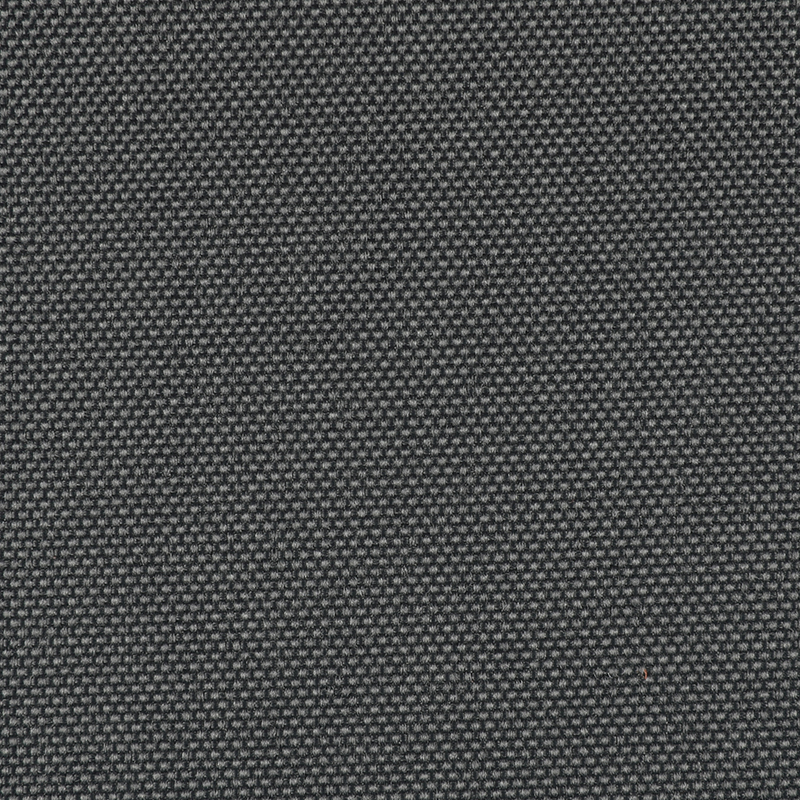
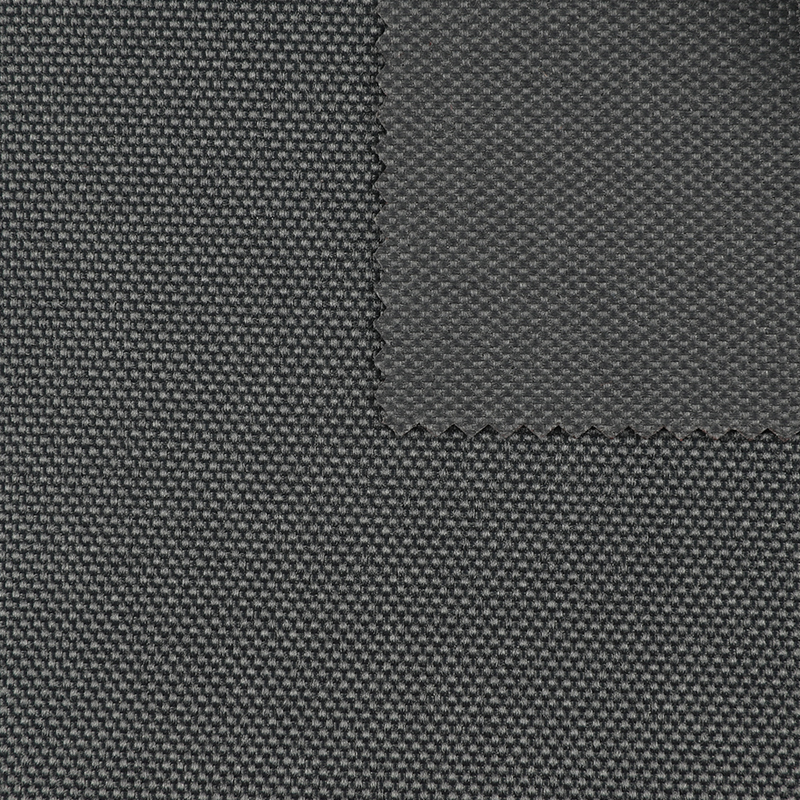
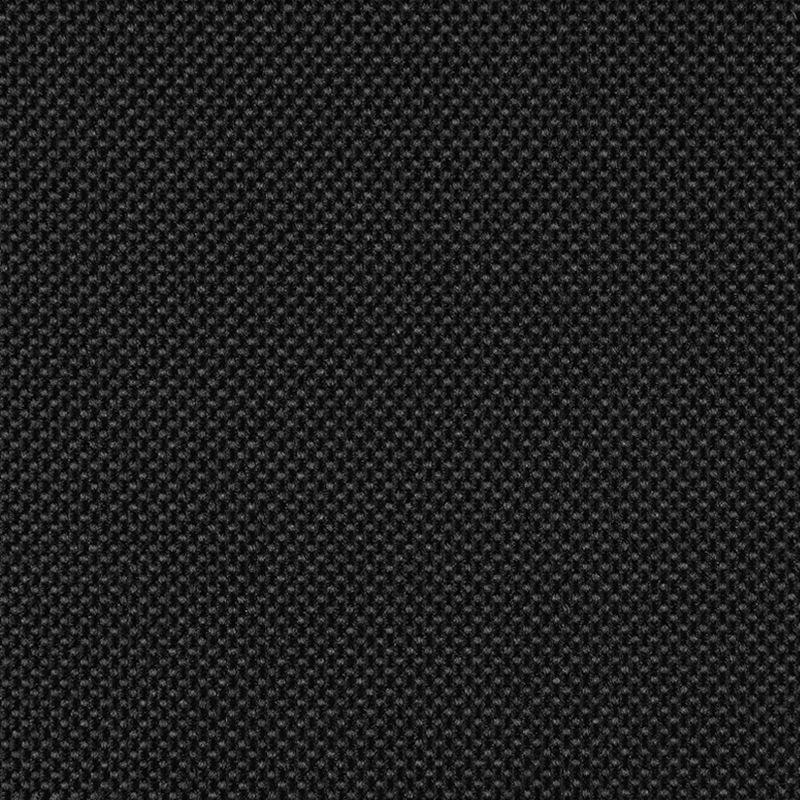
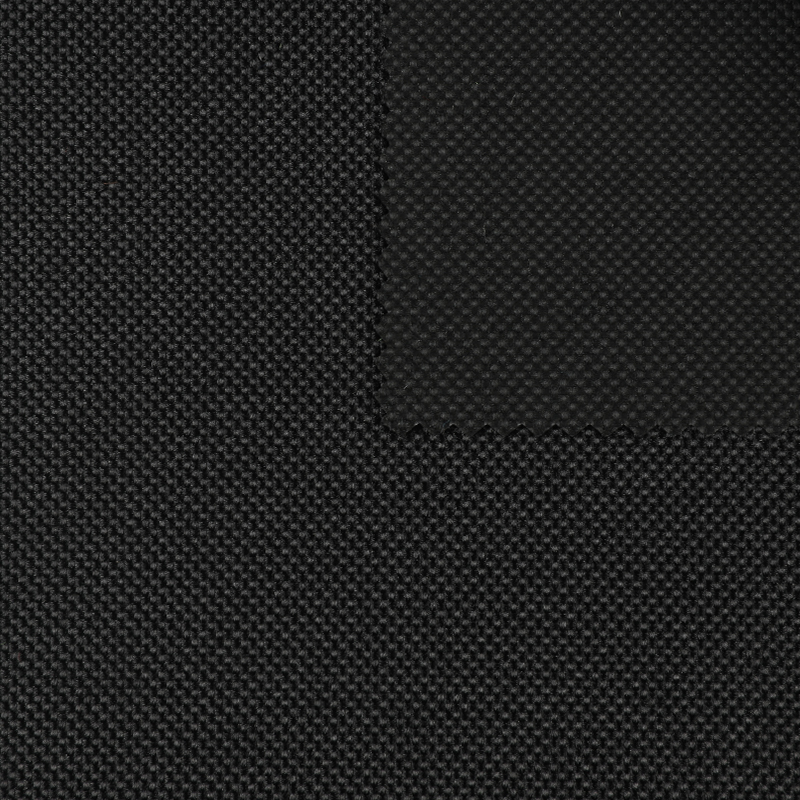
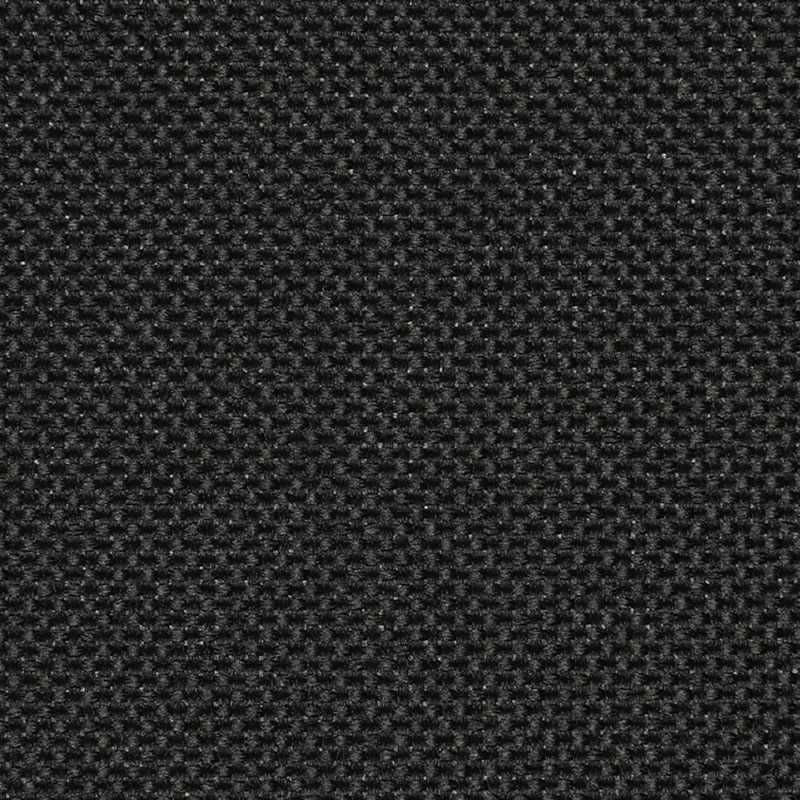
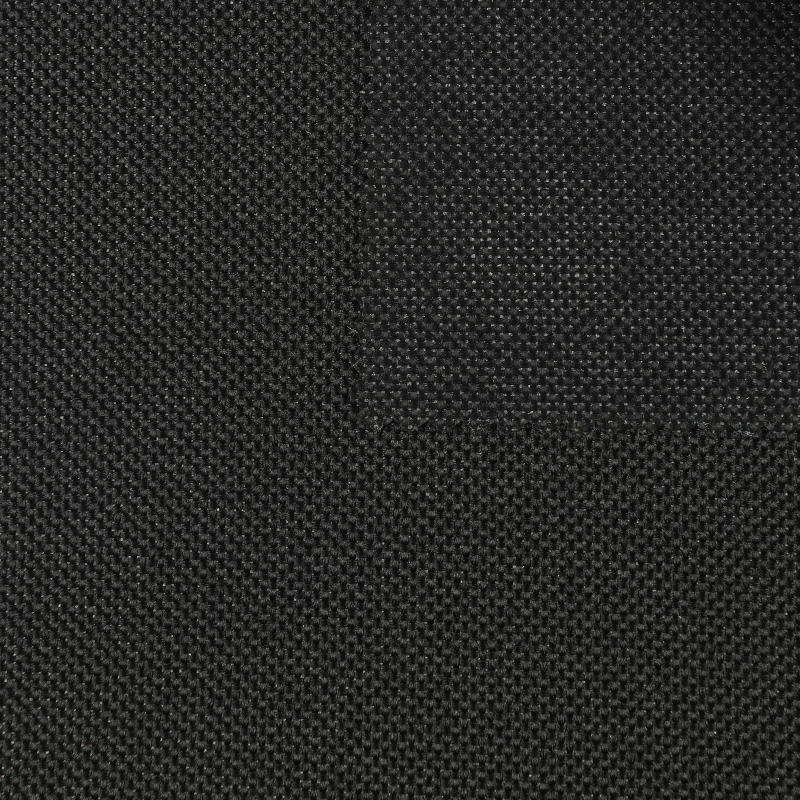
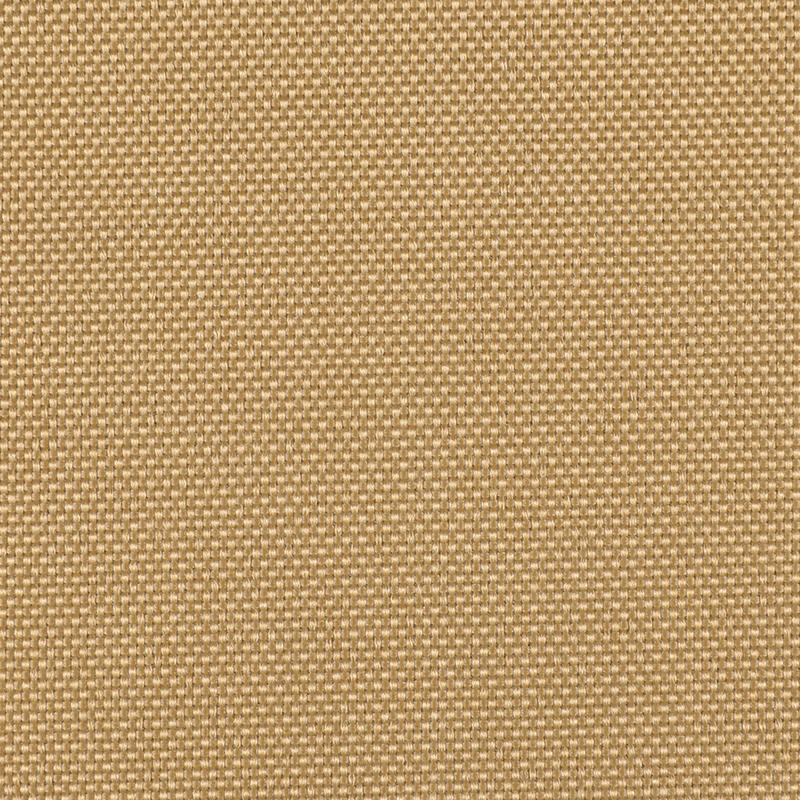
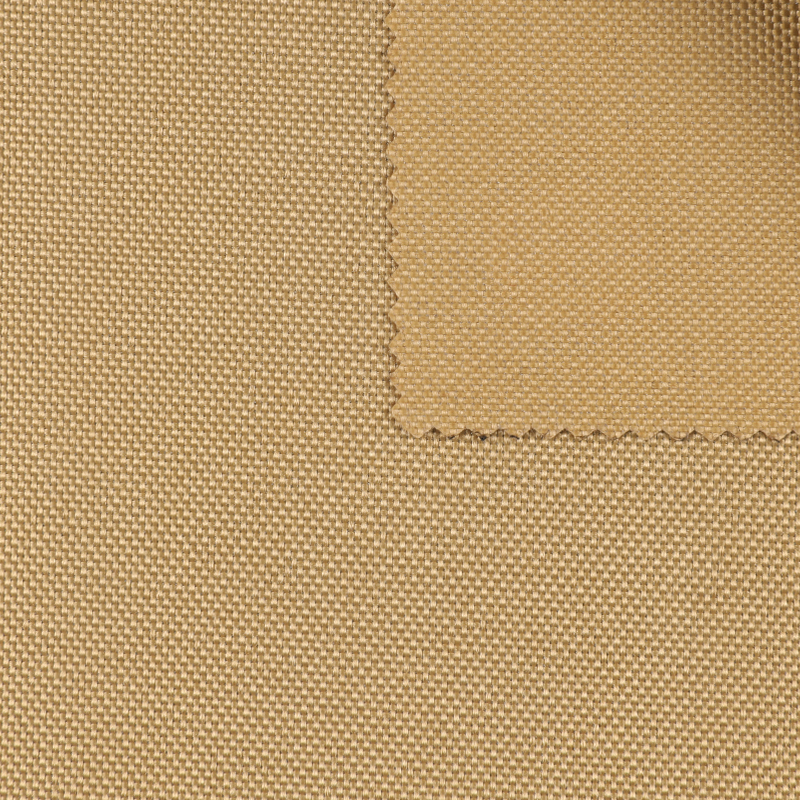
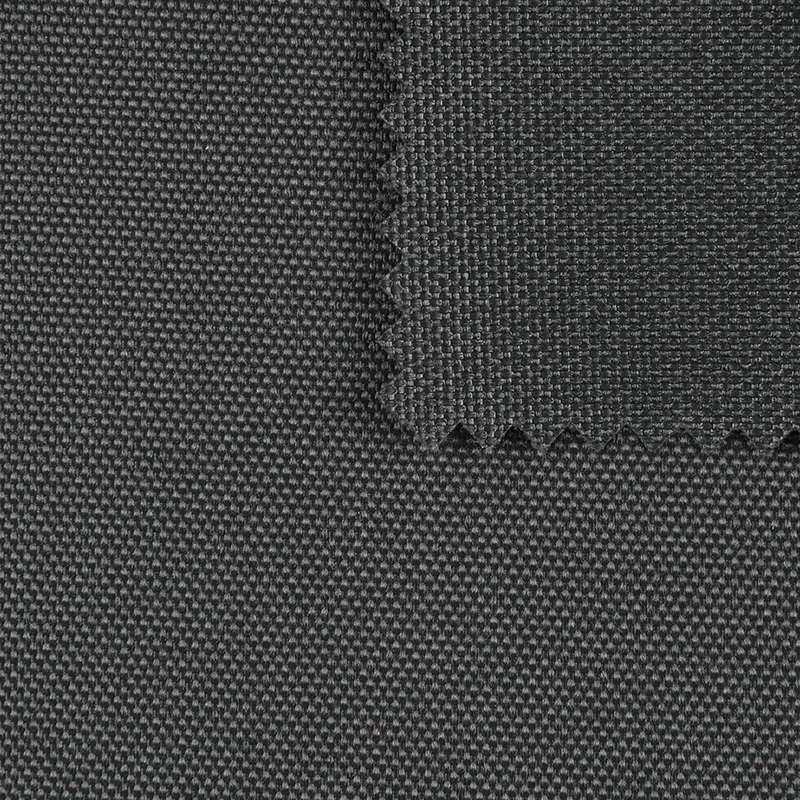
The performance of High-Strength Polyester Fabric begins with yarn selection and weave geometry. Denier—the linear mass density of the filament—sets the baseline for potential strength, but it is the interplay between denier and weave density that determines the final tear and abrasion profile. Oxford weaves, with their distinct basket-like interlacing of multiple warp and weft threads, distribute tensile stress more evenly across the fabric plane, naturally limiting tear propagation. In our OEM/ODM High-Strength Fabric Factory, we dial in these parameters for each end use, matching exact denier counts with engineered pick-and-end counts to hit target performance windows without over-engineering weight and cost.
| Construction |
Denier (D) |
Tear Strength (N) |
Martindale (cycles) |
Typical Application |
| 600D Oxford |
600 |
130 – 160 |
45,000 – 55,000 |
Backpacks, school bags |
| 900D Oxford |
900 |
180 – 220 |
75,000 – 90,000 |
Luggage, heavy-duty gear |
| 1200D Oxford |
1200 |
240 – 280 |
100,000+ |
Industrial covers, military |
Comparative performance of common High-Strength Polyester Fabric specifications (values are indicative for standard coated constructions)
The data underscores a design principle: increasing denier alone does not guarantee proportional gains. A 900D fabric with a relaxed weave can underperform a tightly constructed 600D. The true engineering of High-Strength Polyester Fabric lies in optimizing the weave factor—the ratio of yarn diameter to weave repeat—creating a dense, snag-resistant surface that channels stress away from potential failure points.
Beyond Tear Strength: How Coatings Enhance the Functional Life of High-Strength Fabric
A robust base weave delivers inherent tear resistance, but coating technology determines how that High-Strength Fabric endures friction, moisture ingress, and daily snags. Polyurethane (PU) and polyvinyl chloride (PVC) coatings create a protective skin that significantly lifts the number of Martindale abrasion cycles a fabric can withstand before visible wear appears. For instance, an uncoated 600D Oxford may show surface degradation after 20,000 cycles, while a well-formulated PU coating can push that number beyond 50,000 cycles. The improvement comes from the coating’s ability to reduce fiber-on-fiber abrasion and to shield the yarn crowns from direct contact with external surfaces.
Coating adhesion is equally critical. A poorly bonded layer can delaminate after repeated flexing, creating weak zones where tears initiate. At Hangzhou Xiaoshan Wenfa Textile Co., Ltd., we apply REACH-compliant coatings in a controlled manufacturing environment, ensuring cross-linking that maintains integrity through temperature and humidity swings. For buyers, requesting combined cycle tests—abrasion followed by cold flex—offers a more accurate projection of end-use behavior than relying on single-condition results. Investing in proven coating chemistry transforms a standard polyester fabric into a true High-Strength Fabric capable of enduring years of heavy service.
Sustainability Without Compromise: Recycled Content in High-Strength Polyester Fabric
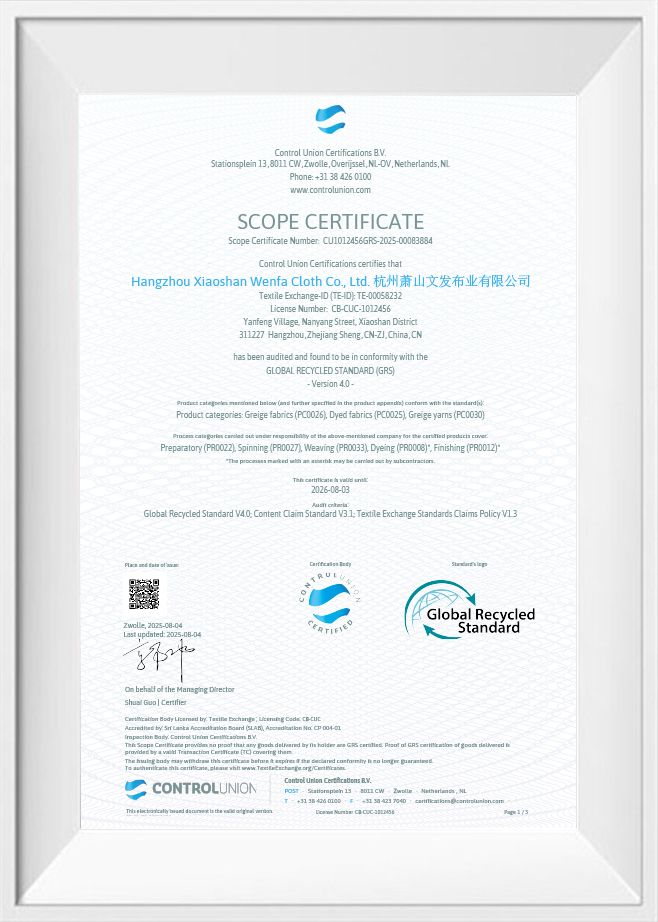
The perception that recycled fibers inherently yield weaker textiles no longer holds when processing controls are rigorous. High-Strength Polyester Fabric produced from yarns certified to the Global Recycled Standard (GRS) or Ocean Bound Plastic (OBP) now matches virgin performance in tear strength and abrasion resistance, provided the recycled input maintains sufficient filament length and uniformity. At Wenfa Textile, our GRS and OBP certified Oxford fabrics undergo the same battery of tear and abrasion tests as conventional offerings, with tear strength variances of less than 5%—a difference that rarely translates into meaningful field performance gaps.
From a compliance perspective, integrating certified recycled materials streamlines market access. The combination of REACH, GRS, and OBP certifications provides a complete dossier that reassures brands and regulators in Europe and North America. The key risk point for buyers lies in fiber traceability; a mill that can demonstrate a closed-loop recycling chain and internally verifies fiber integrity at each batch change offers a defensible sustainability story. High-Strength Fabric with credible eco-certifications now represents the intersection of durability engineering and responsible sourcing, not a compromise between them. At Hangzhou Xiaoshan Wenfa Textile Co., Ltd., we see this convergence as the new baseline for global Oxford fabric supply.

 English
 русский
 Français
 Español
 中文简体
中文简体