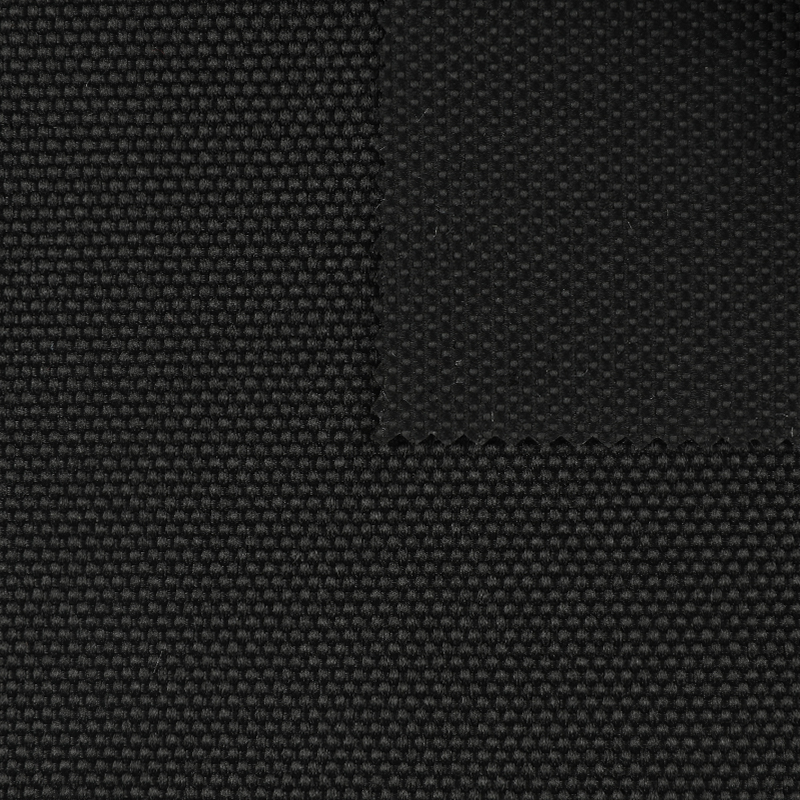
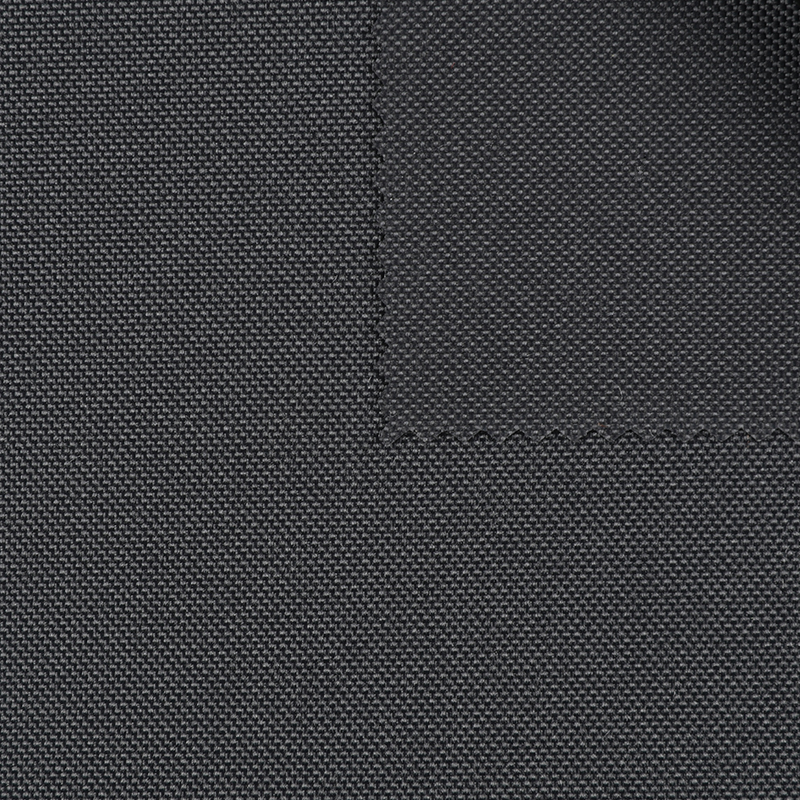
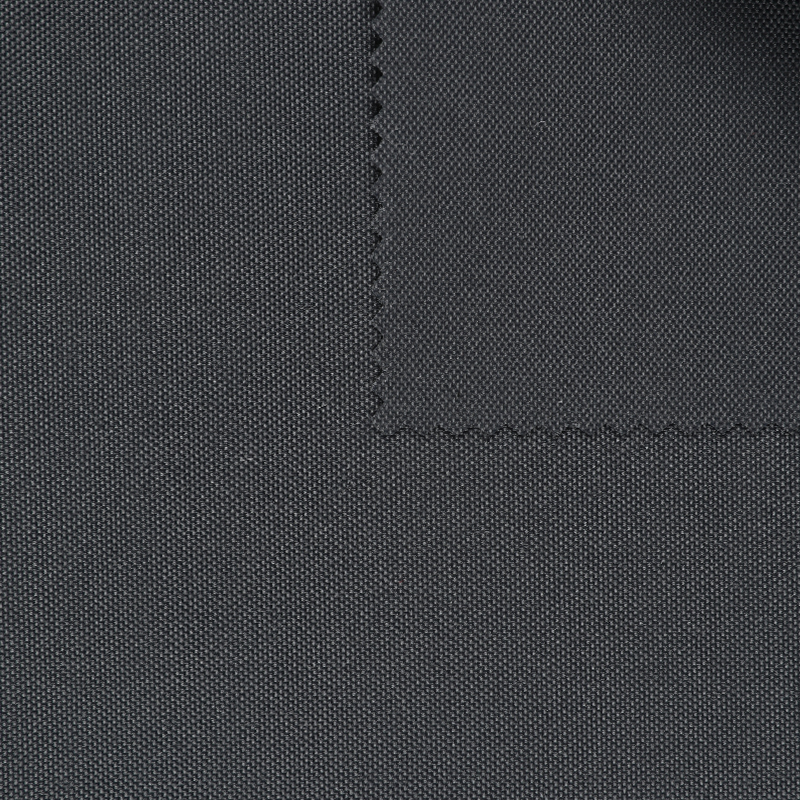
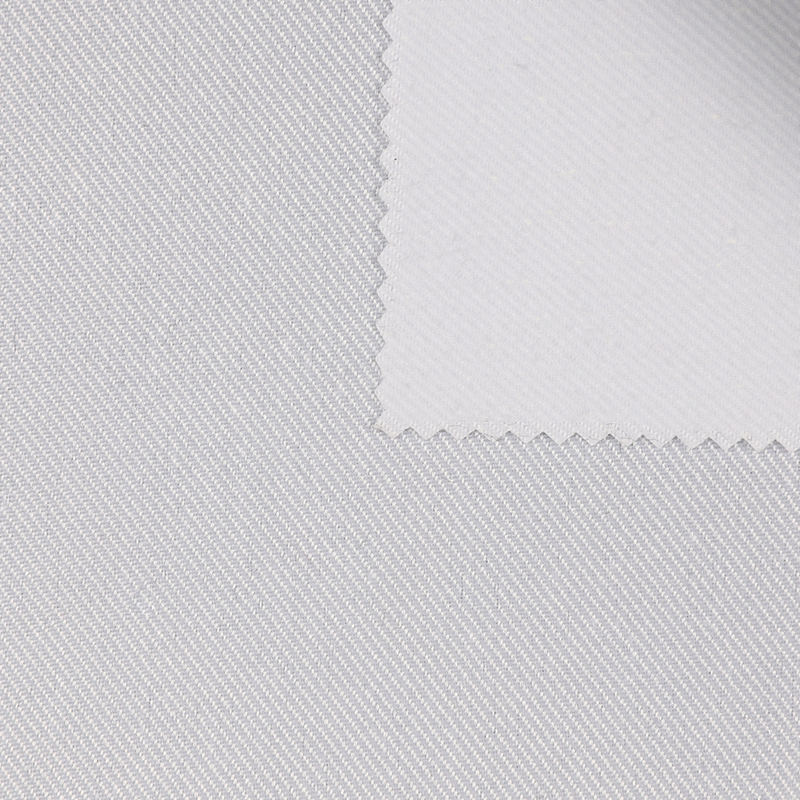
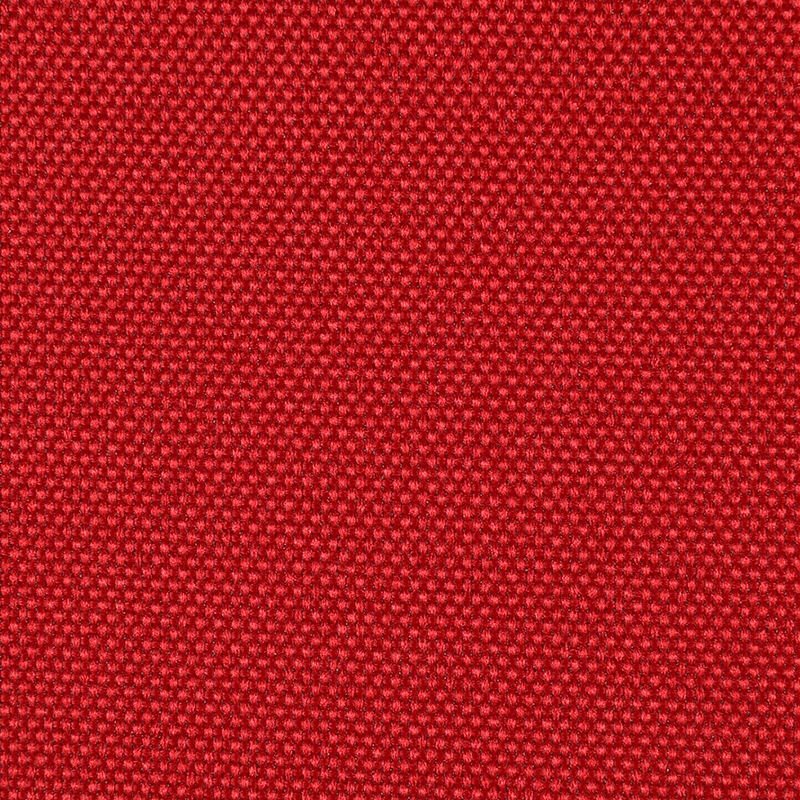
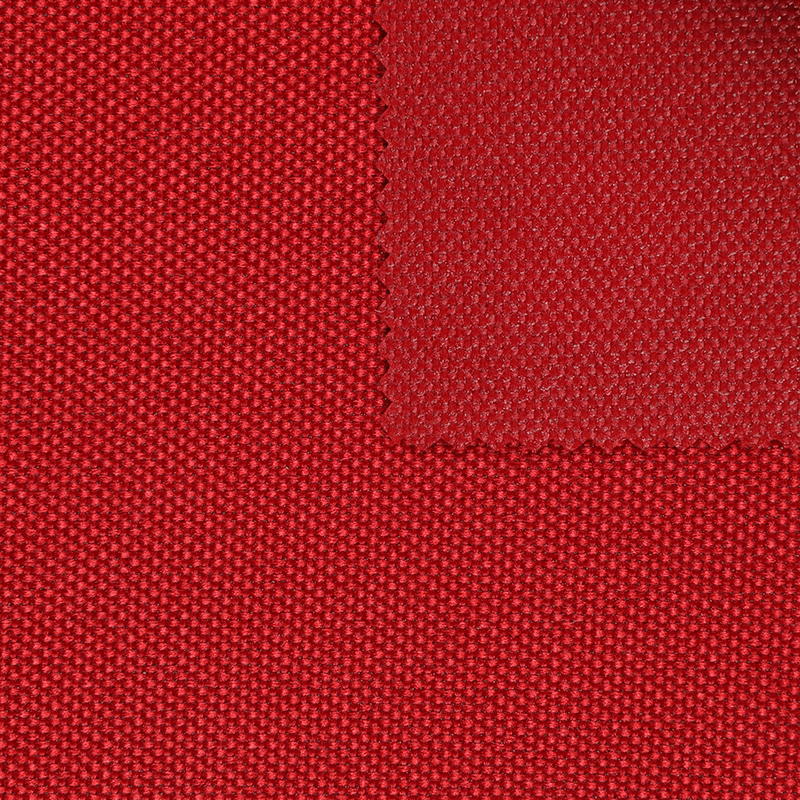
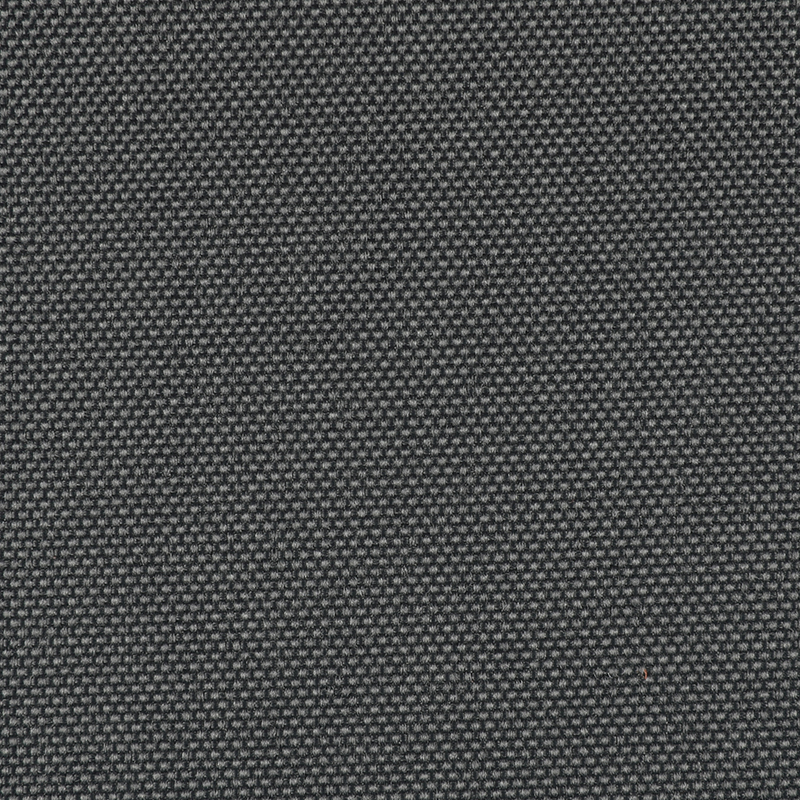
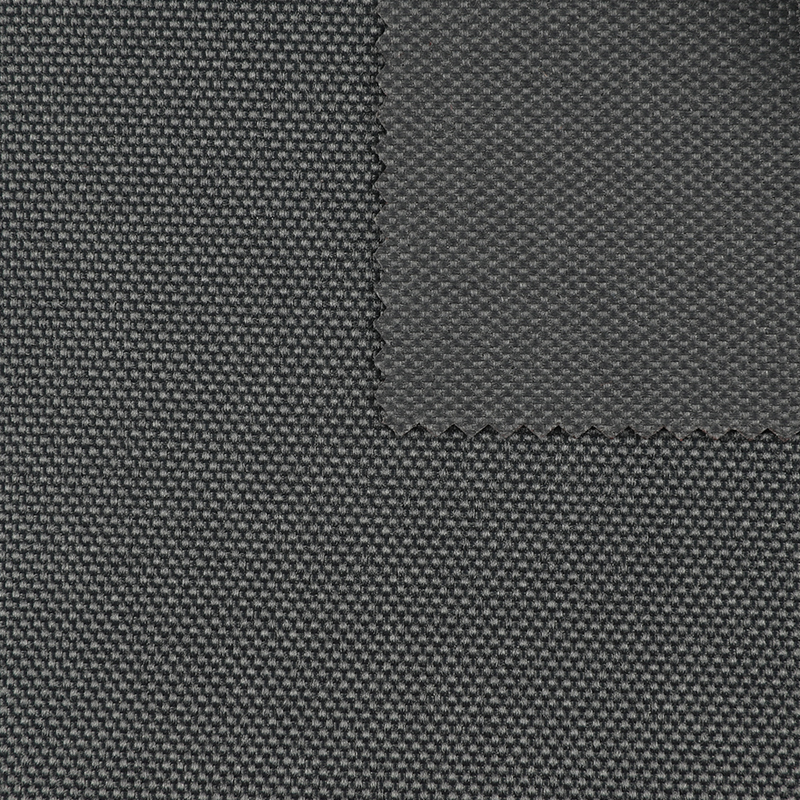
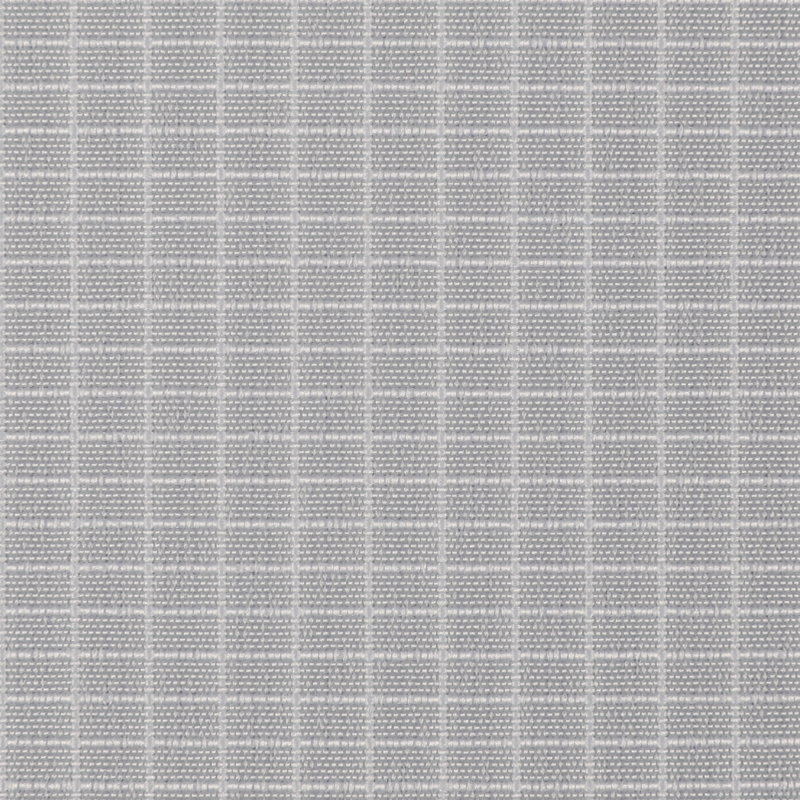
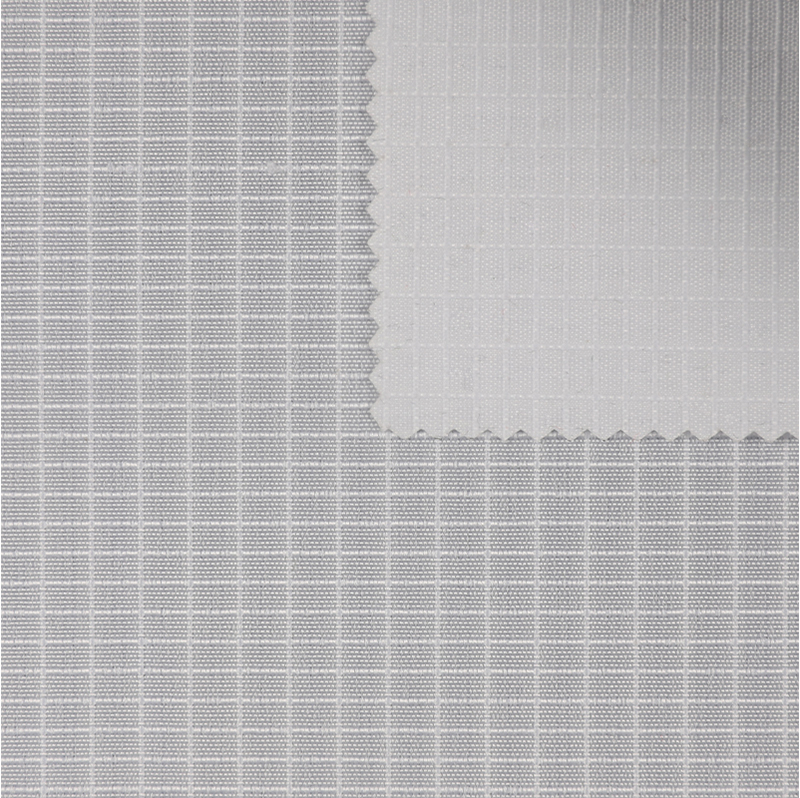
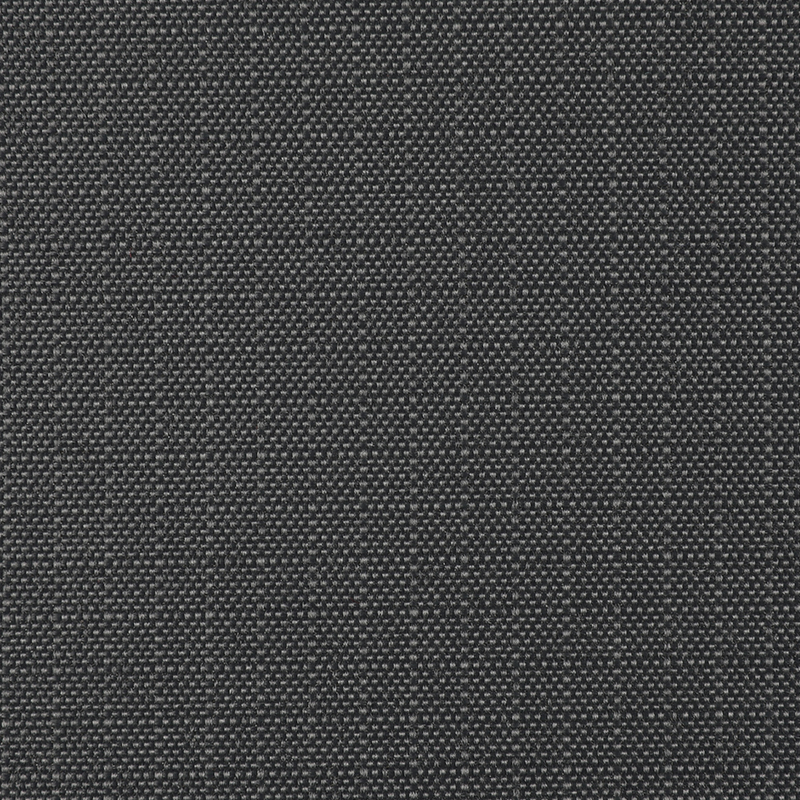
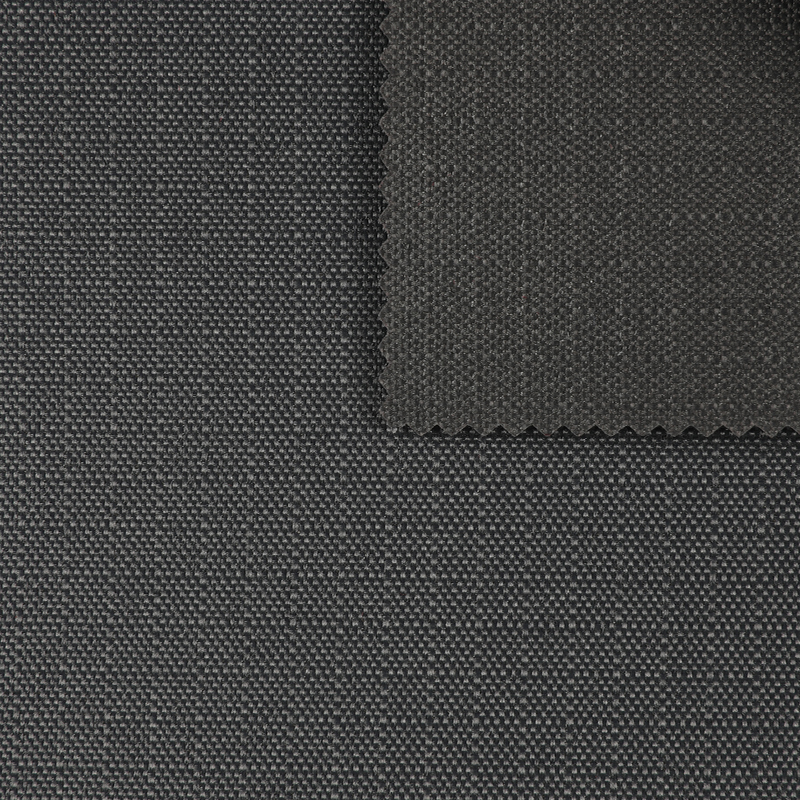
Understanding Hydrolytic Stability in PU Coating Polyester Fabric
When selecting a PU Coating Polyester Fabric for luggage or outdoor gear, hydrolytic stability is often overlooked despite being critical to long‑term performance. Polyester fibers are inherently resistant to hydrolysis, but the polyurethane coating itself can degrade when exposed to warm, humid conditions over time — a process known as hydrolysis. This chemical breakdown reduces adhesion, causes surface tackiness, and ultimately compromises water resistance.
The key to avoiding premature failure lies in the formulation of the PU resin. Polyether‑based polyurethanes offer significantly better hydrolysis resistance than polyester‑based alternatives, though they may cost more. In our production at Hangzhou Xiaoshan Wenfa Textile Co., Ltd., we prioritize hydrolysis‑stabilized PU systems for demanding applications, ensuring the PU Coating Fabric remains reliable even after repeated exposure to rain or high humidity. Proper curing during manufacturing is equally important; under‑cured coatings leave reactive groups that accelerate degradation. A simple accelerated aging test (e.g., 70°C and 95% relative humidity for several weeks) can reveal meaningful differences in quality between suppliers.
Why This Matters for Your Product Lifecycle
- Polyester fabrics naturally resist hydrolysis, but the PU coating determines the overall lifespan.
- Polyether‑based PU coatings can extend usability by 2–3 times in tropical climates.
- Ask for hydrolysis resistance test reports (e.g., ASTM D3690) to compare durability claims.
When you source from us as dedicated PU Coating Polyester Fabric Manufacturers, you gain a partner that engineers coating chemistry for real‑world endurance, not just initial waterproof ratings.
Decoding Coating Weight: Balancing Water Resistance, Hand‑Feel, and Cost
Coating weight, typically measured in grams per square meter (gsm) or as a percentage add‑on, directly determines the performance spectrum of a PU Coating Fabric. However, heavier is not always better. The choice involves a calculated trade‑off among waterproof rating, flexibility, weight of the final product, and material cost. The table below illustrates typical reference values for a 600D polyester oxford base.
Coating weight vs. typical performance characteristics on 600D polyester
| Coating Weight (gsm) |
Hydrostatic Head (mm H₂O) |
Hand‑Feel |
Typical Application |
| 15 – 20 |
800 – 1200 |
Very soft, fabric‑like |
Lightweight daypacks, foldable shoppers |
| 25 – 35 |
1500 – 2500 |
Smooth with slight body |
Standard backpacks, handbags |
| 40 – 50+ |
3000 – 5000+ |
Firmer, less drape |
Heavy‑duty travel bags, outdoor equipment |
At our factory, we help customers pinpoint the optimal coating weight for their specific end‑use, avoiding over‑specification that drives up cost and weight unnecessarily. Our Custom PU Coating Polyester Fabric service can target exact values while retaining the desirable soft hand‑feel that distinguishes a premium product.
Sustainability in PU Coating: Navigating Eco‑Certifications and Material Health
Environmental accountability is reshaping procurement decisions for coated textiles. Conventional PU coating relies on solvent‑based systems that emit volatile organic compounds (VOCs) and present disposal challenges. In response, the industry has shifted towards water‑borne PU and high‑solids formulations, which dramatically reduce solvent use while maintaining performance. When evaluating a PU Coating Fabric, looking beyond the spec sheet to verify certifications can mitigate risk and support your brand’s green narrative.
Key Credentials That Validate Responsible Manufacturing
- REACH compliance (EU) ensures restricted substances like phthalates and heavy metals are below threshold limits, critical for goods sold in Europe.
- GRS (Global Recycled Standard) verifies recycled content in the polyester base fabric, and we can apply GRS‑certified PU coating to create a fully certified recycled product.
- OBP (Ocean Bound Plastic) certification proves that the raw polyester stems from plastic waste collected near coastlines, helping prevent marine pollution.
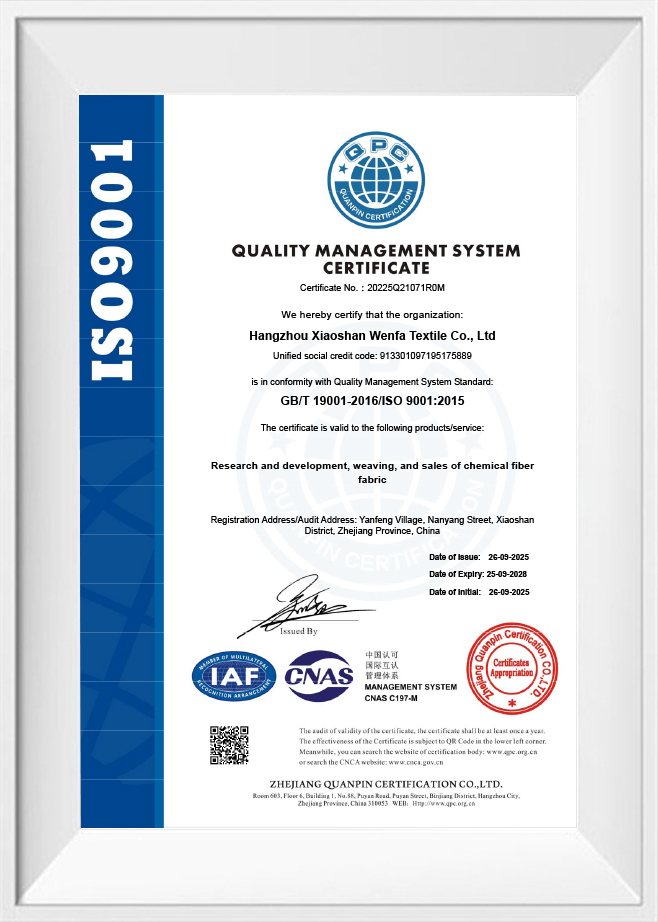
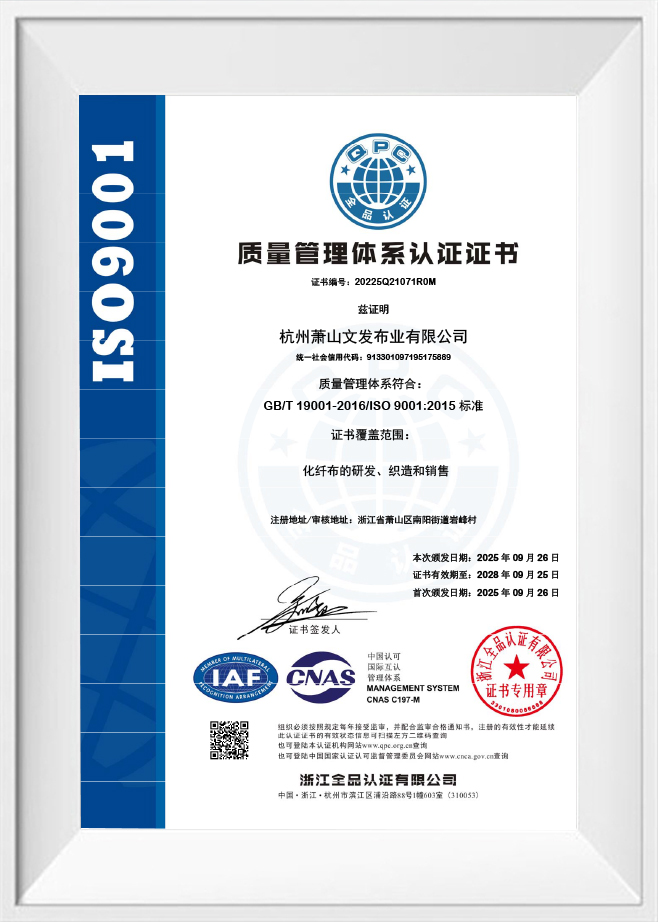
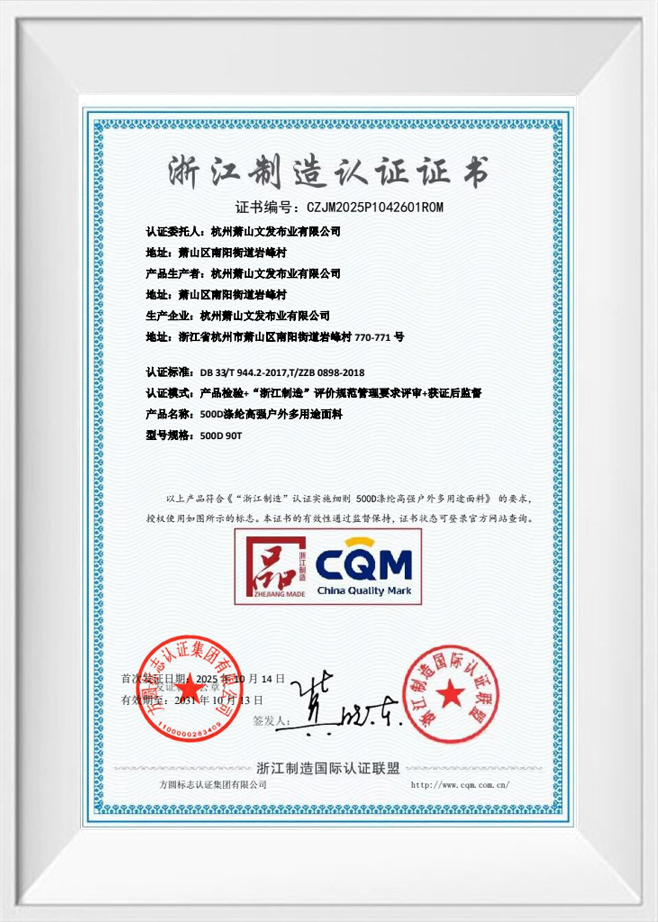
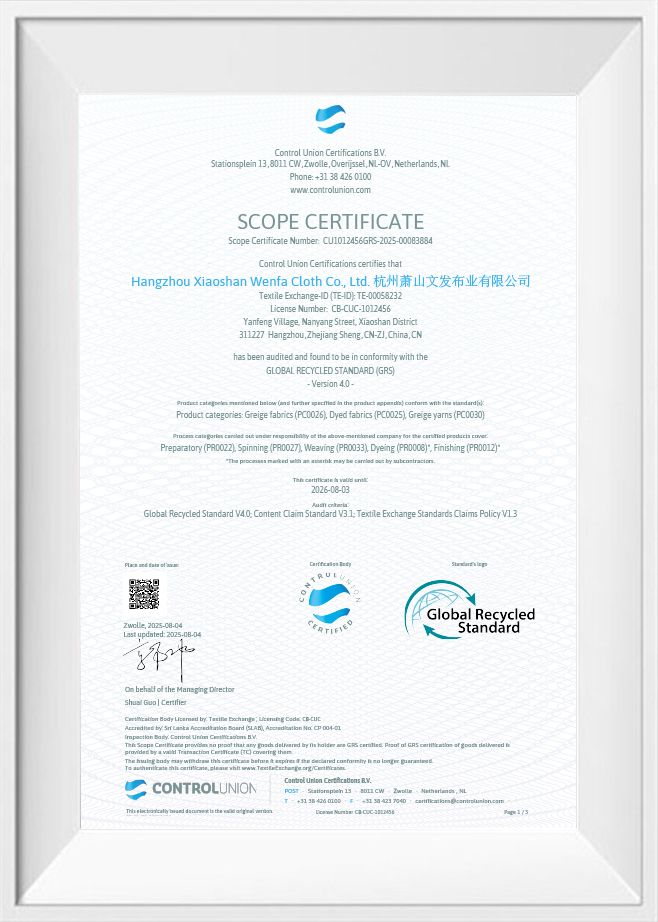
Hangzhou Xiaoshan Wenfa Textile Co., Ltd. holds ISO, REACH, GRS, and OBP certifications, reflecting our commitment to chemistry and material transparency. We supply PU Coating Polyester Fabric that meets these stringent standards without compromising the softness or waterproof integrity you expect. For brands aiming to reduce their environmental footprint, this combination of certified base fabrics and low‑impact coating technology provides a clear path forward.
Practical Quality Tests You Can Perform on PU Coating Fabric
Laboratory data like hydrostatic head and tensile strength are essential, but a few hands‑on evaluations can quickly separate robust material from questionable stock. These simple methods help buyers confirm that the PU Coating Fabric they receive behaves as promised, especially regarding adhesion, coating uniformity, and real‑world softness.
- Crinkle & Recovery Test: Crumple the fabric tightly in your hand for 10 seconds, then release. A quality PU coating will not crack, delaminate, or show permanent white crease lines. The fabric should recover largely to its flat state, indicating good adhesion and flexibility.
- Scotch Tape Delamination Check: Firmly press a strip of clear adhesive tape onto the coated surface and peel off quickly. Minimal or no coating transfer to the tape signals strong interlayer bonding. If the tape picks up visible coating flakes, the cure or formulation may be inadequate.
- Water Beading and Penetration: Pour a small amount of water on the coated side and let it sit for 30 minutes. After wiping, the reverse side should remain completely dry, and there should be no swelling or whitening of the coating.
- Seam‑Strength Simulation: With a needle, puncture the fabric and gently pull. Observe whether the coating tears easily from the hole. A durable PU film resists tear propagation, which is vital for stitched seams in bags and tents.
We encourage our clients to perform these checks on pre‑production samples. As an OEM/ODM PU Coating Fabric Factory with integrated quality control, we consistently achieve high scores on such practical assessments because we control the entire process — from weaving 200 water‑jet looms to final coating and inspection. This hands‑on approach confirms that the fabric’s soft hand‑feel and waterproof reliability are built in, not just claimed.

 English
 русский
 Français
 Español
 中文简体
中文简体