Decoding Abrasion Resistance: Tests That Truly Matter for Luggage Fabric
Not all abrasion resistance claims are equal. When evaluating an Abrasion-Resistant Suitcase Outerwear Fabric, two laboratory methods dominate: the Martindale and Wyzenbeek tests. While both measure surface wear from rubbing, their mechanisms and relevance to luggage differ sharply.
| Test Method |
Motion & Abradant |
Best Suited For |
Typical High-Performance Result |
| Martindale |
Lissajous figure; worsted wool or wire mesh |
Multi-directional scuffs, overhead bin scrapes |
≥50,000 cycles without thread breakage |
| Wyzenbeek |
Oscillating linear; cotton duck or wire mesh |
Straight-line dragging, conveyor belt contact |
≥30,000 double rubs before significant wear |
Comparison of primary abrasion tests for luggage outerwear fabrics
Martindale’s complex motion better replicates the random scrapes luggage endures, so we prioritize it for our Abrasion-Resistant Suitcase Outerwear Fabric. However, lab results don’t tell the whole story. Real-world durability hinges on how the fabric responds to edge abrasion—where zippers, frame corners, and handles concentrate stress. A fabric that posts impressive face-rub numbers can still fail at seams if the weave isn’t stabilized. We therefore combine Martindale testing with dynamic corner-rub trials and tensile strength retention after UV aging, ensuring the fabric stays intact long after the warranty expires. This holistic approach is what turns a test report into traveler confidence.
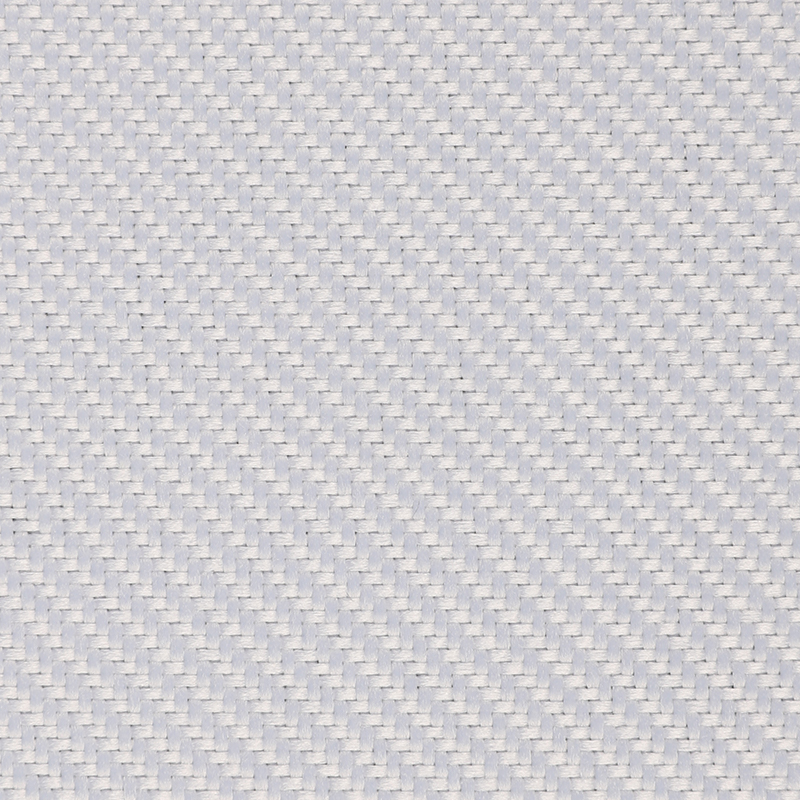
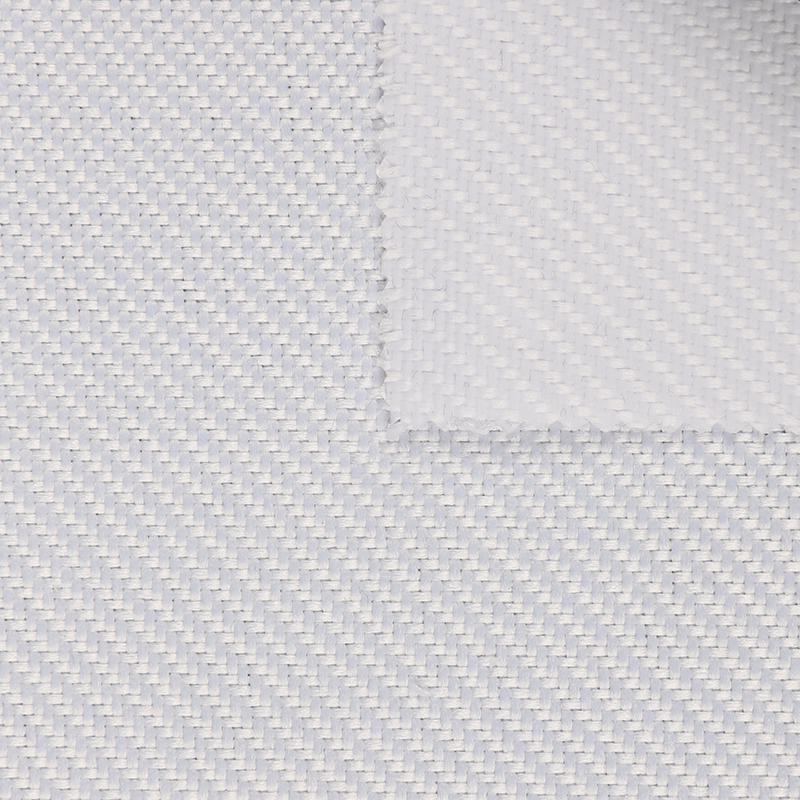
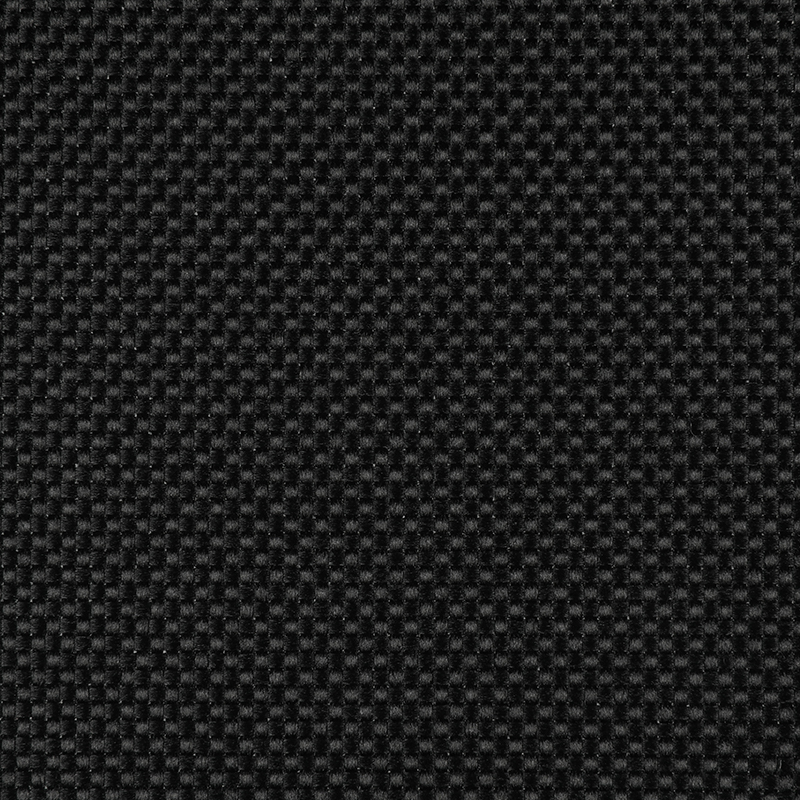
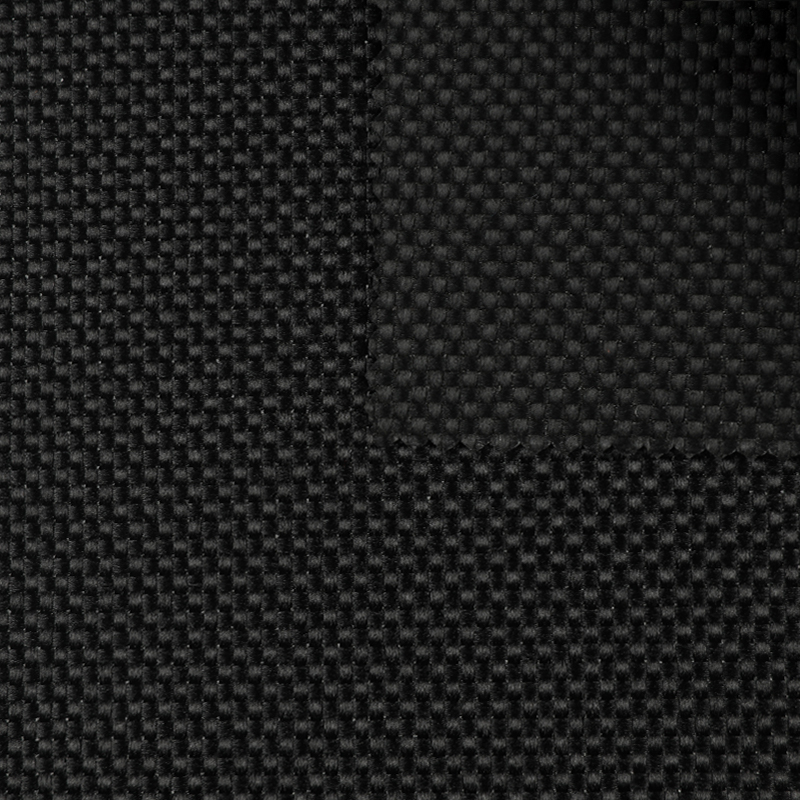
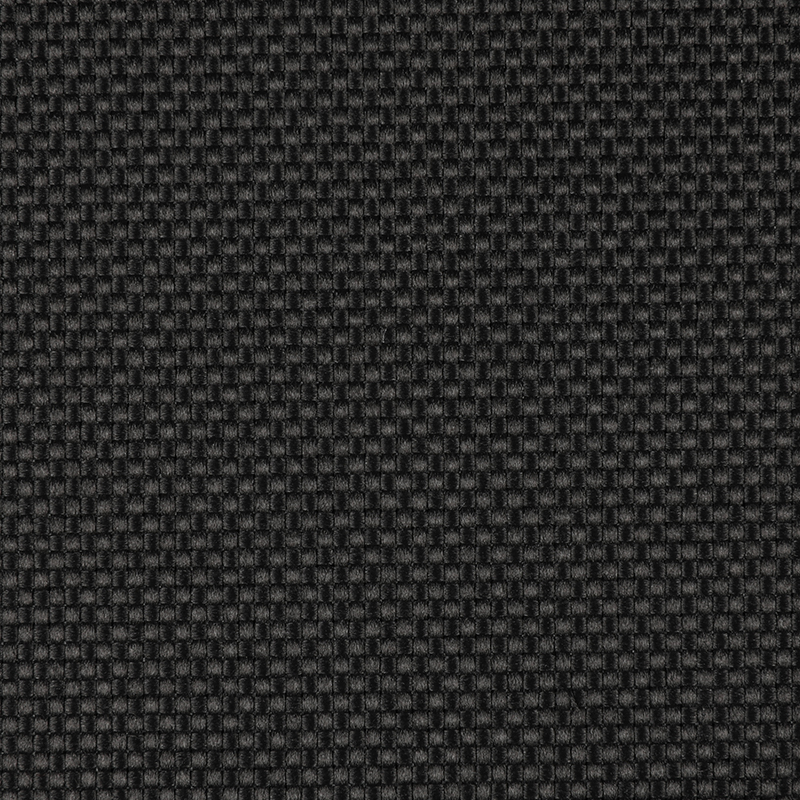
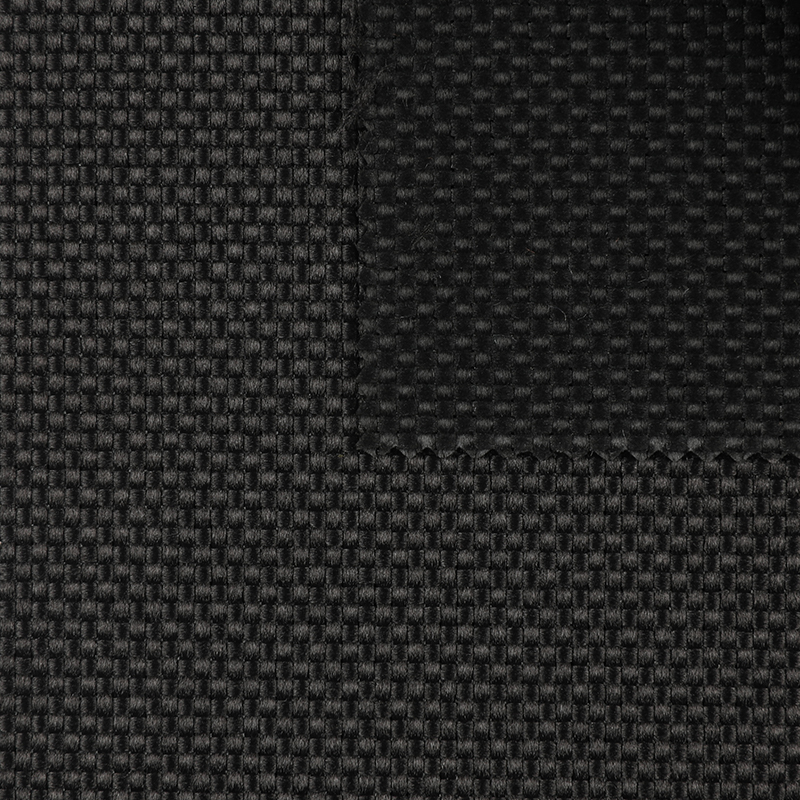
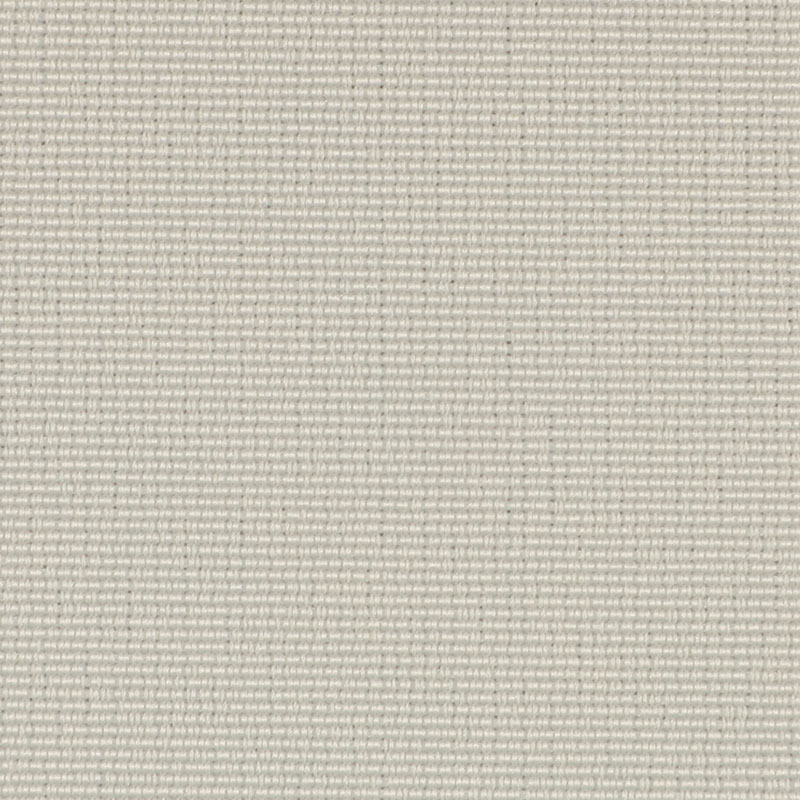
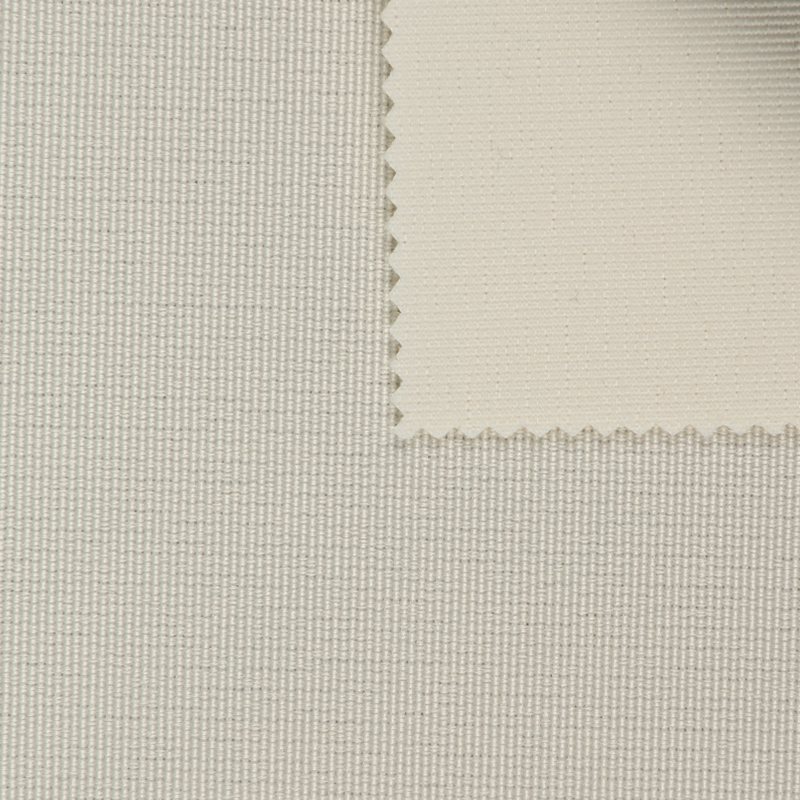
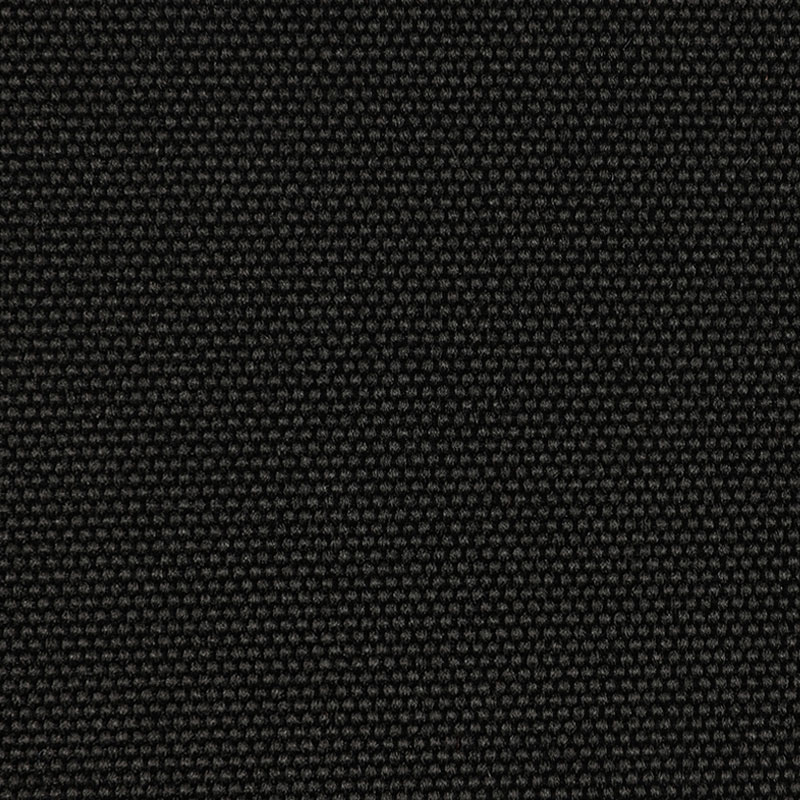
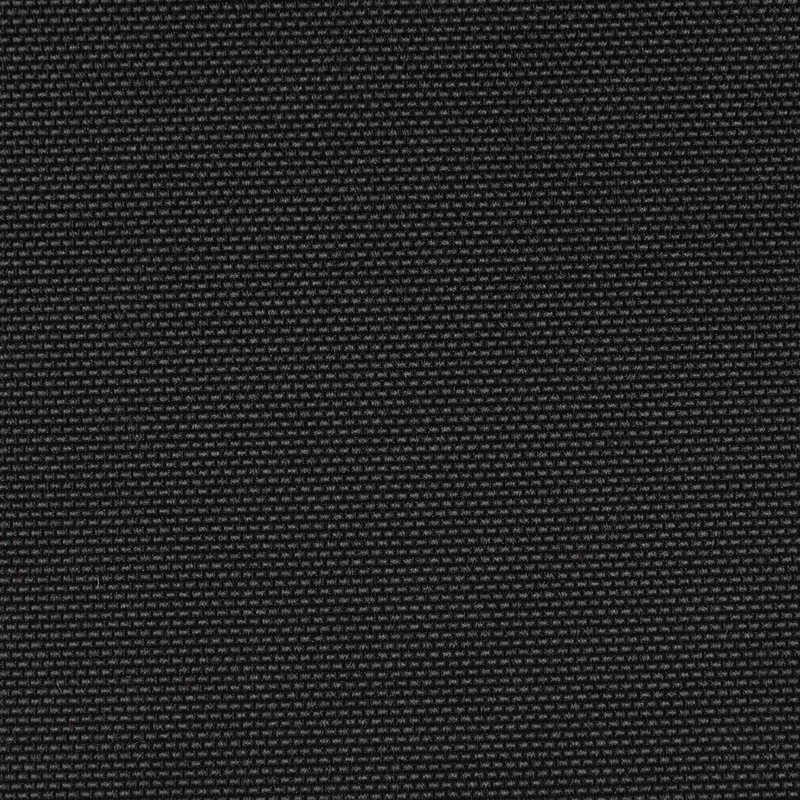
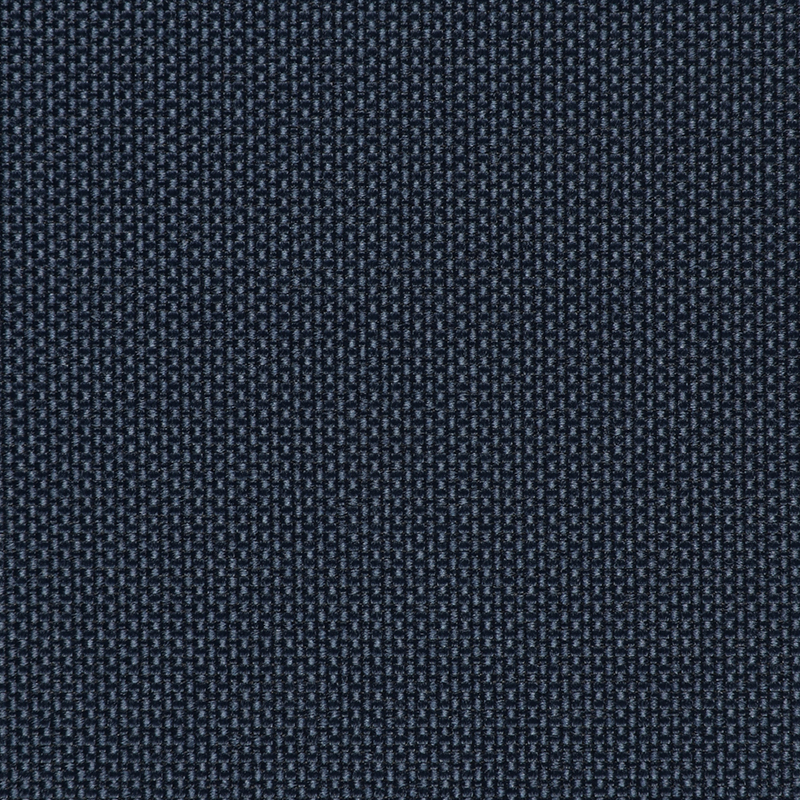
The durability of 100% Polyester Luggage Fabric is shaped less by the fiber itself and more by how those fibers are interlaced. Three weave families dominate luggage outerwear, each presenting a trade-off between tear strength, surface smoothness, and weight.
- Plain weave: Maximizes tear resistance and dimensional stability due to the high number of interlacing points. It resists snagging but can feel stiffer and often requires a higher denier to prevent a papery hand.
- Twill weave: Offers a superior drape and a smoother surface that sheds dust more easily. The diagonal structure absorbs stress along the bias, giving it excellent resistance to seam slippage—a critical factor when zippers are yanked.
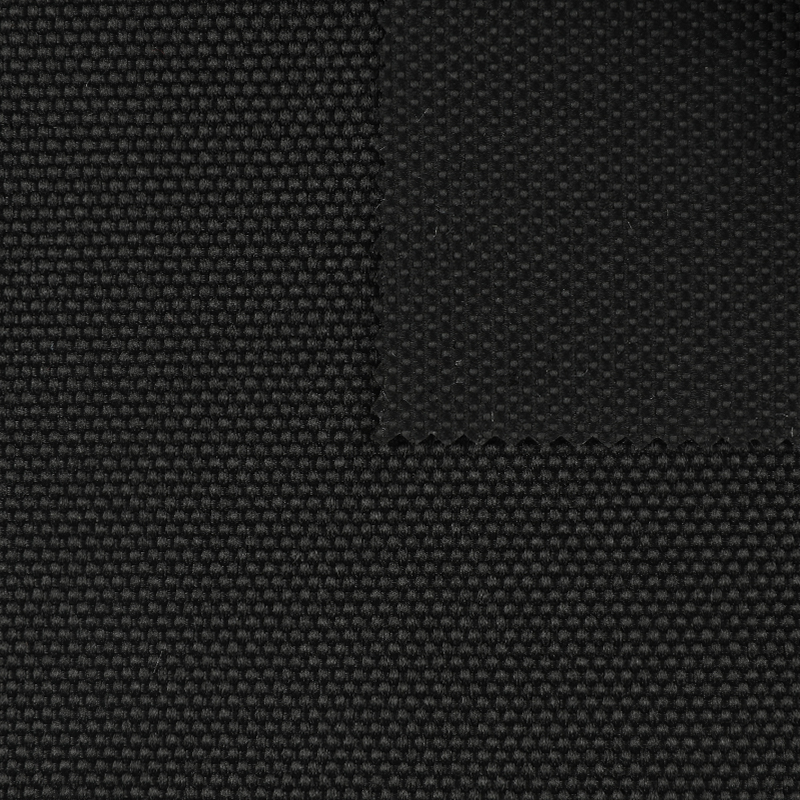
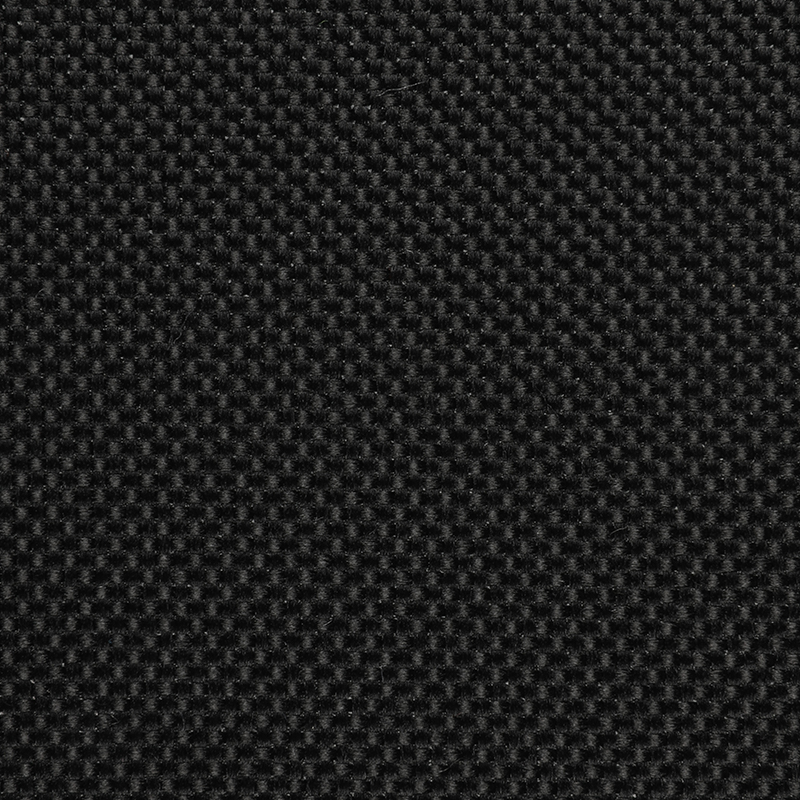
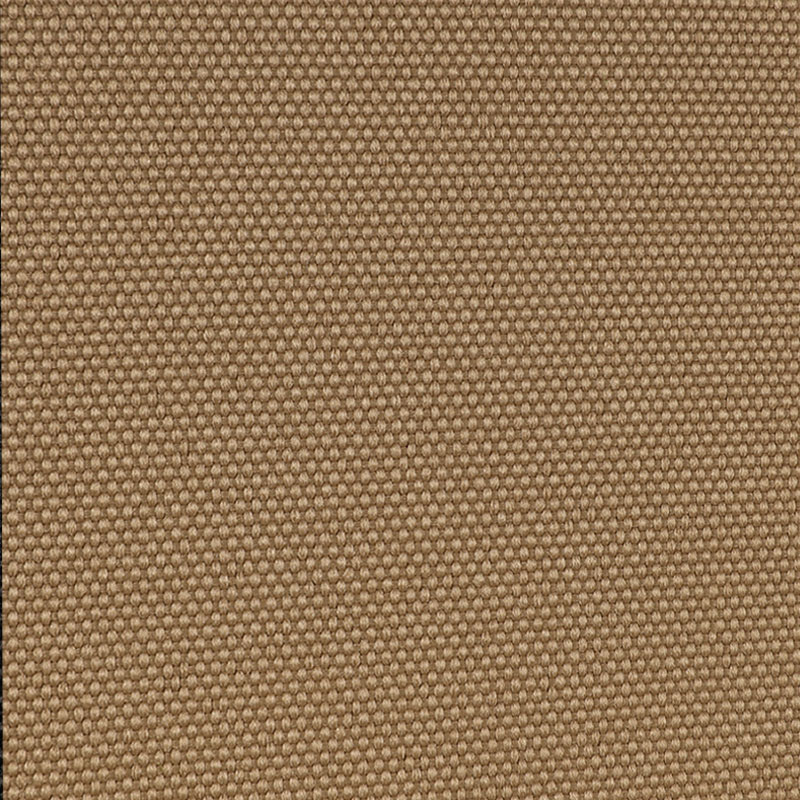
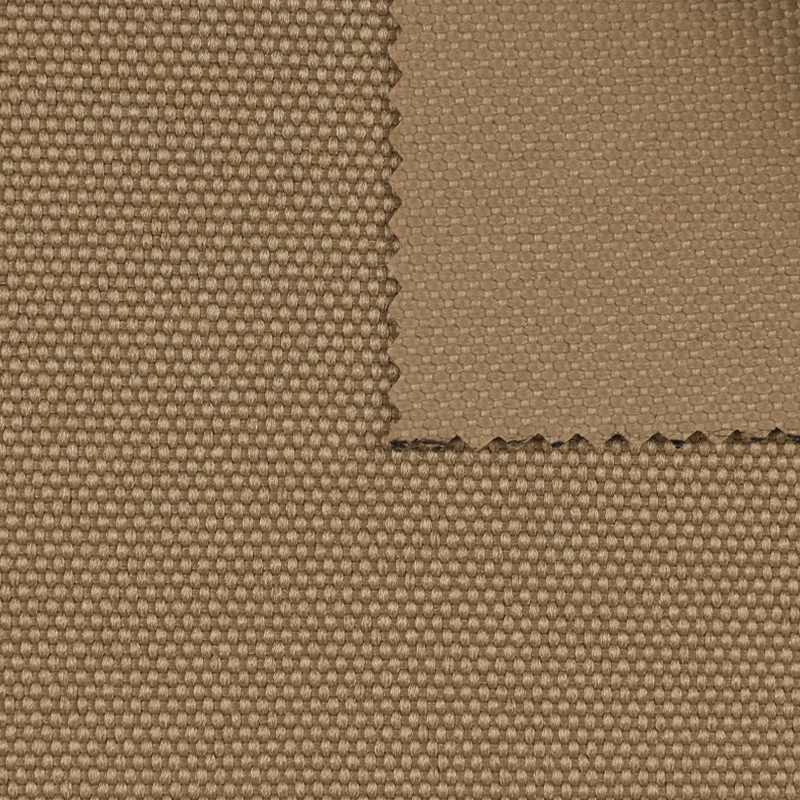
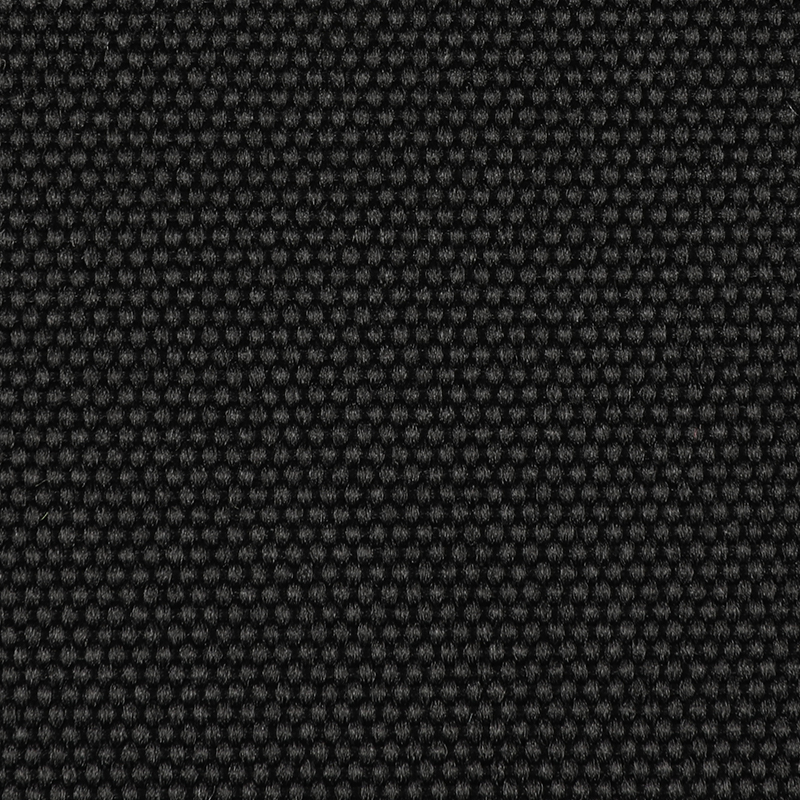
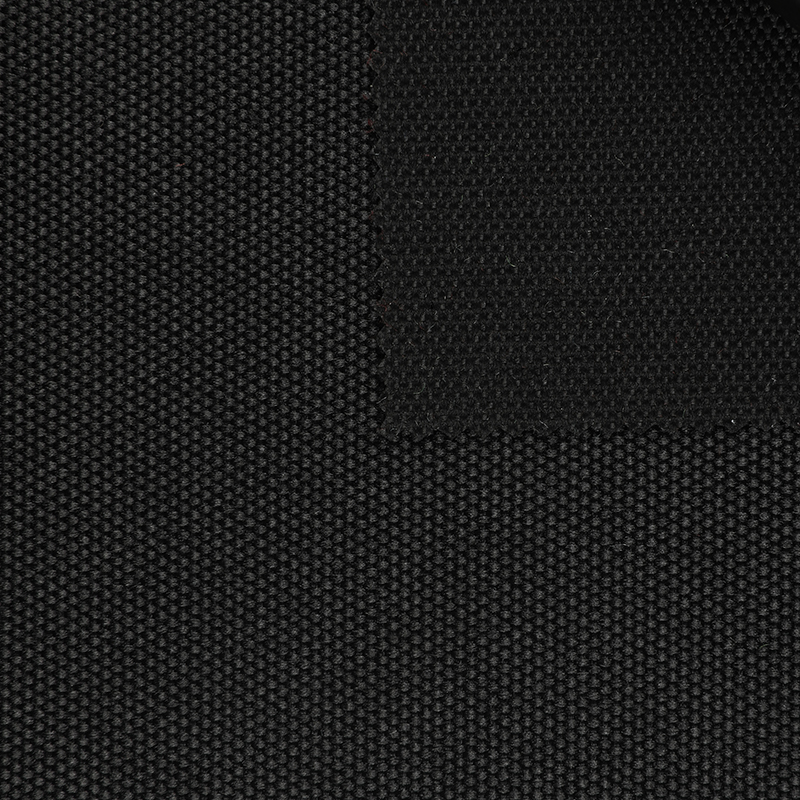
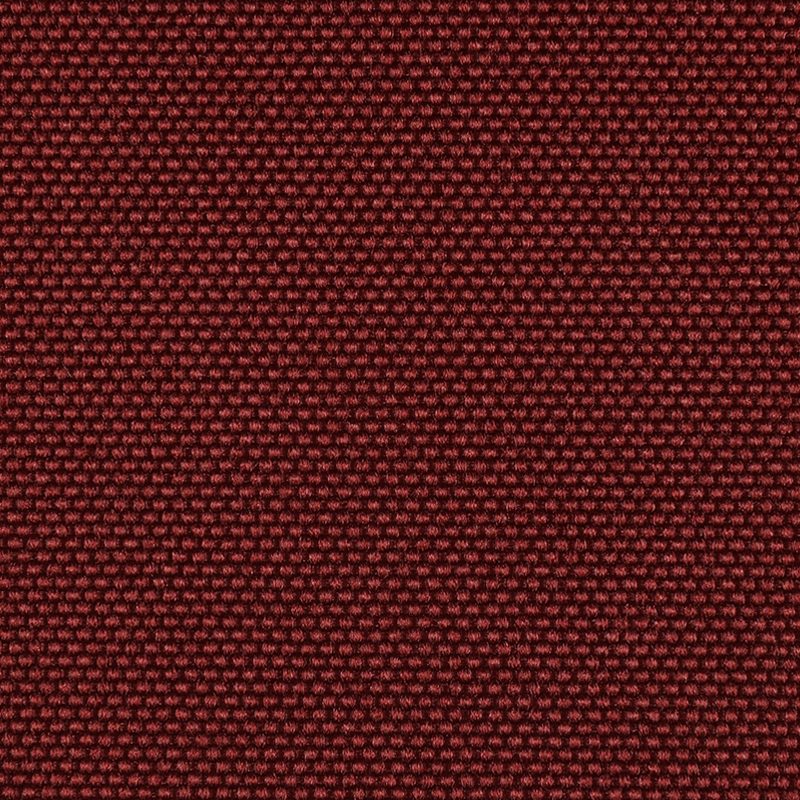
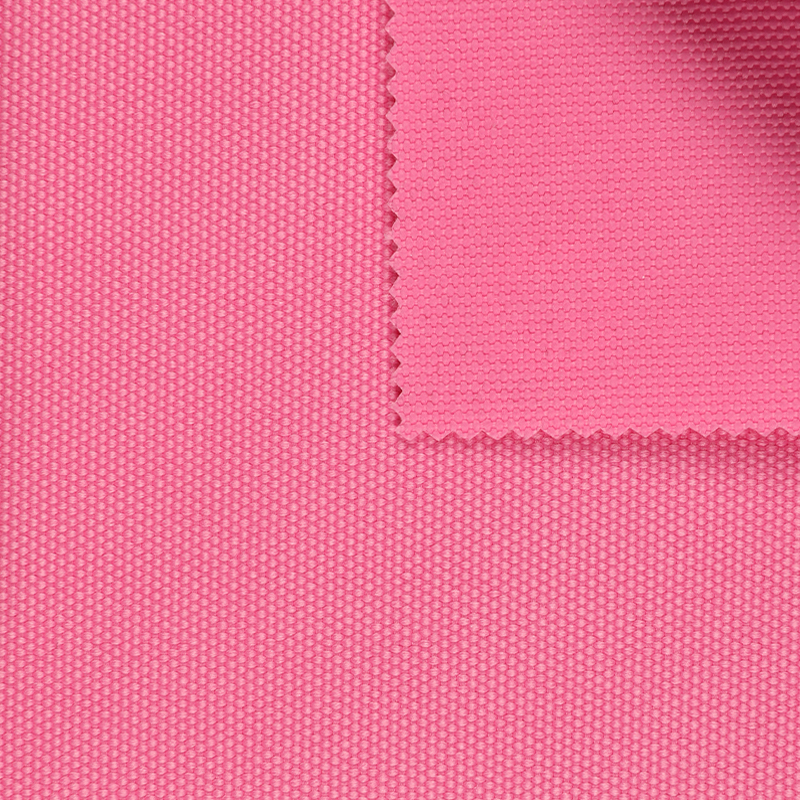
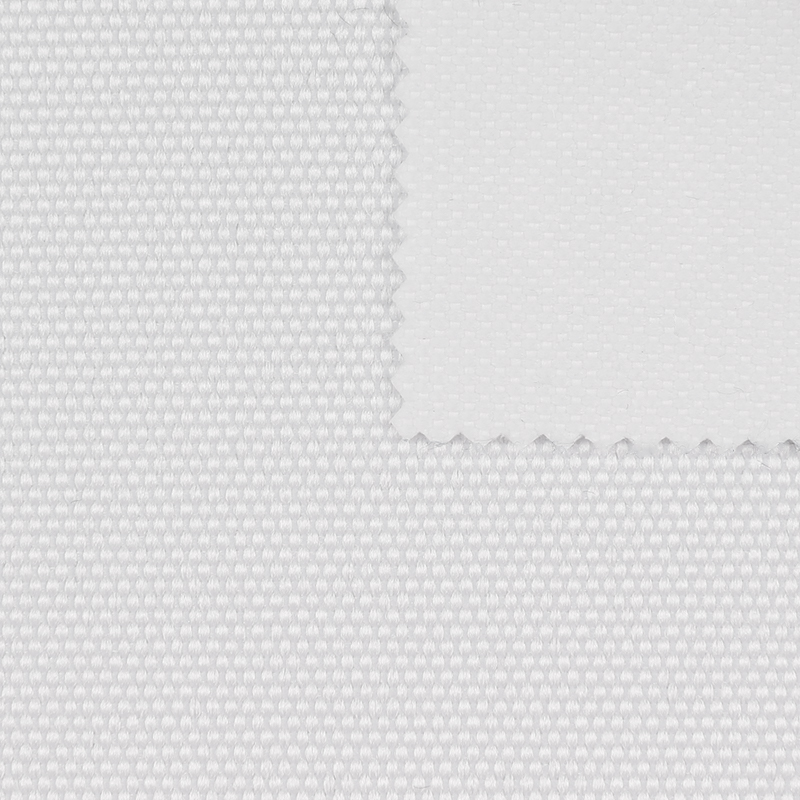
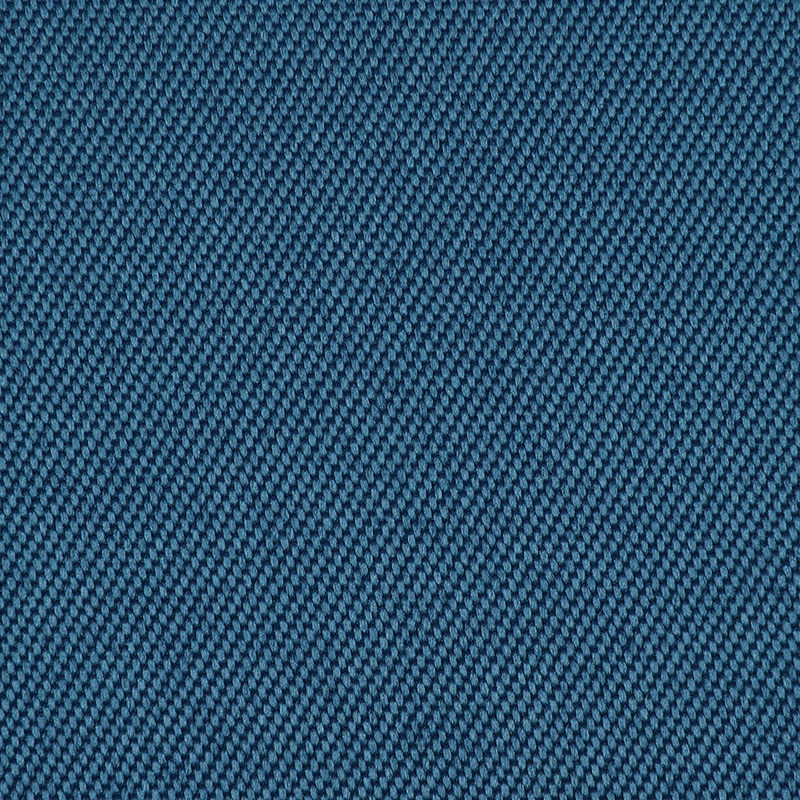
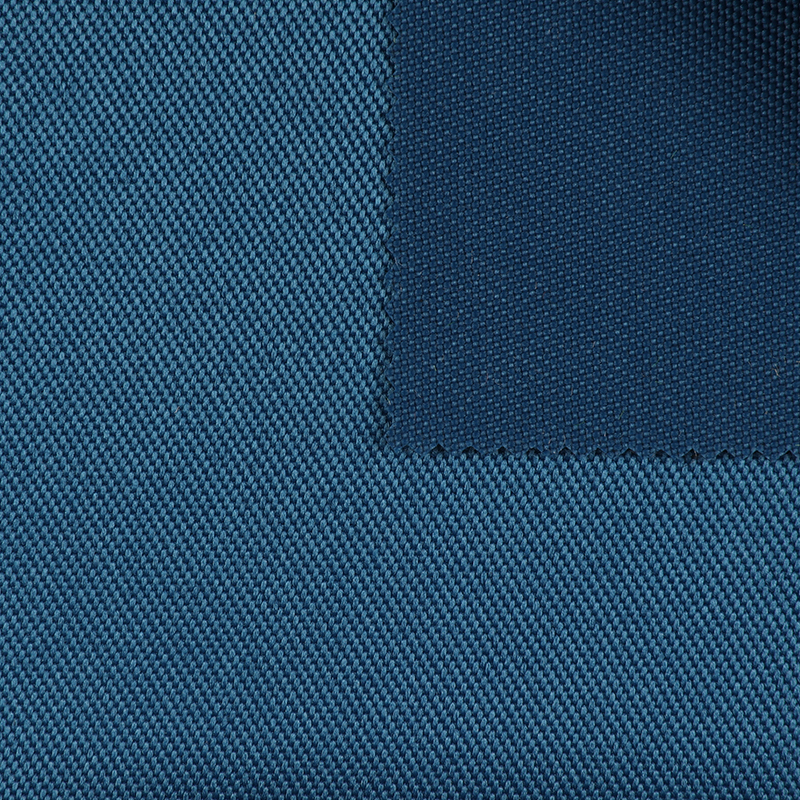
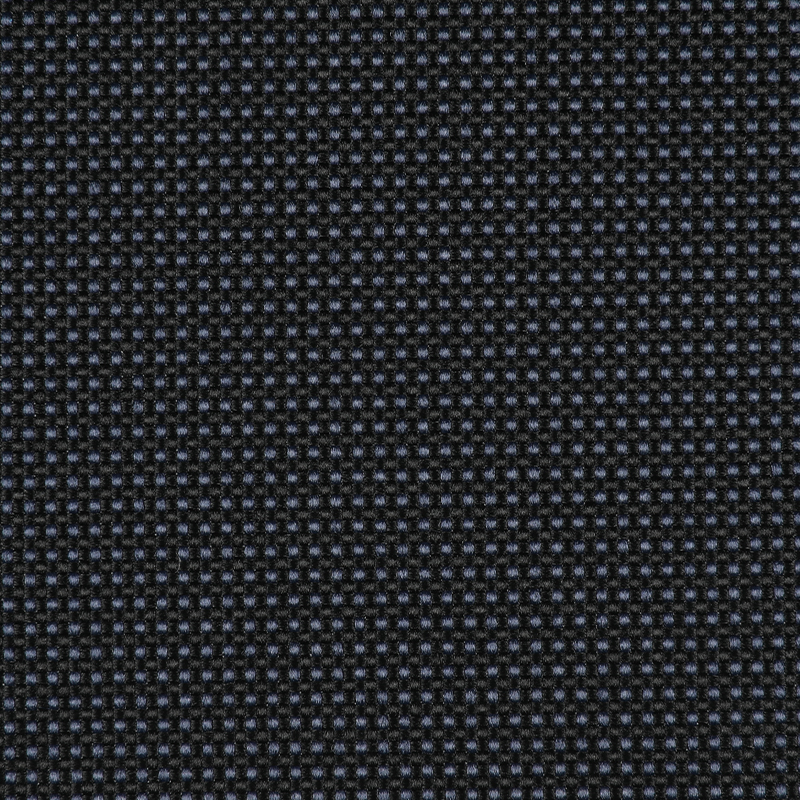
- Oxford & basket weaves: Create a textured, robust face that hides minor scuffs naturally. By pairing heavier and lighter yarns, these weaves achieve high abrasion resistance without the weight penalty of an all-heavy plain weave.
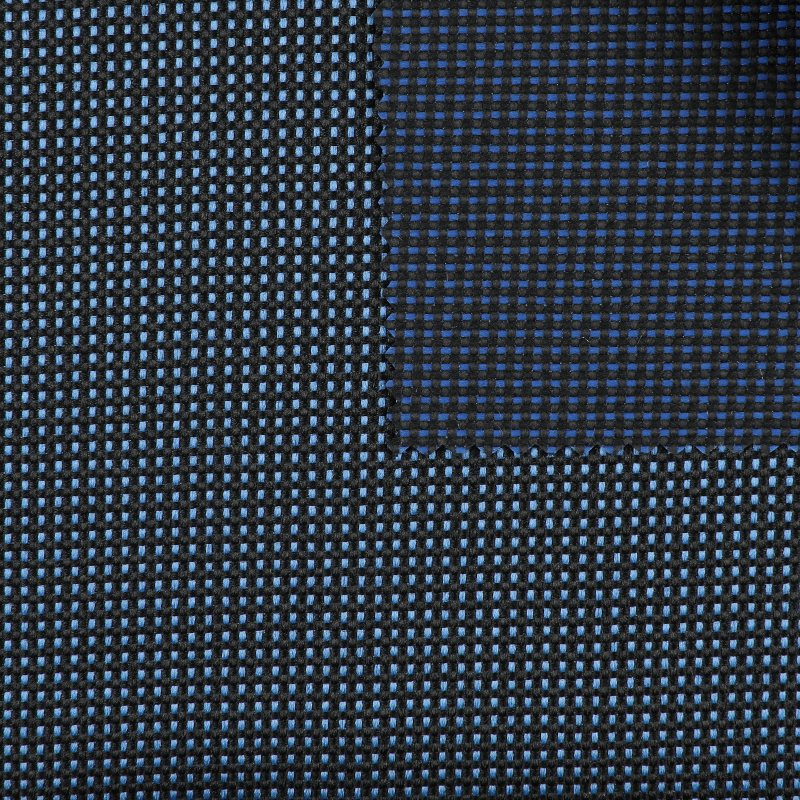
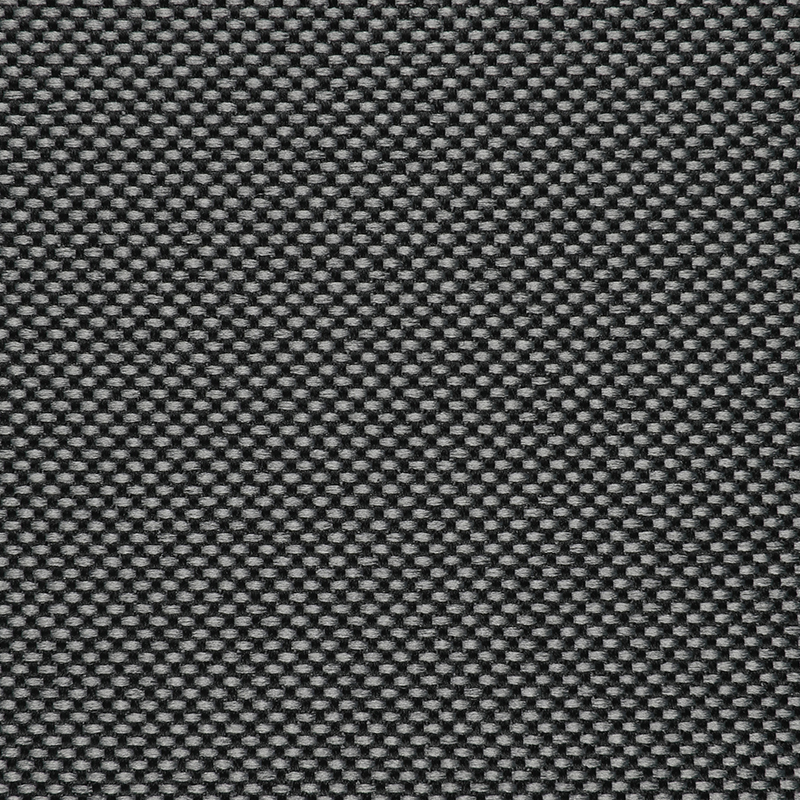
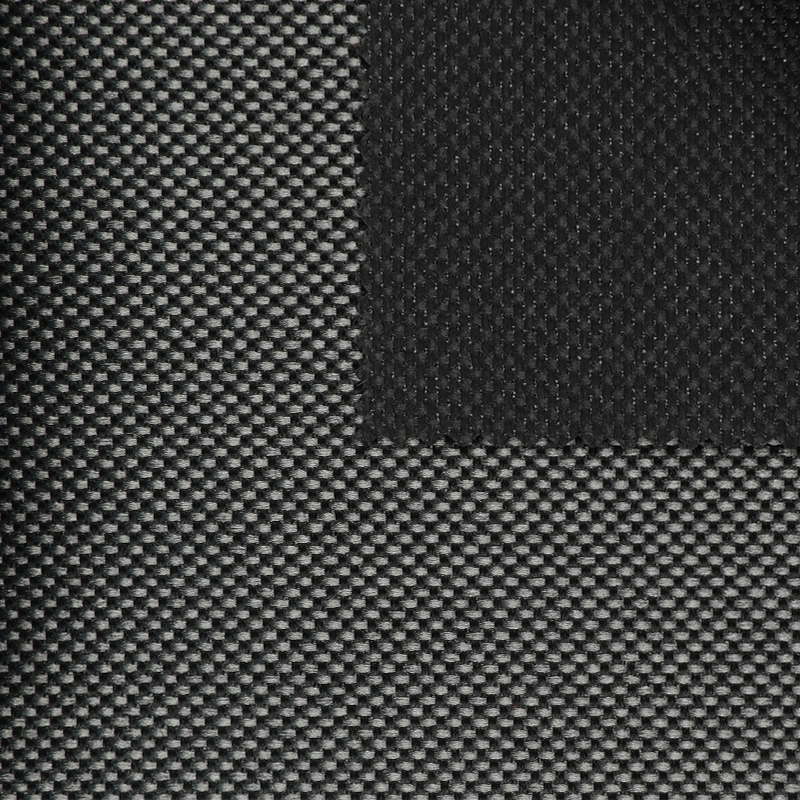
At Hangzhou Xiaoshan Wenfa Textile Co., Ltd., our 100% Polyester Luggage Fabric leverages hybrid weave geometries—often a modified oxford with reinforced selvages—to suppress both face abrasion and edge fraying. This design philosophy lets us deliver a suitcase outerwear that withstands repeated gate-check handling while keeping the empty luggage weight below airline thresholds.
Coatings and Backings: Enhancing Performance Without Compromise
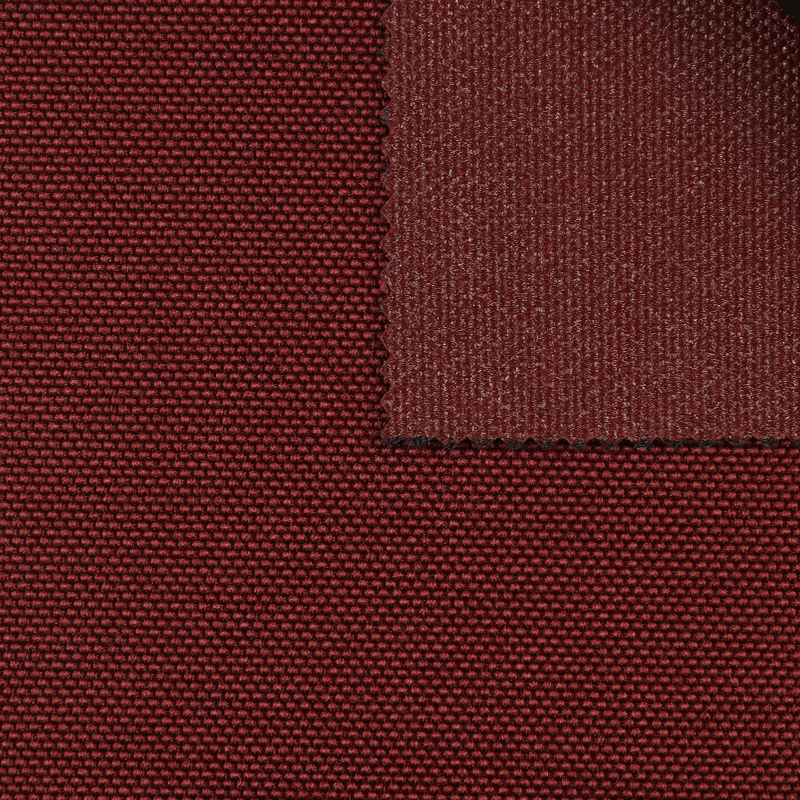
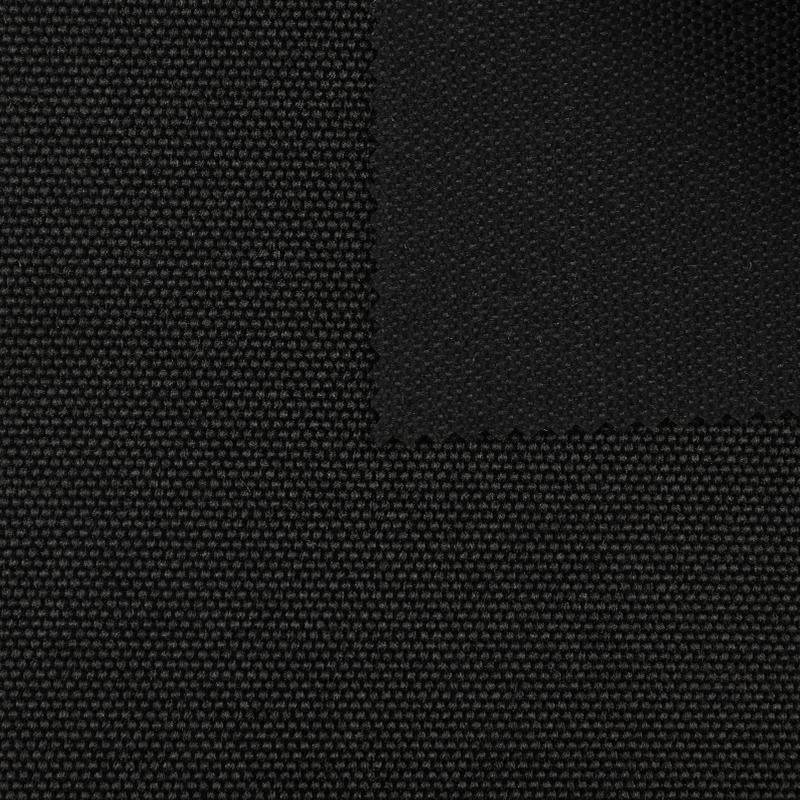
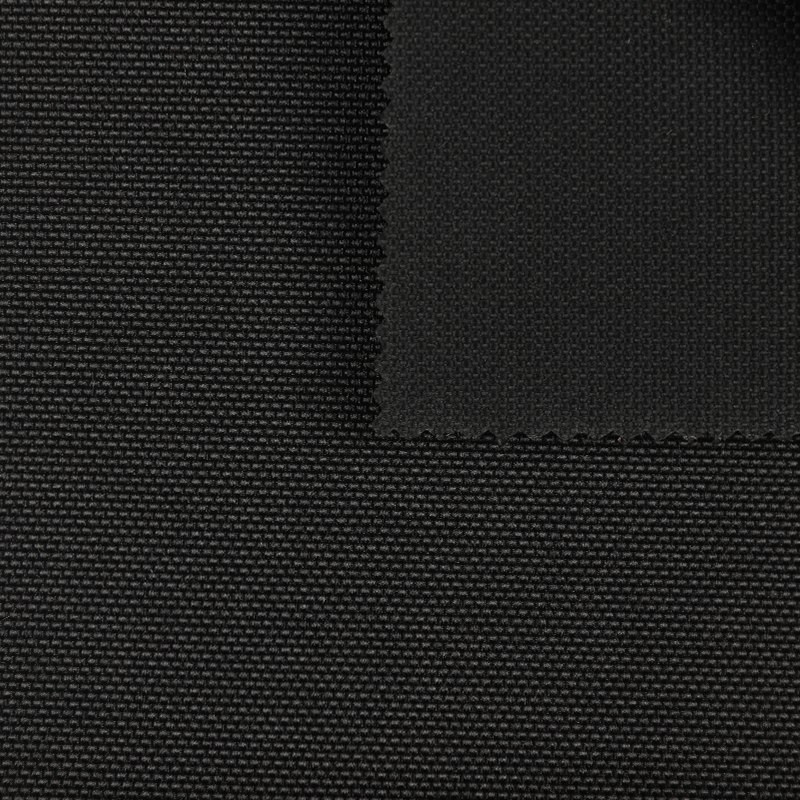
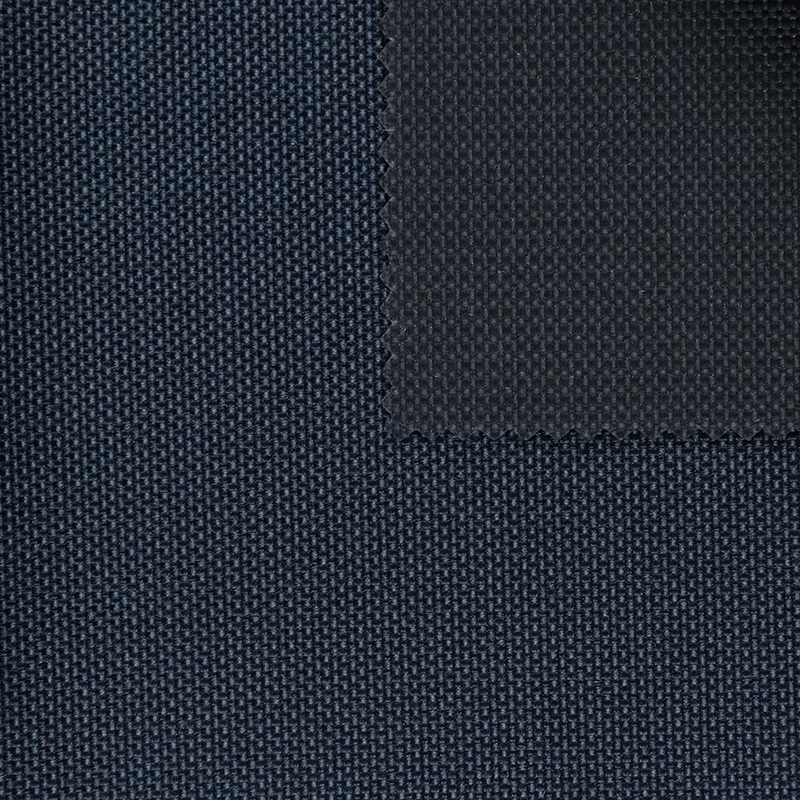
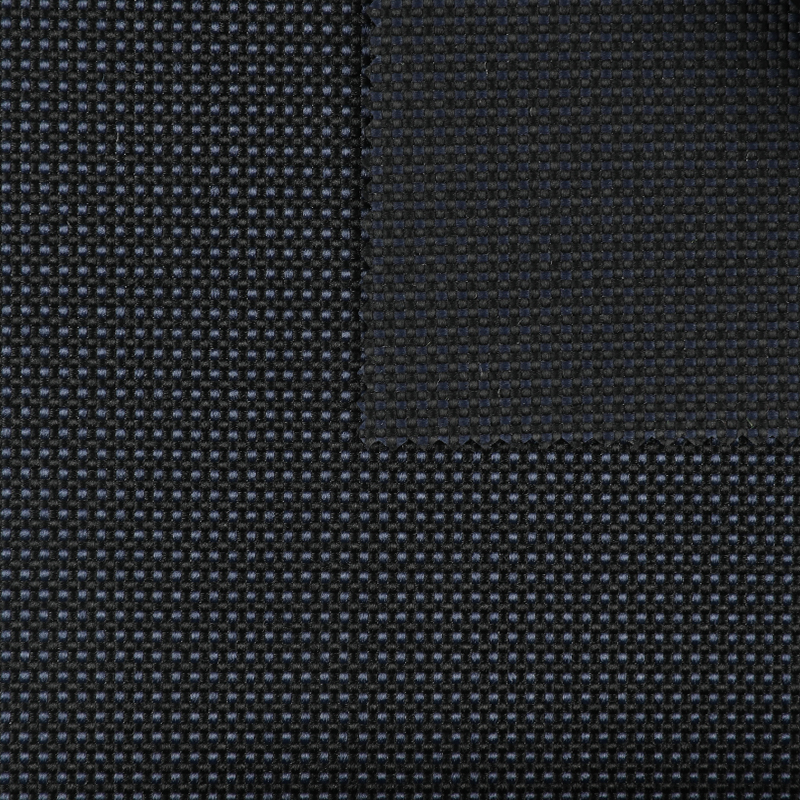
A raw 100% Polyester Luggage Fabric is rarely suitcase-ready. It is the applied chemistry—coatings and backings—that converts a woven textile into a true Abrasion-Resistant Suitcase Outerwear Fabric capable of repelling moisture and resisting structural fatigue. The choice of finish impacts not just protection but also packability and lifespan.
| Finish Type |
Key Benefit |
Impact on Abrasion Resistance |
Consideration |
| PU (Polyurethane) |
Lightweight water repellency |
Locks yarns, increasing rub cycles by 15-30% |
Can stiffen at sub-zero temperatures |
| TPU (Thermoplastic Polyurethane) |
High elasticity, extreme cold flexibility |
Superior crack resistance under flexing |
Higher cost; requires precise lamination |
| Acrylic back-coating |
Dimensional stability, prevents fraying |
Reduces edge abrasion significantly |
Adds minimal weight; breathability zero |
Common finishes applied to polyester luggage outerwear and their performance effects
We engineer our Abrasion-Resistant Suitcase Outerwear Fabric with a calibrated PU or TPU layer that penetrates only the top third of the yarn bundle, preserving interior softness for sewing while armoring the face. This technique, combined with a microporous breathable membrane option, keeps belongings shielded from light moisture without turning the suitcase into a vapor trap.
Sustainability Beyond the Tag: GRS and the Future of Luggage Textiles
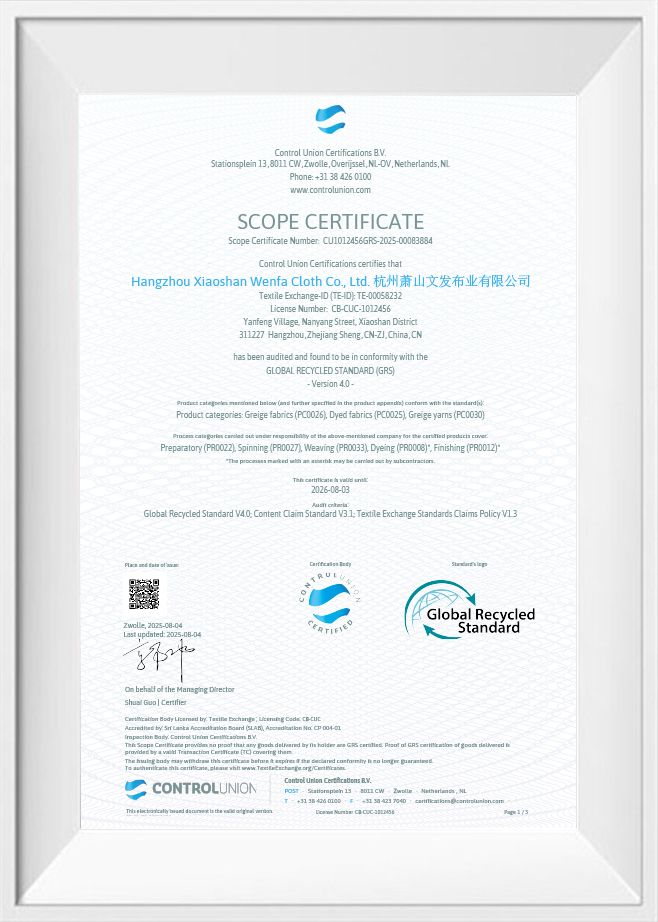
Recycled polyester in luggage fabric is often questioned for its durability. Yet when processed through a controlled, traceable chain, rPET fibers can match virgin polyester in tenacity. The key lies in certification and fiber length management. The Global Recycled Standard (GRS) verifies not just recycled content but also environmental and social practices throughout production—a critical filter for brands aiming to reduce scope 3 emissions without sacrificing fabric integrity.
- GRS-certified 100% Polyester Luggage Fabric must maintain fiber length above 38 mm to prevent pilling that undermines an abrasion-resistant surface.
- Ocean Bound Plastic (OBP) certifications add another layer, guaranteeing that raw material collection prevents plastic from reaching marine ecosystems.
- Dope-dyed recycled yarns eliminate water-intensive dyeing, yet the pigment particle size must be controlled to avoid micro-cracks that can reduce rub resistance by up to 12%.
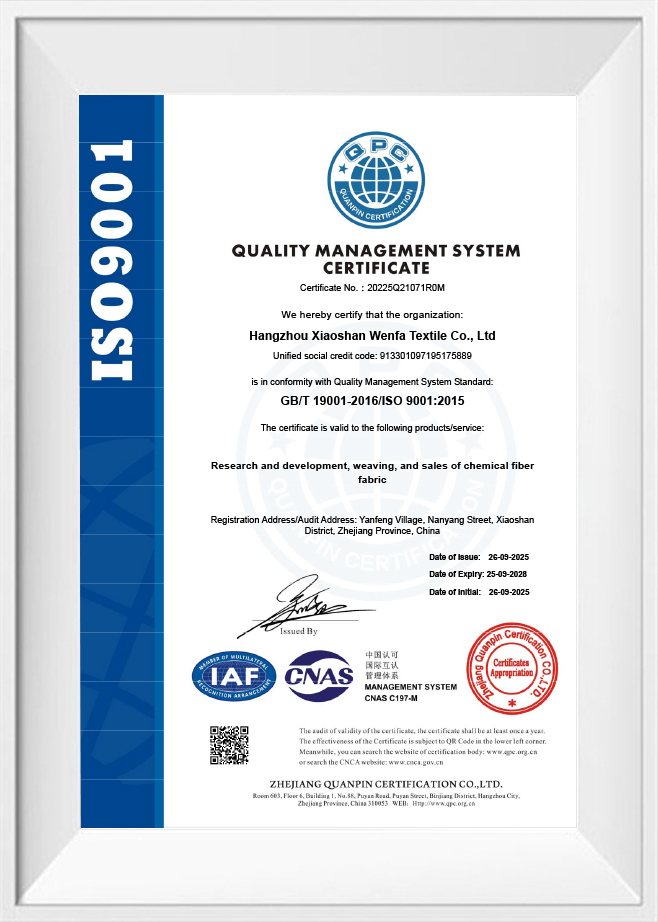
Hangzhou Xiaoshan Wenfa Textile Co., Ltd. holds REACH, GRS, and OBP certifications, reflecting our commitment to sustainable manufacturing. Our GRS-certified 100% Polyester Luggage Fabric proves that environmental responsibility and extreme durability are not opposing choices. By pre-selecting high-intrinsic-viscosity recycled chips and applying our optimized weaving and coating protocols, we deliver an Abrasion-Resistant Suitcase Outerwear Fabric that extends product life, reducing the need for premature replacement and ultimately lowering travel’s material footprint.

 English
 русский
 Français
 Español
 中文简体
中文简体