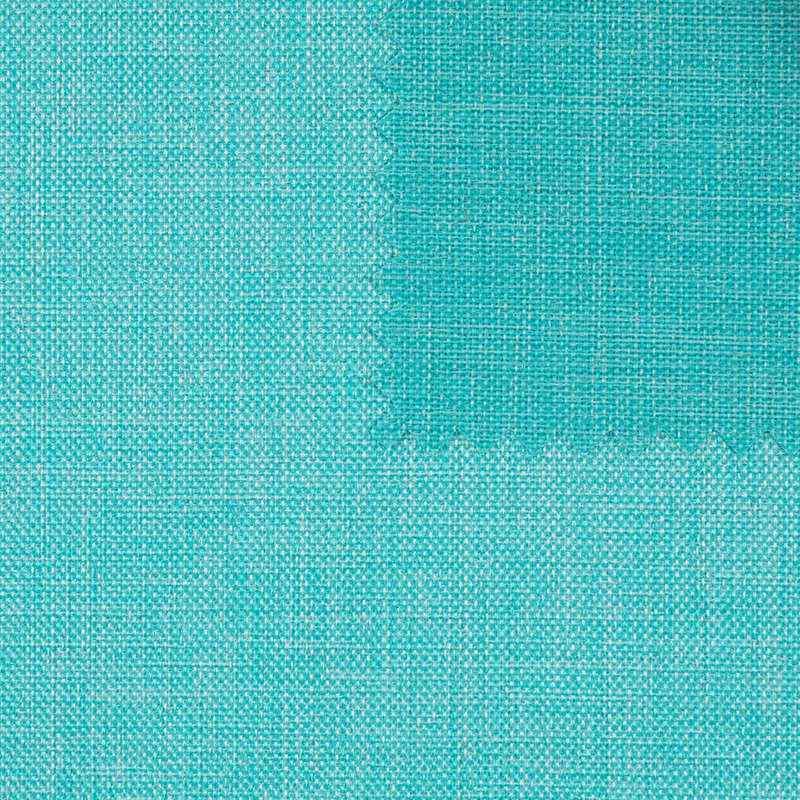
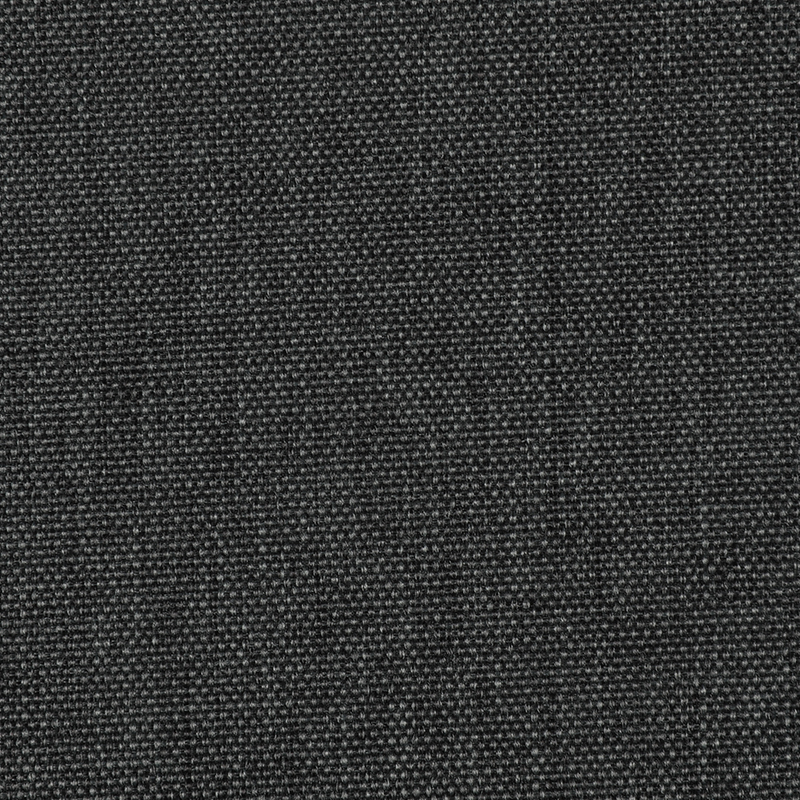
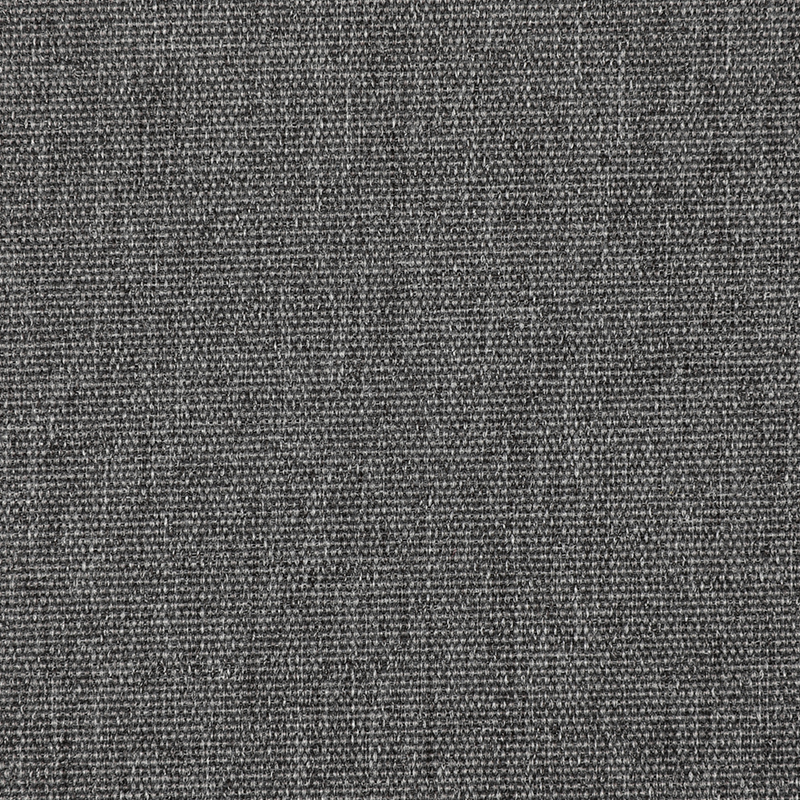
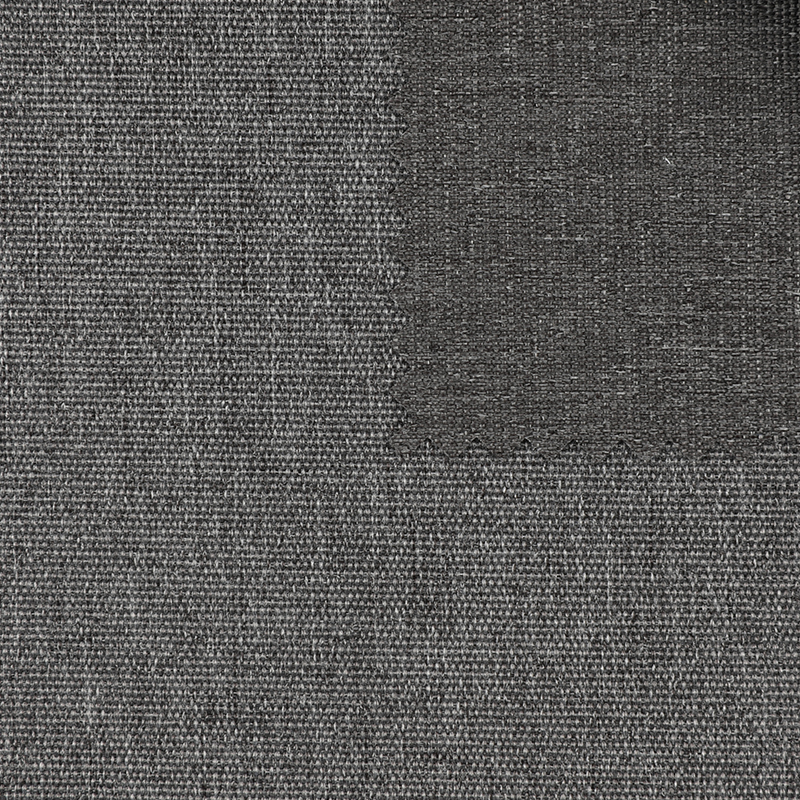
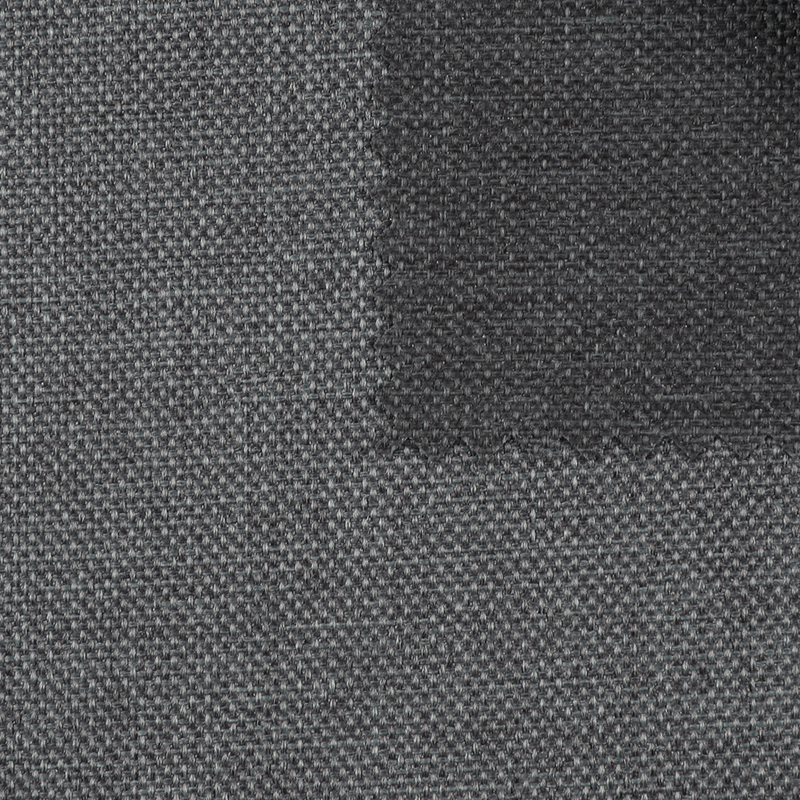
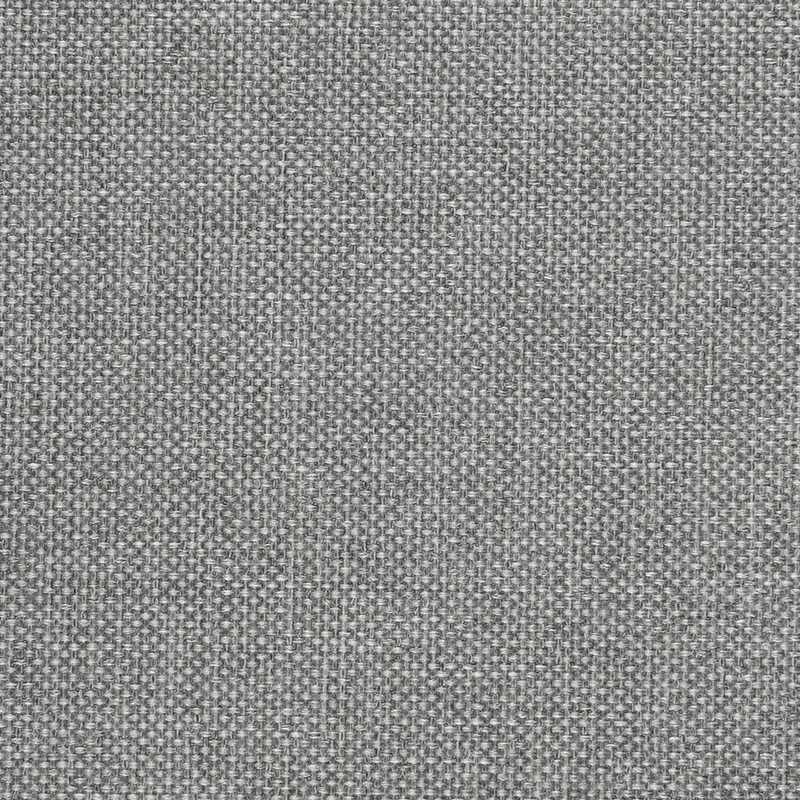
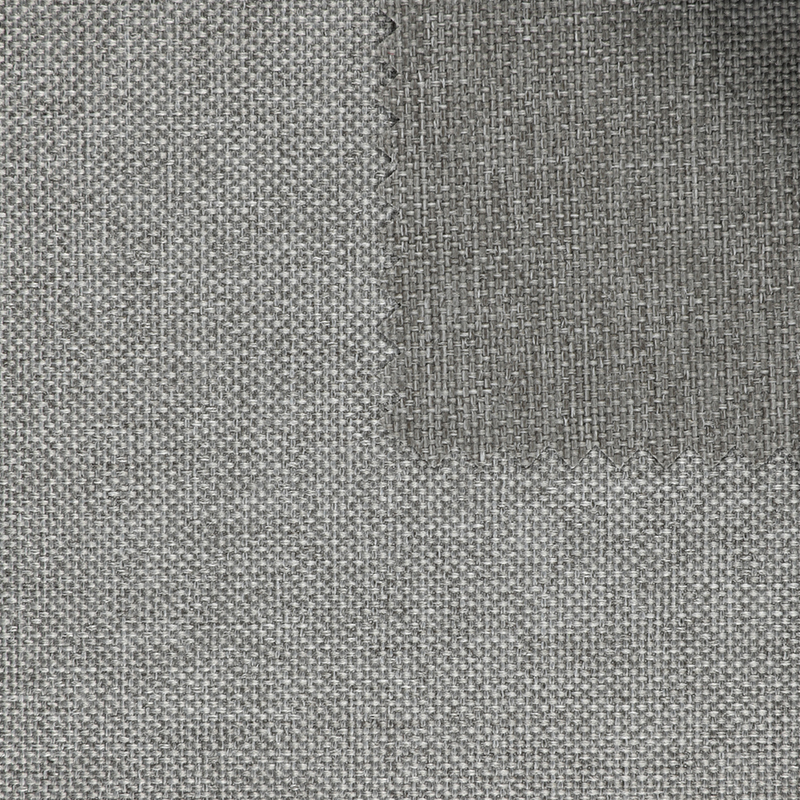
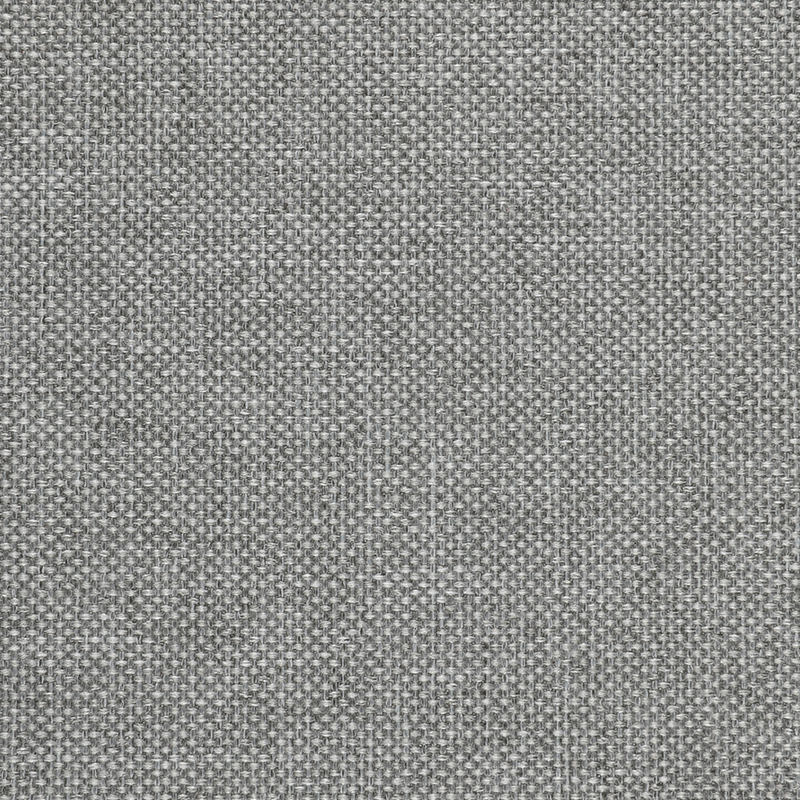
Why the Two-Tone Effect Is More Than Surface Deep
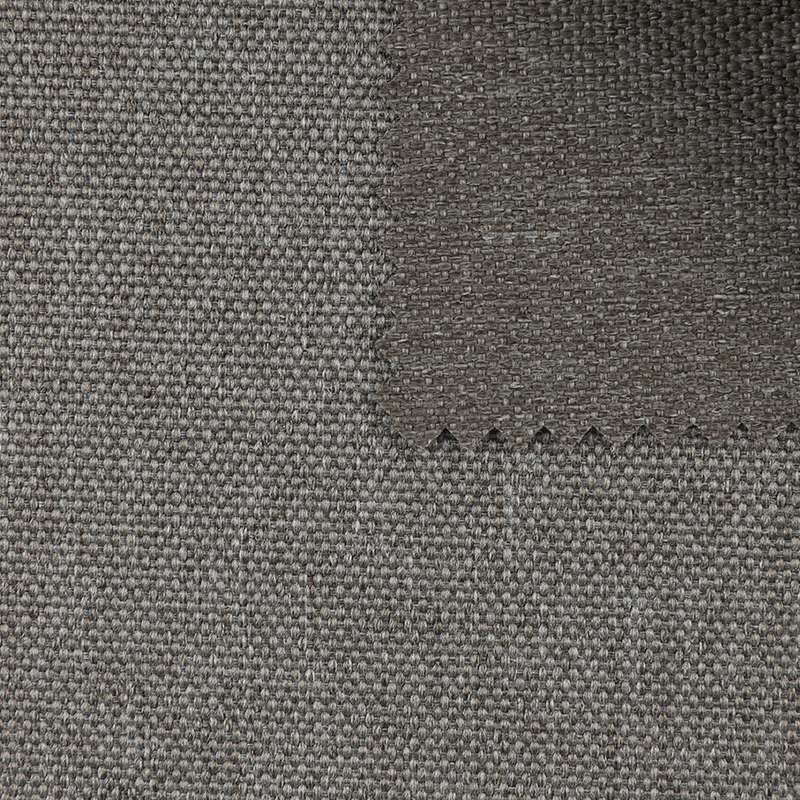
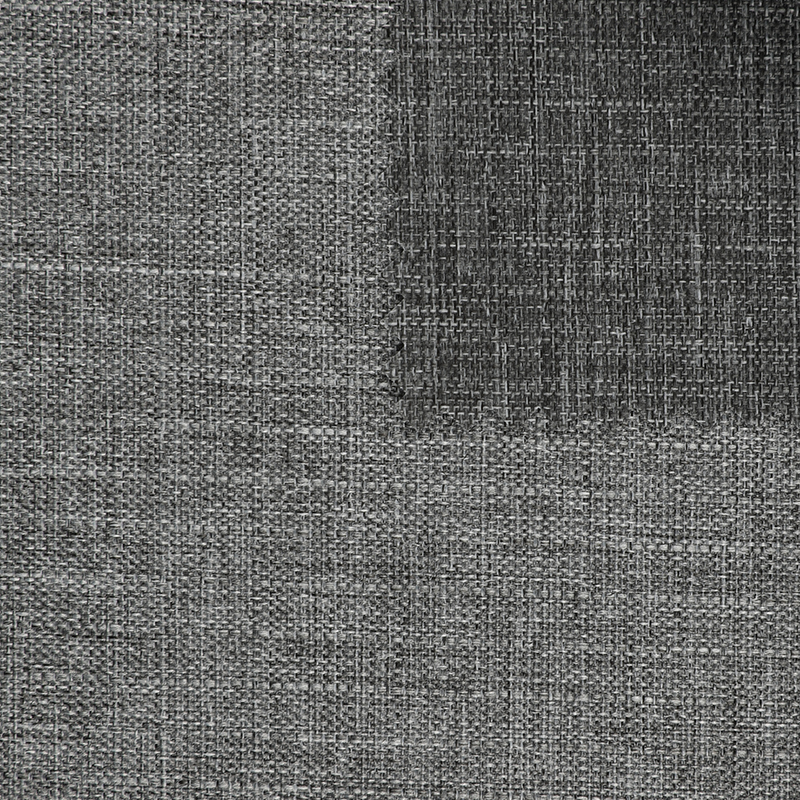
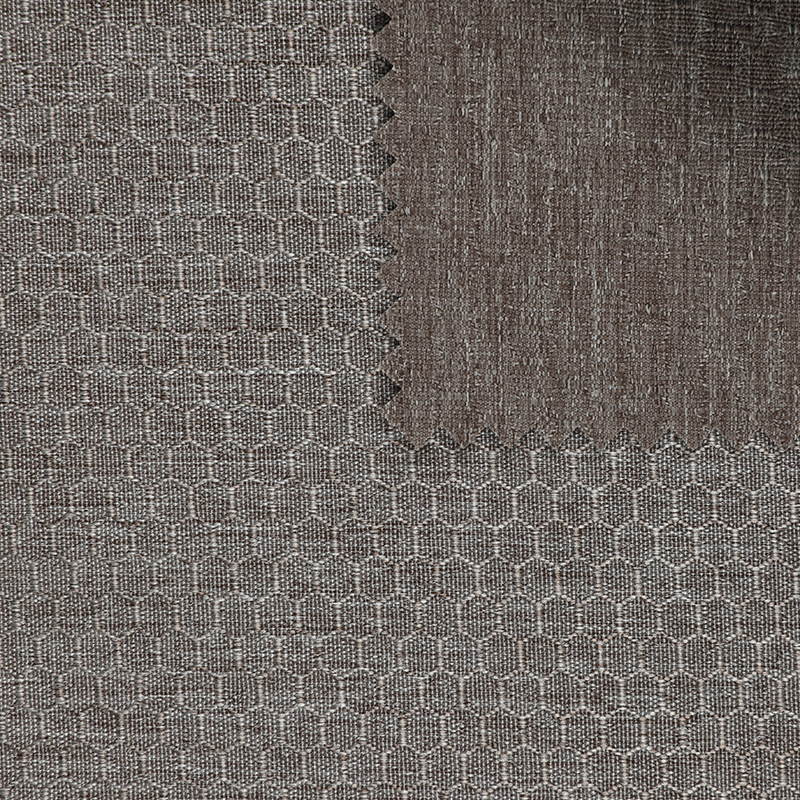
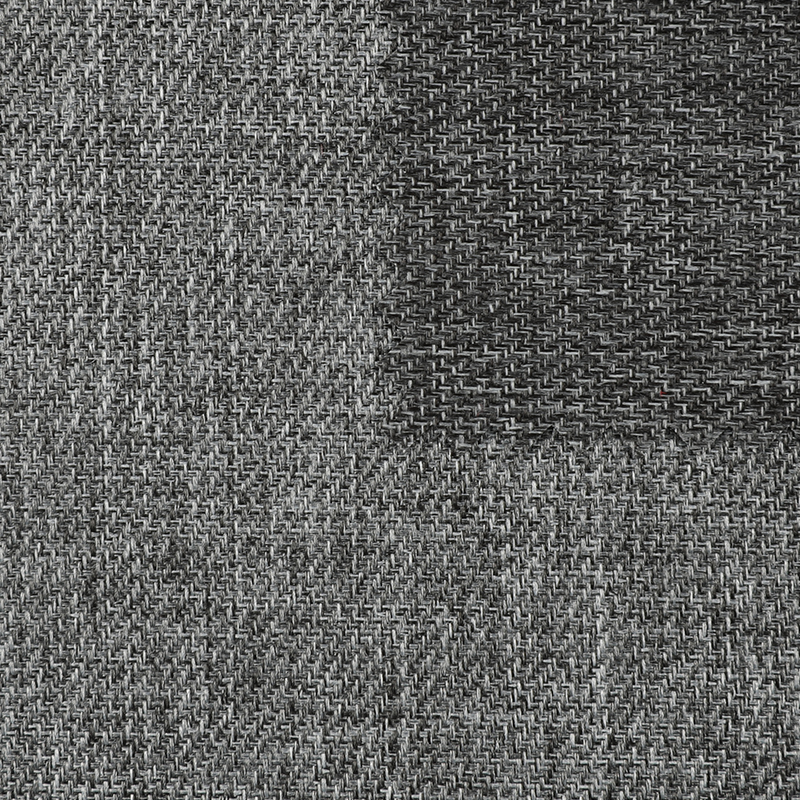
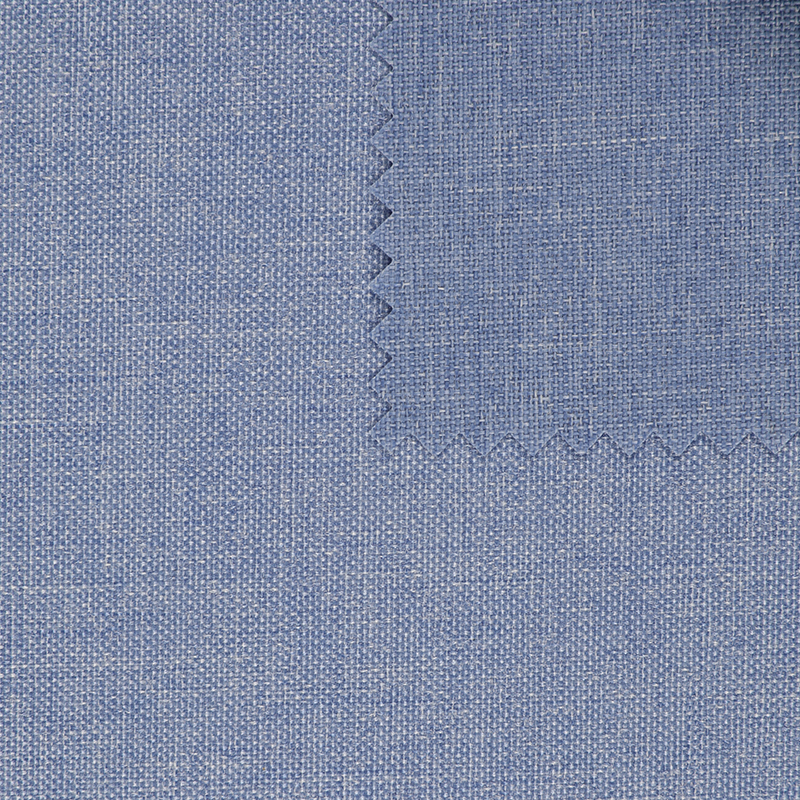
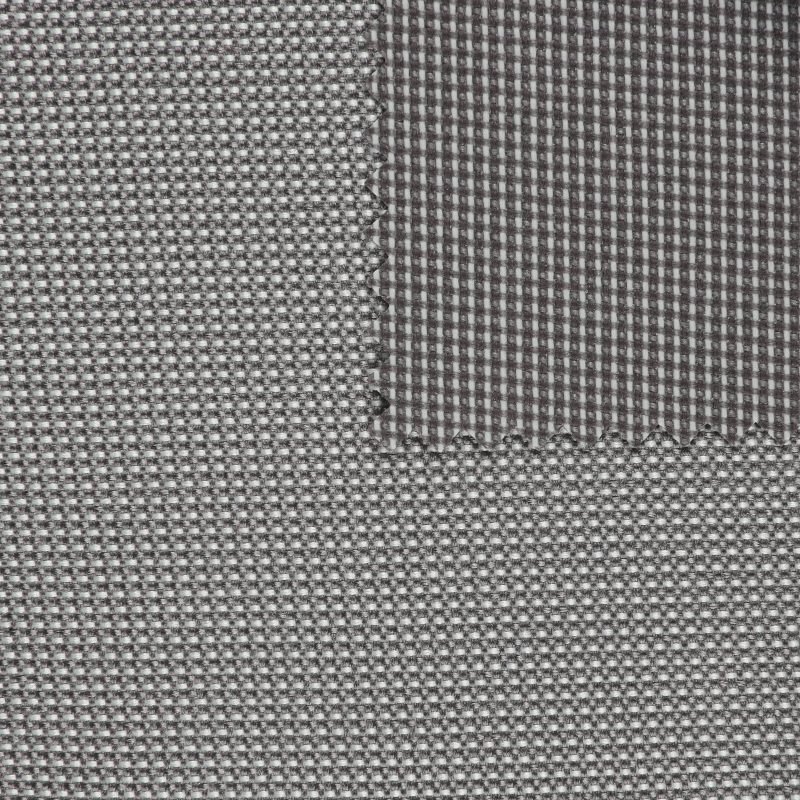
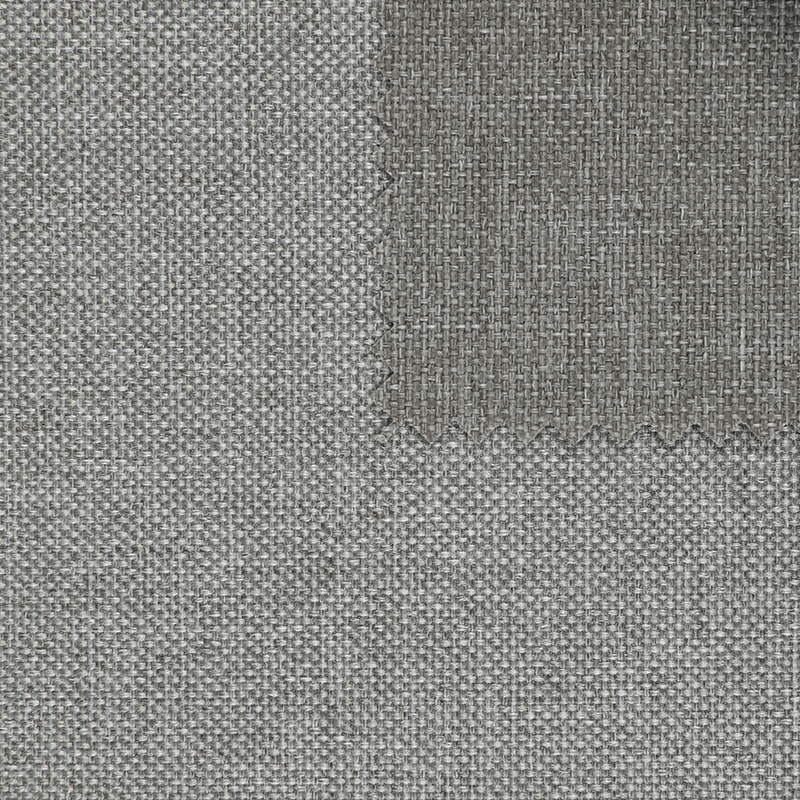
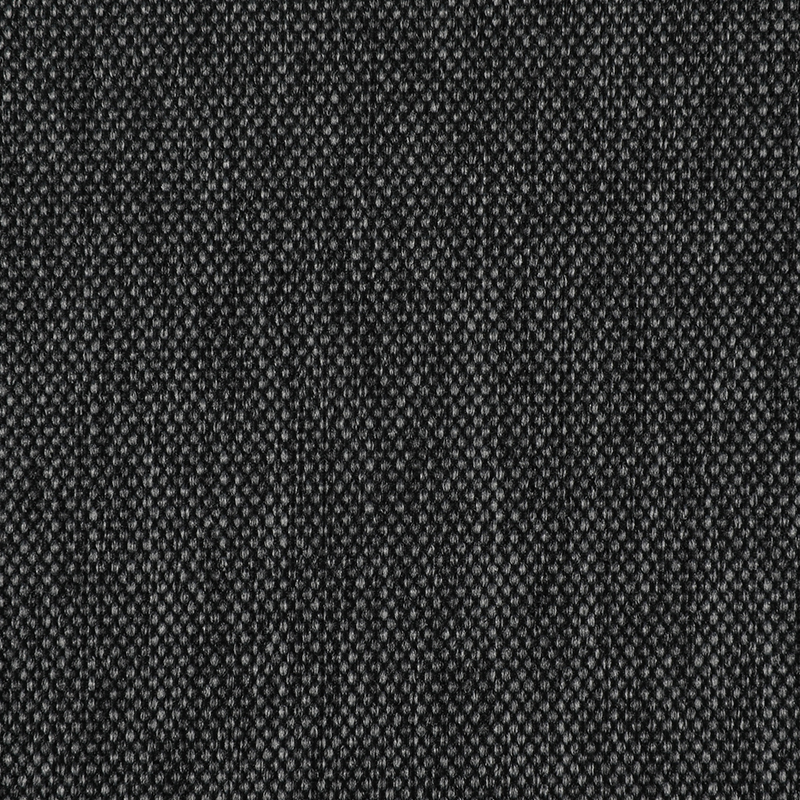
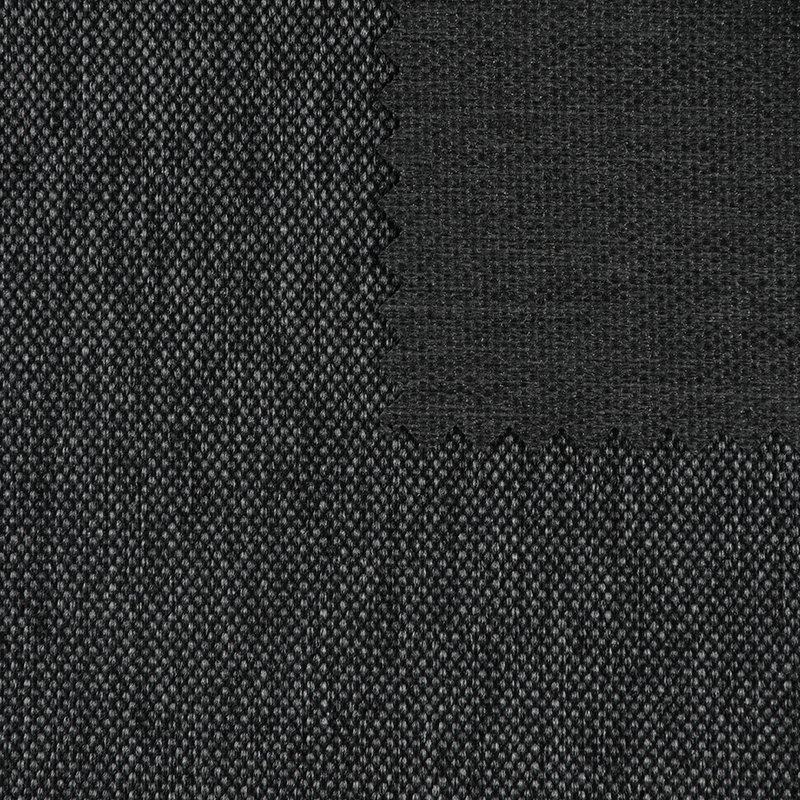
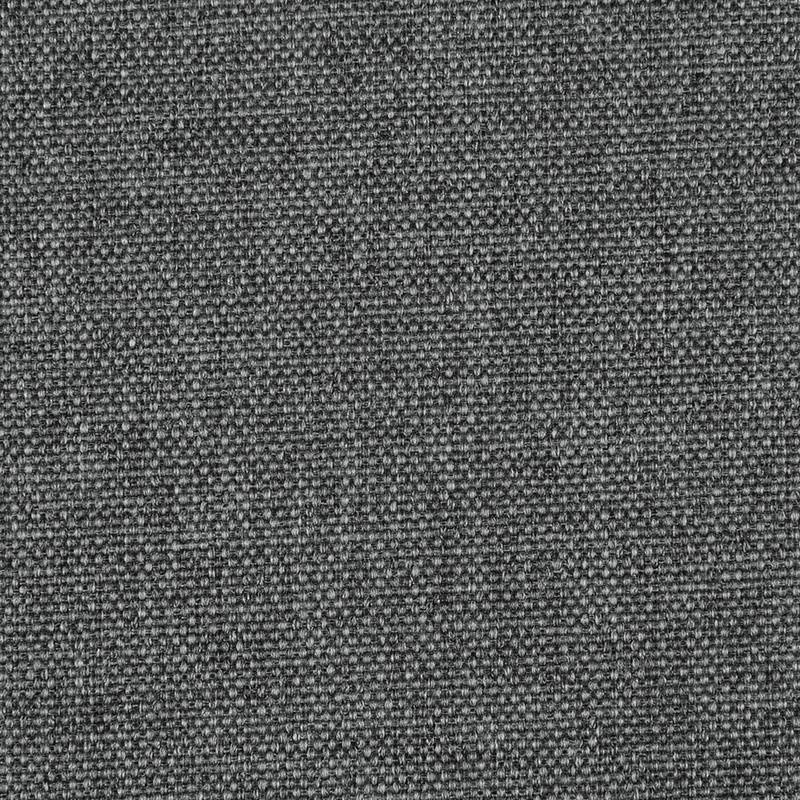
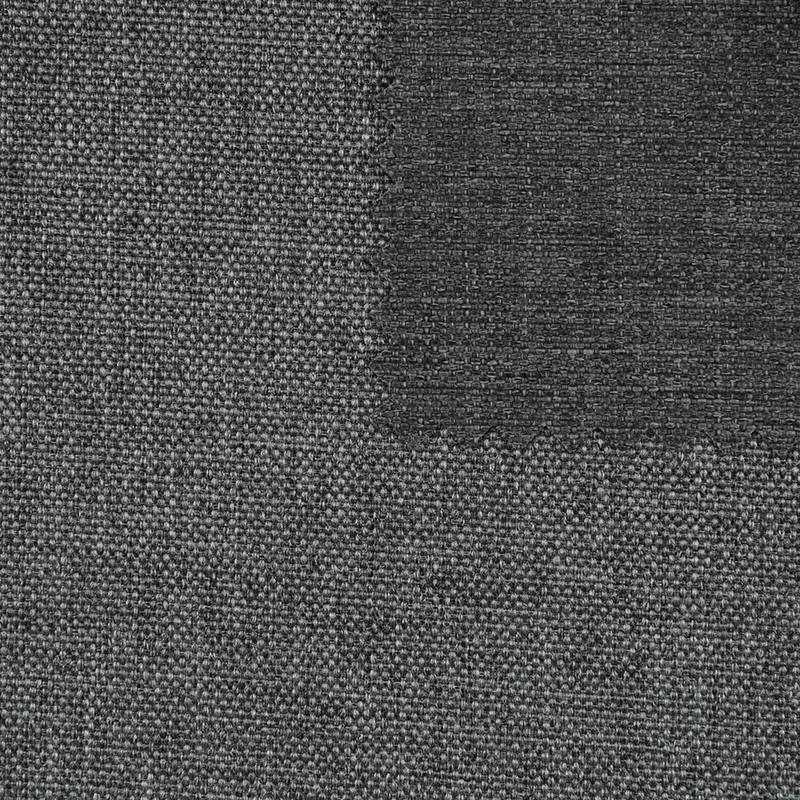
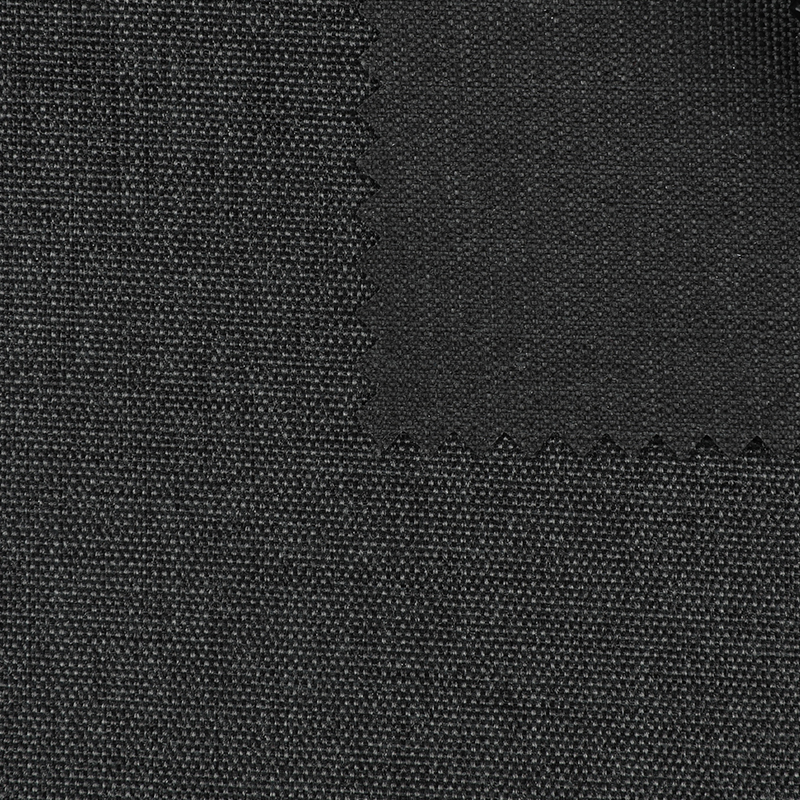
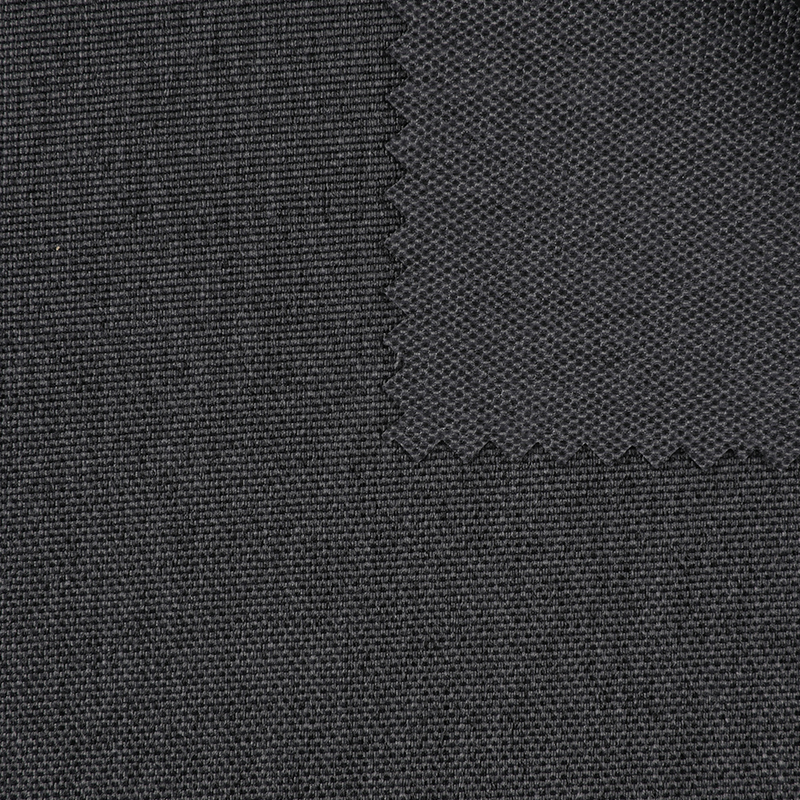
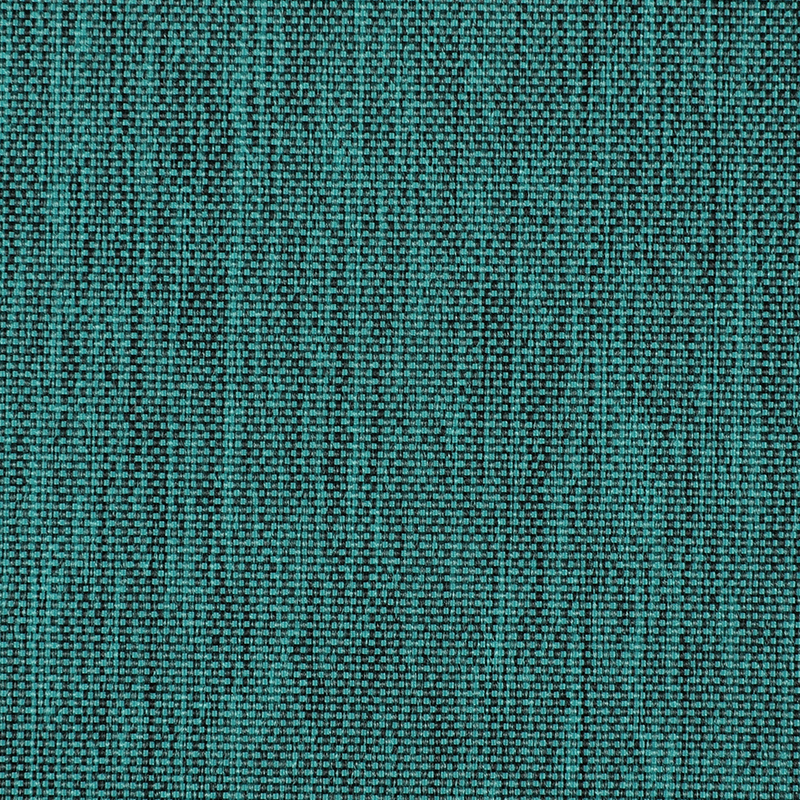
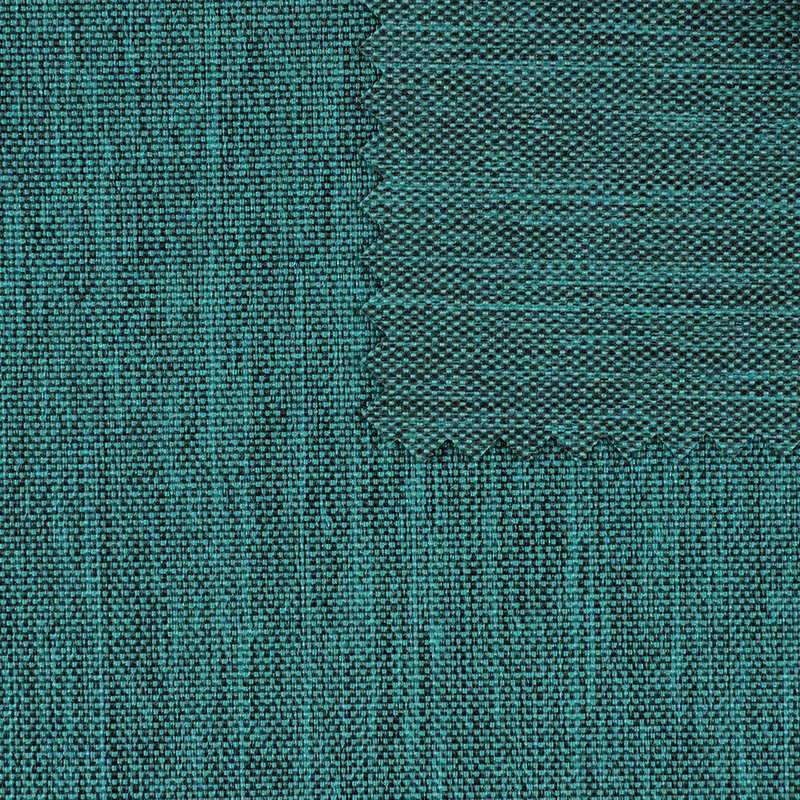
The subtle dual-color appearance of Cationic Two-Tone Oxford Fabric originates from the selective affinity of cationic dyes for modified polyester. Standard polyester fibers resist cationic dyes, while cationic-dyeable polyester (CDP) readily accepts them. By strategically interweaving CDP and regular polyester yarns in the warp and weft, a single dyebath produces two distinct shades—no post-printing required. This integrated approach yields a layered color transition that resists fading and crocking better than surface-printed alternatives.
Key Variables We Control
- Yarn blending ratio between CDP and standard polyester
- Weave density, which influences color perception from different angles
- Dye selection to achieve the desired contrast without compromising colorfastness
Cationic dyeing vs. conventional disperse dyeing on polyester blends
| Property |
Cationic-Dyed CDP Yarn |
Standard Disperse-Dyed PET |
| Wash fastness |
4–5 |
4 |
| Color depth |
Deep, vivid |
Moderate, may require carriers |
| Tone-on-tone capability |
Inherent |
Not inherent |
At Hangzhou Xiaoshan Wenfa Textile Co., Ltd., we draw on this dyeing science to produce Cationic Two-Tone Oxford Fabric with consistent batch-to-batch color, helping brands avoid the patchy effects common in inferior two-tone imitations.
Turning Micro-Texture and Soft Luster into Competitive Advantages
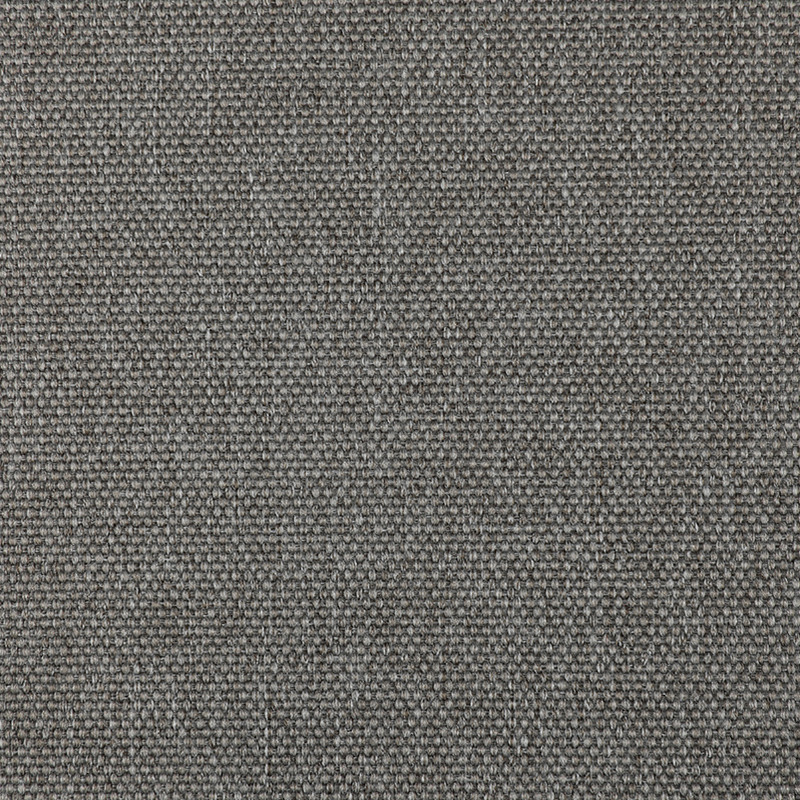
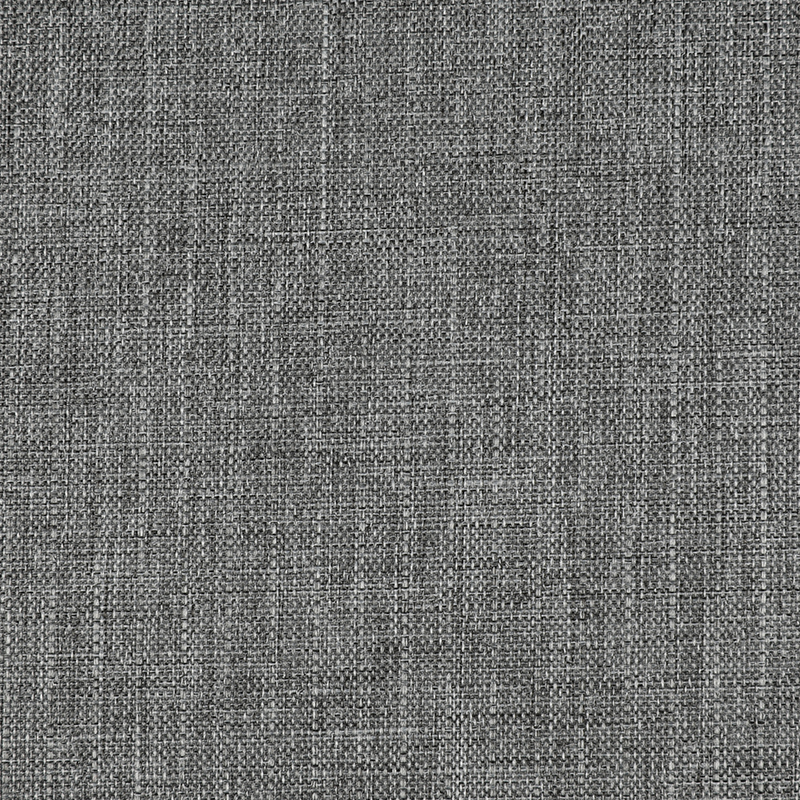
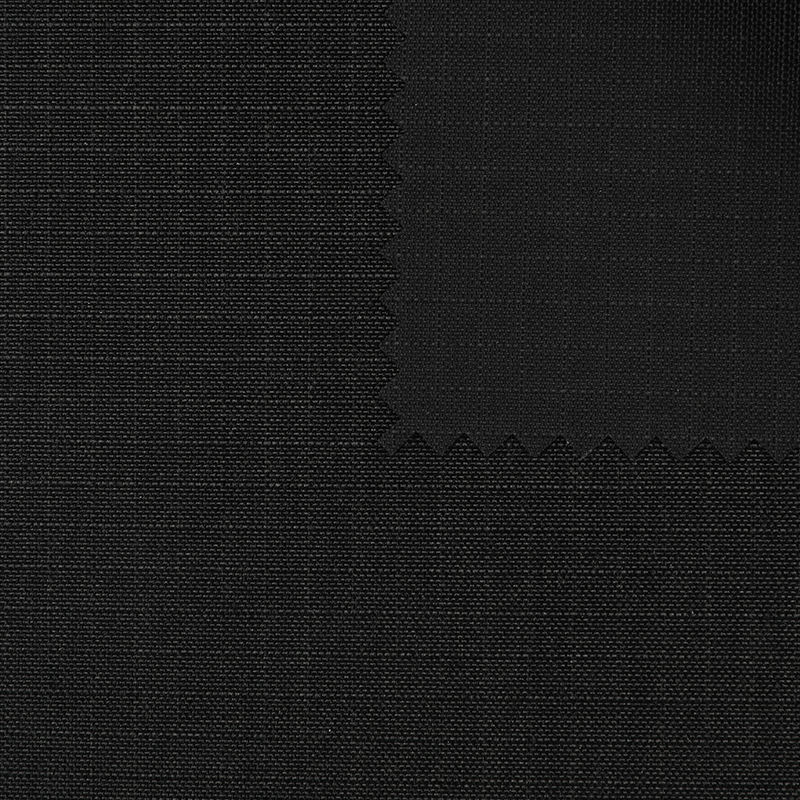
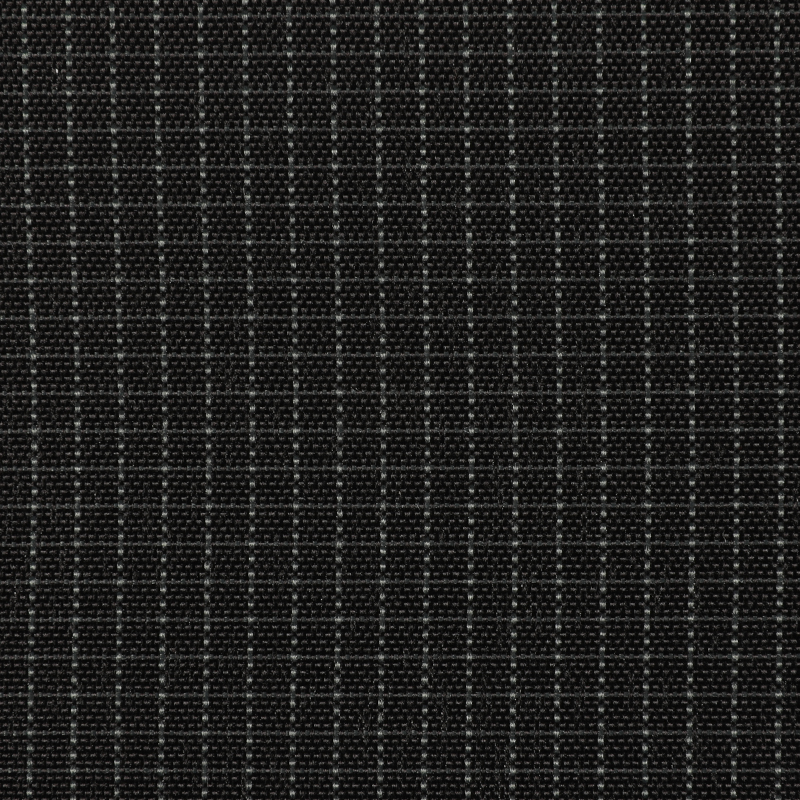
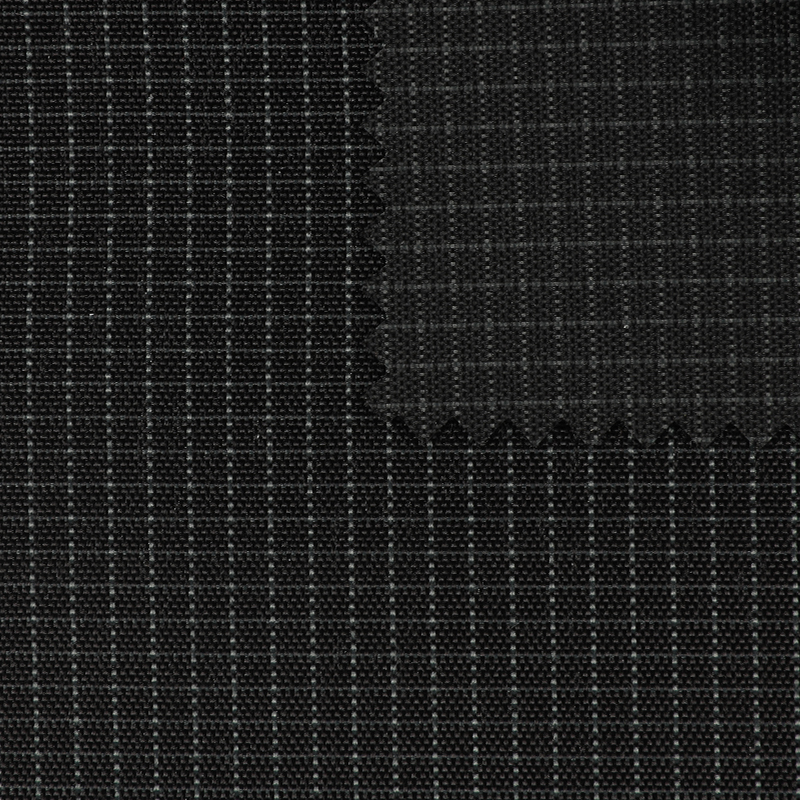
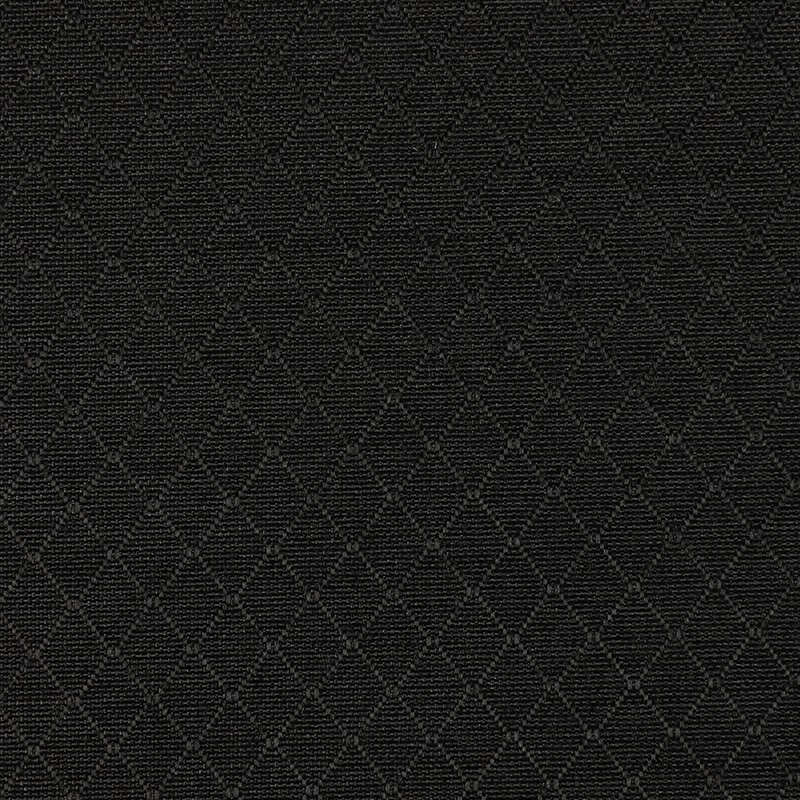
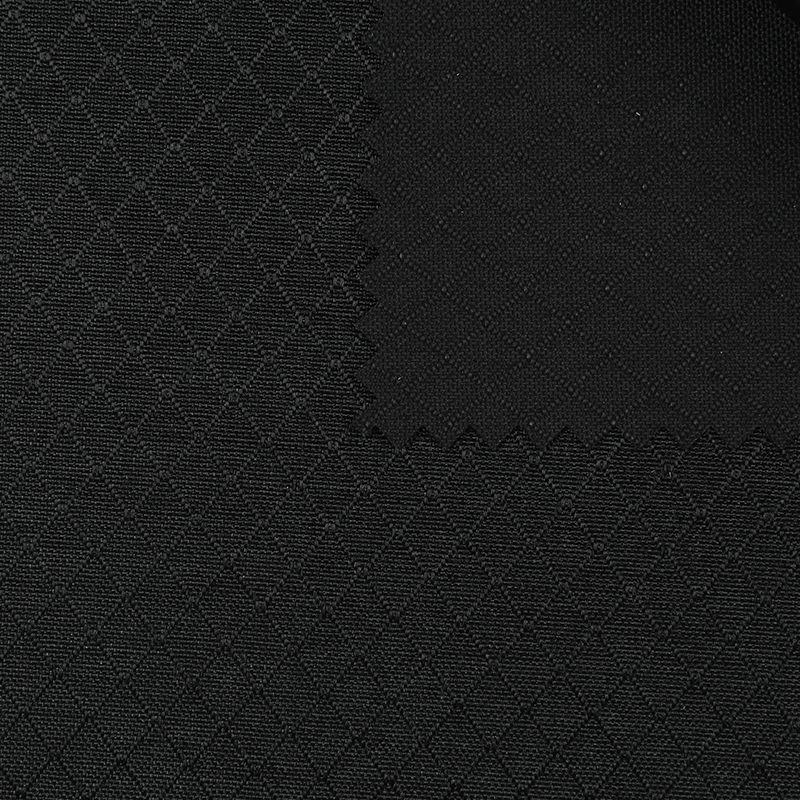
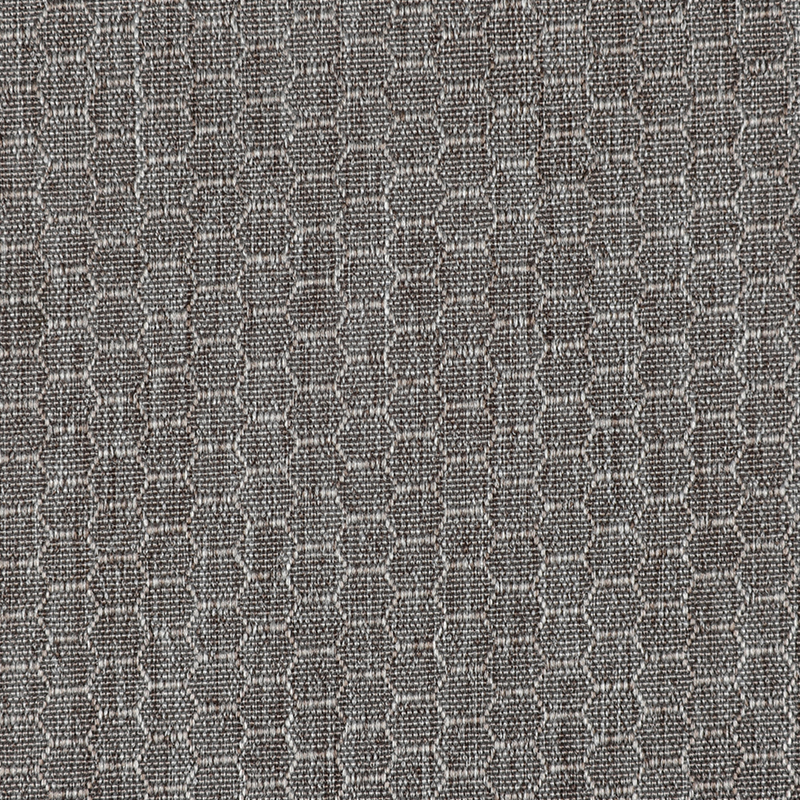
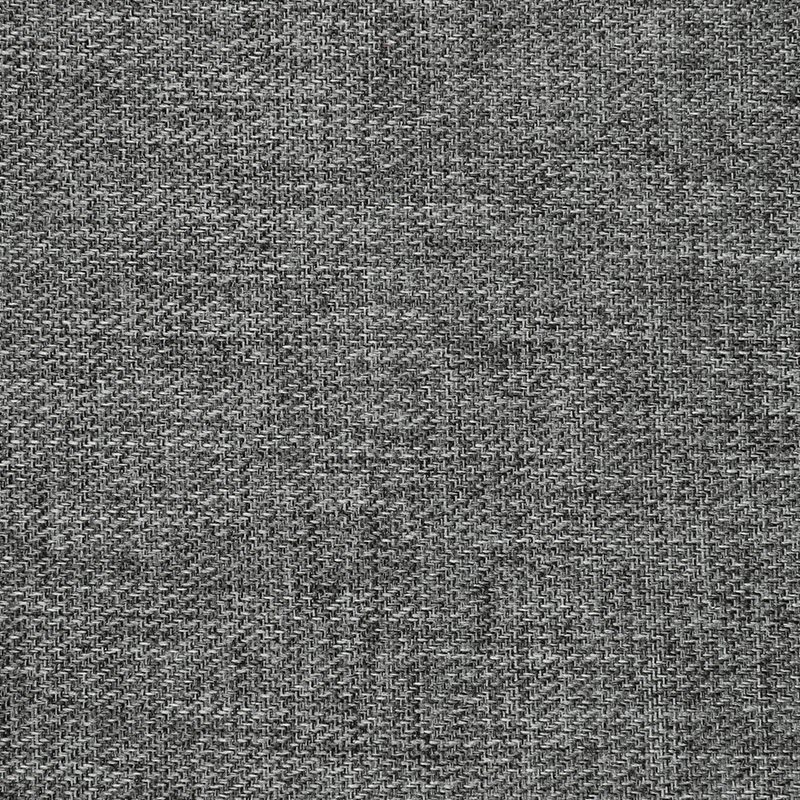
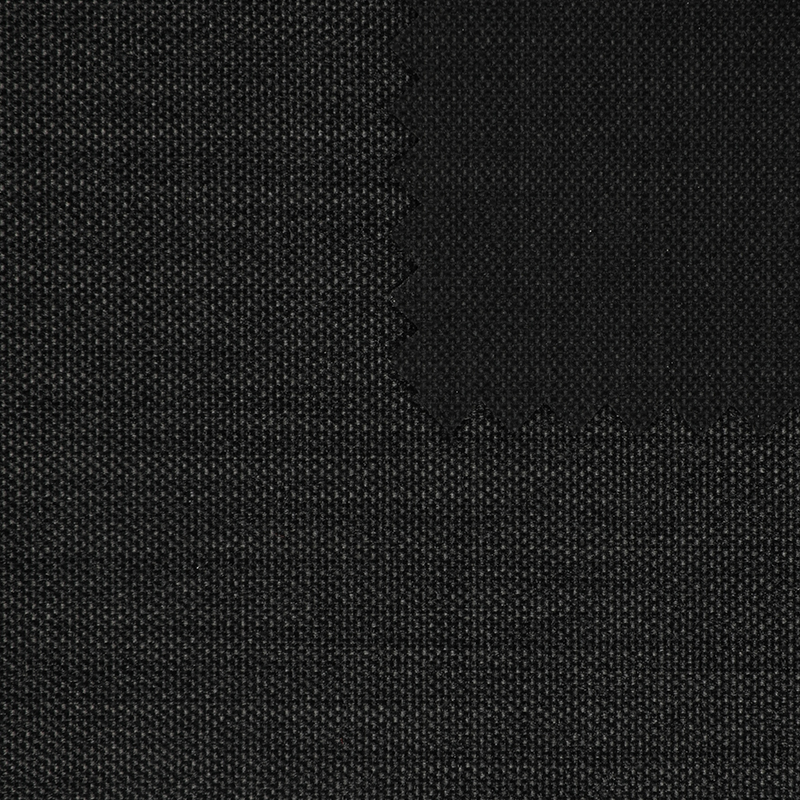
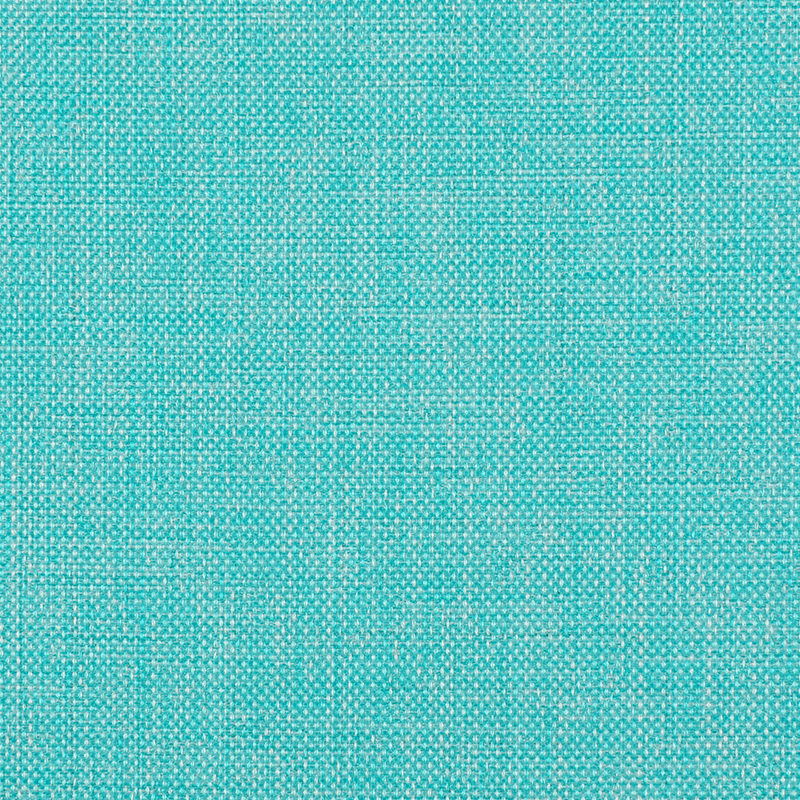
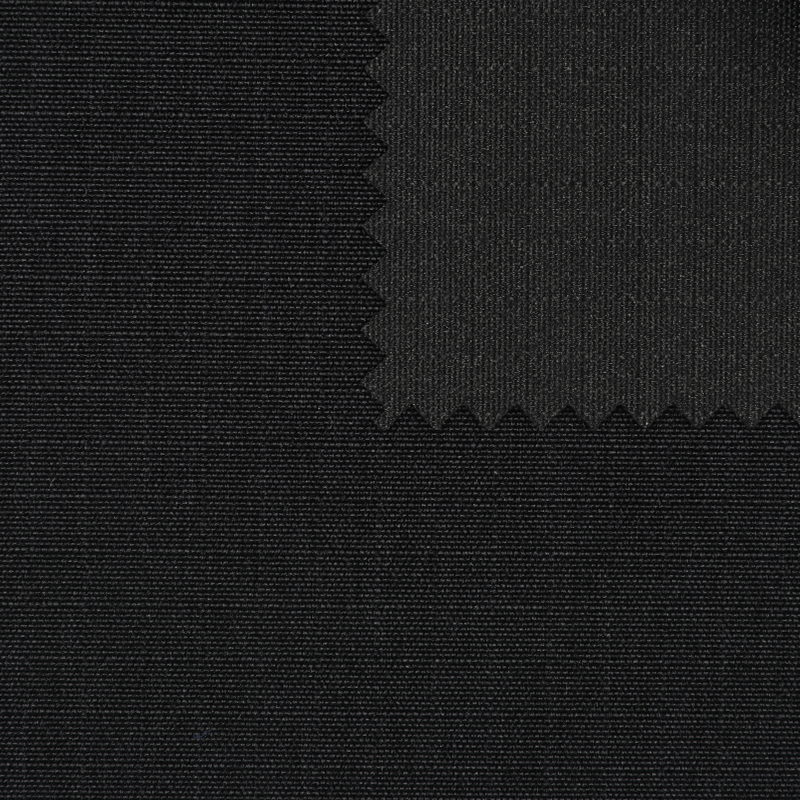
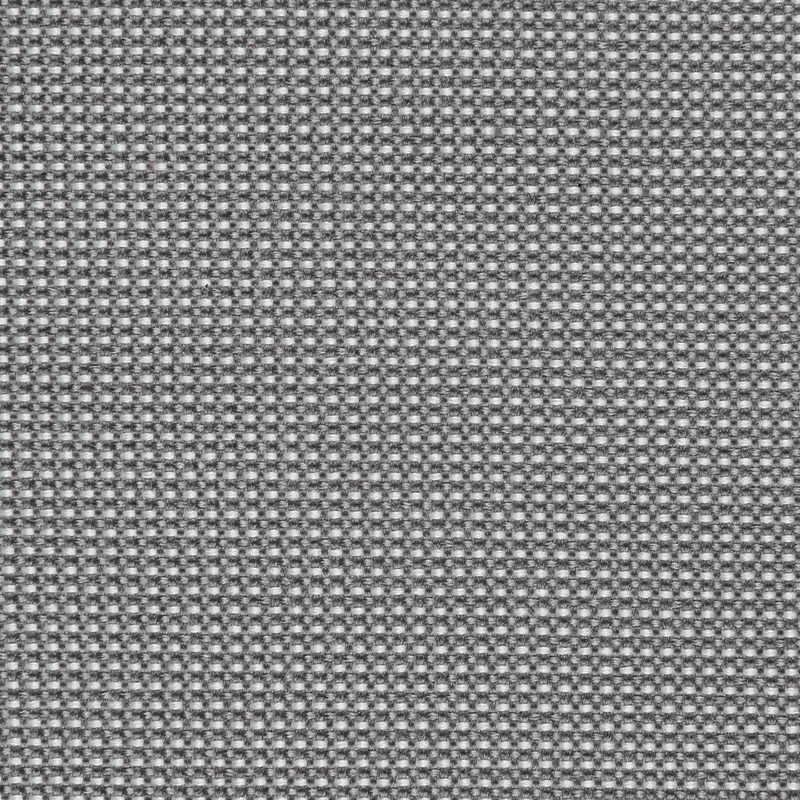
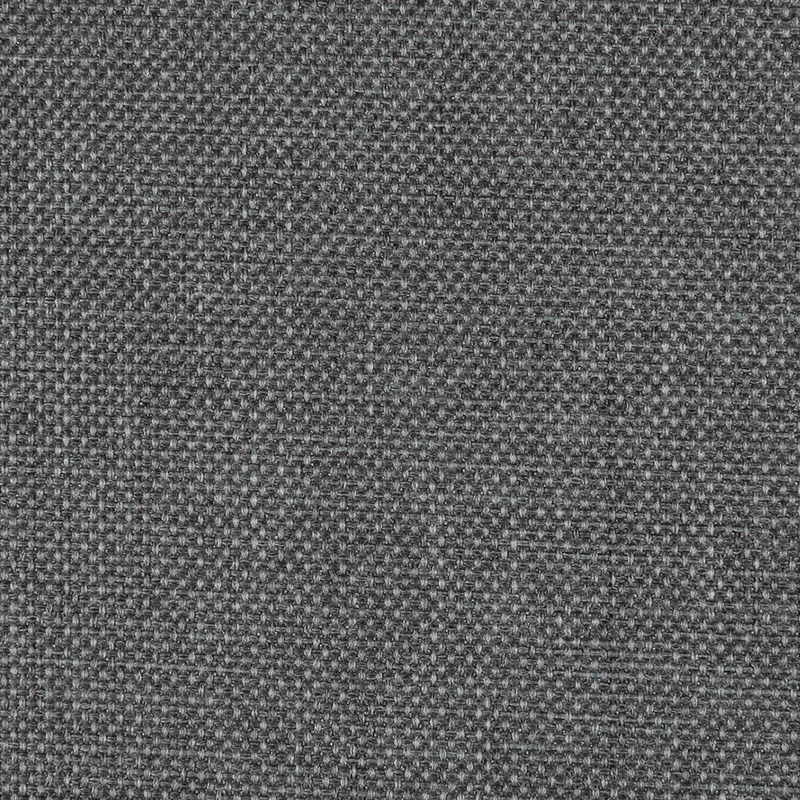
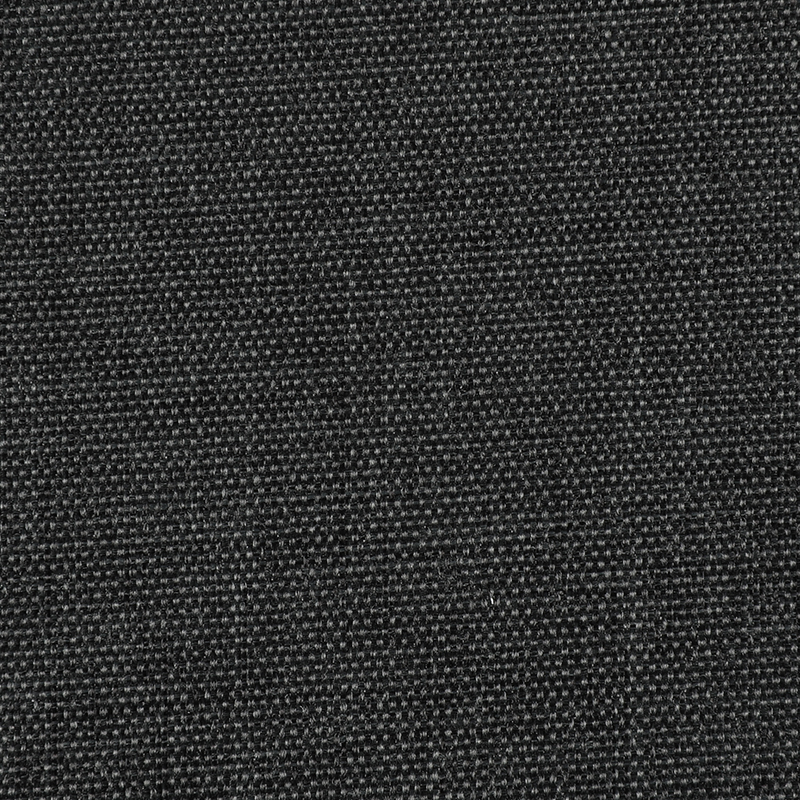
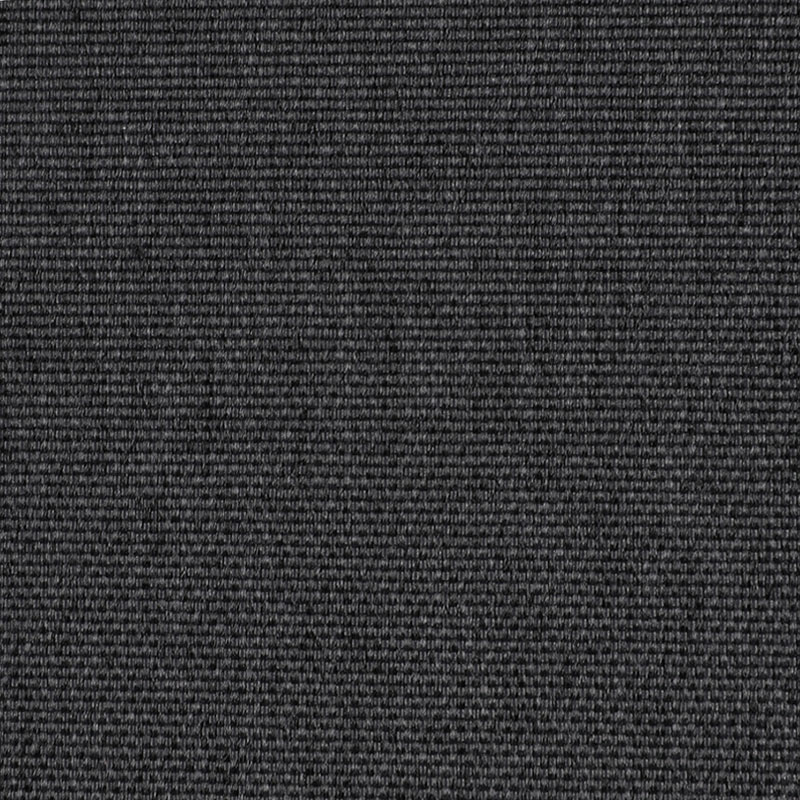
Cationic Two-Tone Oxford Fabric is defined by a fine, granular surface texture—far from flat. This micro-relief adds tactility and also improves slip resistance when used in bag linings or backpack exteriors. Meanwhile, the fabric’s soft luster avoids the plastic sheen of calendered materials, giving products a premium, understated look.
Design Guidelines for Texture
- For casual clothing, the textured face reduces cling and adds visual depth without heavy embroidery.
- In luggage, the surface hides minor scuffs better than smooth oxfords, extending the fresh appearance of the item.
- For home textiles such as decorative cushions, the texture catches light at different angles, enriching the two-tone effect.
Balancing Luster with Brand Identity
A low-gloss finish communicates quiet sophistication—ideal for minimalist brands. Our OEM/ODM Cationic Two-Tone Oxford Fabric Factory can adjust luster levels through yarn selection and finishing, ensuring the final fabric aligns with your visual merchandising strategy. Whether you need a subtle sheen for a handbag line or a slightly brighter accent for outdoor gear, the luster can be calibrated.
Making Sense of Sustainability Credentials for Oxford Fabric
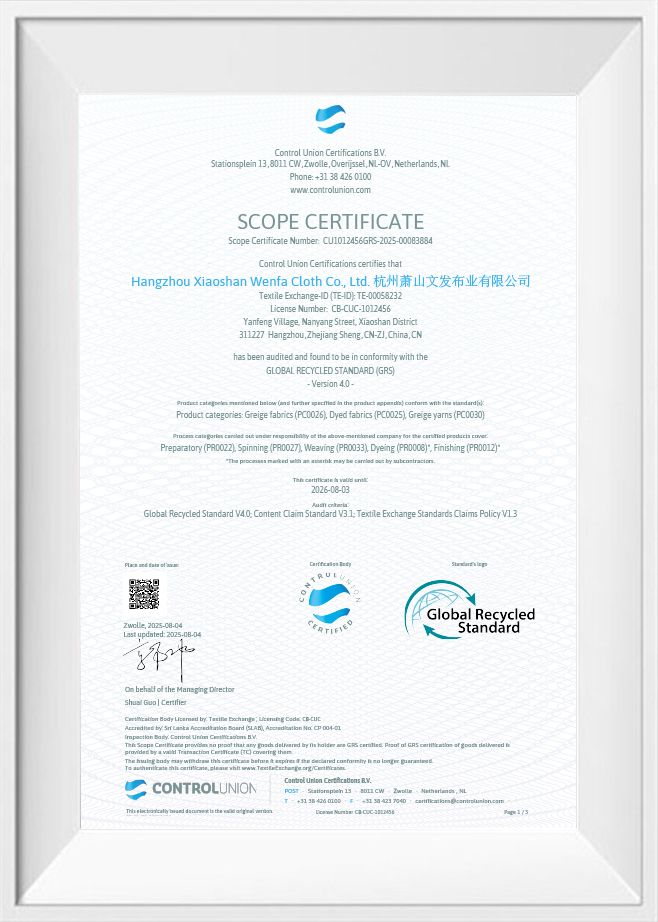
Buyers today navigate a maze of eco-labels. For Cationic Two-Tone Oxford Fabric, certifications such as GRS (Global Recycled Standard), OBP (Ocean Bound Plastic), and REACH compliance directly impact market access. We often advise clients to treat these not as add-ons but as foundational requirements when targeting EU and North American retailers.
Key certifications and their practical significance
| Standard |
Core Focus |
Benefit for Your Brand |
| GRS |
Recycled content & responsible manufacturing |
Eco-conscious marketing & retailer compliance |
| OBP |
Plastic waste prevented from entering oceans |
Strong marine conservation narrative |
| REACH |
Chemical safety for EU market |
Unrestricted EU entry & product safety assurance |
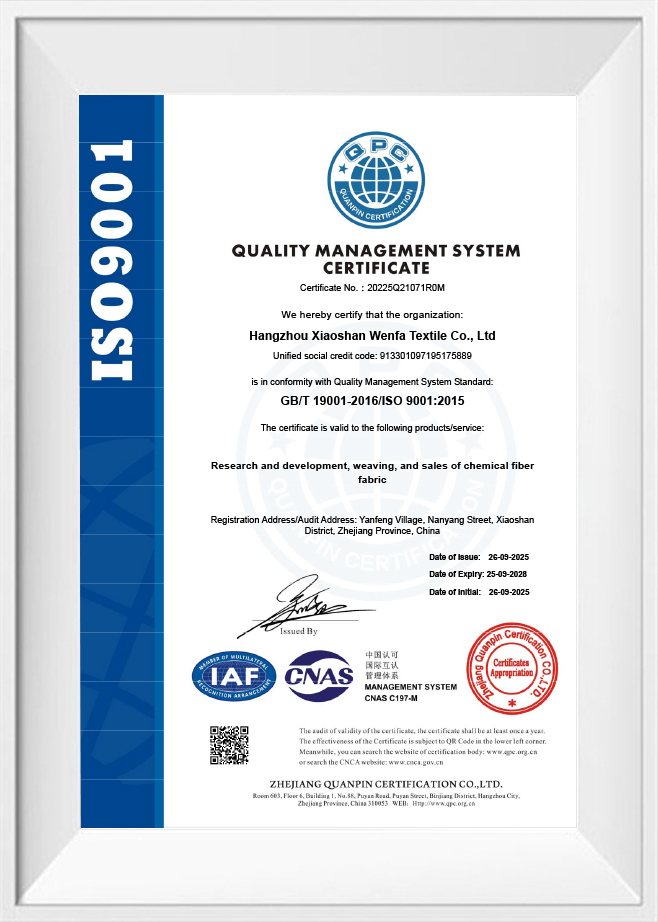
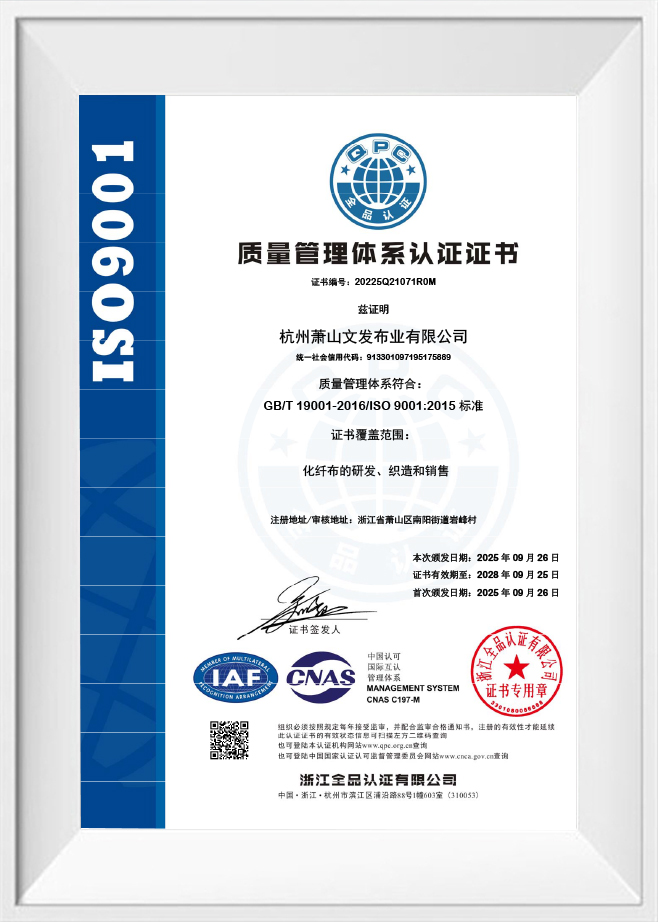
Hangzhou Xiaoshan Wenfa Textile Co., Ltd. holds ISO, GRS, REACH, and OBP certifications, so our Cationic Two-Tone Oxford Fabric shipments consistently clear stringent border inspections. By integrating recycled polyester options into the two-tone construction, we help your product line meet circular economy goals without sacrificing the elegant dual-color effect.
A Practical Roadmap for Custom Cationic Two-Tone Oxford Fabric Development
Getting a truly unique fabric requires more than a pantone reference. Based on our experience as Cationic Two-Tone Oxford Fabric Manufacturers, we recommend a structured development sequence to shorten lead times and avoid miscommunication.
- Define the two-tone target: Provide a physical sample or digital color data for both the base and highlight shades. Specify the desired contrast ratio.
- Select base composition: Choose between virgin polyester, recycled content (to meet GRS), or a hybrid. This impacts dye uptake and final hand feel.
- Specify finishing: Indicate whether you need water-repellent, PU coating, UV stabilization, or anti-static treatment. These post-weave processes directly affect the final texture and luster.
- Request lab dips and a 5-meter sample: We prepare a strike-off to validate color, hand feel, and weight—typically within 5–7 working days for standard constructions.
- Sign off and scale: Once approved, our integrated supply chain with 200 water-jet looms enables a daily output of approximately 160,000 meters, keeping your production schedule on track.
Custom Cationic Two-Tone Oxford Fabric orders from Hangzhou Xiaoshan Wenfa Textile Co., Ltd. benefit from transparent communication at each stage. Whether you require an OEM small batch or a large ODM production run, our technical team ensures the final fabric fulfills both aesthetic and functional specifications.

 English
 русский
 Français
 Español
 中文简体
中文简体