
 English
 русский
 Français
 Español
 中文简体
中文简体

Why Most Abrasion Specs Fail Before Production Even Starts Most rejected fabric orders are not caused by weak material — they are caused by vague specifications. A buyer asks for "abrasion resistant ...
READ MORE
Our clients span the globe, and our products are used in diverse scenarios. We've listed these applications for your reference.
Hangzhou Xiaoshan Wenfa Textile Co., Ltd. specializes in the production and sales of Oxford fabric, integrating R&D, manufacturing, and sales. With around 300 employees and nearly 300 sets of machinery, including 200 water-jet looms, the company maintains a daily output of approximately 160,000 meters of fabric, ensuring stable supply and reliable quality.
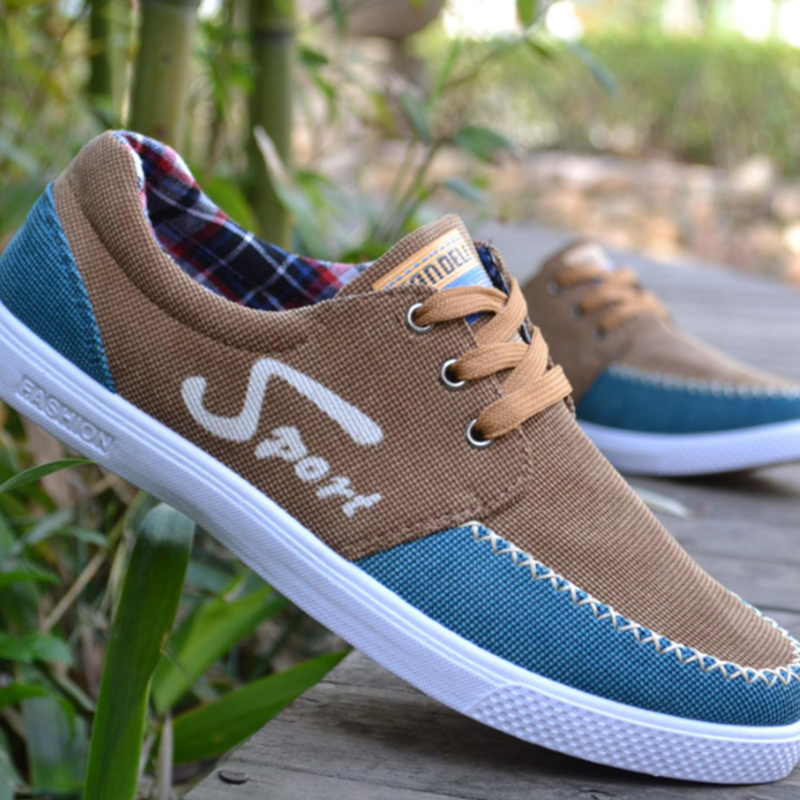
The company holds ISO certification as well as REACH, GRS, and OBP standards, reflecting its commitment to quality and sustainability. Its Oxford fabric is widely used in luggage, outdoor gear, and children's products, serving both domestic and international markets including Europe, the Americas, and Southeast Asia. Moving forward, the company will continue to leverage its integrated supply chain and technical expertise to be a trusted global supplier of Oxford fabric.
Welcome to Hangzhou Xiaoshan Wenfa Textile Co., Ltd.
Why Most Abrasion Specs Fail Before Production Even Starts Most rejected fabric orders are not caused by weak material — they are caused by vague specifications. A buyer asks for "abrasion resistant ...
READ MOREThe Signal Problem No Metal Box Can Solve Faraday cages have protected sensitive electronics for nearly two centuries. The problem is that modern information security doesn't happen inside steel boxe...
READ MOREWhy the Coating Matters More Than the Base Fabric A backpack that soaks through after one rainstorm and one that survives five years of daily commuting can come from the exact same polyester yarn. Th...
READ MOREWhy Traditional Polyester Is Under Pressure The textile industry generates roughly 10% of global carbon dioxide emissions — more than all international flights and maritime shipping combined. A signi...
READ MOREPick the wrong coating and your product fails in the field — waterproofing peels, seams crack, colors fade. Coated polyester fabric is deceptively simple as a category name, but the coating type you ...
READ MOREChoosing the wrong fabric for a high-performance application is an expensive mistake—one that often surfaces only after production, in the field, or under audit. Functional polyester fabrics exist pr...
READ MOREThe U.S. Section 301 tariff policy has long been a major concern for the global textile supply chain. Recent market discussions suggest that “textile tariffs under Section 301 may be reduced from 25% ...
READ MOREChoosing the wrong fabric for a product doesn't just affect performance — it drives up returns, warranty claims, and reputational costs. The global functional textiles market is projected to reach US...
READ MOREPolyurethane coating transforms ordinary textiles into high-performance materials without sacrificing the original fabric's look or feel. The immediate takeaway is that PU coating fabric offers a cos...
READ MOREAffected by ongoing geopolitical tensions in the Middle East, shipping disruptions in the Strait of Hormuz, and OPEC+ production cuts, international crude oil prices have stayed at a high level. Cost ...
READ MORESaigonTex/SaigonFabric 2026 has officially wrapped up, and we are thrilled to share that our participation was a tremendous success. Over four exciting days from April 8–11 at HUIMON SECC, Ho Chi Minh...
READ MOREJacquard Oxford fabric is the direct answer when you need a textile that combines high tensile strength with intricate, fade-resistant patterns. Unlike printed fabrics where designs sit on the surfac...
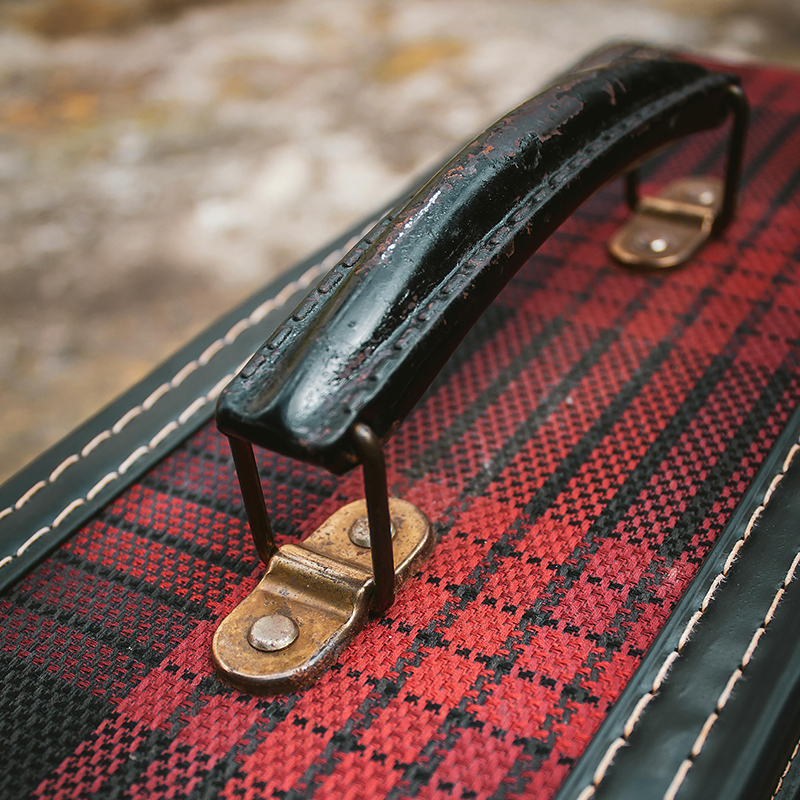
READ MOREIn luggage Polyester Fabric Application, the relationship between denier and weave density directly controls tear and abrasion resistance. Higher denier alone does not guarantee durability; a dense, balanced weave prevents seam slippage and punctures at high-stress corners. At Wenfa, we routinely guide brands toward configurations that match real-world handling, because a backpack’s bottom panel demands a different construction than its front pocket.
Our integrated production line, equipped with nearly 200 water-jet looms, allows rapid switching between these constructions, so clients testing multiple prototypes can receive full-width sample rolls without disrupting bulk output.
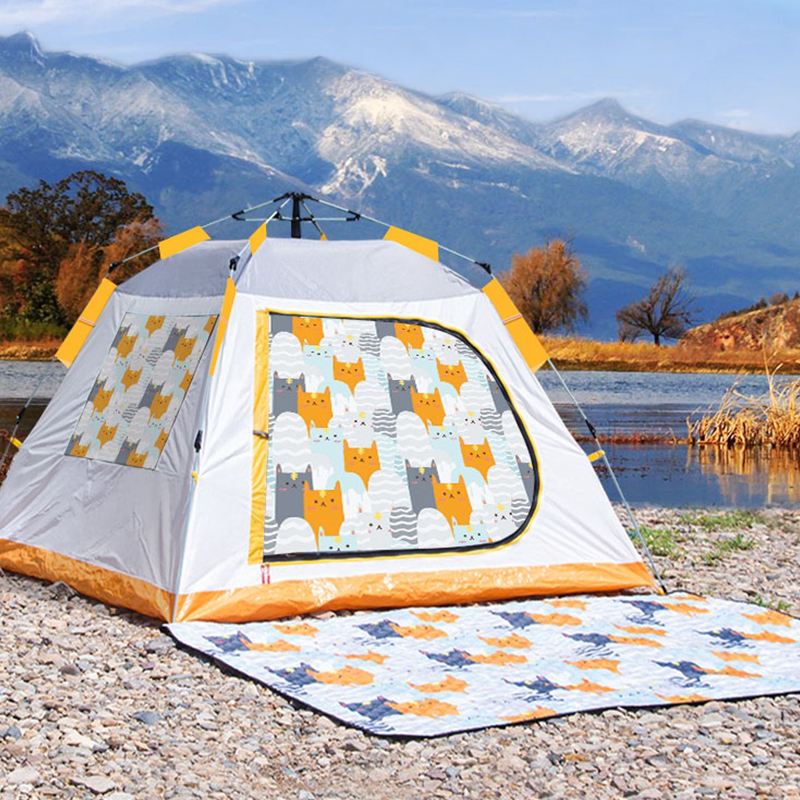
When specifying a Polyester Fabric Application for outdoor gear, the choice of coating chemistry often determines field performance more than the base fabric itself. A well-matched coating adds waterproofness, UV blocking, or flame retardancy without making the textile stiff or noisy. Wenfa’s OBP-certified range frequently uses water-based PU coatings that maintain breathability while meeting strict environmental requirements.
| Coating Type | Key Advantage | Typical Application |
|---|---|---|
| PU (polyurethane) | Flexible, cold-resistant, easily bonded | Tent flies, rain covers, soft coolers |
| PVC (polyvinyl chloride) | High abrasion resistance, weldable seams | Waterproof duffels, industrial tarps |
| Silicone elastomer | Extreme tear strength, long-term UV stability | Lightweight backpacking tarps, stuff sacks |
The table highlights that no single coating works for every climate. Silicone-treated fabrics excel in desert sun but are harder to seam-tape, while PU coatings offer user-friendly repair options. Understanding these trade-offs is a practical step that elevates a simple Oxford fabric into a performance material.
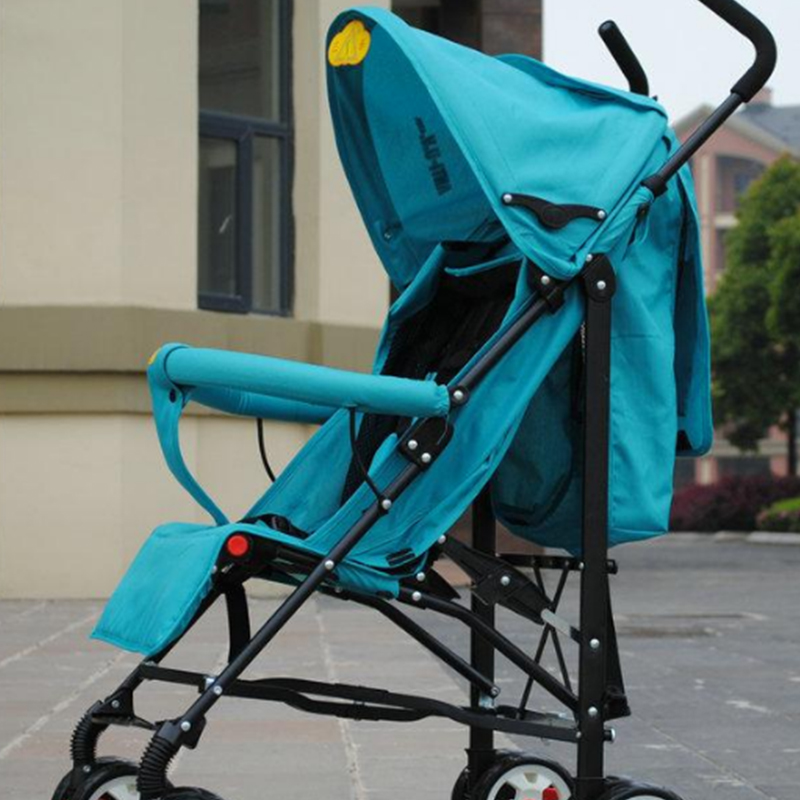
Polyester Fabric Application in children’s strollers, carriers, and play mats requires looking beyond mechanical strength to chemical transparency. Certifications are not just compliance documents—they actively shape fabric recipes. When a nursery brand specifies REACH compliance, the entire formulation, from dyestuff to finishing auxiliaries, must be screened for substances of very high concern.
As a manufacturer holding ISO, REACH, GRS, and OBP certifications, Hangzhou Xiaoshan Wenfa Textile Co., Ltd. supports brands through the entire chain of custody. Our integrated R&D, manufacturing, and sales structure means that a recycled Oxford fabric destined for a stroller can be traced from bottle flake to finished roll, giving parents a verifiable safety story.
Fading is often the first visible failure in outdoor gear, yet it is one of the most preventable aspects of a Polyester Fabric Application. Solution-dyed polyester, where pigment is added at the melt-spinning stage, embeds color throughout the fiber cross-section. This method yields UV resistance 2–3 times higher than conventional piece-dyeing, delaying the chalky, washed-out look that signals material degradation.
With a daily output of approximately 160,000 meters and nearly 300 sets of machinery, Wenfa maintains the lot-to-lot consistency required for large-scale outdoor collections. Our technical team often advises brands to specify a UV package upfront, which then guides both the yarn selection and the finishing chemistry—turning a basic Oxford fabric into a long-life component rather than a fast-fashion shell.

地址:
中国浙江省杭州市萧山区南阳街道岩峰村
Add:
Yanfeng Village, Nanyang Street, Xiaoshan District, Hangzhou,Zhejiang Province, China.


Copyright © Hangzhou Xiaoshan Wenfa Textile Co., Ltd.
All Rights Reserved.
 Polyester Fabric Manufacturers
Oxford Fabric Manufacturers
Polyester Fabric Manufacturers
Oxford Fabric Manufacturers