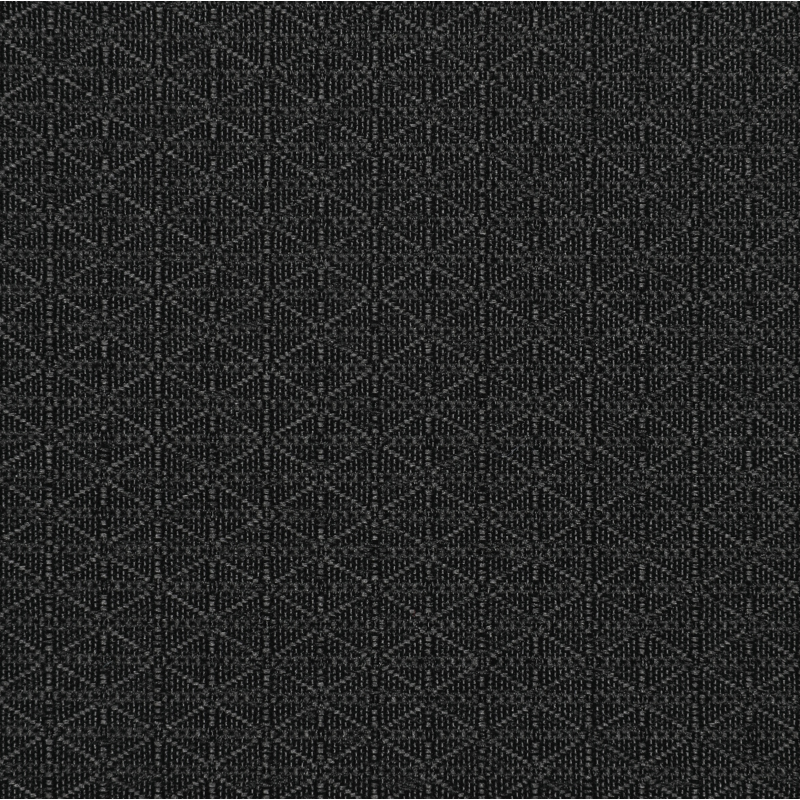
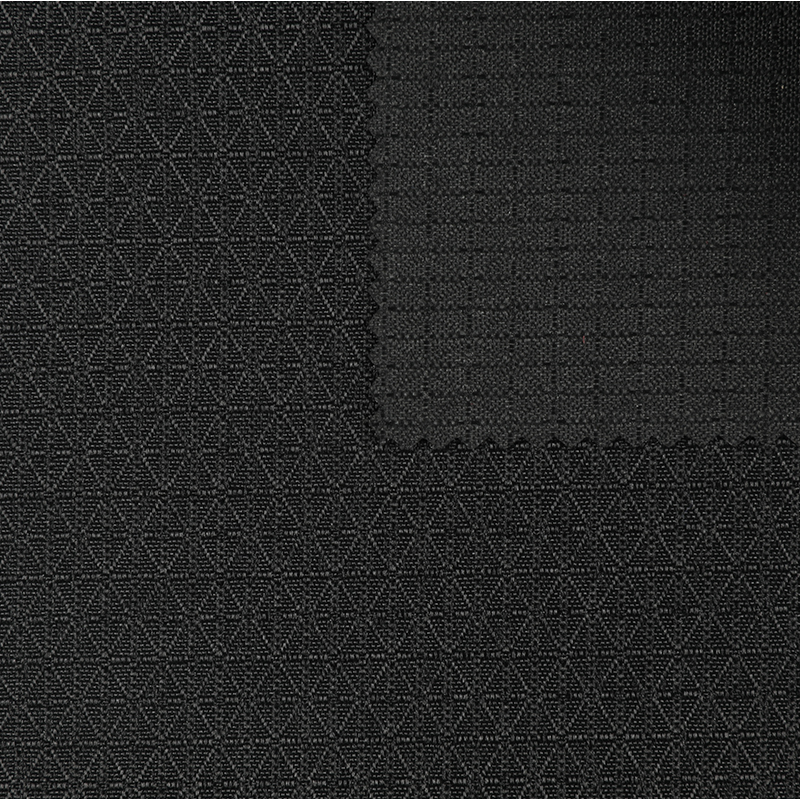
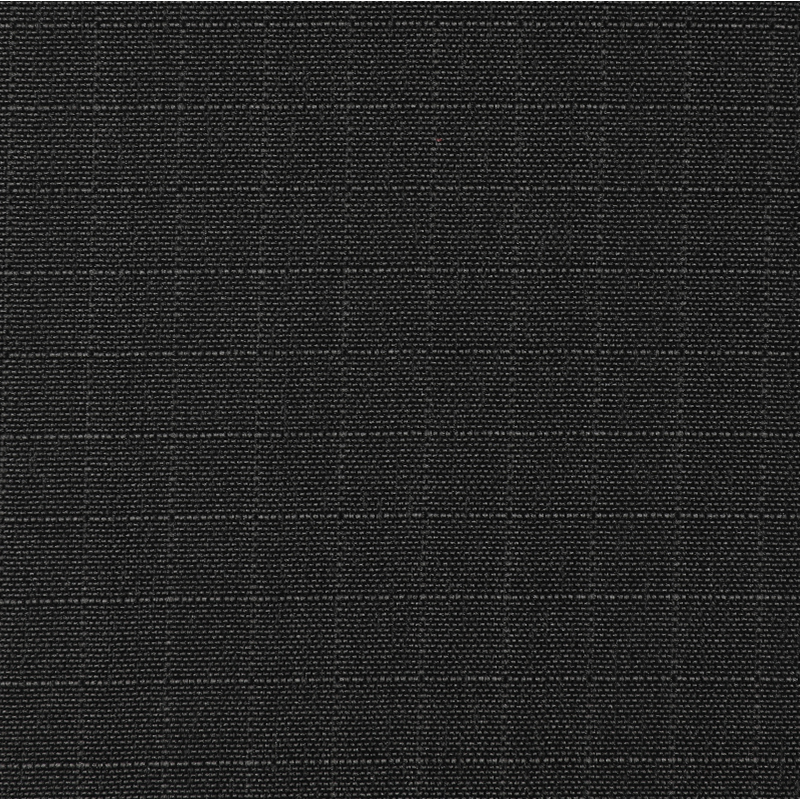
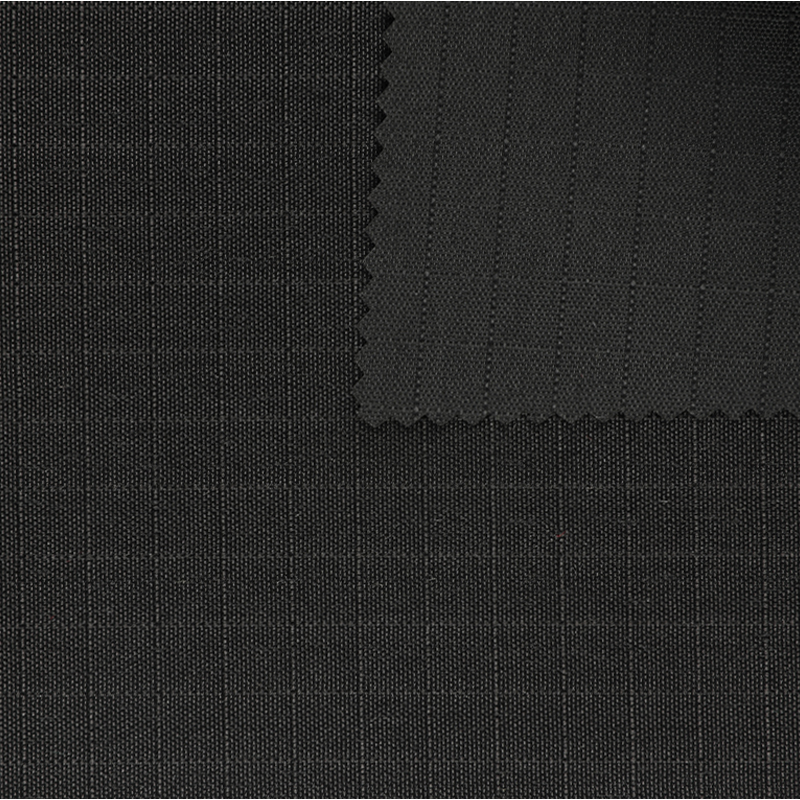
Inherent vs. Topical Treatment: The Chemistry Behind Durable Flame-Retardant Polyester Fabric
Not all protection is engineered equally. When sourcing Flame-Retardant Polyester Fabric, the critical distinction lies between inherent flame retardancy and topical finishing treatments. Inherent FR polyester incorporates flame-retardant comonomers directly into the polymer chain during the melt-spinning phase. This chemically binds the protection to the fiber, ensuring the flame resistance will not wash out, wear off, or diminish over the product's lifecycle, even after 50 commercial launderings.
Conversely, topical treatments deposit a flame-retardant coating onto the surface of a standard polyester web. While cost-effective upfront, these chemical back-coatings can sometimes alter the fabric’s hand feel and may degrade if subjected to harsh industrial laundering, UV exposure, or hydrolysis. At Hangzhou Xiaoshan Wenfa Textile Co., Ltd., we prioritize durability in our supply chain. For demanding applications like protective workwear or public transportation upholstery, we typically steer clients toward inherent FR polyester technologies to ensure lifetime safety compliance.
Comparative Performance Profile
| Characteristic |
Inherent FR Polyester |
Topical FR Polyester |
| Wash Durability |
Permanent (bonded at molecular level) |
Semi-durable (prone to hydrolysis) |
| Hand Feel |
Soft, consistent with standard textiles |
Can be stiff or exhibit surface "chalkiness" |
| Optimal Application |
Apparel, bedding, high-contact upholstery |
Disposable items, single-event drapery |
Table 1: Longevity evaluation of FR technology integration.
The Critical Role of Anti-Drip Mechanisms in Synthetic Safety Textiles
A primary hazard of standard polyester exposure to an ignition source is the molten drop phenomenon. As the thermoplastic fiber heats up, it melts and drips away from the flame zone. This dripping action is dangerous because molten polymer carries heat transfer energy, potentially causing severe secondary burns to the skin or igniting materials below the fabric layer. True Flame-Retardant Fabric must address this by resisting shrinkage and preventing flammable molten droplets.
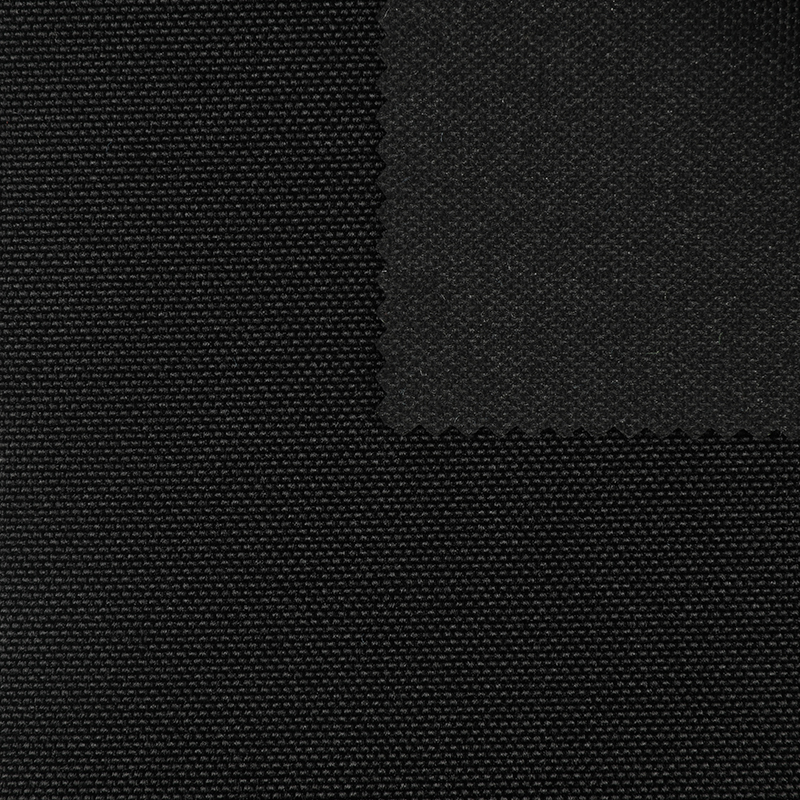
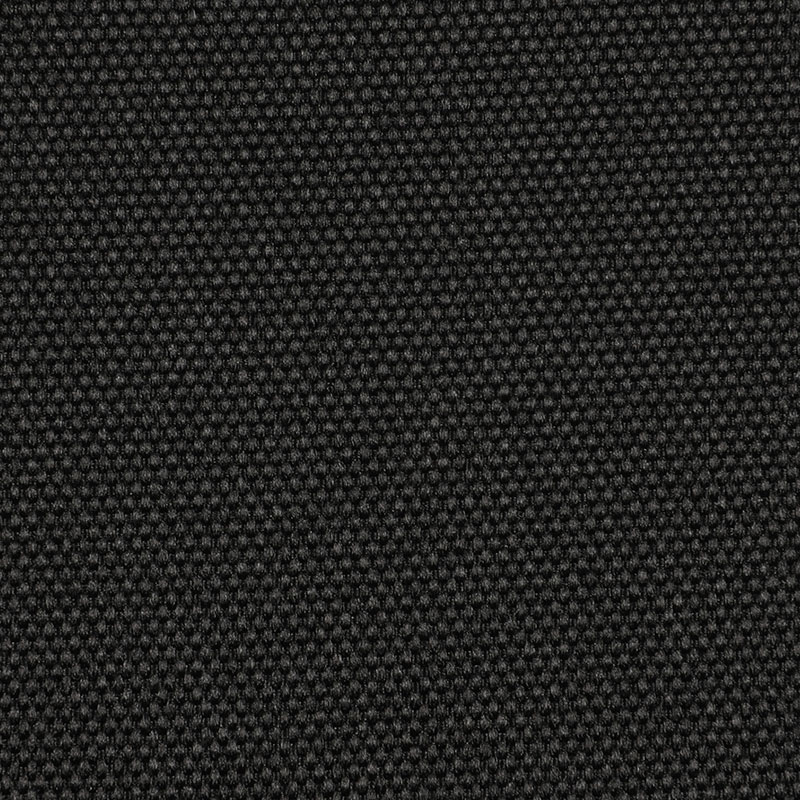
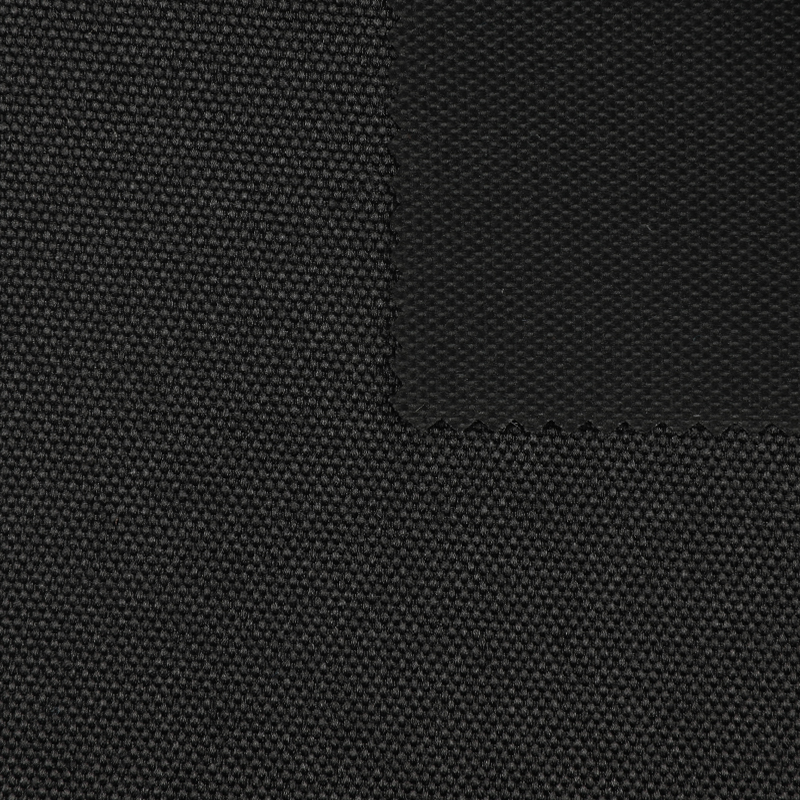
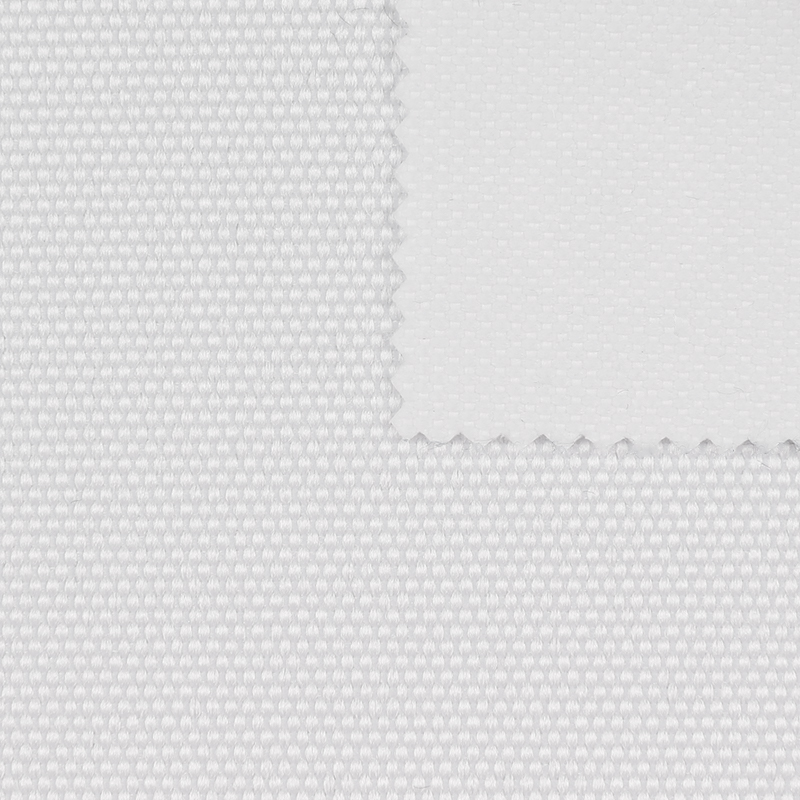
The mechanism behind anti-drip performance often involves reactive phosphorus-based fire retardants. Under combustion conditions, the phosphorus promotes a charring mechanism. Rather than melting cleanly into a drop, the polyester structure cross-links to form a protective, carbonaceous char barrier. This char layer effectively insulates the unburnt material and physically prevents the liquid polymer from flowing. As a dedicated Flame-Retardant Polyester Fabric Manufacturers, we specifically engineer our Oxford weaves to exhibit zero or minimal after-flame dripping under standardized vertical burn testing.
- Phosphorus content interacts with the ester group to stabilize the melt phase.
- Cross-linking increases melt viscosity, halting the gravitational flow of the molten mass.
- Char structure physically seals the underlying polymer from radiant heat.
Deciphering Global Fire Safety Testing Standards for Textiles
Specifying a Flame-Retardant Fabric without targeting the correct regional standard can result in a product that is technically resistant to fire but legally non-compliant. Standards dictate not only the pass/fail criteria but the specific mounting, ignition source, and preconditioning processes relevant to the end-use. It is a common mistake to assume a single "universal" flame test covers all markets. At Hangzhou Xiaoshan Wenfa Textile Co., Ltd., our technical team maps customer requirements to the precise testing protocol to avoid costly certification delays.
- NFPA 701 (USA): Standard Method for Fire Tests for Flame Propagation. This is the dominant standard for curtains, drapery, and public space applications in North America, measuring char length and flaming residues after a vertical ignition exposure.
- BS 5852 (UK/EU): Assesses the ignitability of upholstered seating composites. This standard is critical for furniture and seat covers, utilizing sources ranging from smoldering cigarettes to wooden cribs to simulate real-world thermal threats.
- EN 11612 (EU): Protective clothing standard specifying performance requirements for garments designed to protect against heat and flame in industrial settings like welding and petrochemical processing.
- IMO FTP Code (Marine): The International Maritime Organization’s Fire Test Procedures Code. Textiles used in ships and offshore platforms face strict smoke density and toxicity metrics beyond simple ignition resistance.
Optimizing Denier and Weave for Robust Flame-Retardant Polyester Fabric
Selecting the correct physical mass of the fabric is as vital as the chemical safety feature. The abrasion resistance, tensile strength, and thermal insulation capacity of Oxford cloth are directly correlated to its denier (D) and weave density. A lightweight 210D fabric will easily rip under the mechanical stress of industrial luggage, while a heavy 1680D ballistic weave offers structural resilience. As an OEM/ODM Flame-Retardant Fabric Factory, we maintain rigorous consistency across all batch weights, utilizing our fleet of water-jet looms to ensure daily output stability of approximately 160,000 meters.
Heavier fabrics inherently provide a better thermal barrier, as the increased mass requires more energy to reach pyrolysis temperature. However, these dense structures often require adapted flame-retardant chemistry to ensure the chemical loading penetrates the thick yarn cores uniformly. The correct pairing of physical structure and FR chemistry prevents "wicking ignition" along the exposed fabric edges.
| Fabric Denier |
Tensile Characteristic |
Recommended Safety Application |
| 300D |
Lightweight, flexible drape |
Lining materials, children's safety tents |
| 600D |
General purpose durability |
Public area upholstery, hotel curtains |
| 1200D |
High abrasion resistance |
Industrial workwear reinforcement, protective covers |
| 1680D |
Maximum structural integrity |
Transportation cargo restraint covers, ballistic luggage |
Table 2: Material specification matrix linking fabric density to end-use safety performance.

 English
 русский
 Français
 Español
 中文简体
中文简体