Color Contrast Strategies for Striking Two-Tone Oxford Fabric
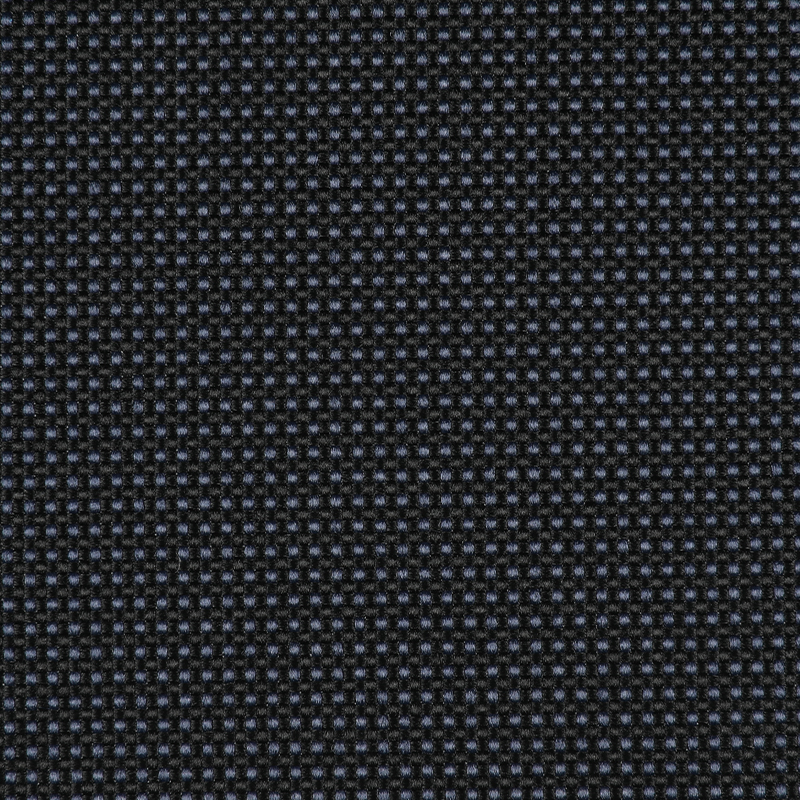
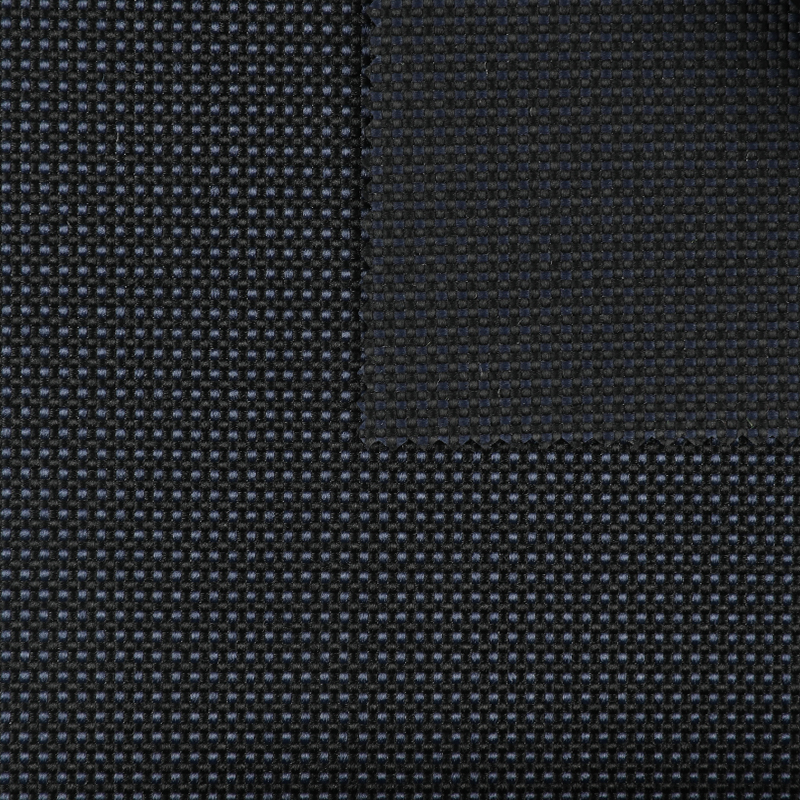
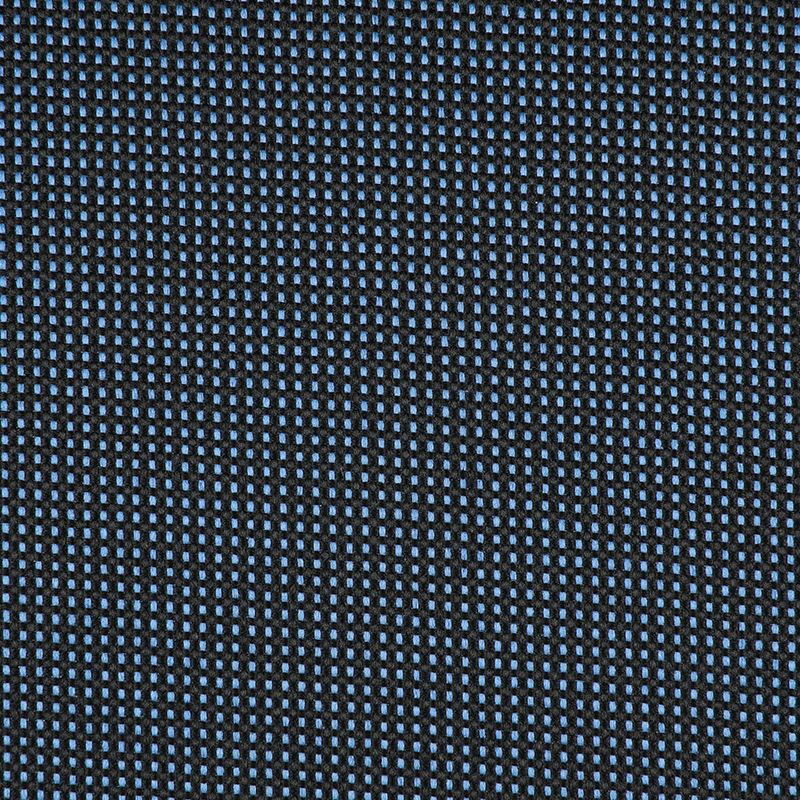
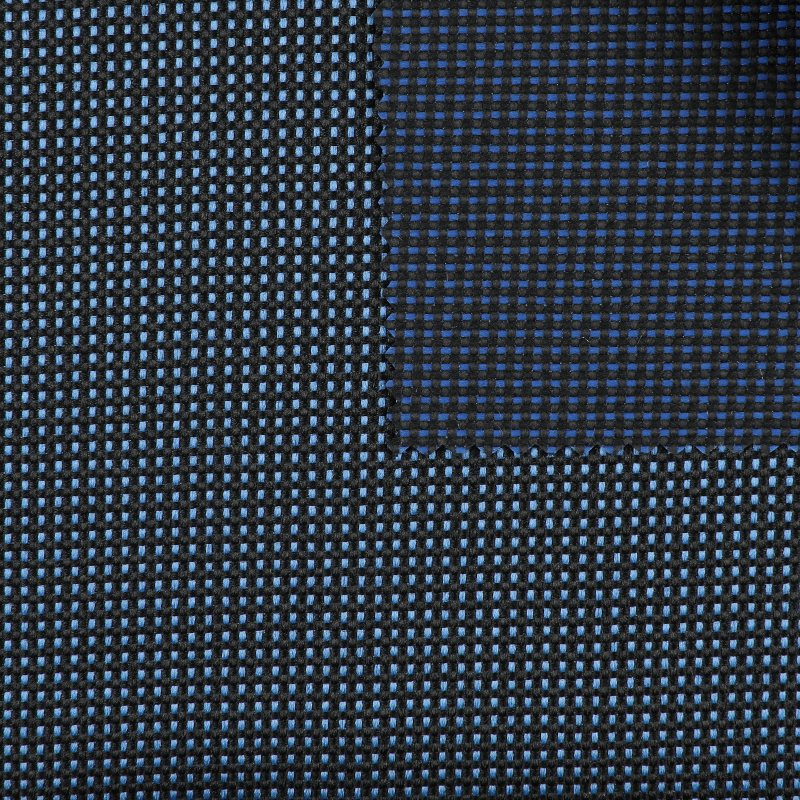
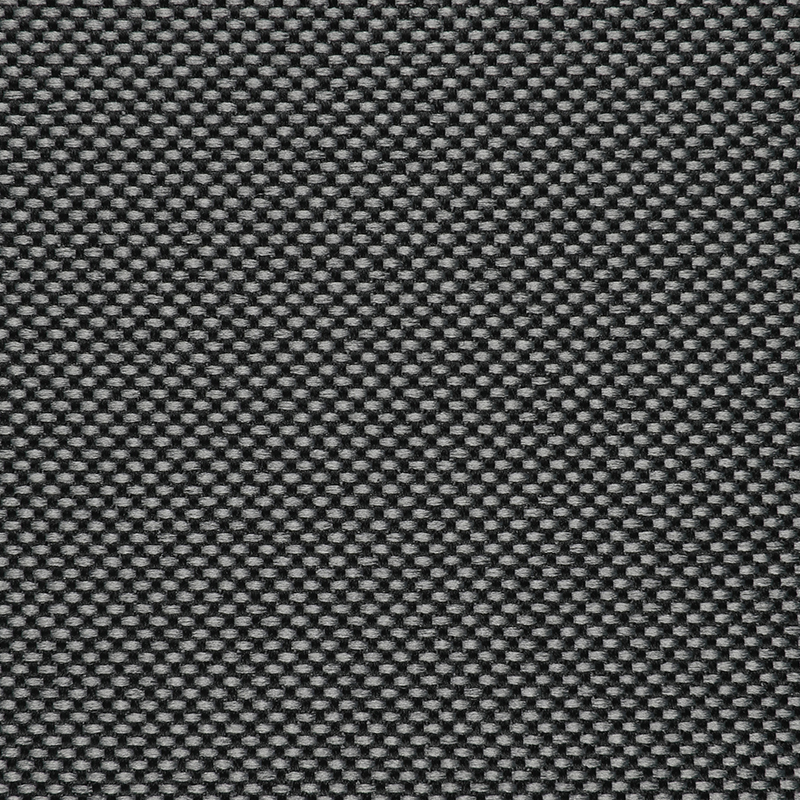
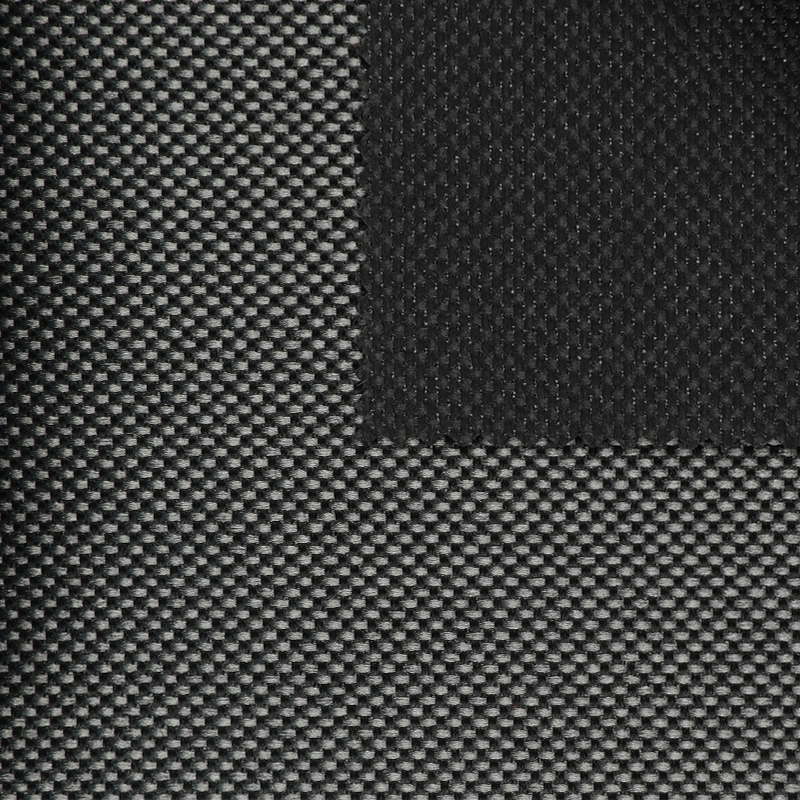
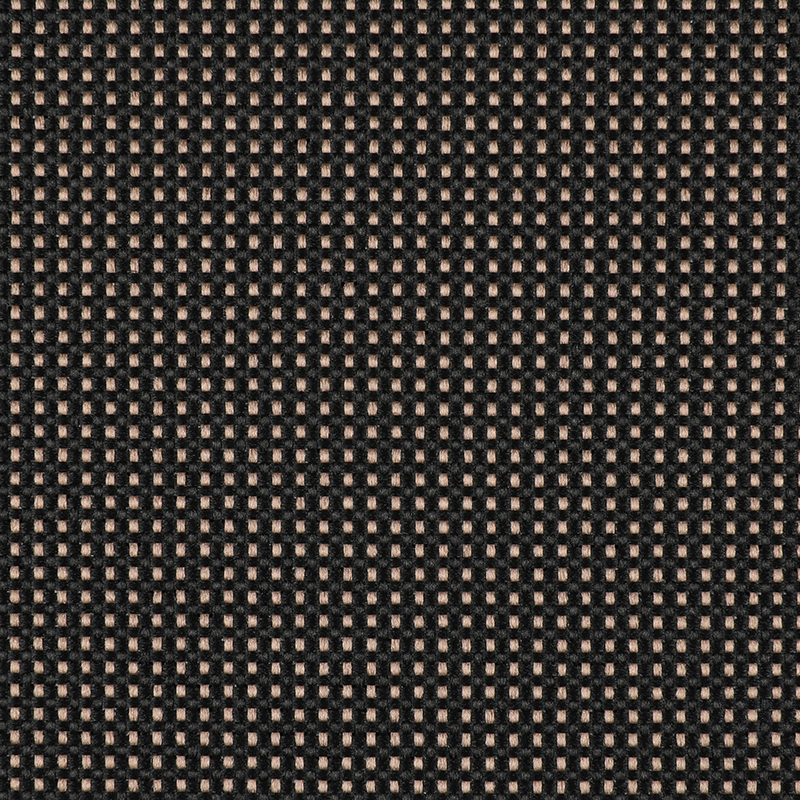
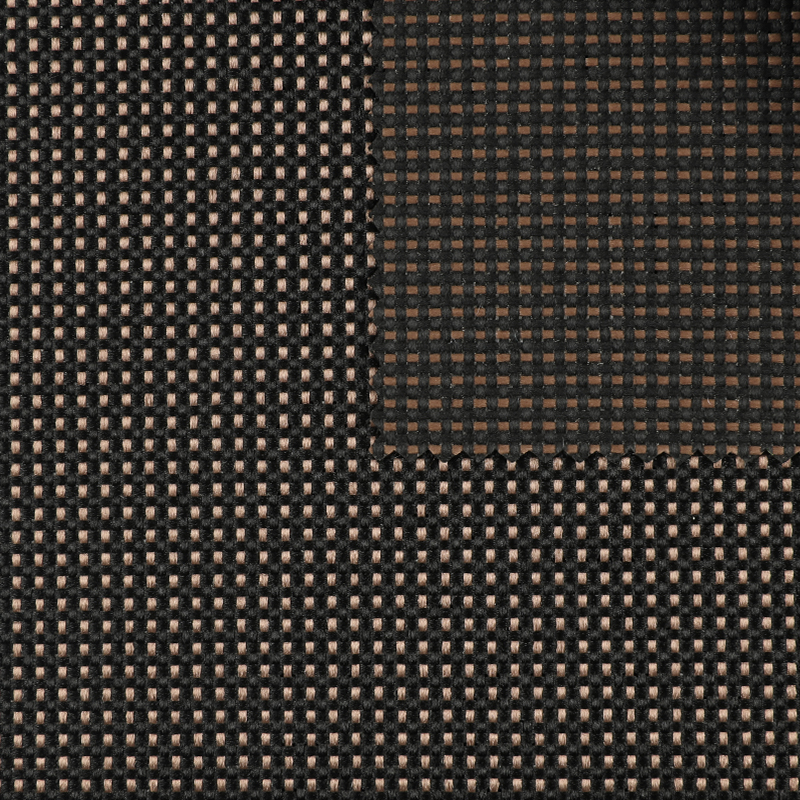
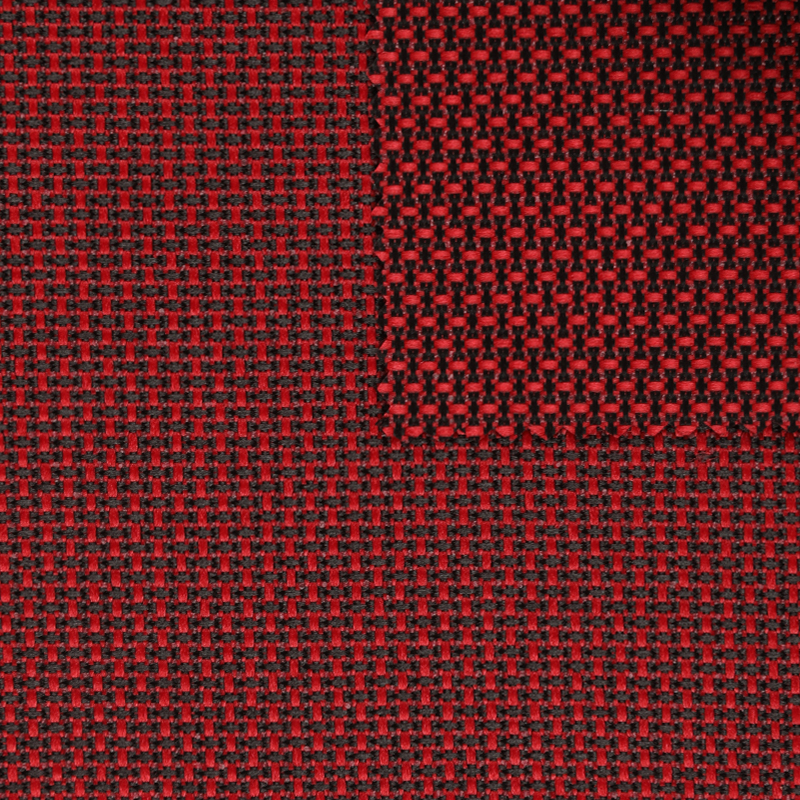
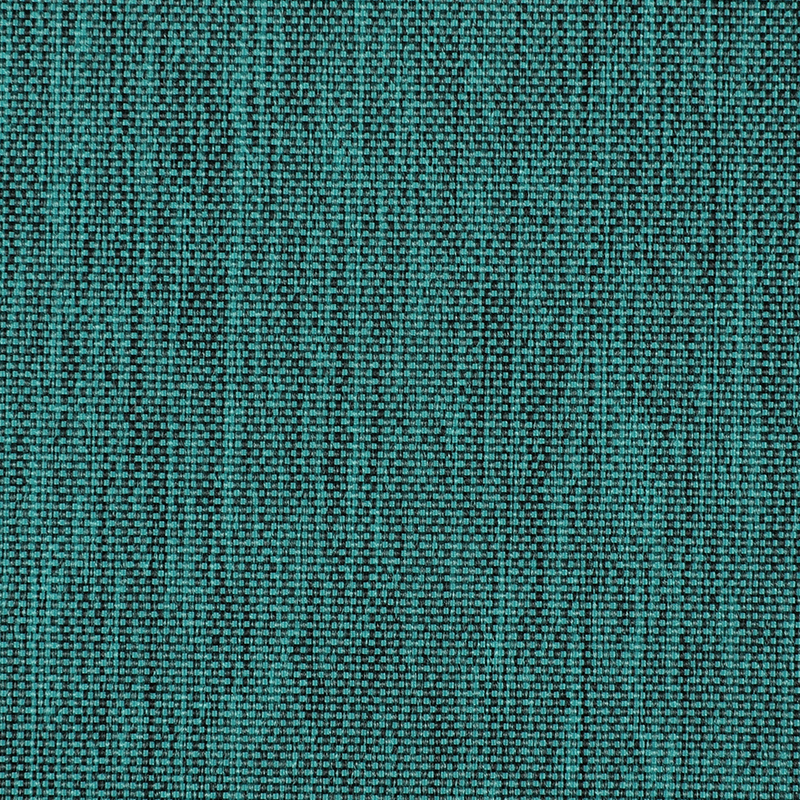
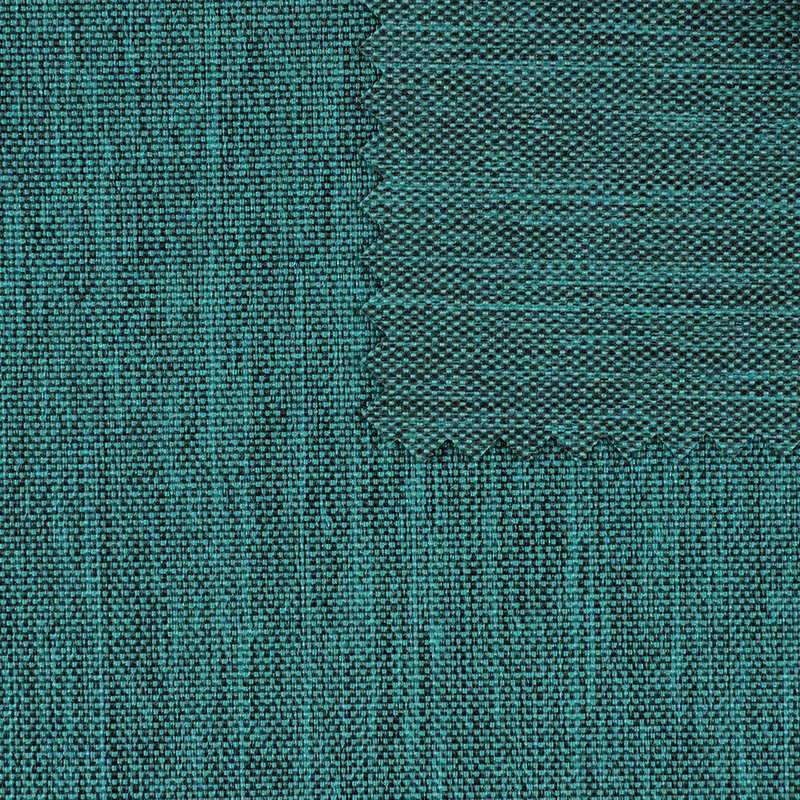
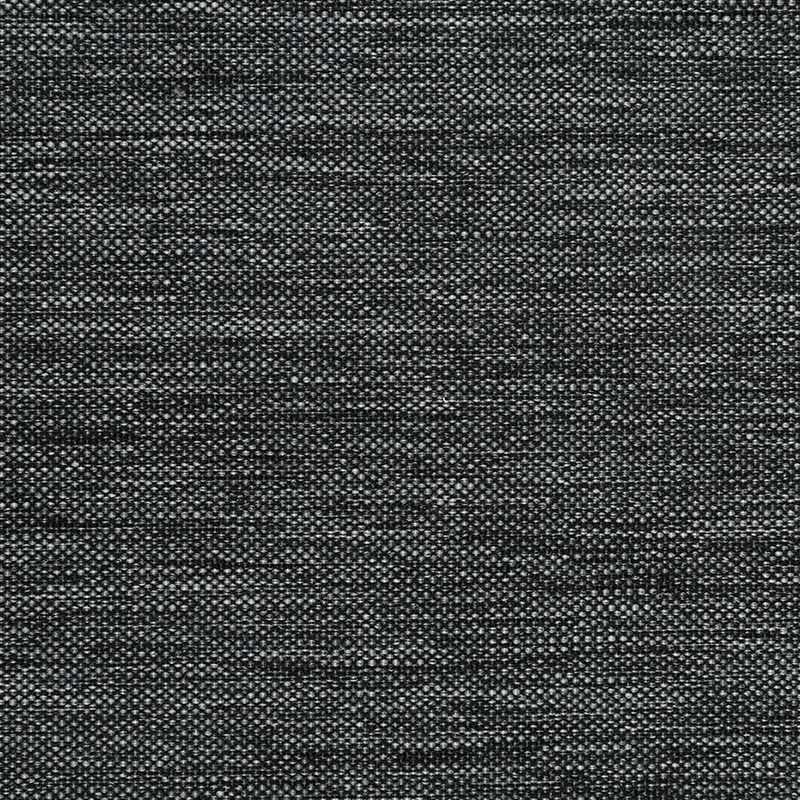
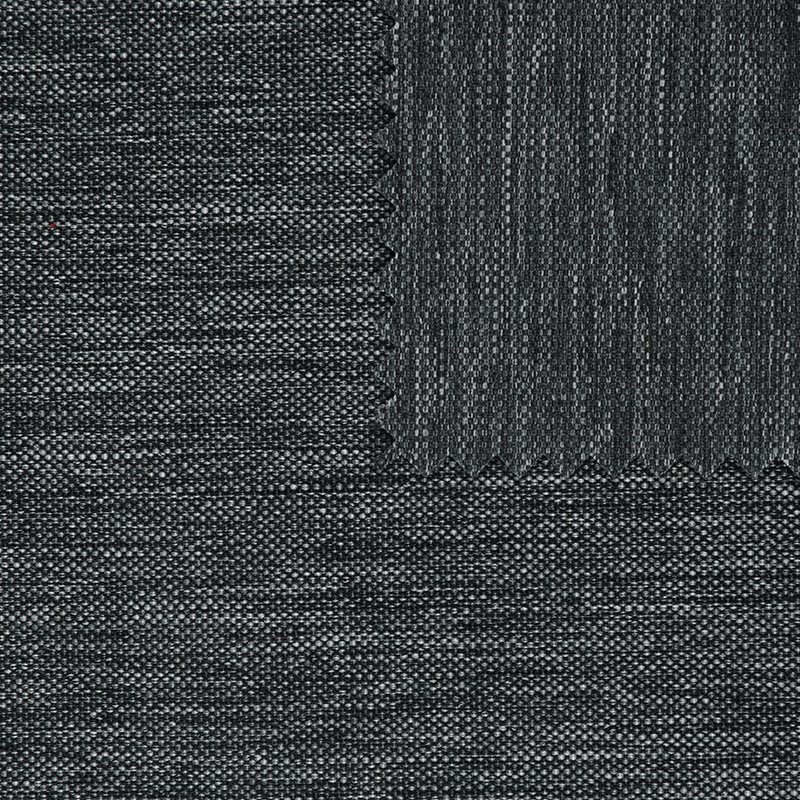
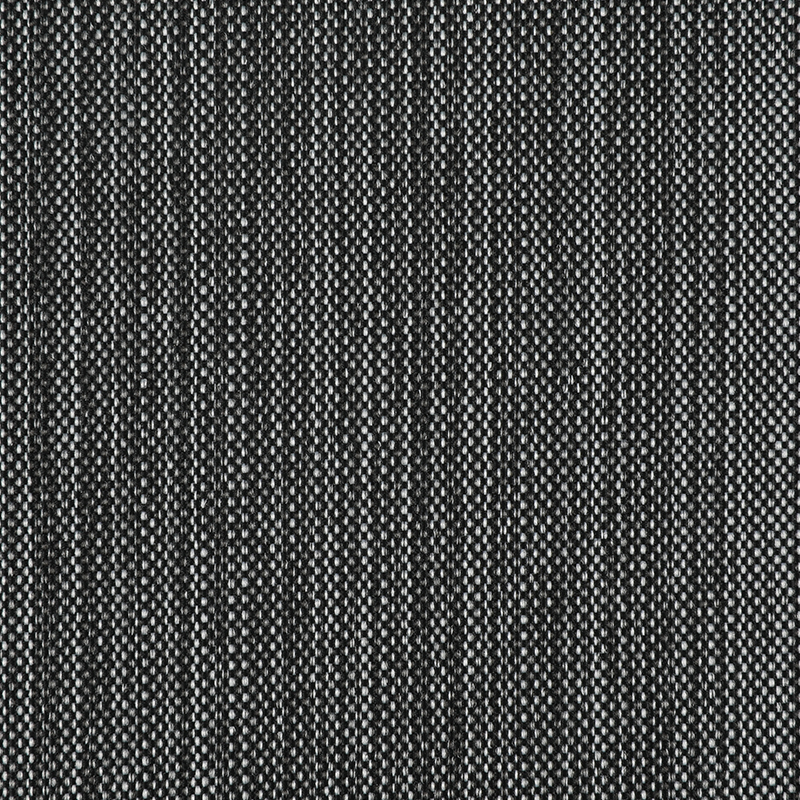
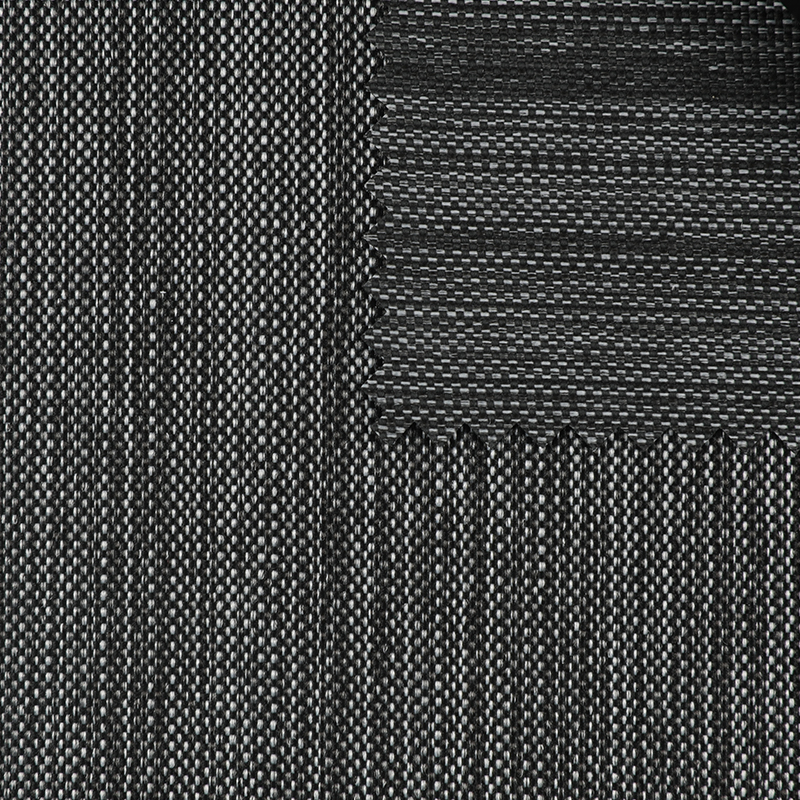
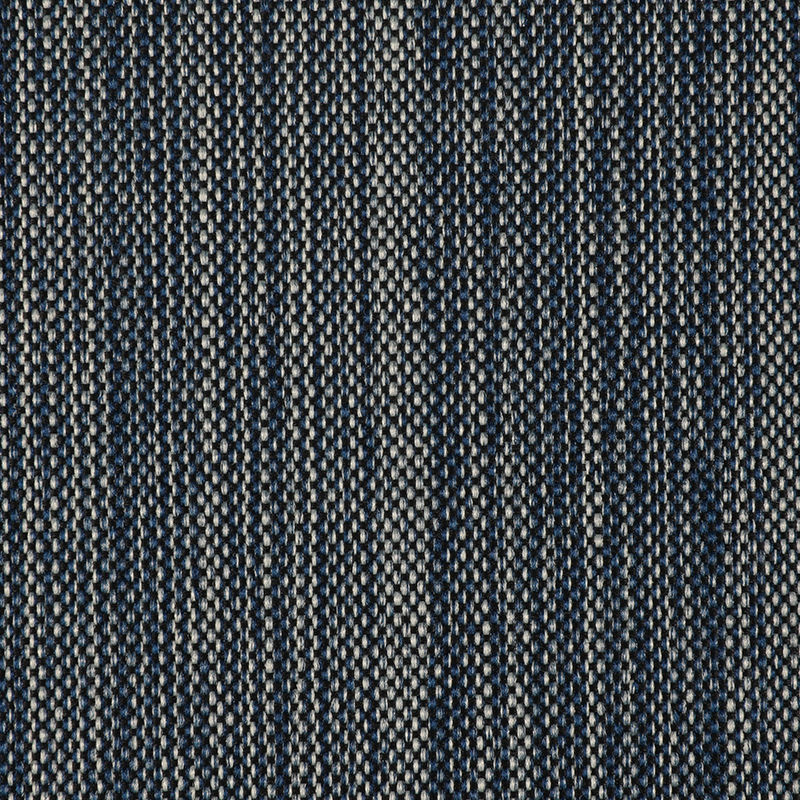
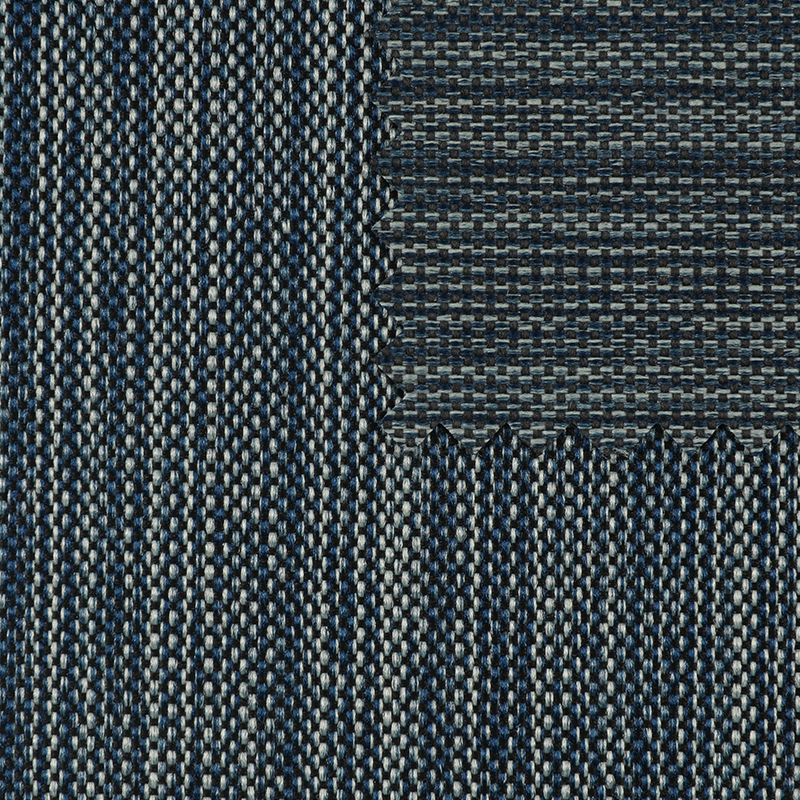
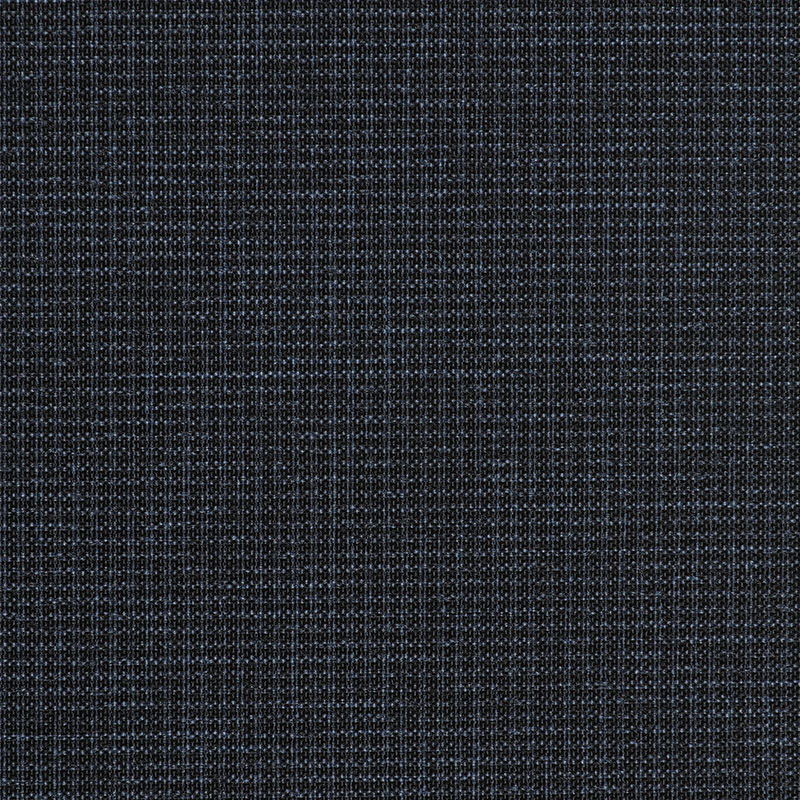
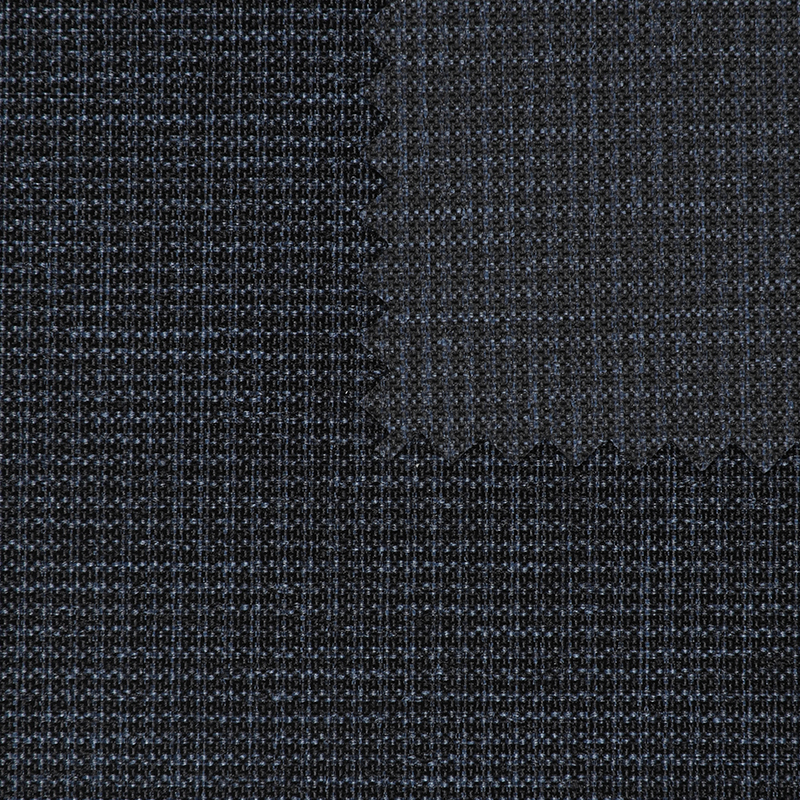
The iridescent signature of a Two-Tone Oxford Fabric is not accidental—it is engineered through the deliberate pairing of warp and weft hues. The perceived shift depends on the chromatic distance between the two yarns. High-contrast combinations, such as deep navy with burnt orange, produce a bold, almost metallic flicker that works exceptionally well for statement bags and decorative cushions. Lower-contrast pairings, like charcoal and silver grey, generate a subtle, sophisticated shimmer ideal for casual blazers or tailored home textiles.
Buyers can use a simple hue-angle guide to refine their selections:
- 30°–60° separation (analogous tones): minimal iridescence, elegant depth – suited for understated apparel.
- 90°–120° separation: pronounced shift, modern flair – optimal for lifestyle bags and light outdoor gear.
- 150°–180° separation (near complements): maximum dynamic contrast – best for decorative accents where visual impact is paramount.
At Hangzhou Xiaoshan Wenfa Textile Co., Ltd., we help clients navigate these choices by evaluating light reflectance values (LRV) of each yarn, ensuring the finished Two-Tone Oxford Fabric delivers the intended color travel under both showroom and street lighting.
Coating Choices That Protect the Iridescence of Two-Tone Oxford Fabric
Applying a functional finish to a Two-Tone Oxford Fabric demands a careful balance. Standard opaque or heavily pigmented coatings can mute the dual-color interplay, effectively hiding the iridescent effect the weave was designed to create. Transparent or optically clear coatings, by contrast, preserve the fabric’s chromatic depth while adding water repellency or stain resistance.
Evaluating Coating Types and Iridescence Retention
Effect of coating formulation on visual dynamics and haptics in Two-Tone Oxford Fabric.
| Coating System |
Haze Level |
Iridescence Retention |
Hand Feel Change |
| High-clarity acrylic |
<3% |
Excellent (95%+) |
Slightly firmer |
| Semi-transparent PU |
5–8% |
Good (75–85%) |
Noticeable structure |
| Pigmented polyurethane |
>15% |
Poor (below 40%) |
Significantly altered |
Hangzhou Xiaoshan Wenfa Textile Co., Ltd. has refined a calibrated acrylic system that keeps haze under 3%, so the Two-Tone Oxford Fabric maintains its characteristic light play even after passing a 1000 mm hydrostatic head test. When specifying a coated grade, requesting a hand-loom proof with the final coating is the most reliable way to confirm that the dynamic visual signature stays intact.
Yarn Engineering: Building Dimensional Depth in Two-Tone Oxford Fabric
The iridescent drift of a Two-Tone Oxford Fabric is as much a function of yarn geometry as it is of color selection. Twist level (turns per meter, TPM) and fiber blend directly control how light scatters across the fabric surface. High-twist yarns create numerous micro-reflectors, intensifying the glitter-like shift, while low-twist constructions yield a softer, more diffused glow.
Key relationships that influence the final fabric appearance include:
- Twist density: 800–1200 TPM produces a crisp, pronounced two-tone sparkle favored in fashion bags; 500–700 TPM offers a muted, elegant luster for drapery and cushions.
- Fiber composition: Polyester-cotton blends absorb light differently between the two components, sometimes reducing the iridescent contrast. A full polyester warp and weft pair generally delivers the sharpest color travel because of uniform reflectivity.
- Ply structure: Two-ply yarns add heft and visual texture, enhancing the three-dimensional depth that single-ply constructions cannot achieve.
For OEM/ODM Two-Tone Oxford Fabric projects, Hangzhou Xiaoshan Wenfa Textile Co., Ltd. adjusts twist parameters from 600 to 1200 TPM to match the exact aesthetic brief, whether the goal is a subtle shantung-like cross-dye effect or a high-energy iridescent statement.
Durability Testing for Two-Tone Oxford Fabric in Real-World Use
A unique challenge with Two-Tone Oxford Fabric is differential fading. Because the two yarn colors react to light and abrasion at slightly different rates, an imbalance in colorfastness can turn a designed two-tone effect into an unintended, patchy appearance. Therefore, standard single-shade fastness tests are insufficient; paired performance evaluation is essential.
Critical Test Protocols and Tolerances
- ISO 105-B02 (Xenon arc): Both hues should achieve at least grade 4 on the blue wool scale. A gap of more than 1.0 grade between the warp and weft colors often leads to visibly uneven degradation.
- Martindale abrasion (ISO 12947-2): After 20,000 rubs, the color contrast ratio should not shift by more than 5% from the original value to preserve the intended iridescence.
- Multi-fiber adjacent staining: Because two-tone fabrics often touch lighter linings or trims, cross-staining must be evaluated for both hue components simultaneously.
Hangzhou Xiaoshan Wenfa Textile Co., Ltd. conducts paired xenon and Martindale testing on every bulk lot of Two-Tone Oxford Fabric, archiving the initial spectral data to confirm that after months of use, the dynamic depth the buyer selected remains the one the end customer experiences.
Specifying these paired fastness requirements during sourcing effectively safeguards products—luggage, outdoor seating, or children’s gear—from the risk of losing their dual-tone character long before the fabric’s structural integrity shows any sign of wear.

 English
 русский
 Français
 Español
 中文简体
中文简体