Abrasion Resistance in 600D High-Density Polyester Fabric: Interpreting Test Data for Harsh Environments
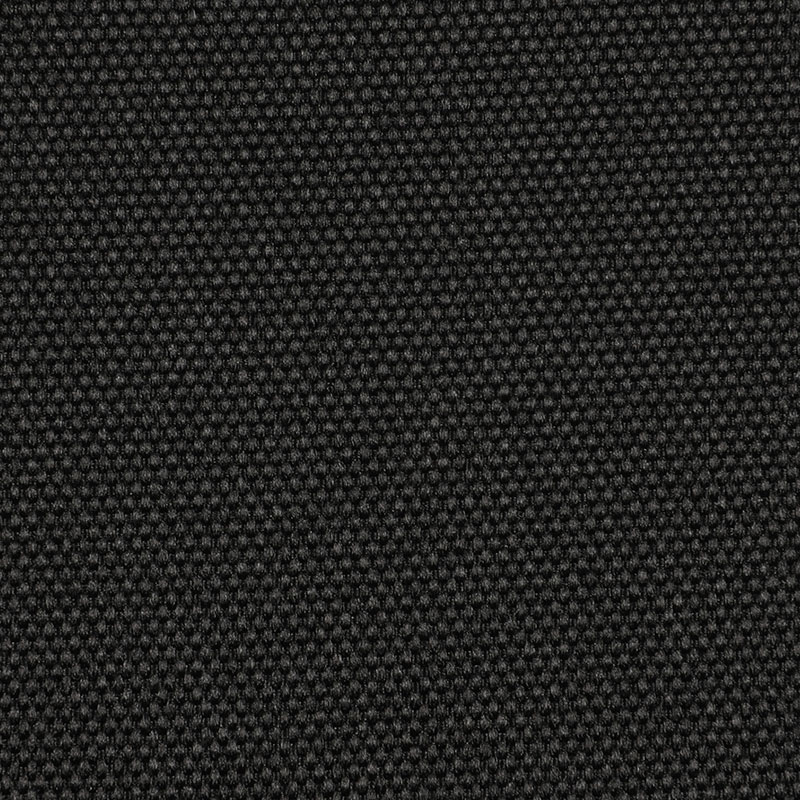
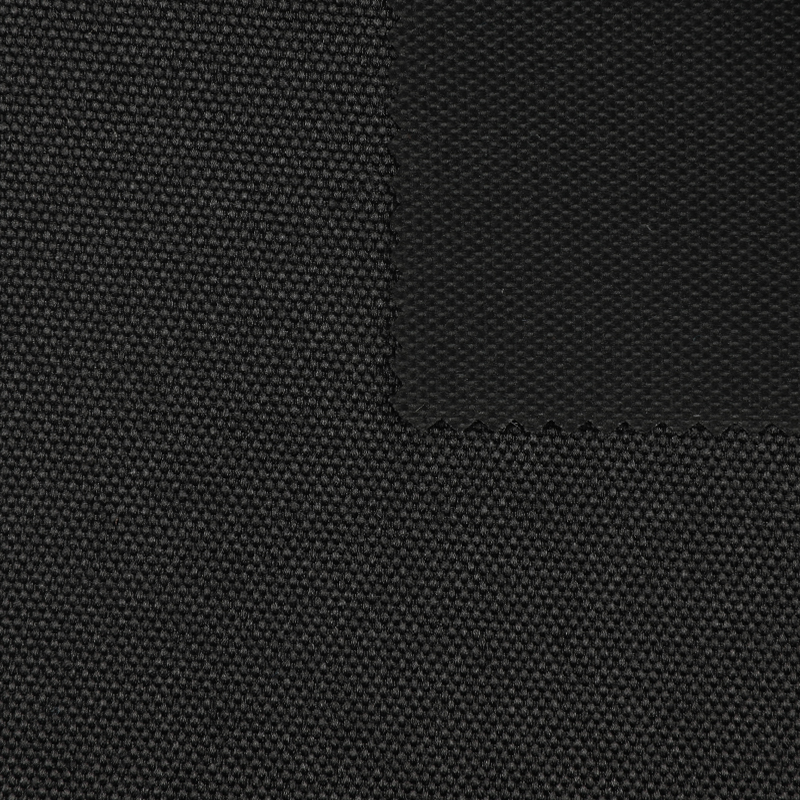
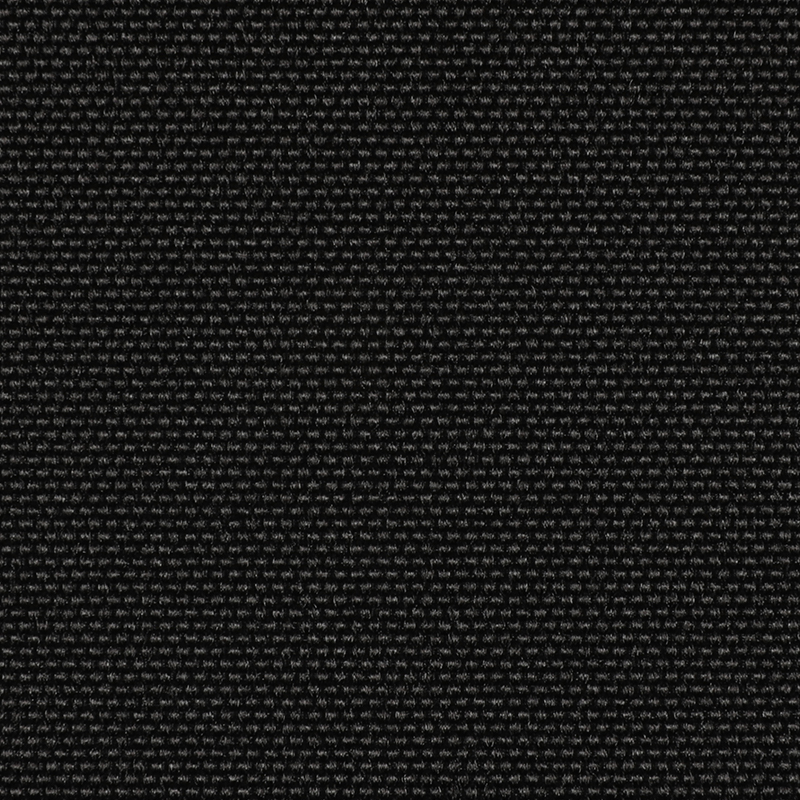
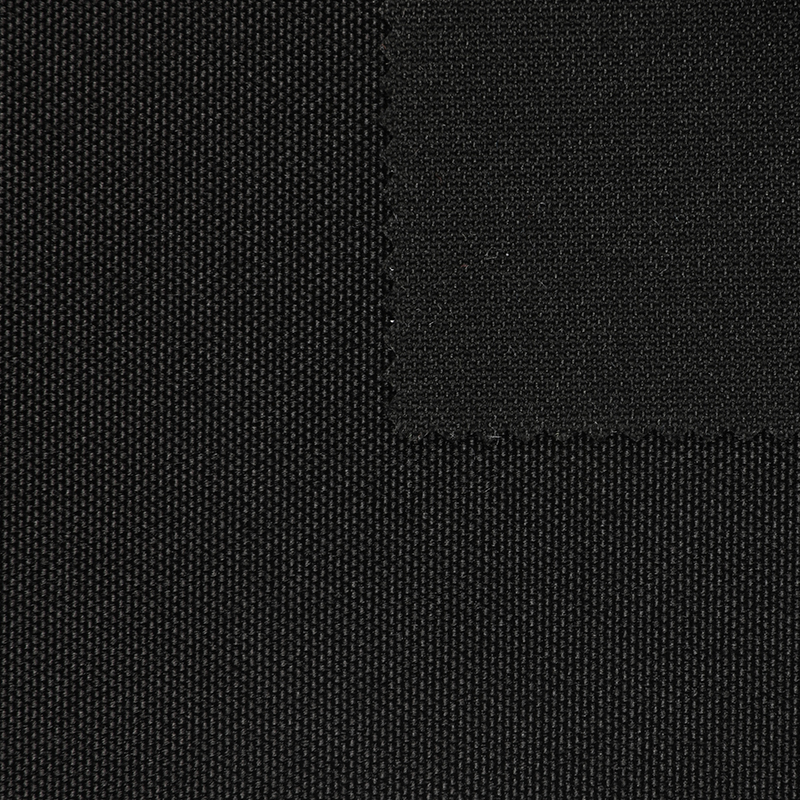
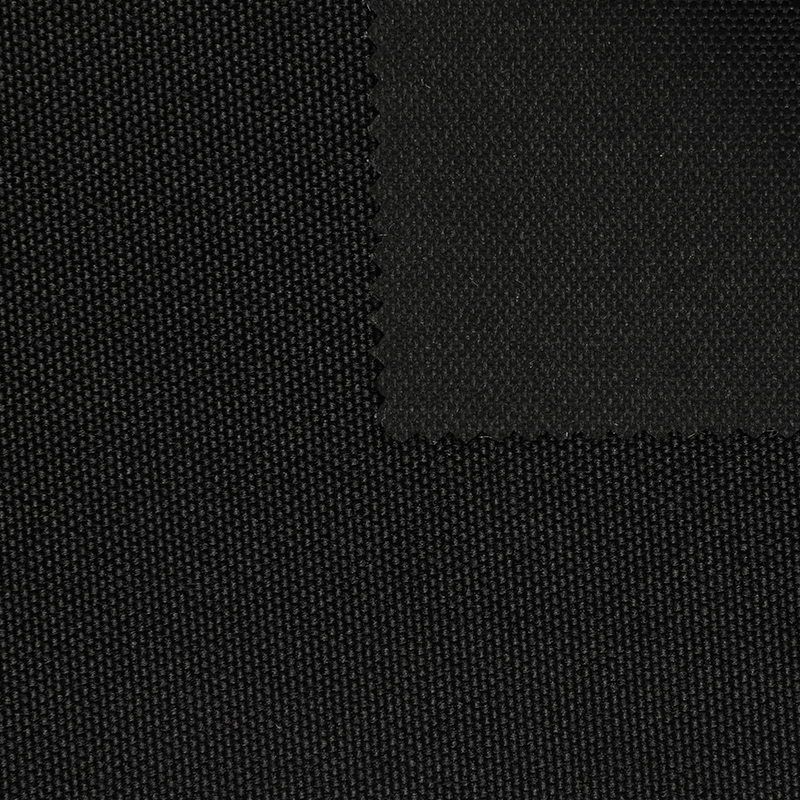
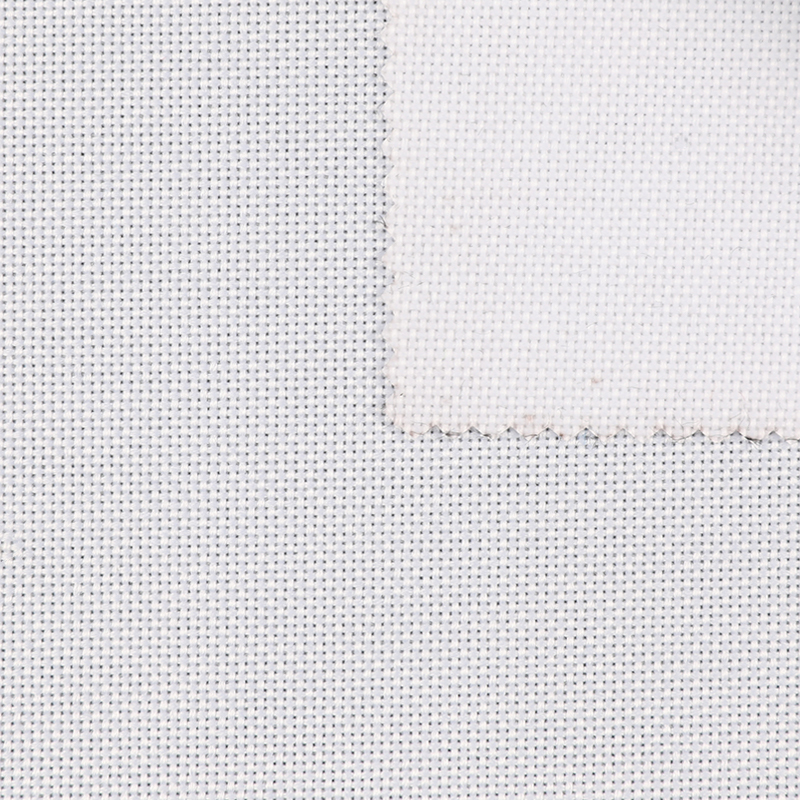
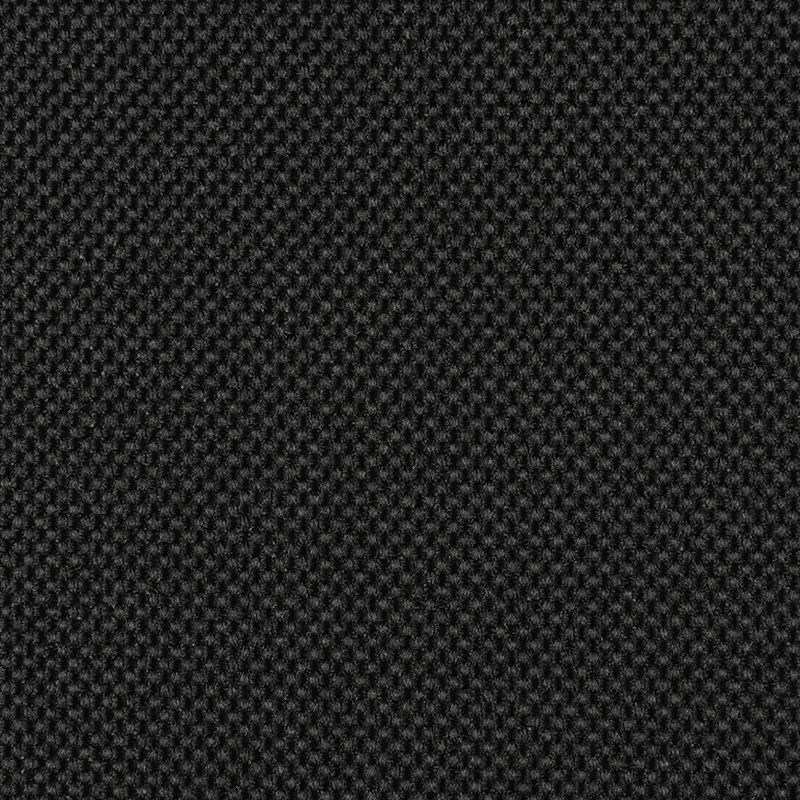
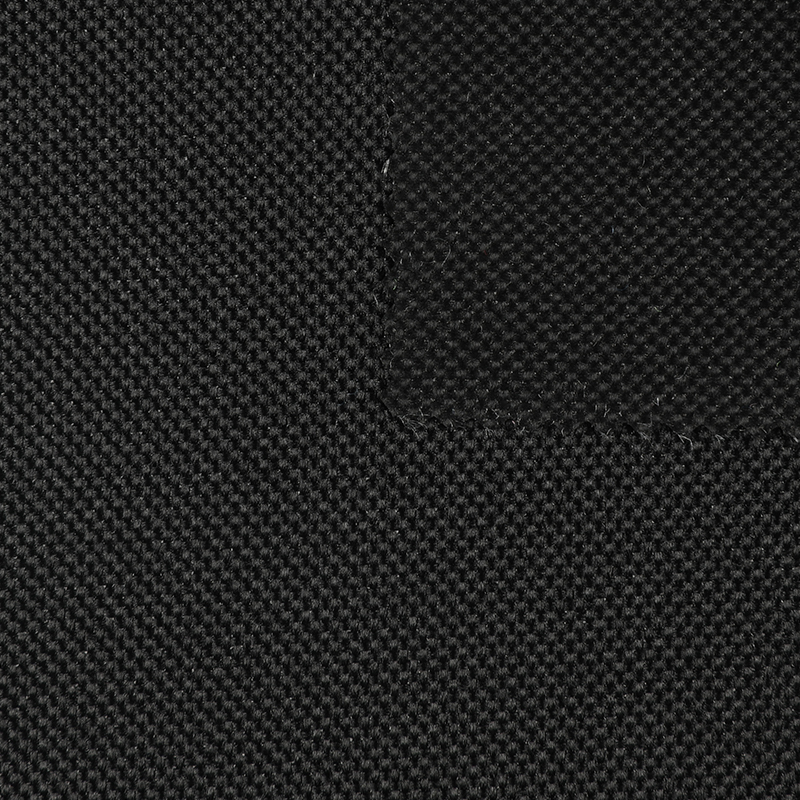
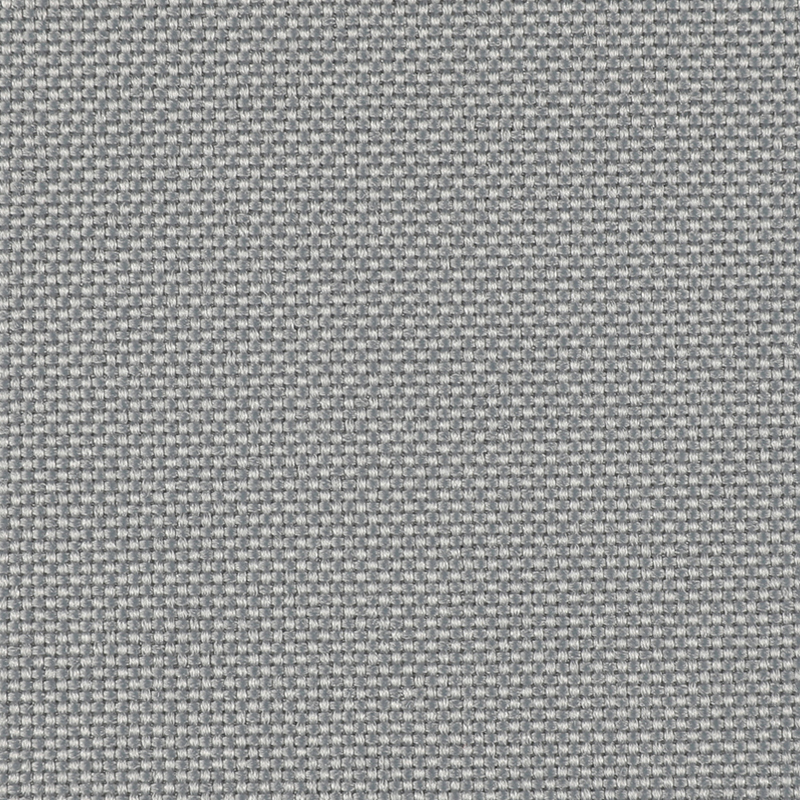
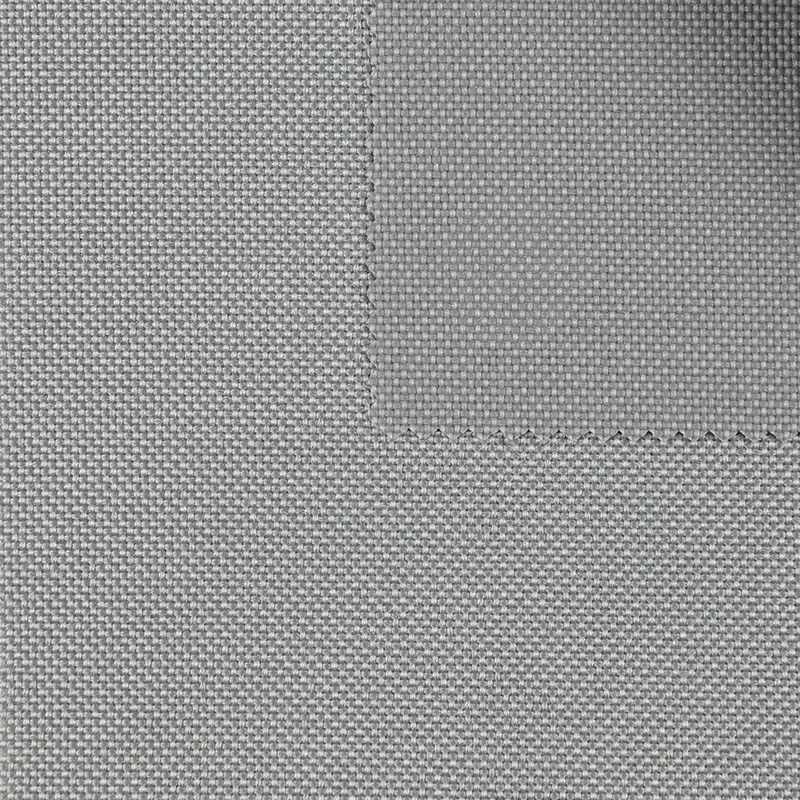
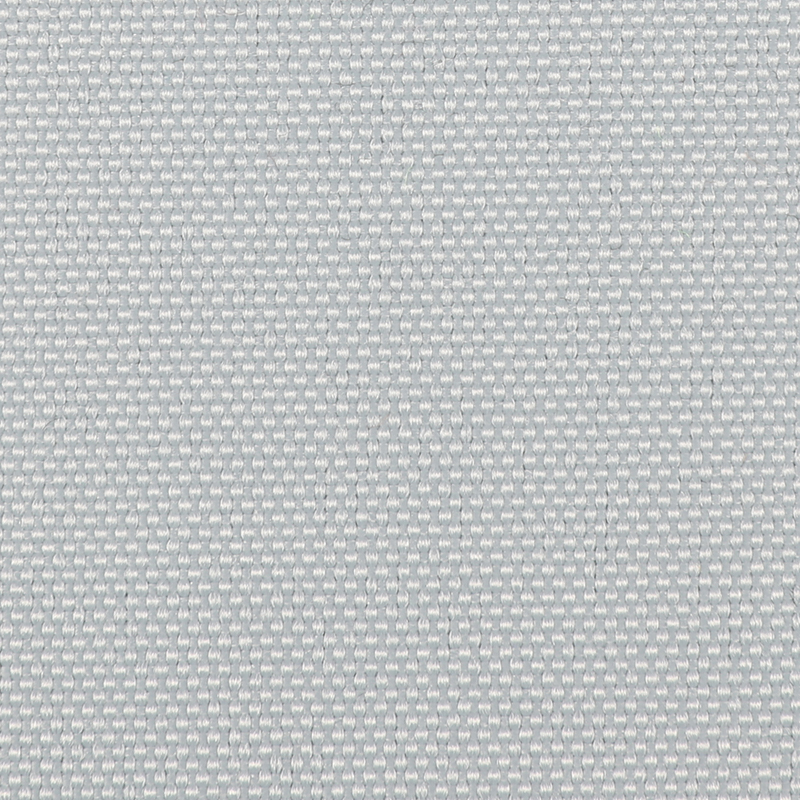
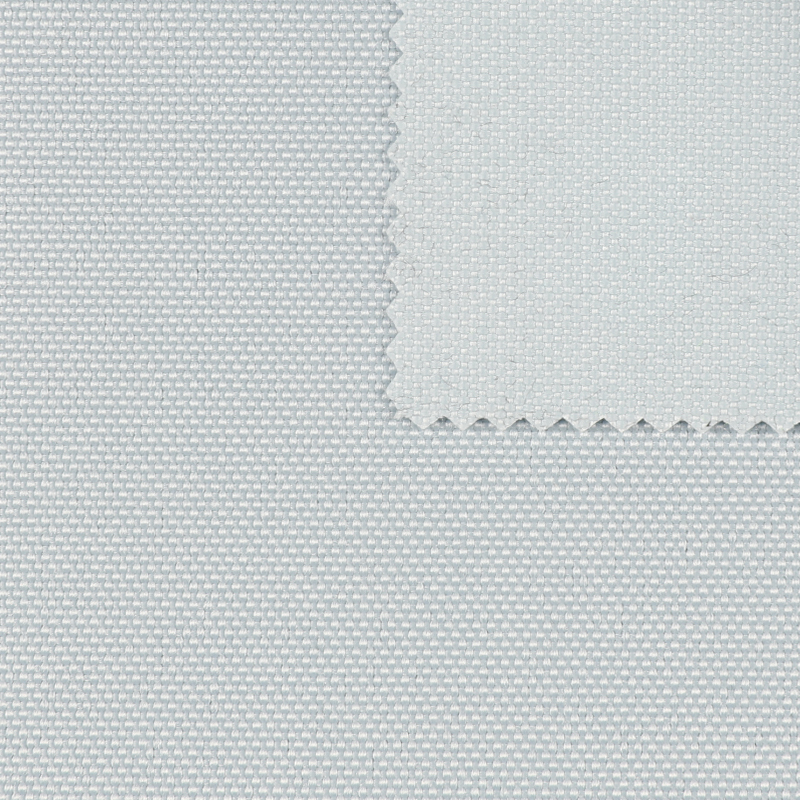
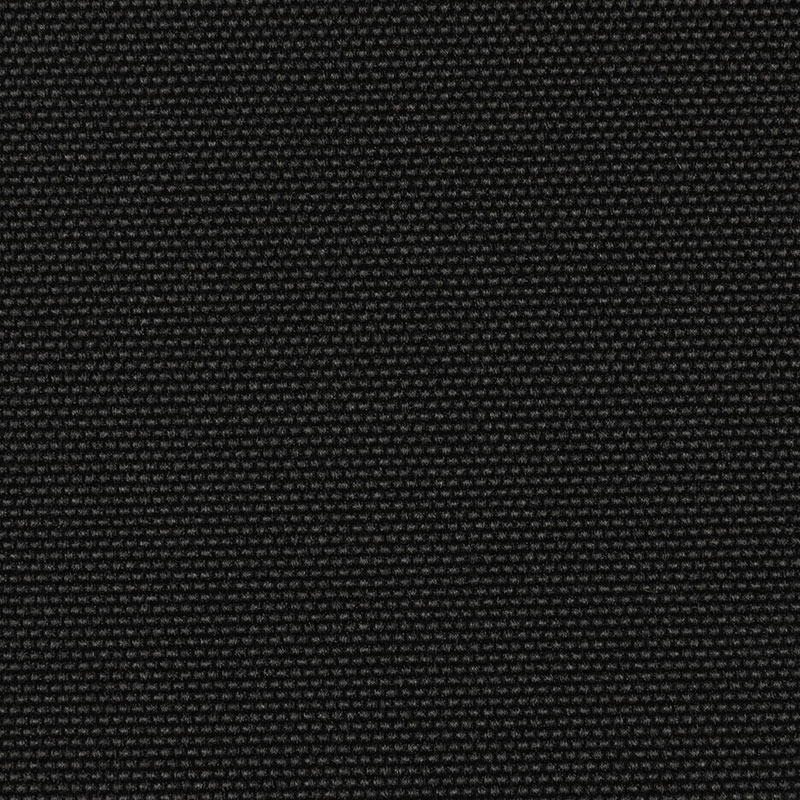
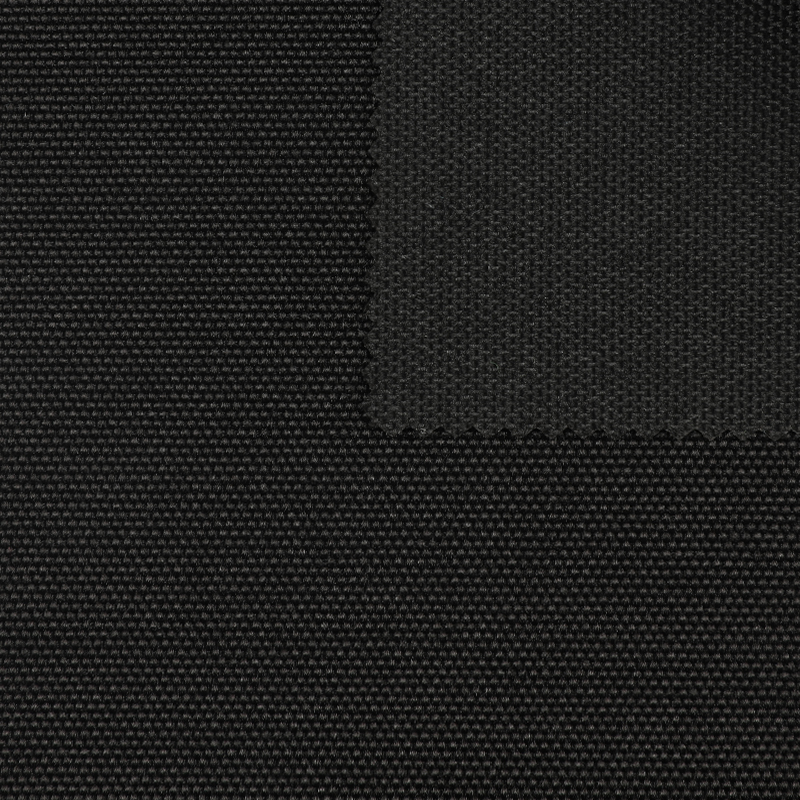
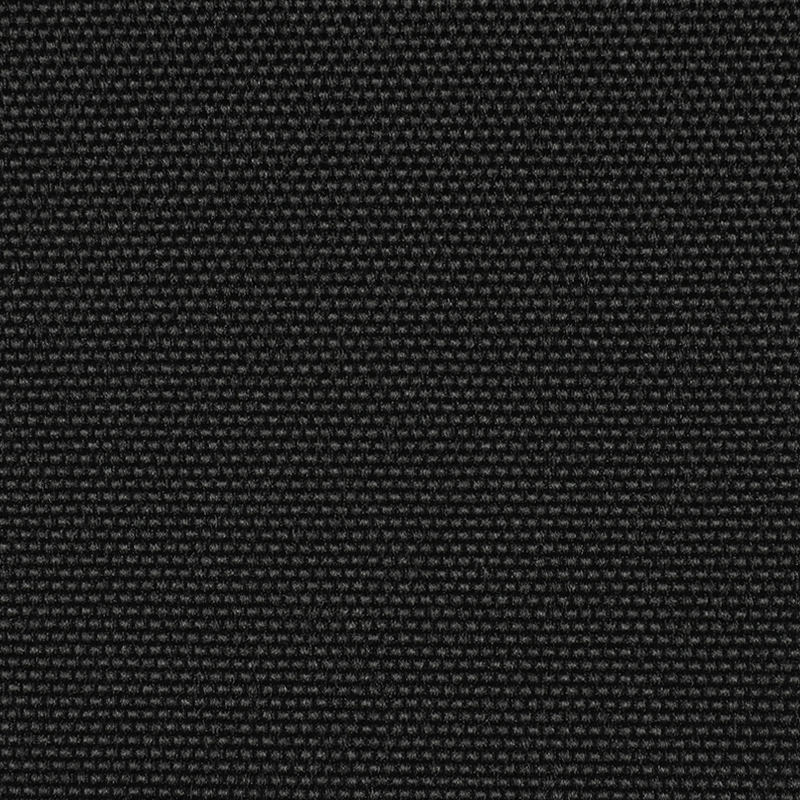
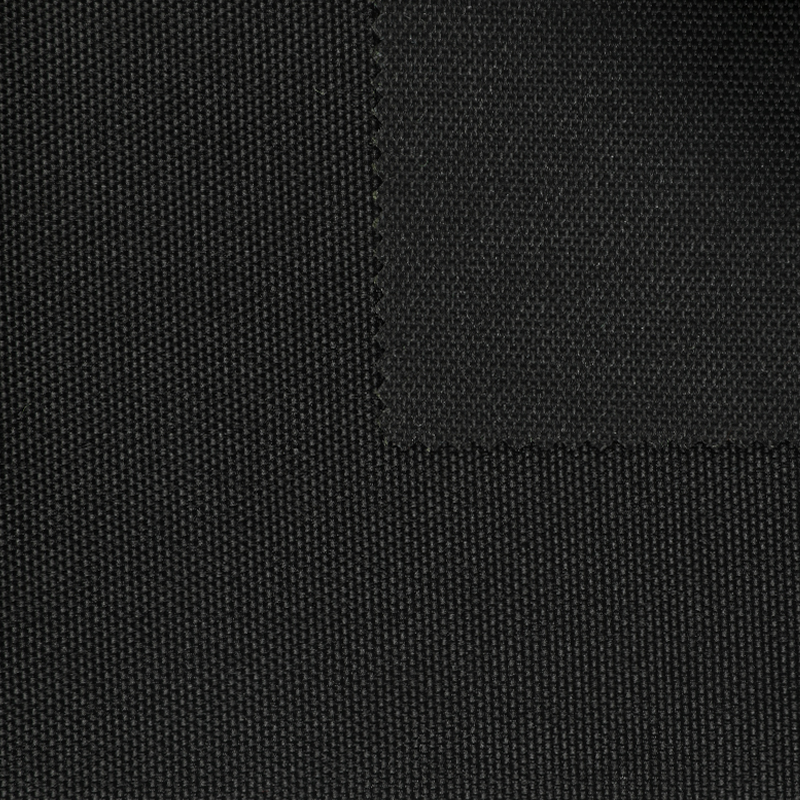
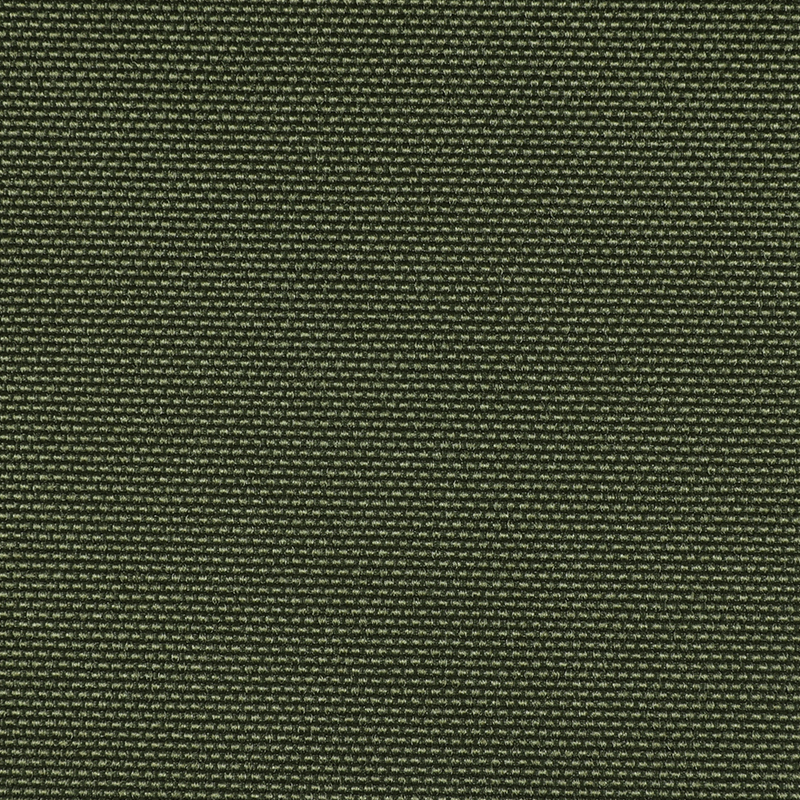
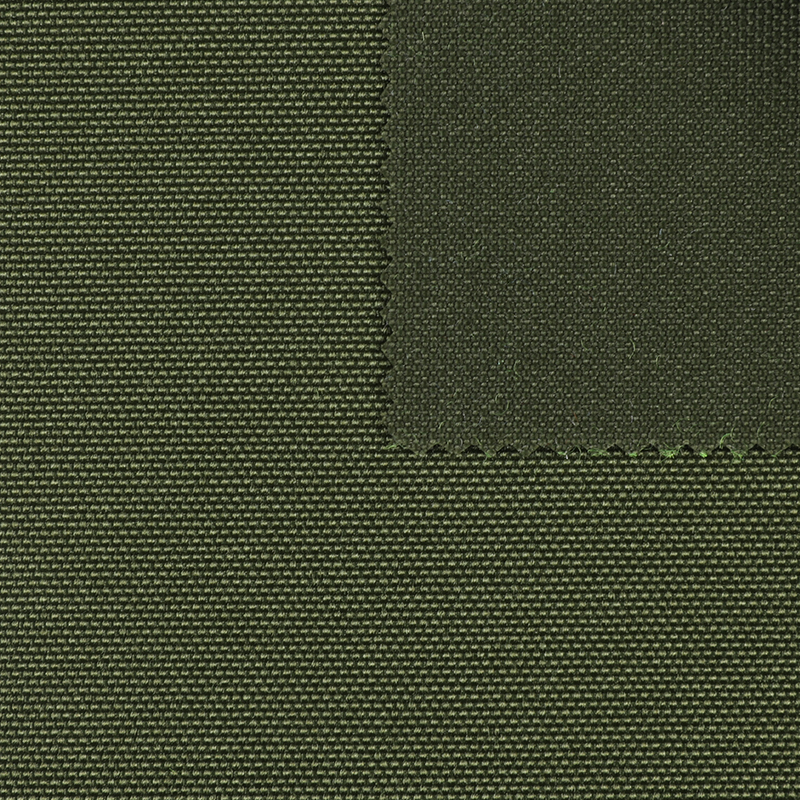
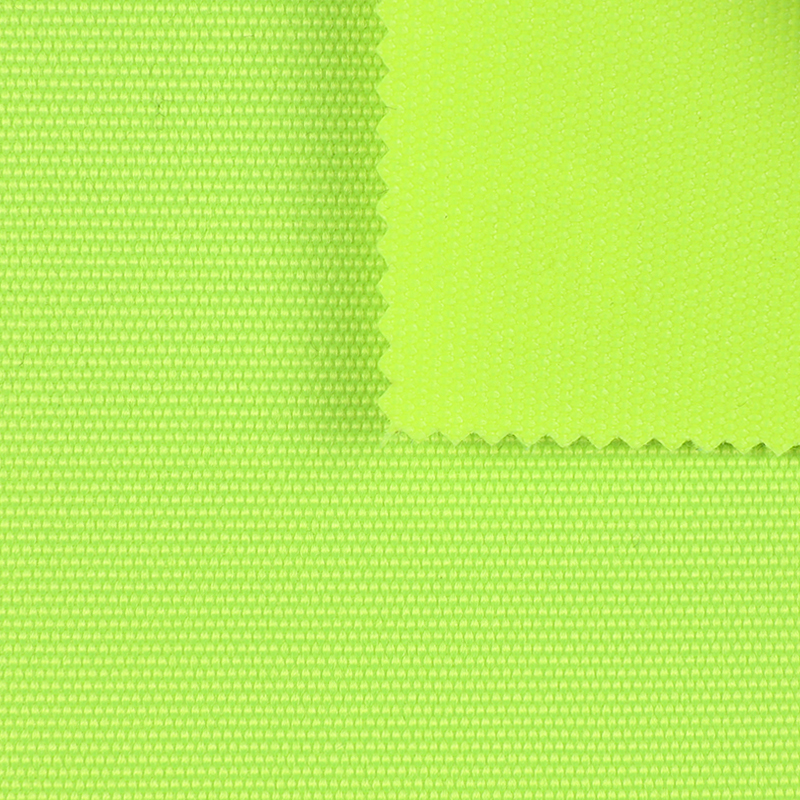
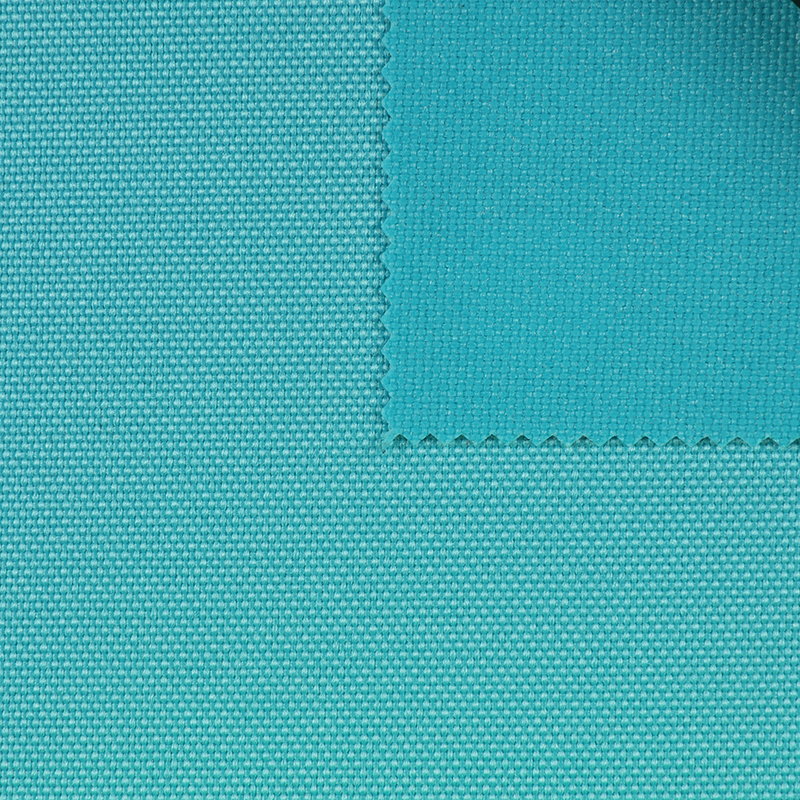
Laboratory abrasion metrics like the Martindale test (ASTM D4966) offer a controlled baseline, but translating those numbers to real-world backpack and protective gear performance requires a deeper look. 600D High-Density Polyester Fabric typically exceeds 50,000 Martindale cycles before showing significant surface alteration, outperforming lighter denier textiles. However, pure surface abrasion is rarely the sole cause of field failure.
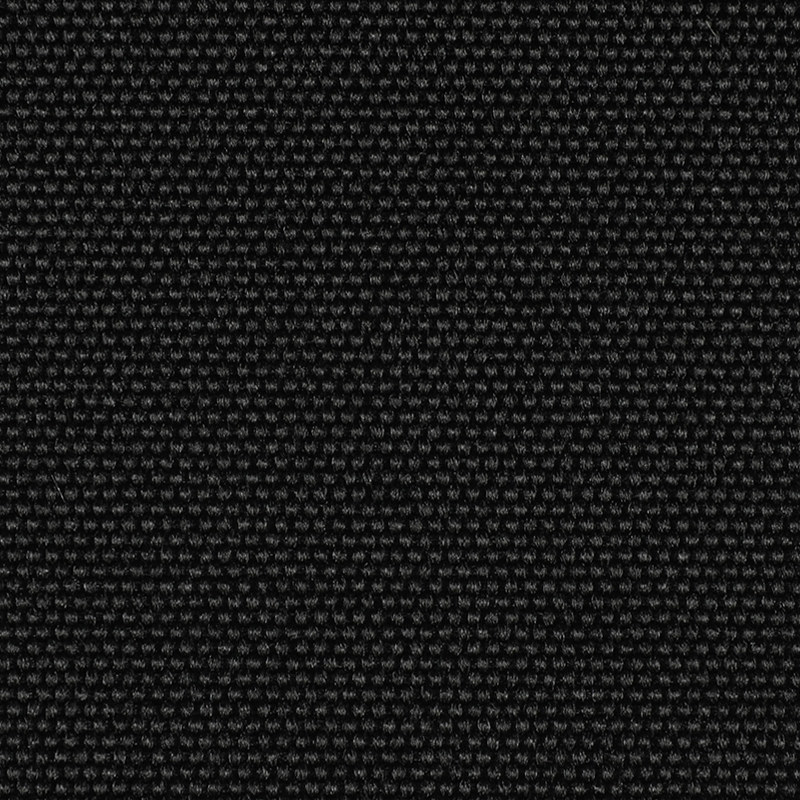
Actual wear in hiking, construction, or industrial settings involves cyclic tension, grit infiltration, and sharp-edge contact that lab wheels cannot fully replicate. To close this gap, we at Hangzhou Xiaoshan Wenfa Textile Co., Ltd. complement standardized testing with in-house simulated field trials. Our 600D High-Density Polyester Fabric is constructed with a high-tensile warp and weft layout that achieves tear resistance values exceeding 120 N in both directions, ensuring that the material holds together even after surface scuffs begin to appear.
- Surface fibrillation — minimized by the densely packed high-denier weave
- Seam slippage under load — countered by balanced yarn twist and quality selvage
- Pinhole tears from sharp protrusions — mitigated through uniform filament distribution across our 200-loom line
When specifying materials for protective gear, we always advise buyers to demand both abrasion grade and tear propagation data. A fabric that excels only in a polishing test may disappoint when a knee pad scrapes against rock aggregate. Our integrated supply chain allows us to tailor the weave density and finishing precisely to the expected hazard spectrum, delivering 600D High-Density Polyester Fabric that balances surface endurance with structural integrity.
DTY Processing: The Structural Backbone of 600D Polyester Fabric
Draw Textured Yarn (DTY) technology is often associated with added softness, but its contribution to 600D Polyester Fabric goes far beyond hand feel. By introducing controlled crimp and bulk into the continuous filament, DTY processing increases inter-fiber friction, effectively locking yarns in place and reducing slippage. This directly elevates the fabric’s resistance to seam grinning and progressive tear propagation under dynamic loads.
Performance Comparison: DTY vs. Non-Textured 600D Polyester
How DTY processing alters key durability and usability metrics
| Property |
DTY 600D Polyester Fabric |
Standard 600D Polyester Fabric |
| Seam Slippage Resistance |
High – yarns interlock tightly |
Moderate – prone to opening under stress |
| Tear Strength |
Enhanced – stress distributes across textured bundles |
Baseline – propagation risk higher |
| Dimensional Stability |
Excellent – low growth after cyclic loading |
Good, but may distort in heavy use |
At our facility, DTY 600D Polyester Fabric is produced on 200 precision water-jet looms, with strict tension control to preserve textural integrity. The outcome is a material that not only withstands abrasive encounters but also maintains its stitch points and shape across thousands of stress cycles—a critical requirement for heavy-duty backpacks and industrial covers.
Coating Selection for 600D Polyester Fabric in Protective Applications
Raw 600D Polyester Fabric already delivers remarkable toughness, yet the addition of a functional coating transforms it into a weather-blocking or chemical-resistant barrier. The choice of coating should be driven by the specific hazard environment, not by a one-size-fits-all assumption.
Common coating chemistries and their trade-offs for outdoor and work gear
| Coating Type |
Water Resistance |
Abrasion Boost |
Flexibility |
Typical Use |
| PU (Polyurethane) |
High |
Moderate increase |
Very good |
Backpacks, rain covers, soft protective cases |
| PVC (Polyvinyl Chloride) |
Excellent |
Superior |
Low – stiffens in cold |
Tool bags, heavy equipment covers, knee pads |
| Silicone / DWR Spray |
Light to moderate |
Minimal gain |
Excellent |
Light hiking packs, products needing breathability |
Our OEM/ODM capabilities at Hangzhou Xiaoshan Wenfa Textile Co., Ltd. allow us to apply and laminate a wide range of coatings on 600D Polyester Fabric, including dual-layer PU systems that achieve a hydrostatic head of over 10,000 mm without compromising tear strength. For extreme outdoor and industrial protective gear, we frequently recommend a matte PU coat that adds water repellency while preserving the fabric’s natural flex—critical for equipment that must fold or roll frequently.
Smart Sourcing: How Certifications Add Value to Your 600D High-Density Polyester Fabric Purchase
In markets where performance textiles enter luggage, children’s products, or gear sold under strict regulatory frameworks, physical durability is only part of the equation. Certifications have become a silent passport for market access and brand integrity. When you buy 600D High-Density Polyester Fabric, verified compliance significantly reduces your downstream risk.
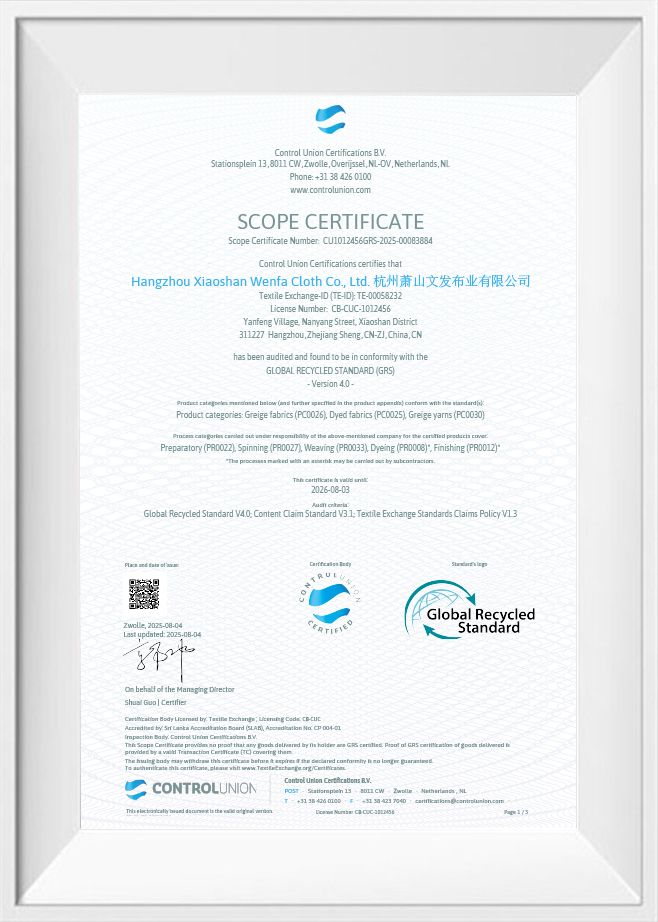
- GRS (Global Recycled Standard) – Certifies the percentage of recycled content and mandates ethical environmental and social practices. It supports circular economy narratives that resonate with eco-conscious buyers.
- OBP (Ocean Bound Plastic) Certification – Guarantees that the polyester raw material originates from plastic waste collected within 50 km of coastlines, directly preventing ocean pollution. This certification adds tangible environmental credibility.
- REACH Compliance – Confirms the absence of substances of very high concern (SVHC) listed by the EU. For children’s backpacks or skin-contact protective gear, this is non-negotiable.
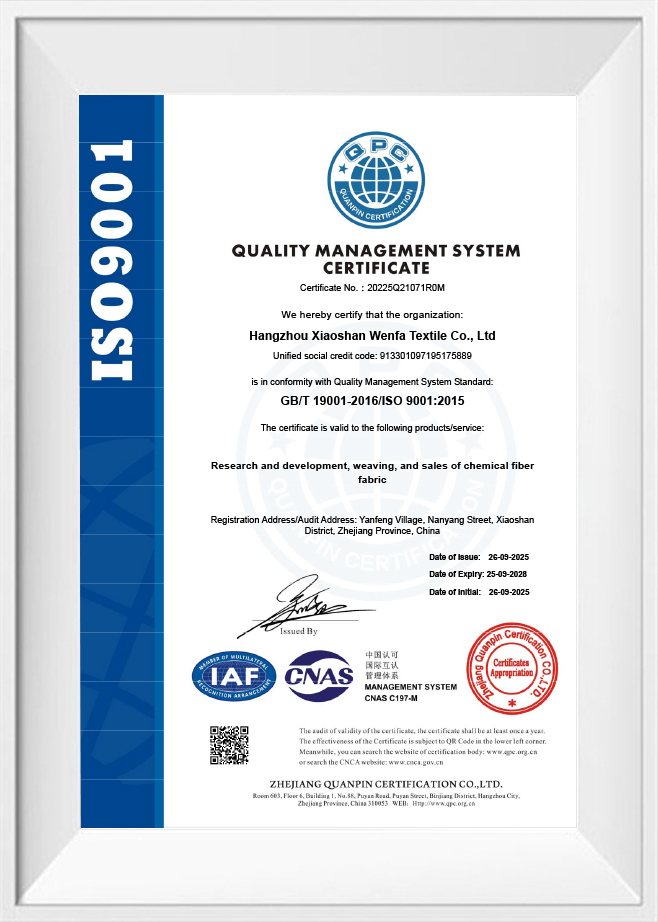
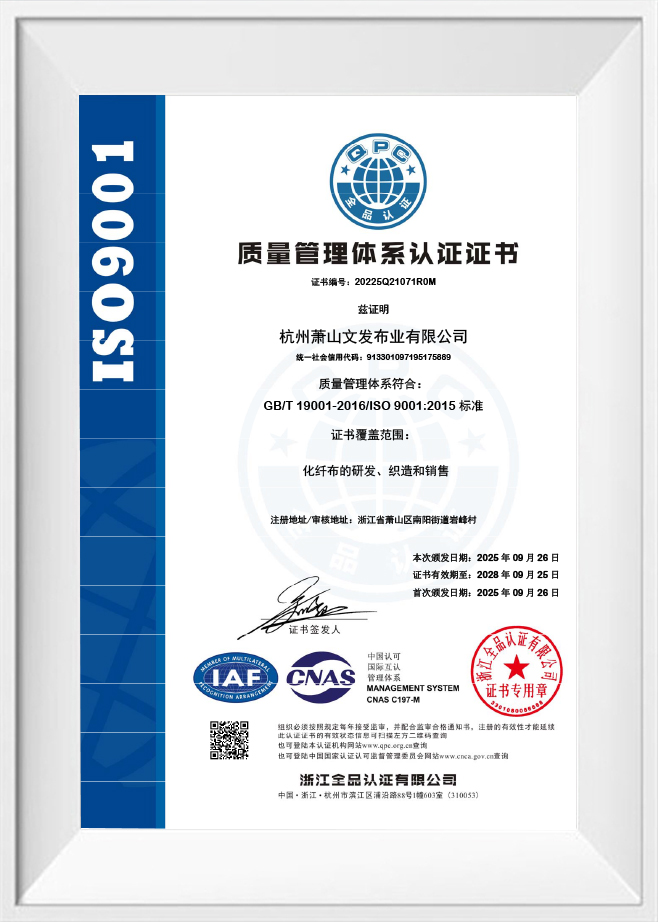
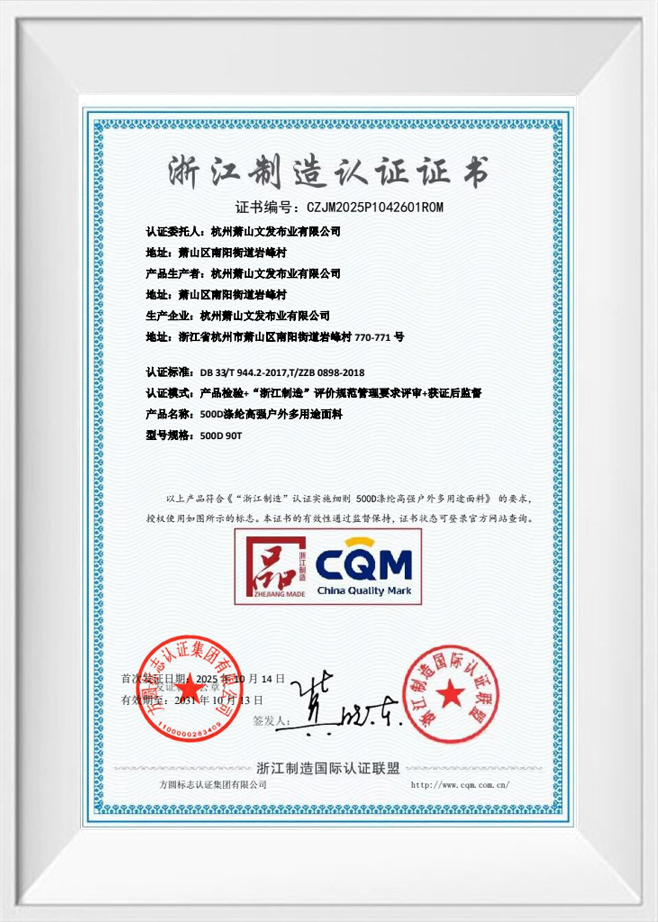
Hangzhou Xiaoshan Wenfa Textile Co., Ltd. holds all three certifications alongside ISO, GRS, and OBP credentials. Every shipment of our 600D High-Density Polyester Fabric is accompanied by full traceability documents and test reports, enabling your brand to confidently meet European and North American importer requirements. Beyond mere compliance, these certifications signal to your end customers that the product is built on a foundation of verified sustainability and safety.

 English
 русский
 Français
 Español
 中文简体
中文简体