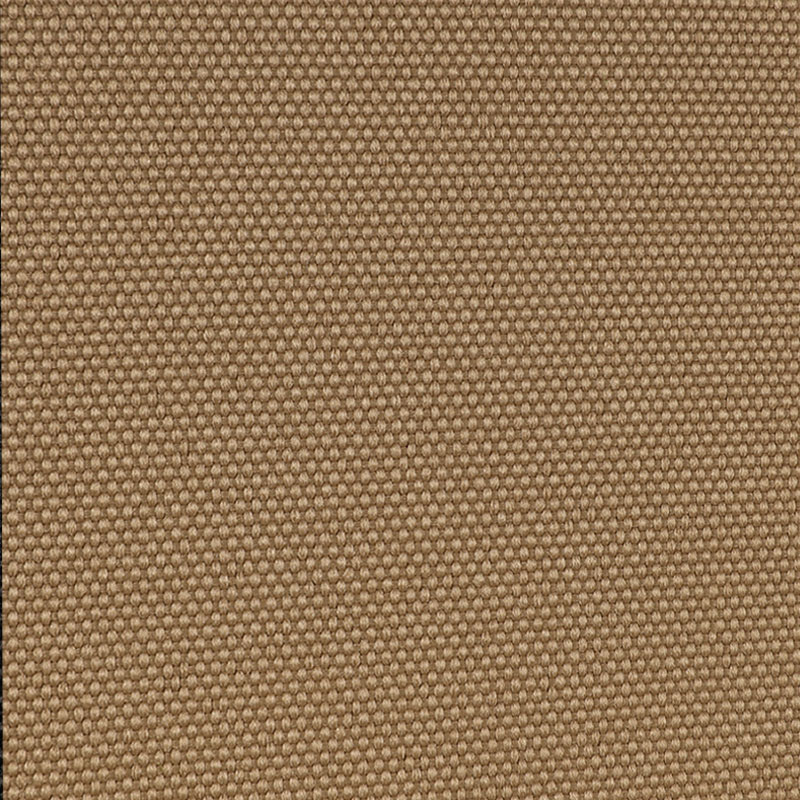
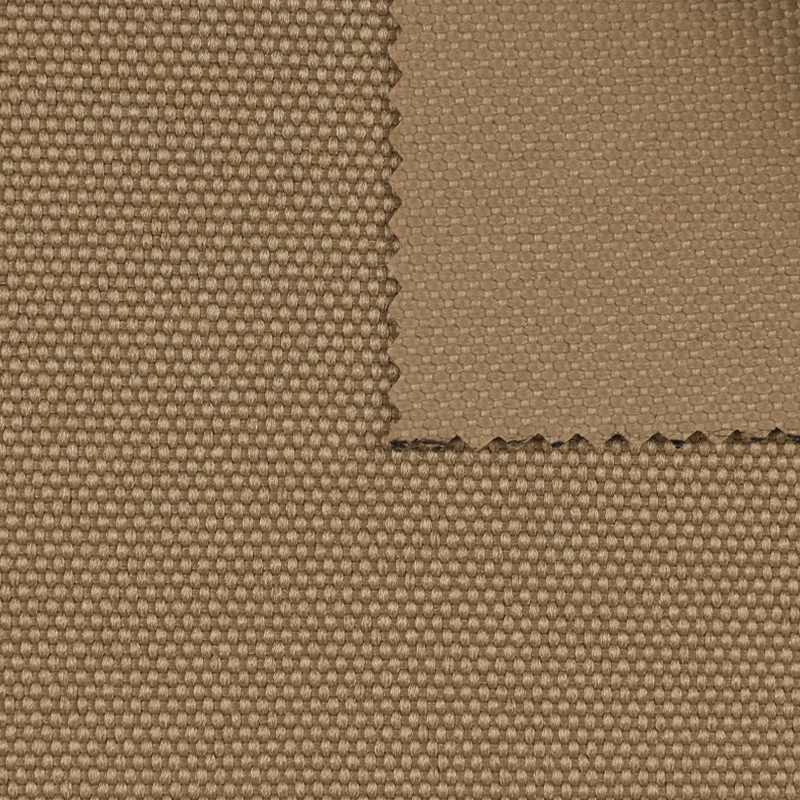
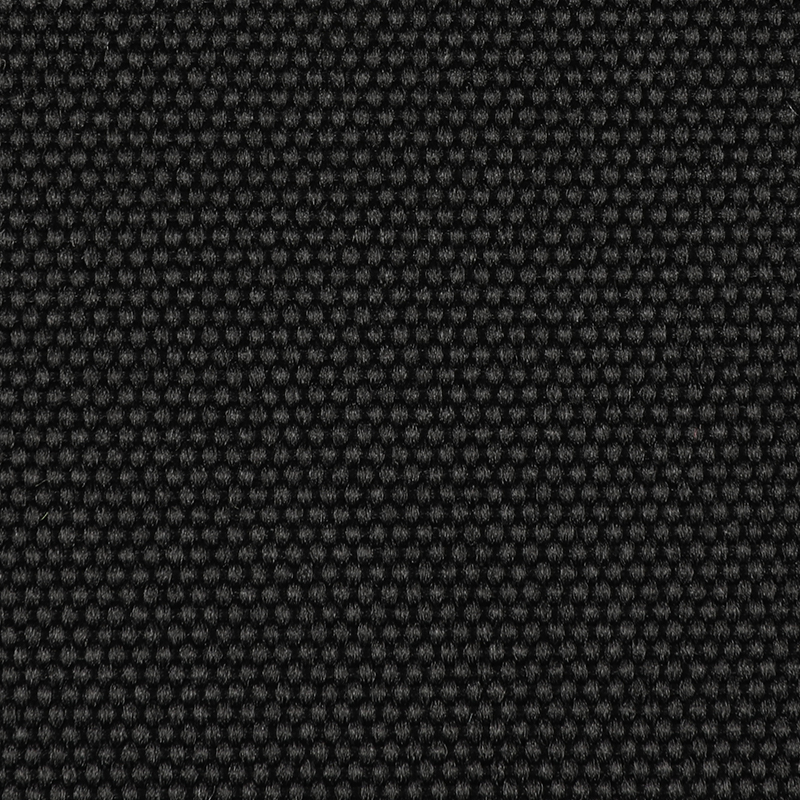
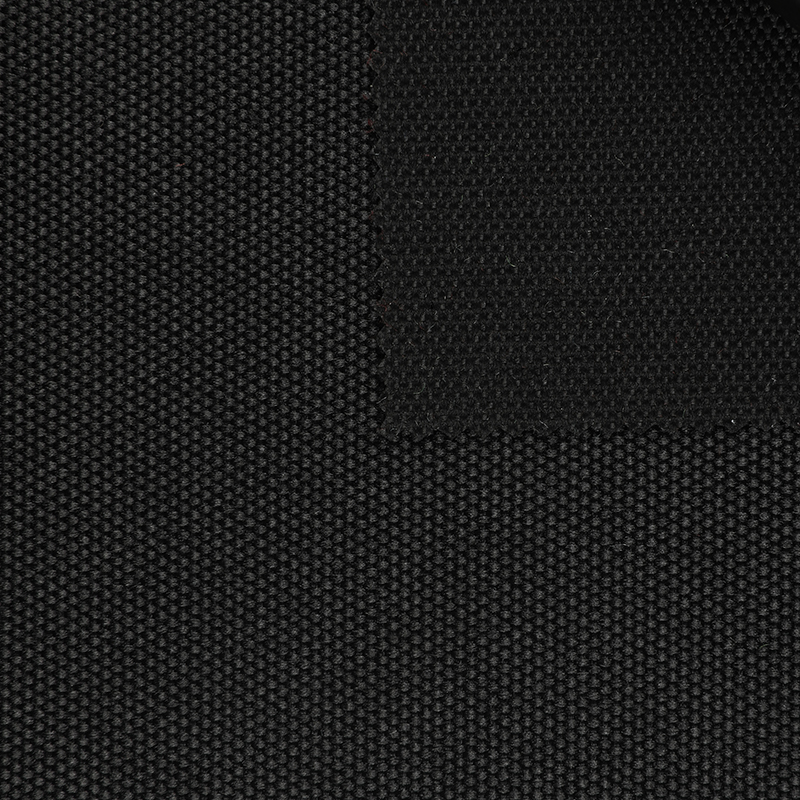
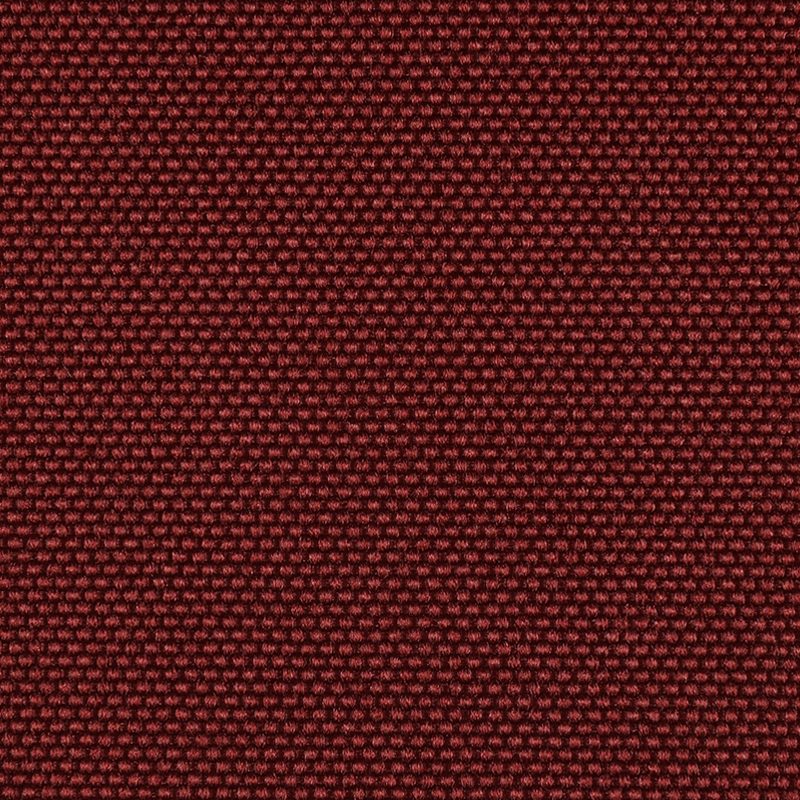
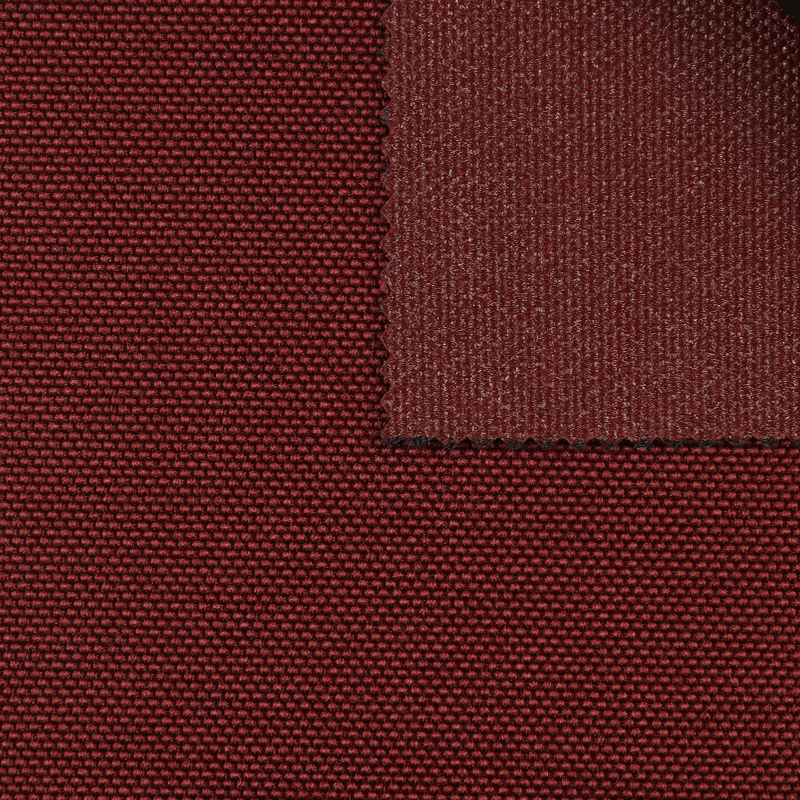
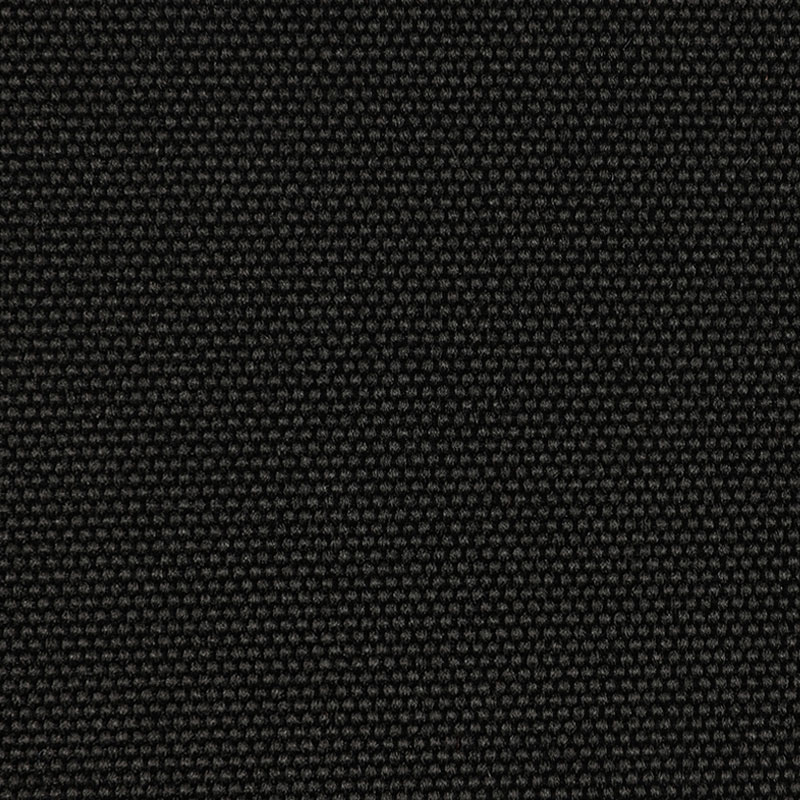
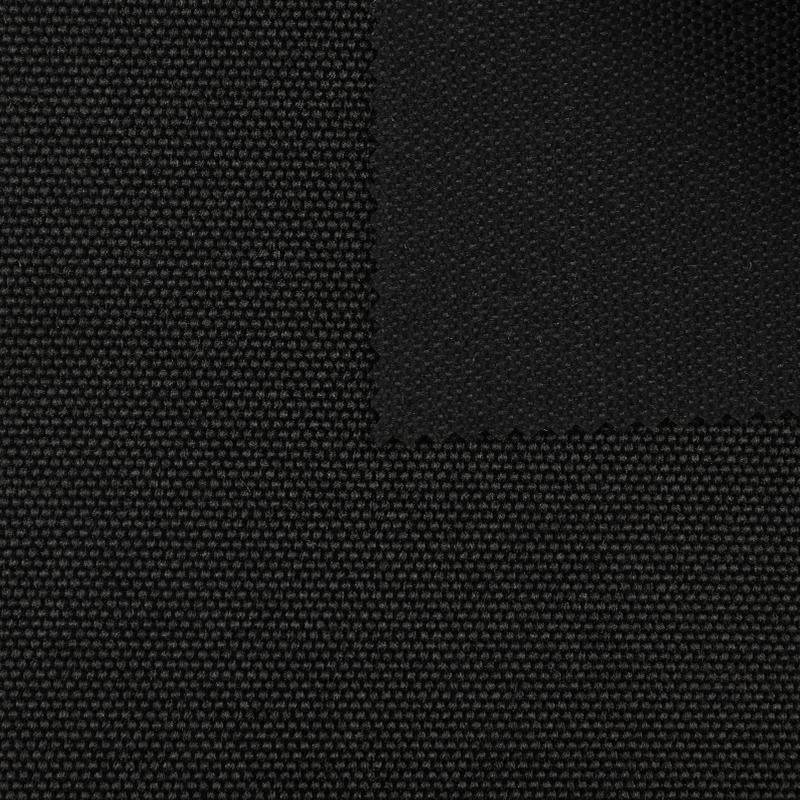
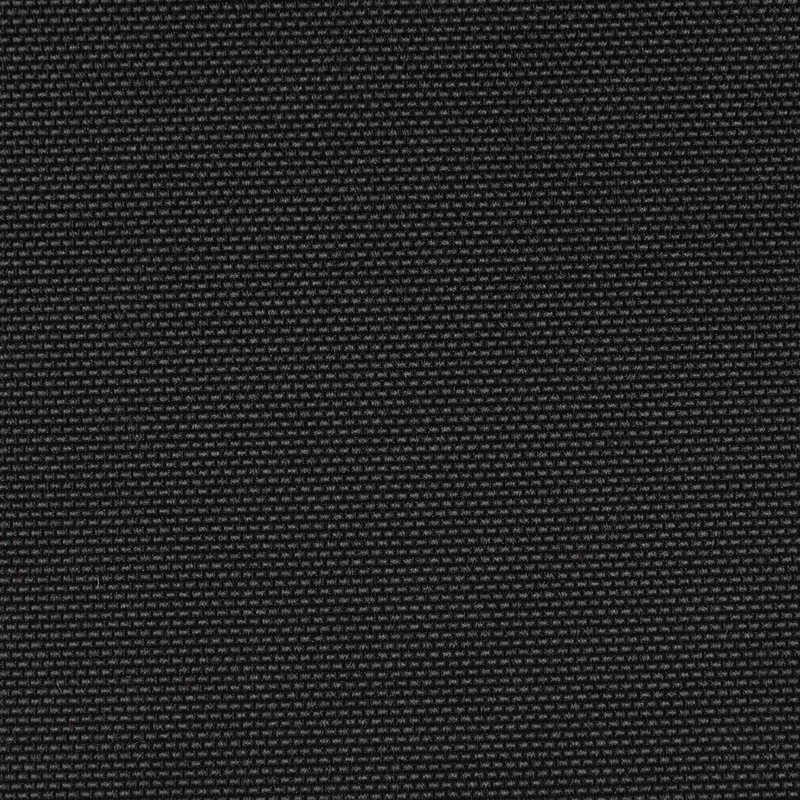
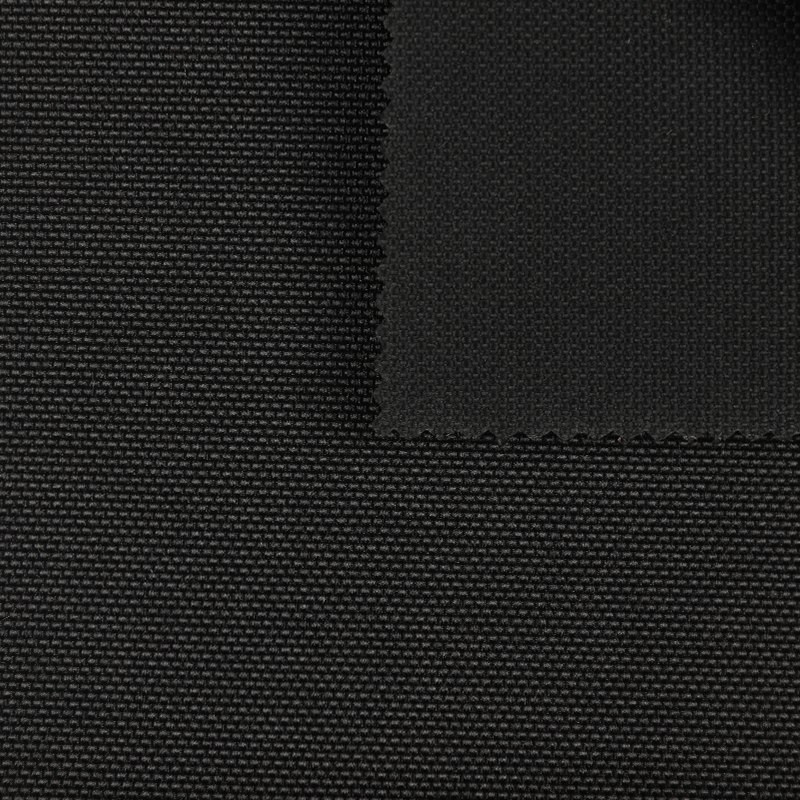
How Testing Standards Correlate to Real-World Durability for DTY 900D Ultra-Heavyweight Fabric
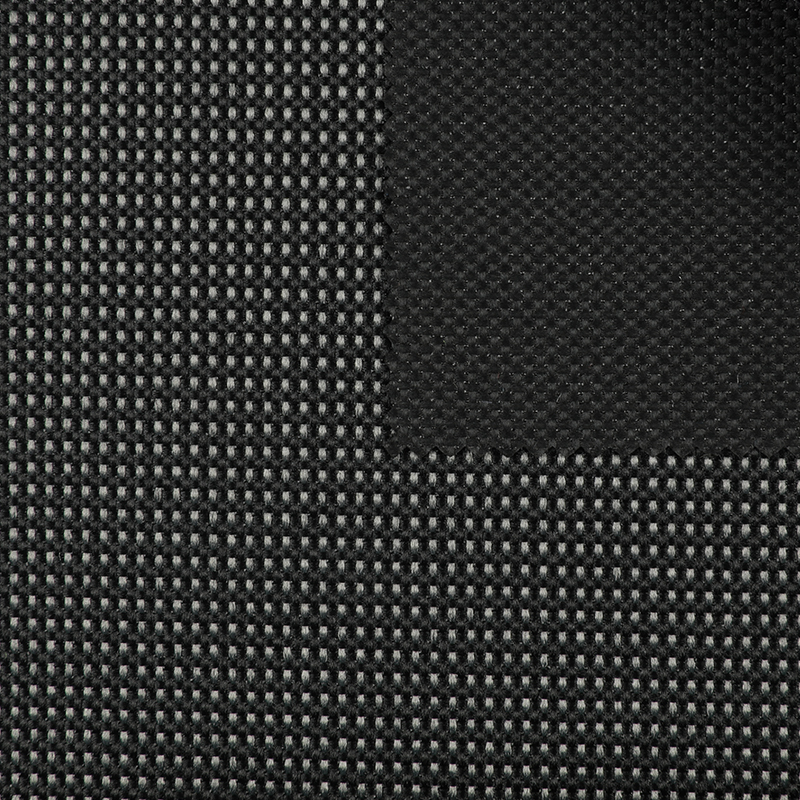
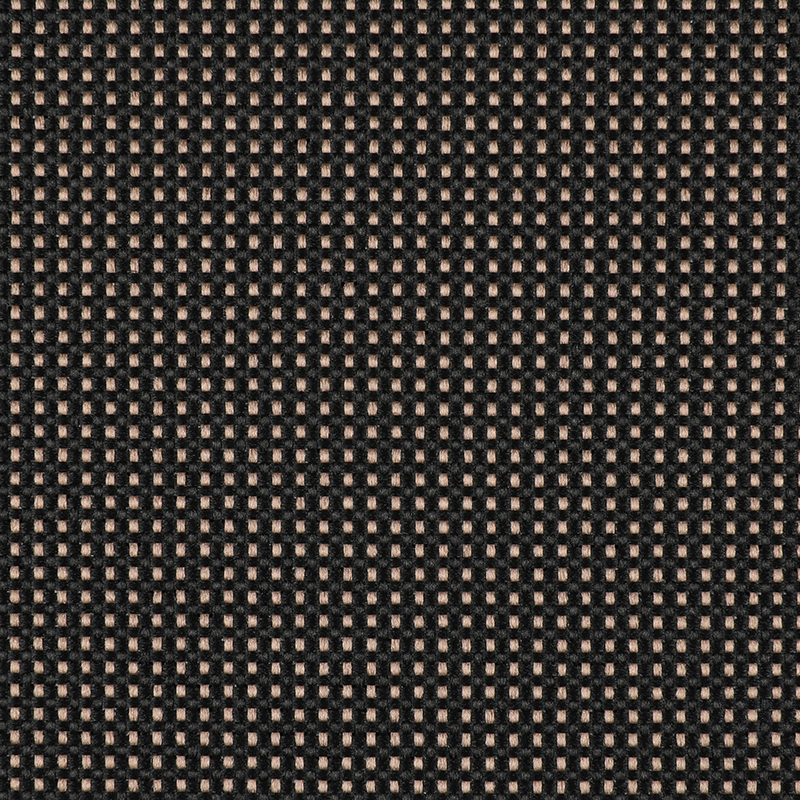
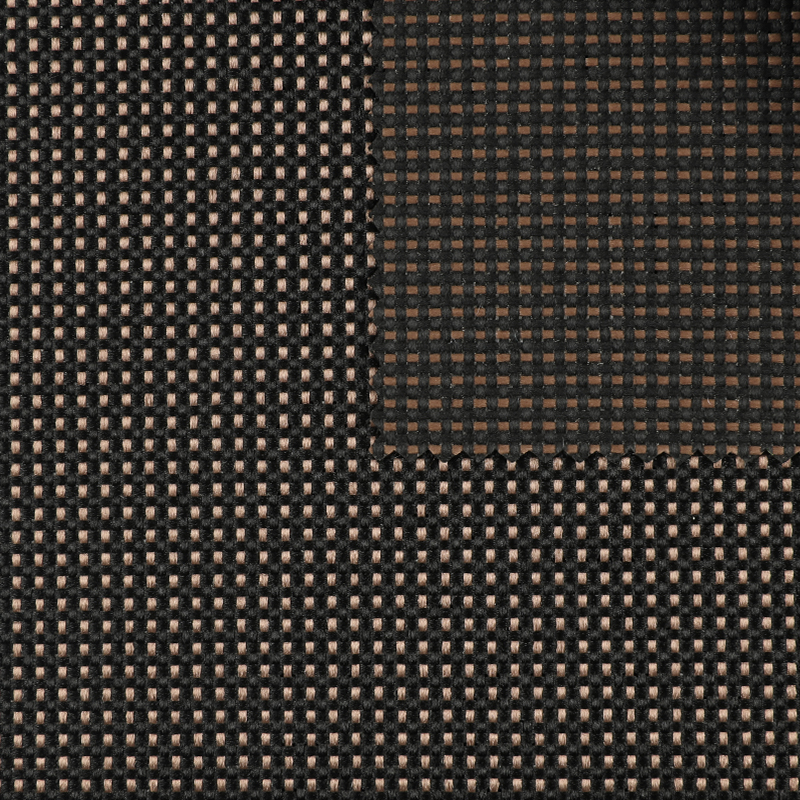
Laboratory abrasion and tear tests are the best predictors of how ultra-heavyweight fabrics will survive brutal field conditions. For DTY 900D Ultra-Heavyweight Fabric, two standards stand out: the Taber abrasion method (ASTM D3884) using H-18 wheels and the trapezoidal tear test (ASTM D5587). Fabrics that endure over 6,000 cycles before visible thread wear and register a tear strength exceeding 300 N in the warp direction consistently outperform lighter materials when dragging equipment over gravel or concrete. Buyers should request these specific test reports rather than relying on generic “heavy-duty” labels.
- ASTM D3884: Rotary abrasion with weighted wheels – simulates scuffing against rough edges.
- ASTM D5587: Trapezoid tear – measures force to propagate a tear under sudden snag loads.
- ISO 12947-2: Martindale method – often preferred by European specifiers for expedition packs.
At Hangzhou Xiaoshan Wenfa Textile Co., Ltd., we test every production batch of DTY 900D Ultra-Heavyweight Fabric against these benchmarks, delivering certified results that engineers and industrial buyers can trust.
The DTY Process: A Key Driver of Bending Fatigue Resistance in 900D Polyester Fabric
Many assume that high denier automatically equals stiffness, but Draw Textured Yarn technology fundamentally alters the mechanical behavior of 900D Polyester Fabric. The false-twist texturing introduces crimp and bulk, creating air pockets within each filament bundle. This structure allows fibers to slide past one another under repeated flexing, dramatically delaying the onset of micro-cracks that cause so-called “boardiness” in continuously bent panels. For equipment covers that hinge or fold daily, DTY-treated material can withstand more than 20,000 flex cycles without surface cracking, while untextured equivalents often fail before 8,000 cycles.
Comparison of DTY-treated and non-textured 900D polyester fabric after 10,000 flex cycles
| Property |
Non-textured 900D |
DTY 900D |
| Bending stiffness retention |
+42% |
+8% |
| Crease recovery angle |
118° |
151° |
| Surface micro-crack count |
Many, visible |
Rare, isolated |
Our advanced DTY processing ensures that every roll of 900D Polyester Fabric leaving the Hangzhou Xiaoshan Wenfa Textile mill retains a supple, fatigue-resistant character — crucial for both foldable expedition gear and articulated machinery guards.
Matching Coatings to End-Use Demands for Dty 900D Polyester Fabric
The base Dty 900D Polyester Fabric offers outstanding mechanical strength, but the protective coating ultimately dictates chemical resistance, waterproofness, and UV stability. Specifying the wrong finish can undermine even the most robust heavyweight textile. The following overlay options address distinct operational environments:
- Polyurethane (PU): Lightweight, flexible, and available in breathable grades. Ideal for expedition backpacks requiring a hydrostatic head above 1,500 mm without excessive weight gain.
- Polyvinyl Chloride (PVC): Maximum chemical and oil resistance. Adds substantial weight but creates a weldable surface for heavy machinery covers and conveyor belt skirts.
- Silicone elastomer: Operates from -50°C to 200°C while providing a non-stick, easy-clean finish. Often specified for Arctic expedition tents and hot-process insulation jackets.
- Fluorocarbon-free DWR: Aligns with sustainability certifications without compromising water repellency; increasingly mandatory for European outdoor brands.
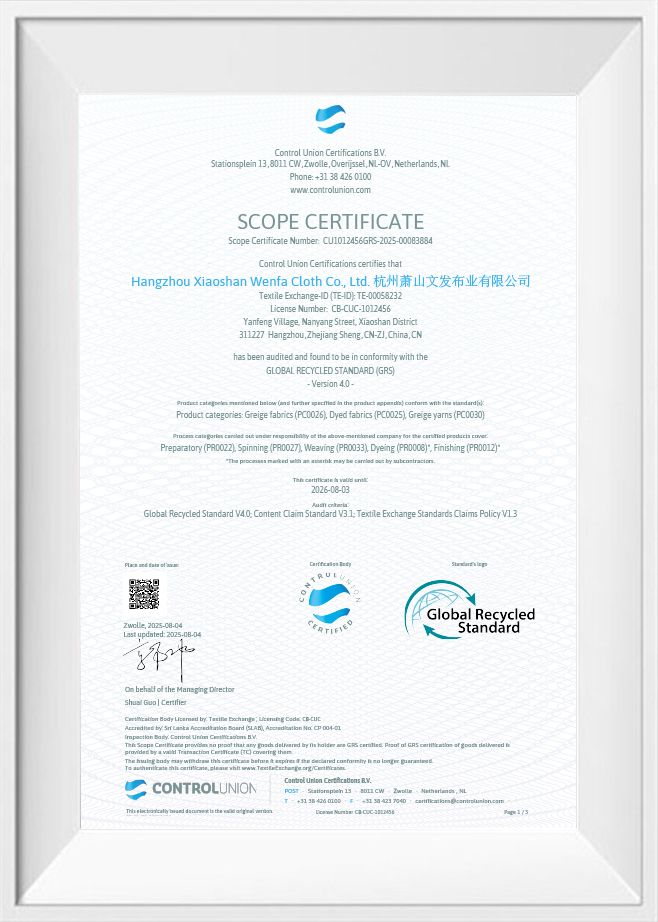
Hangzhou Xiaoshan Wenfa Textile Co., Ltd. applies custom coating formulations directly to Dty 900D Polyester Fabric under REACH and GRS-compliant protocols, so you receive a ready-to-cut material tailored exactly to your application.
Seam Engineering: Maximizing the Life of Ultra-Heavyweight Fabric Assemblies
When building products with DTY 900D Ultra-Heavyweight Fabric, seam failure often determines lifespan before the fabric itself wears out. The extreme tear strength of 900D material means that load concentrates at stitch lines. Adopting specific construction techniques can extend product integrity by years. Use a flat-felled or double-lapped seam with a minimum stitch density of 7–9 stitches per inch and a bonded nylon or high-tenacity polyester thread (Tex 70–90). Needle selection is equally critical — a size 18–22 round point reduces filament cutting while penetrating the dense weave cleanly.
- Select a bonded nylon thread with a tensile strength matching at least 40% of the fabric tear strength.
- Maintain 4–5 mm seam allowance in primary load paths to prevent pull-out.
- Pre-test a small fabric panel with your intended stitch pattern; record the seam efficiency ratio (seam break force ÷ fabric break force). Target >80% for critical assemblies.
- For coated fabrics, seal needle holes with seam tape applied under heat and pressure to restore waterproofness.
We regularly advise industrial buyers on optimizing assembly parameters for our 900D Polyester Fabric. At Hangzhou Xiaoshan Wenfa Textile Co., Ltd., the partnership extends beyond material supply — our technical team shares seam engineering insights that help you build gear capable of surviving the toughest jobs.

 English
 русский
 Français
 Español
 中文简体
中文简体