Traceability and Integrity of Ocean Cycle Certified Materials
Securing a genuine OCI Certificate Fabric involves more than a transactional label—it requires a transparent chain of custody from ocean-bound collection to finished textile. The Ocean Cycle standard mandates rigorous documentation at every stage, often employing a mass balance or controlled blending model to validate that reclaimed marine plastics are not mixed with conventional feedstock in unverifiable ratios. For downstream manufacturers and brands, understanding this flow builds confidence in environmental claims and prevents greenwashing risks.
Key Verification Points in the Supply Chain
- Collection zone certification—ocean-bound plastic must be sourced within a defined distance from coastlines or waterways lacking formal waste management.
- Audited mass balance accounts that reconcile input weights of recovered marine material with output volumes of certified yarn.
- Third-party transaction certificates accompanying each shipment, specifying the percentage of OCI-validated content.
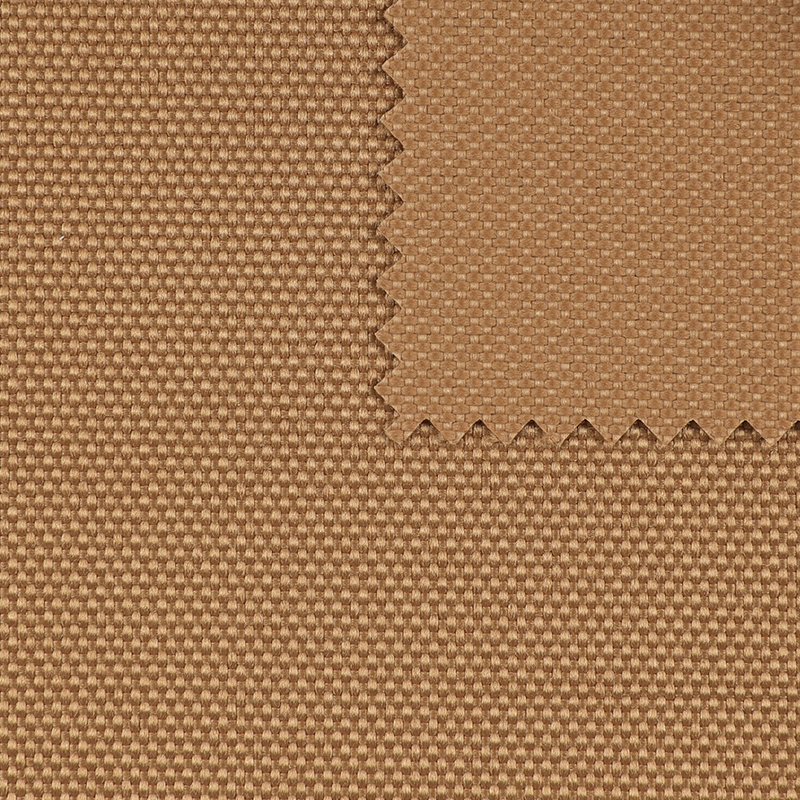
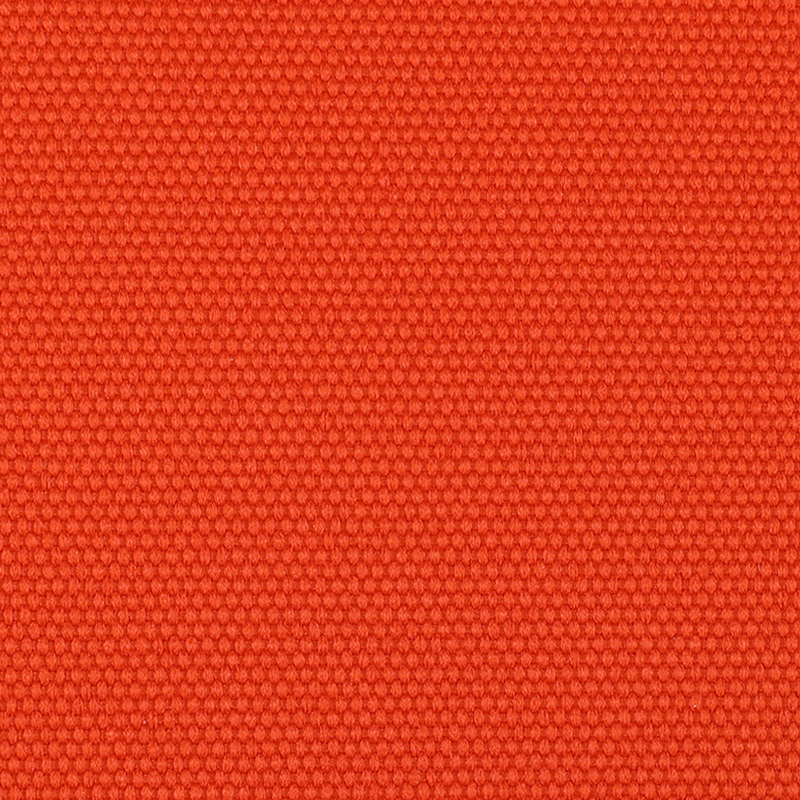
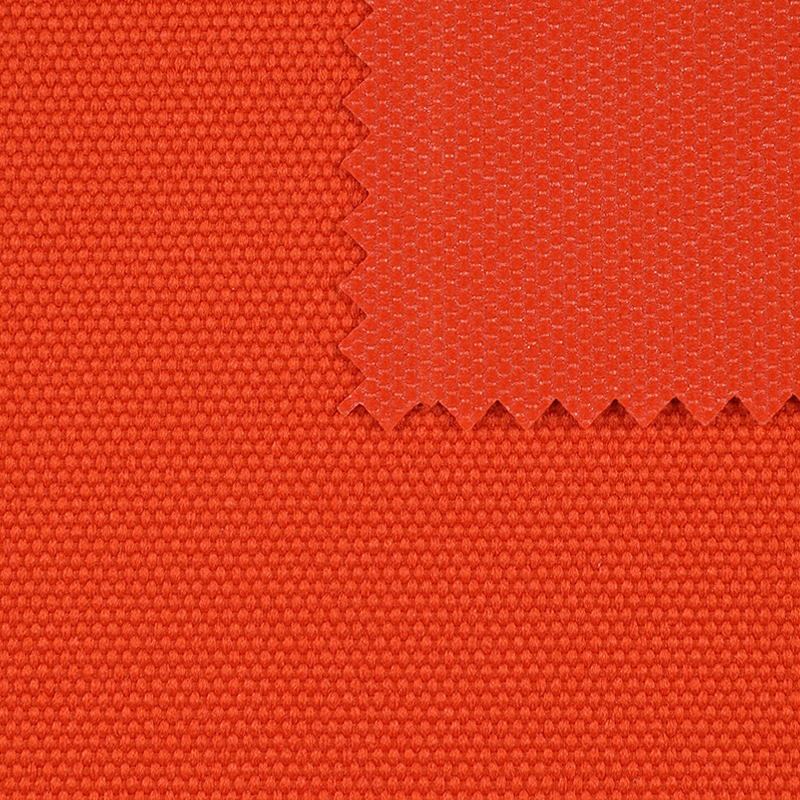
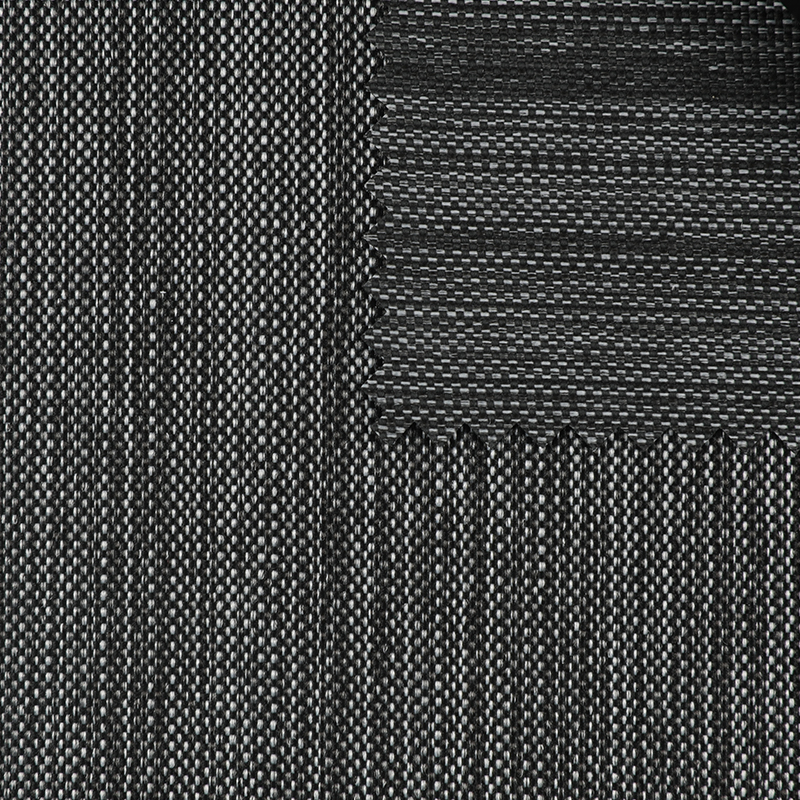
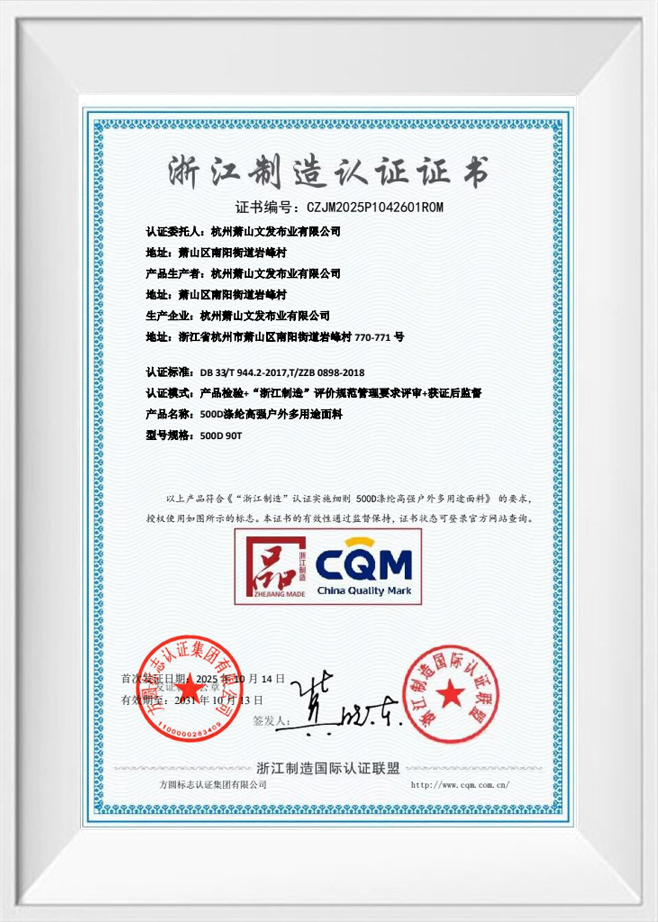
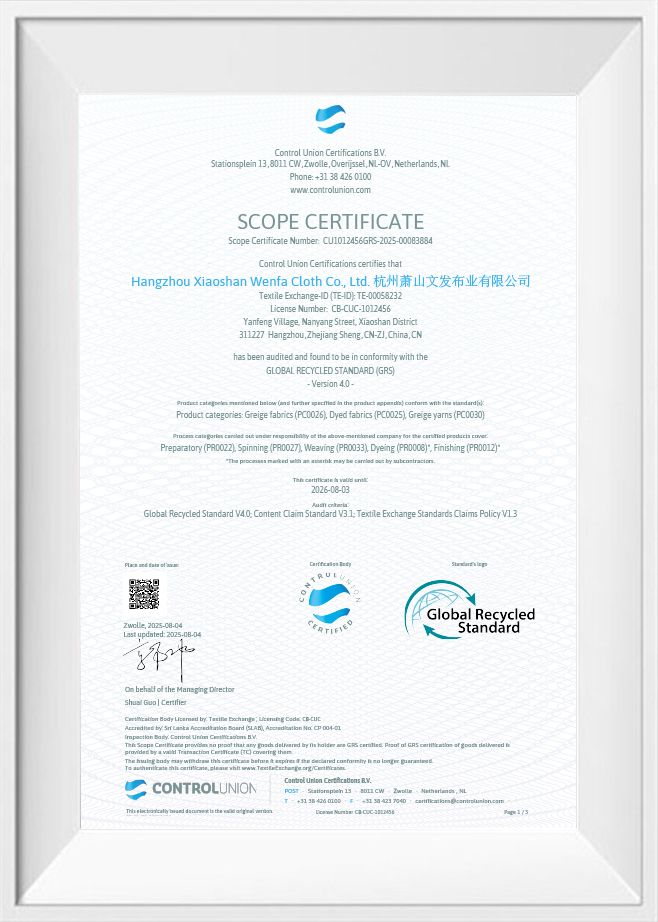
At Hangzhou Xiaoshan Wenfa Textile Co., Ltd., we ensure every meter of our OCI-certified Oxford fabric is backed by full documentation, giving our partners complete visibility into the material’s origin. As one of the conscientious OCI Certificate Polyester Fabric Manufacturers, we treat traceability not as a compliance burden but as a value proposition that strengthens brand trust.
Performance Benchmarks of Recycled Ocean Polyester Oxford Weaves
Skepticism about the mechanical performance of recycled maritime plastics is common, yet modern processing techniques routinely yield fibers that rival virgin polyester. Through optimized washing, high-purity flake sorting, and controlled melt spinning, the molecular weight degradation often associated with ocean exposure is largely mitigated. Buyers evaluating OCI Certificate Polyester Fabric for luggage, outdoor gear, or children’s products can rely on objective fabric metrics rather than anecdotal impressions.
Comparative tensile and tear strength values for 600D Oxford fabrics (typical ranges)
| Property |
Virgin PET Oxford |
OCI Recycled Oxford |
| Warp tensile strength (N) |
≥1800 |
1750–1900 |
| Weft tensile strength (N) |
≥1400 |
1380–1550 |
| Tear strength (N) |
≥120 |
115–135 |
When woven on our high-density water-jet looms, the resulting OCI Oxford fabric meets or exceeds the durability thresholds demanded by international luggage brands. At Wenfa Textile, we continuously test abrasion resistance and color fastness to ensure that the sustainable choice never forces a compromise on product lifespan.
OEM/ODM Pathways for Differentiated Ocean-Bound Textiles
Off-the-shelf eco-fabrics rarely satisfy the nuanced requirements of innovative product designers. An OEM/ODM OCI Certificate Fabric Factory can co-develop constructions that align with specific end-use demands—whether a lighter denier for packable daypacks or a robust coating for foul-weather gear. Understanding the technical variables early in the design phase prevents costly re-sampling and shortens time-to-market.
Collaborative Development Levers
- Yarn specification: selecting filament count, luster, and recycled content percentage to match aesthetic and functional briefs.
- Weave architecture: adjusting Oxford weave density and pattern (e.g., 210D, 420D, 600D) for targeted tensile and tear profiles.
- Finishing chemistry: applying C0 DWR, PU backing, or antimicrobial treatments that remain compliant with the OCI ecological framework.
- Color matching and print receptivity: ensuring that low-impact dyes produce consistent shades on recycled polyester, which can exhibit subtle base-tone variations.
Our in-house R&D team guides customers through these decisions, leveraging decades of Oxford weaving expertise. We believe that a capable OEM/ODM OCI Certificate Fabric Factory should function as an extension of your design studio, not merely a transactional supplier. This philosophy allows brands to integrate ocean-recovered materials without re-engineering their entire product line.
Positioning OCI Among Global Recycled Content Certifications
The landscape of sustainability standards can confuse even seasoned sourcing professionals. While GRS (Global Recycled Standard) covers a broad spectrum of post-consumer and post-industrial recycled inputs, OCI specifically targets marine environments. The OBP (Ocean Bound Plastic) certification shares a similar ocean-oriented mission but differs in scope and verification protocols. Recognizing these distinctions helps buyers select the most credible label for their storytelling and compliance needs.
Simplified comparison of key recycled-material certifications relevant to ocean fabrics
| Certification |
Primary Scope |
Marine Plastic Focus |
| GRS |
Any recycled content + social/environmental processing criteria |
No specific marine requirement |
| OBP |
Plastic collected from at-risk coastal zones |
Strong; sub-categories for shoreline, waterway, and ocean-bound |
| OCI |
Ocean-sourced plastics with verified environmental impact reduction |
Dedicated; full chain of custody from ocean collection to product |
When your product narrative hinges on ocean conservation, selecting a dedicated marine standard strengthens authenticity. We consistently Supply Custom OCI Certificate Polyester Fabric that carries this singular environmental message, helping brands move beyond generic recycled claims. By aligning with a purpose-built certification, our clients differentiate their collections in a market saturated with ambiguous eco-labels. Reach out to Wenfa Textile to explore how an OCI-certified Oxford fabric can anchor your next sustainable product launch.

 English
 русский
 Français
 Español
 中文简体
中文简体