Denier Selection: Why 250D Hits the Sweet Spot for Luggage and Outdoor Gear
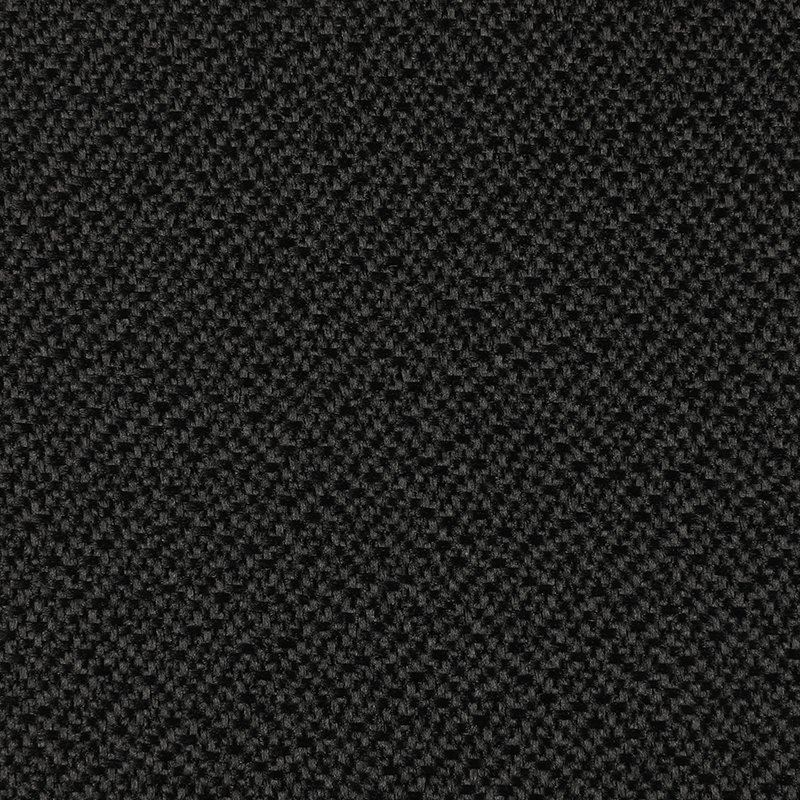
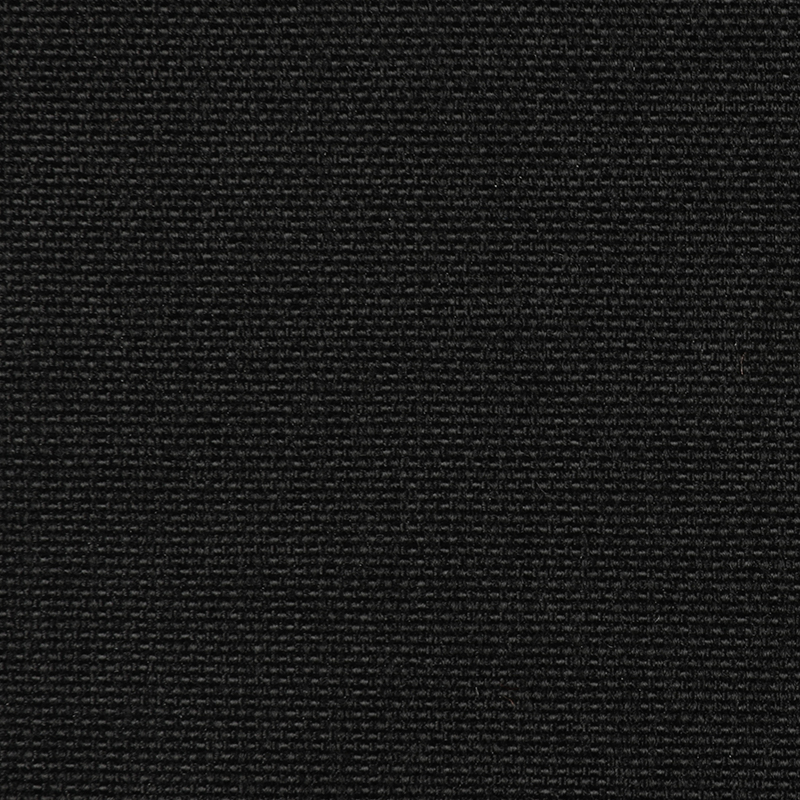
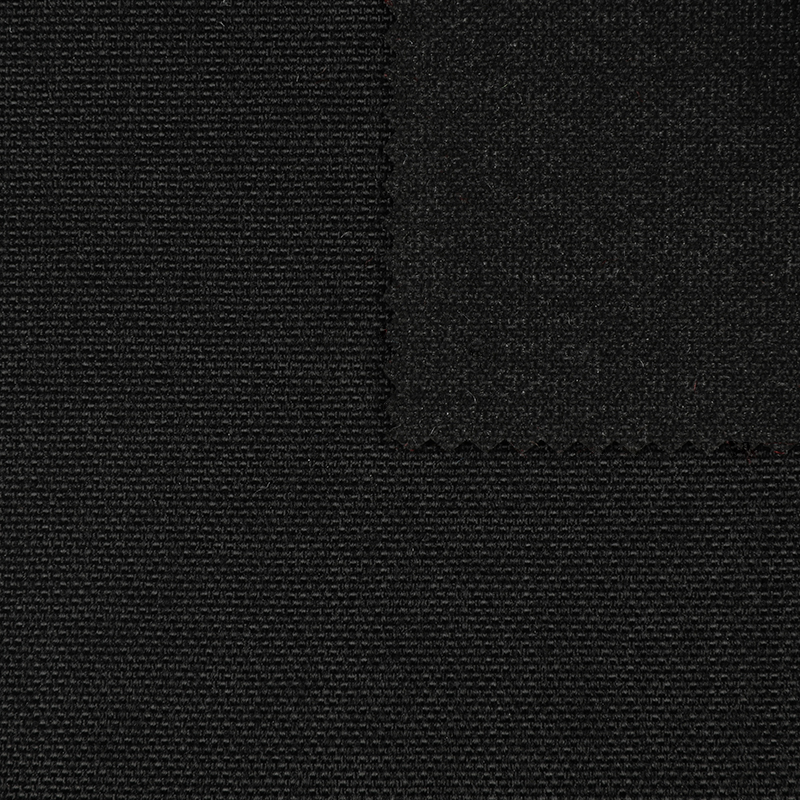
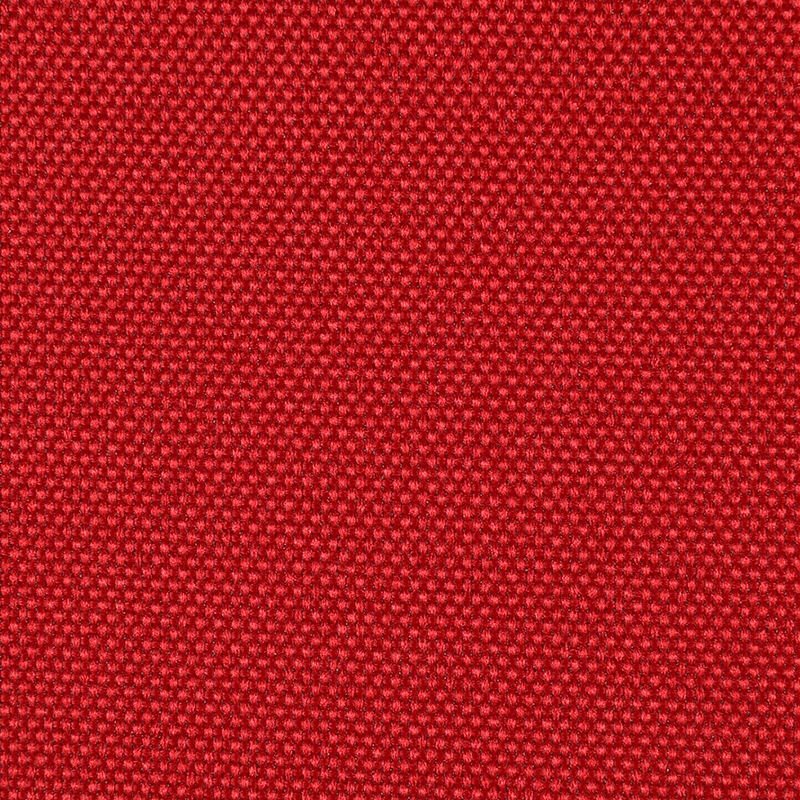
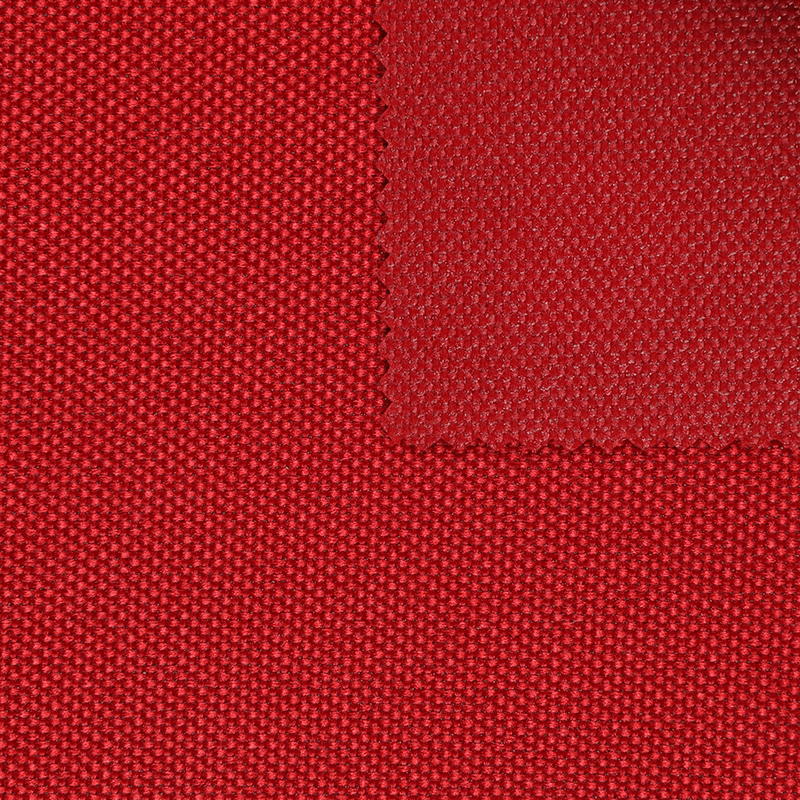
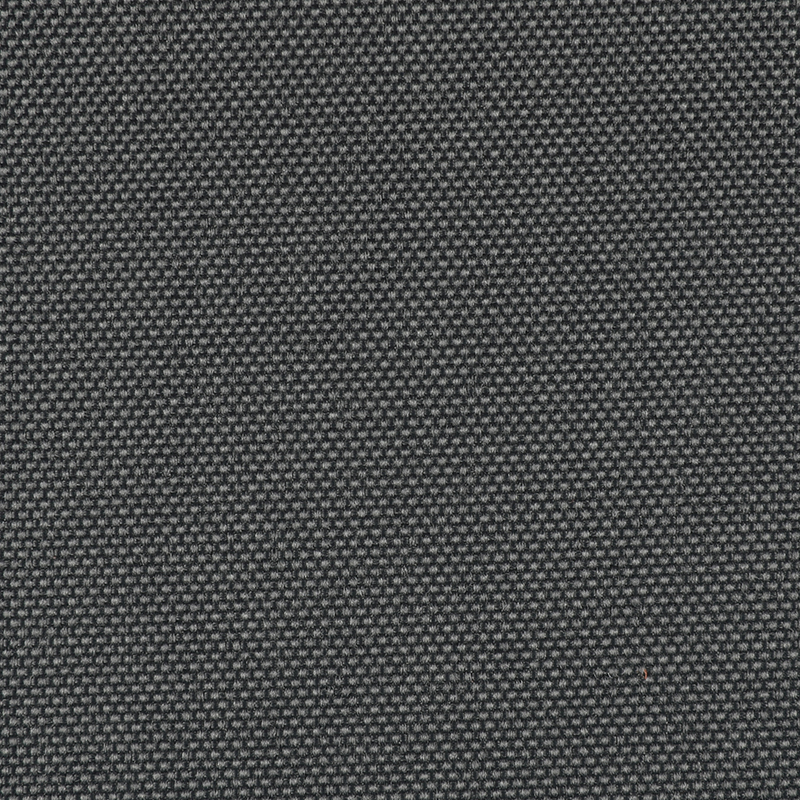
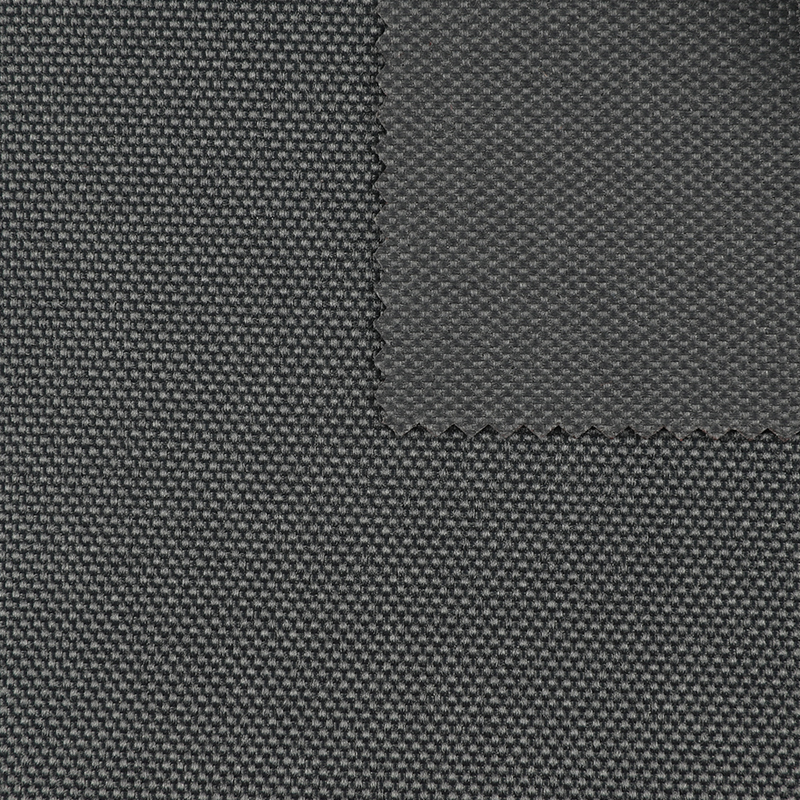
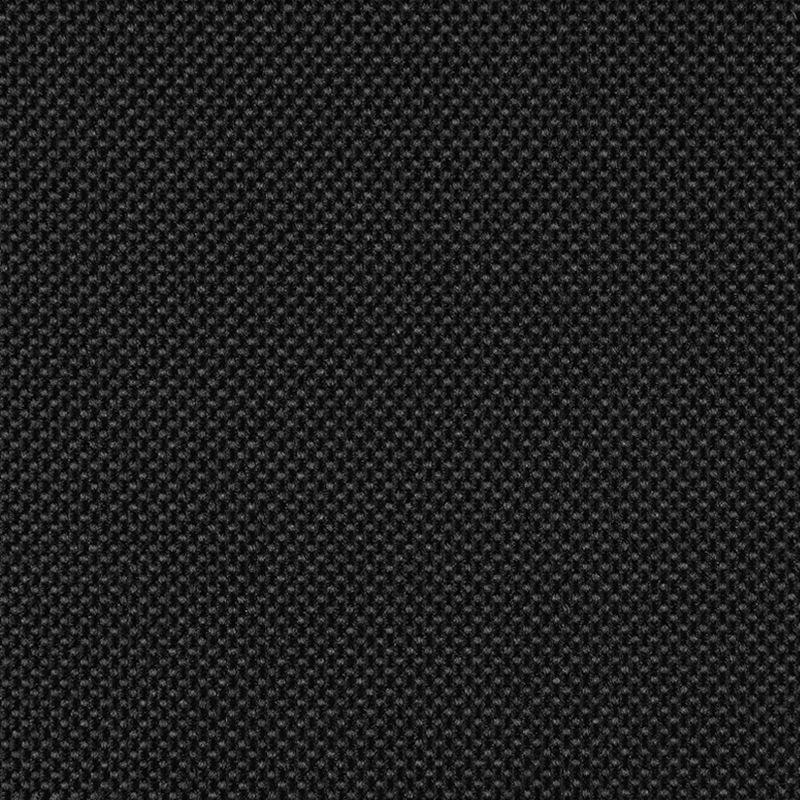
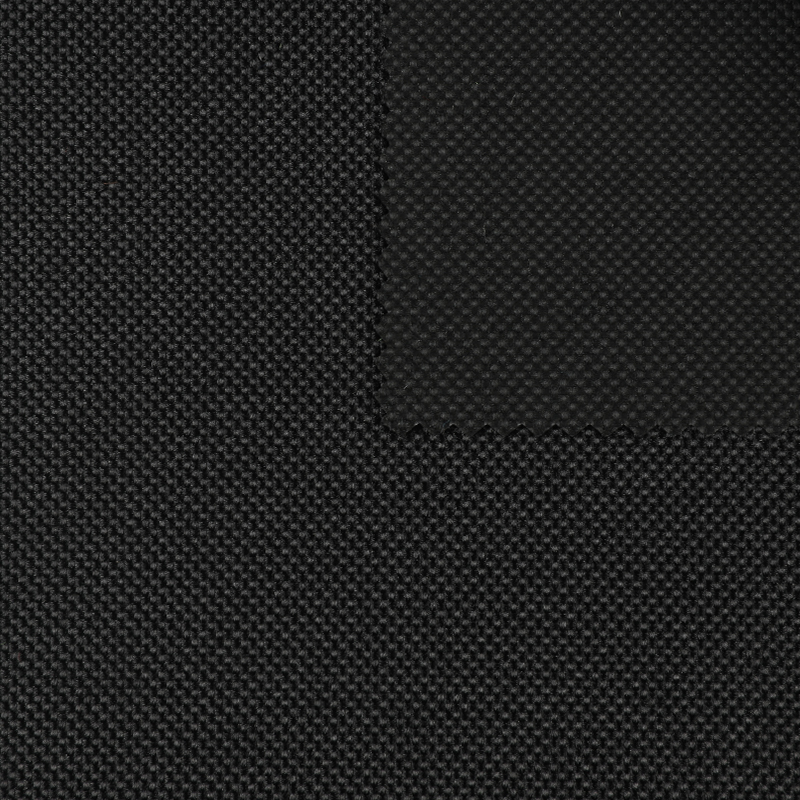
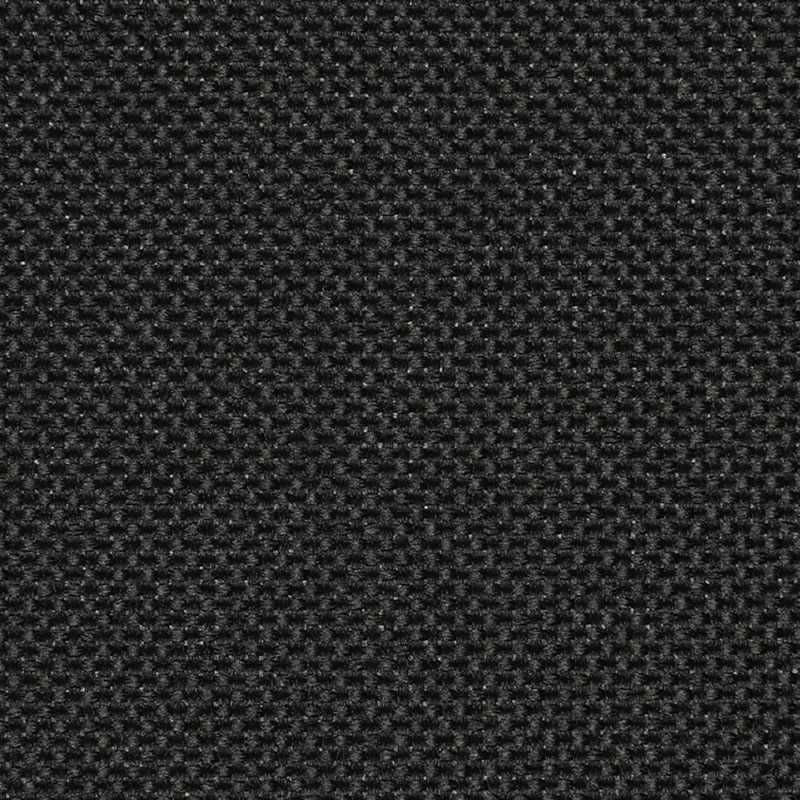
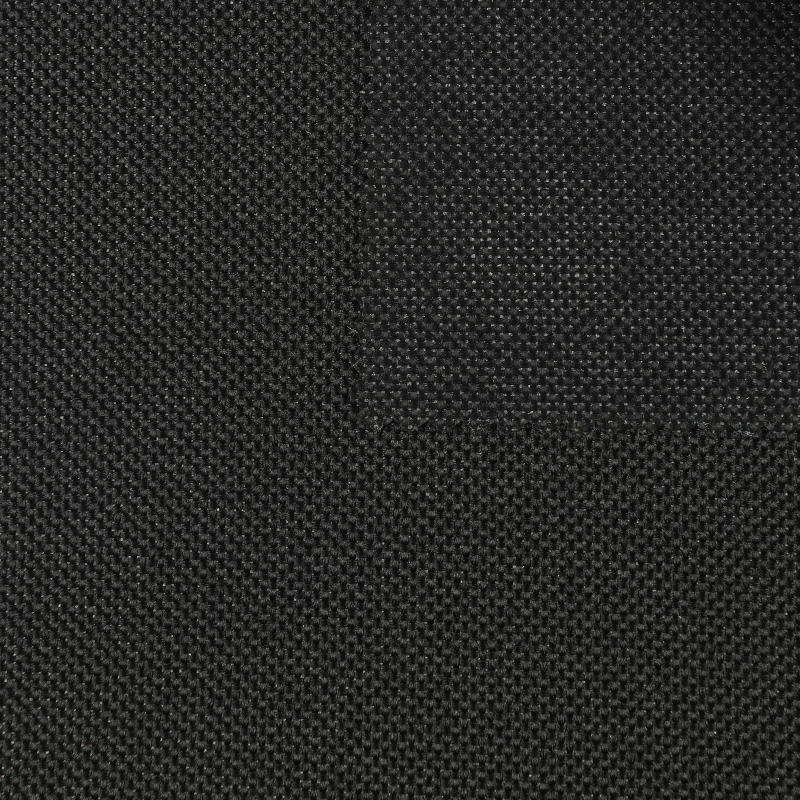
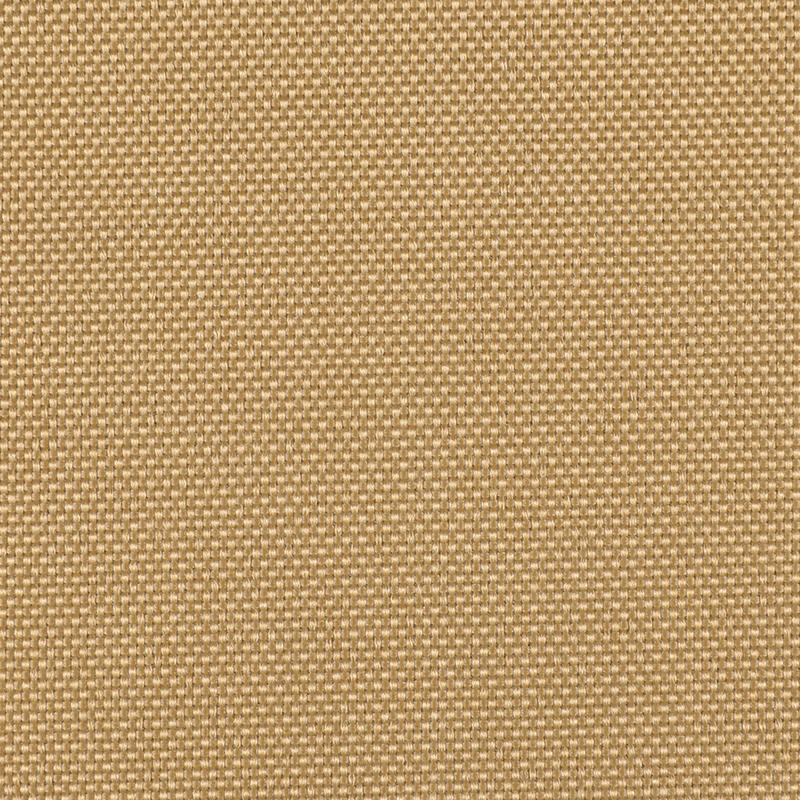
When specifying materials for backpacks, suitcases or hiking tents, denier count becomes a decisive factor. 250 denier represents a carefully engineered equilibrium between weight and toughness. Fabrics lighter than 210D often sacrifice the tear resistance required for heavy, shifting loads, while 600D constructions can introduce excessive bulk and stiffness that hampers packability and user comfort. Dty 250D Polyester Fabric occupies the performance zone where strength, flexibility and low weight intersect.
Indicative performance values for DTY polyester fabrics of different deniers (tested under standard atmospheric conditions)
| Denier |
Typical Tensile Strength (N) |
Abrasion Cycles (Martindale) |
Fabric Weight (g/m²) |
Common Applications |
| 210D |
32 |
5,000 |
100 |
Lightweight daypacks |
| 250D |
42 |
8,500 |
130 |
Luggage, hiking backpacks |
| 420D |
58 |
12,000 |
190 |
Heavy-duty duffels |
| 600D |
75 |
20,000 |
280 |
Industrial covers |
For brands developing mid-to-heavy travel gear, Dty 250D Polyester Fabric delivers dependable load-bearing capacity that easily handles over 15 kg of packed content without seam failure. At Hangzhou Xiaoshan Wenfa Textile Co., Ltd., we fine-tune weaving density and yarn tension to consistently achieve a warp and weft tensile strength of 42 N, giving product designers a predictable, test-proven platform for durable luggage shells and backpack bodies.
The Hidden Impact of DTY Processing on Abrasion Resistance and Tear Propagation
Denier alone tells only part of the story. The DTY (Draw Textured Yarn) process fundamentally reshapes the filament, introducing crimps, loops and a degree of elastic recovery that flat polyester yarns simply cannot offer. This texturizing step increases inter-fiber friction inside the weave, which directly translates to higher tear strength and significantly reduced seam slippage. In a Dty 250D Polyester Fabric, the textured structure creates a slightly fuller, more resilient hand feel while acting as a micro-spring network that absorbs surface abrasion before it reaches the filament core.
When subjected to Martindale abrasion testing under 12 kPa pressure, textured 250D polyester consistently outlasts its flat-yarn counterparts by 20–30%. The reason is mechanical: each crimp behaves like a miniature shock absorber, dissipating frictional energy rather than allowing it to cut through the fiber. This characteristic is especially valuable in luggage corners and backpack bottom panels, where repeated contact with rough surfaces gradually erodes unprotected fabric. Our production line applies a uniform false-twist texturizing process to every kilogram of 250D yarn before weaving, ensuring that the resulting Dty 250D Polyester Fabric stays free of thin spots and uneven stretch that could later develop into tears. Buyers evaluating durability can request seam slippage reports according to ISO 13936-2, a reliable indicator of how well the textured yarns lock under stress.
Coating Strategies for Dty 250D Polyester Fabric: Balancing Water Resistance and Flexibility
Raw Dty 250D Polyester Fabric has inherent water repellency due to polyester’s low moisture regain, but most luggage and outdoor applications demand an additional functional layer. The choice of coating directly influences hydrostatic head performance, flex fatigue, breathability and cost. Selecting the wrong treatment can make a soft backpack stiff and crack-prone, while an overly light coating may fail to keep contents dry in sustained rain.
- PU Coating (polyurethane): Adds a water column of 500–1,500 mm, preserves fabric suppleness and offers good flex resistance. Best suited for school backpacks, soft-sided suitcases and daypacks that need daily weather protection without a rigid feel.
- PVC Coating: Achieves >3,000 mm waterproof ratings but noticeably increases stiffness and weight. Reserved for fully waterproof duffels, dry bags and protective equipment covers where complete water exclusion is non-negotiable.
- DWR (Durable Water Repellent) Finish: A surface treatment that forces water to bead up and roll off without sealing the fabric. Maintains breathability and is frequently specified for tent flysheets and lightweight outdoor packs that must vent internal moisture.
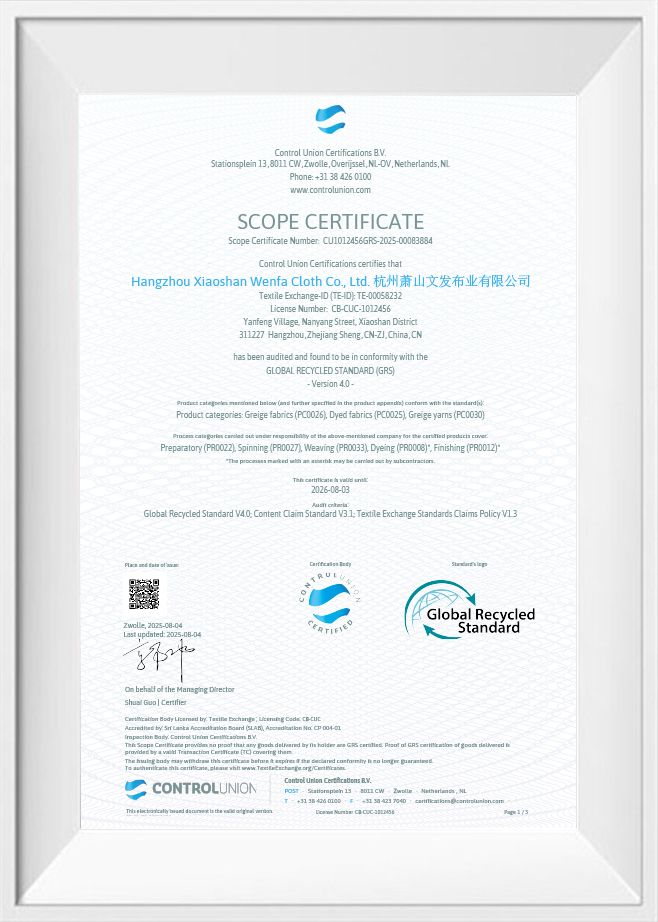
Hangzhou Xiaoshan Wenfa Textile Co., Ltd. offers OEM coating services for Dty 250D Polyester Fabric, including eco-conscious water-based PU that complies with GRS and OBP sustainability standards. For outdoor gear that must endure sudden downpours yet remain pliable, we frequently recommend a 2-pass PU application that raises water resistance while adding only about 15 g/m² to the base weight — a negligible penalty for significantly improved wet-weather performance.
Reading Between the Lines: Key Test Standards When Sourcing Dty 250D Polyester Fabric
Experienced buyers look past the denier label and examine standardized test data. Four metrics are particularly decisive in confirming that a 250D polyester will survive the rigors of global logistics and frequent handling.
- Tensile strength (ISO 13934-1): A minimum of 40 N in both warp and weft directions establishes the baseline for luggage-grade Dty 250D Polyester Fabric. Anything lower risks seam rupture under heavy packing.
- Tear strength (ISO 13937-2): Values above 15 N ensure that a small puncture or cut does not propagate instantly across the fabric panel — a critical safety margin for checked baggage and expedition packs.
- Colorfastness to light (ISO 105-B02): A rating of 4 or higher (on the 1–8 blue wool scale) means the fabric will resist noticeable fading during extended UV exposure, preserving brand appearance on retail shelves and in outdoor use.
- Abrasion resistance (Martindale, ISO 12947-2): An end-point of 8,000 cycles or more at 12 kPa pressure is the industry-accepted durability threshold for luggage that will be dragged, stacked and rubbed against conveyor belts daily.
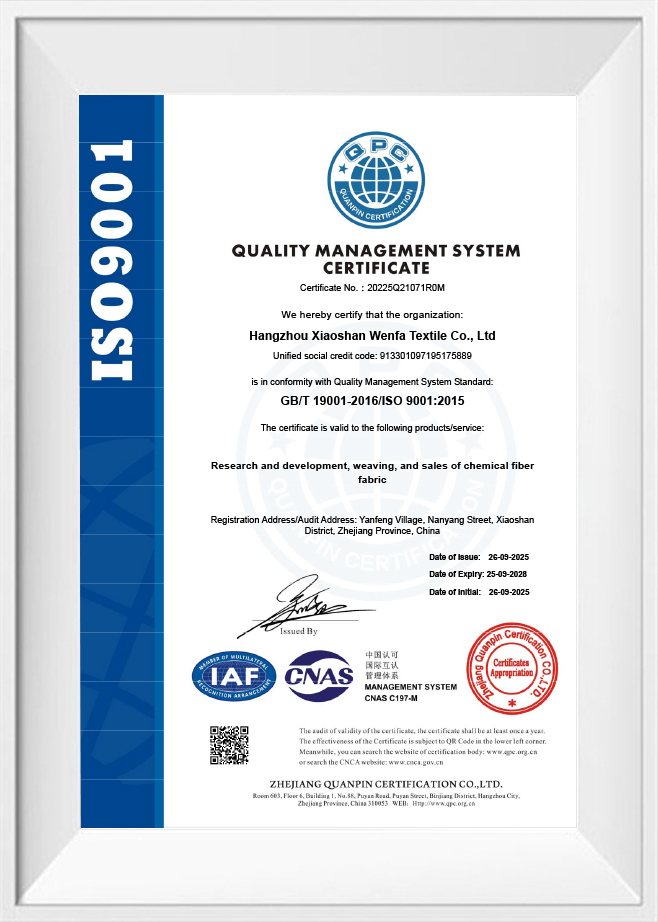
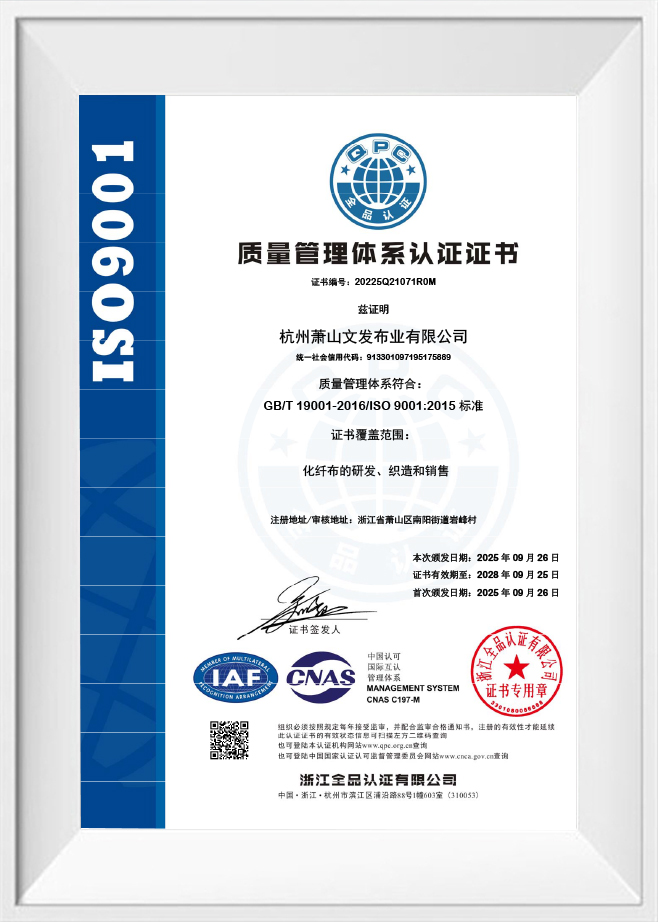
As a vertically integrated manufacturer holding ISO, REACH, GRS and OBP certifications, we provide full inspection reports with every shipment of Dty 250D Polyester Fabric. Our in-house laboratory routinely cross-checks these parameters before any roll leaves the factory. This discipline gives brands across Europe, the Americas and Southeast Asia the confidence to build their product lines on a fabric that consistently meets declared specifications, without hidden variability that could surface months later in the field.

 English
 русский
 Français
 Español
 中文简体
中文简体