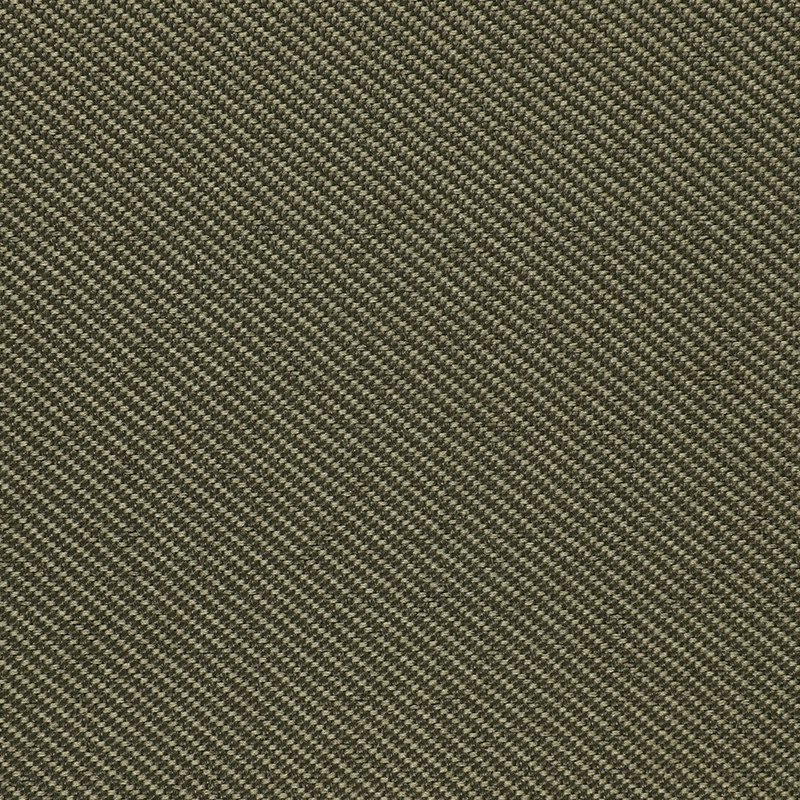
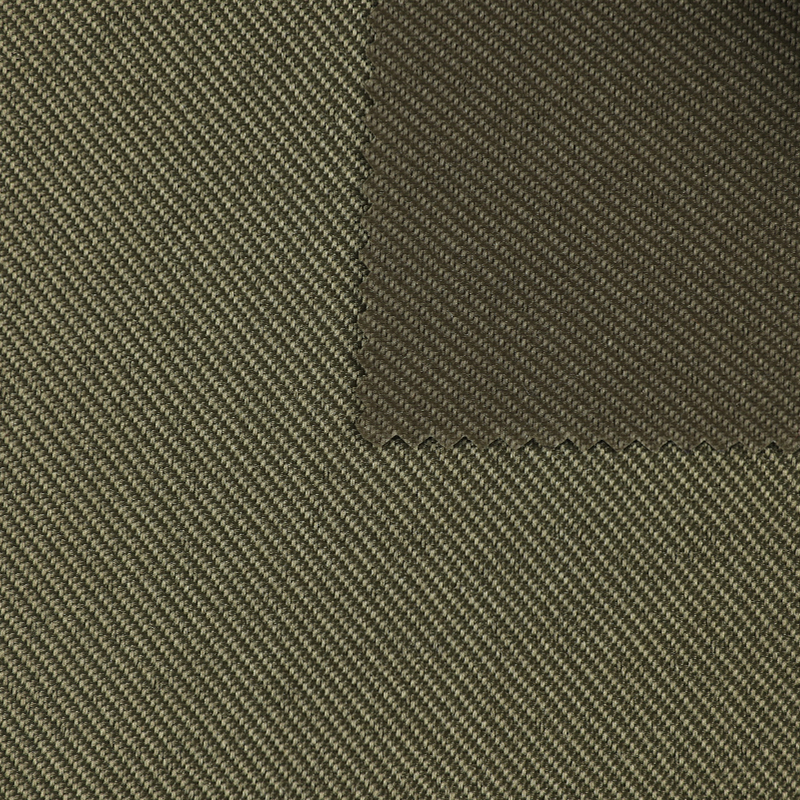
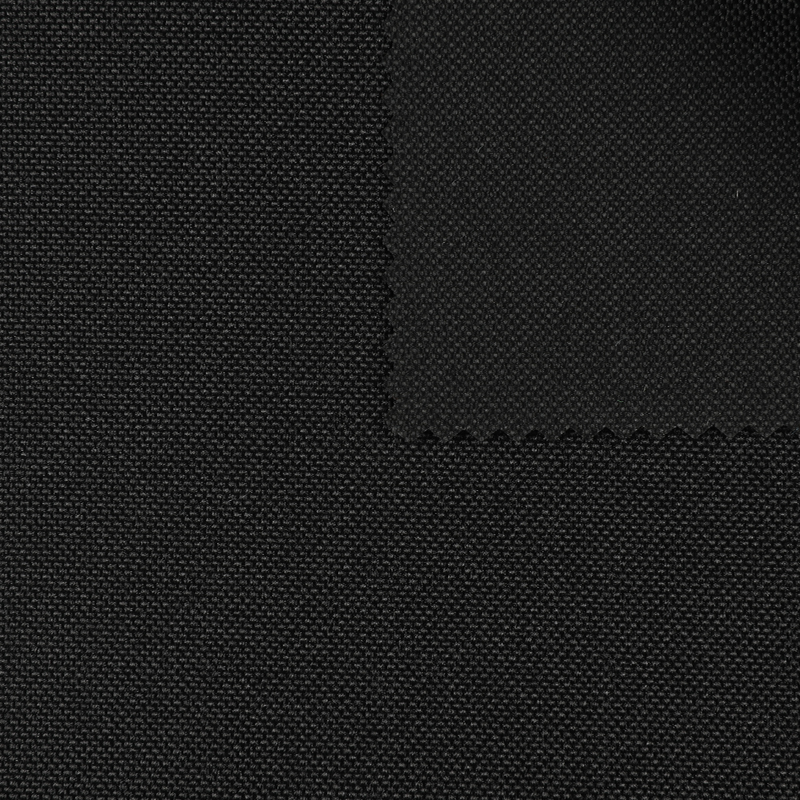
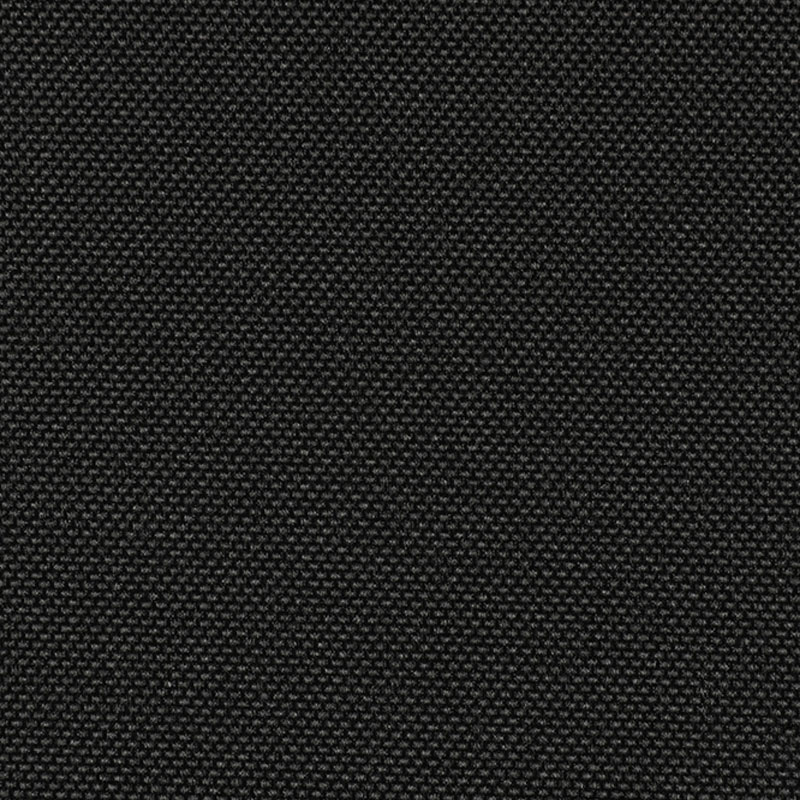
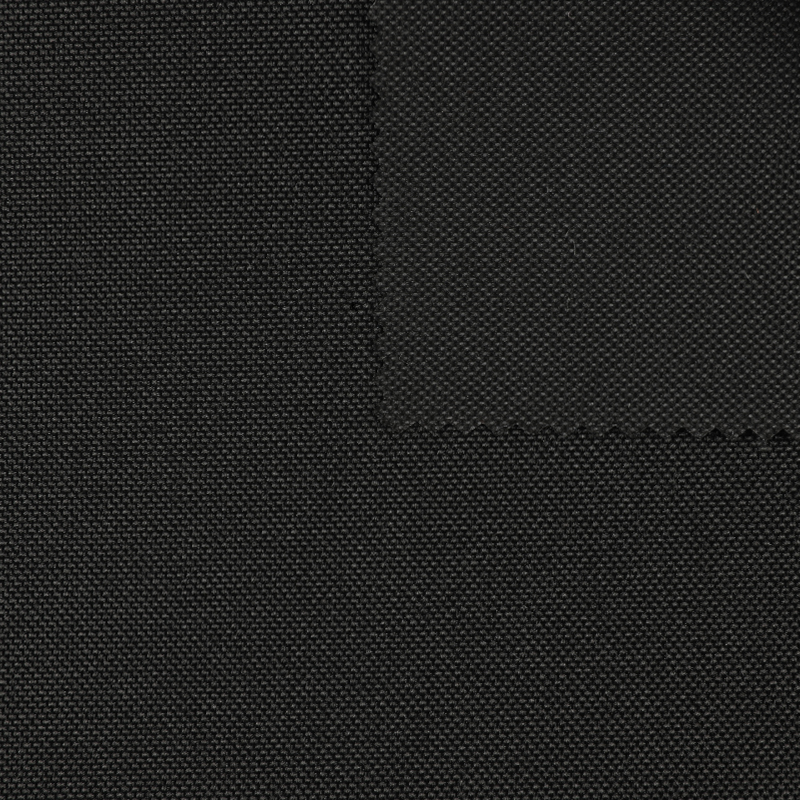
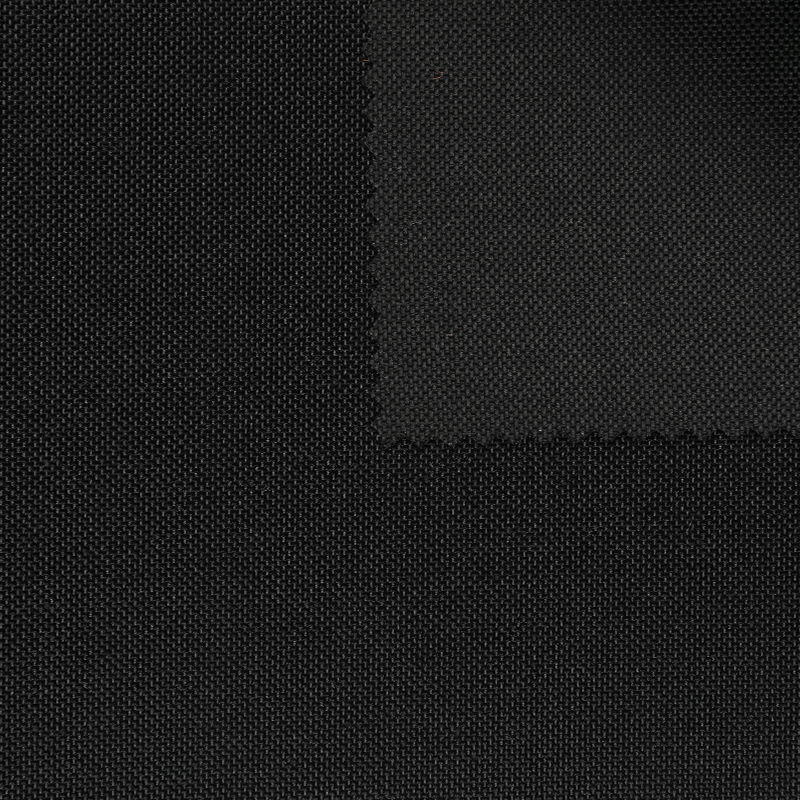
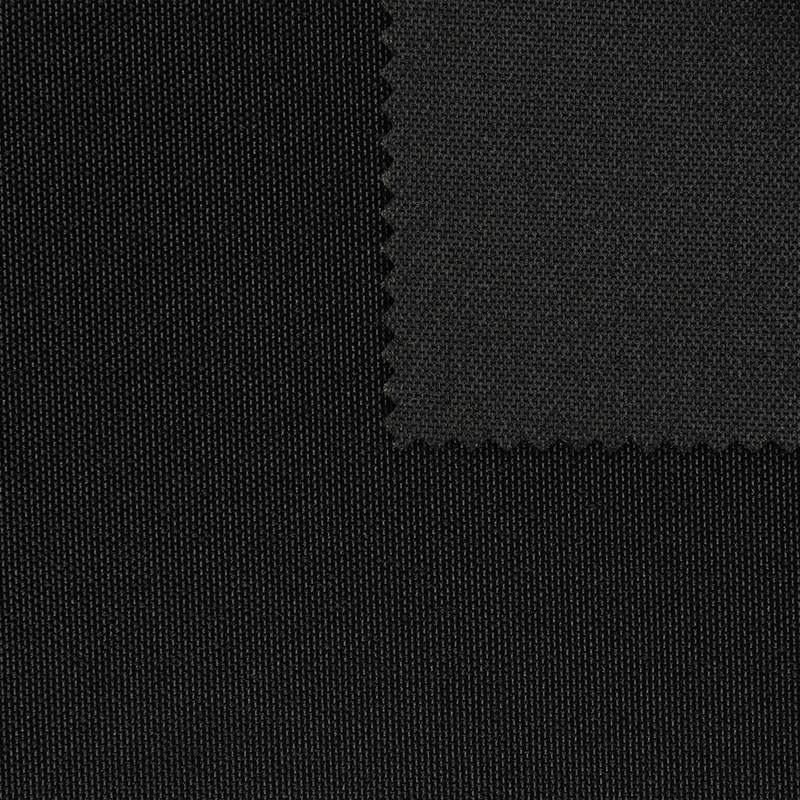
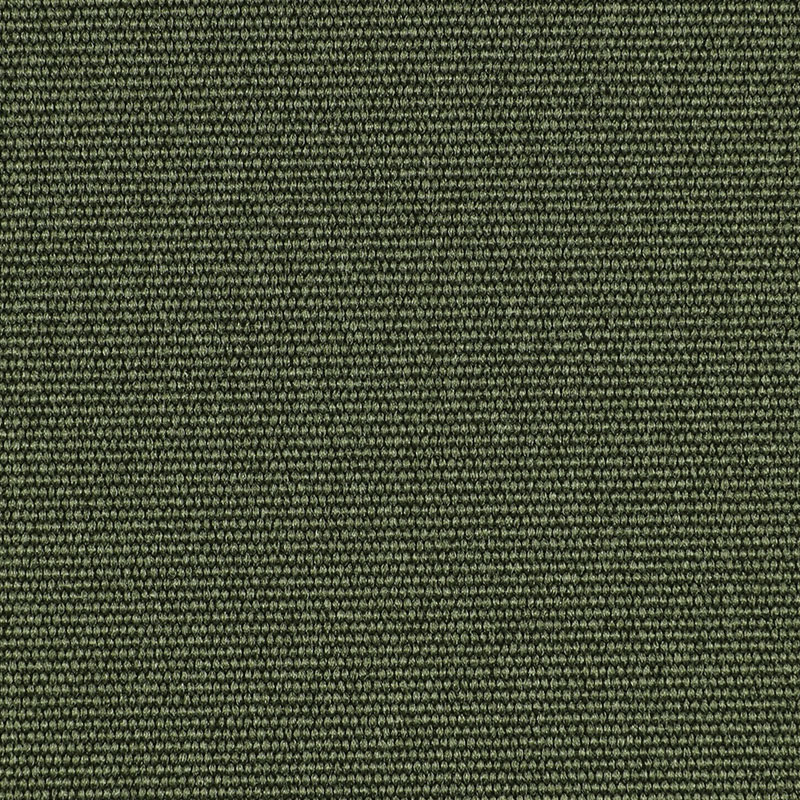
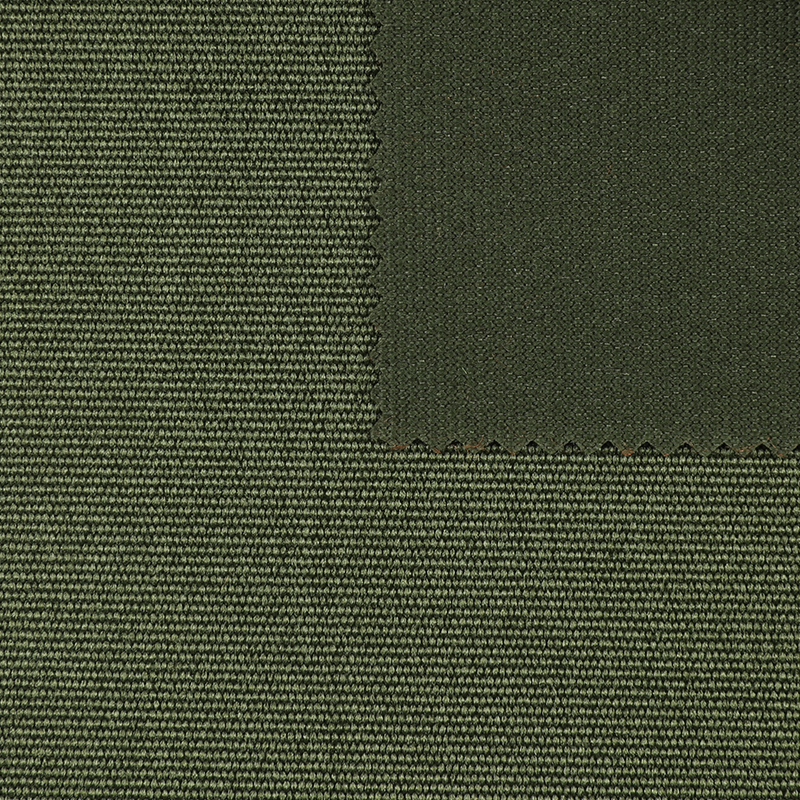
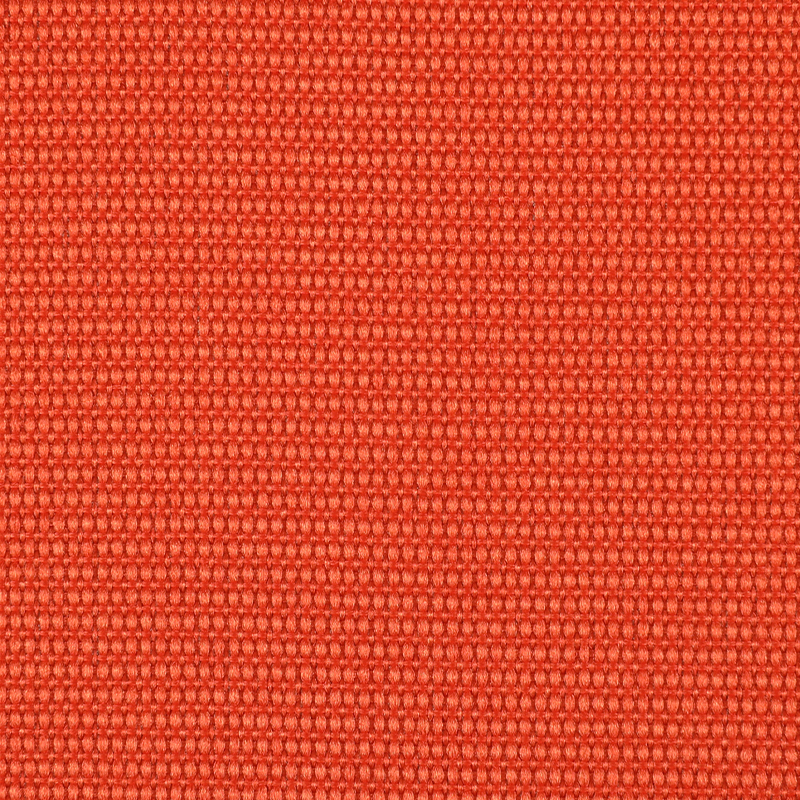
Decoding Durability: Tear and Abrasion Testing for Dty 300D Polyester Fabric
When evaluating Dty 300D Polyester Fabric for heavy-duty applications, relying solely on denier count can be misleading. The true measure of its ruggedness lies in standardized laboratory tests that simulate real-world stress. Two critical metrics are tear strength and abrasion resistance, often verified by ASTM D2261 (tongue tear) and ASTM D4966 (Martindale abrasion). A well-constructed 300D fabric should not only resist initial punctures but also prevent tear propagation under continuous load.
From a procurement standpoint, partnering with experienced Dty 300D Polyester Fabric Manufacturers gives you direct access to these test reports. We at Hangzhou Xiaoshan Wenfa Textile Co., Ltd. routinely document performance data so that you can match the fabric to your product’s mechanical expectations.
| Property |
Common Test Method |
Typical Performance Range |
| Tear Strength (Warp/Weft) |
ASTM D2261 |
25 – 40 N |
| Abrasion Resistance |
ASTM D4966 (12 kPa) |
≥ 50,000 cycles before visible thread breakage |
| Tensile Strength (Grab) |
ASTM D5034 |
900 – 1,200 N |
Typical performance benchmarks for finished Dty 300D Polyester Fabric
Keep in mind that a fabric’s tear resistance is significantly influenced by the weave density and the quality of the DTY (Draw Textured Yarn) interlace. Tighter constructions generally deliver higher tensile figures but may sacrifice a degree of tear propagation resistance if not properly balanced. Specifying the exact test standard and minimum acceptable value is therefore essential when sourcing technical textiles.
Coatings and Backings That Transform Dty 300D Polyester Fabric Performance
The base Dty 300D Polyester Fabric already provides a solid foundation, but the right coating or backing is what unlocks its full potential for weather-exposed or high-friction roles. Common upgrade paths include:
- Polyurethane (PU) coating — delivers a hydrostatic head of 800–1,500 mm depending on coat weight, while keeping the fabric flexible.
- Polyvinyl Chloride (PVC) backing — creates a wipe-clean, highly waterproof surface, often used in tool pouches and industrial protective cases.
- UV-resistant top coats — incorporate stabilizers that slow down fiber degradation when backpacks or covers are left outdoors for extended periods.
Working directly with an OEM/ODM Dty 300D Polyester Fabric Factory allows you to specify not only the chemistry but also the application method — direct coating, transfer coating, or lamination. At Hangzhou Xiaoshan Wenfa Textile Co., Ltd., our integrated production line lets us fine-tune coating thickness in small increments, which becomes crucial when a brand needs to achieve a precise finished weight or drape.
A common misconception is that a heavier coating always means better durability. In reality, over-coating can stiffen the fabric to the point where it develops crack marks along fold lines after repeated use. The target should be a functional balance, matching the coating type to the expected bending radius and impact exposure of the end product.
Achieving Color Precision and Fastness in Custom Dty 300D Polyester Fabric Production
For brands that demand consistent shelf appeal across production runs, color management goes far beyond matching a Pantone code. DTY yarns absorb dye differently than flat filaments, which means lab dip approvals must be performed on the exact fabric construction — not just on loose fiber. Color fastness to light, washing, and crocking then becomes the real quality gate.
Key Fastness Ratings to Request
- Light fastness (ISO 105-B02): a rating of 4–5 (Blue Wool scale) is the practical minimum for outdoor gear.
- Wash fastness (ISO 105-C06): grade 4 or above helps prevent dye bleeding onto lighter trim pieces.
- Crocking fastness (AATCC 8): dry crocking at grade 4 and wet crocking at grade 3–4 are realistic targets for deep shades on polyester.
When you choose a partner that can supply custom Dty 300D Polyester Fabric with documented fastness results, you reduce the risk of batch rejection downstream. We maintain a spectralight-enabled evaluation environment so that color decisions are reproducible regardless of external lighting conditions — a small operational detail that makes a big difference in keeping a global accessory program visually coherent.
Why GRS and OBP Certifications Matter for Your Dty 300D Polyester Fabric Supply Chain
Sustainability in textiles now extends well beyond generic “eco-friendly” claims. Third-party certifications like GRS (Global Recycled Standard) and OBP (Ocean Bound Plastic) provide auditable proof that the polyester content originates from post-consumer or ocean-bound waste streams. For Dty 300D Polyester Fabric, this means the same robust mechanical properties can now be achieved with a significantly lower virgin resource footprint.
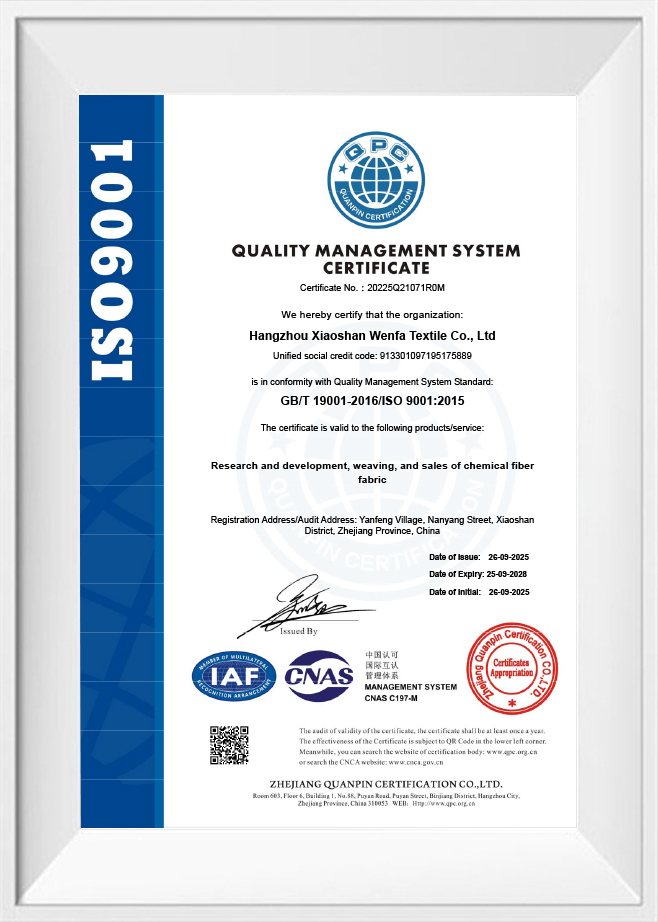
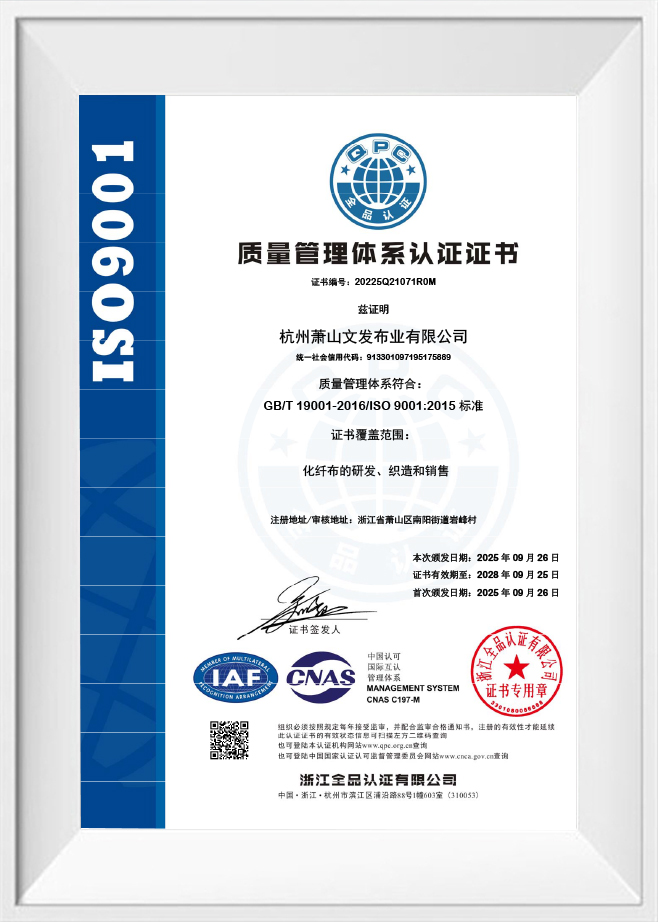
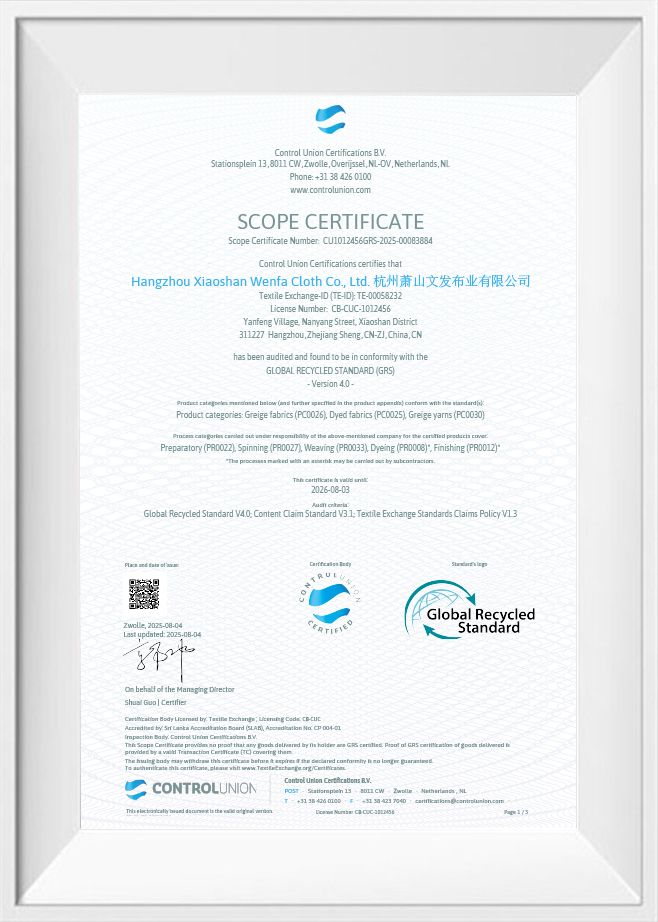
REACH compliance further confirms that restricted chemicals — including certain azo dyes, phthalates, and heavy metals — are not present above threshold limits, which is a non-negotiable requirement for products entering the European market. Hangzhou Xiaoshan Wenfa Textile Co., Ltd. holds ISO, REACH, GRS, and OBP certifications, so the chain of custody is documented from pellet to finished roll.
From a practical standpoint, specifying GRS-certified Dty 300D Polyester Fabric usually means your fabric is at least 50% recycled content, with many constructions reaching 100% recycled post-consumer polyester without sacrificing the tear and abrasion benchmarks discussed earlier. As brands face increasing scrutiny over their environmental reporting, having a certified fabric supply chain becomes not just a marketing advantage but a genuine operational requirement.

 English
 русский
 Français
 Español
 中文简体
中文简体