Decoding Surface Resistivity: What Your Test Report Really Means for Antistatic Fabric
When sourcing Antistatic Fabric, buyers often see terms like “conductive” or “static dissipative” used interchangeably, but the distinction lies in the surface resistivity range. This value, measured in ohms per square (Ω/sq), directly determines where the textile can be safely used. A fabric with a resistivity above 1012 Ω/sq is generally considered insulative and will still generate nuisance static. True antistatic performance typically requires a reading between 109 and 1011 Ω/sq, which allows charges to decay at a controlled rate without creating a spark hazard. For electronics manufacturing or explosive atmospheres, the requirement often shifts to static-dissipative levels (106 to 109 Ω/sq).
At Hangzhou Xiaoshan Wenfa Textile Co., Ltd., we routinely test our Antistatic Static-Dissipative Fabrics according to EN 1149-1 or ASTM D257, and we guide clients toward the correct specification rather than simply selling a “one-size-fits-all” solution. It is also critical to understand that resistivity is not the only parameter; charge decay time, often assessed under low-humidity conditions, tells you how quickly the fabric can bleed off a charge. A fabric holding a surface resistivity of 1010 Ω/sq but with a decay time over 2 seconds may still cause momentary discomfort or dust attraction in fast-moving production lines. We recommend requesting a full static decay report (e.g., below 0.5 seconds from 5000 V to 500 V) when performance consistency is non-negotiable.
Antistatic vs. Static Dissipative: Avoiding Specification Mismatches
The term Antistatic Static-Dissipative Fabrics actually covers two related but distinct functions that influence fabric selection. The table below outlines the practical differences that affect procurement decisions.
Comparison of typical antistatic and static-dissipative fabric characteristics
| Property |
Antistatic Focus |
Static Dissipative Focus |
| Primary goal |
Minimize charge generation and dust attraction |
Control charge flow to ground, prevent ESD events |
| Typical resistivity |
109 – 1011 Ω/sq |
106 – 109 Ω/sq |
| Key risk if wrong |
Dust cling, user discomfort, visible clinging |
Latent component damage, ignition risk |
| Common test |
EN 1149-1, surface resistivity |
EN 1149-3, charge decay; IEC 61340-2-3 |
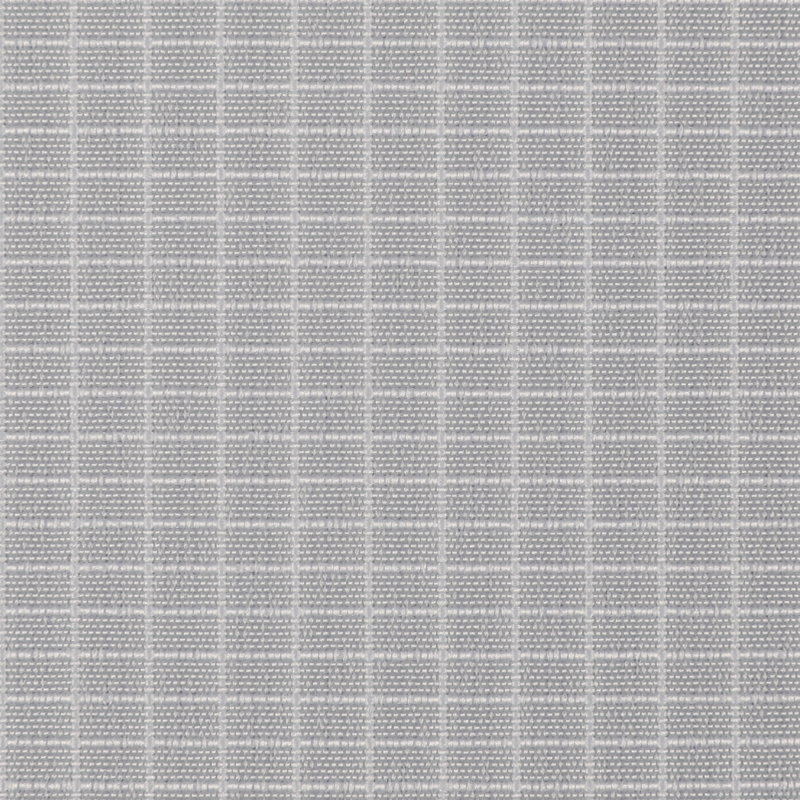
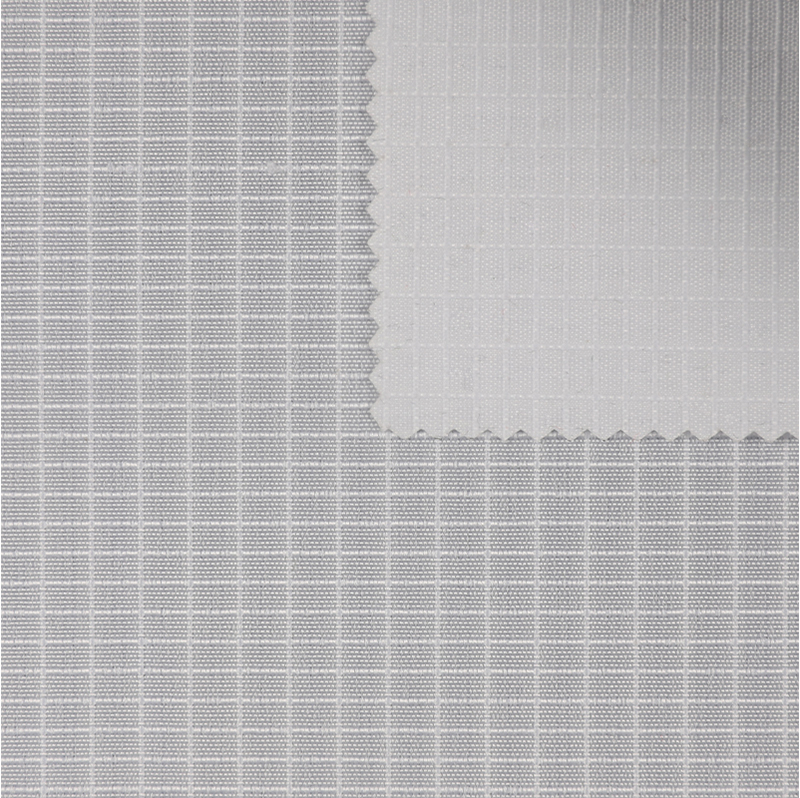
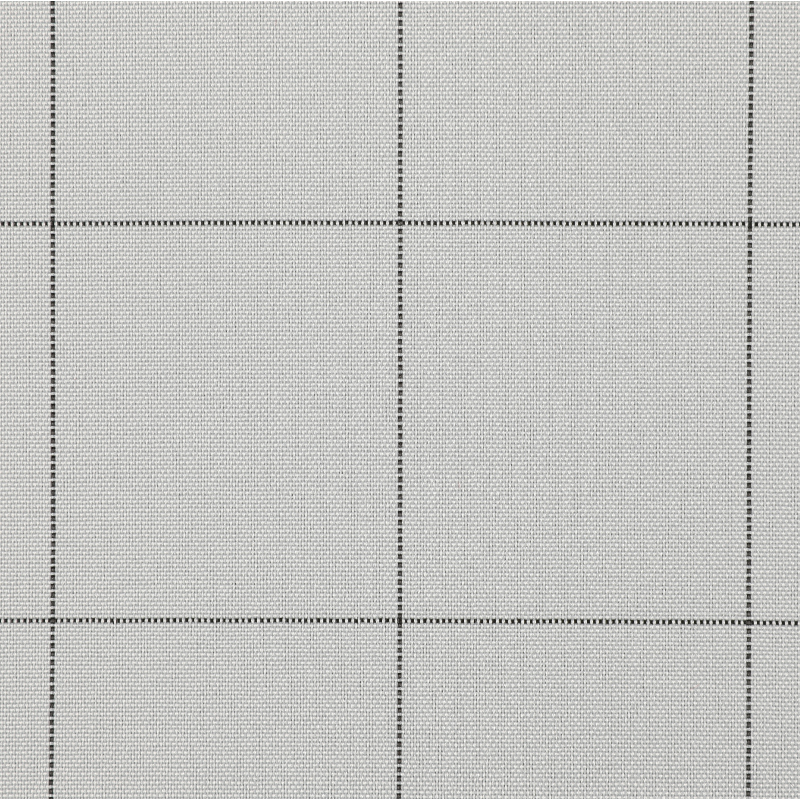
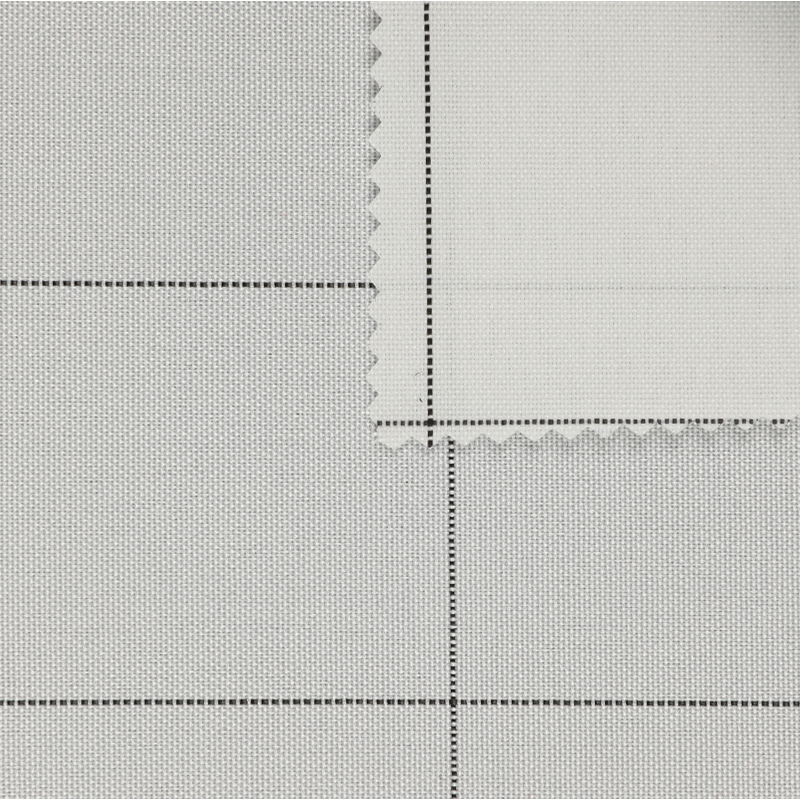
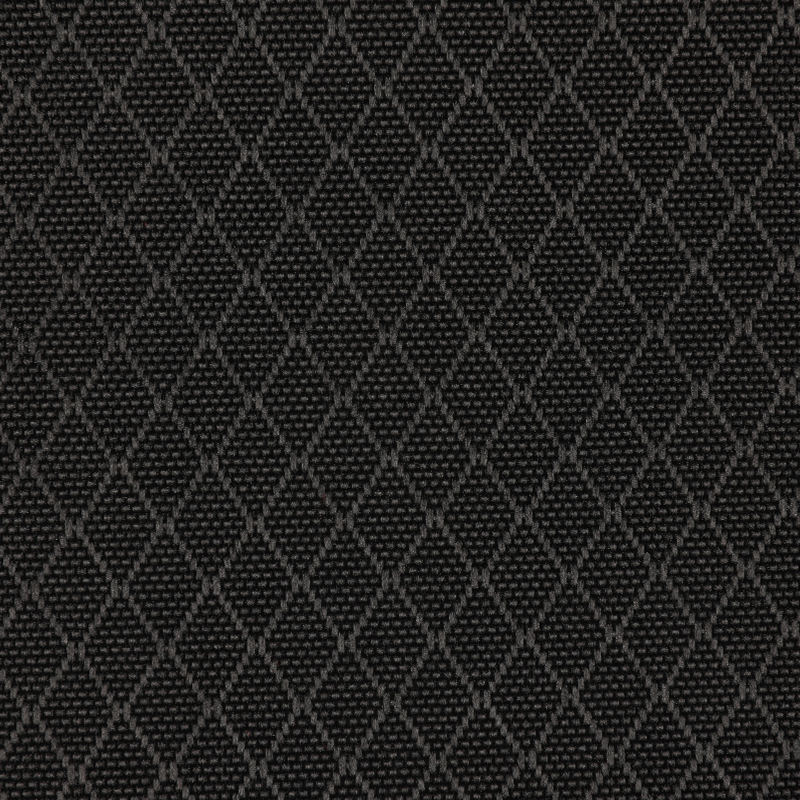
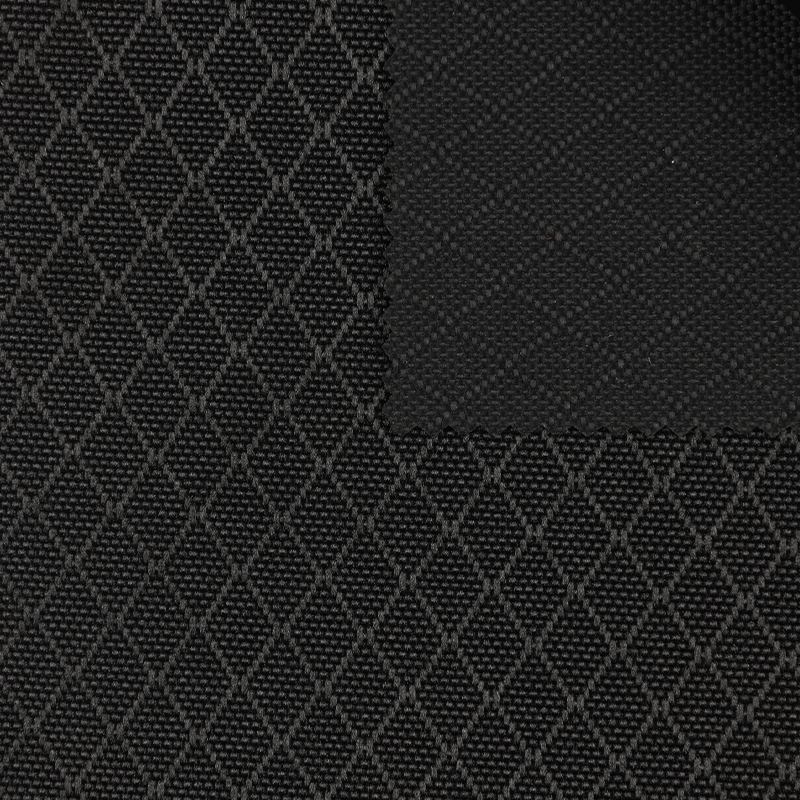
Many buyers assume that any fabric with a conductive yarn qualifies, but the grid pattern and yarn type matter immensely. A sparse grid (e.g., 10mm × 10mm) might be adequate for light dust control, whereas cleanroom garments demand a grid of 5mm or finer. As an experienced OEM/ODM Antistatic Static-Dissipative Fabrics Factory, we often help customers avoid over-engineering cost or under-specifying safety by analyzing the actual electrostatic sensitivity of their environment.
Maintaining Long-Lasting Performance in Anti Static Polyester Fabric
One of the most frequent questions we receive at Hangzhou Xiaoshan Wenfa Textile is how industrial laundering impacts Anti Static Polyester Fabric. The answer depends on how the antistatic property is engineered. Fabrics that rely solely on topical chemical treatments typically exhibit a dramatic drop in performance after fewer than 20 wash cycles. In contrast, our woven-in carbon or conductive-filament polyester yarns maintain performance because the conductive network is an integral part of the textile structure, not a coating.
Nevertheless, even yarn-based solutions can be compromised by improper care. To preserve conductivity, consider these practical guidelines:
- Avoid fabric softeners — they leave an insulating film that bridges the conductive elements, effectively raising surface resistivity.
- Controlled drying temperature: sustained exposure above 80°C can cause microscopic relaxation in the conductive carbon pathways, especially in yarn-edge designs.
- Chlorine bleach or strong oxidizing agents should be excluded; they degrade polyester fiber surfaces and can corrode carbon-loaded yarn coatings.
- Periodic verification with a portable resistance meter (in accordance with IEC 61340-5-1) helps establish a retirement schedule, rather than relying only on visual wear.
We also advise clients that relative humidity plays a hidden role. Extremely dry environments (below 20% RH) can challenge even high-quality Anti Static Polyester Fabric because moisture-assisted charge dissipation is minimal. In such cases, fabric specification should include validated low-humidity charge decay data. Our own Oxford-based constructions, for example, are tested at 12% RH to guarantee resilience in arid manufacturing zones.
Material Synergy: How Fabric Structure Impacts Static Control in Critical Environments
When upgrading to cleanroom garments, ESD-safe workwear, or medical textiles, the fabric’s physical weave and polymer base interact with static-control performance. A common oversight is focusing solely on the conductive grid while ignoring the base polyester’s triboelectric nature. Antistatic Fabric woven in a plain weave often exhibits lower charge generation compared to a twill or ripstop with the same grid density, simply because the smooth surface reduces contact and separation friction.
Key Interactions to Evaluate
- Filament vs. staple yarn: Continuous filament polyester generates less lint and fewer loose fibers, critical for cleanroom protocols, while also contributing to a more consistent surface charge profile.
- Grid integration method: Stripes of conductive yarn embedded only in the warp direction tend to lose conductivity faster along the weft when bent, whereas a bi-directional grid maintains electrical integrity through repeated flexing.
- Layering with membranes: When laminating antistatic fabric to a waterproof membrane for outdoor gear, the inner conductive surface must remain exposed to the skin or grounding point; isolating it behind an insulating layer nullifies the static dissipation path.
For manufacturers designing medical clothing or ESD-safe uniforms, we often recommend examining the entire garment system rather than the fabric alone. Even a superior Antistatic Fabric can be undermined by non-conductive sewing thread, zippers that create insulated islands, or linings with high triboelectric values. At Hangzhou Xiaoshan Wenfa Textile, we support our clients with full garment testing recommendations so that the integrated product meets standards like ANSI/ESD S20.20 or IEC 61340-5-1 without costly late-stage redesigns. Our supply capability for custom Anti Static Polyester Fabric means the conductivity pattern can be tailored to a specific seam layout, maximizing the path to ground while maintaining the flexibility and abrasion resistance that Oxford weaves are known for.
By understanding these nuanced interactions, buyers can move beyond generic purchasing and specify textiles that deliver consistent static protection from the first use through hundreds of cycles, ensuring comfort, safety, and long product life.

 English
 русский
 Français
 Español
 中文简体
中文简体