How Yarn Texturing Influences Long-Term Abrasion Performance
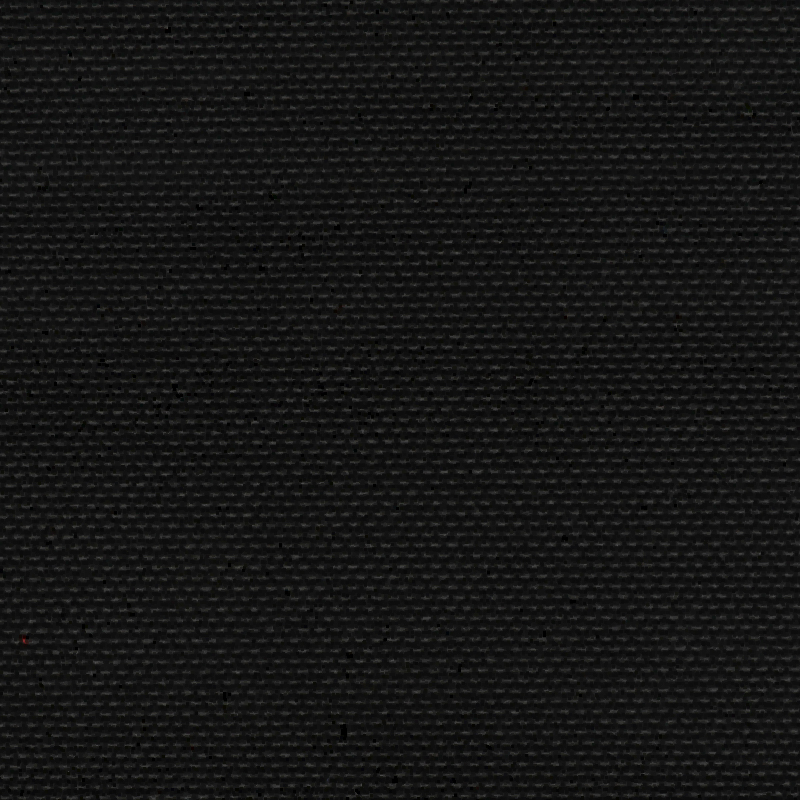
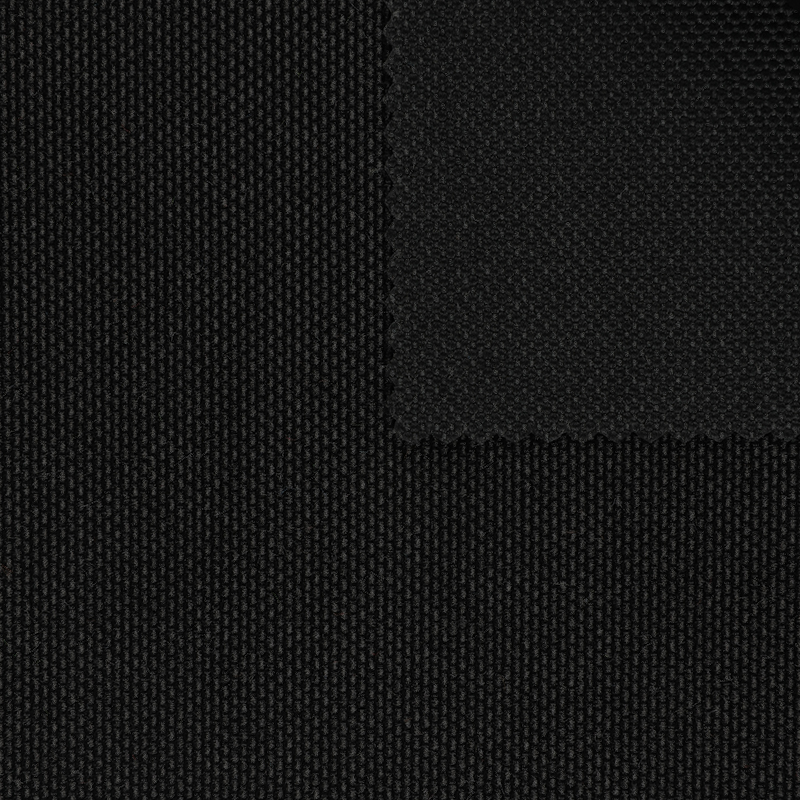
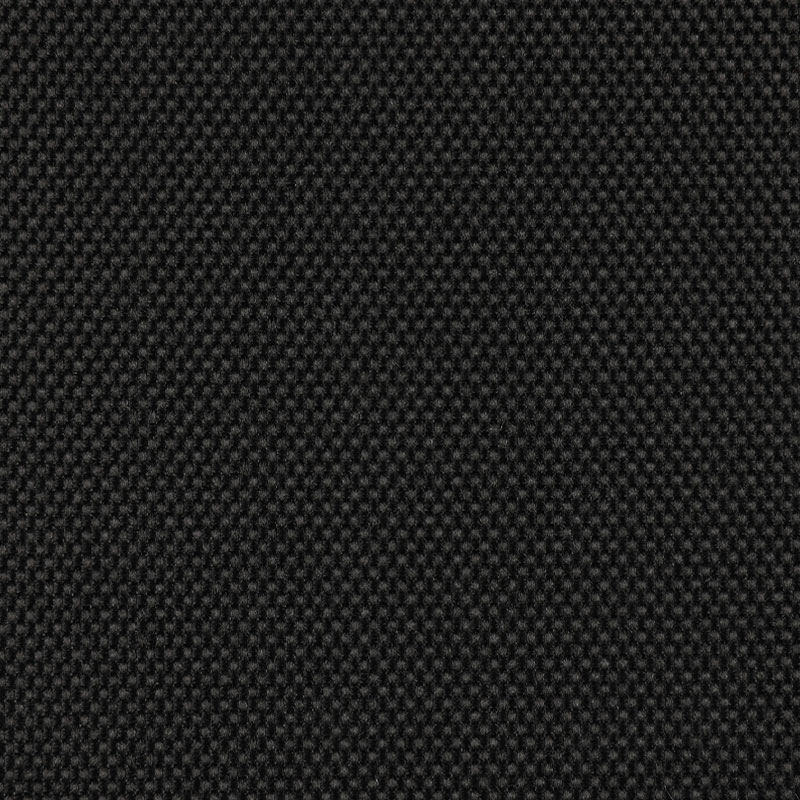
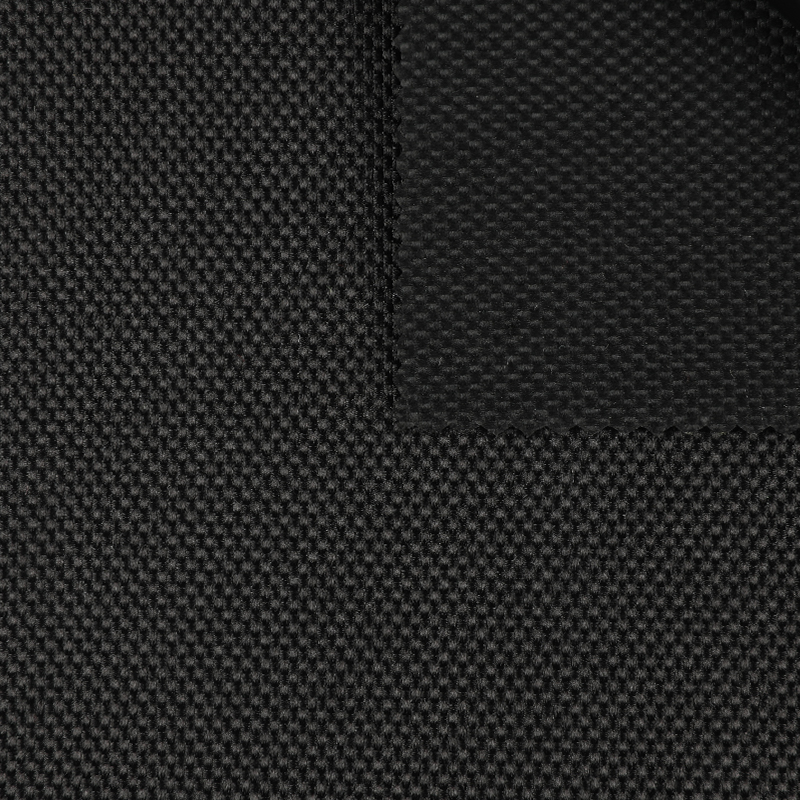
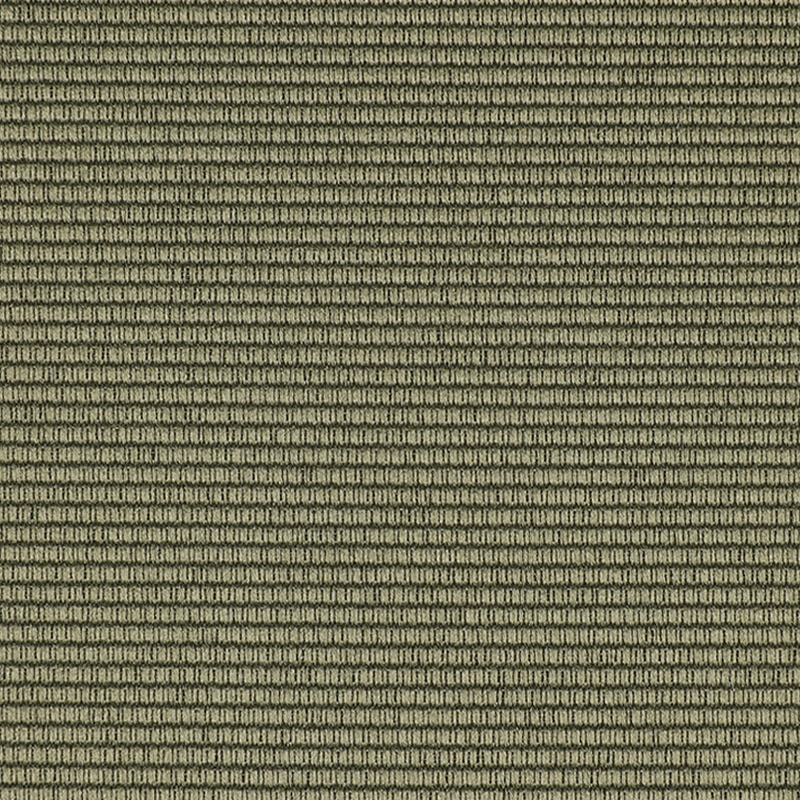
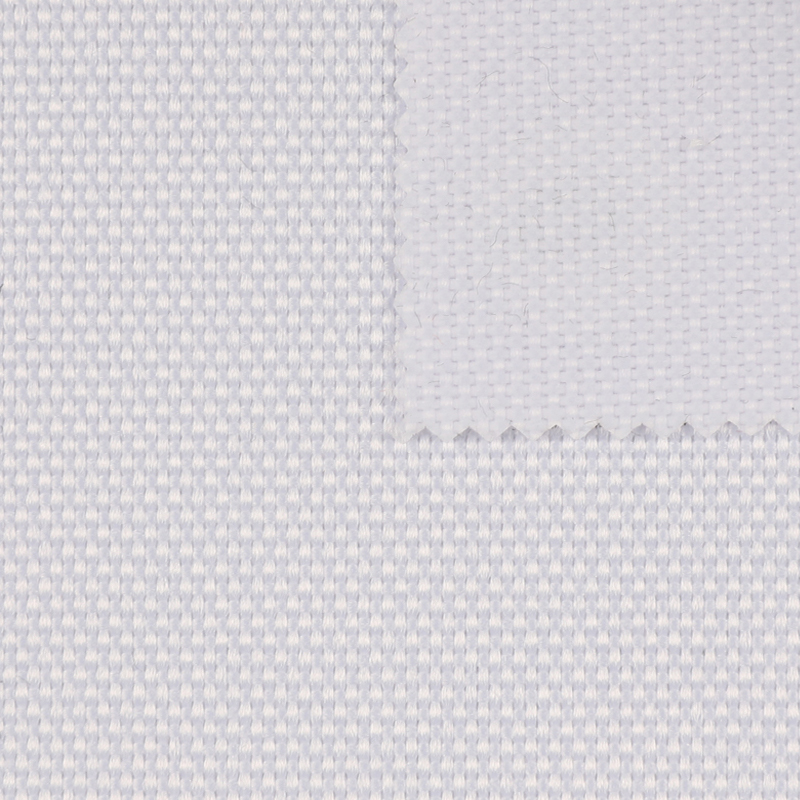
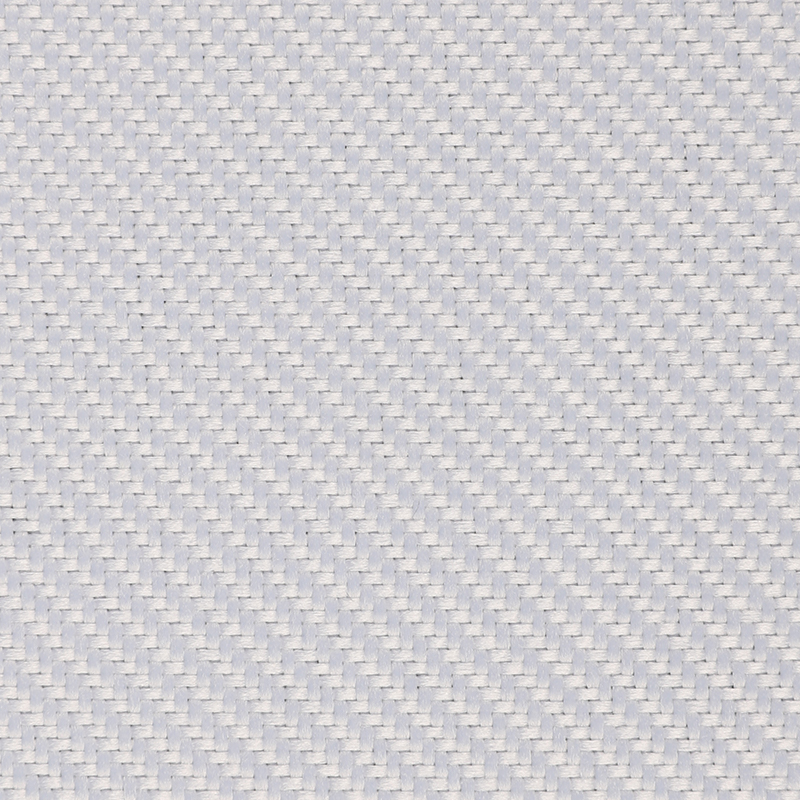
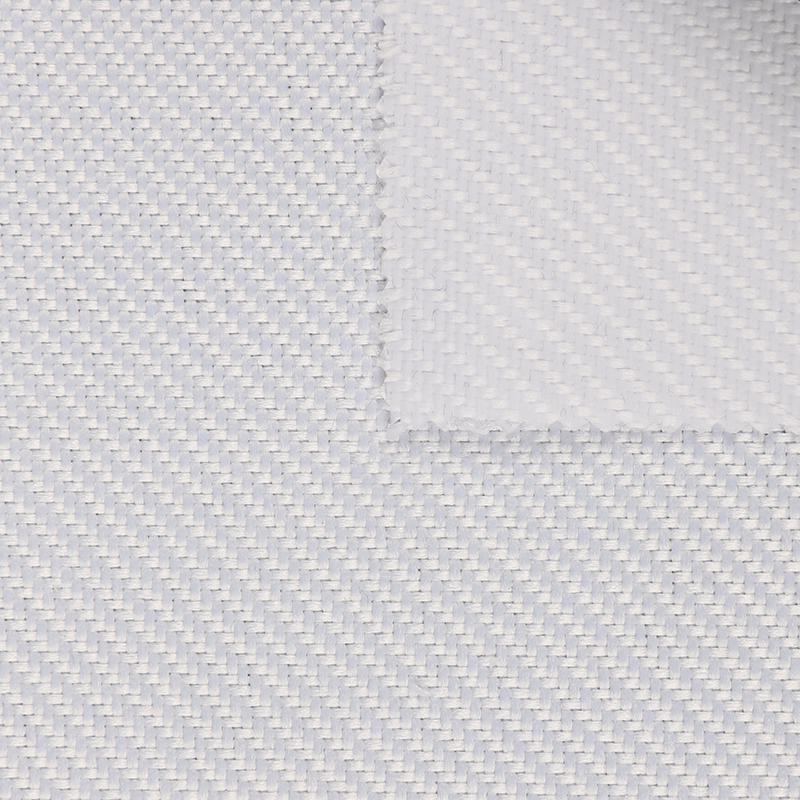
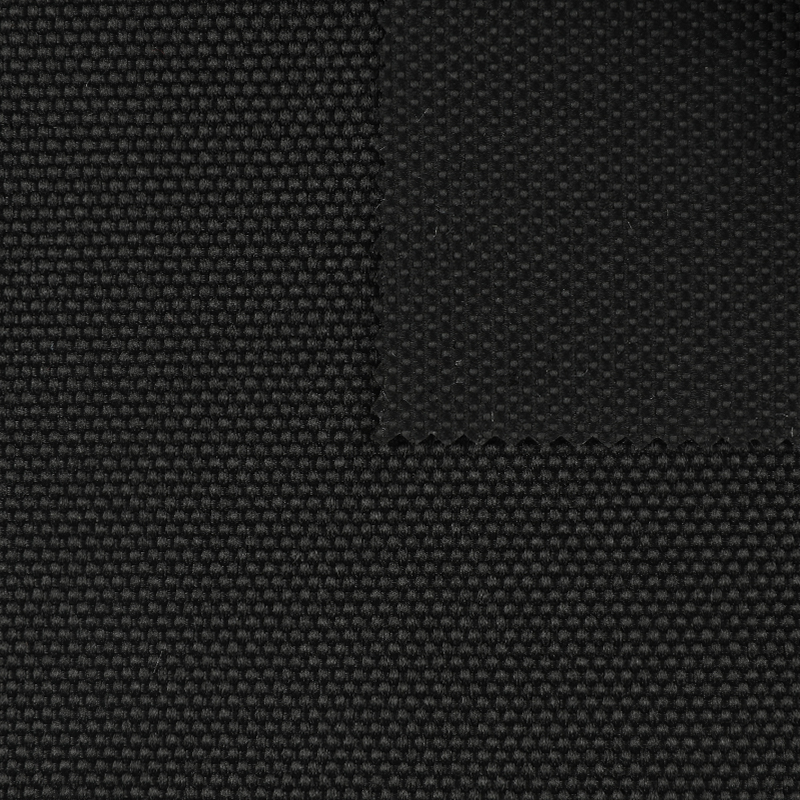
While denier indicates yarn mass, the type of yarn processing plays an equally decisive role in real-world wear. DTY (Draw Textured Yarn) introduces a crimped, three-dimensional structure to each filament. Under friction, this built-in crimp acts as a microscopic shock absorber—the fibers can shift and recover rather than snap under concentrated stress. A flat filament fabric, by contrast, presents a smooth surface where abrasion quickly cuts through individual threads.
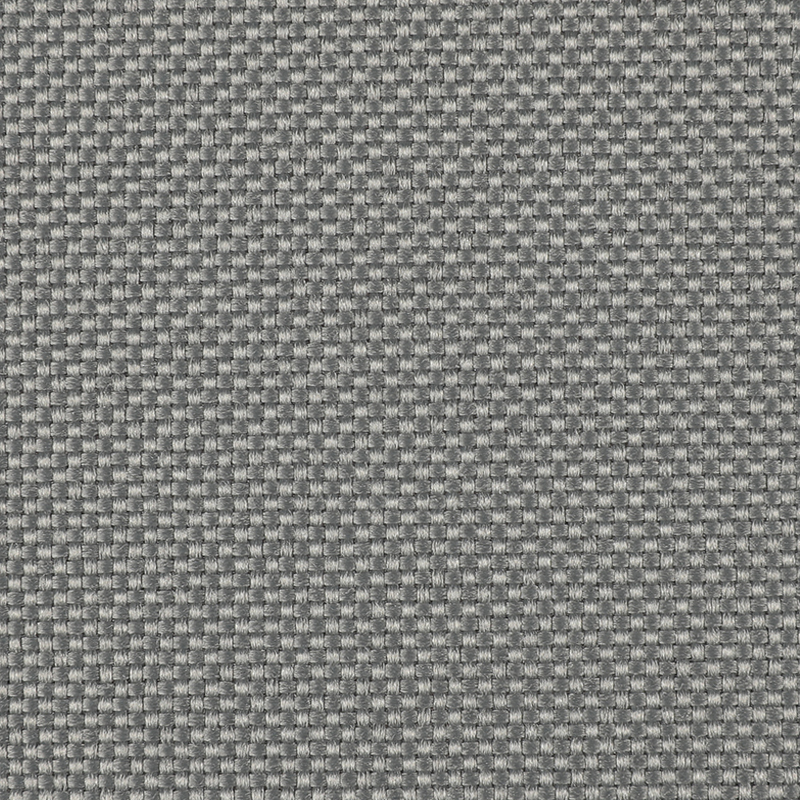
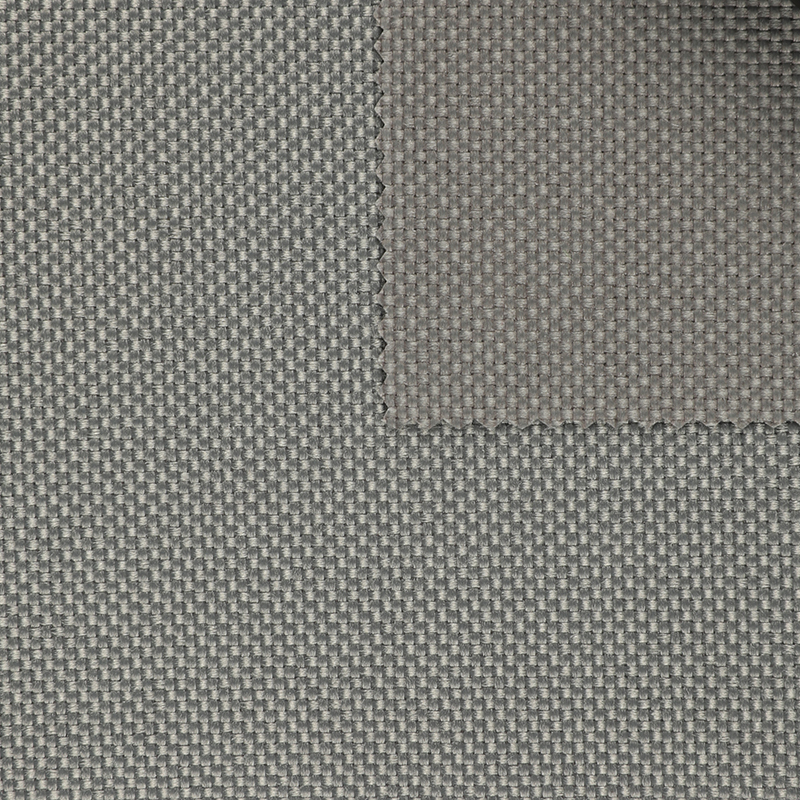
For a heavy-duty 1200D construction, this texturing effect is amplified. The high filament count already provides mass; the DTY process adds resilience. Our internal testing shows that equivalent 1200D fabrics made with DTY consistently deliver 35–50% higher abrasion cycles before visible thread breakage compared to FDY (Fully Drawn Yarn) options of the same denier. The result is a fabric that withstands dragging across rough surfaces with far less pilling or structural loss.
Typical abrasion and tear benchmarks for DTY 1200D versus standard constructions
| Fabric Type |
Denier |
Yarn Style |
Taber Abrasion (CS-10, 1 kg) |
Trapezoidal Tear (N) |
| Dty 1200D Polyester Fabric |
1200D |
DTY |
2,800+ cycles |
220+ |
| Standard 600D Polyester |
600D |
FDY |
1,100 cycles |
100 |
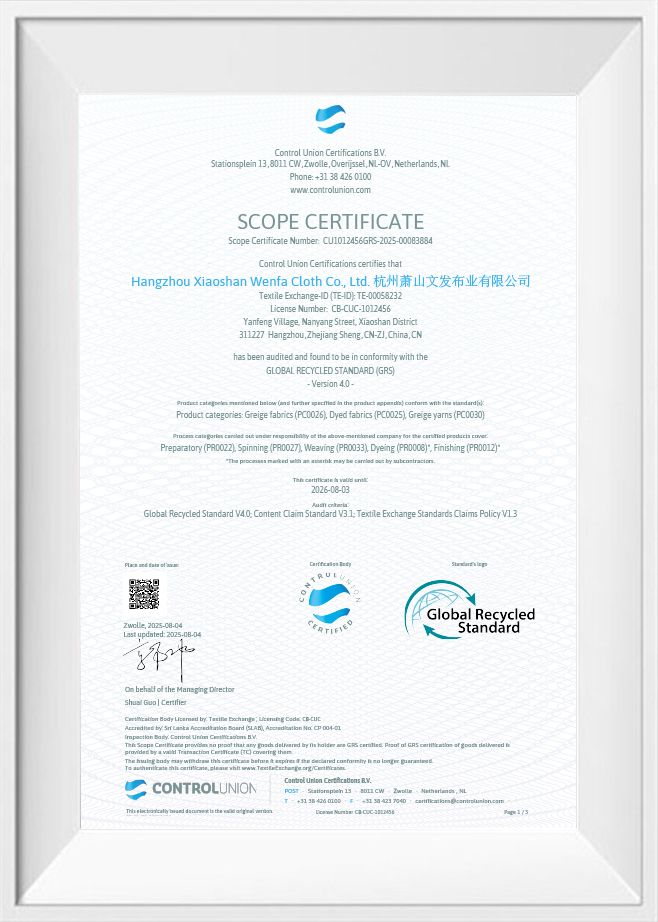
At Hangzhou Xiaoshan Wenfa Textile Co., Ltd., we leverage this texturing advantage in every batch of OEM/ODM production, fine-tuning the crimp retention so that our fabric maintains protective integrity long after standard materials have failed.
Decoding Tensile and Tear Strength: What Specification Sheets Often Overlook
A common mistake is to equate high denier with automatic toughness. While 1200D fabrics possess impressive tensile breaking strength, the real vulnerability in luggage and gear comes from tear propagation—a small cut or puncture that spreads under load. Tear strength, measured by methods such as the trapezoidal tear test (ASTM D5587), reveals how well a fabric resists this catastrophic failure. A trapezoidal tear value above 200 N typically separates premium protective textiles from basic heavy-duty ones.
Key performance indicators to verify for extreme-condition gear
- Warp tensile strength ≥ 2,500 N/5cm
- Weft tensile strength ≥ 2,200 N/5cm
- Trapezoidal tear strength (warp) ≥ 200 N
- Coating adhesion (dry) ≥ 15 N/5cm
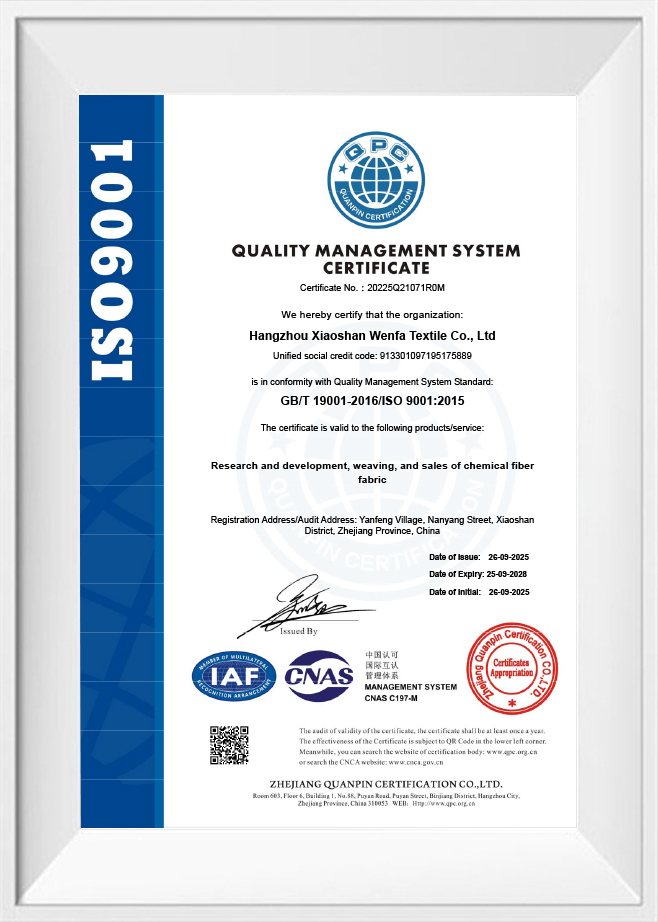
Even among 1200D offerings, weaving density and yarn quality create wide variations. A low-twist, loosely woven 1200D may still tear easily at seam lines. We encourage buyers to request full mechanical test reports rather than rely solely on the denier number. Our ISO-certified facility in Hangzhou consistently delivers test results that exceed these thresholds, ensuring that the structural strength promised is what the final product actually delivers.
Environmental Aging: UV and Hydrolysis Resistance in Heavy-Duty Polyester
Polyester’s Achilles’ heel is not immediate wear but slow chemical degradation from sunlight and moisture. Ultraviolet radiation breaks polymer chains, causing brittleness and color fading. In humid environments, hydrolysis attacks the ester linkages, especially in lower-grade yarns, leading to a progressive loss of strength that can surprise users after a single season of hard use.
High-quality Dty 1200D Polyester Fabric should incorporate advanced stabilizer packages during polymerization and finishing. To validate long-term durability, we subject our fabric to accelerated aging protocols and share the retention rates with partners:
- QUV weathering (ASTM G154, 1,000 hours): strength retention ≥ 85%
- Hydrolysis test (85°C, 85% RH, 500 hours): strength retention ≥ 80%
These values are critical for luggage exposed to tropical climates or outdoor gear left in vehicles. Hangzhou Xiaoshan Wenfa Textile Co., Ltd. integrates such durability treatments as standard, and our GRS- and OBP-certified recycled options offer the same unmatched abrasion resistance without sacrificing environmental performance. This attention to aging resistance is what keeps Dty 1200D Polyester Fabric protecting valuable contents year after year.
Weight vs. Protection: Strategically Specifying 1200D for Product Design
A 1200D polyester fabric typically weighs around 340–400 g/m² before coating, which is significantly heavier than 600D or 840D alternatives. This added mass directly translates to resistance against punctures and edge abrasion, but it also impacts the finished product’s overall weight and pliability. The decision to use 1200D should therefore be driven by a clear risk assessment of the use environment.
Application scenarios where 1200D becomes the optimal choice
- Premium checked luggage that endures repeated baggage-handler drops and conveyor belt friction.
- Industrial equipment covers exposed to sharp metal edges and dragging on concrete.
- Heavy-duty tool backpacks where internal frame components can abrade the shell from the inside.
- Motorcycle soft bags requiring burst resistance at high speeds and against gravel impact.
If weight constraints are a concern, combining Dty 1200D Polyester Fabric on high-wear panels with a lighter body fabric can achieve a balanced design. Our OEM/ODM services allow customers to precisely select coating type, backing, and weight to meet both durability and ergonomic targets. As a manufacturer with an integrated supply chain, we help brands source Dty 1200D Polyester Fabric that delivers the ultimate choice for premium luggage without unnecessary gram-per-meter penalties where they are not needed.

 English
 русский
 Français
 Español
 中文简体
中文简体