
 English
 русский
 Français
 Español
 中文简体
中文简体

Waterproof vs. Coated Oxford Fabric: Key Differences & Performance Guide
2026-04-17
Content
When buyers search for "waterproof Oxford fabric," they often assume the fabric itself blocks water. The reality is more nuanced—and understanding it is the key to sourcing the right material for your product. Oxford fabric is a woven polyester or nylon base; its waterproof performance is almost entirely determined by the coating or lamination applied to it. Choose the wrong coating and you'll face complaints about cracking, excess weight, stiffness, or insufficient protection. Choose the right one and you get a fabric that performs reliably for years.
This guide breaks down what "waterproof" really means for Oxford fabric, compares the most common coating types side by side, and gives you a clear framework for selecting the best option for your application.
What Does "Waterproof Oxford Fabric" Actually Mean?
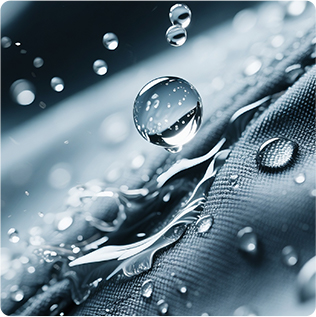
Oxford fabric in its uncoated state is water-resistant, not waterproof. Its tight basket weave creates a degree of natural resistance—water beads on the surface under light exposure—but sustained rain or pressure will cause penetration. Untreated Oxford fabric typically absorbs 4–5% moisture in prolonged contact with water, which is far too high for outdoor or heavy-duty applications.
True waterproofing requires a polymer coating or membrane bonded to the fabric's back surface. The coating seals the spaces between yarns, creating a continuous barrier. Waterproof performance is measured in millimeters (mm) of hydrostatic head—the height of a water column the fabric can resist before leaking. For reference:
- 1,000–2,000mm: suitable for light rain, everyday bags, and covers
- 2,000–5,000mm: appropriate for moderate outdoor use and backpacks
- 5,000mm+: required for tents, tarpaulins, and heavy-duty industrial covers
Our waterproof Oxford fabric range spans 300D, 600D, and 900D specifications, each available with different coating types to match the hydrostatic head target your product demands.
The Most Common Coatings for Oxford Fabric
Each coating technology offers a different balance of waterproofing, weight, flexibility, durability, and cost. Here are the four you'll encounter most often:
PU (Polyurethane) Coating
PU is the most widely used coating for Oxford fabric in bags, luggage, and soft outdoor gear. It is applied as a polymer layer to the fabric's reverse side, adding waterproofing without significantly increasing weight or stiffness. PU coating fabric typically weighs 180–230 gsm at 600D, retains a soft hand-feel, and performs well across a broad temperature range. It does not contain chlorine or heavy metals, making it the more environmentally compliant option compared to PVC.
PVC (Polyvinyl Chloride) Coating
PVC produces a denser, harder waterproof layer and is the preferred choice when the product will face mechanical stress—dragging on rough ground, heavy loads, prolonged outdoor exposure. PVC coating fabric at 1000D can reach 450–900 gsm, providing a rigid, tarp-like structure with outstanding abrasion and puncture resistance. The trade-off: heavier weight, reduced flexibility in cold temperatures, and a less premium hand-feel. Some markets also apply stricter chemical regulations to PVC.
PA (Polyamide / Nylon) Coating
PA coating is a lighter, thinner alternative to PU, commonly applied to achieve a dry, matte surface finish. It offers moderate waterproofing and is often combined with a DWR (Durable Water Repellent) topcoat. PA-coated Oxford is particularly popular for lightweight travel accessories and fashion bags where a clean, non-shiny back surface is desirable.
TPU (Thermoplastic Polyurethane) Coating
TPU is the premium option—more durable than standard PU, more flexible than PVC, and fully recyclable, making it ideal for brands with sustainability commitments. TPU-laminated Oxford can be engineered to achieve both waterproofness and breathability when bonded in a 3-layer construction (outer Oxford + TPU membrane + inner tricot lining), a configuration often specified for performance outerwear and high-end gear.
PU Coated vs. PVC Coated Oxford: Side-by-Side Comparison
PU and PVC are the two coating types buyers most often compare. The table below covers the dimensions that matter most for product specification and sourcing decisions.
| Dimension | PU Coated Oxford | PVC Coated Oxford |
|---|---|---|
| Typical Weight (600D) | 180–230 gsm | 300–500 gsm (heavier builds) |
| Waterproof Rating | 1,000–3,000mm hydrostatic head | 3,000mm+ (continuous layer) |
| Hand-Feel | Soft, flexible, textile-like | Stiff, structured, tarp-like |
| Abrasion Resistance | Good for everyday use | Excellent for heavy-duty use |
| Cold-Weather Performance | Remains flexible at low temperatures | May stiffen or crack without special formulation |
| Environmental Profile | No chlorine or heavy metals; more eco-compliant | Contains PVC; requires compliance review in some markets |
| Typical Applications | Backpacks, luggage, rainwear shells, general covers | Tarpaulins, truck covers, industrial bags, tent floors |
| Relative Cost | Moderate | Moderate to high (heavier builds add cost) |
The key insight: both coatings can be fully waterproof—the real difference is the type of stress they are engineered to handle. PU is optimized for flexibility, comfort, and lightweight performance. PVC is optimized for structural rigidity and mechanical abuse resistance.
How Denier Affects Waterproof Performance
Denier (D) measures the thickness of the yarn used in the weave. It is one of the most important variables in Oxford fabric specification because it directly affects how well a coating adheres and how long waterproof performance is retained.
Higher denier yarns produce a denser, more dimensionally stable weave, which gives the coating a more uniform surface to bond with. Lower denier fabrics are lighter and more packable but may require a heavier coating weight to achieve the same hydrostatic head rating. Common specifications and their typical waterproof contexts:
- 300D Oxford with PU coating (130–180 gsm): lightweight, suitable for inner bags, children's backpacks, and low-intensity outdoor use
- 600D Oxford with PU or PVC coating (180–230 gsm PU / 300+ gsm PVC): the most versatile specification, covering everyday bags through moderate outdoor gear
- 900D Oxford with PVC backing (450–900 gsm): heavy-duty industrial and structural applications where maximum durability is the priority
It is worth noting that a well-constructed 600D with a properly applied PU coat can outperform a loosely woven 1000D in certain waterproof tests. Denier alone does not guarantee performance—weave density and coating weight must also be specified correctly.
Which Coating Should You Choose?
The right coating depends on four factors: the product's end use, the physical environment it will face, the weight and hand-feel expectations of the end user, and any compliance requirements in the target market. Here is a practical decision guide by application:
Bags and Everyday Backpacks
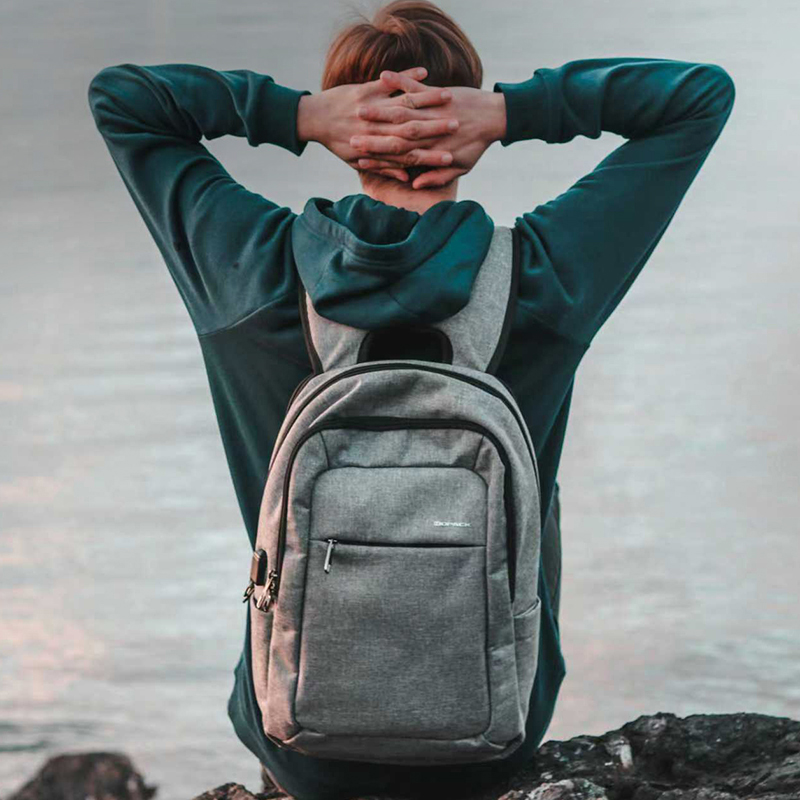
PU-coated Oxford at 300D–600D is the standard starting point for bag fabric. It delivers reliable waterproofing for urban and travel use, a soft feel that users associate with quality, and a weight profile that keeps finished bags comfortable to carry. If the bag is positioned in a premium tier, TPU lamination adds durability and supports sustainability claims.
Outdoor and Camping Gear
For outdoor tent and cover fabric, the choice depends on the product's role. Tent canopies typically use PU-coated Oxford at 600D with a minimum 2,000mm hydrostatic head. Tent floors and groundsheets, which face abrasion and pooling water, often switch to PVC or TPU for higher ratings and puncture resistance. Beach chairs and shade canopies prioritize UV stability and light weight, where a PU or PA coat at 300D performs well.
Industrial Covers and Tarpaulins
When the fabric will be dragged across rough surfaces, exposed to chemicals, or used as a weather cover for machinery and vehicles, PVC-coated Oxford at 900D–1200D is the appropriate specification. The continuous PVC layer provides a waterproof rating above 3,000mm and the surface hardness to resist tearing and abrasion under load.
Luggage and Structured Bags
Hard-sided or semi-structured luggage benefits from PVC or film-coating at higher denier counts, which provides the shape retention needed for bag bodies. For soft-sided luggage where flexibility is required, a 600D PU-coated Oxford balances structure and packability.
Conclusion
Oxford fabric's waterproof performance is not a property of the weave—it is a product of the coating system applied to it. PU coating remains the best all-around choice for bags, backpacks, and general outdoor products: lighter, more flexible, and more environmentally compliant. PVC coating is the correct specification where the product faces mechanical stress, heavy-duty outdoor conditions, or requires a hydrostatic head above 3,000mm. PA and TPU offer targeted advantages for lightweight applications and premium sustainability-focused lines respectively.
When specifying Oxford fabric, always define the end use, target waterproof rating, acceptable weight range, and destination market compliance requirements—not just the denier. With those parameters in place, the right coating becomes a straightforward selection rather than a guessing game.
Hangzhou Xiaoshan Wenfa Textile Co., Ltd. supplies Oxford fabric across the full range of coatings and denier specifications, with ISO certification and GRS, REACH, and OBP compliance. Contact our team to request specifications and samples matched to your product requirements.


地址:
中国浙江省杭州市萧山区南阳街道岩峰村
Add:
Yanfeng Village, Nanyang Street, Xiaoshan District, Hangzhou,Zhejiang Province, China.


Copyright © Hangzhou Xiaoshan Wenfa Textile Co., Ltd.
All Rights Reserved.
 Polyester Fabric Manufacturers
Oxford Fabric Manufacturers
Polyester Fabric Manufacturers
Oxford Fabric Manufacturers