
 English
 русский
 Français
 Español
 中文简体
中文简体

What is Oxford Fabric? Material Types, Uses & Properties Guide
2026-02-06
Content
Oxford fabric is a woven textile characterized by its distinctive basketweave pattern, created by interlacing warp and weft threads in a specific 2x1 or 2x2 structure. Originally developed in Scotland and named after Oxford University, this durable material is widely used in dress shirts, sportswear, bags, and outdoor gear due to its strength, breathability, and wrinkle-resistant properties.
The Weaving Structure Behind Oxford Fabric
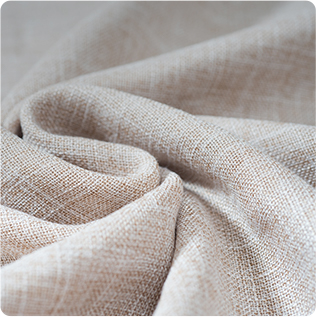
The defining characteristic of Oxford fabric lies in its unique basketweave construction. Unlike plain weave fabrics where single threads cross perpendicularly, Oxford fabric uses two or more warp threads interlaced with thicker weft threads, creating a textured, slightly lustrous surface with visible dimensionality.
Common Weave Variations
- 2x1 Oxford: Two fine warp threads cross one heavier weft thread, producing a tighter weave
- 2x2 Oxford: Creates a more pronounced basket pattern with enhanced texture and breathability
- Pinpoint Oxford: Uses finer yarns in a smaller basketweave, resulting in a smoother, more formal appearance
- Royal Oxford: Features a luxurious, silky finish with a tighter weave suitable for dress shirts
The basketweave structure naturally creates small gaps between threads, which contributes to the fabric's breathability while maintaining structural integrity. This makes Oxford fabric particularly suitable for year-round wear in climates with temperature variations.
Material Composition and Properties
Traditional Oxford fabric was made entirely from cotton, but modern manufacturing has introduced various fiber blends to enhance specific properties. The material composition directly impacts the fabric's performance characteristics, durability, and care requirements.
| Material Type | Composition | Key Benefits | Common Uses |
|---|---|---|---|
| 100% Cotton Oxford | Pure cotton fibers | Maximum breathability, softness | Dress shirts, casual wear |
| Poly-Cotton Blend | 60-80% polyester, 20-40% cotton | Wrinkle resistance, quick-drying | Work uniforms, travel clothing |
| Nylon Oxford | 100% nylon or nylon blend | Water resistance, high durability | Backpacks, outdoor gear, luggage |
| Polyester Oxford | 100% polyester fibers | Abrasion resistance, affordability | Awnings, pet accessories, covers |
When selecting Oxford fabric for specific applications, the denier measurement becomes crucial. Denier indicates the weight and thickness of the fibers – common ratings range from 210D for lightweight applications to 1680D for heavy-duty bags and equipment. Higher denier numbers correlate with increased durability and abrasion resistance but reduced flexibility.
Practical Applications Across Industries
Oxford fabric's versatility has led to widespread adoption across multiple sectors, from fashion to industrial manufacturing. Understanding these applications helps clarify why specific Oxford fabric types suit particular purposes.
Apparel and Fashion
In clothing, Oxford fabric dominates the button-down shirt category. The Oxford button-down shirt accounts for approximately 35% of men's dress shirt sales in North America, according to textile industry reports. The fabric's natural texture provides visual interest while maintaining professional appearance, making it suitable for business casual environments.
Pinpoint and Royal Oxford varieties offer smoother finishes appropriate for formal occasions, while traditional Oxford cloth provides the casual texture associated with preppy and Ivy League styling. The fabric's ability to soften with washing while maintaining structure makes it increasingly comfortable over time.
Bags and Luggage
Nylon and polyester Oxford fabrics have become industry standards for bag manufacturing. The material offers an exceptional strength-to-weight ratio, with 600D polyester Oxford providing tear resistance up to 45 pounds per square inch while weighing just 180-200 grams per square meter.
- 420D Oxford: School backpacks, lightweight daypacks
- 600D Oxford: General-purpose backpacks, laptop bags, sports duffels
- 900D-1000D Oxford: Heavy-duty travel luggage, tactical gear
- 1680D Oxford: Premium luggage, professional equipment cases
Outdoor and Technical Equipment
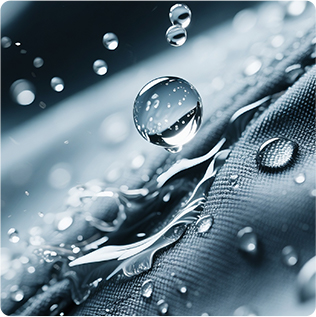
Coated Oxford fabrics with polyurethane (PU) or polyvinyl chloride (PVC) backing provide waterproofing for tents, rain covers, and protective tarps. A typical PU-coated 210T nylon Oxford achieves water column ratings of 3,000-5,000mm, sufficient for moderate rain protection in camping and outdoor storage applications.
Advantages and Limitations
Oxford fabric offers distinct benefits that explain its enduring popularity, but understanding its limitations ensures appropriate application selection.
Key Advantages
- Durability: The basketweave structure distributes stress across multiple thread intersections, reducing likelihood of tearing compared to plain weaves
- Breathability: Natural air gaps in the weave allow moisture vapor transmission rates 20-30% higher than comparable density plain weaves
- Versatility: Available in weights from 80 GSM for shirts to 400+ GSM for industrial applications
- Easy maintenance: Cotton Oxford fabric becomes softer with washing while synthetic versions resist wrinkles and dry quickly
- Cost-effectiveness: Efficient weaving processes keep production costs moderate relative to other textured fabrics
Practical Limitations
- Cotton Oxford wrinkles more readily than synthetic blends, requiring ironing for formal appearance
- The textured surface may pill with excessive abrasion, particularly in lower-quality synthetics
- Uncoated versions lack inherent water resistance, absorbing moisture in wet conditions
- The basketweave pattern may appear too casual for strictly formal business environments requiring smooth broadcloth
Care and Maintenance Guidelines
Proper care extends Oxford fabric's lifespan significantly. The maintenance approach varies based on fiber content and intended use.
Cotton and Cotton Blends
- Wash in warm or cold water (30-40°C) to prevent shrinkage, which typically ranges from 3-5% in first washing
- Use mild detergent without bleach to preserve color vibrancy and fiber integrity
- Tumble dry on low heat or line dry to minimize wrinkles and energy consumption
- Iron while slightly damp at medium heat (150-180°C) for optimal wrinkle removal
- Store on hangers to prevent permanent creasing
Synthetic Oxford (Nylon/Polyester)
- Machine wash cold (below 30°C) to prevent heat damage to synthetic fibers
- Avoid fabric softeners which can reduce water-repellent coatings on treated fabrics
- Air dry or use low tumble heat, as high heat can melt or deform synthetic fibers
- For coated fabrics, periodically reapply DWR (Durable Water Repellent) treatments to maintain waterproofing
- Spot clean with mild soap solution for minor soiling to reduce washing frequency
Selecting the Right Oxford Fabric
Choosing appropriate Oxford fabric requires matching material specifications to intended use. Several factors influence this decision beyond basic appearance preferences.
For Clothing
Select 100% cotton or cotton-rich blends (minimum 60% cotton) for maximum comfort and breathability in dress shirts. Pinpoint Oxford offers smoother texture for business professional settings, while standard Oxford provides casual versatility. Fabric weight between 100-140 GSM balances durability with comfort for year-round wear.
For Bags and Outdoor Gear
Match denier rating to anticipated use intensity. Daily commuter bags perform well with 600D polyester Oxford, while expedition backpacks benefit from 900D or higher. Consider PU coating thickness – 2,000mm water column rating suffices for light rain, while 5,000mm+ handles heavy downpours. Ripstop Oxford variants add reinforcement threads every 5-8mm, significantly improving tear resistance for technical applications.
Environmental Considerations
Organic cotton Oxford certified by GOTS (Global Organic Textile Standard) eliminates pesticide residues and reduces environmental impact, though typically costing 20-40% more than conventional cotton. Recycled polyester Oxford, made from post-consumer plastic bottles, offers comparable performance to virgin polyester while reducing petroleum consumption by approximately 59% per kilogram of fabric produced.
Distinguishing Oxford from Similar Fabrics
Oxford fabric is frequently confused with other woven textiles. Recognizing these differences ensures accurate fabric identification and appropriate selection.
| Fabric Type | Weave Pattern | Texture | Primary Difference |
|---|---|---|---|
| Oxford | Basketweave (2x1 or 2x2) | Pronounced texture, visible pattern | Uses multiple warp threads per weft |
| Broadcloth | Plain weave (1x1) | Smooth, uniform surface | Single threads cross perpendicularly |
| Poplin | Plain weave with fine ribbing | Subtle horizontal ridges | Higher warp thread count creates ribs |
| Twill | Diagonal weave | Diagonal lines, smooth drape | Threads pass over/under in offset pattern |
The most reliable identification method involves examining the fabric under magnification. Oxford's basketweave creates small square or rectangular patterns visible to the naked eye, whereas broadcloth and poplin show uniform, tightly packed individual threads without dimensional texture.



地址:
中国浙江省杭州市萧山区南阳街道岩峰村
Add:
Yanfeng Village, Nanyang Street, Xiaoshan District, Hangzhou,Zhejiang Province, China.


Copyright © Hangzhou Xiaoshan Wenfa Textile Co., Ltd.
All Rights Reserved.
 Polyester Fabric Manufacturers
Oxford Fabric Manufacturers
Polyester Fabric Manufacturers
Oxford Fabric Manufacturers