
 English
 русский
 Français
 Español
 中文简体
中文简体

Why Oxford Fabric Excels in Outdoor Gear and Luggage
2026-04-03
Content
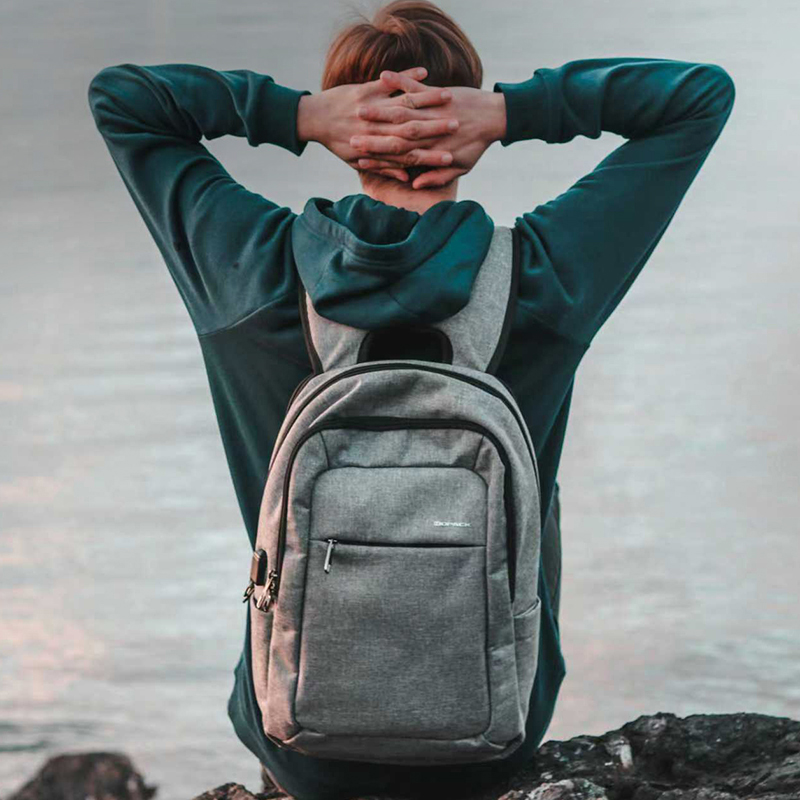
Oxford fabric remains the preferred material for outdoor equipment and travel cases because it delivers a proven combination of high tensile strength and versatile visual appeal. The tightly interlaced grid structure and optional polymer coating create a reliable barrier against abrasion while maintaining a clean appearance that suits both rugged trails and daily commutes. Selecting Oxford material guarantees longer product lifespans and lower replacement costs across all climate conditions.
The Structural Advantage of the Oxford Weave
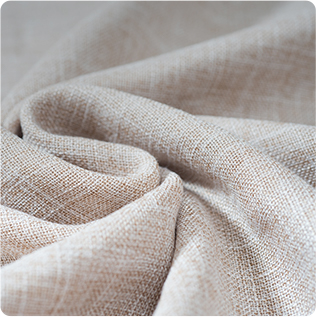
The manufacturing process relies on a basket weave pattern where multiple warp and weft threads cross at precise intervals. This geometric arrangement distributes physical stress across a broader surface area, preventing localized punctures during heavy loads. Research shows that standard basket weaves absorb impact energy up to thirty percent more efficiently than traditional plain weaves.
Understanding Thread Density and Load Capacity
Manufacturers measure fabric weight using the denier system, which directly indicates durability thresholds. Heavier counts support more gear without stretching or sagging during transit.
- Three hundred denier textiles provide flexible movement for lightweight daypacks while resisting surface scratches from daily contact.
- Six hundred denier variants withstand rough terrain and frequent dragging, making them ideal for multi day camping packs and wheeled check in cases.
- Nine hundred denier ratings offer maximum tear resistance for expedition duffels and professional photography bags.
Polymer Coating and Weather Resistance
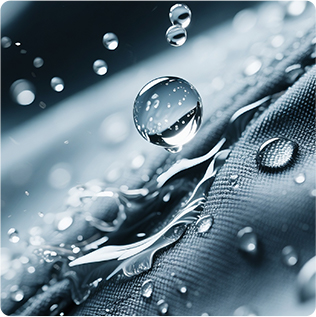
Applying a polyurethane or polyvinyl chloride layer seals the microscopic gaps between yarns. This treatment repels water droplets effectively, preventing moisture from saturating the inner compartment. Field tests indicate that a double coating reduces water absorption by ninety five percent during sustained rainfall, keeping electronics and dry clothing secure.
Balancing Strength with Modern Design
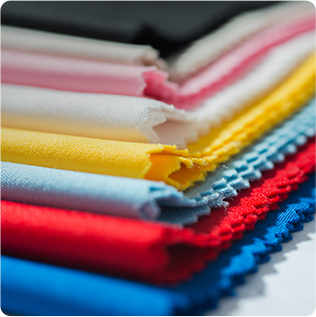
Outdoor equipment and luggage must perform reliably while maintaining an attractive profile. The tight weave accepts deep dye saturation evenly, preventing the uneven fading common in loosely structured textiles. This consistency allows manufacturers to produce matte, glossy, or textured finishes without weakening the base material.
Surface Treatments and Color Retention
Advanced finishing techniques embed pigments into the synthetic fibers before weaving. Ultraviolet stabilizers are frequently integrated to block solar radiation that degrades standard fabrics. Laboratory exposure tests confirm that stabilized materials retain over eighty percent of their original shade after five years of direct sunlight, ensuring travel cases look professional throughout extended use.
Hardware Integration and Structural Reinforcement
Designers attach metal sliders, plastic buckles, and wheel assemblies to reinforced stitching panels. The dense fabric holds anchor points securely even under repeated tension. Reinforcing stress zones with extra stitching layers extends hardware lifespan by preventing thread pull out during sudden stops or drops.
Care Protocols for Extended Performance
Proper maintenance preserves both the protective qualities and visual standards of travel equipment. Regular cleaning removes abrasive dirt particles that grind into fibers during movement. Following structured care routines prevents premature coating degradation and maintains water repellency for years.
| Cleaning Method | Recommended Frequency | Key Precaution |
|---|---|---|
| Damp cloth wiping | After every trip | Avoid harsh chemical solvents that strip coatings |
| Mild soap immersion | Monthly for heavy use | Air dry completely before storage to prevent mildew |
| Waterproof spray application | Seasonally or after cleaning | Test on hidden area first to ensure color compatibility |
Storage Practices to Prevent Deformation
Long term preservation requires proper folding techniques and climate control. Storing bags flat or partially filled with acid free paper maintains the original silhouette and prevents permanent creases. Keeping items away from direct heat sources and damp basements protects the polymer backing from cracking or delamination. Consistent storage habits ensure the equipment retains its original shape and functionality through countless journeys.


地址:
中国浙江省杭州市萧山区南阳街道岩峰村
Add:
Yanfeng Village, Nanyang Street, Xiaoshan District, Hangzhou,Zhejiang Province, China.


Copyright © Hangzhou Xiaoshan Wenfa Textile Co., Ltd.
All Rights Reserved.
 Polyester Fabric Manufacturers
Oxford Fabric Manufacturers
Polyester Fabric Manufacturers
Oxford Fabric Manufacturers