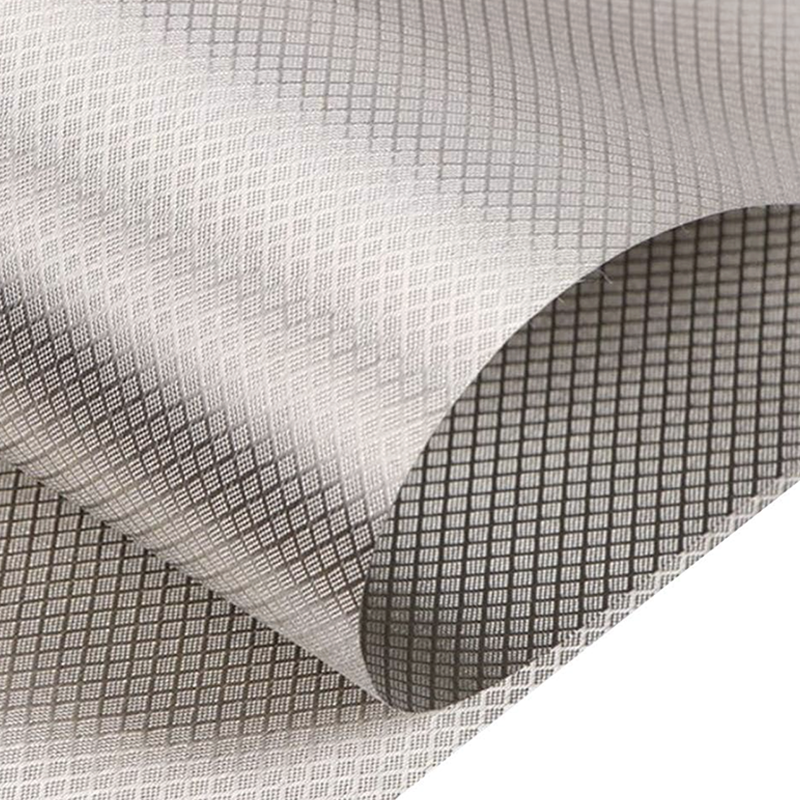
Custom Signal Shield Polyester Fabric( Rfid Shield Polyester Fabric )
Home / Products / Functional Polyester Fabric / Signal Shield Fabric( Rfid Shield Fabric )
Message Feedback
About Us

Hangzhou Xiaoshan Wenfa Textile Co., Ltd. specializes in the production and sales of Oxford fabric, integrating R&D, manufacturing, and sales. With around 300 employees and nearly 300 sets of machinery, including 200 water-jet looms, as Signal Shield Polyester Fabric( Rfid Shield Polyester Fabric ) Manufacturers, and OEM/ODM Signal Shield Fabric( Rfid Shield Fabric ) Factory. the company maintains a daily output of approximately 160,000 meters of fabric, ensuring stable supply and reliable quality.

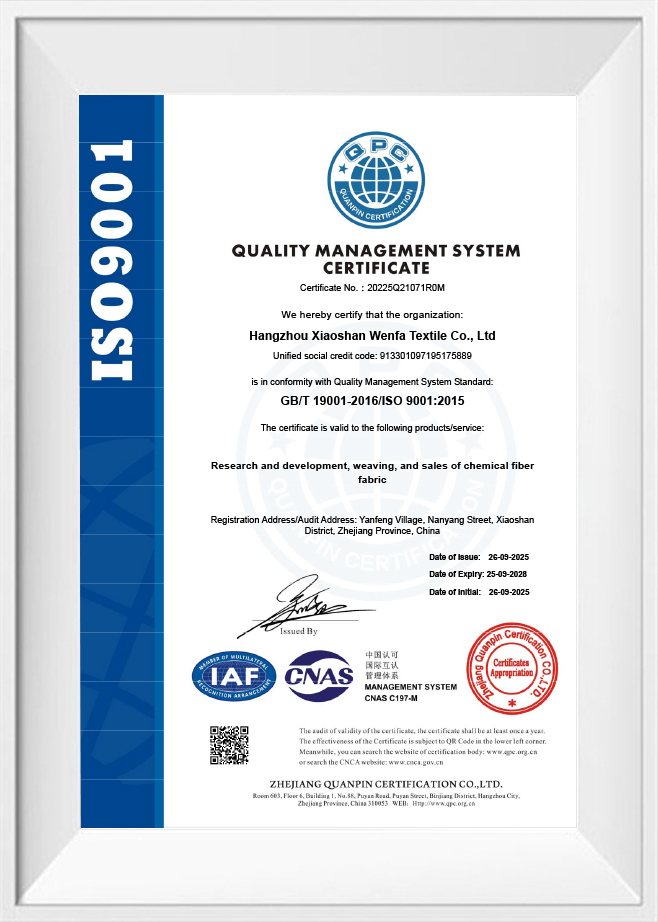
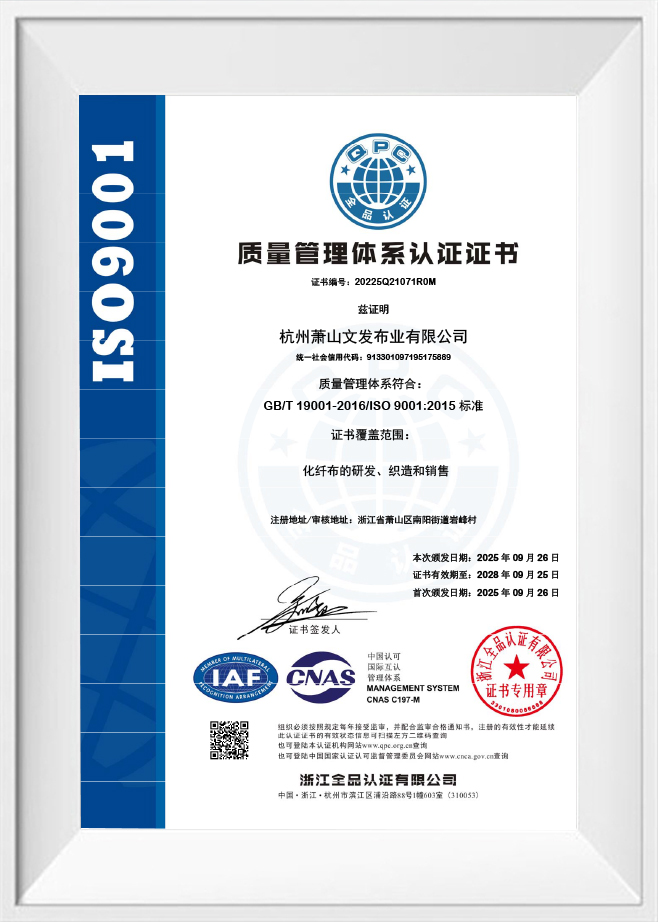
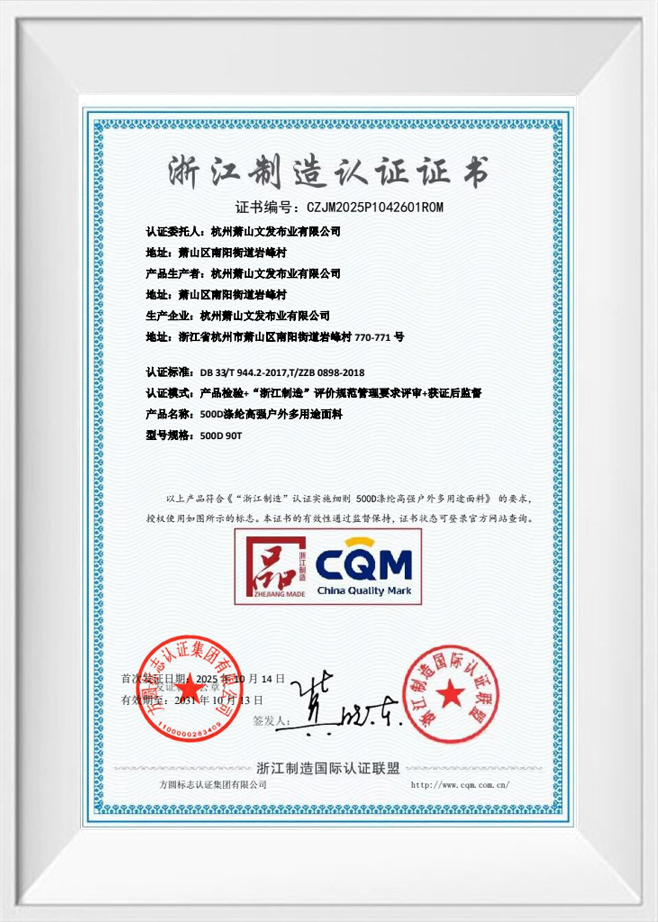
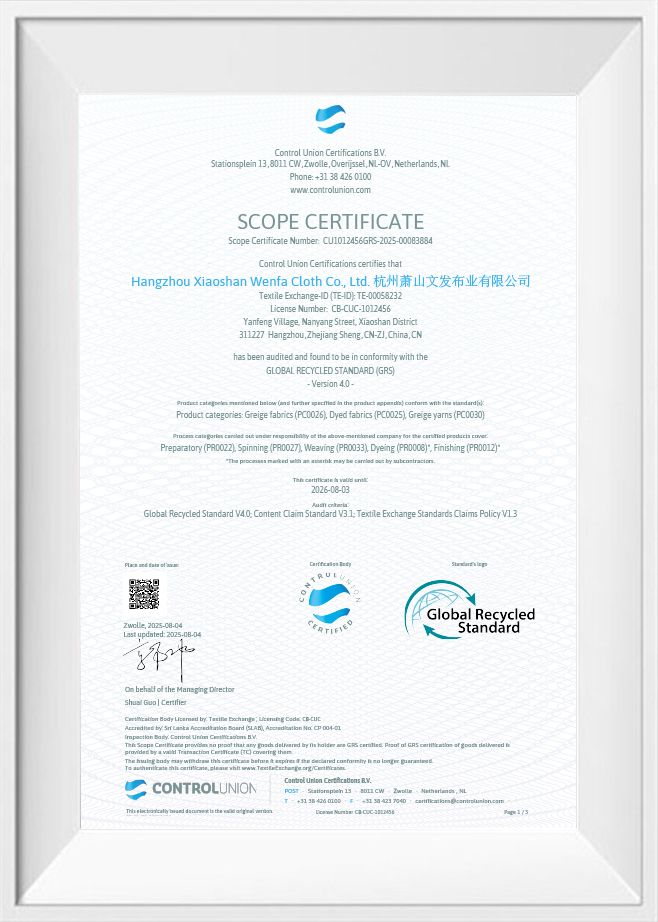
The company holds ISO certification as well as REACH, GRS, and OBP standards, reflecting its commitment to quality and sustainability. Its Oxford fabric is widely used in luggage, outdoor gear, and children's products, serving both domestic and international markets including Europe, the Americas, and Southeast Asia. Moving forward, the company will continue to leverage its integrated supply chain and technical expertise to be a trusted global supplier of Oxford fabric. Supply Custom Signal Shield Polyester Fabric( Rfid Shield Polyester Fabric ).

Welcome to Hangzhou Xiaoshan Wenfa Textile Co., Ltd.

Honor

  • certificate
  • certificate
  • certificate
  • certificate
  • certificate
  • certificate
News
  • What Makes Polyester Fabric Eco-Friendly? Eco-friendly polyester fabric is manufactured through processes and raw materials that significantly reduce environmental impact compared to conventional polyester. The most widely recognized form is recycled polyester (rPET), produced by converting post-consumer plastic waste...

    READ MORE
  • What Makes Polyester Fabric Anti-UV Standard polyester already blocks a portion of ultraviolet radiation due to the density of its fiber structure, but untreated polyester alone does not meet the performance thresholds required for prolonged sun exposure applications. Anti-UV polyester fabric is produced through one o...

    READ MORE
  • Choosing between 600D and 1200D Oxford fabric is one of the most common decisions buyers face when sourcing material for bags, luggage, outdoor gear, or protective covers. The "D" stands for denier—a unit that measures the linear mass density of fibers. A higher denier means thicker, heavier yarns, which directly affe...

    READ MORE

Industry Knowledge

Understanding Shielding Effectiveness vs. Real-World Signal Control

In bulk procurement, buyers often focus on laboratory shielding effectiveness (SE) values, typically expressed in dB. However, in practical applications, the real value lies in how Signal Shield Fabric performs across multiple frequency bands simultaneously. For example, blocking low-frequency mobile signals (2G/3G) and high-frequency Wi-Fi or Bluetooth requires different material structures and conductive densities.

From Wenfa's production experience, fabrics optimized only for a single band may underperform in mixed-signal environments such as financial offices or data centers. This is why we emphasize balanced electromagnetic absorption and reflection rather than chasing extreme single-band numbers.

Material Structure Choices and Their Impact on Fabric Processing

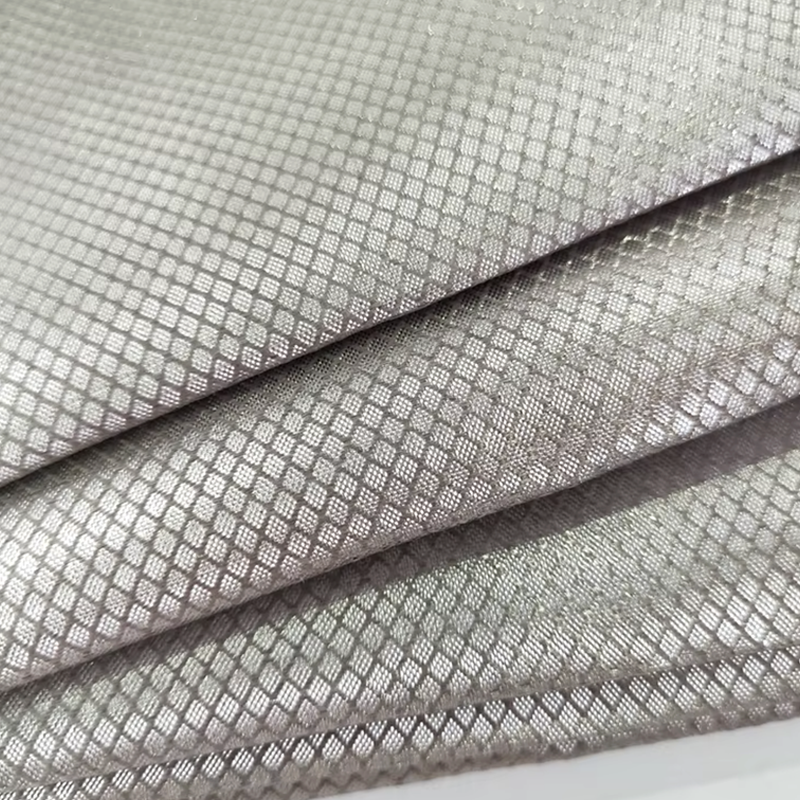
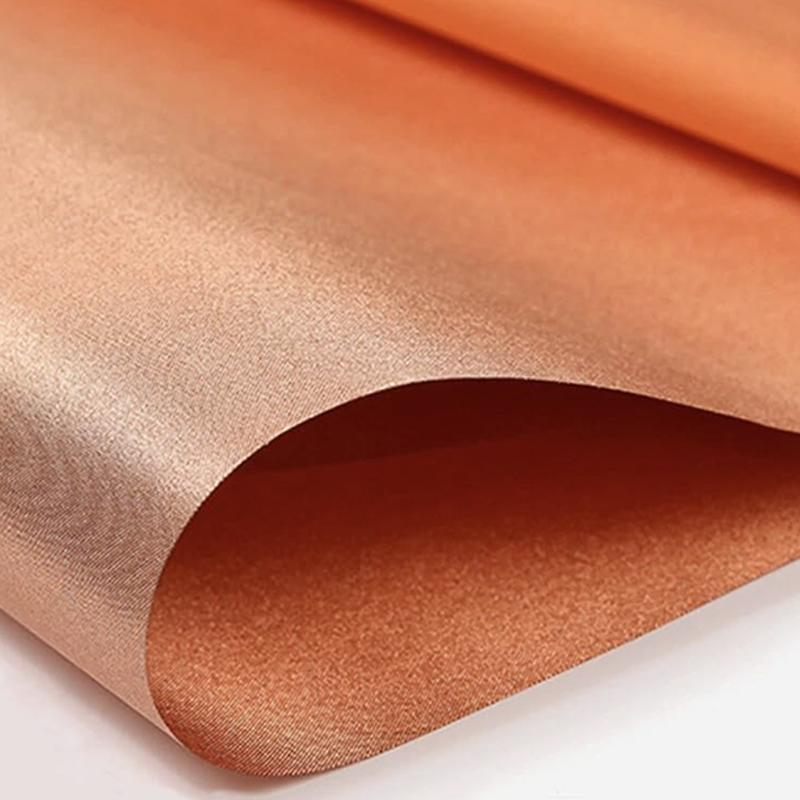
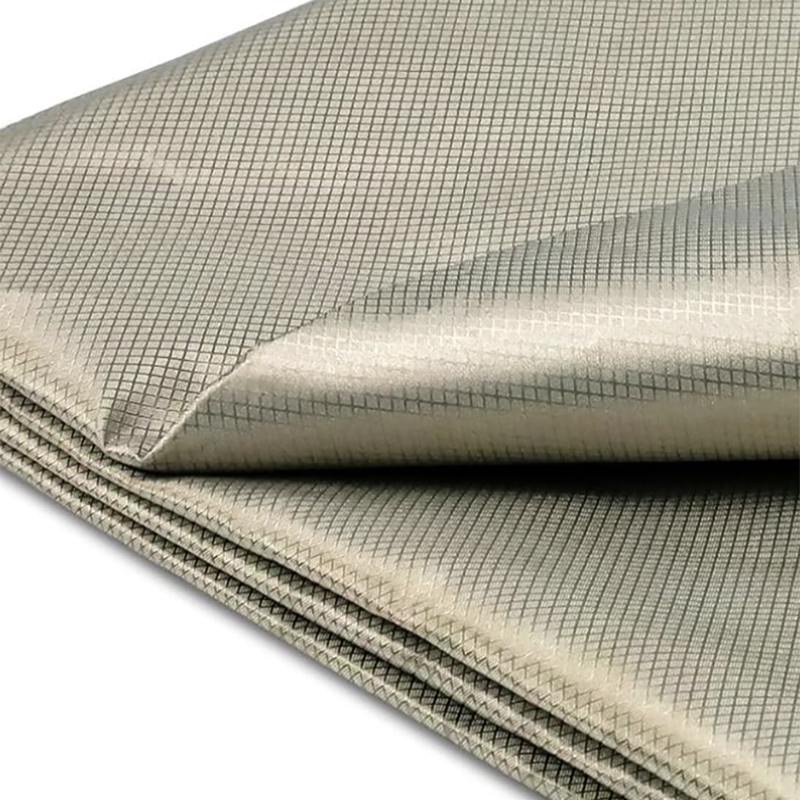
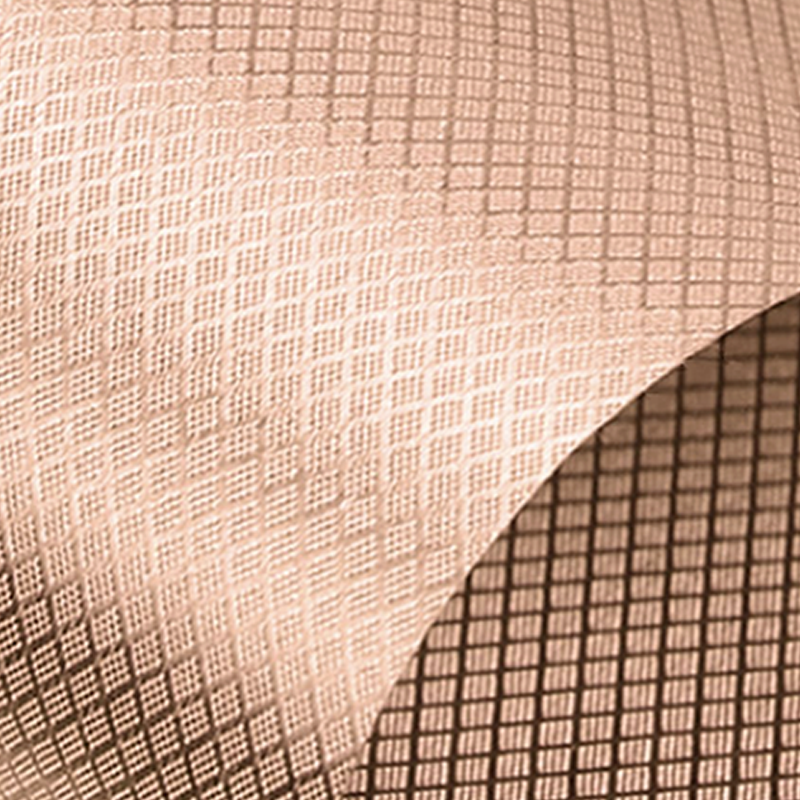
RFID Shield Fabric is typically achieved by integrating conductive elements—such as metal-coated yarns or composite fibers—into a textile base like Oxford fabric. The weaving density and yarn distribution directly influence not only shielding performance but also cutting, sewing, and edge stability.

Key Structural Trade-Offs Buyers Should Know

  • Higher conductive density improves shielding but may reduce softness and drape.
  • Lower density improves comfort and flexibility but requires precise design to avoid signal leakage at seams.
  • Stable base fabrics like Oxford help maintain dimensional consistency during mass cutting and stitching.

Application-Specific Performance Considerations

Different use cases impose very different performance priorities. Bulk buyers often benefit from aligning fabric specifications with actual deployment scenarios rather than using a single universal standard.

Typical performance focus by application scenario
Application Primary Concern Fabric Focus
Confidential offices Signal leakage prevention Multi-band shielding stability
Device covers Localized isolation Flexibility and seam performance
Wearable protection Comfort and durability Lightweight and breathability

Compliance and Supply Stability as Procurement Risk Factors

Beyond technical performance, compliance with standards such as REACH or GRS increasingly affects downstream acceptance, particularly in Europe and North America. These certifications reduce regulatory risk and simplify buyer audits.

Equally important is supply stability. High shielding fabrics often require precise weaving and coating processes; inconsistent capacity can lead to batch variation. With large daily output and integrated manufacturing, Wenfa focus on delivering repeatable quality at scale, which many bulk buyers consider as critical as price.