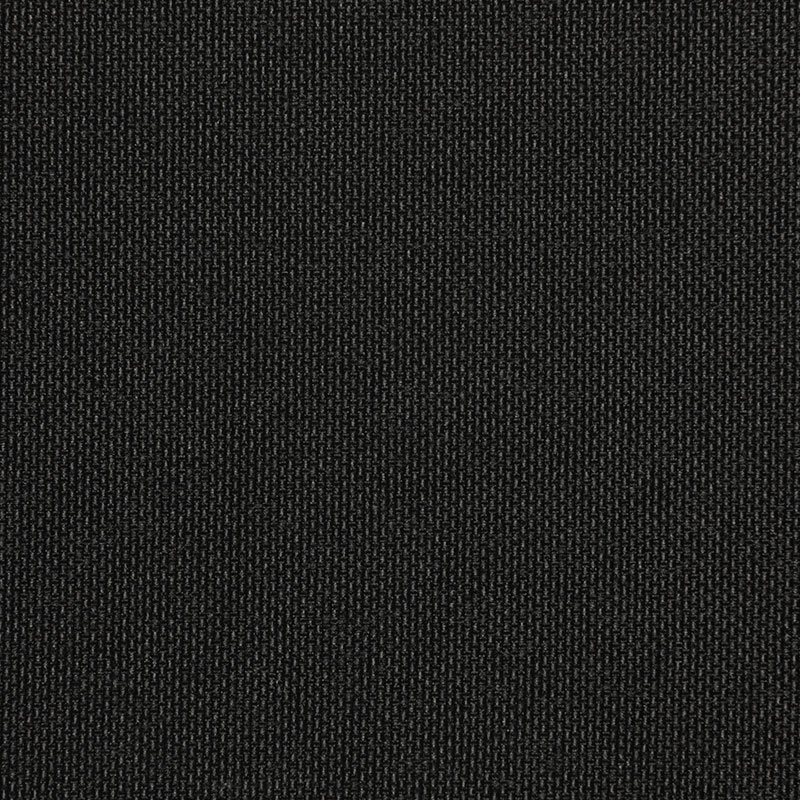
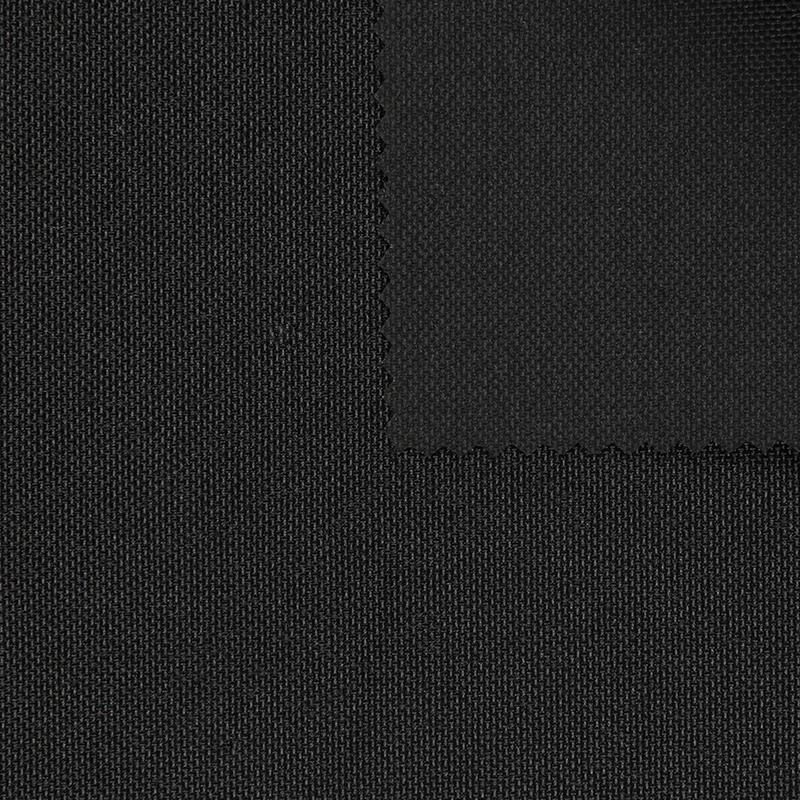
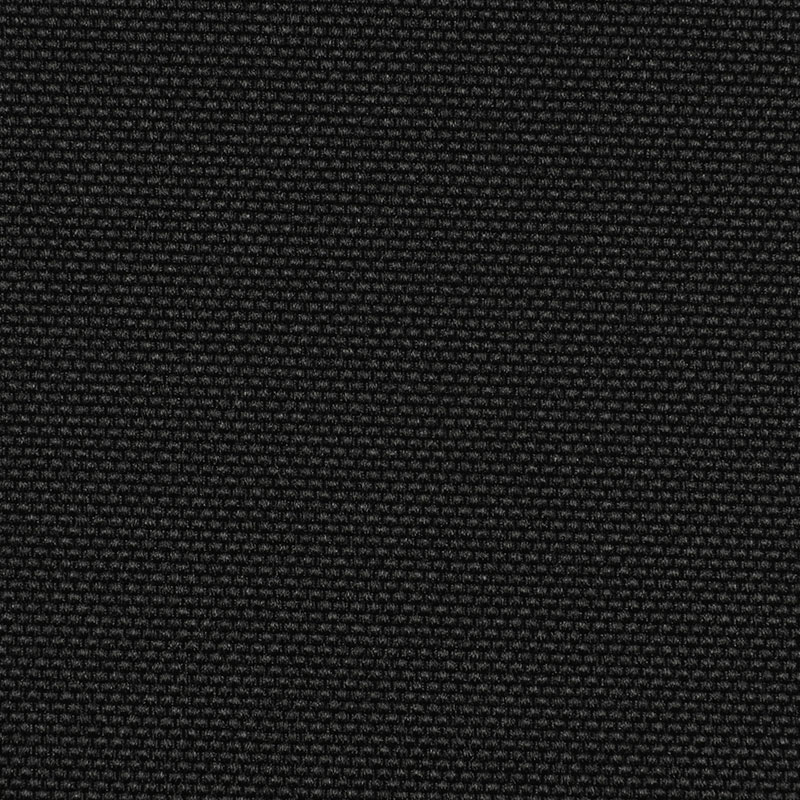
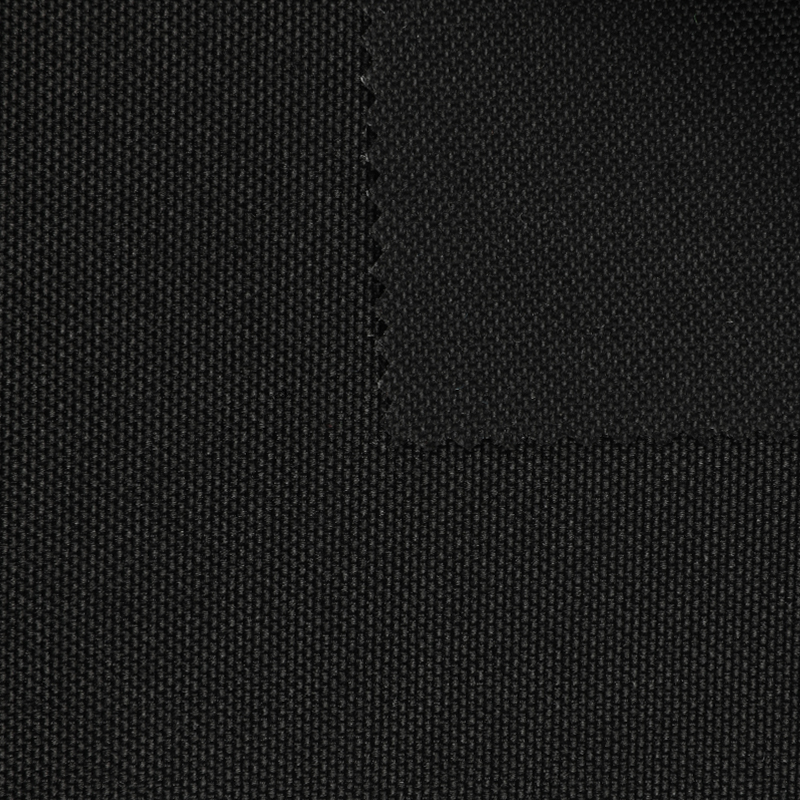
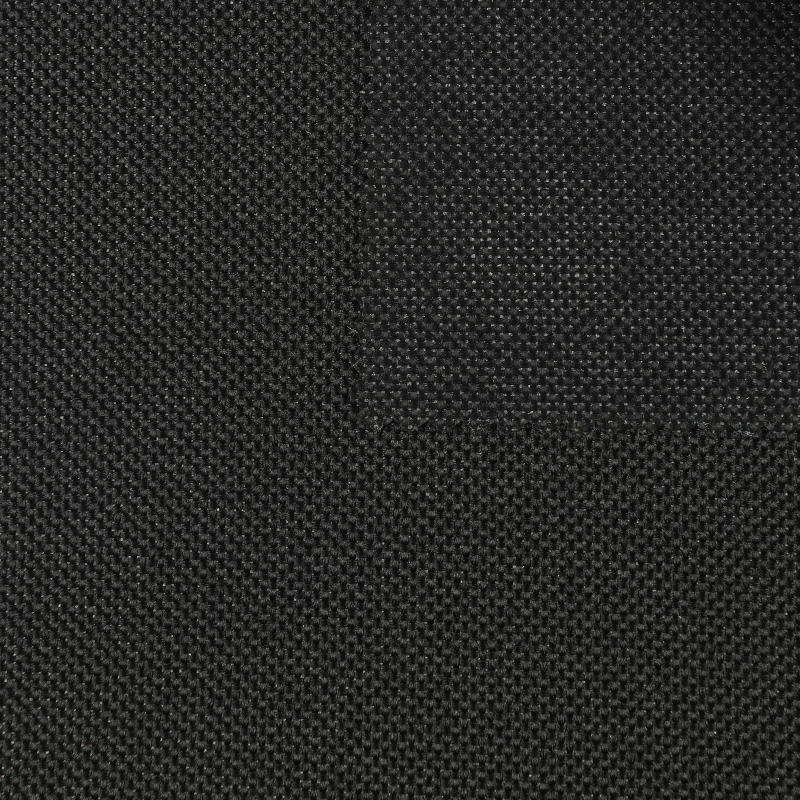
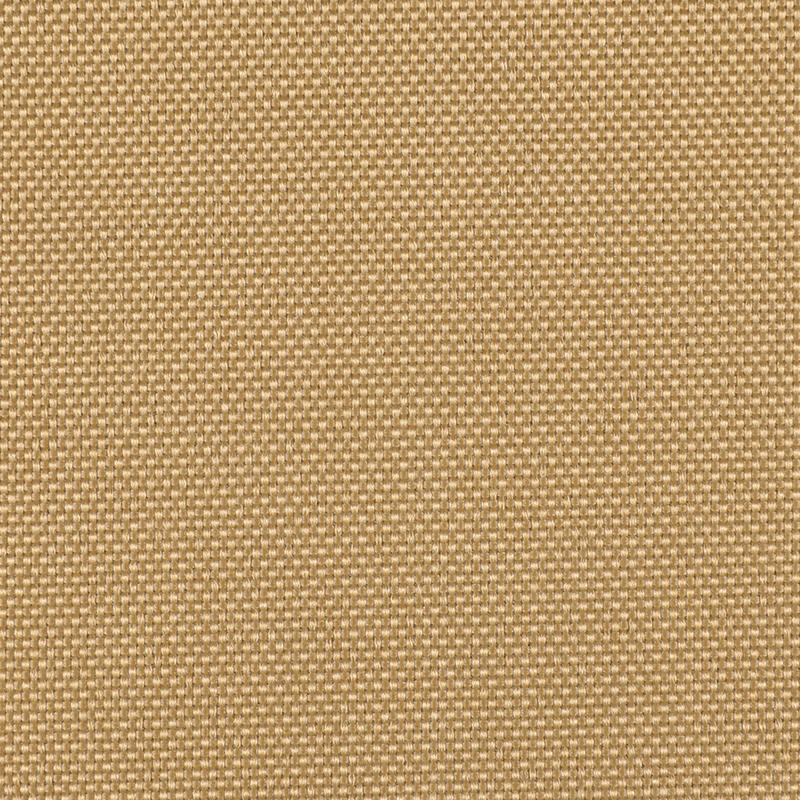
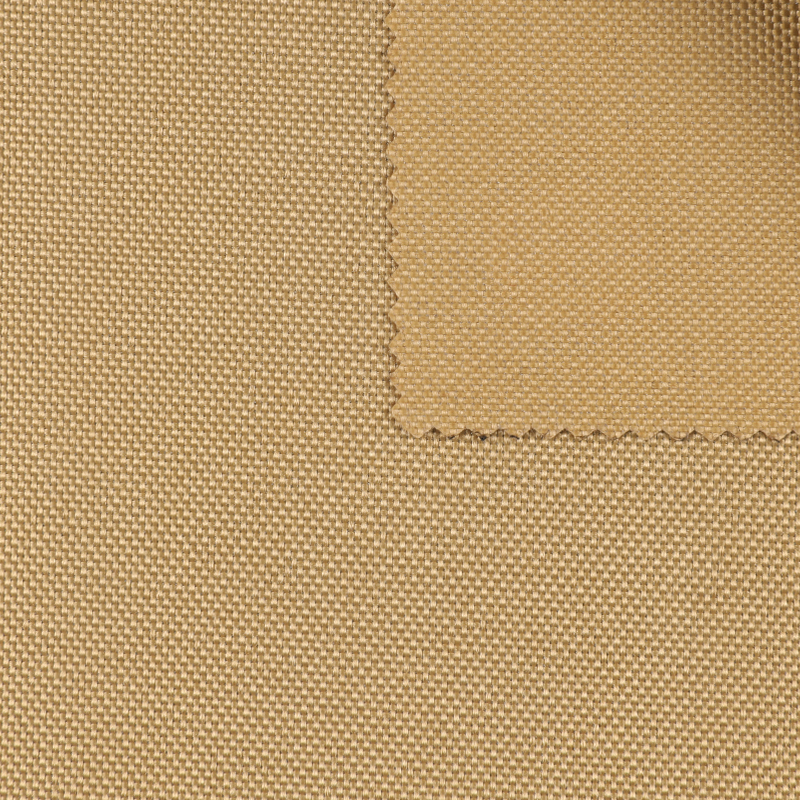
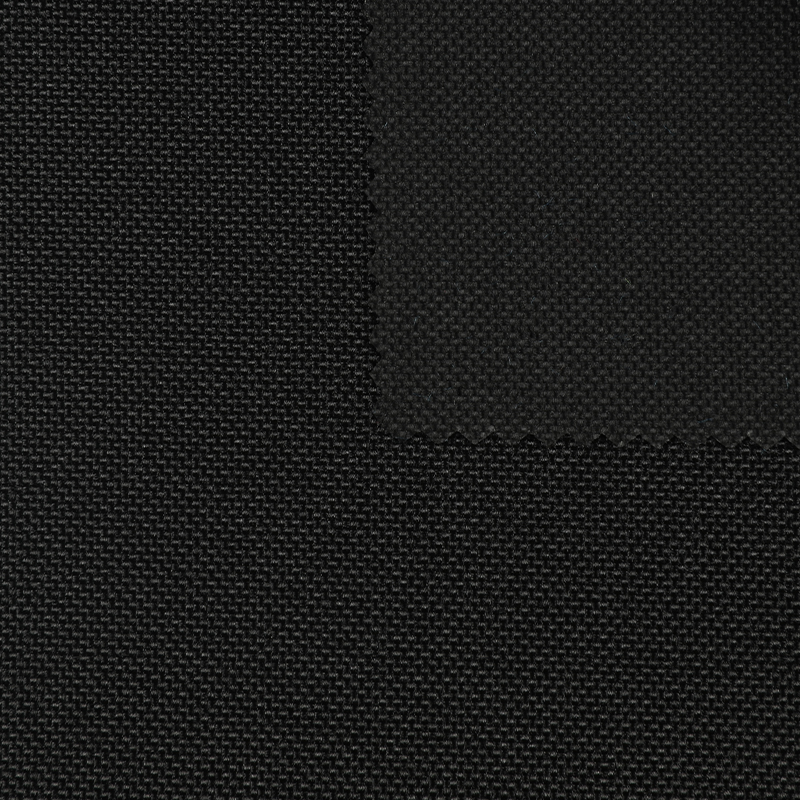
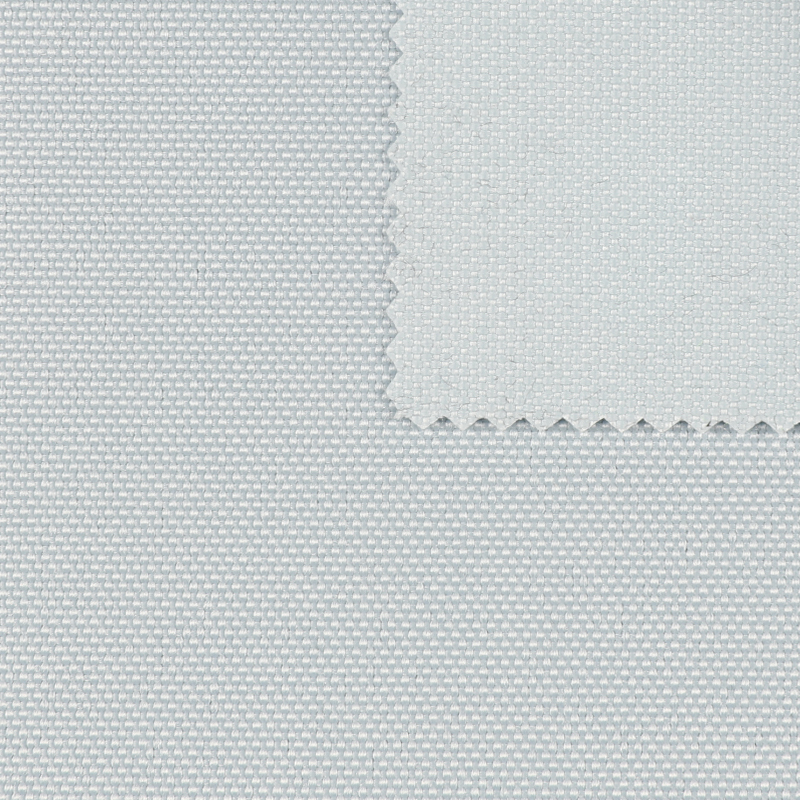
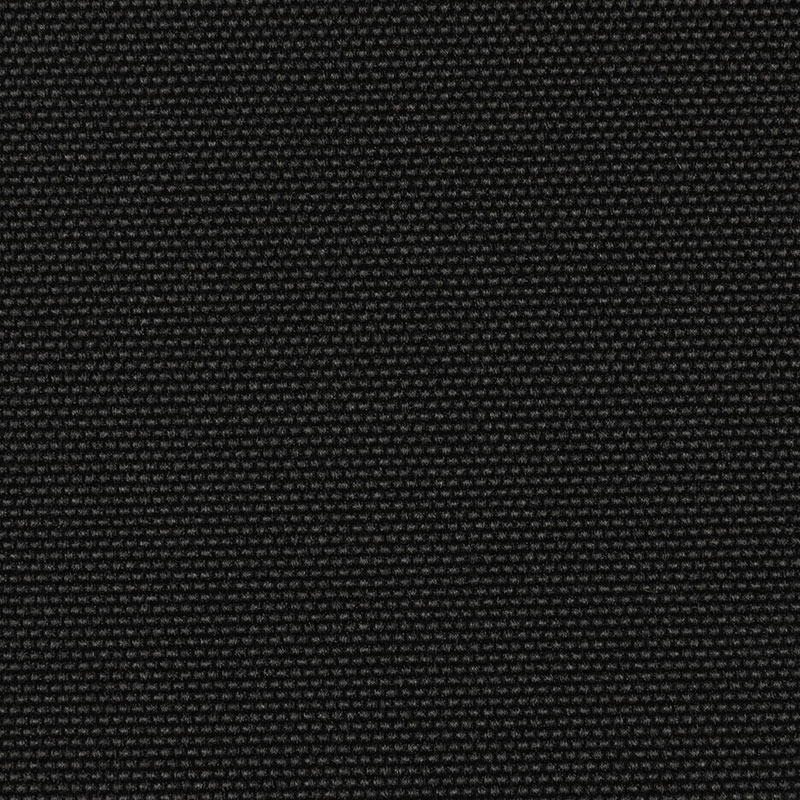
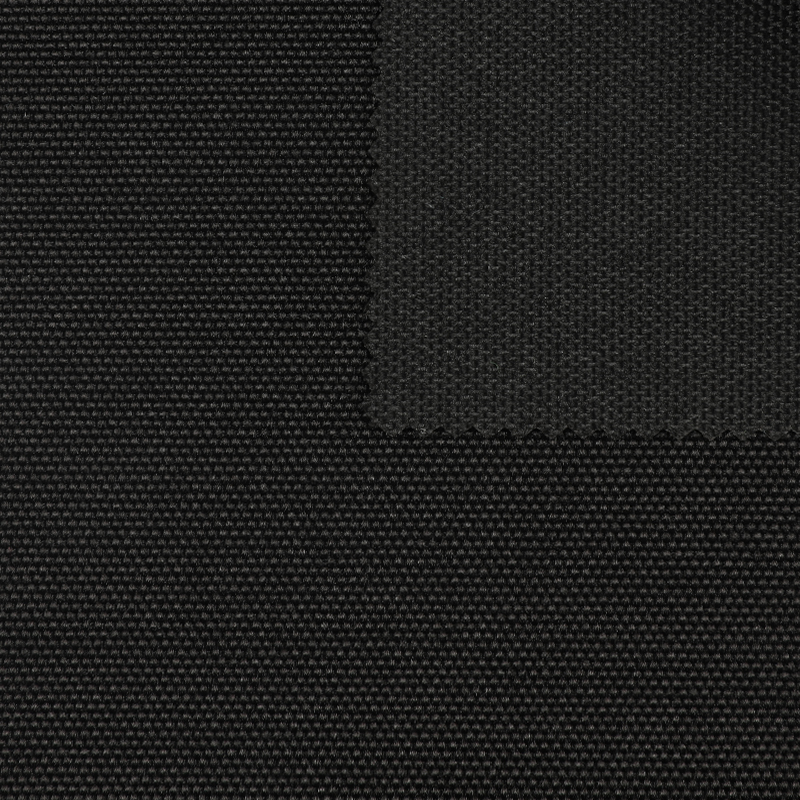
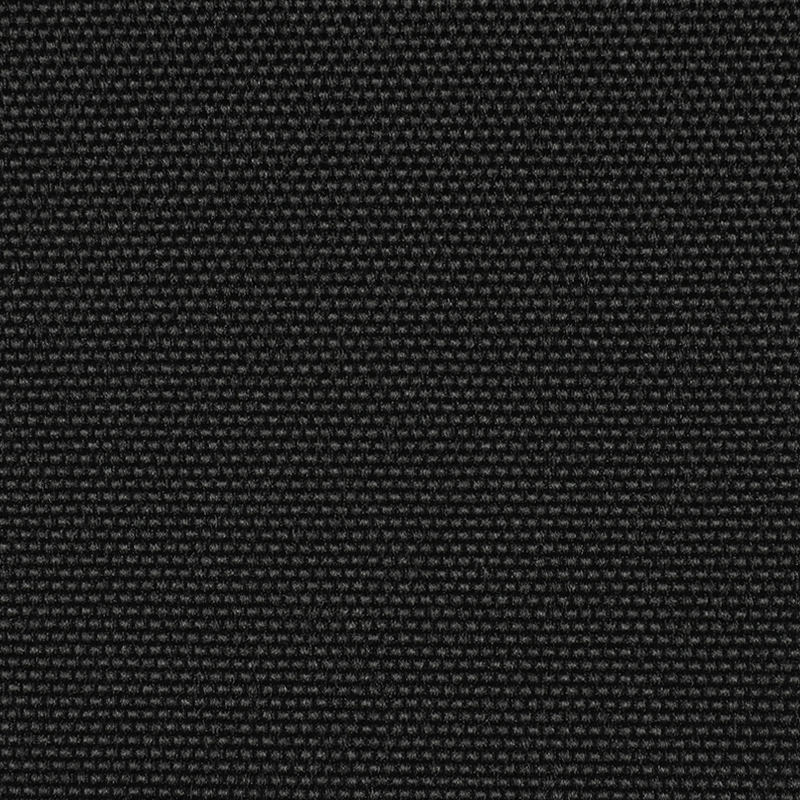
Decoding Denier: From 600D Oxford Fabric to Heavy-Duty 1200D Options
Denier (D) measures the linear mass density of yarn—the higher the number, the thicker and heavier each thread. In Oxford fabrics, this value directly shapes strength, surface texture, and how the material drapes. Matching denier to end-use prevents over-engineering or premature failure.
Comparative overview of Oxford fabric deniers, typical weights, and recommended applications
| Denier |
Approx. Weight (g/m²) |
Ideal Use |
| 300D |
120–160 |
Lightweight linings, promotional totes |
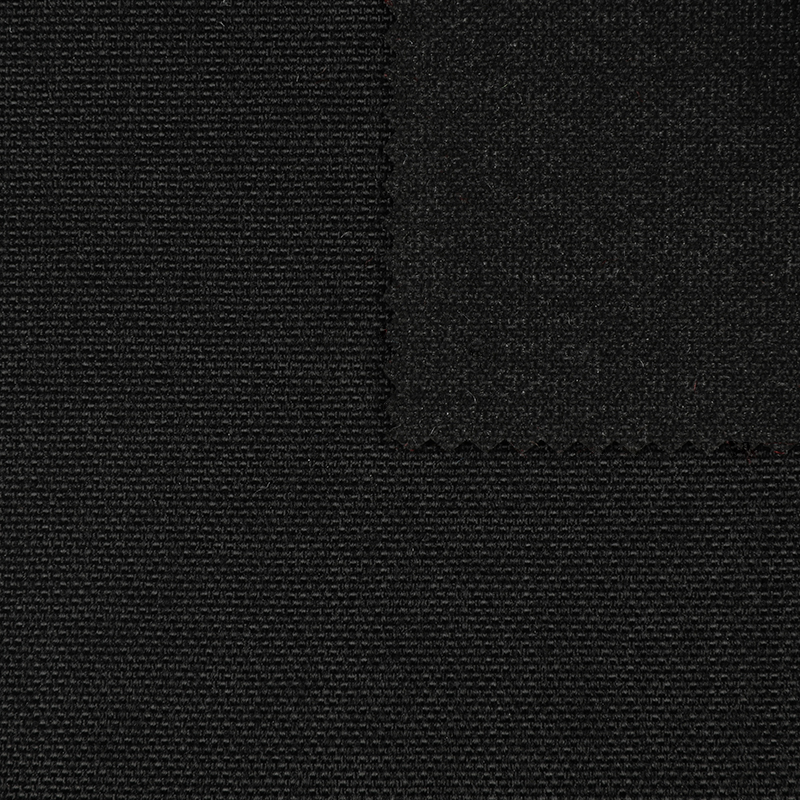
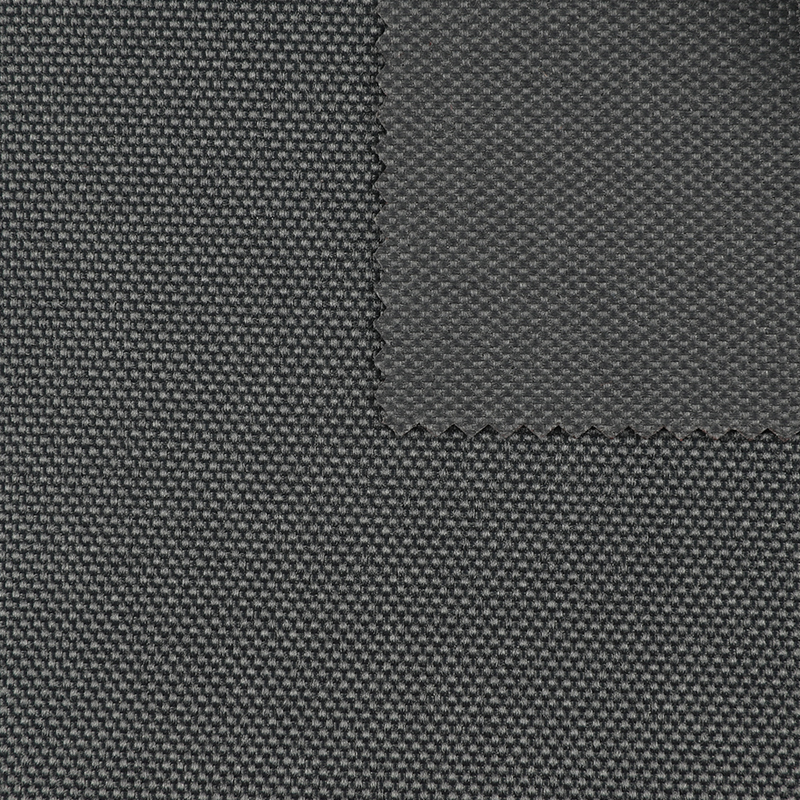
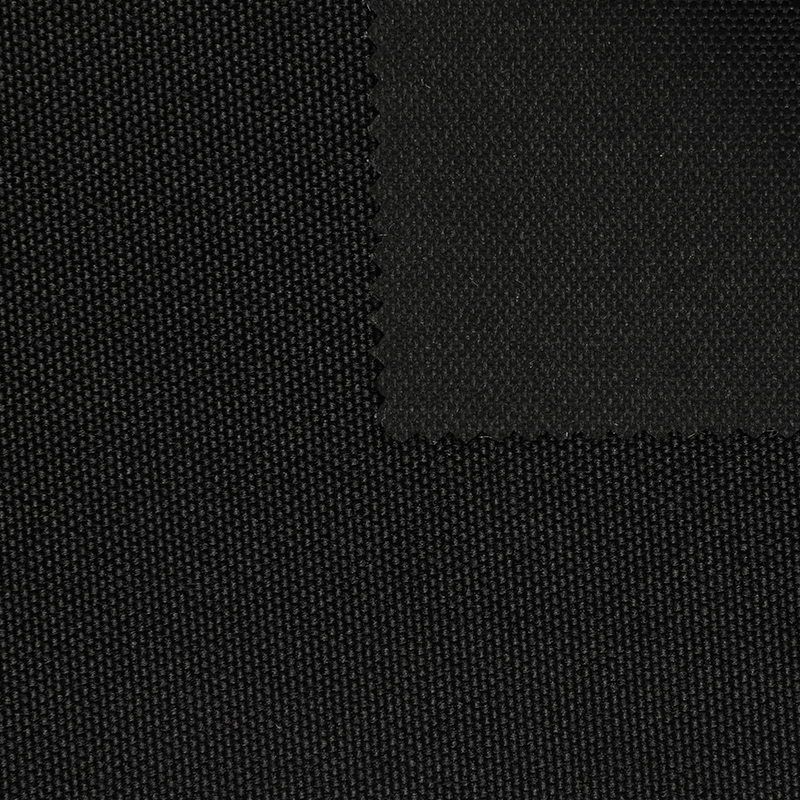
| 600D Oxford Fabric |
210–260 |
School backpacks, duffel bags, furniture covers |
| 900D |
280–340 |
Tactical gear, high-stress straps |
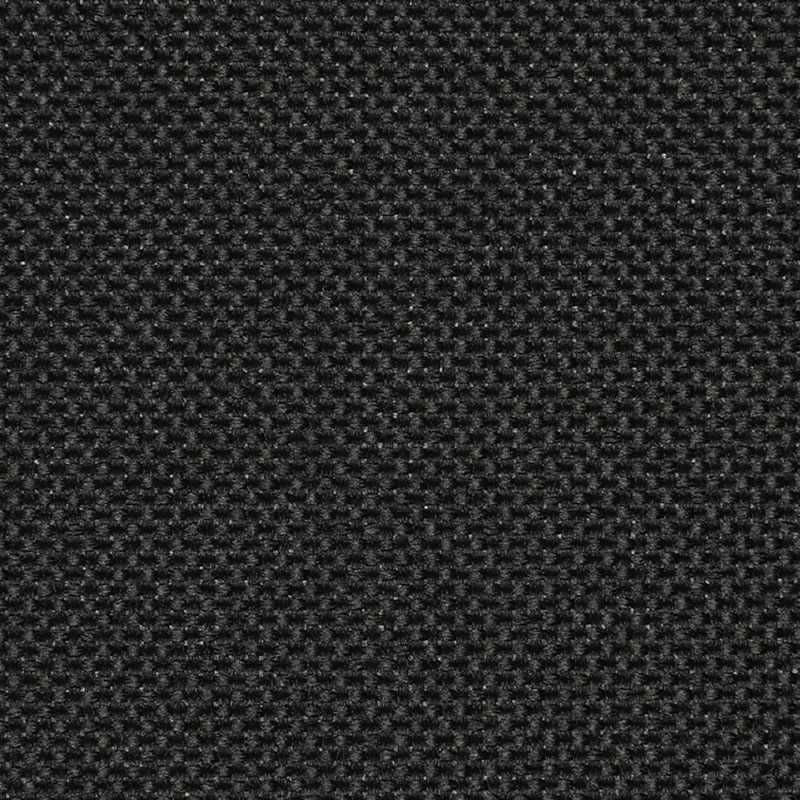
| 1200D Oxford Fabric |
380–450 |
Industrial tarpaulins, heavy-duty luggage shells |
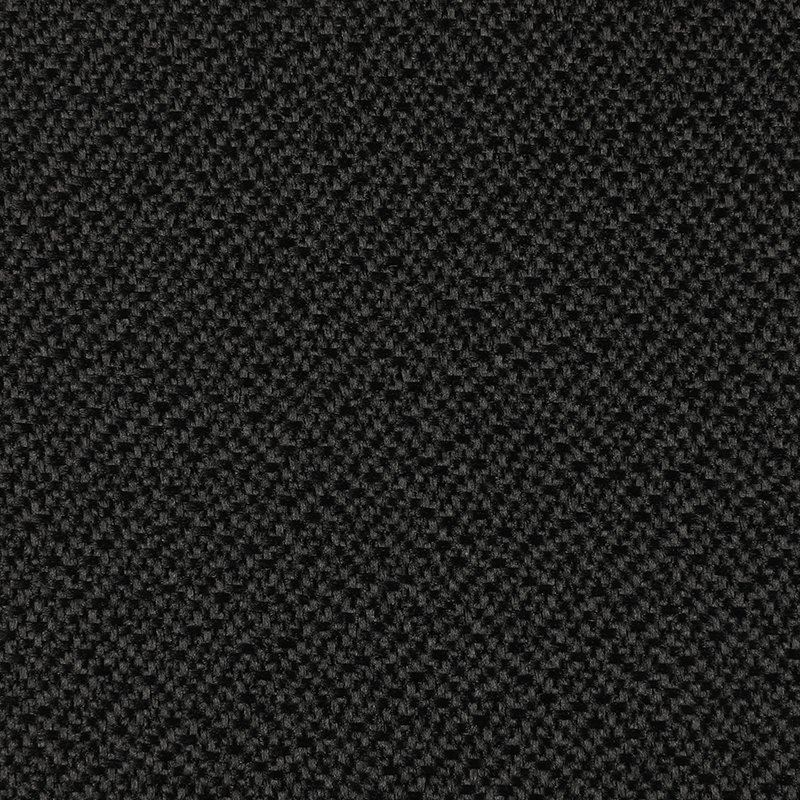
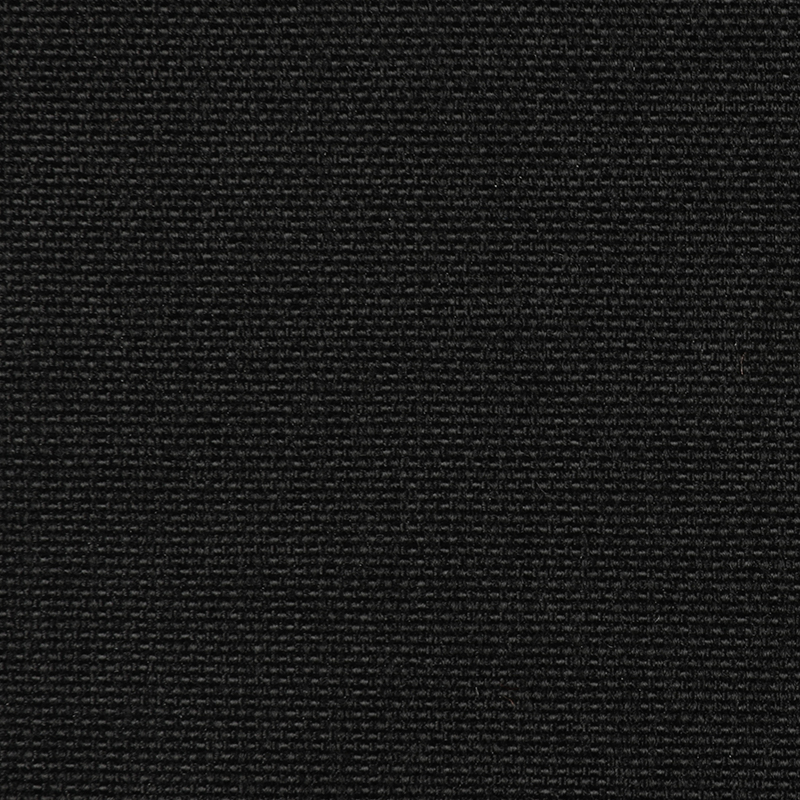
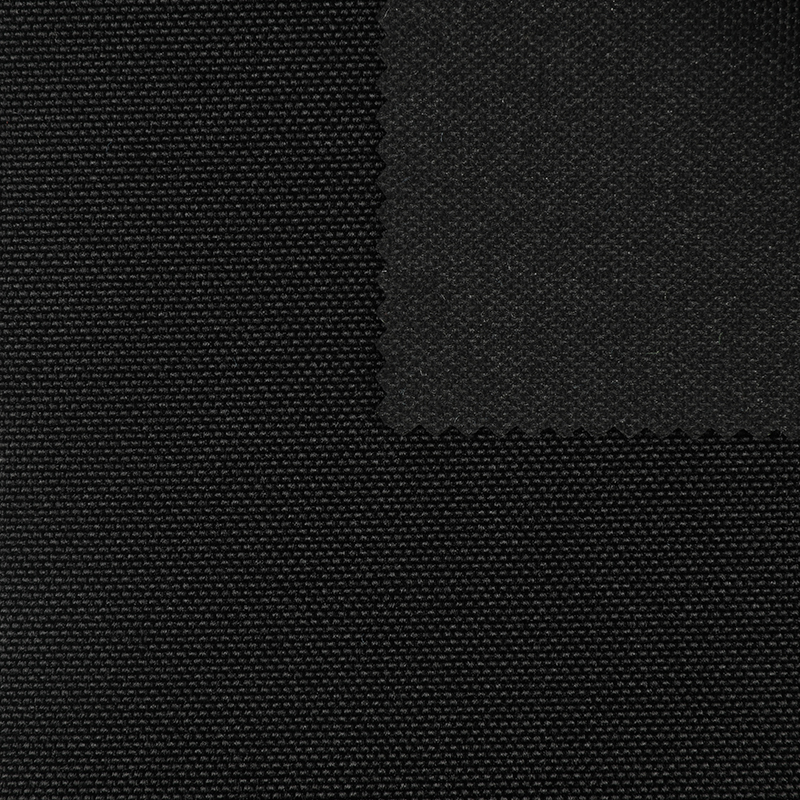
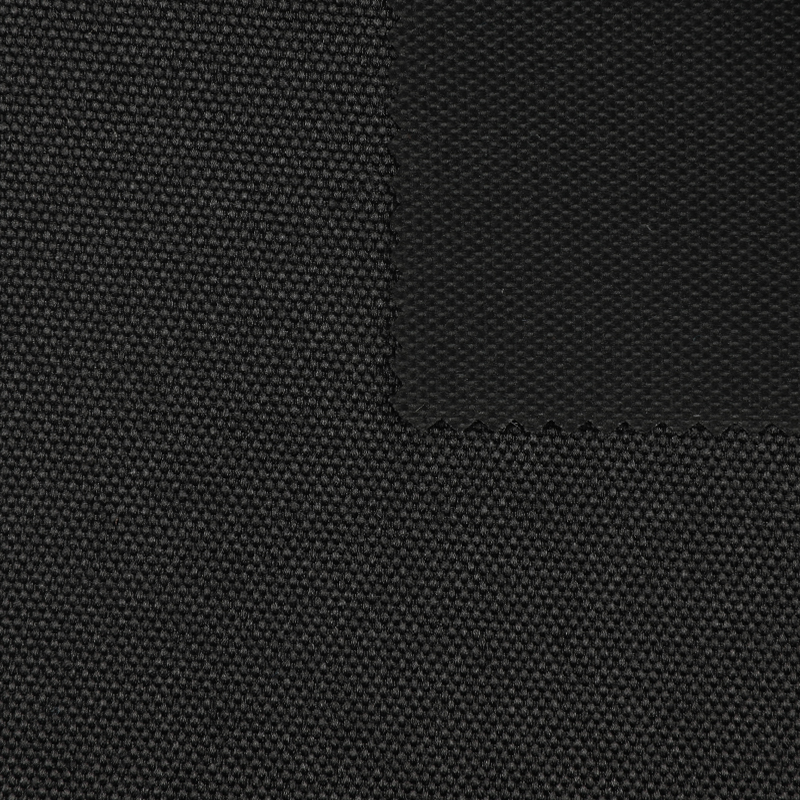
Choosing between 600D Oxford Fabric and 1200D Oxford Fabric is a balance of manageable weight and maximum abrasion resistance. As experienced 600D Oxford Fabric Manufacturers, Wenfa Textile recommends 600D when a supple hand and easy foldability matter; 1200D becomes the clear choice where puncture resistance and extreme longevity are non-negotiable.
- Higher denier elevates tear strength but can reduce drape—critical for zippered compartments.
- Coating adds 20–40 g/m²; always confirm finished weight, not just greige weight.
- Request tensile and Elmendorf tear test data (ASTM D5034/D1424) to validate real-world durability.
Functional Finishes: How Coatings Transform Polyester Oxford Fabric
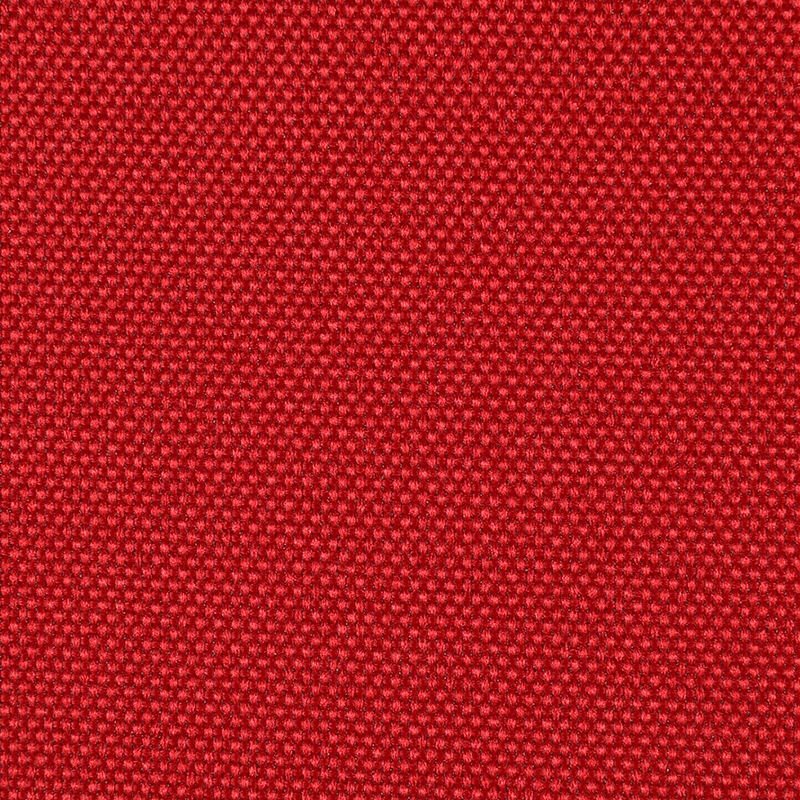
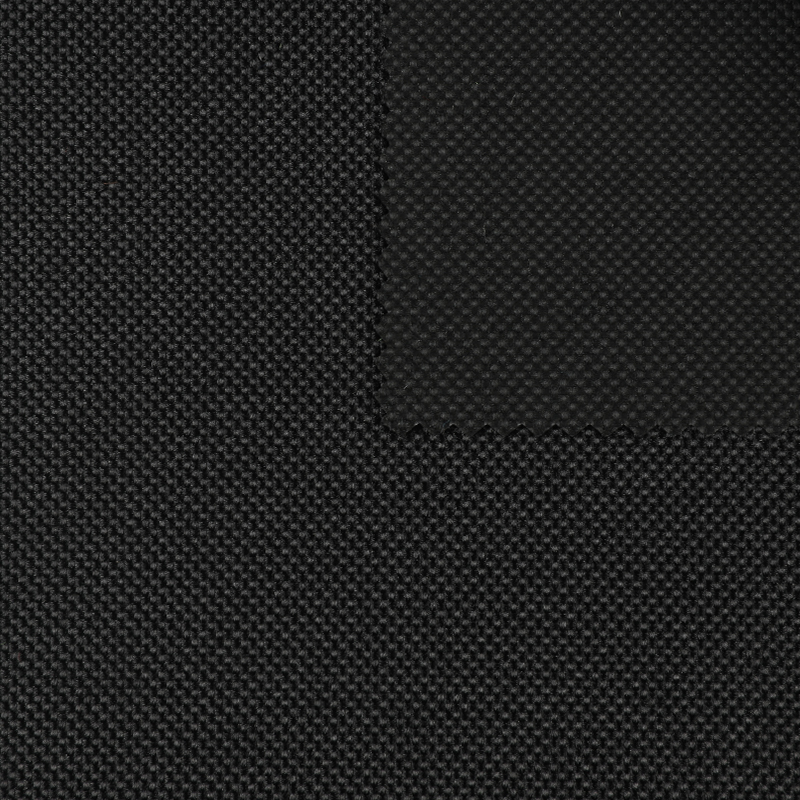
Polyester Oxford Fabric is an exceptional canvas for engineered coatings that multiply its usefulness. At Wenfa Textile, our identity as a 100% Polyester Oxford Fabric Factory means we manage both weaving and coating under one roof, guaranteeing flawless adhesion and consistent protection from edge to edge.
Primary Coating Technologies
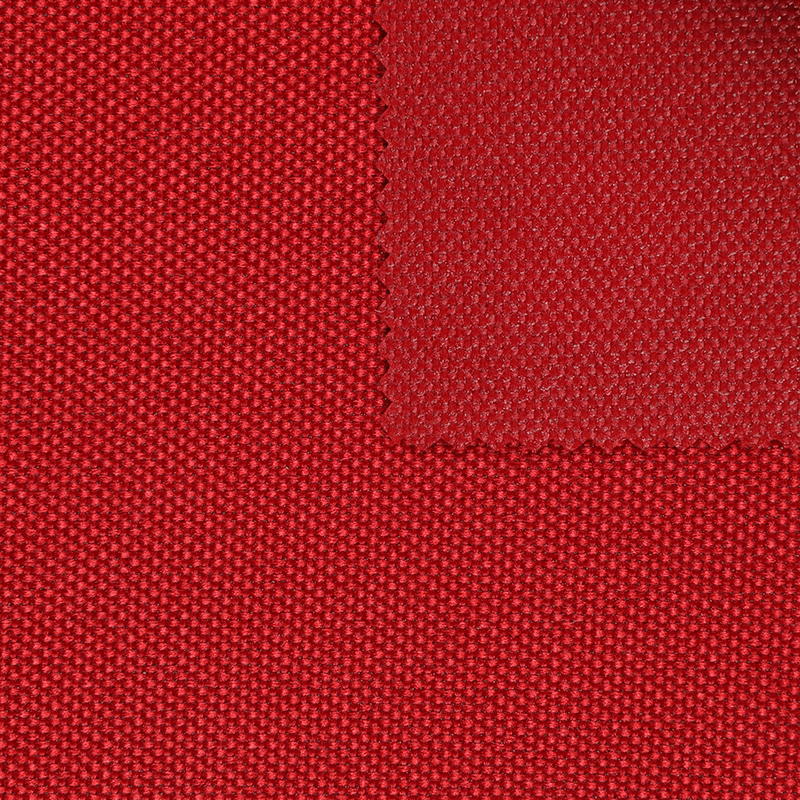
- PU (Polyurethane) Coating: Delivers water resistance with a soft, flexible feel. It is phthalate-free and aligns with REACH, making it the go-to for backpacks and kids’ items.
- PVC (Polyvinyl Chloride) Coating: Creates a rugged, high-abrasion shell, often used on industrial covers. When formulated responsibly, it meets strict environmental standards.
- UV-Stabilized and FR Finishes: Incorporated during the coating process, these additives shield against sun degradation or slow flame propagation, essential for outdoor gear and contract seating.
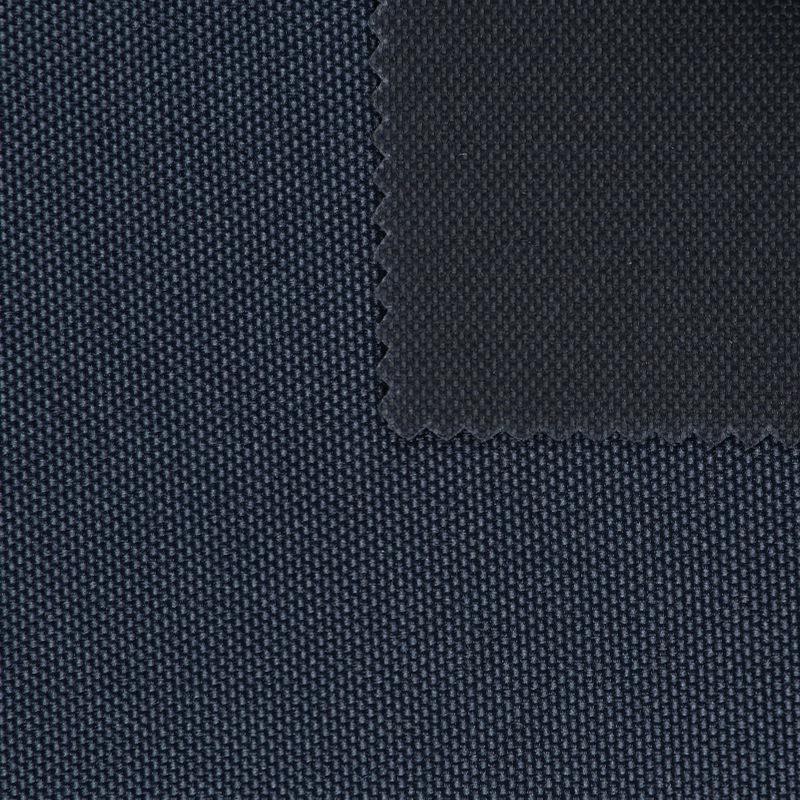
Coatings shift a fabric’s breathability, weldability, and noise levels—factors that matter in premium luggage. Our team cross-references your performance checklist with the best coating system, preserving the underlying Polyester Oxford Fabric’s classic appeal while adding tangible value.
Weave Structure and Longevity: Why Classic Oxford Weave Resists Deformation
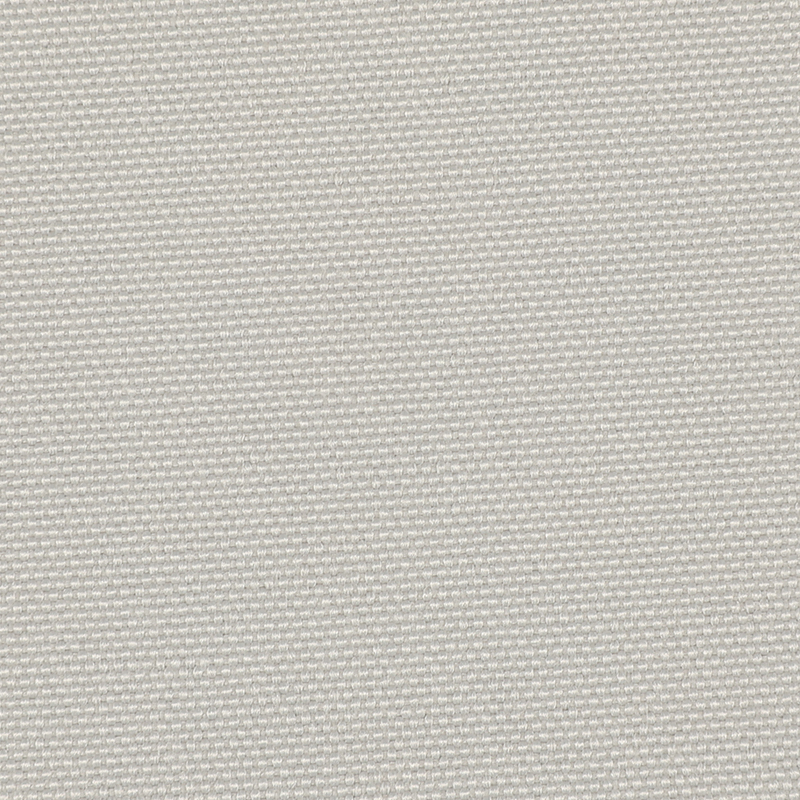
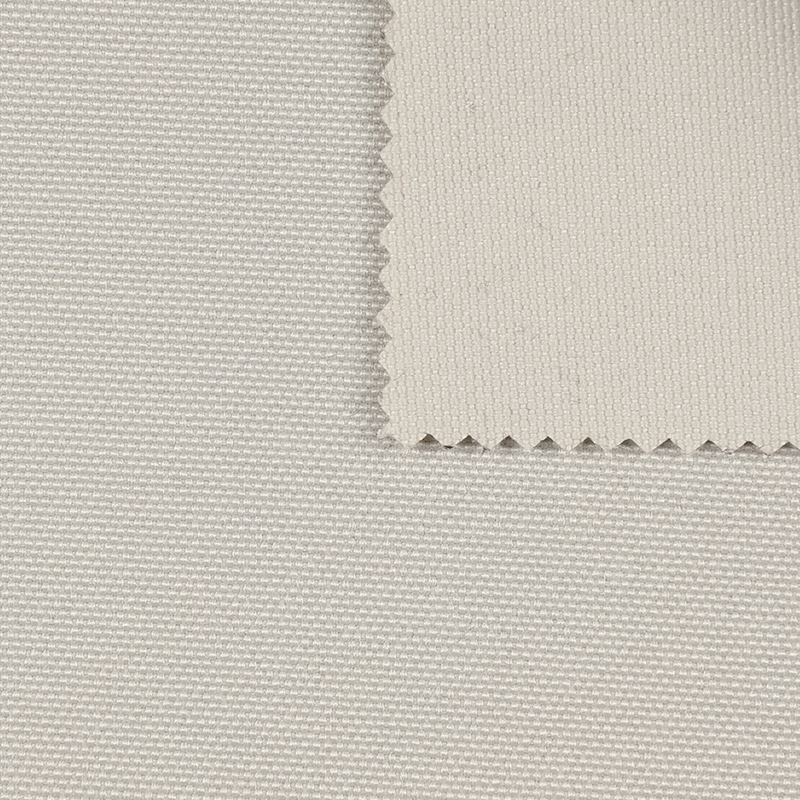
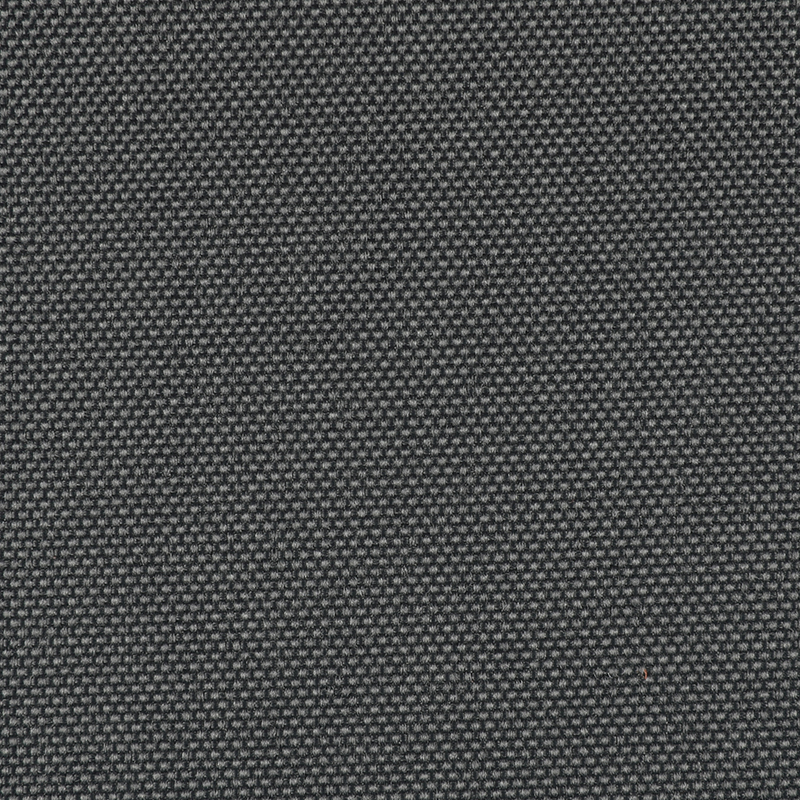
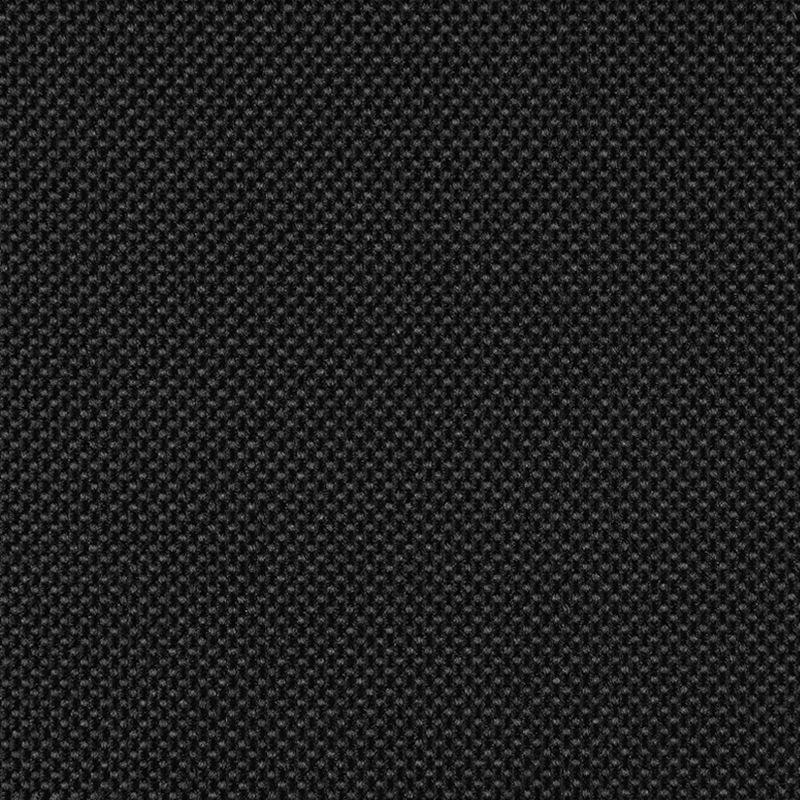
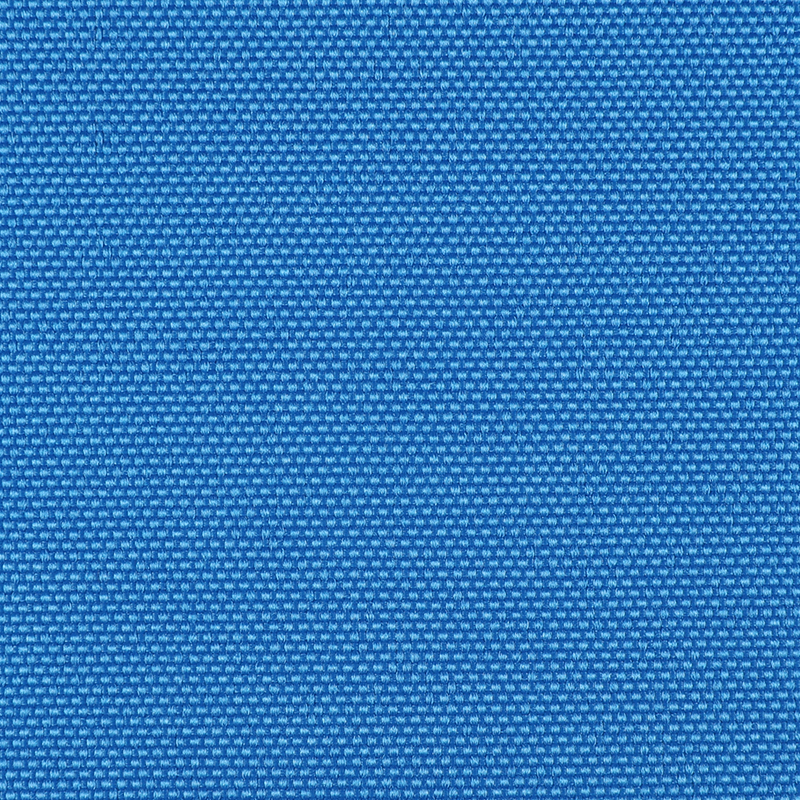
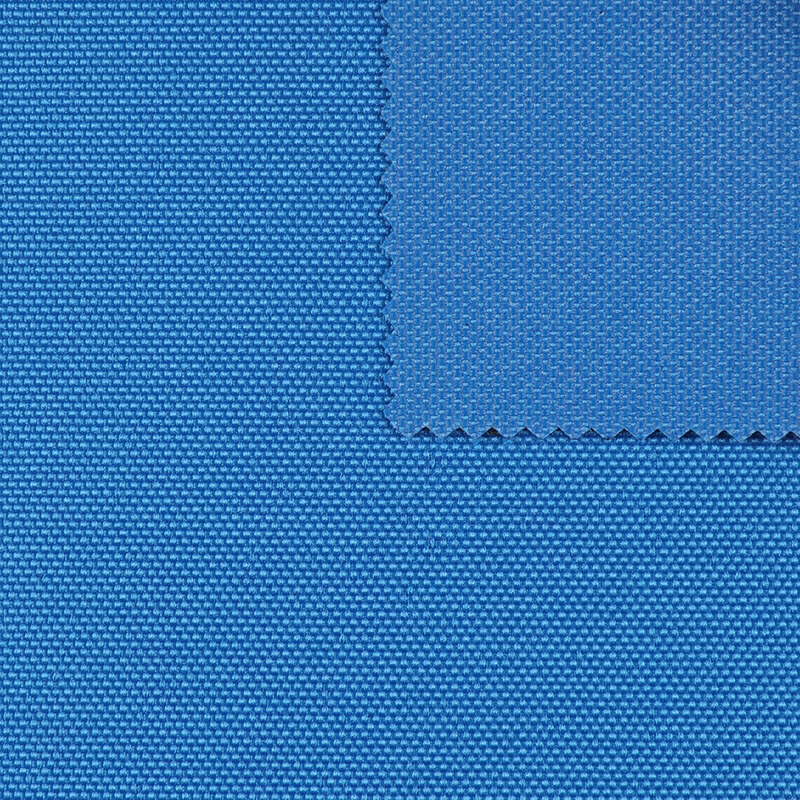
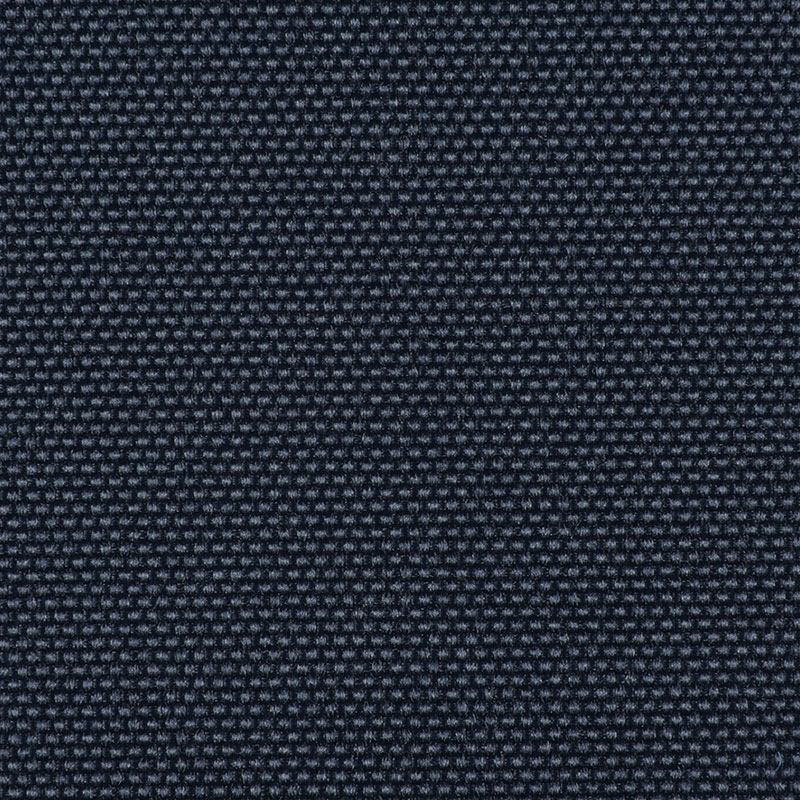
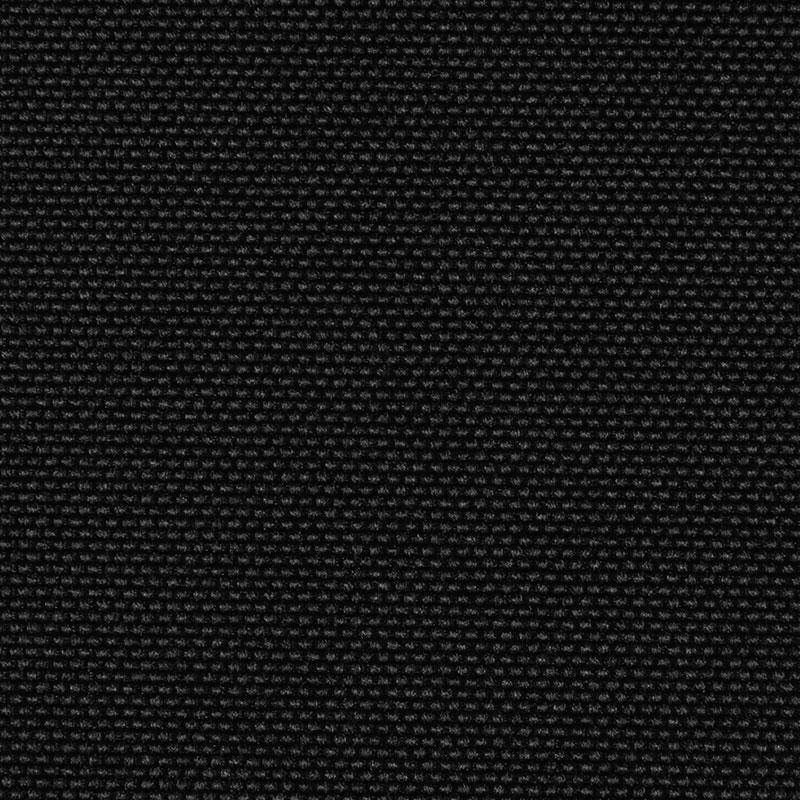
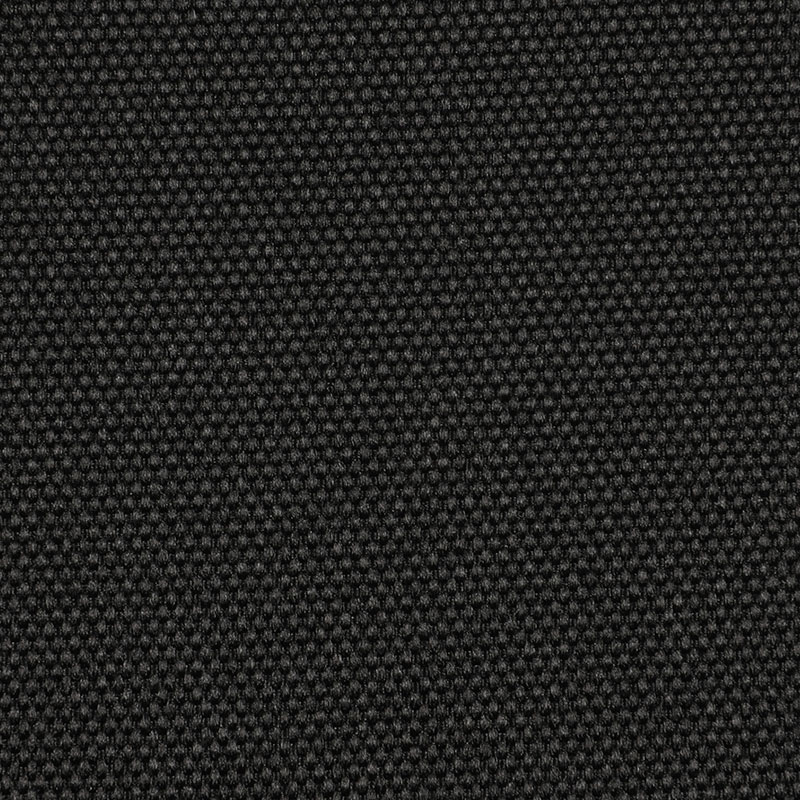
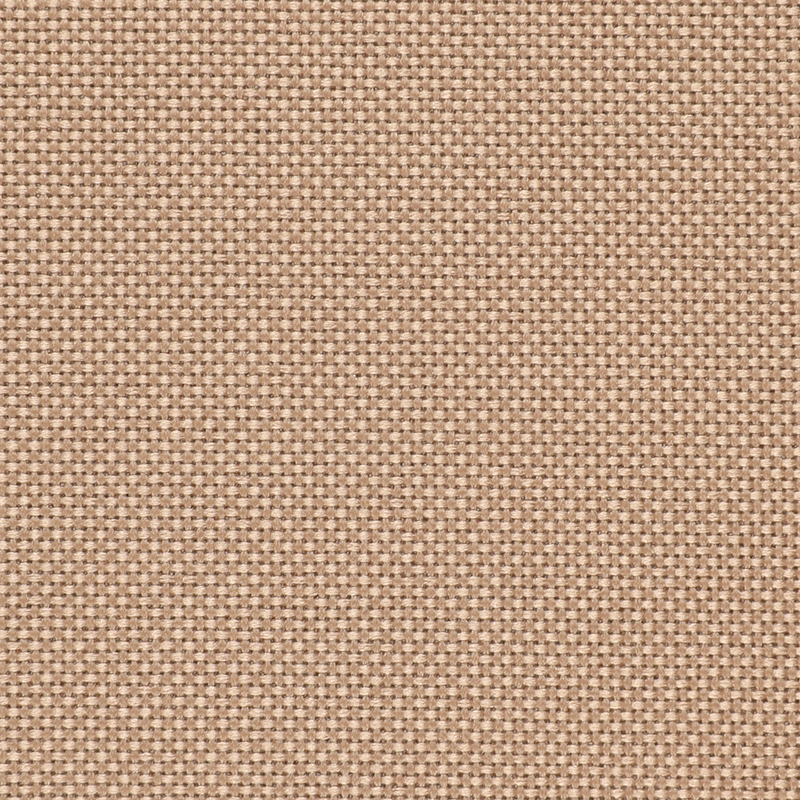
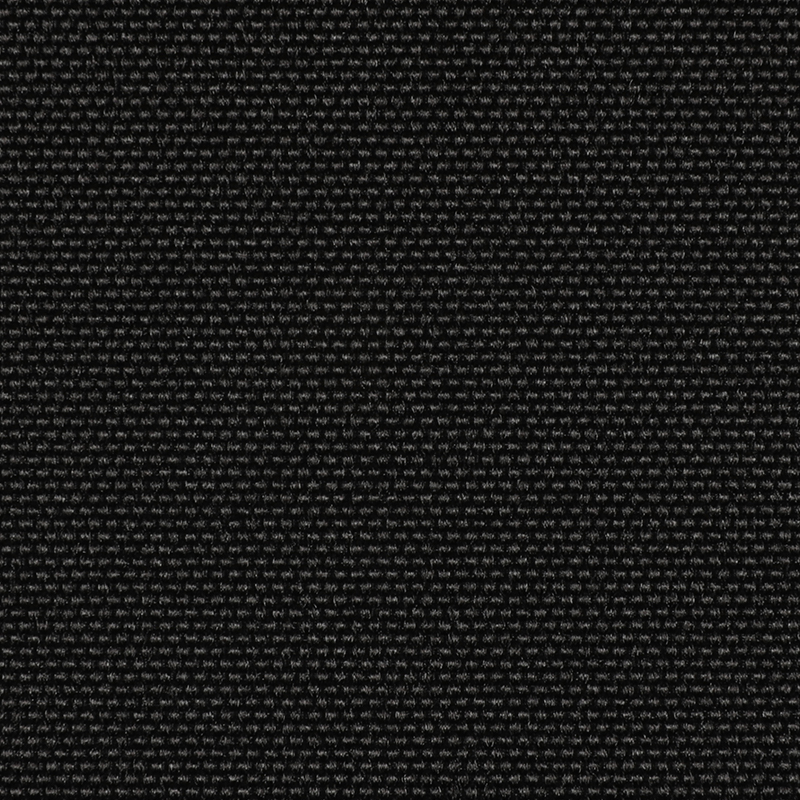
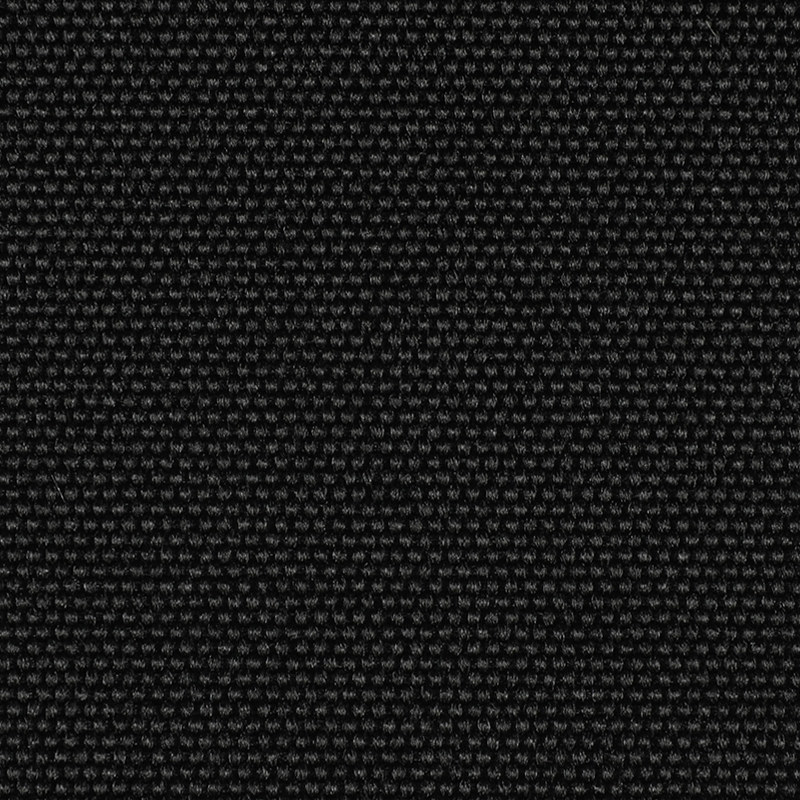
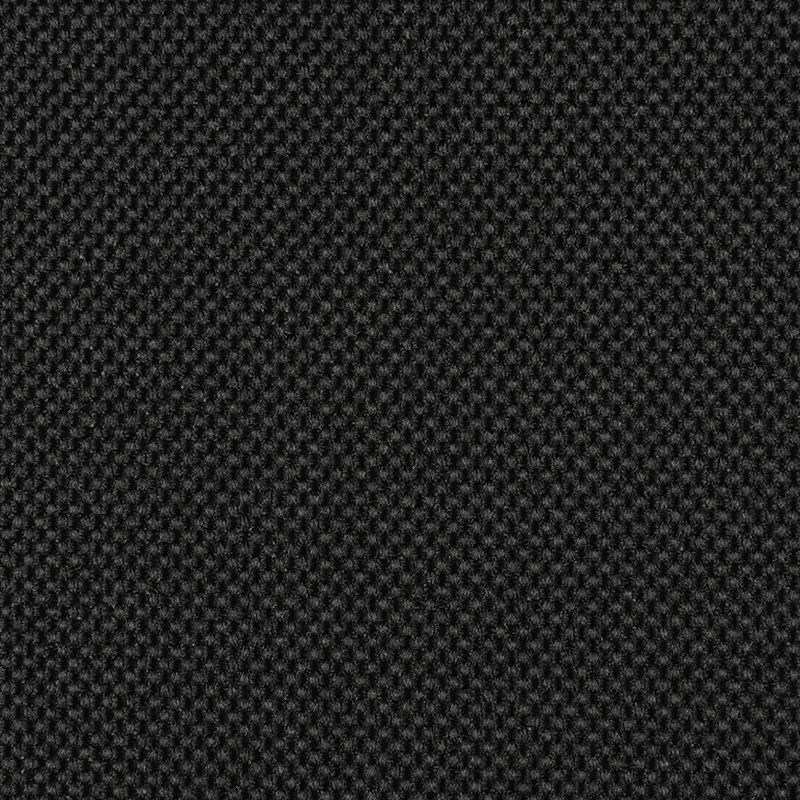
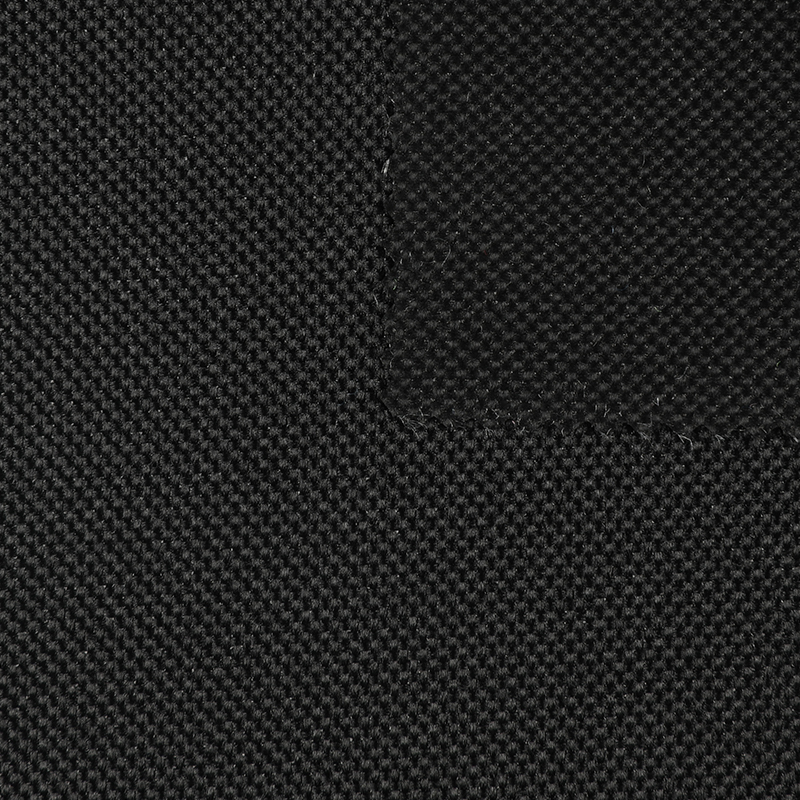
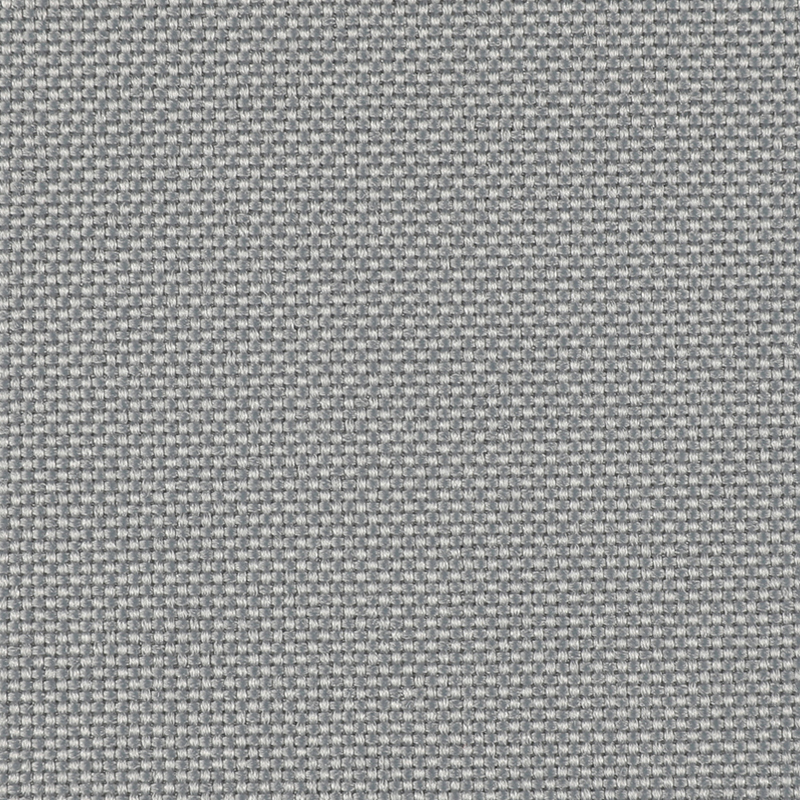
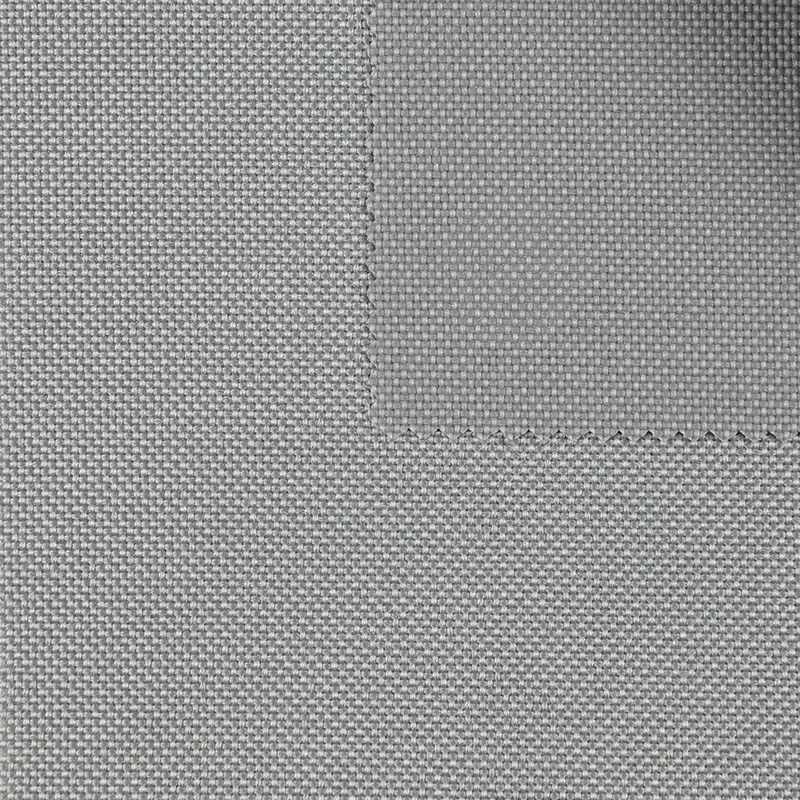
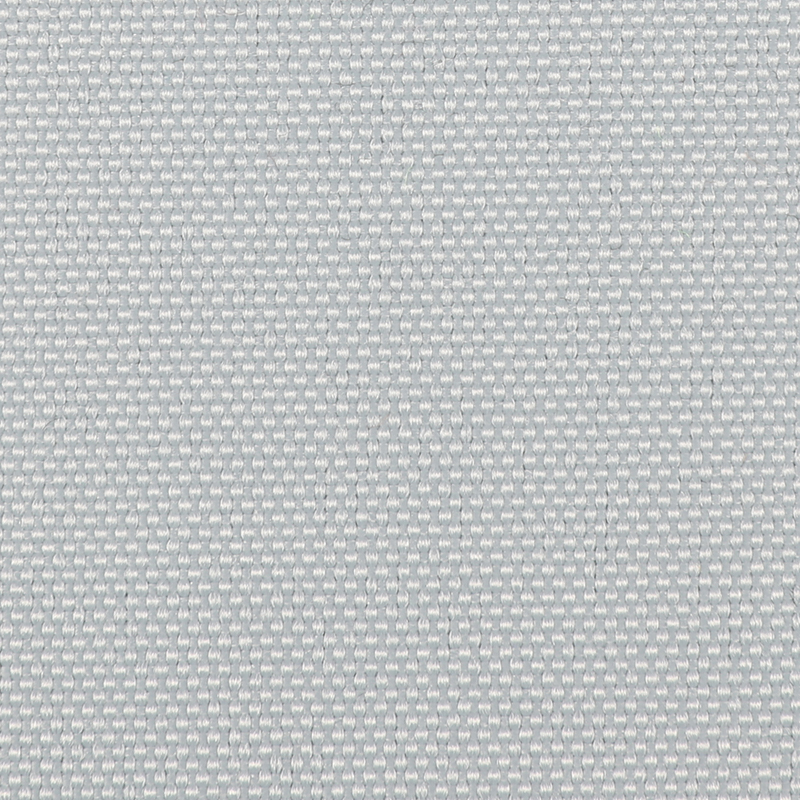
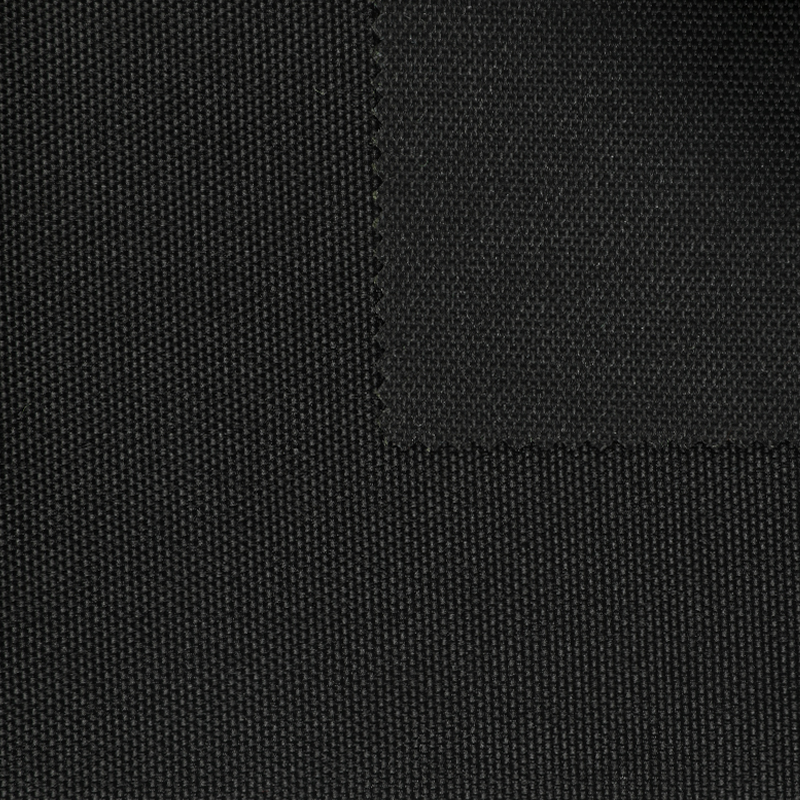
The backbone of Oxford fabric’s reputation is its plain-weave construction, where multiple warp ends interlace with each weft in a regular basket rhythm. This structured weaving method ensures consistent yarn interlacing, eliminating weak spots that typically trigger tearing or bagging. As a result, the fabric naturally resists the skewing that plagues looser weaves.
Because every yarn intersection is mechanically locked, the material exhibits high tensile strength and remarkable dimensional stability—even under cyclical loading and unloading. A tightly controlled 600D Oxford Fabric woven on Wenfa Textile’s water-jet looms will stretch minimally and snap back to shape, which is why luggage brands depend on our Classic Oxford Fabric for products that remain crisp after years of travel.
How Weave Density Affects Coating and Seams
- A uniform, high-pick-count weave provides a smooth foundation for PU or PVC, preventing micro-peeling.
- The locked structure keeps stitch holes from enlarging, preserving seam strength throughout the product life.
For buyers evaluating durability, weave density is as critical as denier. Our 600D Oxford Fabric is built at a high pick count that delivers the substantial hand and trustworthy performance that generic alternatives often lack.
Eco-Conscious Production: Meeting GRS and OBP Standards with Polyester Oxford Fabric
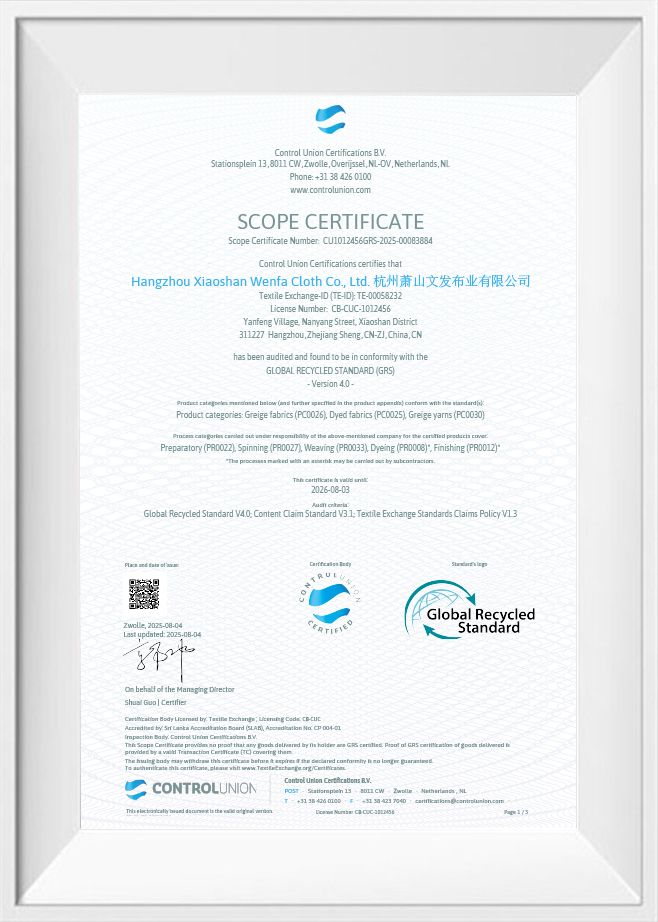
Sustainability in technical textiles is no longer optional. Recycled polyester yarns made from post-consumer PET bottles or ocean-bound plastics can now be processed into fine deniers—from 300D all the way to 1200D Oxford Fabric. Wenfa Textile holds GRS (Global Recycled Standard) and OBP (Ocean Bound Plastic) certifications, giving you audited proof of recycled content and ethical manufacturing.
- GRS Certification: Verifies recycled material percentage, restricted chemical use, and social criteria across the supply chain.
- OBP Certification: Guarantees that plastic waste collected within 50 km of coastlines is utilized, directly reducing marine pollution.
- REACH Compliance: Our entire Polyester Oxford Fabric range—virgin or recycled—meets EU chemical safety standards.
Eco-conscious does not mean weaker. Our recycled 1200D Oxford Fabric achieves the same tear resistance and coating receptivity as its virgin counterpart. By combining sustainable fibers with our integrated manufacturing, Wenfa Textile helps your products hit environmental targets while retaining the reliable texture and timeless elegance your customers expect.

 English
 русский
 Français
 Español
 中文简体
中文简体