Decoding Denier: Selecting the Right Weight for Your Cover
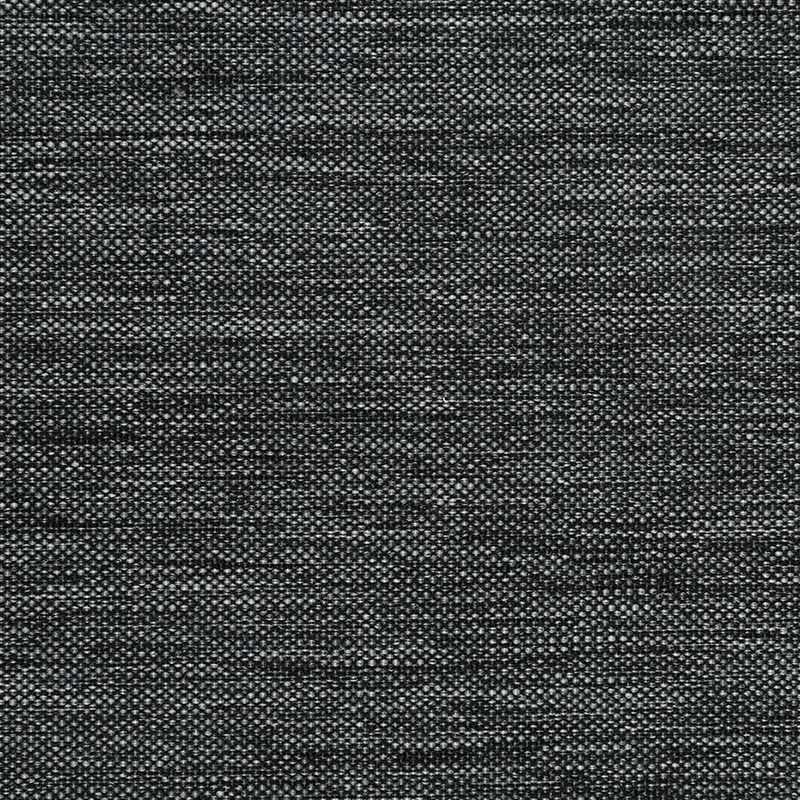
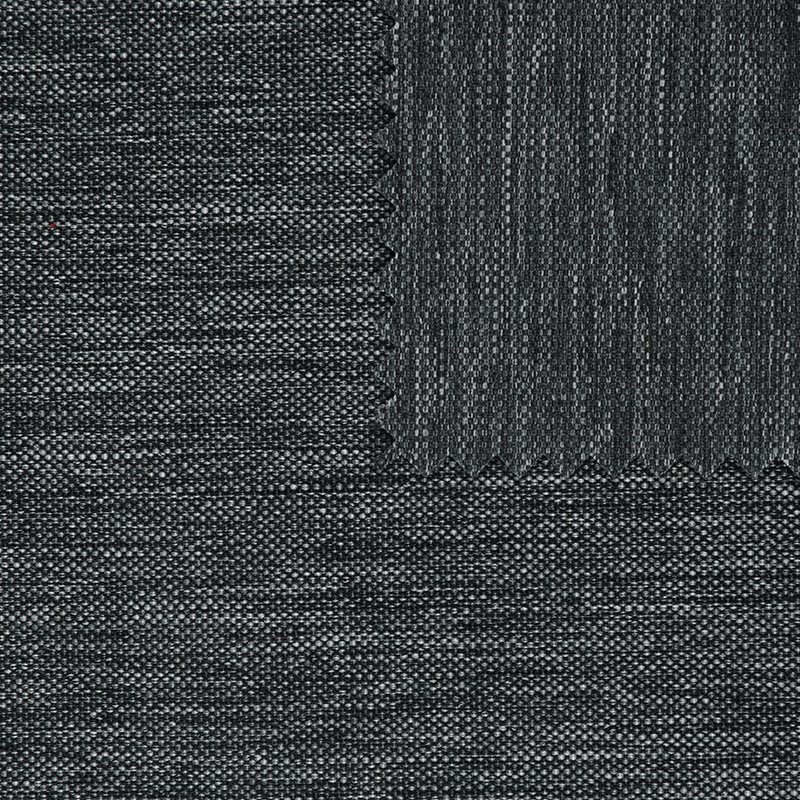
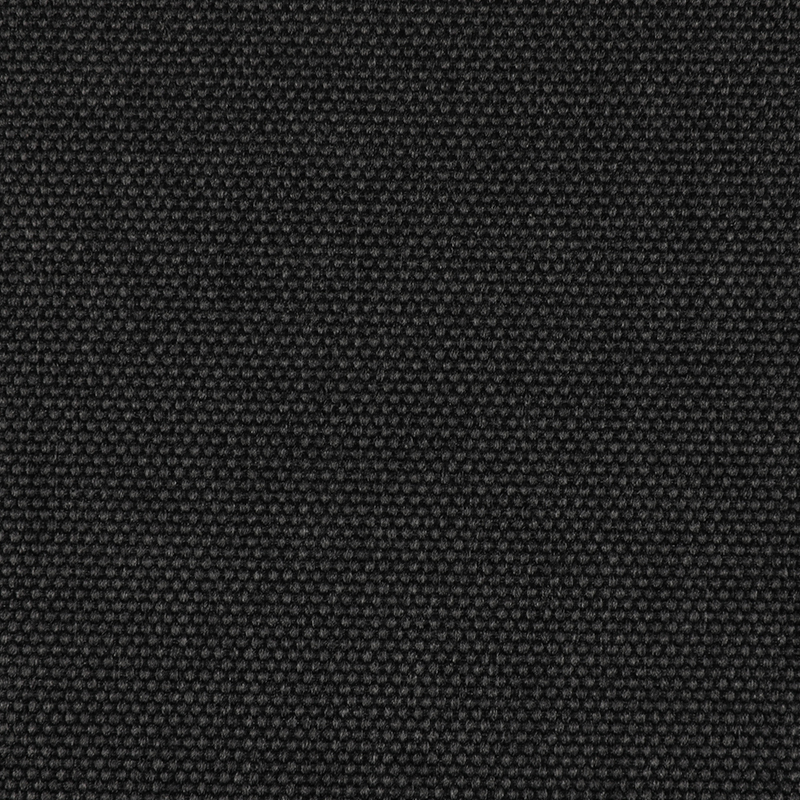
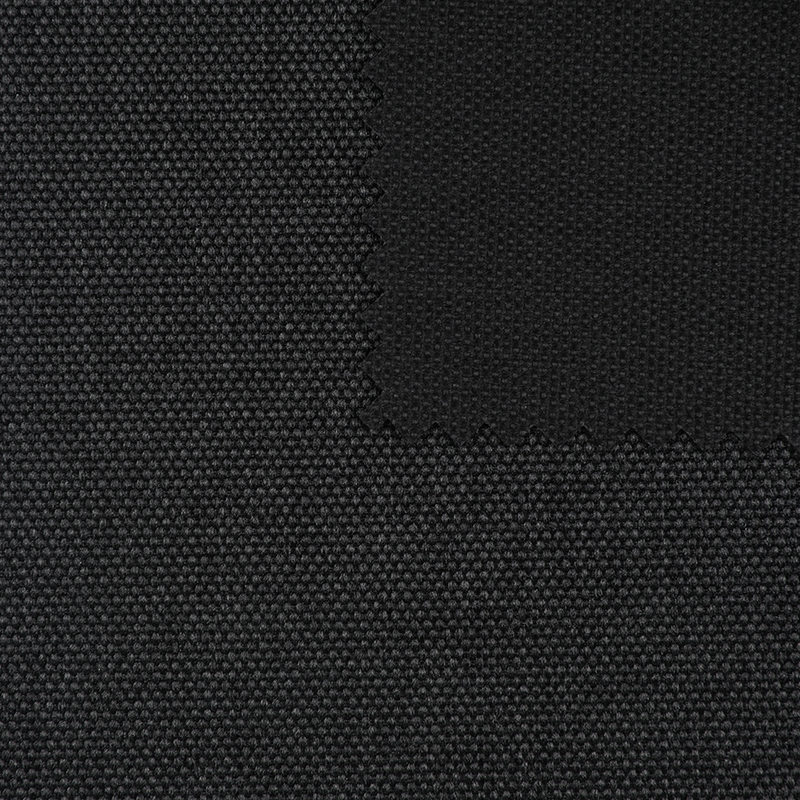
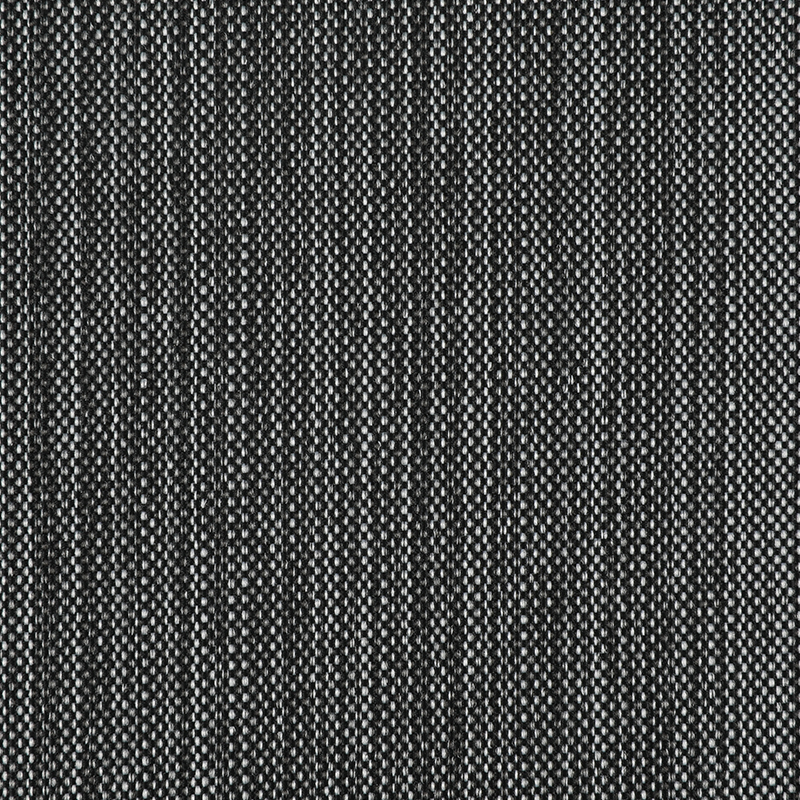
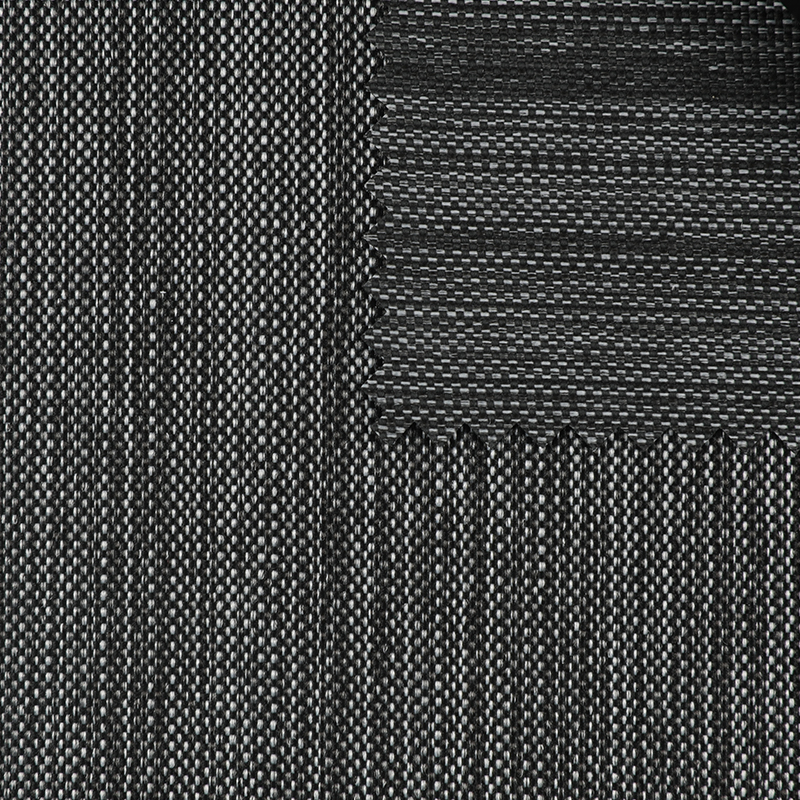
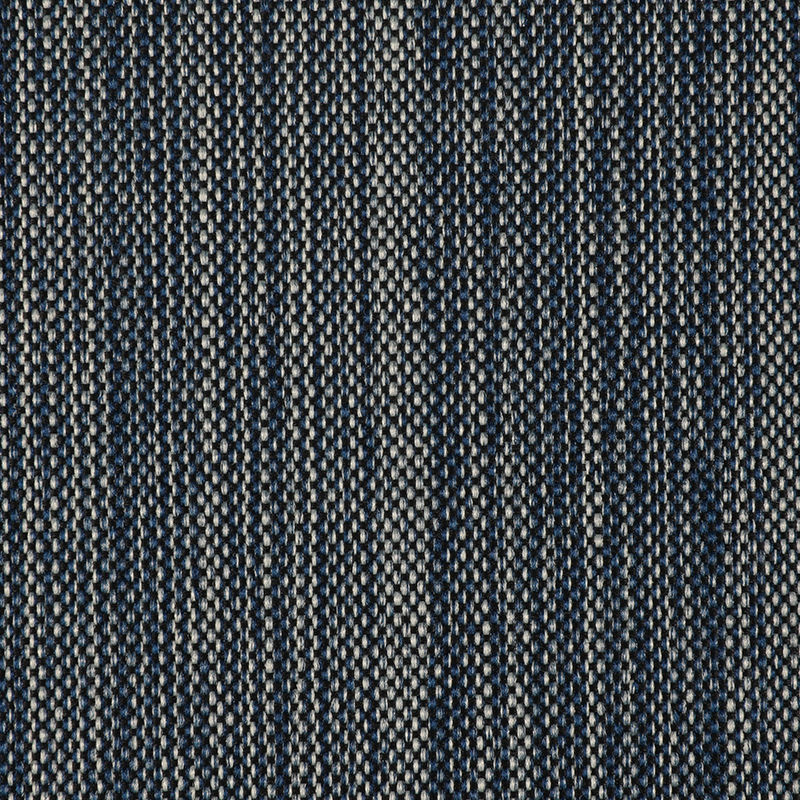
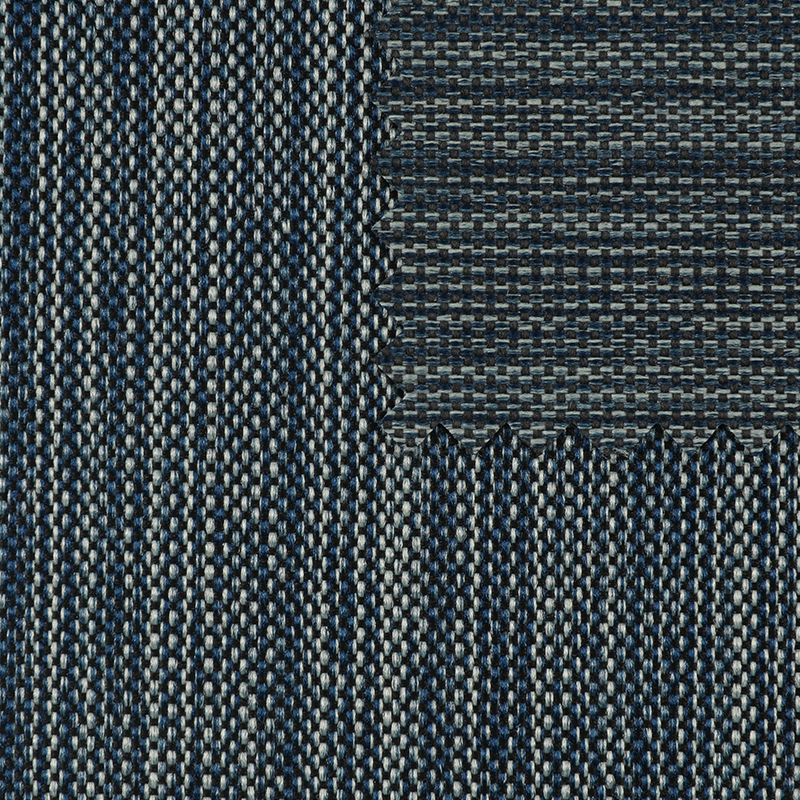
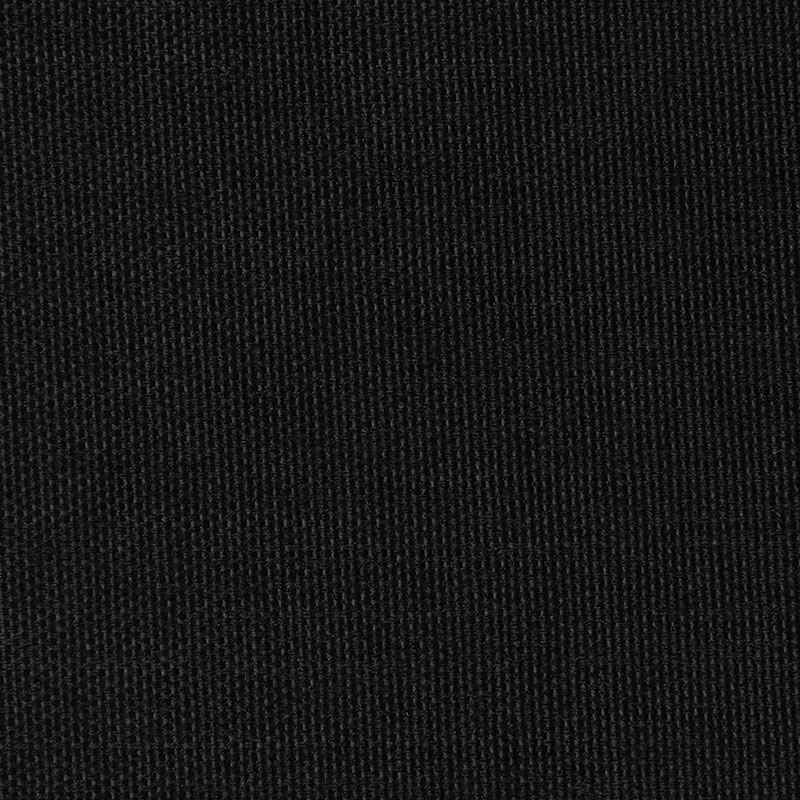
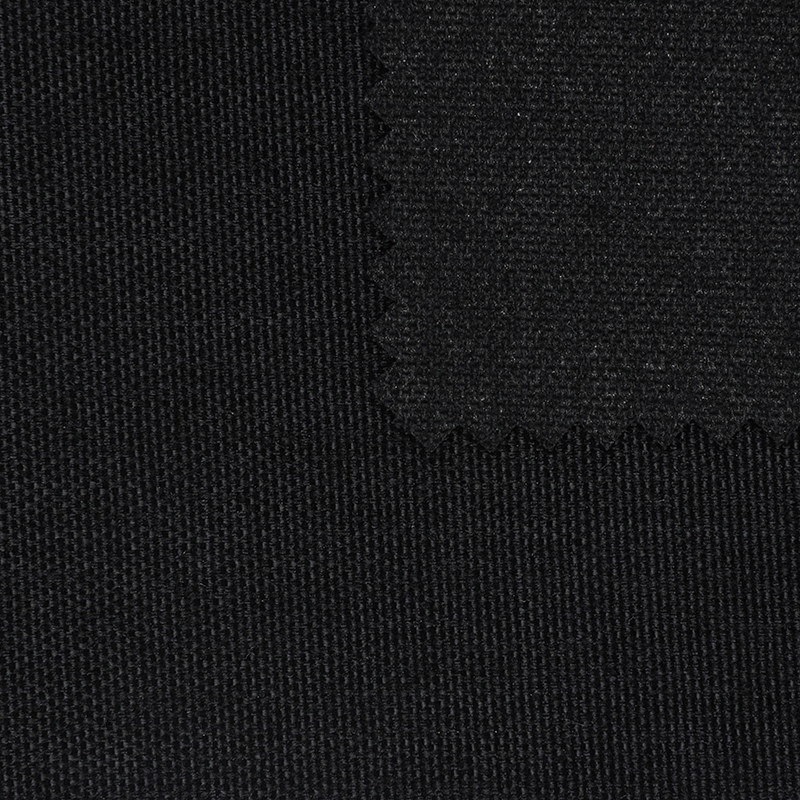
Denier (D) measures the linear mass density of yarn, but in outdoor fabrics, it translates directly to physical resilience. A higher denier count means thicker threads, which deliver greater tear strength and abrasion resistance. Understanding this helps when comparing 300D waterproof outdoor fabric, 600D waterproof outdoor fabric, and 900D waterproof outdoor fabric—three core options in our COVER FABRIC line. While weight matters, the real deciding factor is the type of stress the cover will face.
| Fabric |
Weight (approx.) |
Tear Strength (warp/weft) |
Typical Use Cases |
| 300D waterproof outdoor fabric |
150 g/m² |
120 N / 90 N |
Lightweight dust covers, temporary storage shields |
| 600D waterproof outdoor fabric |
240 g/m² |
250 N / 200 N |
Outdoor furniture, BBQ covers, medium-duty equipment |
| 900D waterproof outdoor fabric |
340 g/m² |
400 N / 350 N |
Heavy machinery, vehicle covers, extreme weather protection |
Table: Comparative performance overview of common outdoor cover fabrics
Matching Denier to Environment
Cover selection goes beyond fabric weight. Wind exposure and sharp edges can transform a light-duty cover into a tear risk. At COVER FABRIC, we help customers navigate these choices—our 600D waterproof outdoor fabric strikes an optimal balance for most residential and commercial covers, while 900D waterproof outdoor fabric delivers unrivaled ruggedness for industrial applications. For low-stress indoor/outdoor transitions, 300D waterproof outdoor fabric keeps dust and light moisture at bay with minimal added bulk.
The Dual Defense of Outdoor Polyester Waterproof Fabric
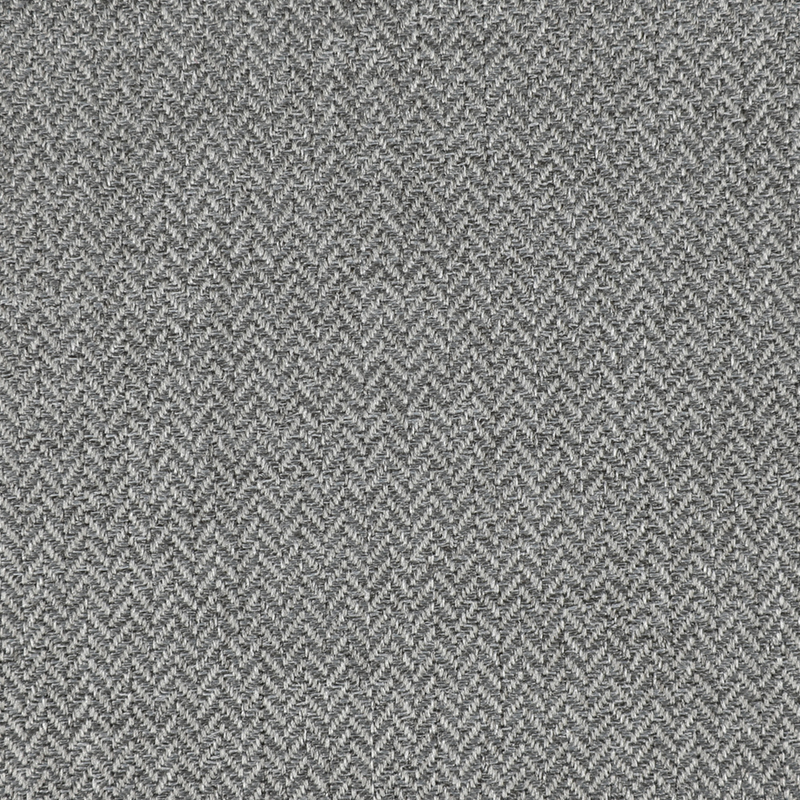
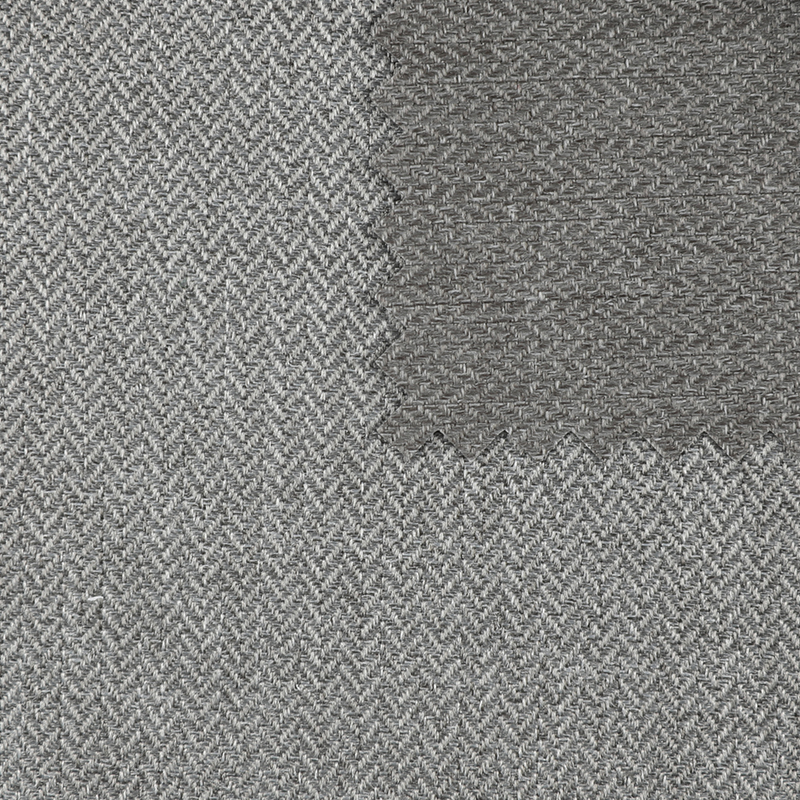
Polyester is inherently hydrophobic and offers better UV stability than nylon, but it is the coating technology that transforms Outdoor Polyester Waterproof Fabric into a dual-function barrier. A polyurethane (PU) or acrylic coating creates a watertight film, typically rated with a hydrostatic head measured in millimeters. Our Outdoor Polyester Waterproof Fabric achieves a minimum hydrostatic head of 3000 mm, easily withstanding sustained rain pressure. To combat sun damage, UV inhibitors such as hindered amine light stabilizers (HALS) are embedded directly into the coating matrix, not merely sprayed on the surface.
This integrated approach delivers a UPF 50+ rating, blocking over 98% of ultraviolet radiation. The coating flexibility is engineered to remain intact through temperature swings, preventing the micro-cracking that plagues stiff, lower-grade covers. We formulate our COVER FABRIC Outdoor Polyester Waterproof Fabric coatings to resist cold-crack failure—a common failure point that opens the weave to moisture ingress.
Hydrophobicity vs. Hydrostatic Performance
Surface water beading (hydrophobicity) and hydrostatic pressure resistance are distinct properties. A durable water repellent (DWR) finish forces droplets to roll off, while the hydrostatic barrier stops water under column pressure. When choosing Outdoor Polyester Waterproof Fabric, look for both: a high hydrostatic head for seam-sealed protection and a renewable DWR to maintain surface dryness and breathability.
Maximizing Cover Lifespan Through Proper Care
Even the toughest outdoor fabrics benefit from a disciplined care routine. Even our 900D waterproof outdoor fabric, built for punishing conditions, will outlast typical service cycles when maintenance follows a few simple principles. The goal is preserving the coating’s continuity and preventing mechanical wear that forces early replacement.
- Clean with a mild soap solution and a soft brush—avoid bleach, chlorine, or abrasive detergents that attack the PU layer.
- Air-dry the cover completely before storage. Never use direct heat sources like radiators, which can delaminate the coating.
- Fold with acid-free tissue paper between layers to prevent coating adhesion during long-term storage.
- Avoid high-pressure washers; close-range spraying can force water through seams and damage the waterproof membrane.
Occasional low-heat sun exposure can actually help a polyurethane coating self-heal minor surface scuffs, a phenomenon called thermal relaxation. Our COVER FABRIC covers are designed for low maintenance, but adhering to these practices preserves their protective qualities and extends the interval between professional retreatments.
Beyond the Weave: What Certifications Mean for Your Cover Fabric Choice
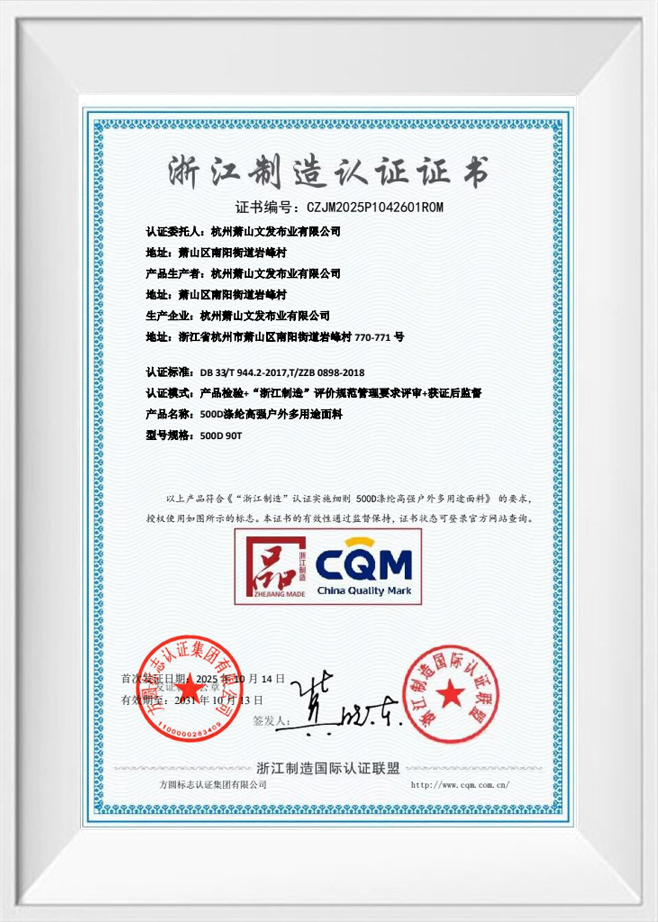
When you source Outdoor Polyester Waterproof Fabric, visible quality is only half the story. Third-party certifications validate the safety, sustainability, and reliability that cannot be seen on the roll. As a UV-resistant Cover Fabric Manufacturers and a Custom Waterproof Cover Fabric Factory, Hangzhou Xiaoshan Wenfa Textile Co., Ltd. aligns production with internationally recognized standards, ensuring that every yard of our fabric meets stringent requirements.
- REACH (EC 1907/2006): Confirms no harmful chemicals, essential for covers used near homes, children’s products, or food environments.
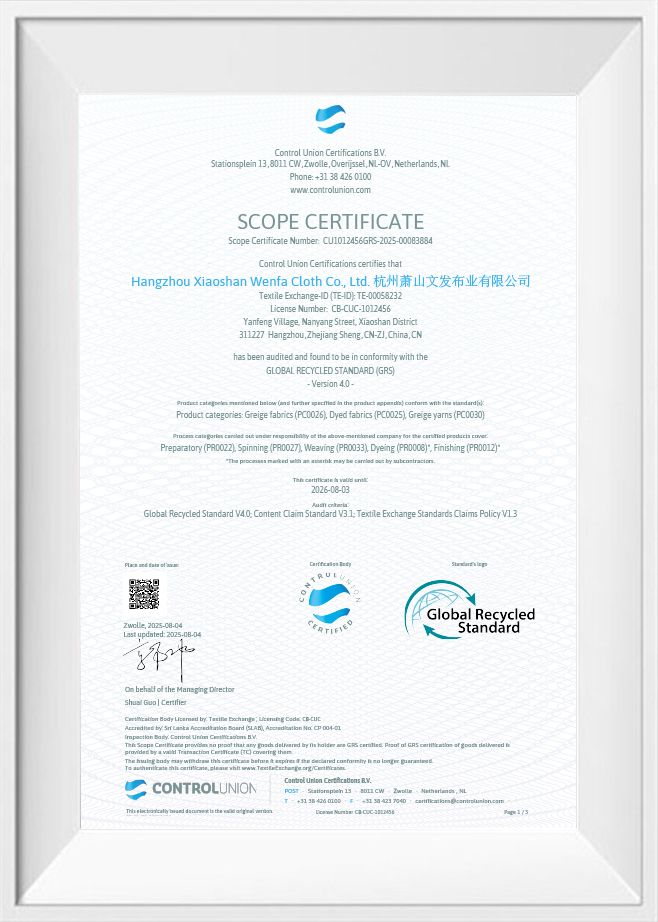
- GRS (Global Recycled Standard): Verifies recycled polyester content and responsible social-environmental practices throughout the supply chain.
- OBP (Ocean Bound Plastic): Certifies that plastic waste collected from at-risk coastal areas is integrated into the fabric, directly reducing marine pollution.
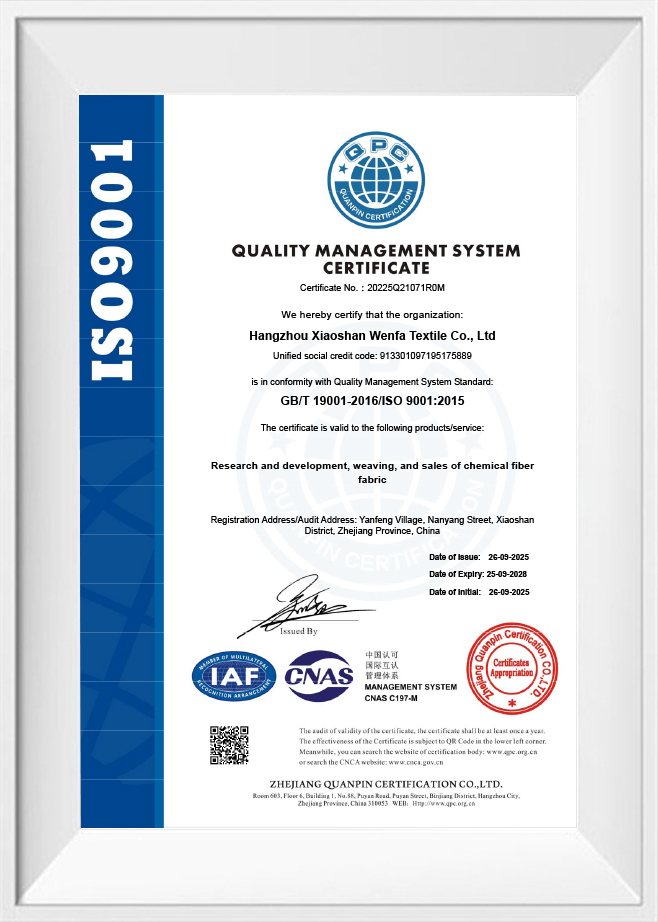
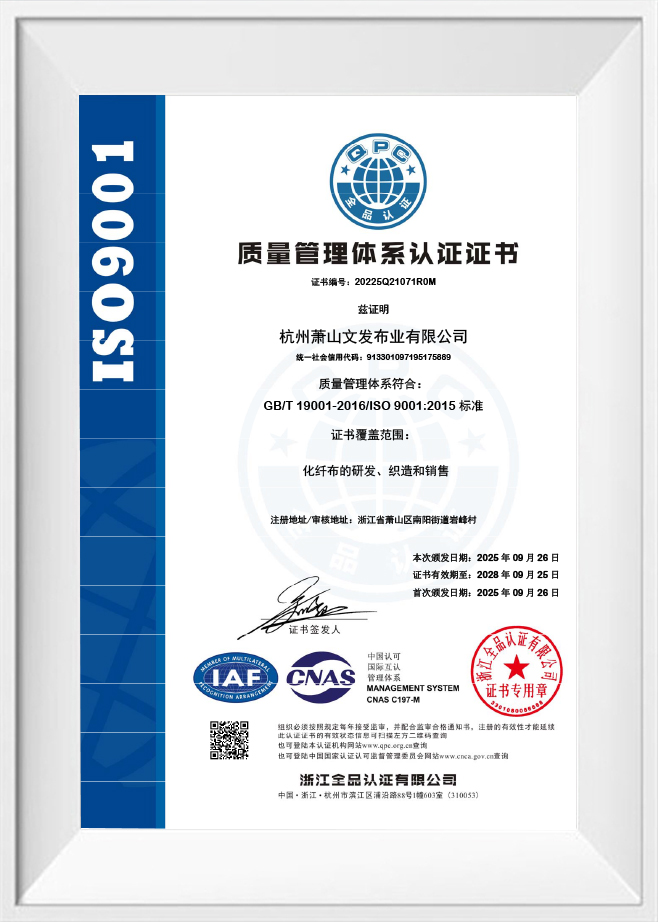
- ISO 9001: Underpins consistent quality management, ensuring that 300D waterproof outdoor fabric and 900D waterproof outdoor fabric perform identically batch after batch.
These certifications eliminate guesswork. Our COVER FABRIC Outdoor Polyester Waterproof Fabric, produced under these protocols, offers documented protection against rain, dust, and UV radiation. When you purchase from us, you are backed by a transparent, audited supply chain that transforms industrial textiles into trusted shielding solutions.

 English
 русский
 Français
 Español
 中文简体
中文简体