Decoding Abrasion Resistance for Long-Lasting Stroller Fabrics
When evaluating a Fabric for Stroller applications, abrasion resistance becomes the primary technical benchmark. A stroller seat undergoes constant friction from the child’s movements, repeated folding and unfolding, and contact with rough surfaces. The fabric’s ability to resist surface wear directly impacts product longevity and perceived quality. At Hangzhou Xiaoshan Wenfa Textile Co., Ltd., our fabric for stroller programs is built around dense, uniform weaves that consistently exceed 50,000 Martindale cycles without visible degradation.
Weave density and yarn selection
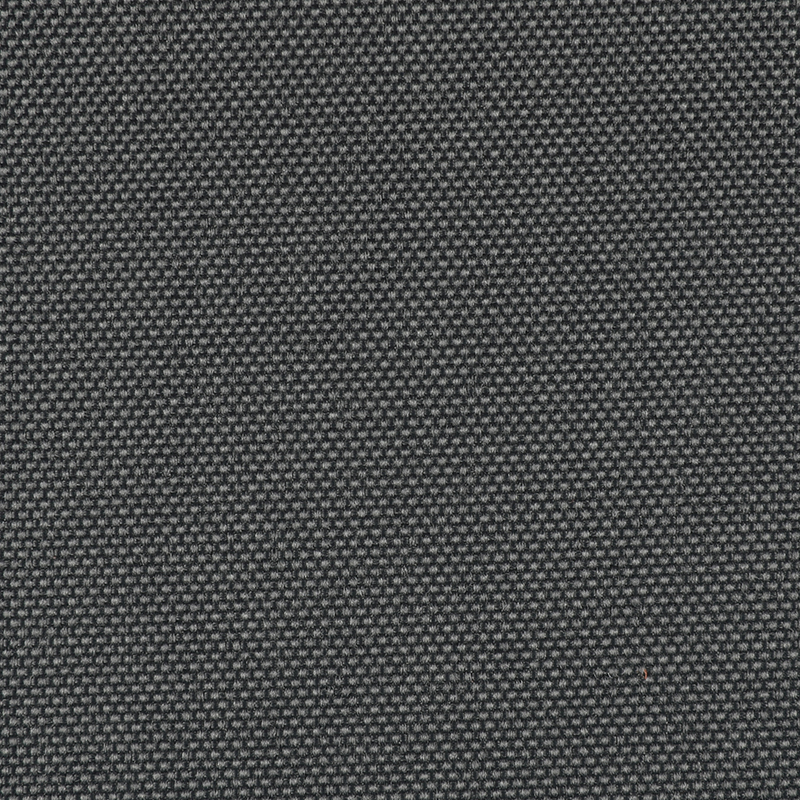
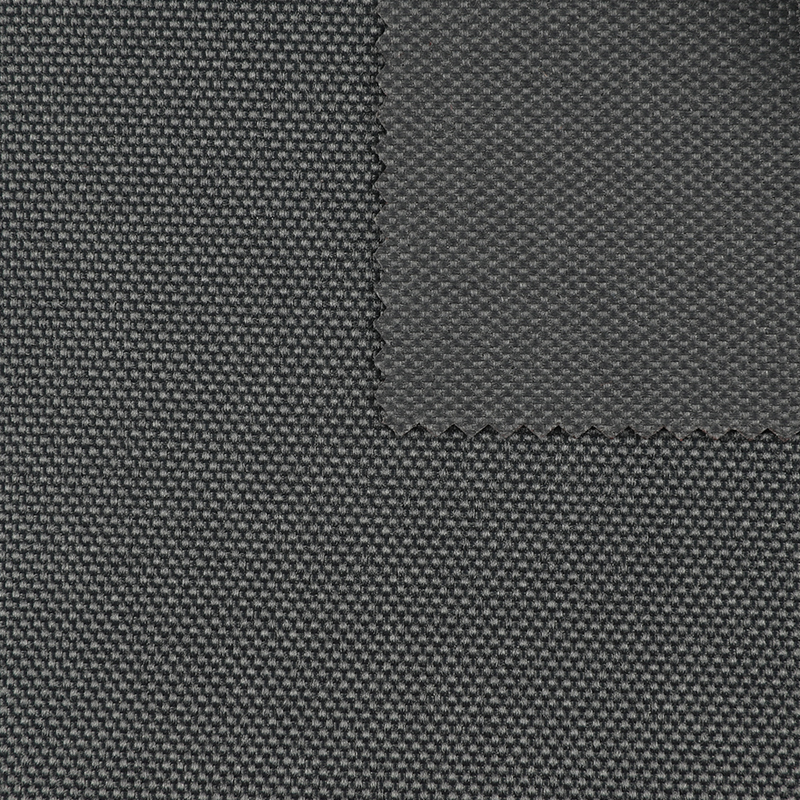
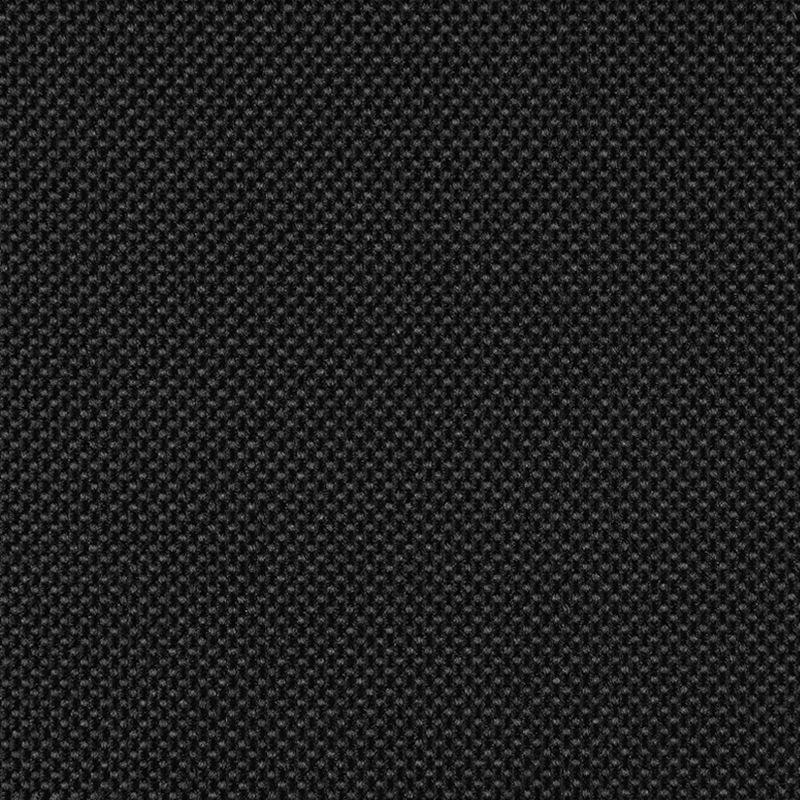
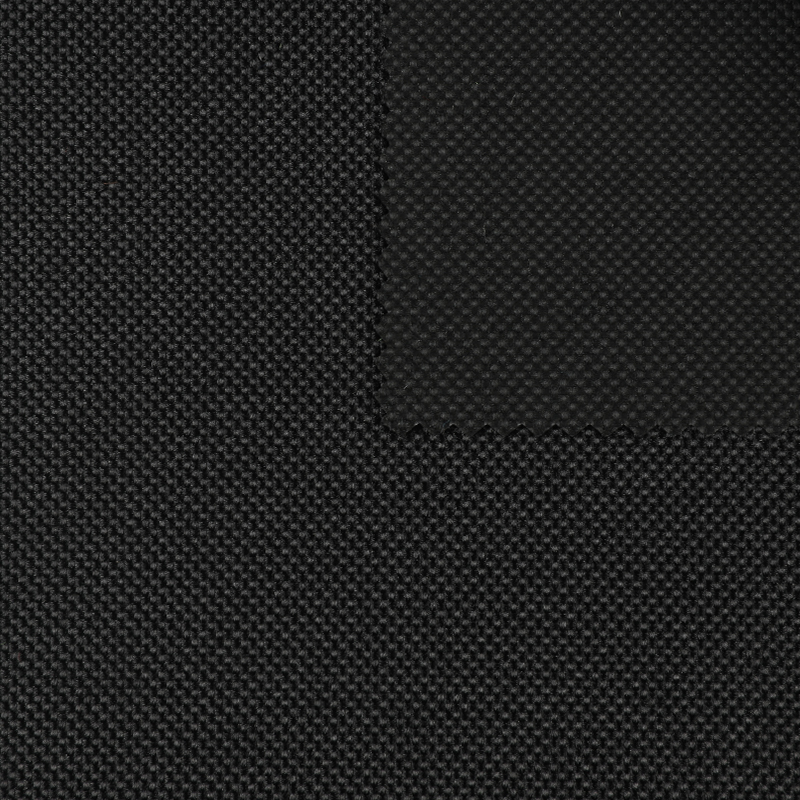
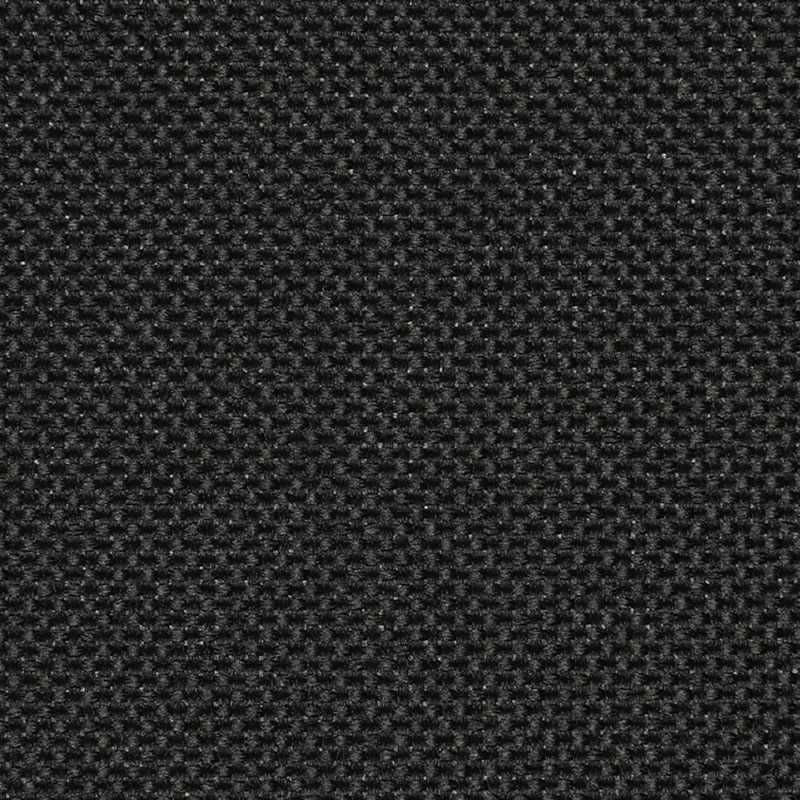
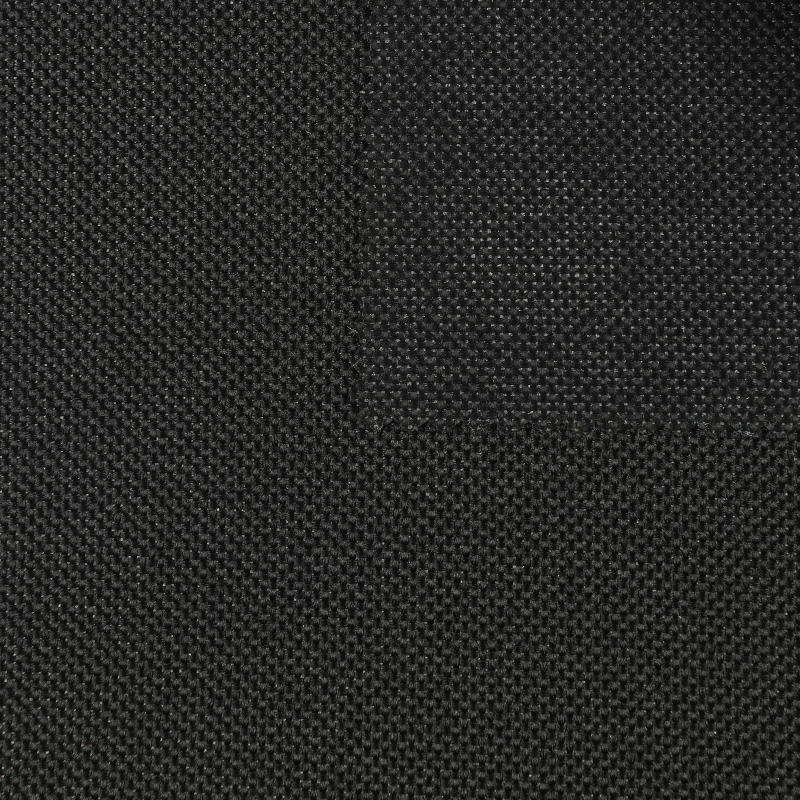
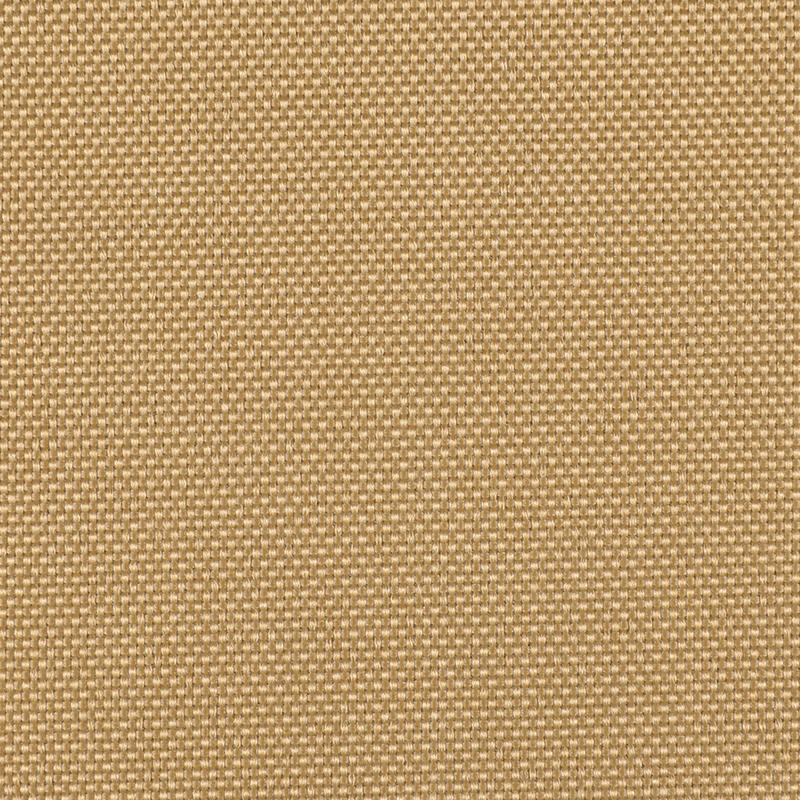
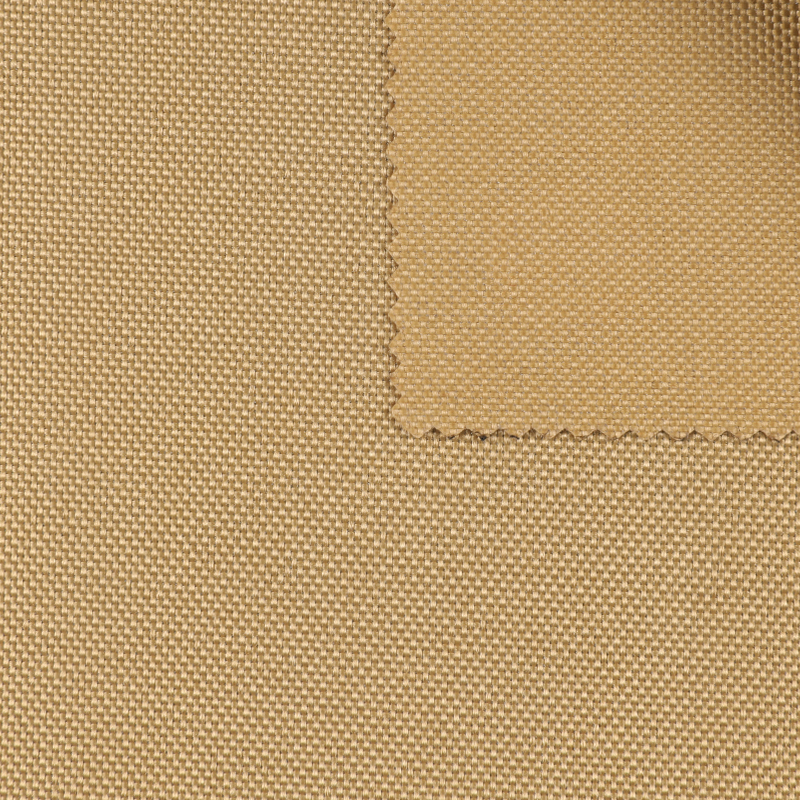
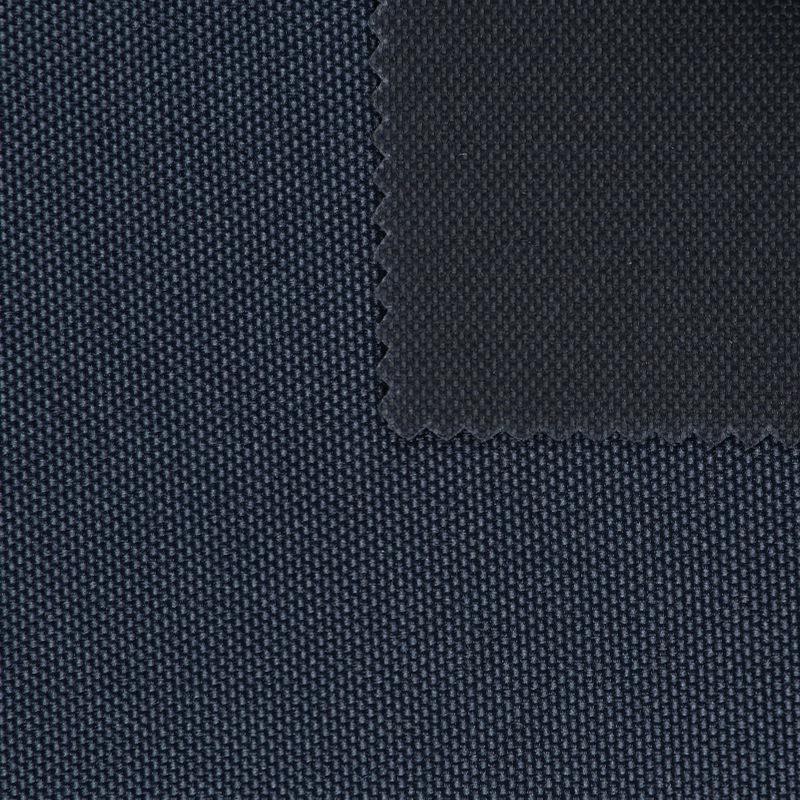
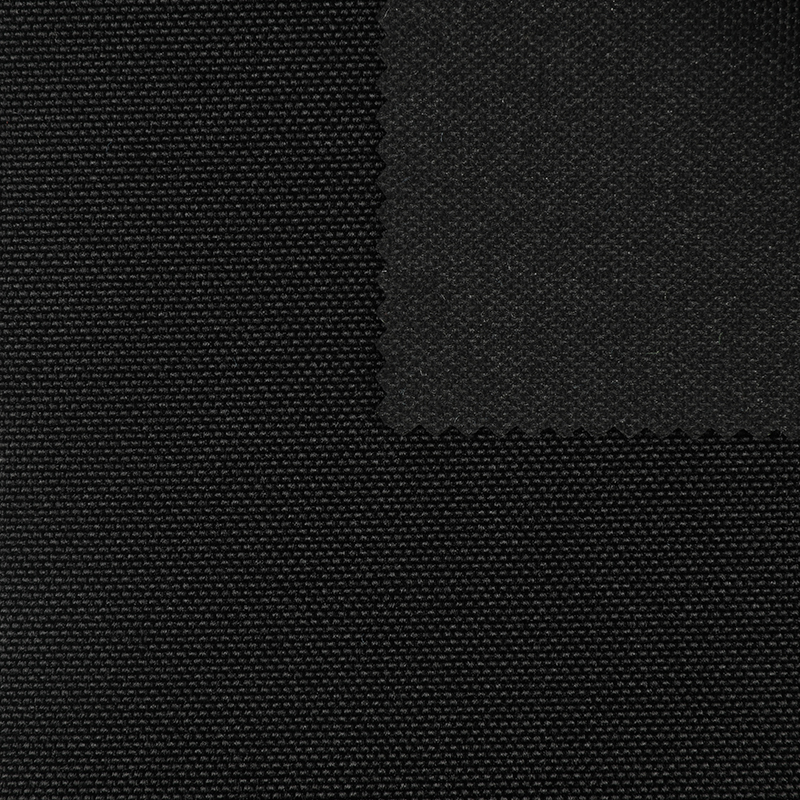
Oxford constructions provide natural advantages for strollers. The basket-weave pattern distributes stress more evenly than plain weaves, reducing localized thinning. By adjusting the denier of the polyester filament and the picks per inch, mills can tune the balance between flexibility and surface hardness. A 600D Oxford with a 64t yarn count, for instance, offers a dense, flat surface that resists pilling far better than lighter, more open structures. We often recommend pairing a 600D face fabric with a subtle ripstop grid for areas like the footrest, where abrasion is concentrated.
Comparing common oxford specifications for strollers
Typical oxford fabric grades for stroller components and their wear characteristics.
| Oxford Spec |
Typical Denier |
Martindale Cycles (Grade) |
Ideal Stroller Zone |
| 210D Oxford |
210 |
15,000 – 25,000 |
Canopy linings, storage pockets |
| 420D Oxford |
420 |
30,000 – 45,000 |
Seat sides, sun canopies |
| 600D Oxford |
600 |
50,000+ |
Seat base, backrest, footrest |
| 900D Oxford |
900 |
70,000+ |
Heavy-duty frames, cargo strollers |
While higher denier means better abrasion resistance, it also increases stiffness and weight. The art of engineering a Fabric for Stroller lies in placing the right density exactly where the friction occurs, without over-engineering the entire seat. This selective reinforcement reduces both material waste and overall product weight.
Low Formaldehyde and Color Vibrancy: The Science Behind Kids Backpacks Fabric Safety
Safety in children’s textiles is defined by more than mechanical hazards. A Kids Backpacks Fabric that sits directly against a child’s body must meet strict chemical limits, with formaldehyde being one of the most closely watched parameters. Low formaldehyde content is not simply a marketing claim—it is a production discipline that influences the entire finishing process. At Hangzhou Xiaoshan Wenfa Textile Co., Ltd., we validate every lot of Fabric for Kids Backpacks against the < 16 mg/kg threshold required by OEKO-TEX Annex 4 for baby articles, the most restrictive class.
Why low formaldehyde demands a different approach
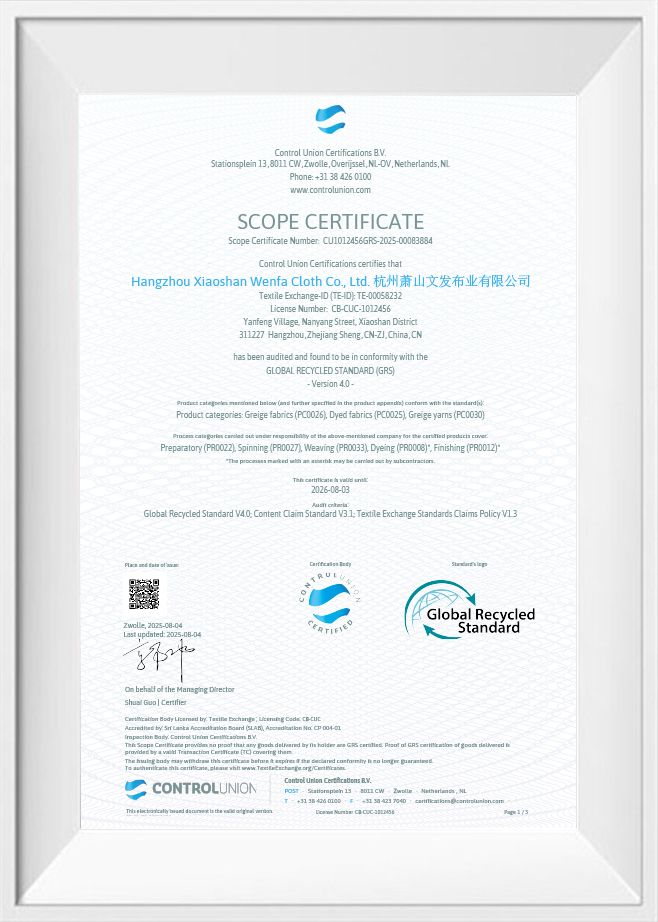
Formaldehyde-based crosslinkers are commonly used to fix dyes and provide wrinkle resistance. Eliminating or drastically reducing them means re-engineering the dye recipe and curing steps. This often involves shifting to formaldehyde-free fixatives and precisely controlled thermosol processes. The payoff is a fabric that can be certified to standards such as REACH and GRS while retaining color that truly lasts. Our in-house lab tests for free and hydrolyzed formaldehyde using the Japan Law 112 method, ensuring results stay under 20 mg/kg even after accelerated aging.
Color fastness metrics that matter for kids’ products
A vibrant Kids Backpacks Fabric must keep its color through school days, play, and frequent washing. The following fastness grades define real-world durability:
- Light fastness (ISO 105-B02): Grade 4–5 (Blue Wool scale) – prevents fading from UV exposure during outdoor use.
- Wash fastness (ISO 105-C06): Grade 4 – ensures dye does not bleed into the wash water or onto other items.
- Crocking fastness (AATCC 8): Grade 4 dry / 3-4 wet – color doesn’t transfer when the backpack is rubbed or held against light-colored clothing.
Achieving these grades with low-formaldehyde chemistry requires dye selection that favors high-affinity, metal-free reactive dyes. Because we control the dyeing and finishing under one roof at our facility, we can balance safety and vibrancy without compromise. When you source a Fabric for Kids Backpacks with certified test reports, you invest in a material that supports both product compliance and brand trust.
Coating Technologies That Extend the Life of Strollers Fabric
Moisture, mud, and spilled drinks are daily realities for any stroller. A Strollers Fabric that lacks proper coating will absorb water, grow mildew, and lose its structure. The choice of coating not only determines water repellency but also affects air permeability, hand feel, and long-term hydrolytic stability. As a Strollers Fabric Factory, Hangzhou Xiaoshan Wenfa Textile Co., Ltd. has transitioned most of its children’s product line to water-based PU and solvent-free systems, removing dimethylformamide (DMF) from the coating layer altogether.
Coating types and their practical trade-offs
Comparison of common backing coatings for stroller fabrics.
| Coating Type |
Hydrostatic Head |
Flexibility |
Child-Safety Profile |
| Solvent-based PU |
1,000 – 3,000 mm |
Good |
Contains residual DMF; not recommended |
| Water-based PU |
800 – 2,000 mm |
Excellent |
DMF-free; preferred for strollers |
| TPU lamination |
5,000+ mm |
Moderate |
Excellent; fully inert |
Hydrolytic stability and seam integrity
Beyond initial water resistance, Strollers Fabric must withstand years of humidity and cleaning. In low-quality PU, water molecules gradually break the ester linkages, turning the coating sticky and causing delamination. We specifically select polyether-based water-borne PU with enhanced hydrolysis resistance, verified through 5-week tropical chamber tests (70°C, 95% RH) without significant tensile loss. This engineering step is crucial for strollers that fold and unfold in damp climates. Combined with tightly woven 600D oxford, the coated fabric keeps the stroller chassis dry and mold-free while remaining compliant with the latest OBP and REACH criteria.
Balancing Weight and Tensile Strength in Fabric for Kids Backpacks
A child’s backpack must be light enough to carry comfortably, yet strong enough to survive being dragged, dropped, and overstuffed. This dual demand makes Fabric for Kids Backpacks one of the most technically nuanced categories in children’s textiles. Simply choosing a higher denier adds weight unnecessarily. Instead, the solution lies in yarn selection, weave geometry, and controlled finishing. At Hangzhou Xiaoshan Wenfa Textile Co., Ltd., we engineer our oxford constructions to deliver tear strength above 35 N (ASTM D2261) while keeping the base fabric weight under 190 g/m² for preschool backpack designs.
How yarn type influences strength without bulk
Using false-twist textured (FTT) polyester yarn in the weft increases the fabric’s elongation at break and provides a natural crimp that absorbs shock loads. This allows a 300D oxford to approach the tensile performance of a traditional 420D construction. The following design strategies are particularly effective for Fabric for Kids Backpacks:
- Employ warp yarns with high tenacity (>6.8 cN/dtex) to handle the static load from books and supplies.
- Insert a fine ripstop grid (every 5 mm) made from 100D high-tenacity filament to prevent small tears from propagating.
- Apply a light back-coating of water-based acrylic to lock the weave without adding more than 8 g/m² to the total weight.
Practical weight benchmarks for children’s backpacks
Brands often specify a maximum fabric weight to meet overall backpack weight limits. Based on feedback from our Kids Backpacks Fabric customers, a finished shell fabric between 180 g/m² and 230 g/m² offers the best balance for the 3–8 year age group. Heavier constructions (300–400 g/m²) are reserved for junior hiking packs where load-bearing capacity trumps weight concerns. By using compact spinning techniques and precisely controlled water-jet weaving, we maintain uniformity across the 160,000-meter daily output, ensuring that each roll of fabric meets the specified weight and strength windows. This consistency lets designers confidently build lightweight, durable kids’ backpacks without compromising on the vibrant colors and low-formaldehyde safety that define the product category.

 English
 русский
 Français
 Español
 中文简体
中文简体