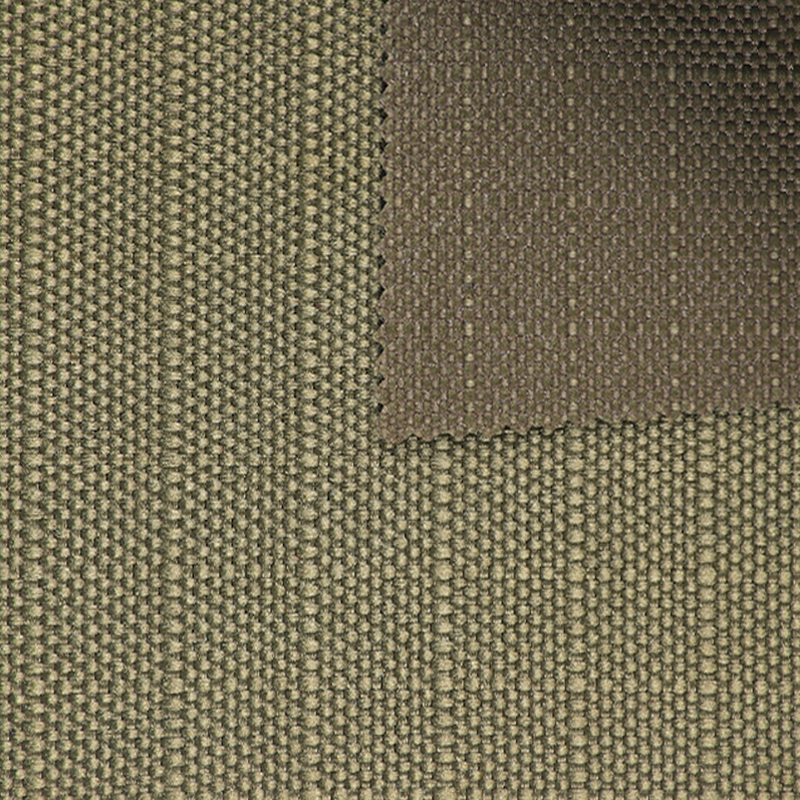
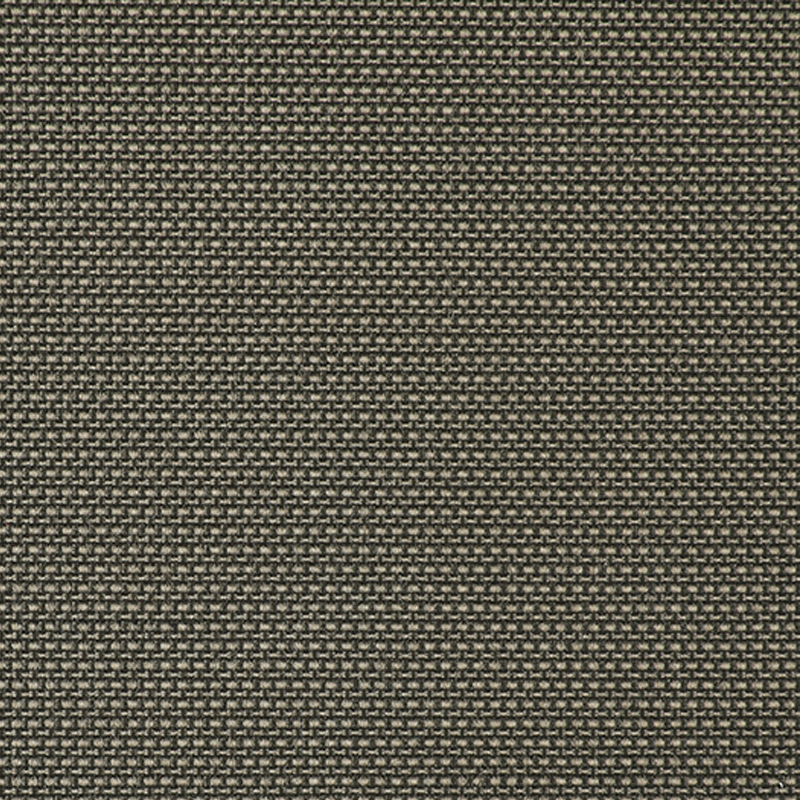
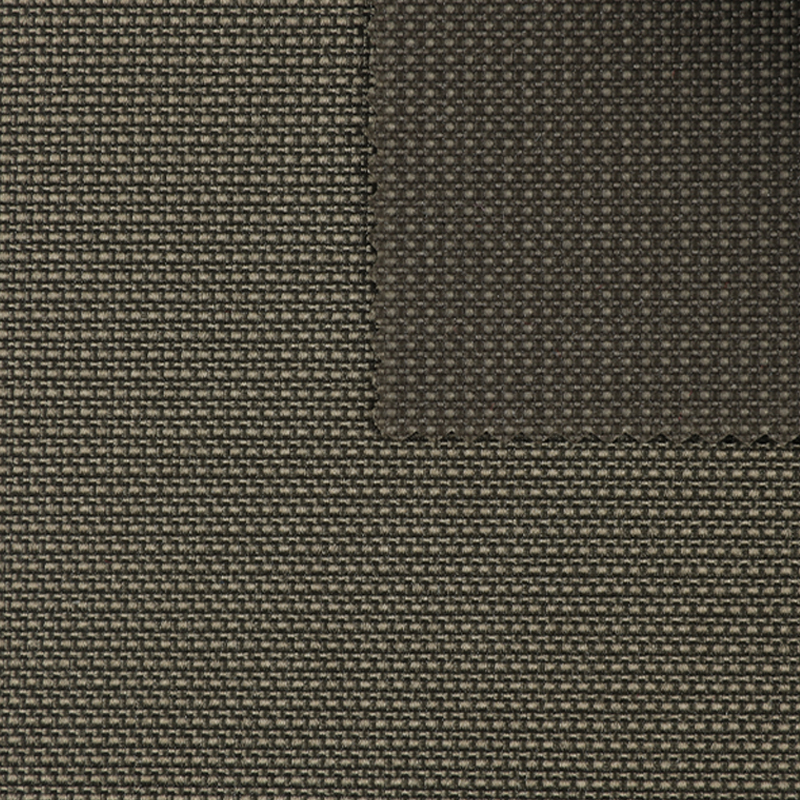
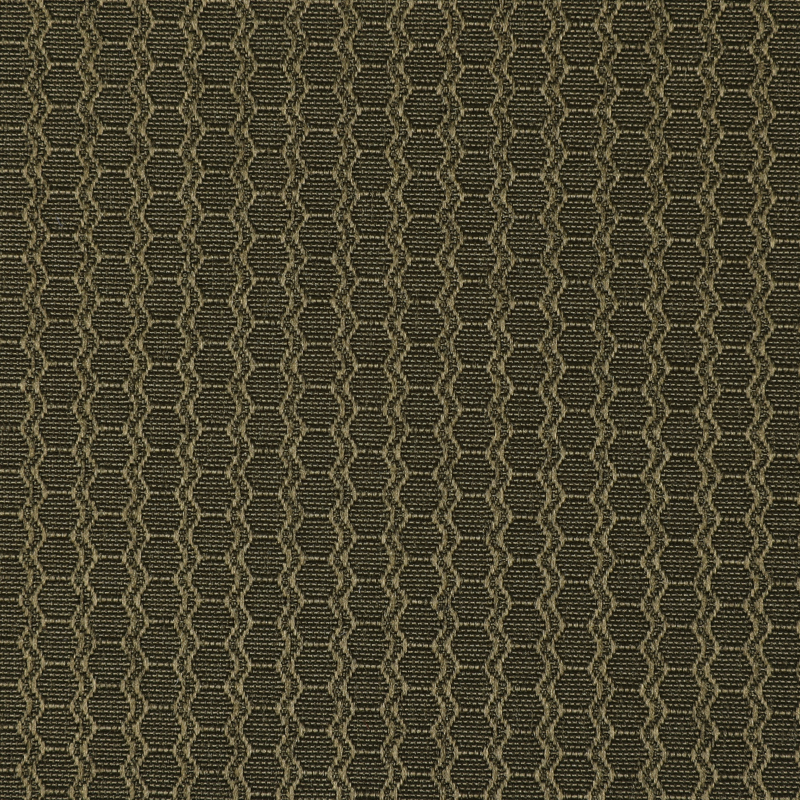
Balancing Waterproofing and Breathability in Shoe Polyester Fabric
Achieving reliable waterproofing in Shoes Polyester Fabric often comes at the cost of breathability, yet modern construction techniques can reconcile both. The key lies in the interplay between fabric density, membrane technology, and durable water repellent (DWR) finishes. A densely woven 100% polyester base can already resist light moisture, but for heavy rain a microporous membrane or a hydrophilic monolithic film is laminated to the reverse side. Microporous structures rely on billions of pores per square inch—each smaller than a water droplet but larger than a water vapor molecule—allowing perspiration to escape while blocking external water. In contrast, monolithic films use molecular diffusion, absorbing moisture from the foot and releasing it outward.
Membrane Types and Performance Trade-offs
- Microporous PTFE/PU: High breathability (often exceeding 8,000 g/m²/24h MVTR) but may require careful seam sealing to maintain a full barrier.
- Hydrophilic TPU: Typically lower MVTR (around 3,000–5,000 g/m²/24h) but offers excellent stretch recovery and simpler lamination, making it suitable for athletic shoe vamps.
- High-density weave with DWR: Relies on fabric structure alone, often reaching a hydrostatic head of 1,500–3,000 mm before wetting through, ideal for light-duty trail runners.
At Hangzhou Xiaoshan Wenfa Textile Co., Ltd., we have observed that a well-calibrated combination of a 100% polyester face fabric and a 15–20 micron TPU membrane consistently delivers a hydrostatic head above 10,000 mm while maintaining sufficient vapor permeability for moderate activity. When specifying waterproof shoe uppers, it is productive to request the test report covering both the hydrostatic pressure per ISO 811 and the MVTR per ASTM E96, rather than relying on a single rating.
Abrasion resistance defines how well 100% Polyester Fabric for Shoe Uppers can withstand surface wear from rough terrain, yet the test figures on a datasheet can be misleading if not placed in context. Two dominant methods exist: the Martindale test (ISO 12947, ASTM D4966) and the Taber test (ASTM D3884). Each stresses the fabric differently, and a material that performs well in one may show premature failure in the other.
Comparison of Common Abrasion Test Methods for Shoe Upper Fabrics
| Parameter |
Martindale (ISO 12947) |
Taber (ASTM D3884) |
| Abrasive action |
Lissajous figure rubbing |
Rotating abrasive wheels |
| Failure detection |
Thread breakage or hole |
Visual wear or weight loss |
| Typical benchmark for shoe uppers |
>50,000 cycles |
>1,000 cycles (CS-10 wheel) |
| Best simulates |
General rubbing, heel counter wear |
Scuffing, toe cap abrasion |
For hiking or work boots, we recommend focusing on the Martindale figure because it replicates the multidirectional rubbing that occurs during walking. A Martindale result above 50,000 cycles on a 100% polyester upper fabric indicates suitability for prolonged trail use without significant fiber shedding. In contrast, a Taber test adds insight for toe-bumper scuffs. Always ask whether the reported value was obtained on the face fabric alone or on the laminated composite—the presence of a membrane can sometimes lower the cycle count by concentrating stress on the textile surface.
Hangzhou Xiaoshan Wenfa Textile Co., Ltd. supplies 100% Polyester Fabric for Shoe Uppers engineered to exceed both Martindale and Taber thresholds, and we provide full test reports as part of the technical dossier.
Influence of Yarn Geometry on Dynamic Fit in Shoes Fabrics
The performance of Shoes Fabrics is not dictated solely by the base polymer but by the shape of the individual polyester filaments. Round cross-section yarns, the conventional choice, provide good light reflectance and a smooth hand but may lack the moisture transport needed for high-output activities. Modified cross-sections—triangular, trilobal, or hollow—radically alter capillary action, bending stiffness, and even abrasion distribution.
How Yarn Profiles Affect Shoe Upper Behavior
- Trilobal fibers: The three lobes create micro-grooves that wick moisture rapidly, reducing the clammy feel inside the shoe. This geometry also increases surface area, enhancing dye uptake and giving richer color.
- Hollow fibers: The internal void reduces weight by up to 20% while providing thermal insulation. In cold-weather shoe uppers, hollow polyester fabrics help retain foot warmth without bulk.
- Flat (tape) yarns: Used in strategic zones, they lower stretch and improve structural stability. They are particularly effective in reinforcing eyelets and heel counters where shape retention matters.
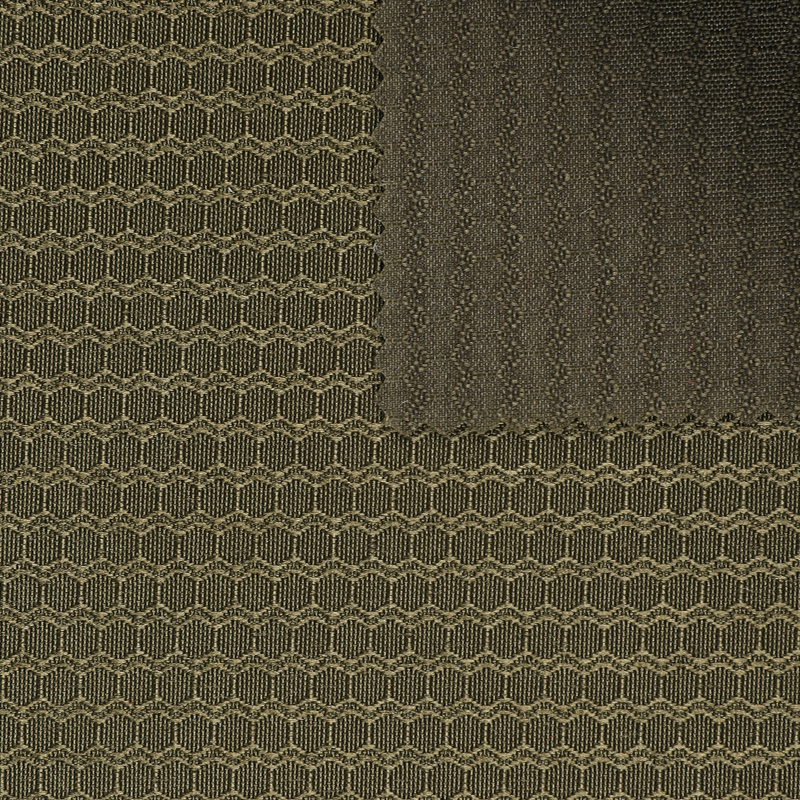
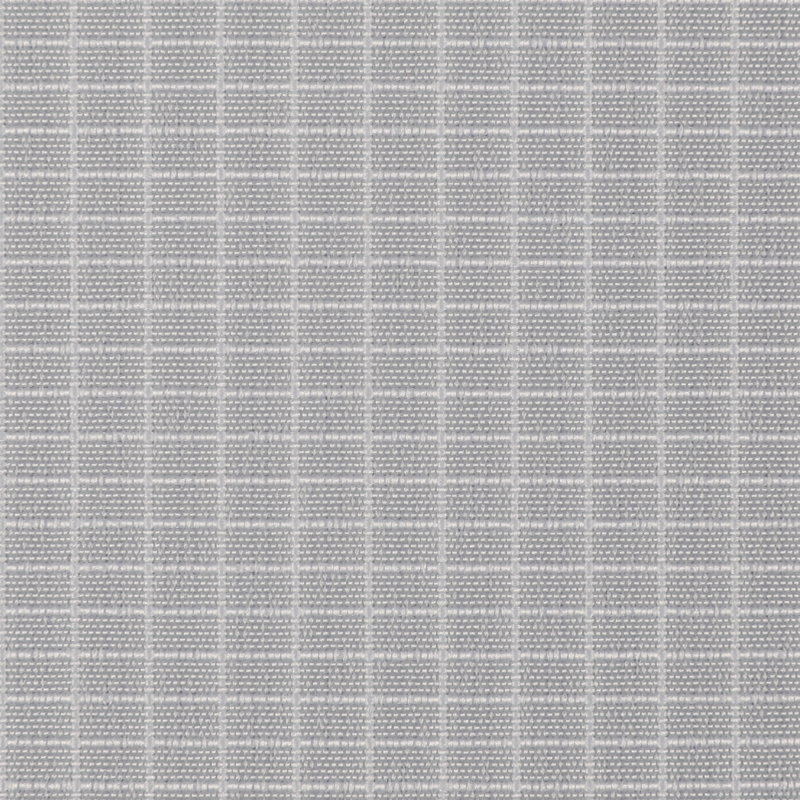
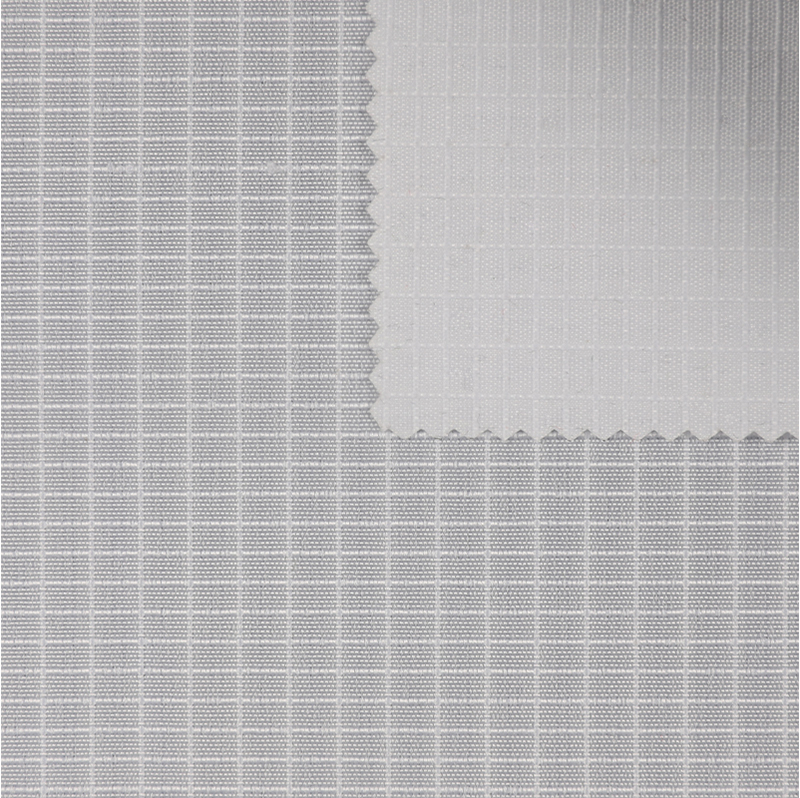
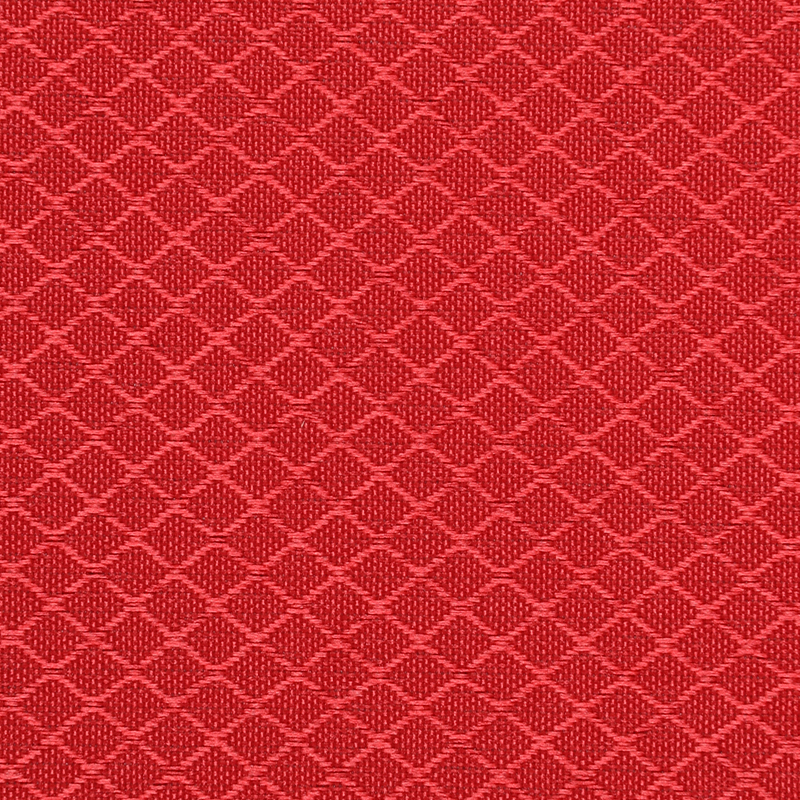
Weave structure adds another dimension. A ripstop incorporating heavier denier trilobal threads in a grid pattern localizes tear resistance without compromising the overall drape. Our experience as Shoes Fabrics Manufacturers confirms that a three-layer construction—a trilobal face, a thin waterproof membrane, and a circular knit backing—can simultaneously offer a pliable fit and the tough shield required by modern trail runners. When specifying Shoes Fabrics, exploring beyond basic denier and thread count to include yarn cross-section and weaving technique can unlock tangible gains in comfort and longevity.
Sustainable Chemistry and Certifications in Shoes Polyester Fabric Production
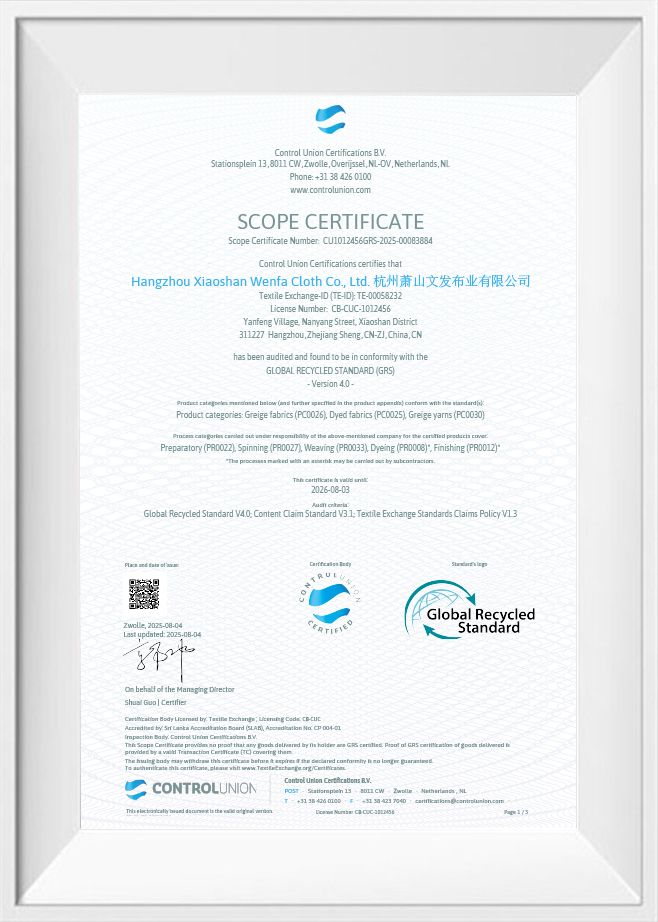
Environmental expectations are reshaping the Shoes Polyester Fabric supply chain, pushing beyond mere recycled content claims to verifiable chemical management. Certifications such as REACH, GRS (Global Recycled Standard), and OBP (Ocean Bound Plastic) now serve as essential benchmarks, each addressing a different angle of sustainability and safety.
REACH (EU regulation) controls substances of very high concern (SVHCs) in finished goods, which is critical because shoe uppers sit directly against the foot and often remain in contact for hours. Without REACH-compliant textile auxiliaries, traces of restricted phthalates or heavy metals could migrate through socks. GRS, on the other hand, certifies the chain of custody for recycled polyester, verifying that the input material genuinely comes from post-consumer bottles or industrial waste. OBP extends this to plastics collected from coastlines and waterways, adding a marine conservation narrative that many footwear brands value.
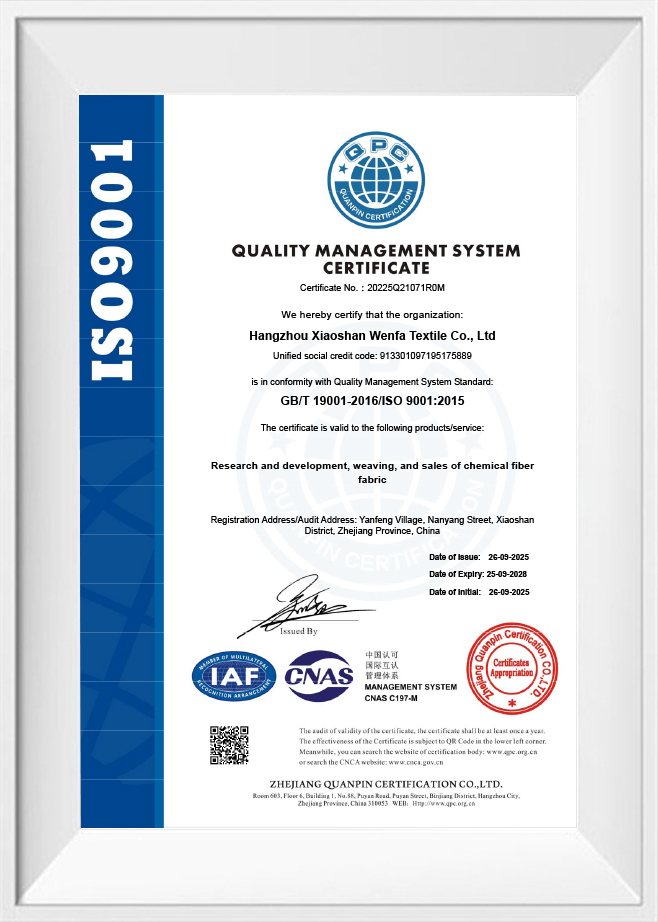
Our facility, Hangzhou Xiaoshan Wenfa Textile Co., Ltd., integrates REACH, GRS, and OBP standards into its production of 100% Polyester Fabric for Shoe Uppers. By maintaining segregated production flows and regular third-party audits, we ensure that recycled content percentages—typically 50% to 100% post-consumer recycled polyester—are traceable from resin to finished roll. This alignment not only meets regulatory requirements but also supports the eco-labeling goals of downstream brands without sacrificing the waterproof and abrasion-resistant properties that define high-performance uppers.

 English
 русский
 Français
 Español
 中文简体
中文简体