
 English
 русский
 Français
 Español
 中文简体
中文简体

Advantages of Eco-Friendly Polyester Fabric?
2025-12-17
Eco-friendly polyester fabric, also known as sustainable polyester or recycled polyester (rPET), is produced from recycled materials (e.g., plastic bottles, industrial polyester waste) or via low-carbon manufacturing processes. It retains the core advantages of conventional polyester while solving the environmental drawbacks of traditional polyester production. Its key benefits are as follows:
Outstanding environmental sustainability
Reduces plastic waste: The main raw material is recycled PET plastic bottles and polyester scraps, which diverts plastic waste from landfills and oceans. Each kilogram of recycled polyester can reduce the use of approximately 7 plastic bottles, alleviating environmental pollution.
Low carbon footprint: Compared with virgin polyester production, manufacturing recycled polyester consumes up to 70% less energy and emits over 50% fewer greenhouse gases. It does not rely on petroleum-based raw materials, reducing dependence on non-renewable resources.
Circular economy compatibility: High-quality eco-friendly polyester can be recycled multiple times without significant loss of performance, supporting a closed-loop production model and conforming to global low-carbon and sustainable development trends.
Retains core performance of conventional polyester
High strength and wear resistance: It has the same tensile strength, tear resistance and durability as virgin polyester, suitable for long-term use in products such as outdoor gear, luggage and workwear.
Wrinkle-resistant and easy care: Features stable molecular structure, no need for ironing after washing, quick-drying and shape-retaining, meeting the demands of daily use and industrial scenarios.
Good chemical stability: Resists weak acids, alkalis and common chemical corrosion, with high color fastness, not easy to fade or degrade during use.
Functional compatibility and customization
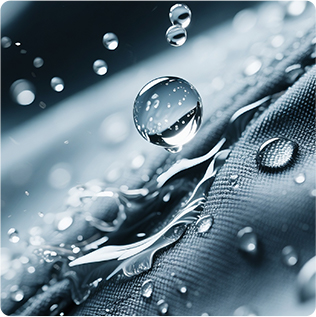
Like traditional polyester, it can be processed with functional treatments such as waterproof coating, moisture-wicking finishing, UV protection and antibacterial modification, meeting the needs of different application scenarios (e.g., sportswear, outdoor clothing, home textiles).
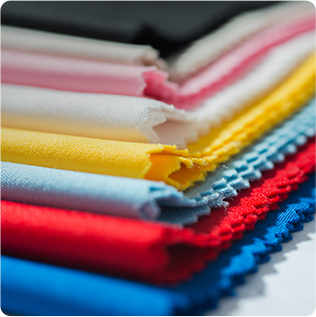
It has good dyeing properties and can be made into various colors and textures, without compromising aesthetic and functional effects due to its eco-friendly production process.
Cost-effective and market competitive
With mature recycling and production technologies, the cost of eco-friendly polyester is gradually approaching that of virgin polyester, offering a high cost-performance ratio.
It meets the sustainability requirements of global markets (e.g., EU environmental regulations, corporate ESG standards), helping brands enhance their green image and gain competitive advantages in international trade.
Safe and skin-friendly
Modern recycled polyester production processes remove impurities and harmful substances from raw materials, ensuring the fabric is non-toxic and odorless. It is safe for direct contact with the skin, suitable for making underwear, children’s clothing and bedding.



地址:
中国浙江省杭州市萧山区南阳街道岩峰村
Add:
Yanfeng Village, Nanyang Street, Xiaoshan District, Hangzhou,Zhejiang Province, China.


Copyright © Hangzhou Xiaoshan Wenfa Textile Co., Ltd.
All Rights Reserved.
 Polyester Fabric Manufacturers
Oxford Fabric Manufacturers
Polyester Fabric Manufacturers
Oxford Fabric Manufacturers