What “OCI Certificate Fabric” Signals to Bulk Buyers Beyond a Label
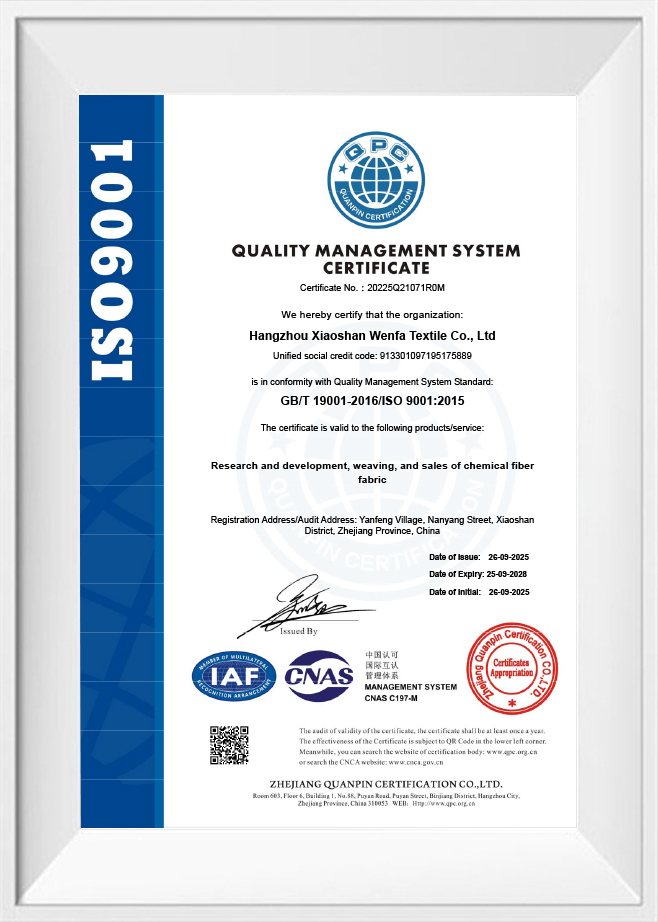
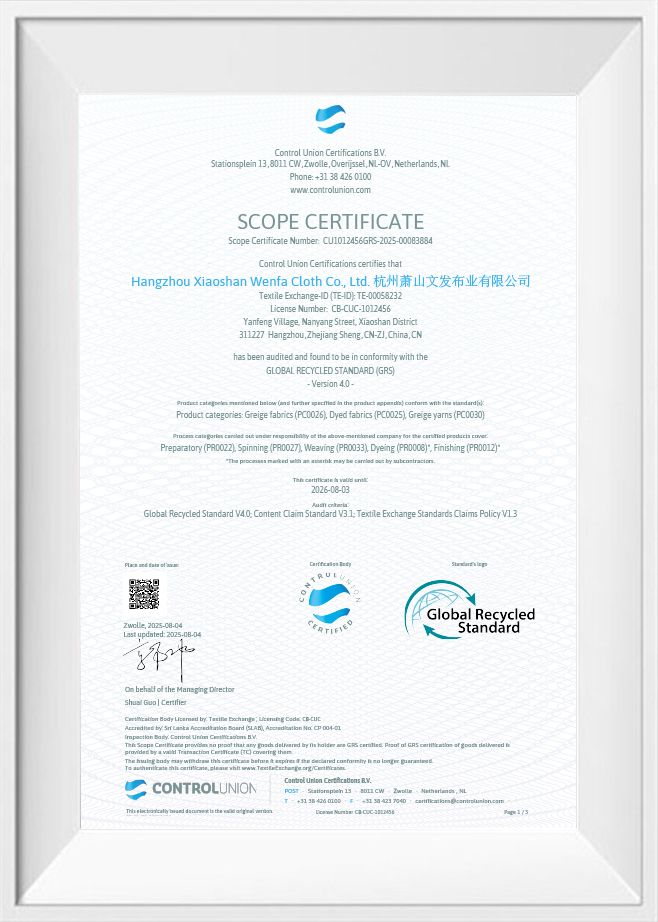
In procurement terms, an Ocean Cycle (OCI) claim is not just a sustainability statement; it is a traceability and risk-control mechanism tied to ocean-bound/ocean-recovered plastic feedstock and documented transformation into textile-grade input. For bulk programs, the practical value is that your sustainability story can be backed by a third-party standard rather than self-declared marketing language.
When you are comparing recycled options, OCI certification typically helps you separate “general recycled” from “ocean plastic” narratives. That distinction is important for compliance teams and brand claims teams because ocean plastic claims usually require tighter documentation: where the plastic was collected, how it was aggregated, and how chain-of-custody was preserved through processing.
From our side, Wenfa treat OCI programs as a supply discipline: stable sourcing, controlled conversion, and production readiness for continuous bulk deliveries—because certification value disappears if lead times and shade continuity cannot be maintained.
Recycled Ocean Plastic to Fiber: What Changes Technically
Ocean plastics often arrive with higher contamination risk than post-industrial waste streams. The conversion chain therefore typically emphasizes sorting precision, high-efficiency washing, controlled melt filtration (for rPET-type flows), and tighter IV/viscosity control so the spinning performance remains stable.
For bulk buyers, the main takeaway is that feedstock variability can translate into yarn variability unless the supplier has robust incoming inspection and blending strategies. The best programs stabilize key parameters (e.g., melt flow behavior, tenacity targets, elongation windows) so weaving efficiency and final fabric hand feel remain consistent from lot to lot.
Practical questions to align technical expectations
- Do you control yarn property windows per lot (tenacity/elongation/denier variation), and can you share typical ranges?
- What is the approach for contamination management (filtration grade, reprocessing limits, rejection criteria)?
- How do you manage shade repeatability if recycled input varies seasonally?
Oxford Fabric + Recycled Inputs: Managing Performance Trade-Offs
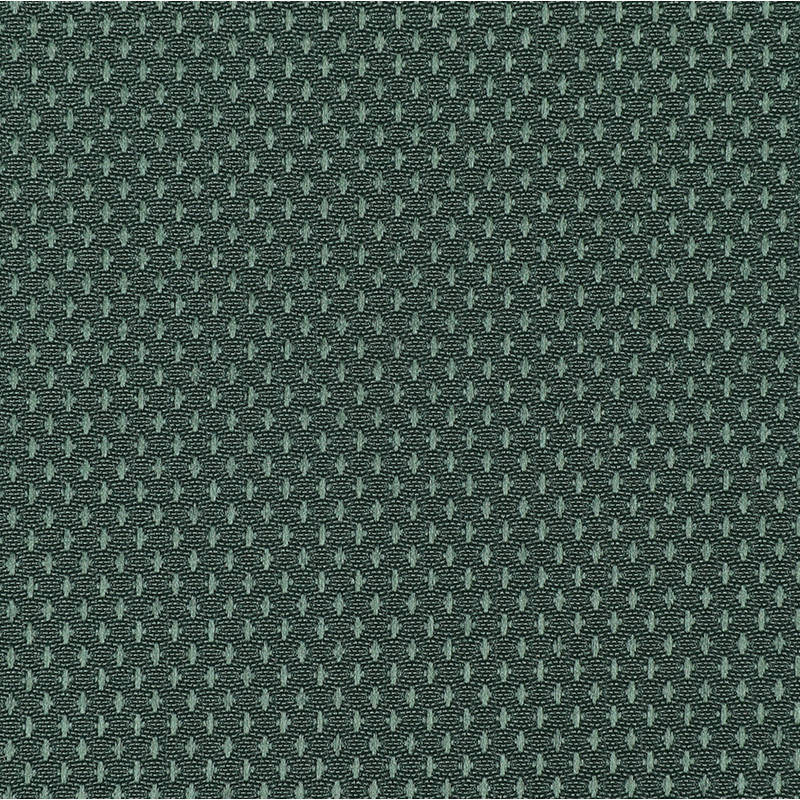
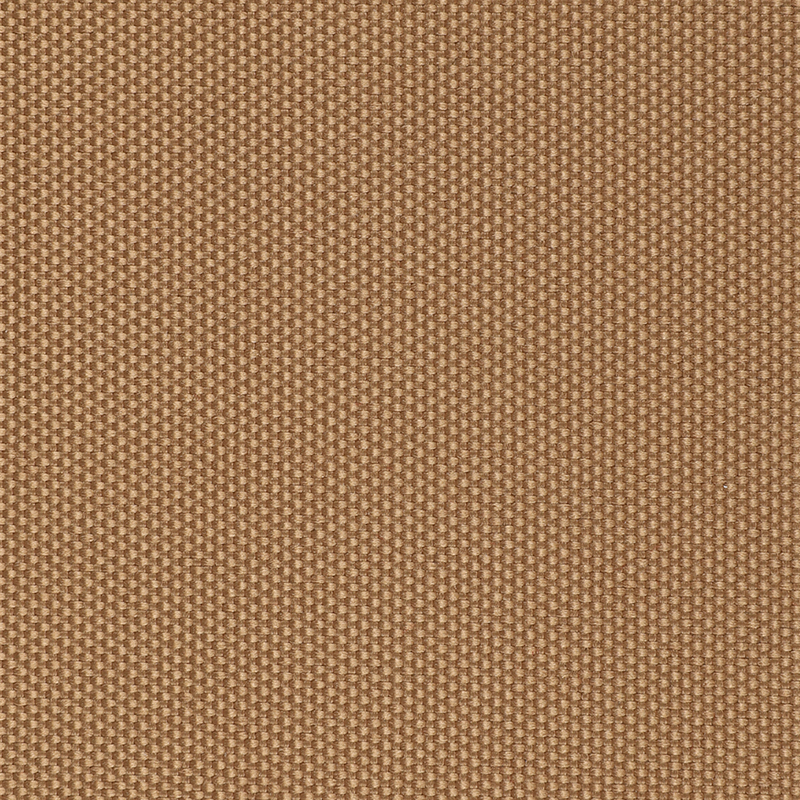
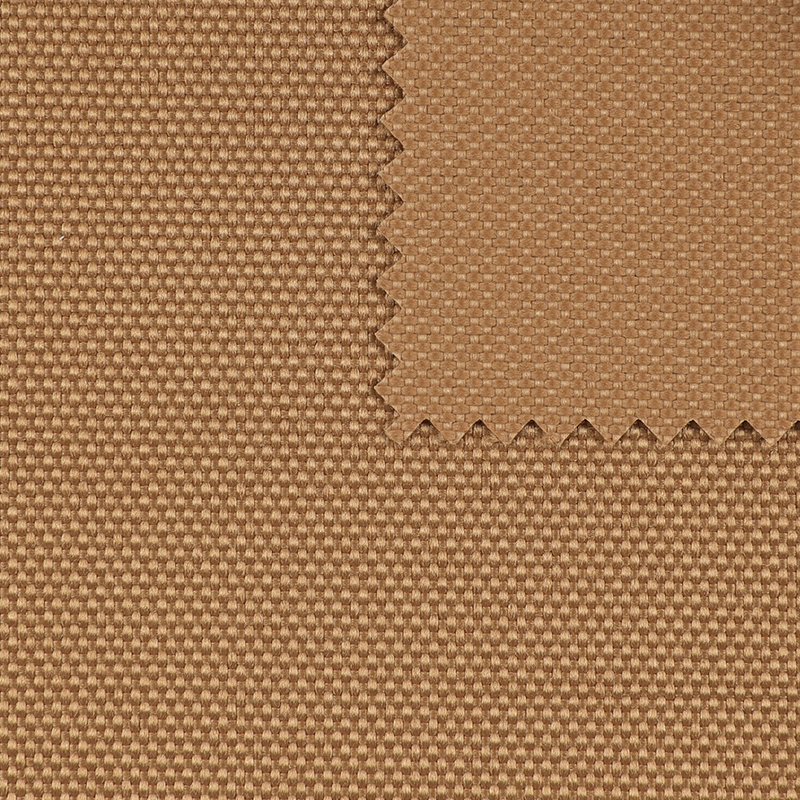
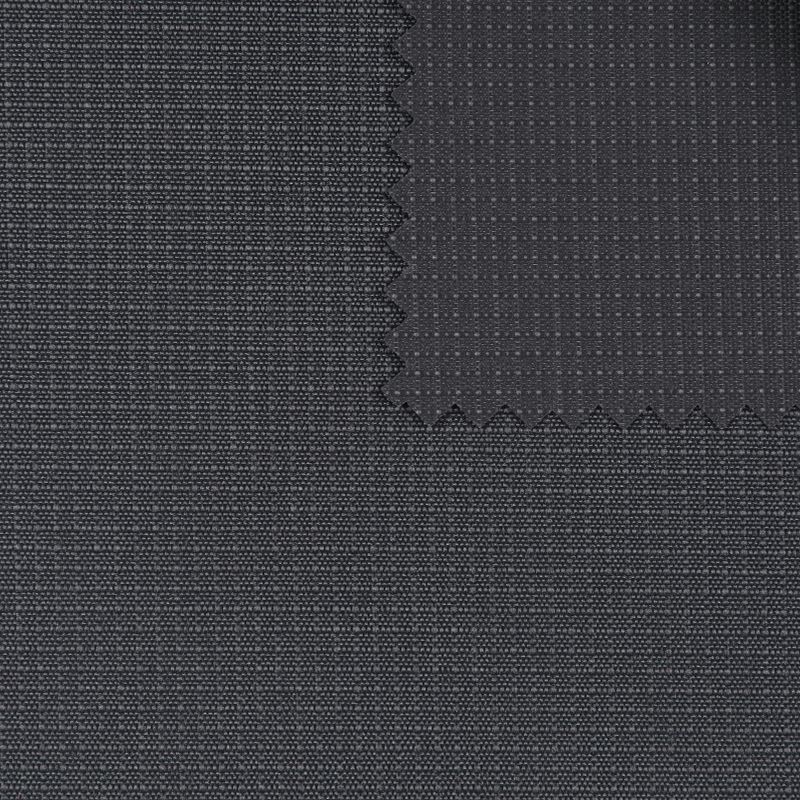
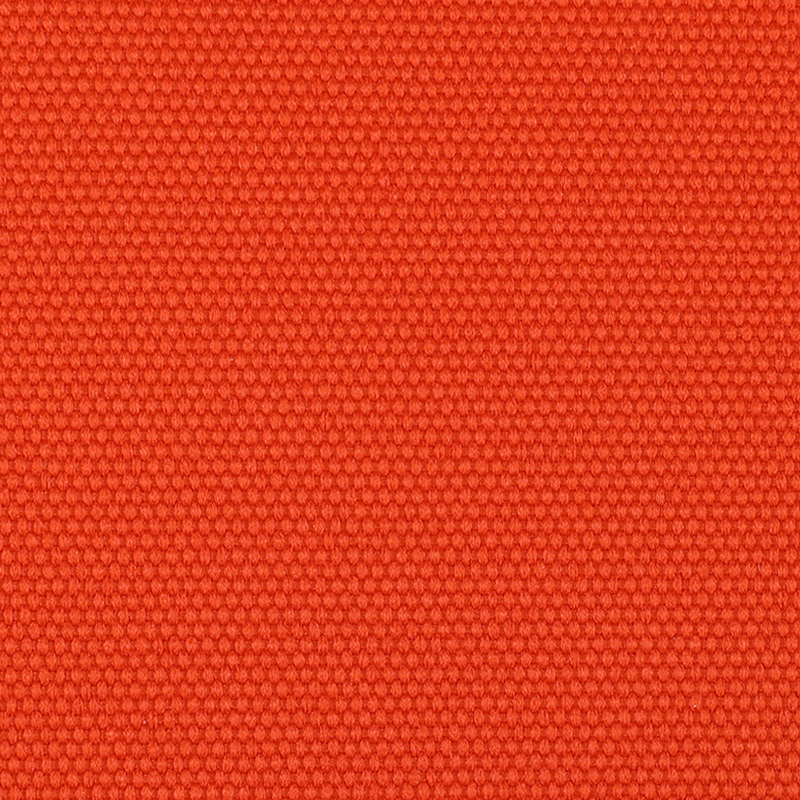
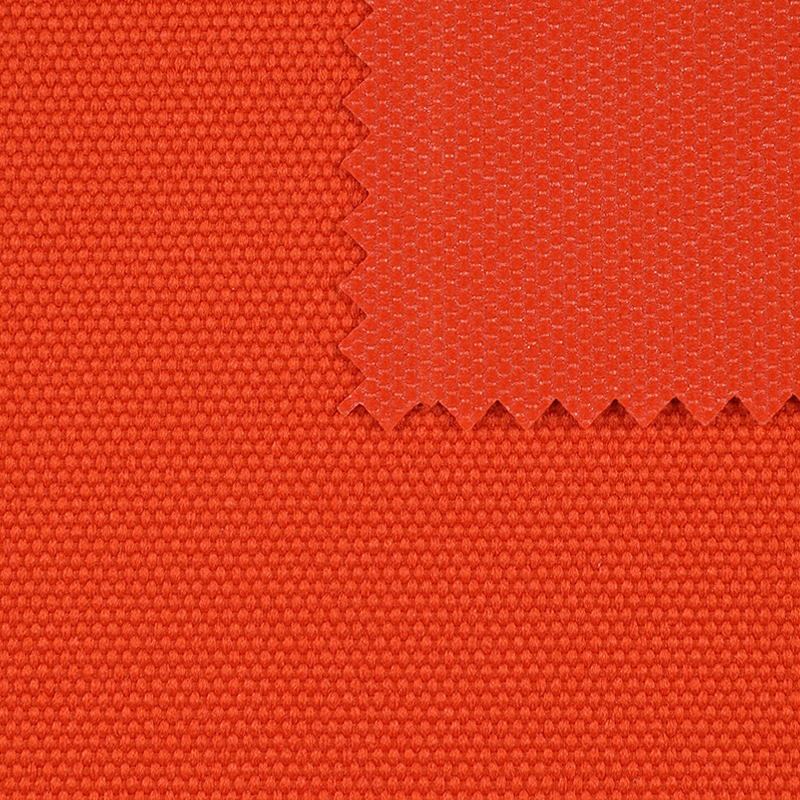
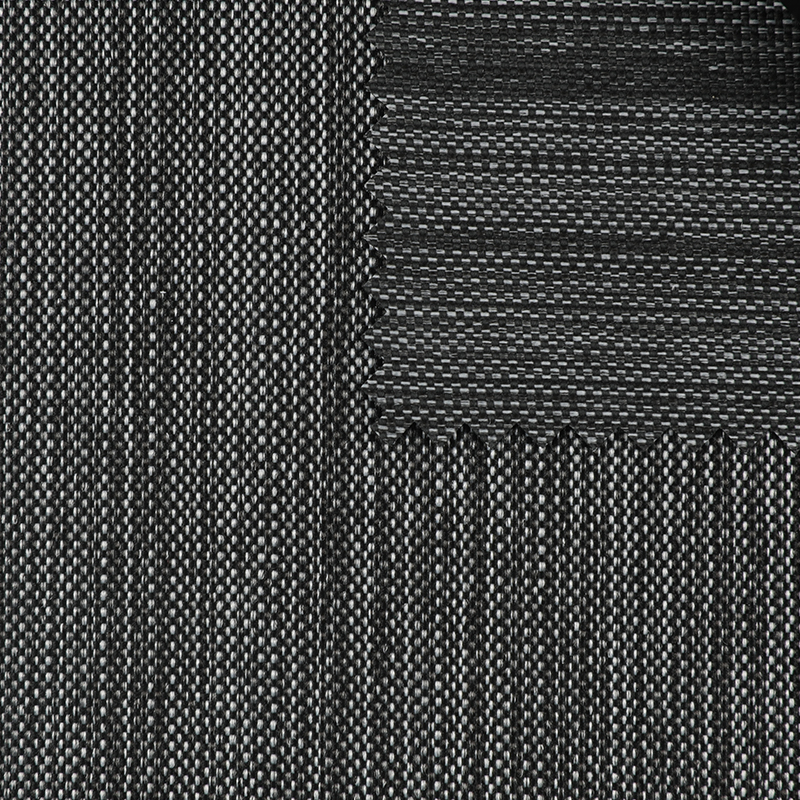
Oxford structures are popular in uniform, bag, and outdoor applications because they balance body, abrasion resistance, and productivity on weaving lines. When recycled ocean plastic fibers are used, the procurement focus should be: “Does the fabric still meet my end-use envelope with stable repeatability?”
| Performance Concern |
What Drives It in Recycled/Ocean Inputs |
Procurement-Friendly Mitigation |
| Weaving efficiency |
Yarn evenness, knot frequency, property variance |
Define yarn spec windows and require lot-level COA |
| Hand feel / stiffness drift |
Resin/finish response differences, filament behavior |
Lock finishing recipe and confirm against “golden sample” |
| Shade repeatability |
Polymer history and additive residues affect dye uptake |
Use lab-dip approval rules + batch shade tolerance control |
| Durability (tear/abrasion) |
Fiber strength distribution and processing stability |
Specify test standards + minimum results by end-use |
Practical performance checkpoints when buying Oxford fabric made with OCI-certified ocean plastic inputs.
Water-Jet Loom Considerations for Recycled Filament Yarns
Water-jet weaving can be highly productive for filament-based constructions, but recycled filament OCI Certificate Fabric stability matters more because interruptions amplify waste and delivery risk at scale. When the yarn’s uniformity is well-controlled, water-jet looms deliver excellent productivity and consistent fabric geometry, which is why many Oxford programs favor this approach.
What bulk buyers should confirm
- Break rate discipline: ask for a realistic weaving performance baseline and how it is protected when switching lots.
- Moisture and storage controls for yarn packages to avoid variability during weaving.
- Cleaning/filtration and water-quality management practices that keep fabric surface clean and stable for dyeing/finishing.
We operate with a production mindset: if a fabric cannot be made reliably in bulk, it should not be sold as a “program.” That is why Wenfa emphasize stable supply capability and repeatable process control, not just certification.

 English
 русский
 Français
 Español
 中文简体
中文简体