Odor Control and “Freshness”: The Commercial Value Behind the Claim
Many odor issues are bacterial by-products rather than the fiber itself. By suppressing bacterial activity on the fabric surface, antibacterial fabrics can reduce odor formation and help products stay “market-fresh” longer in real use—especially where moisture, sweat, or frequent contact is unavoidable.
Where odor-control matters most in buying programs
- Uniforms and active/workwear: sweat exposure plus repeated wear cycles.
- Home textiles: towels and bedding where warm, humid conditions promote bacterial growth.
- Children’s products: frequent contact, stains, and higher hygiene expectations.
In buyer terms, the “freshness” benefit is often a mix of lower odor complaints, fewer returns, and better perceived quality—small differences that can add up significantly at scale.
Selection Matrix: Choosing Antibacterial Oxford for Different End Uses
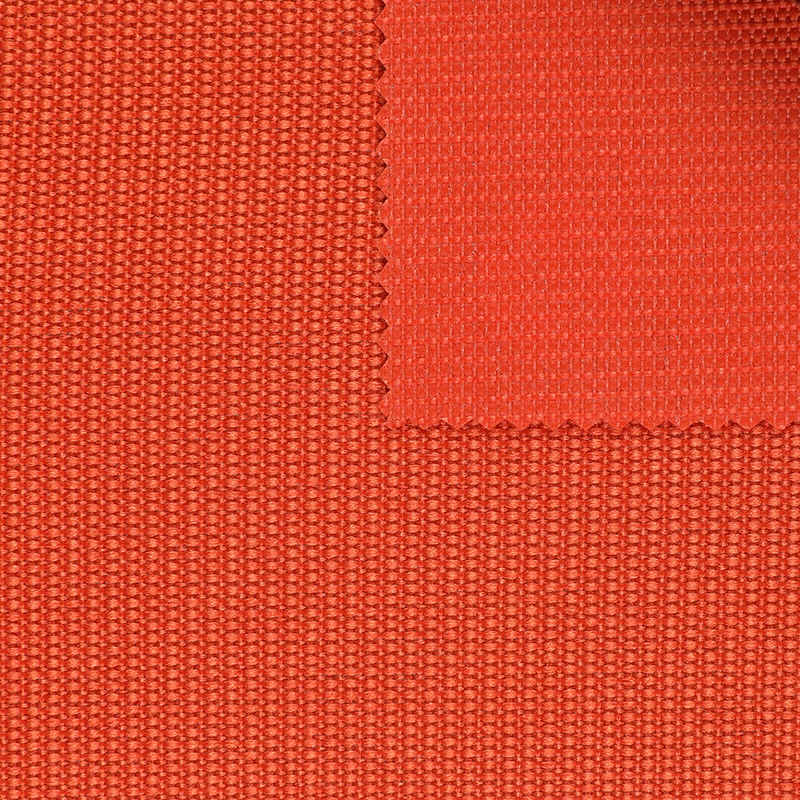
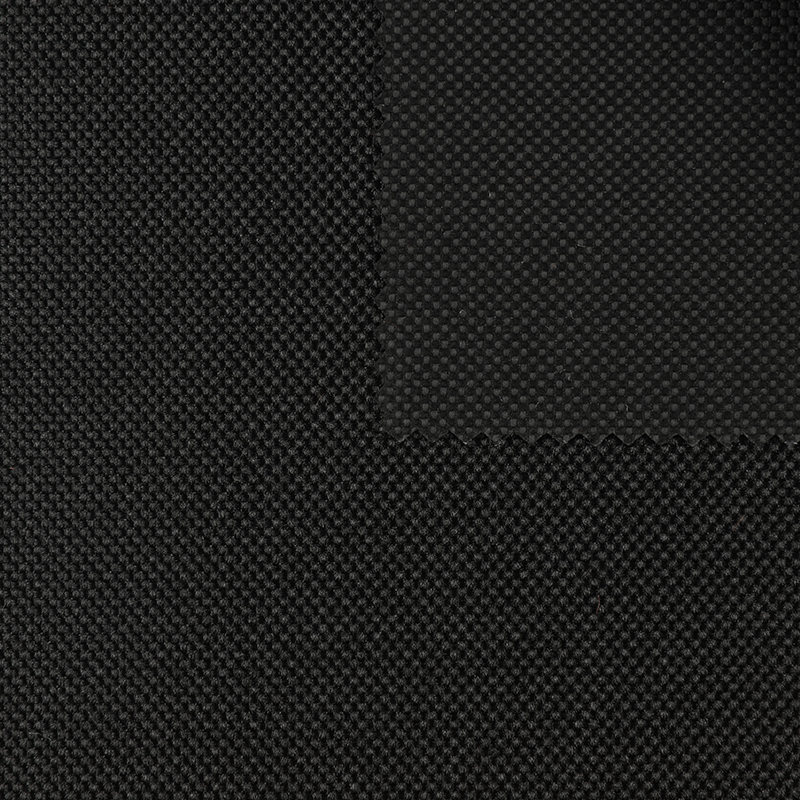
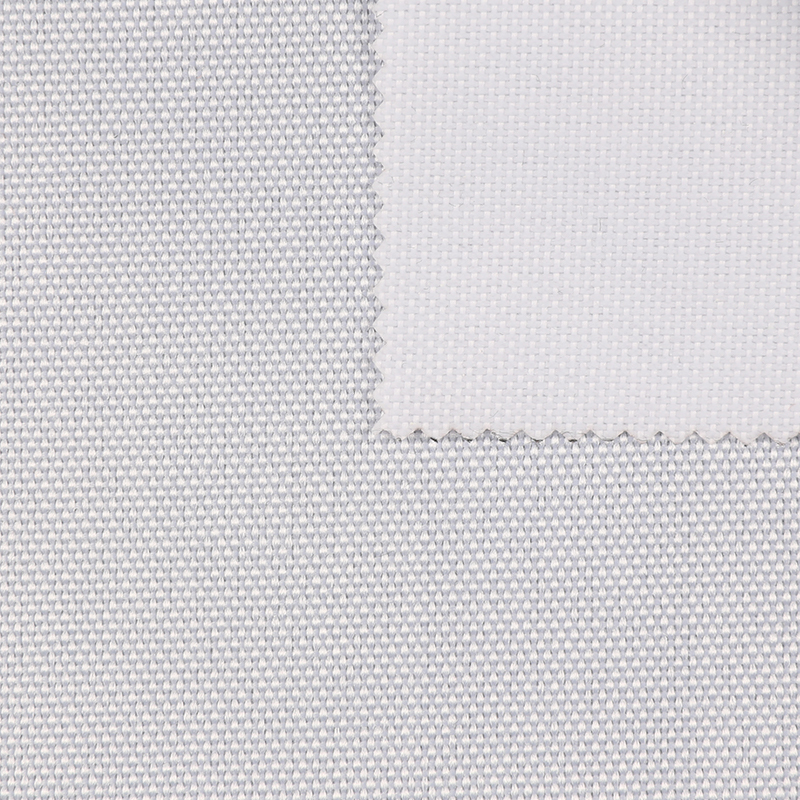
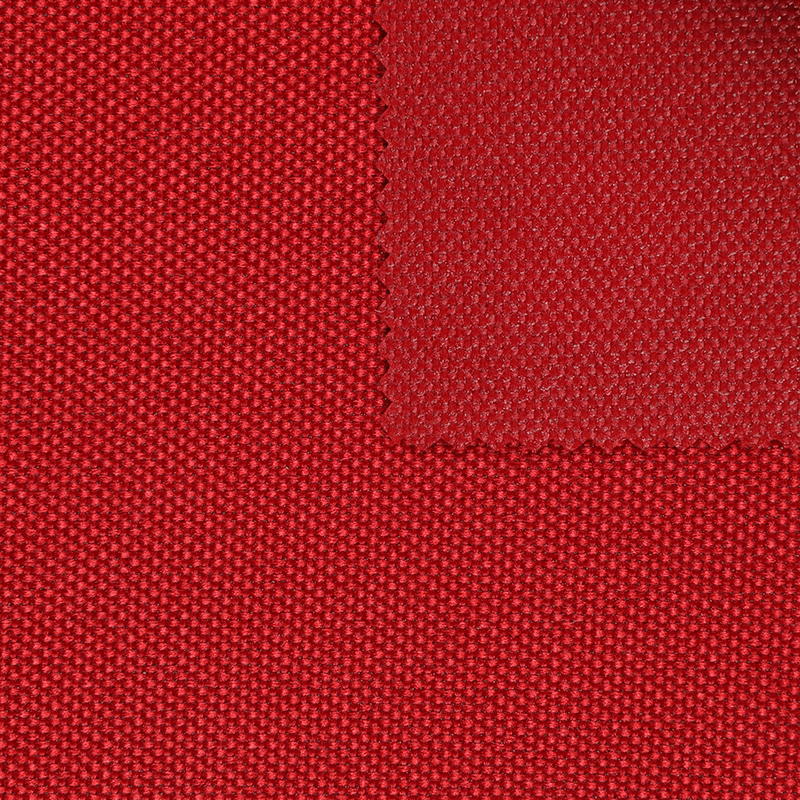
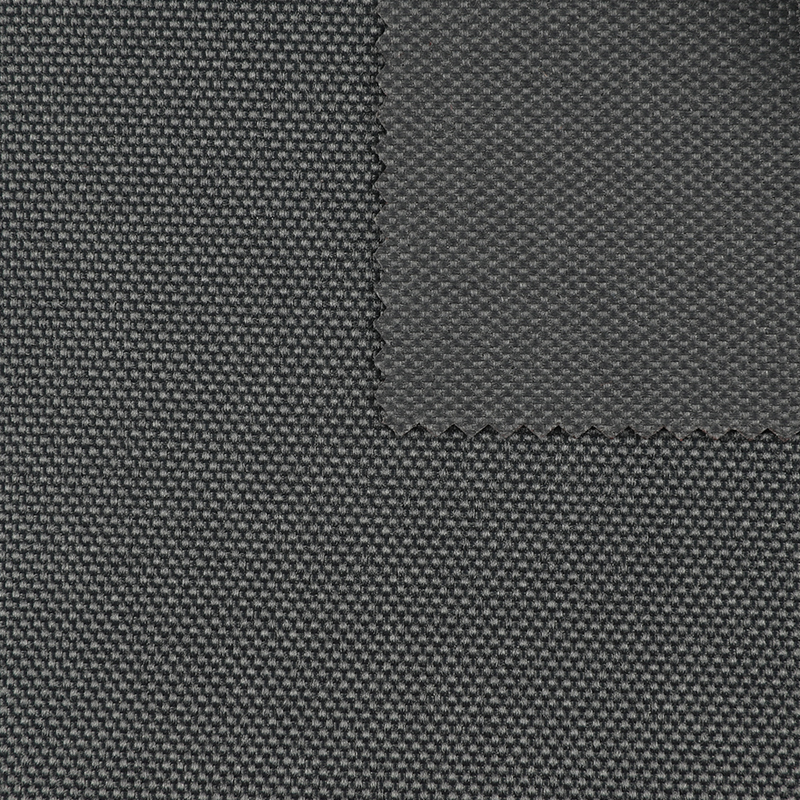
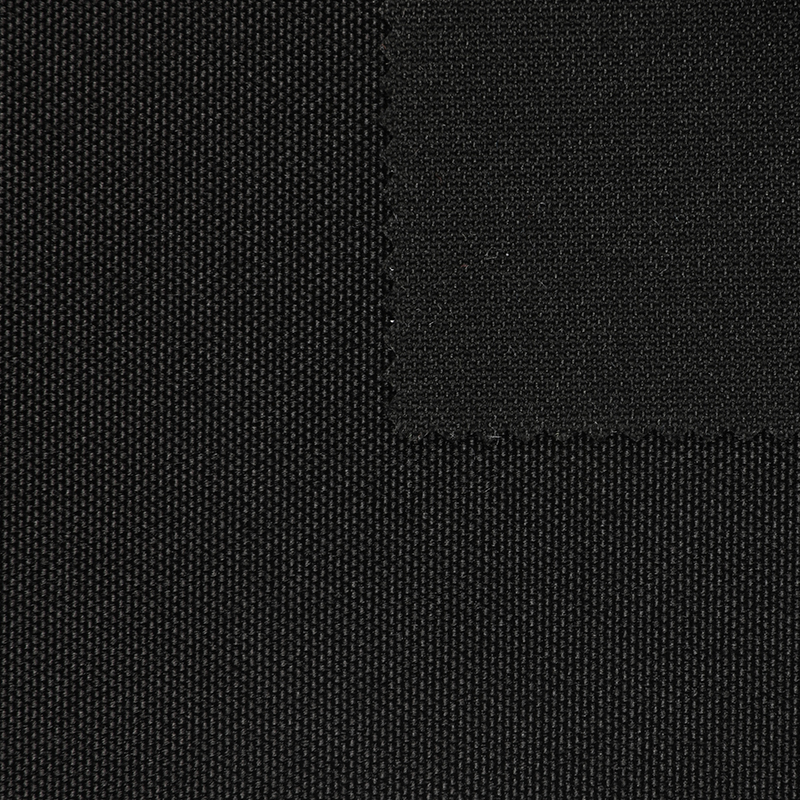
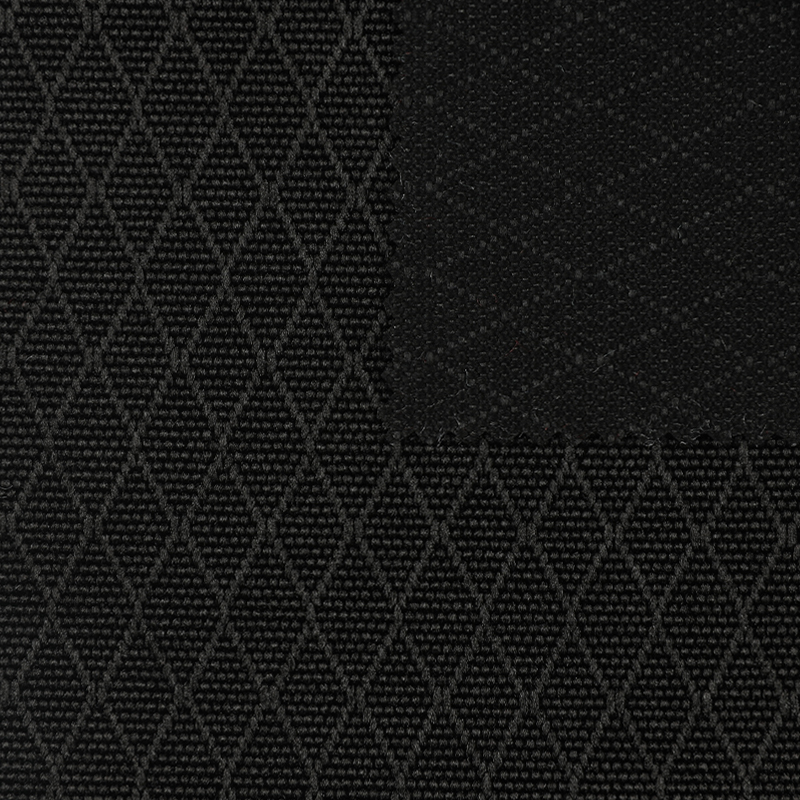
Oxford is popular because it balances durability and processability for multiple product types. When you add antibacterial performance, the selection conversation becomes more specific: you want the correct weight, handfeel, and performance package without over-specifying cost.
A practical matrix to align antibacterial Oxford fabric choices with common bulk-buyer scenarios.
| Scenario |
Typical Buyer Priority |
Recommended Focus Points |
| Workwear / uniforms |
Wash durability + handfeel stability |
After-wash antibacterial result, abrasion resistance, colorfastness |
| Bags / accessories lining |
Odor control + wear resistance |
Bacterial suppression claims, coating compatibility, rubbing fastness |
| Home textiles |
Comfort + hygiene perception |
Skin-contact safety documentation, laundering protocol alignment |
| Kids products |
Safety + easy care |
Compliance (REACH, relevant eco standards), stain/odor considerations |
As a manufacturer with stable capacity, Wenfa can support these scenarios with consistent lots—helpful when your program depends on repeatability across multiple procurement cycles.
Quality Control for Bulk Lots: What to Lock Before PO
For antibacterial fabrics, conventional QC (GSM, width, colorfastness) is necessary but not sufficient. You also need functional consistency and a clear retest rule to avoid disputes. A practical bulk-buyer method is to define “release criteria” for both physical specs and antibacterial performance.
Recommended pre-PO lock points
- Lot definition (what constitutes one batch), and sampling plan per lot.
- Antibacterial KPI (reduction rate) + the test method and lab responsibility (in-house, third-party).
- Accepted tolerances for width, weight, shade band, and bow/skew (where relevant).
- Re-test and dispute handling: conditions and time window for claims after receipt.
With our scale—around 300 employees, nearly 300 sets of machinery, including 200 water-jet looms—we focus heavily on process stability, because that is what bulk buyers ultimately pay for: predictable delivery and repeatable quality.
Supply Planning: Lead-Time Risk Reduction for Continuous Programs
For buyers running continuous replenishment (rather than one-off orders), the key risk is interruption: shade drift, material substitution, and inconsistent functional performance. Antibacterial fabrics add one more variable, so planning should account for both capacity and compliance continuity.
Practical ways to reduce supply risk
- Establish a “golden sample” and keep it tied to the antibacterial test report version used for your listing.
- Define raw-material and chemical change control: what changes require buyer notification and retesting.
- Use rolling forecasts to secure production windows, especially for peak seasons.
Our daily capacity is approximately 160,000 meters, which helps keep bulk programs stable and reduces the “single-lot dependency” problem that often affects smaller sources.
Sustainability and Compliance in Antibacterial Textiles: Practical Buyer Checkpoints
Sustainability claims and antibacterial functionality can coexist, but buyers should ensure documentation is aligned and current. For international distribution, compliance is not only a legal requirement—it is also a brand risk control mechanism when antibacterial messaging is involved.
What buyers typically audit
- REACH compliance for chemical restrictions relevant to EU market entry.
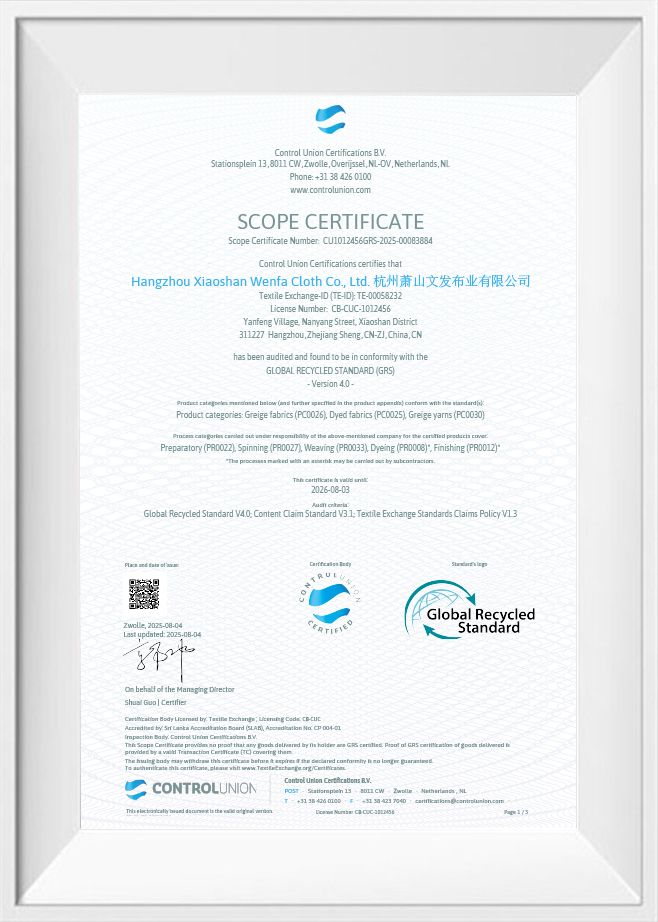
- GRS status when recycled content is part of the product story and chain-of-custody matters.
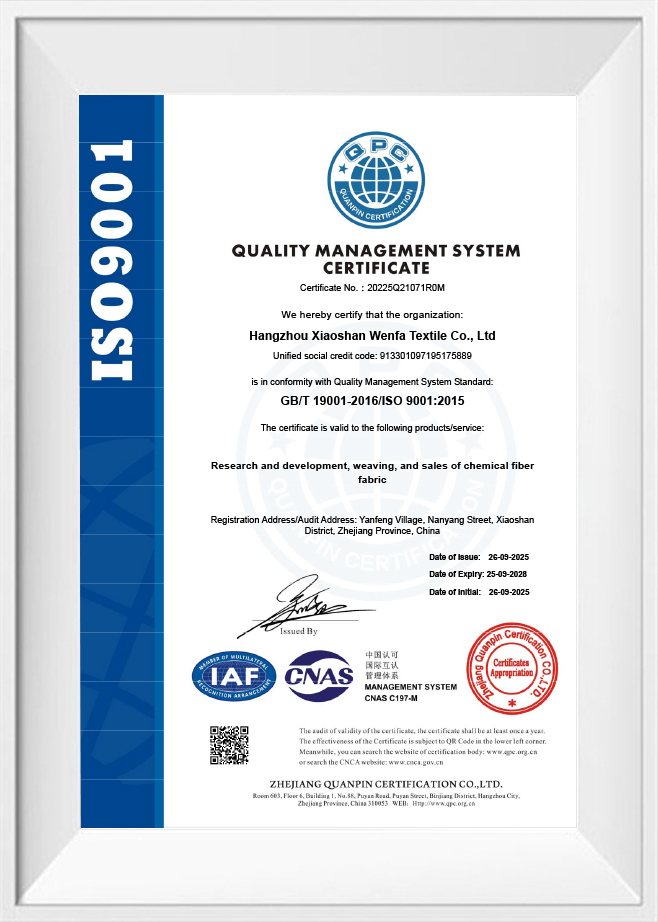
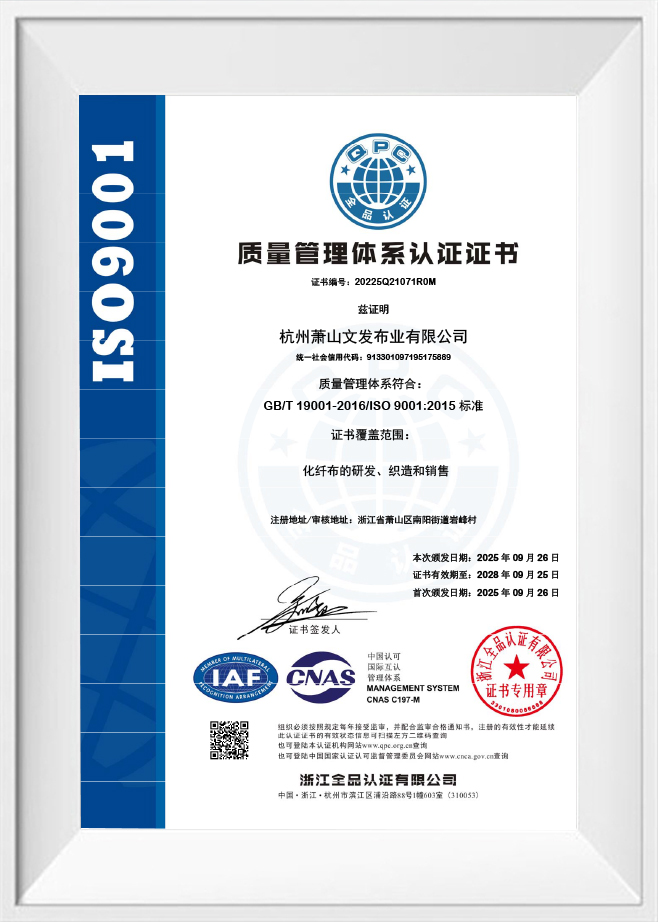
- Factory management systems (e.g., ISO) to support consistency and traceability.
- Restricted substance list alignment for your brand or retail channel (often stricter than baseline regulations).
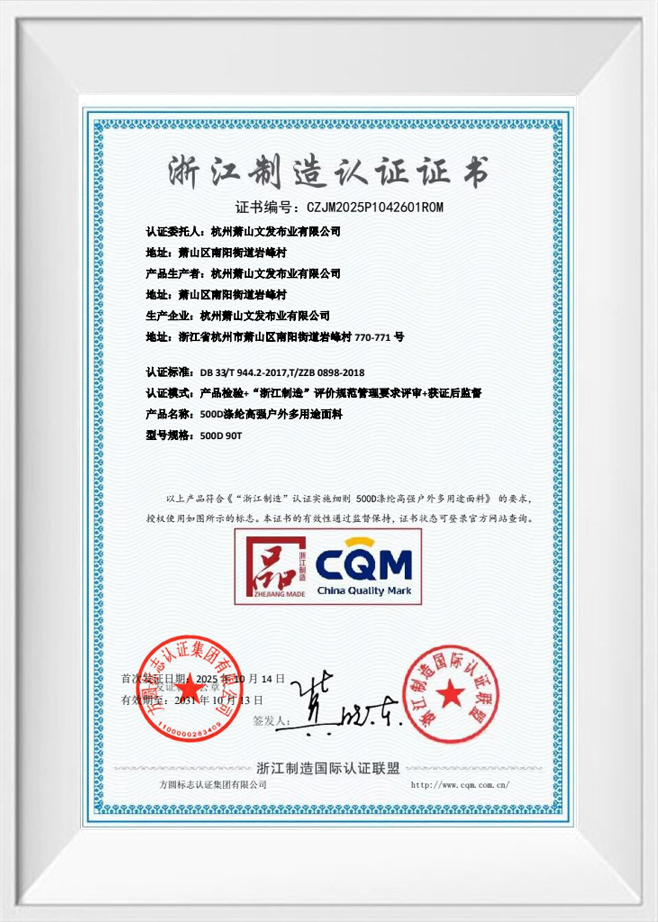
When you sell into multiple regions (Europe, the Americas, Southeast Asia), consistent documentation becomes as important as the fabric itself; that is why we maintain the standards and records buyers usually require for scalable distribution.

 English
 русский
 Français
 Español
 中文简体
中文简体