How “Anti-Static” Performance Is Actually Measured in Procurement Specs
In bulk purchasing, “anti-static” should translate into testable electrical indicators, not just a finish claim. The most common spec language you will see includes surface resistivity (Ω/sq) and charge decay time (seconds). For antistatic static-dissipative fabrics used in workwear and electronics environments, buyers typically look for a stable “dissipative” band rather than fully conductive behavior, balancing safety and comfort.
What to ask your supplier to provide
- Third-party test report showing surface resistivity and/or charge decay (with test standard stated).
- Conditioning requirements for testing (humidity and temperature) so you can compare apples-to-apples between mills.
- Performance statement after washing cycles (e.g., “after 20 washes”) to confirm durability instead of one-time lab results.
In our production, we treat anti-static behavior as a repeatable engineering target—it’s the only way to keep bulk deliveries consistent across lots.
Inherent vs. Topical Anti-Static: Why Bulk Buyers Care About Wash Durability
Not all anti-static fabrics are built the same. Some rely on topical finishes (chemical treatments), while others use inherent solutions (e.g., embedded functional yarns or fiber-level design). From a purchasing-risk standpoint, the difference shows up in performance retention: finishes can gradually reduce after repeated laundering, abrasion, or exposure to detergents, while inherent structures are typically more stable over time.
Practical sourcing guidance
- If your product will be frequently washed (uniforms, medical textiles), specify anti-static retention after laundering in the PO.
- Request the supplier to clarify the mechanism: “finish-based” or “inherent,” and provide matching test evidence.
- For home textiles, consider that dust-repelling perception depends on both static control and fabric construction (weave density, surface smoothness).
Choosing Anti-Static Fabric for Dust Control: Construction Matters as Much as Chemistry
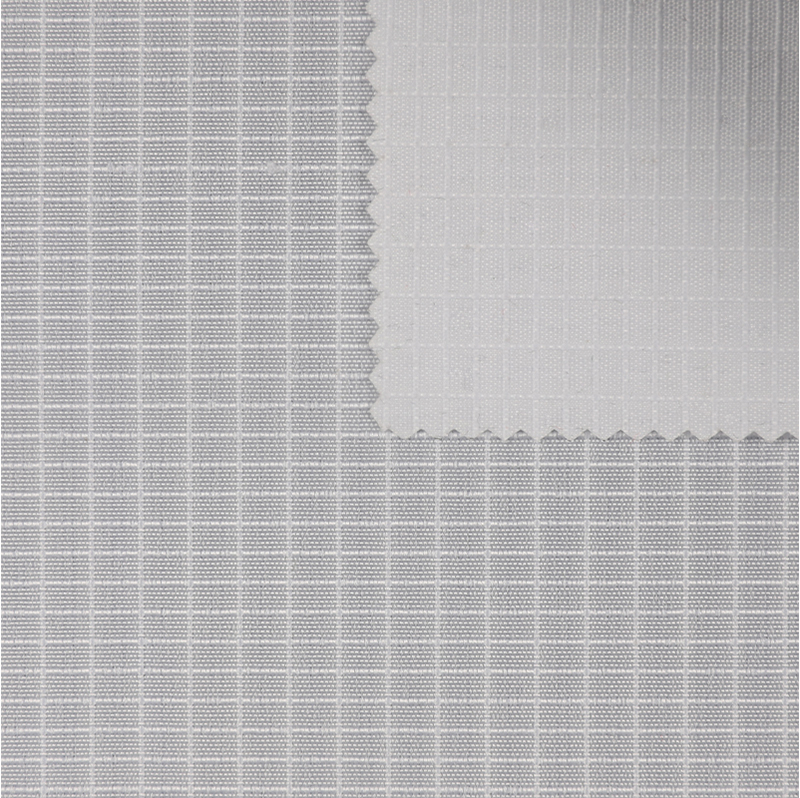
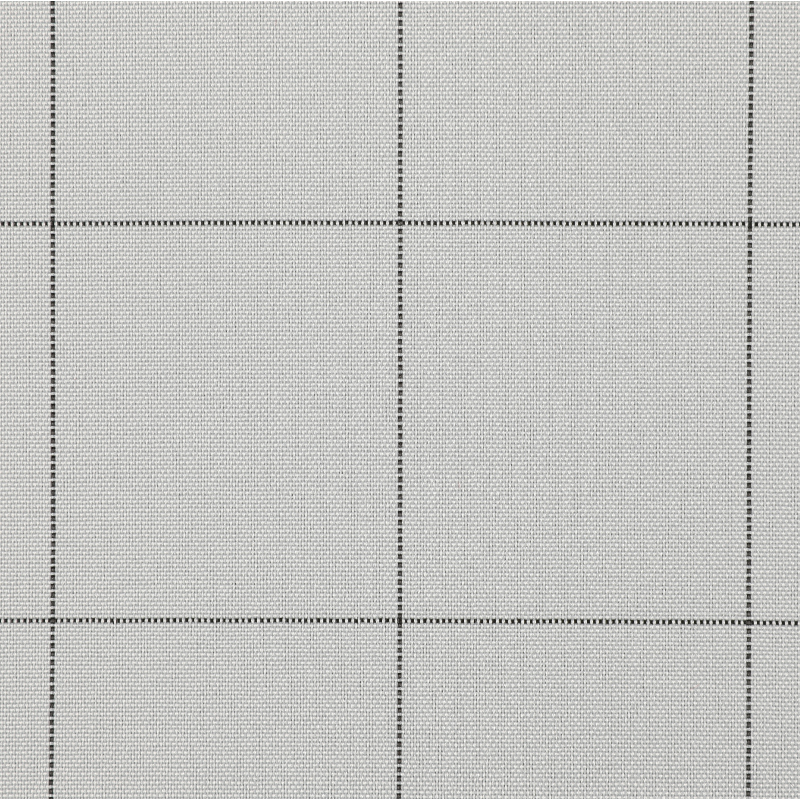
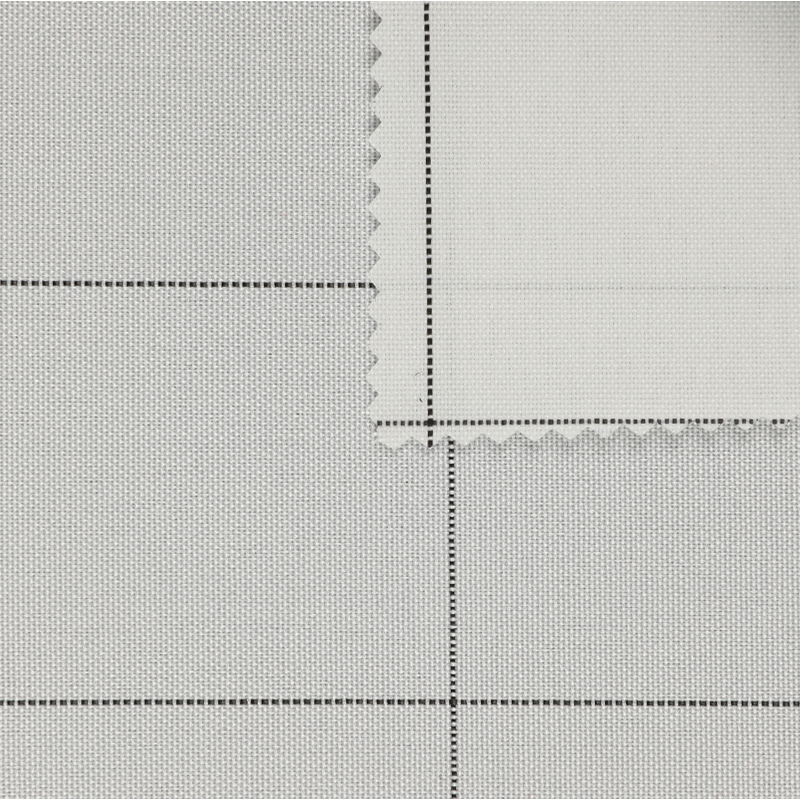
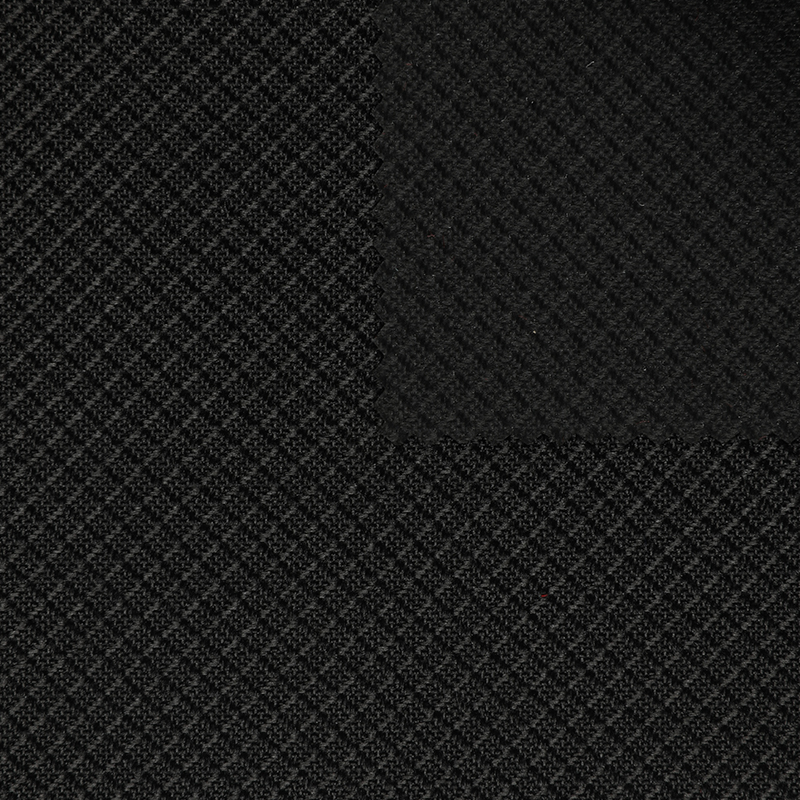
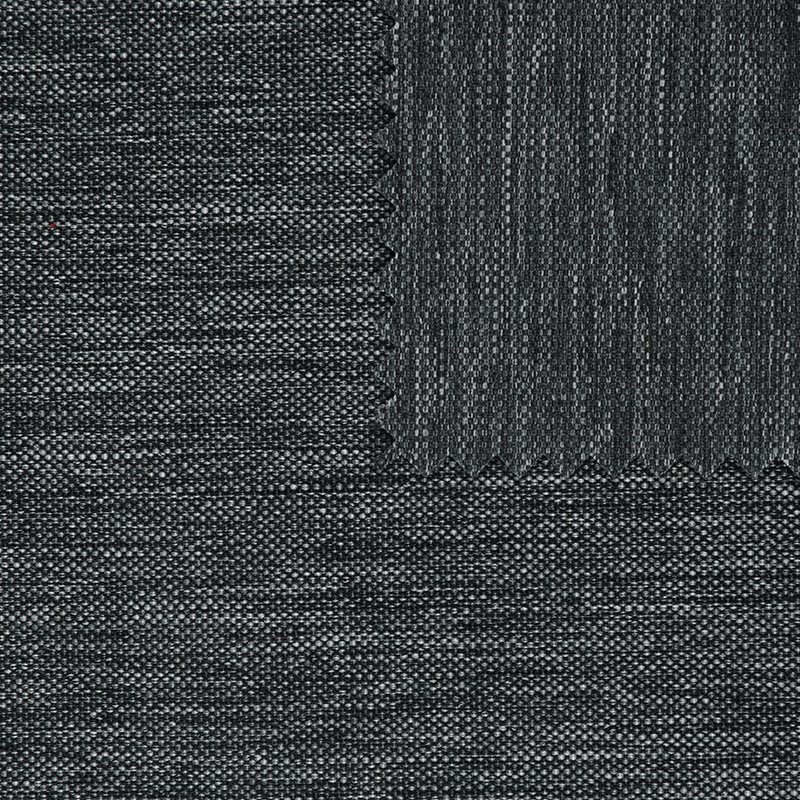
Dust resistance is often described as “anti-static,” but in practice it is driven by a combination of electrostatic control and surface architecture. A smoother surface and tighter construction can reduce “dust anchoring,” while anti-static behavior reduces the electrostatic attraction that pulls particles onto the anti static polyester fabric.
Buyer checklist for dust-sensitive products
- Prioritize fabrics with stable static dissipation plus a construction that minimizes lint and loose fiber.
- Confirm if any coatings increase surface tackiness—some finishes can unintentionally hold dust if the surface becomes “grabby.”
- For home textiles, evaluate cleaning frequency reduction in user trials rather than relying only on lab anti-static metrics.
Common ESD-Related Requirements: What Buyers Usually Put Into a PO
Bulk buyers often need clarity on how to translate “anti-static” into purchasing language that protects the supply chain. Below is a practical reference for PO clauses that reduce interpretation risk during incoming inspection.
Typical PO clauses that make anti-static expectations measurable and auditable.
| Clause Type |
What to State |
Why It Matters |
| Performance metric |
Surface resistivity or charge decay target, with test standard |
Prevents “marketing-only” claims; enables incoming QC |
| Conditioning |
Humidity/temperature conditions for testing |
Static performance is environment-sensitive |
| Durability |
Retention after defined wash/abrasion cycles |
Controls lifecycle performance and reduces claims |
| Lot traceability |
Lot numbers, roll marking, COA per shipment |
Supports consistent reorders and root-cause analysis |
| Compliance |
REACH / GRS / OBP / ISO documentation as needed |
Speeds vendor approval for regulated supply chains |
For high-volume programs, Wenfa recommend locking these items at sampling stage—our stable capacity makes it easier to keep the same spec consistent across repeat orders.
Compliance and Sustainability Signals Buyers Use to Qualify Anti-Static Fabrics
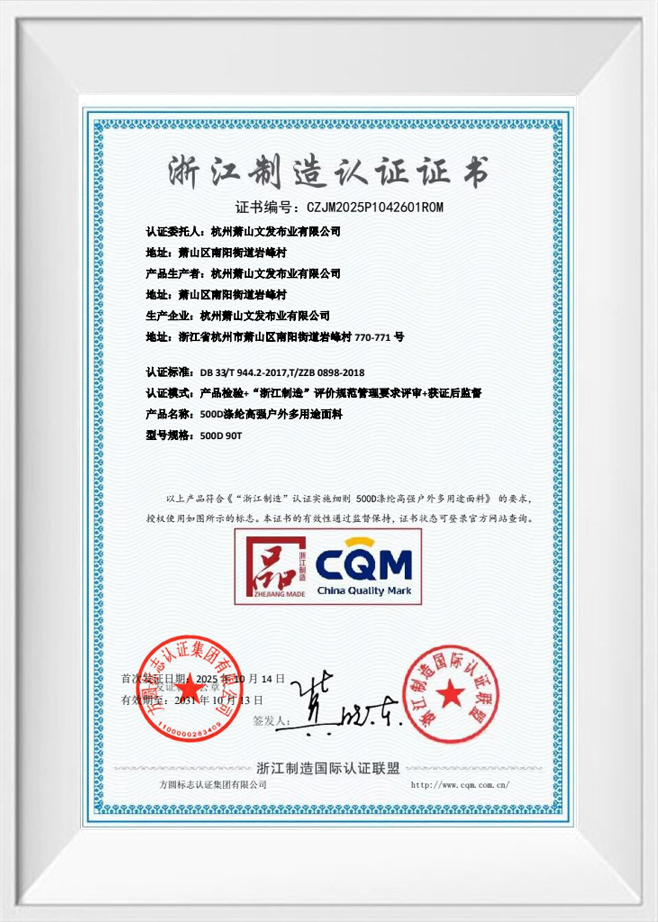
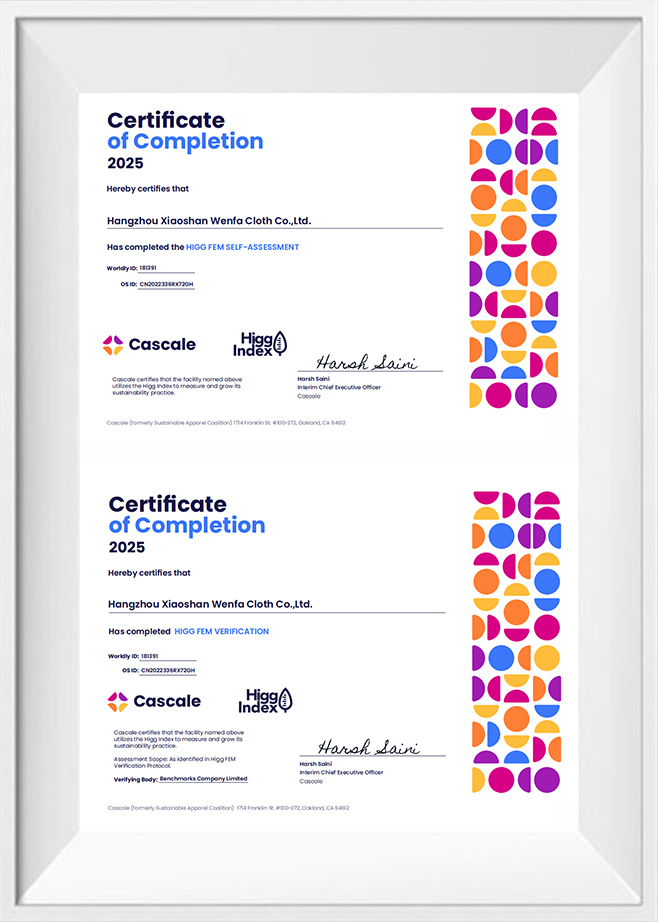
For many importers and brand programs, static performance is only one side of qualification; the other side is compliance readiness and traceability. Certifications and standards can shorten vendor onboarding cycles, especially for products sold into Europe and markets with chemical management requirements.
What bulk buyers typically verify
- Chemical compliance documentation aligned to your destination market requirements (commonly including REACH for Europe-bound programs).
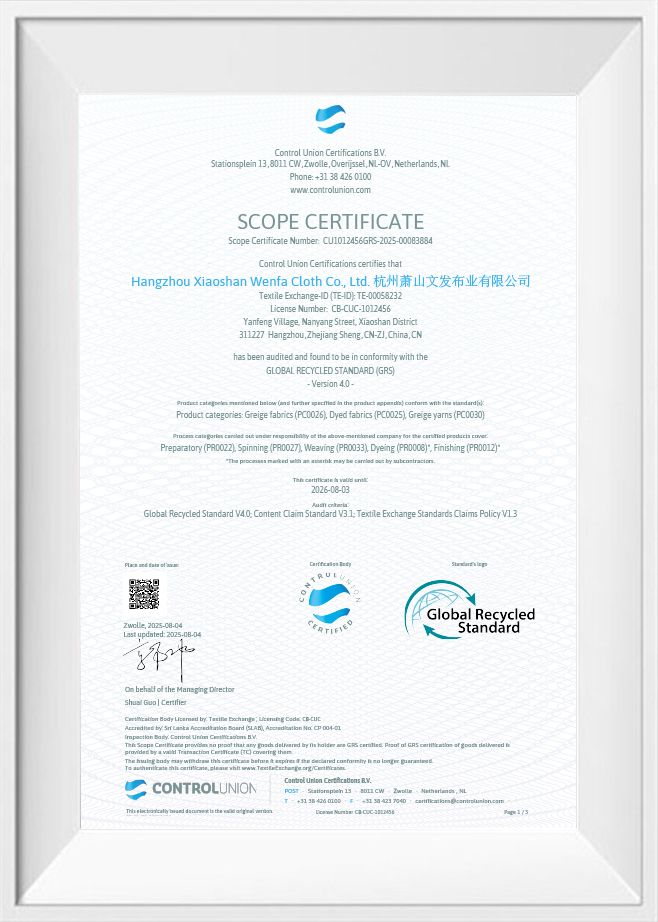
- Recycled-content or chain-of-custody programs when sustainability commitments apply (e.g., GRS where required).
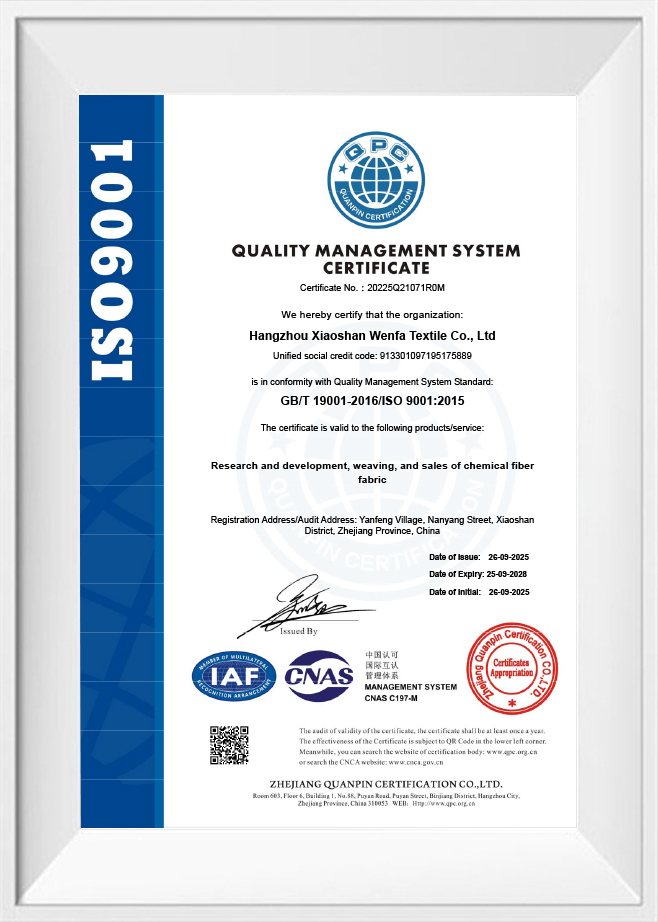
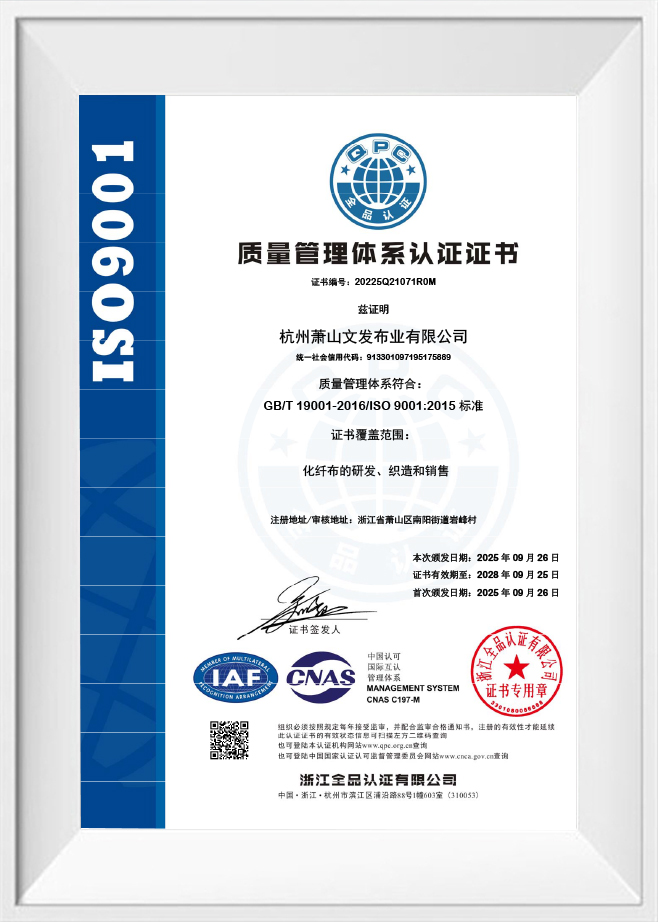
- Supplier QA maturity indicators such as ISO-based management systems and consistent lot traceability.
Because Wenfa already align with ISO and commonly requested compliance frameworks, buyers often find the approval process more straightforward when moving from sampling to volume.

 English
 русский
 Français
 Español
 中文简体
中文简体