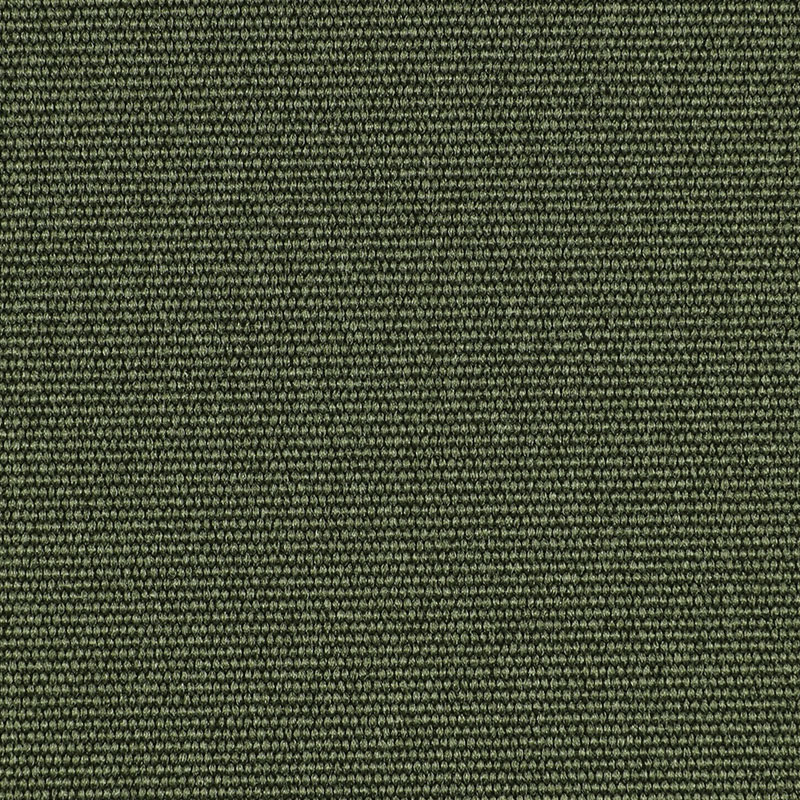
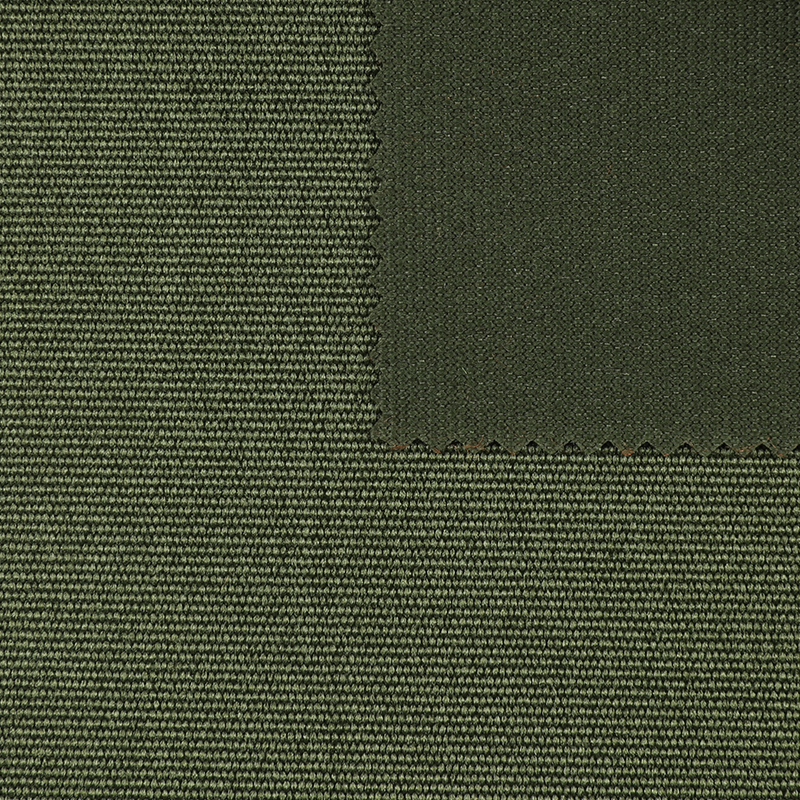
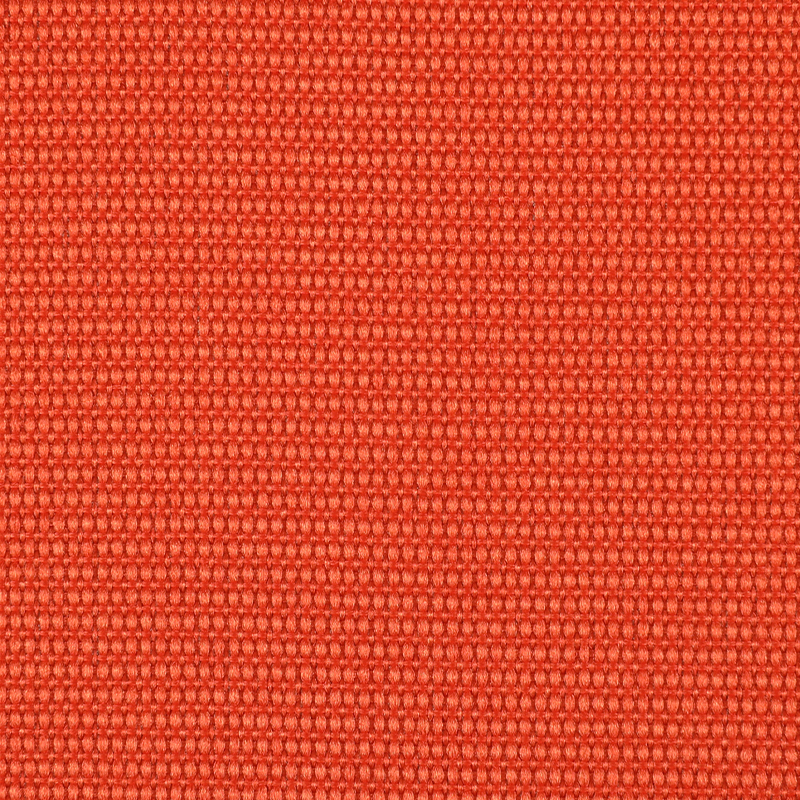
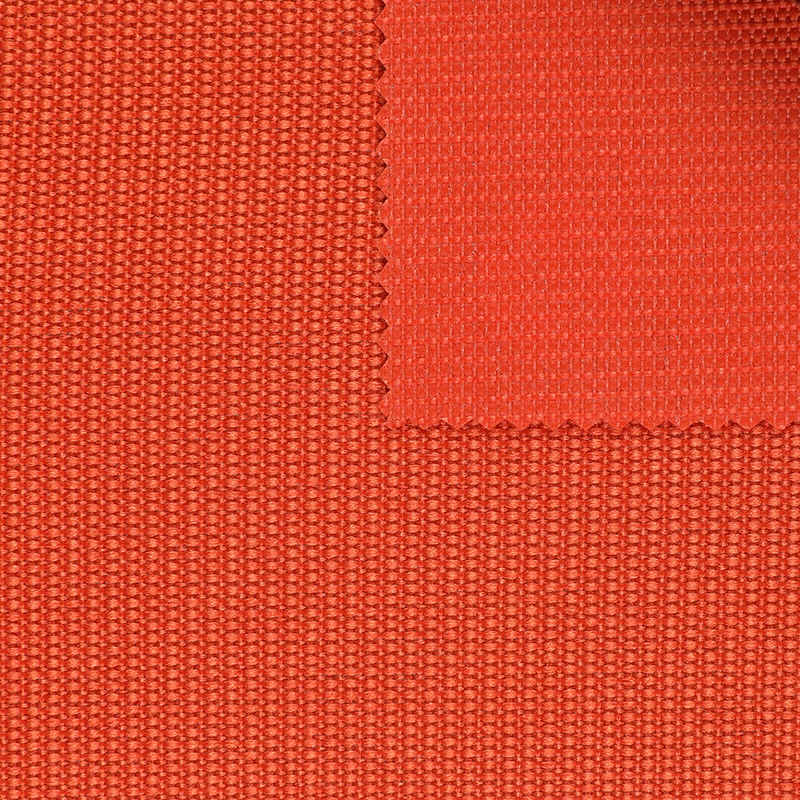
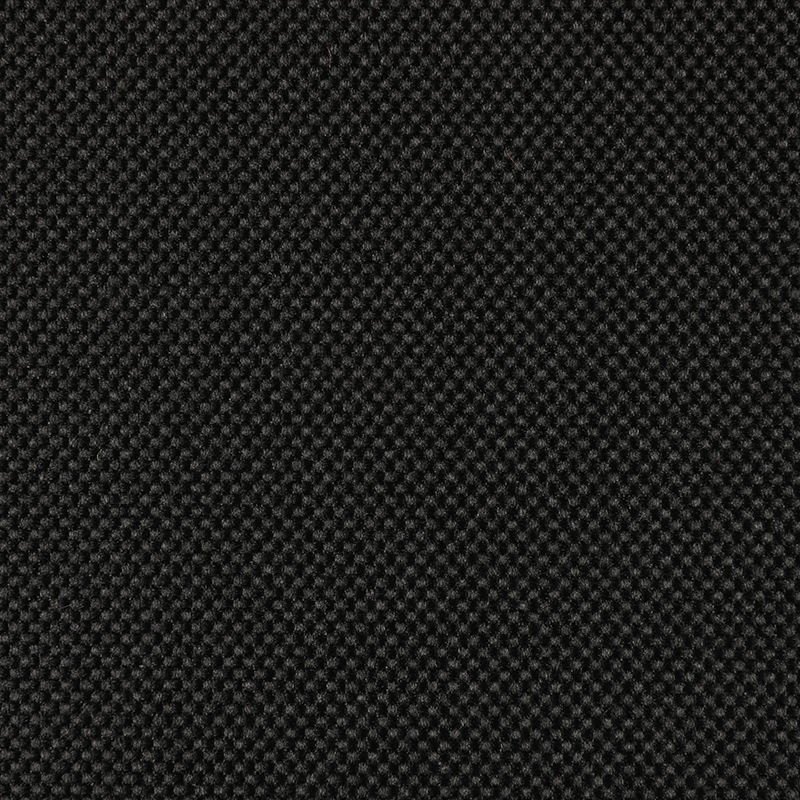
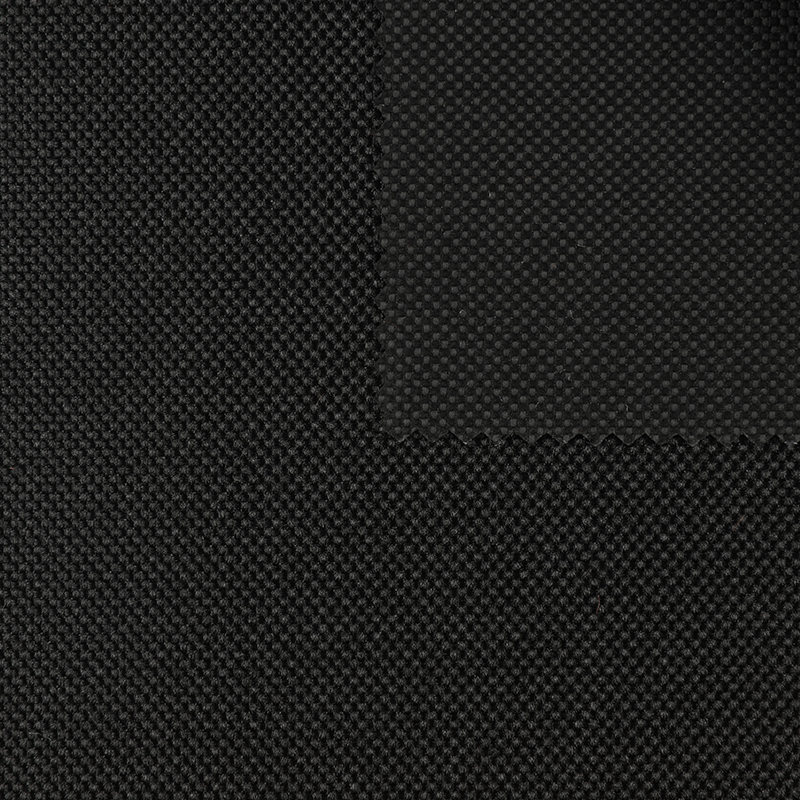
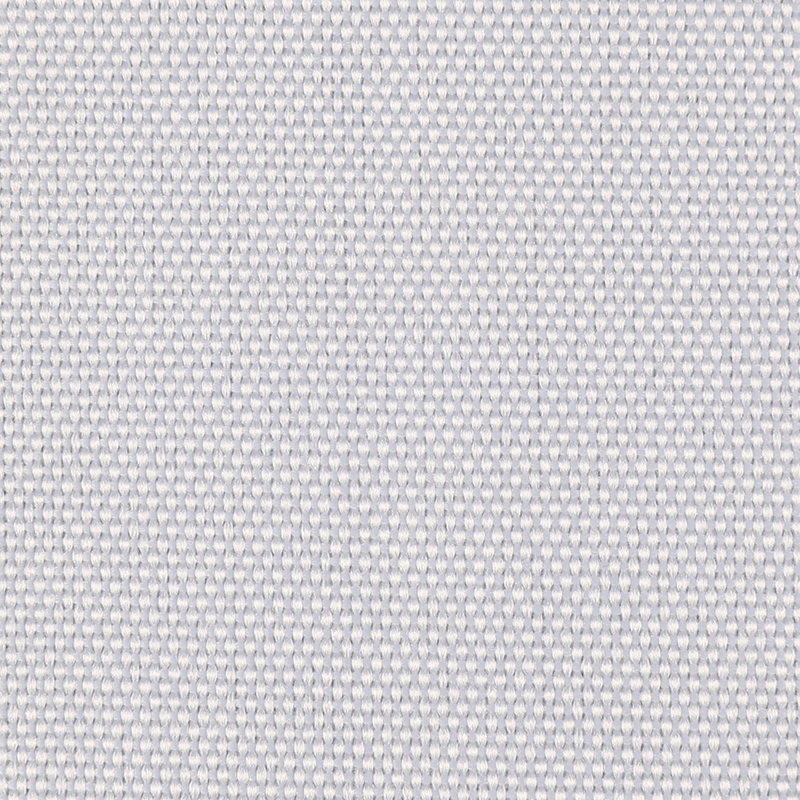
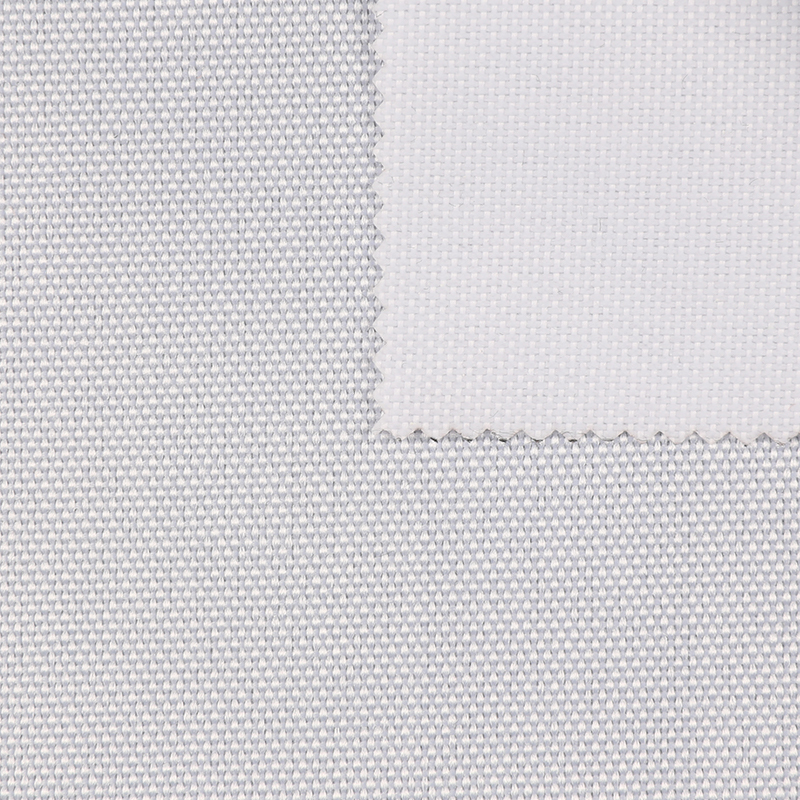
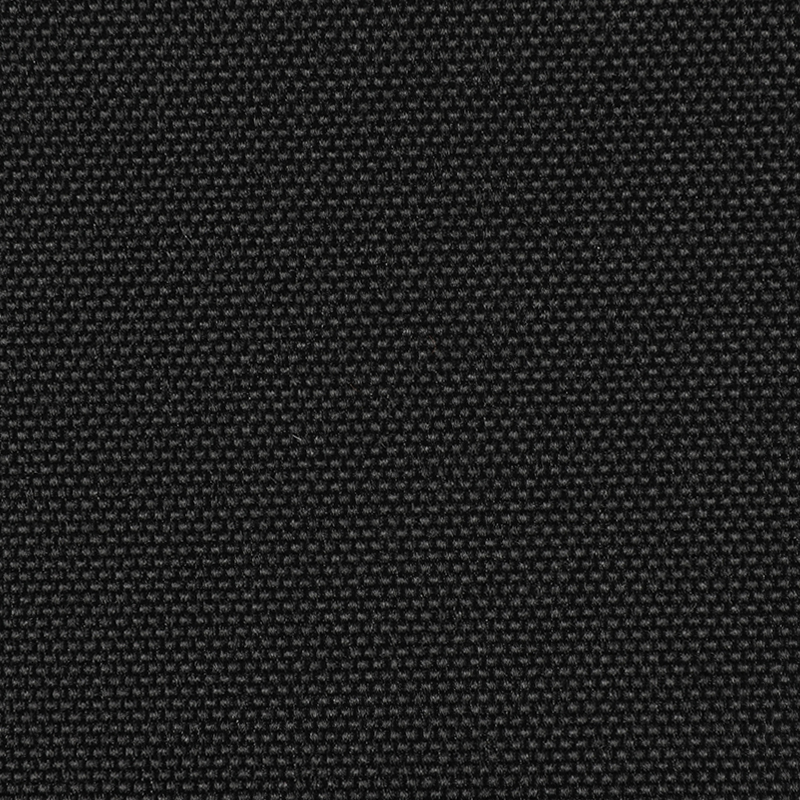
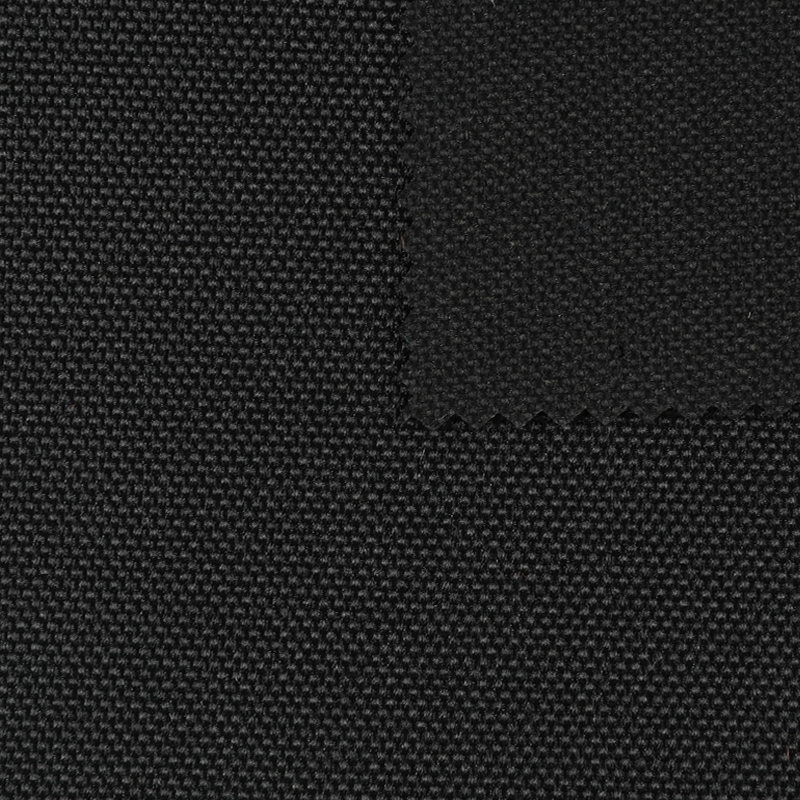
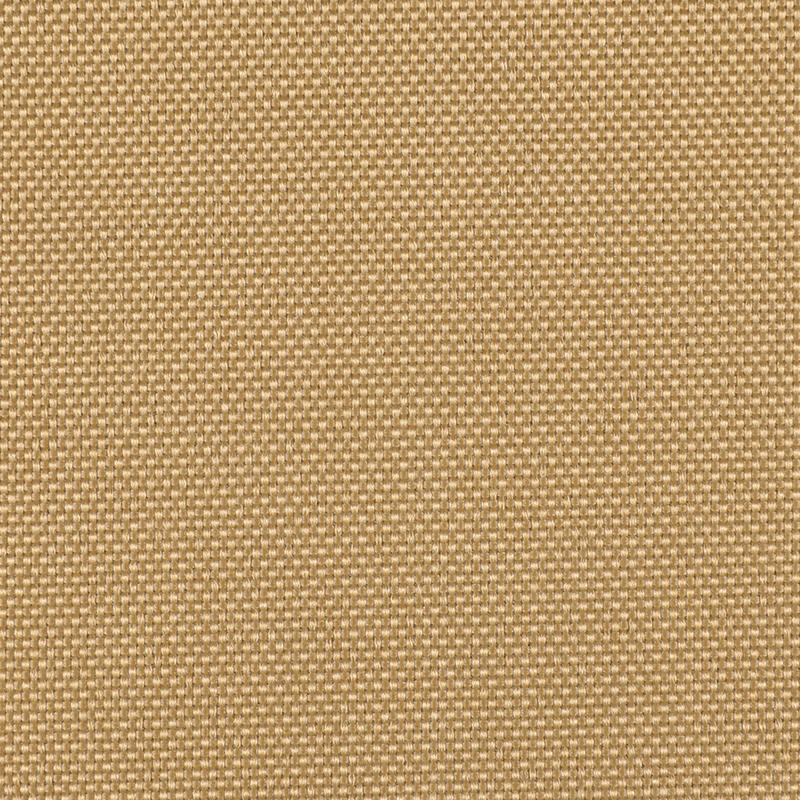
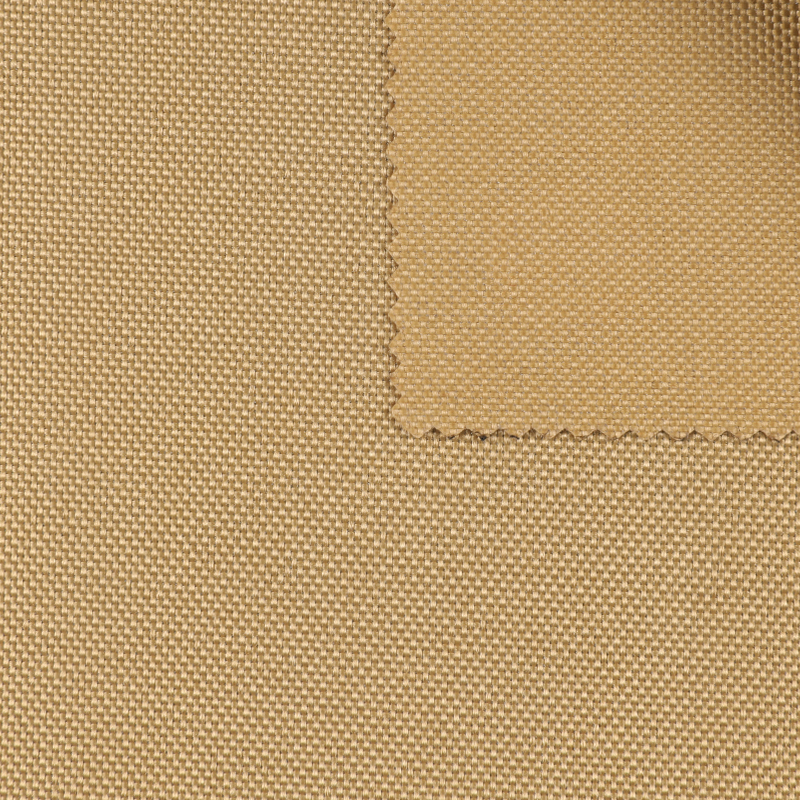
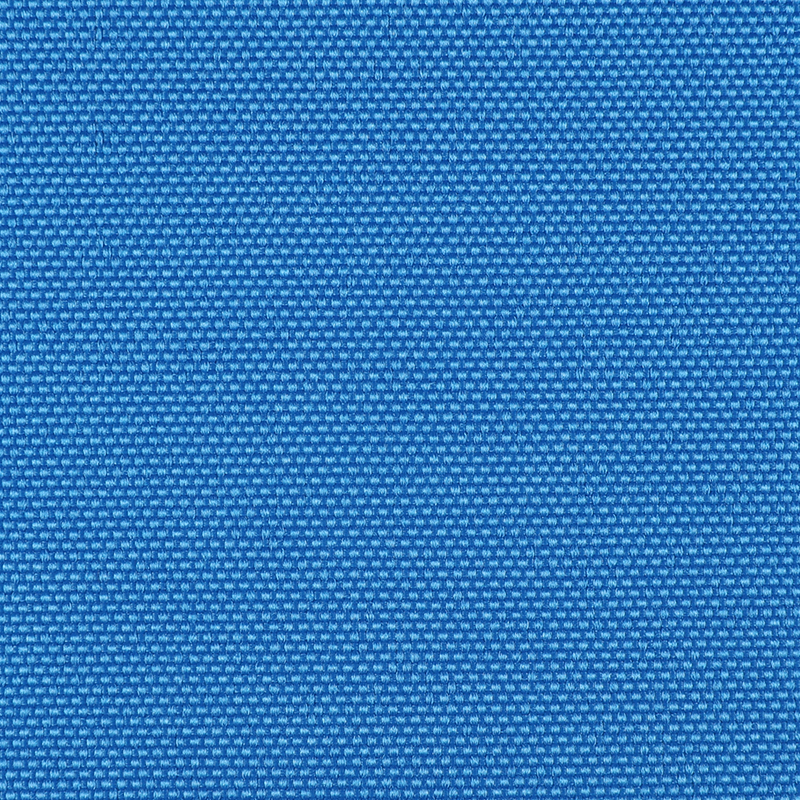
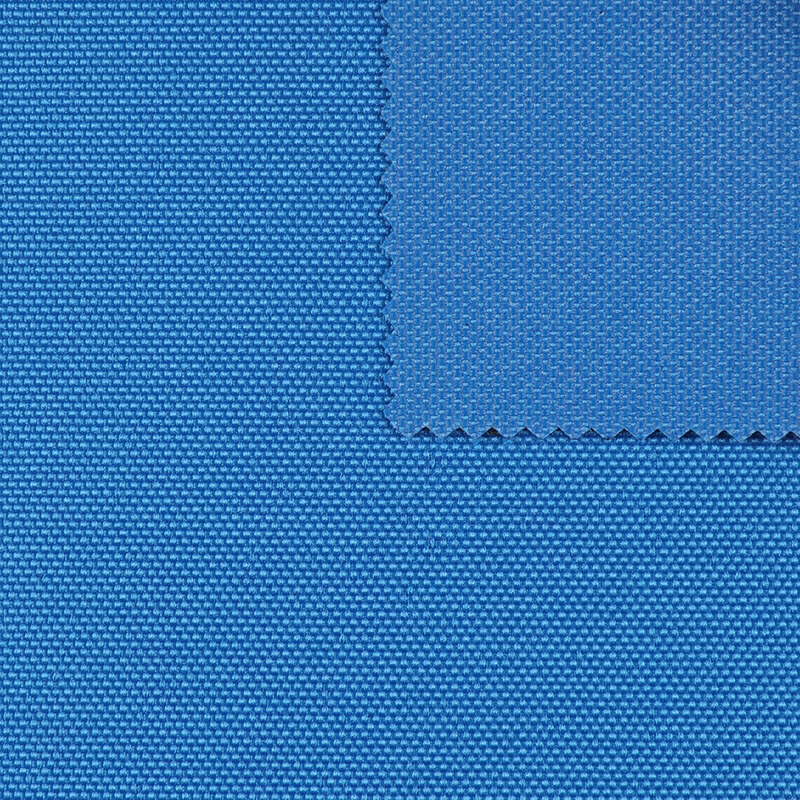
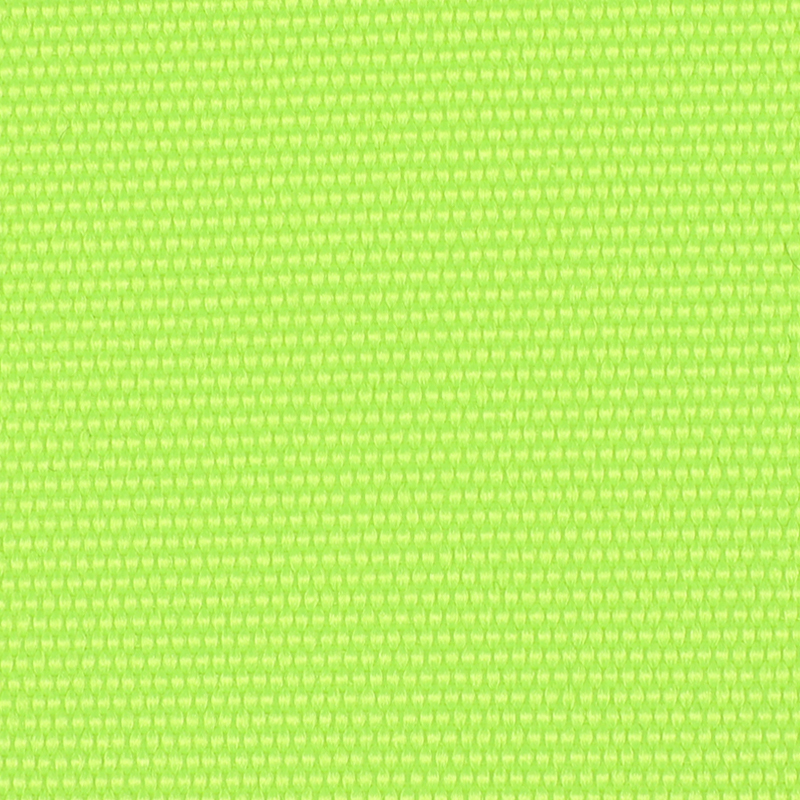
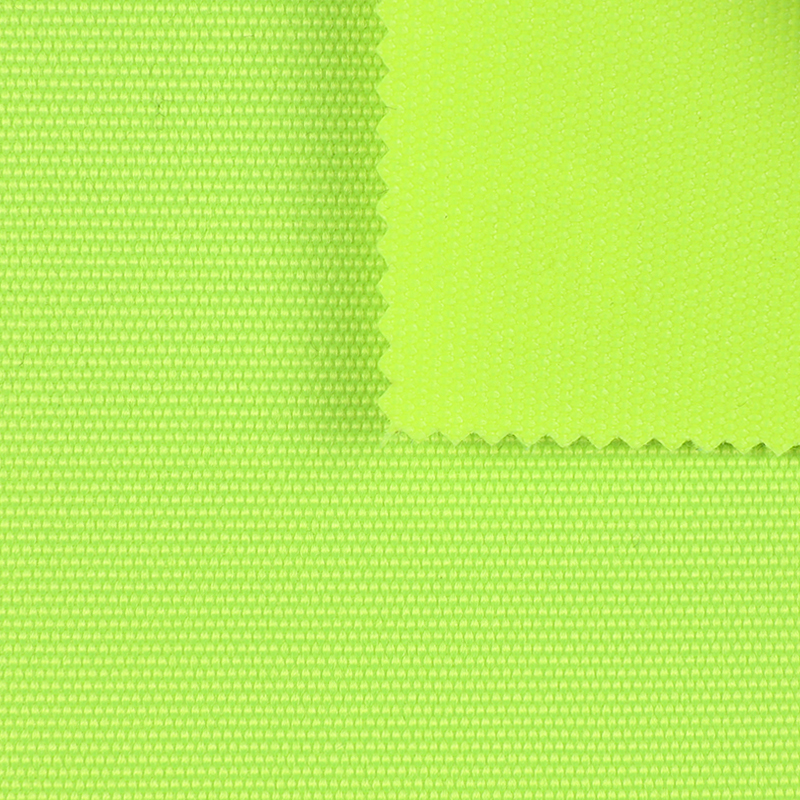
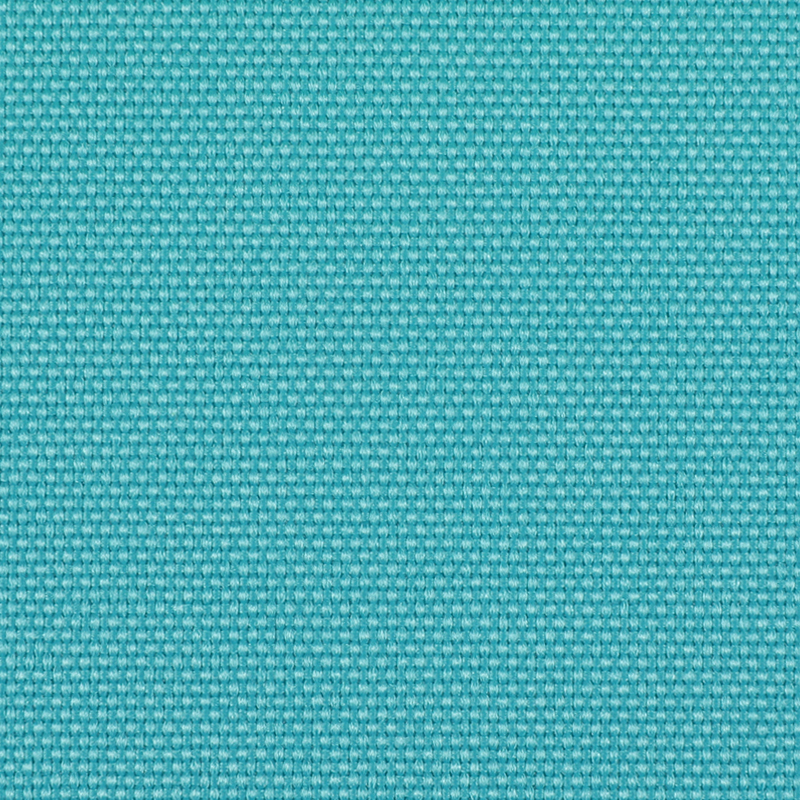
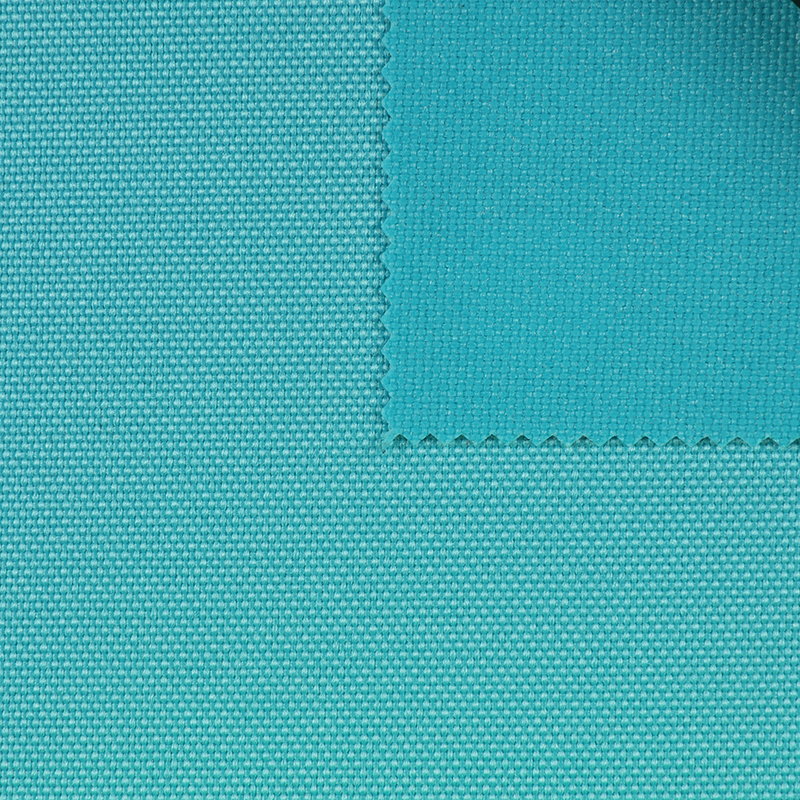
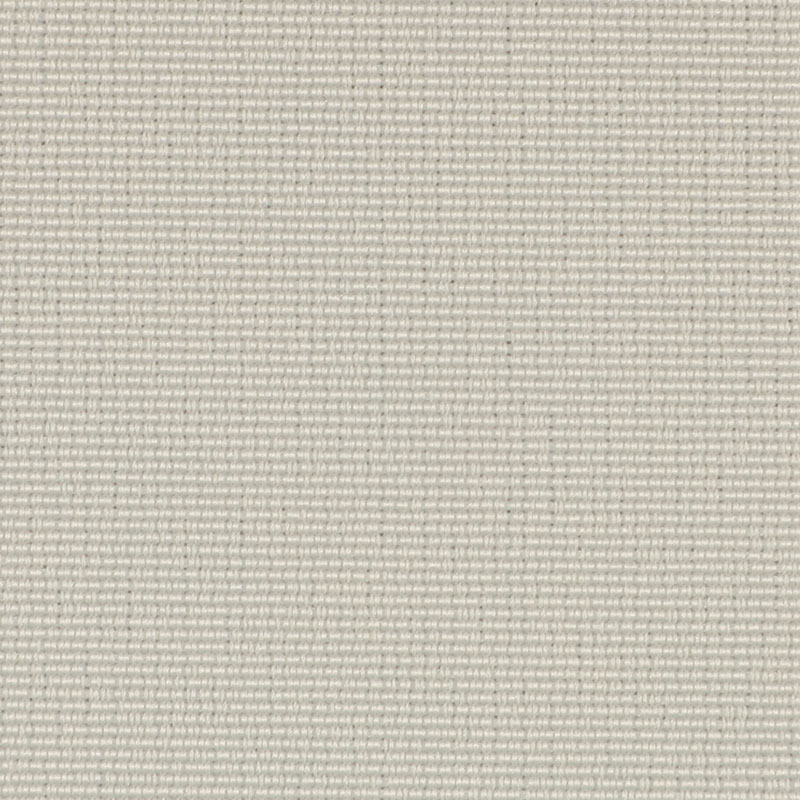
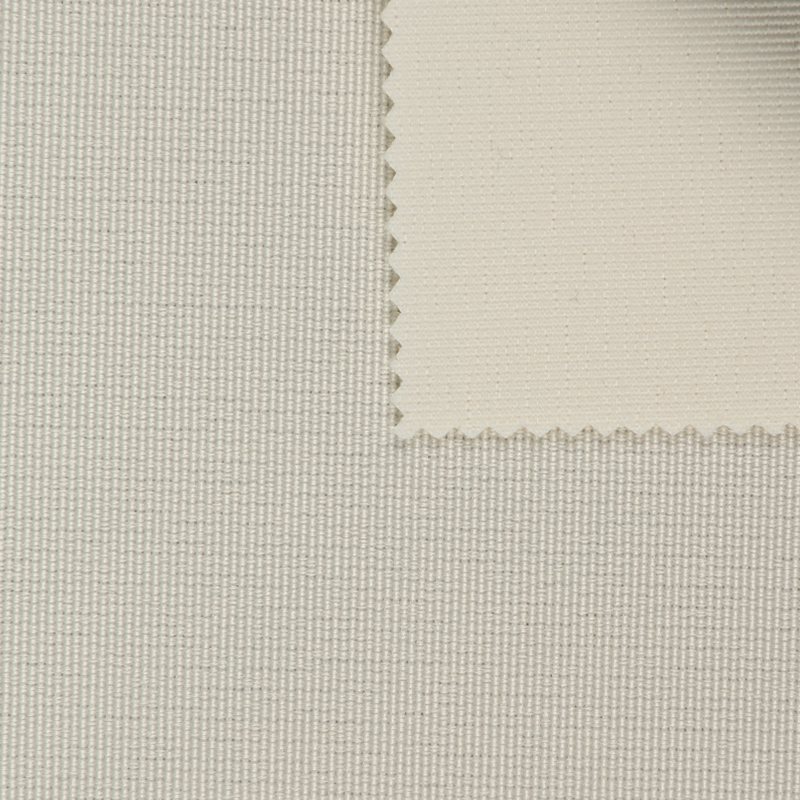
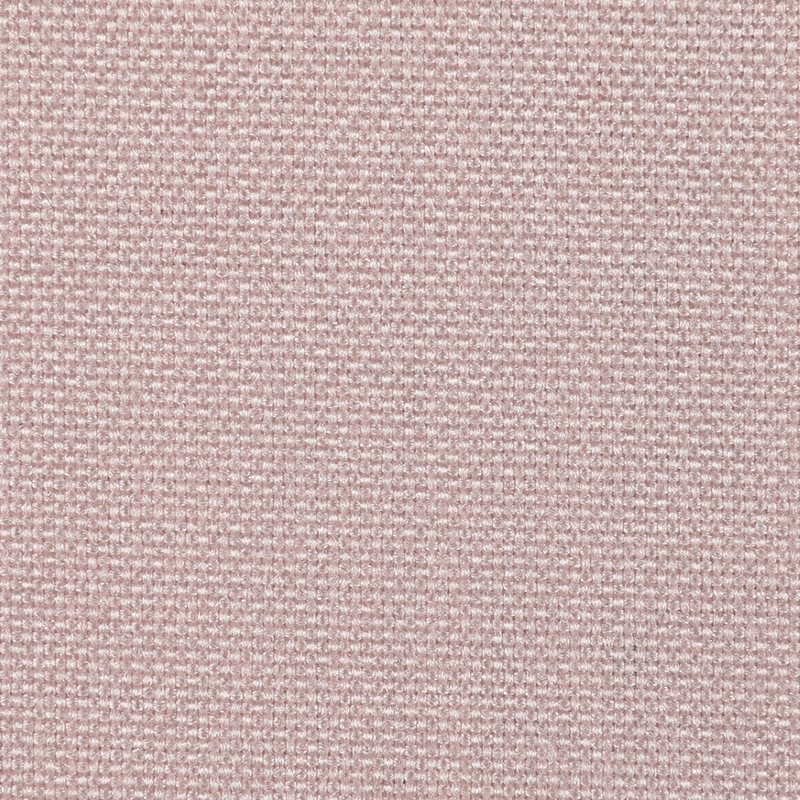
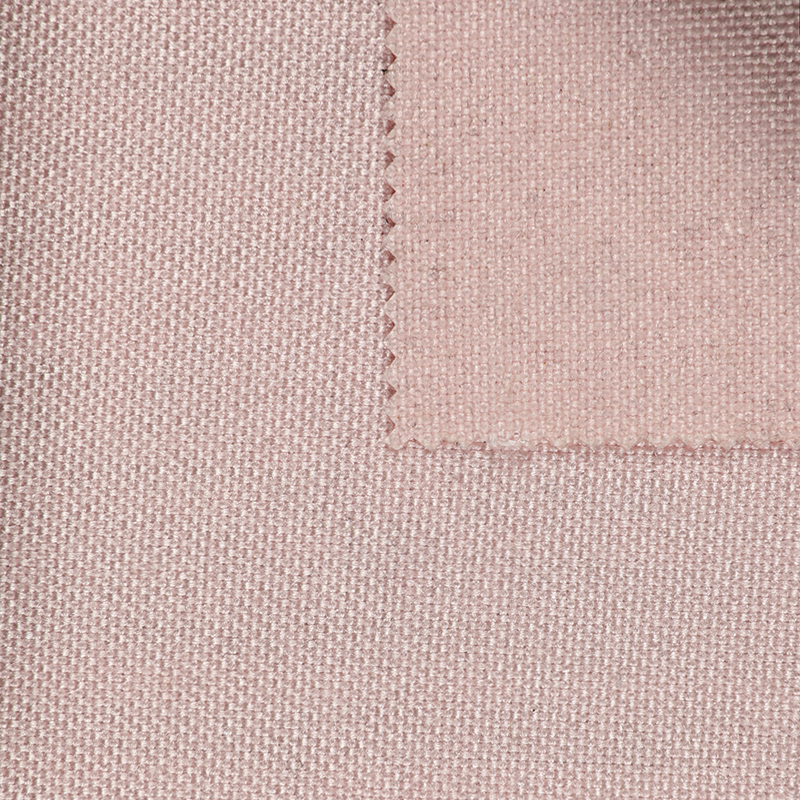
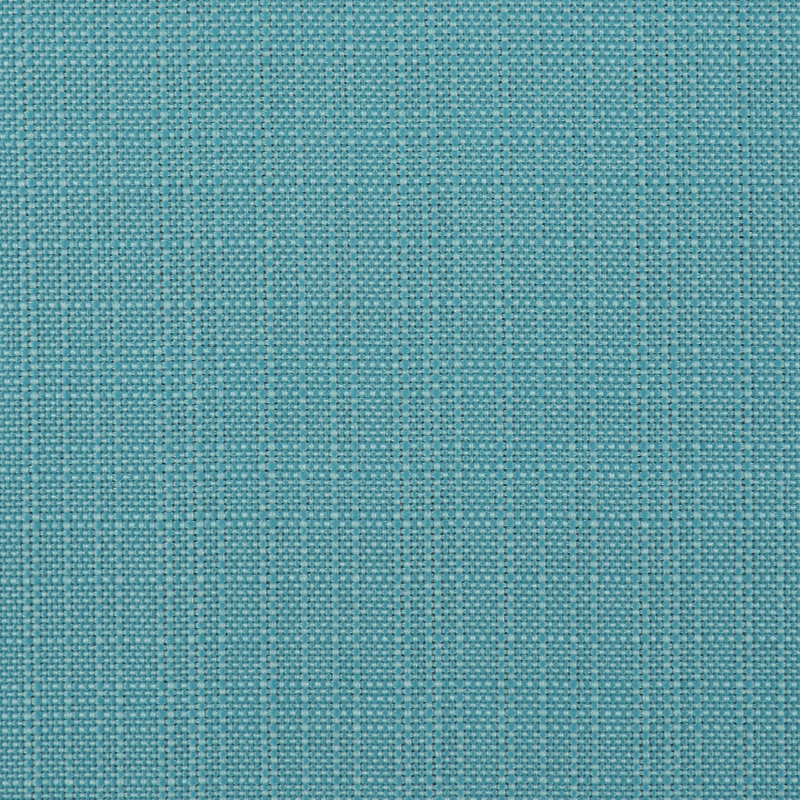
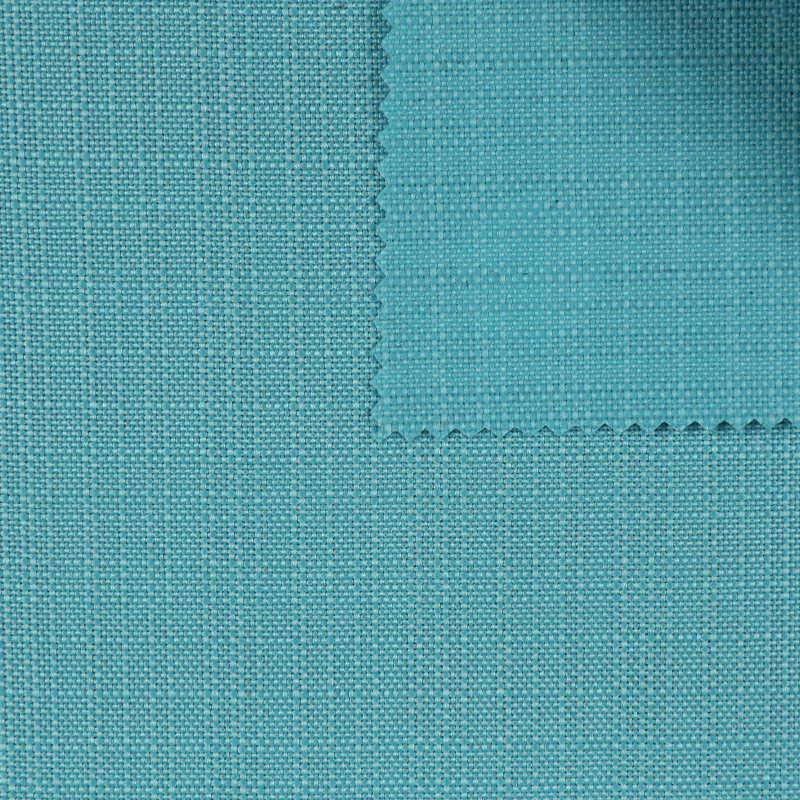
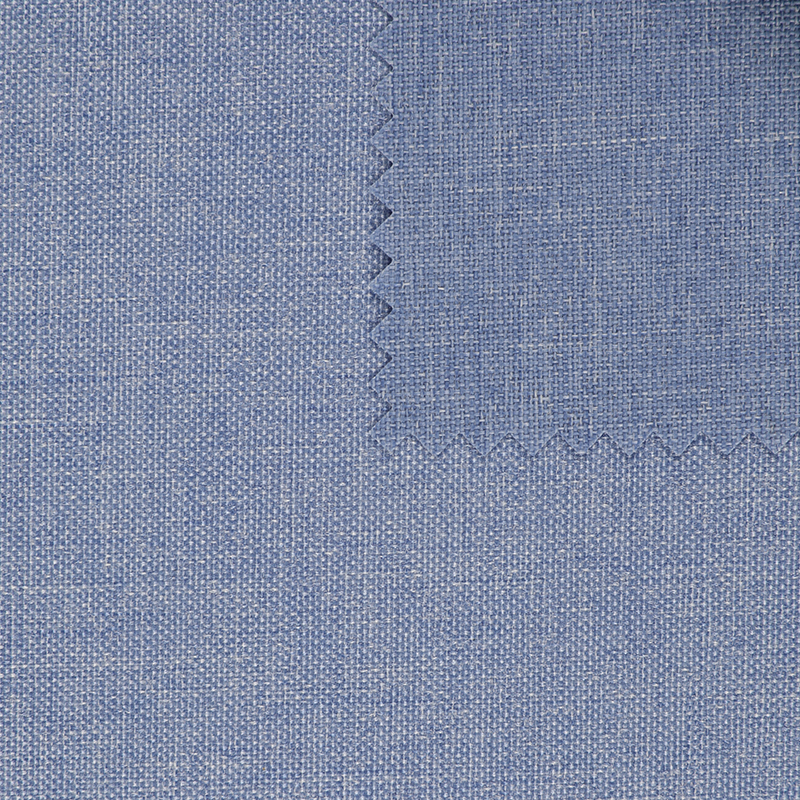
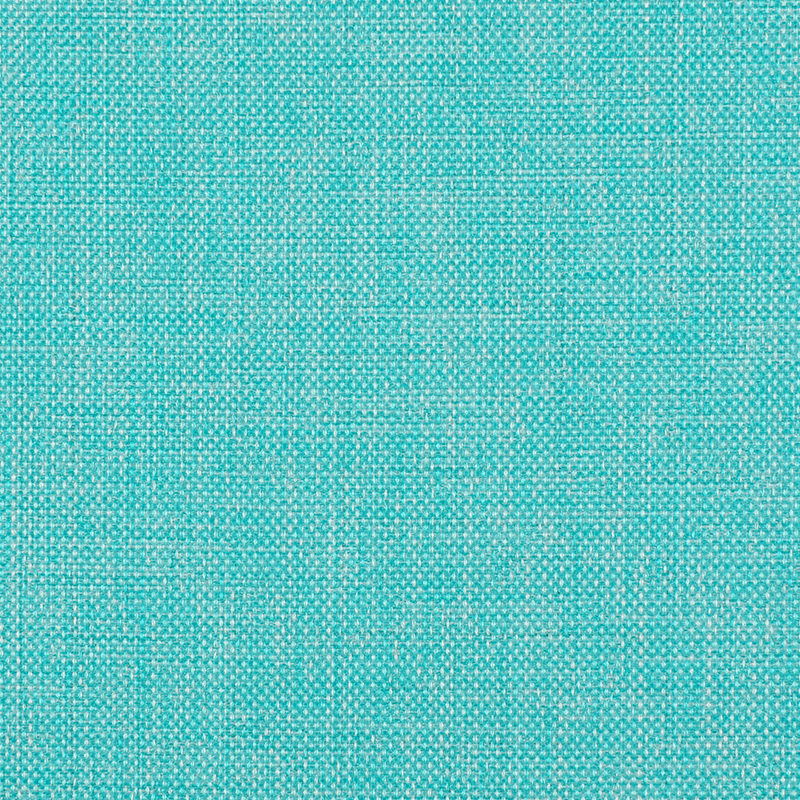
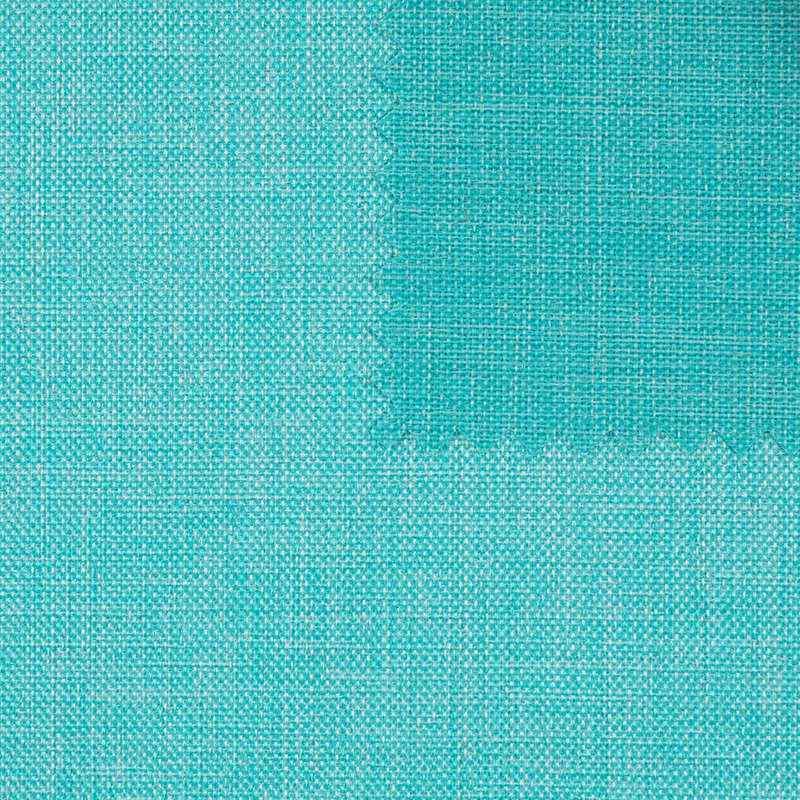
Custom Anti-Uv Polyester Fabric
Message Feedback
About Us

Hangzhou Xiaoshan Wenfa Textile Co., Ltd. specializes in the production and sales of Oxford fabric, integrating R&D, manufacturing, and sales. With around 300 employees and nearly 300 sets of machinery, including 200 water-jet looms, as Anti-Uv Polyester Fabric Manufacturers, and OEM/ODM Anti-Uv Fabric Factory. the company maintains a daily output of approximately 160,000 meters of fabric, ensuring stable supply and reliable quality.

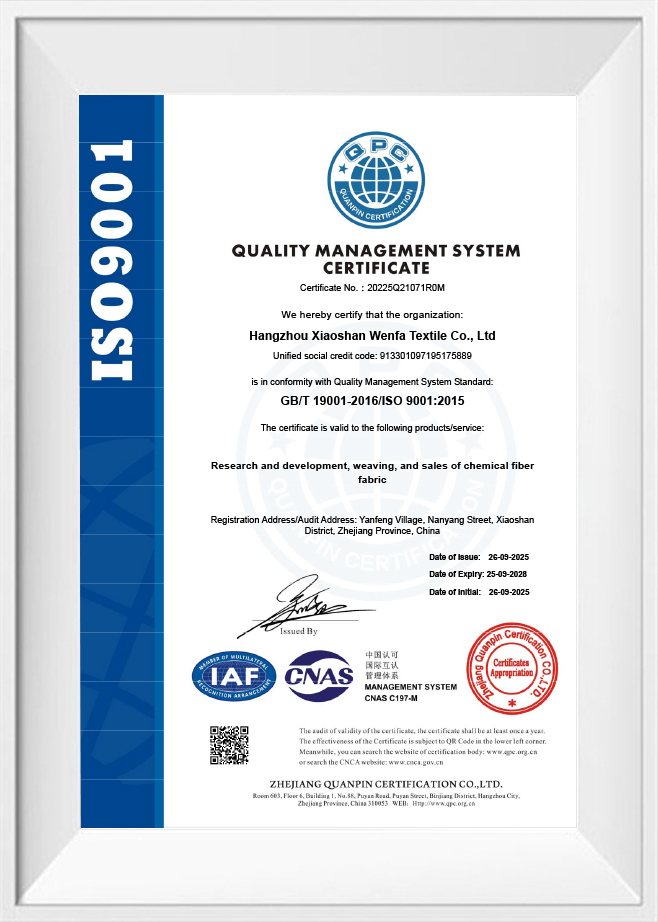
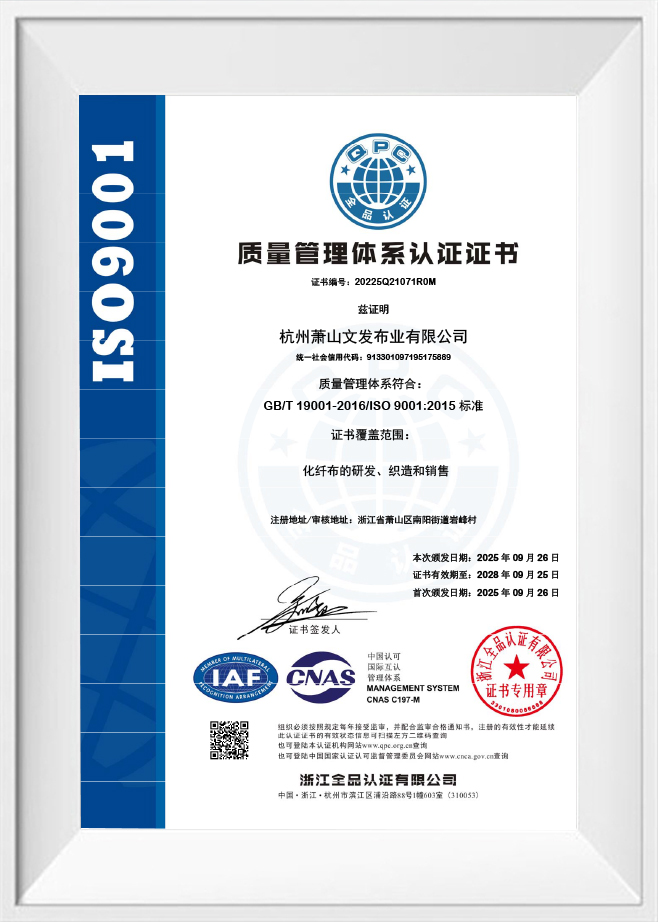
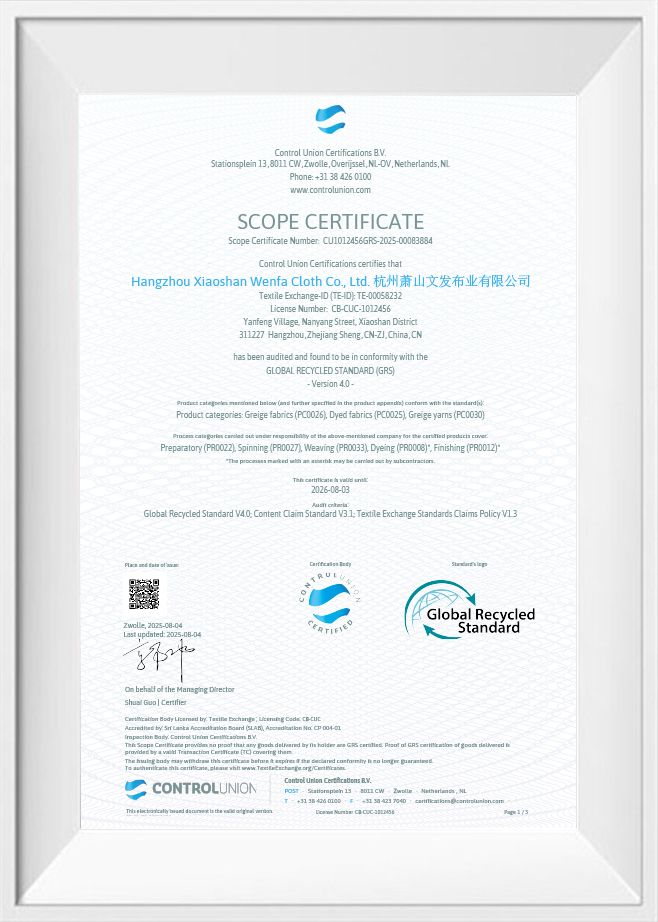
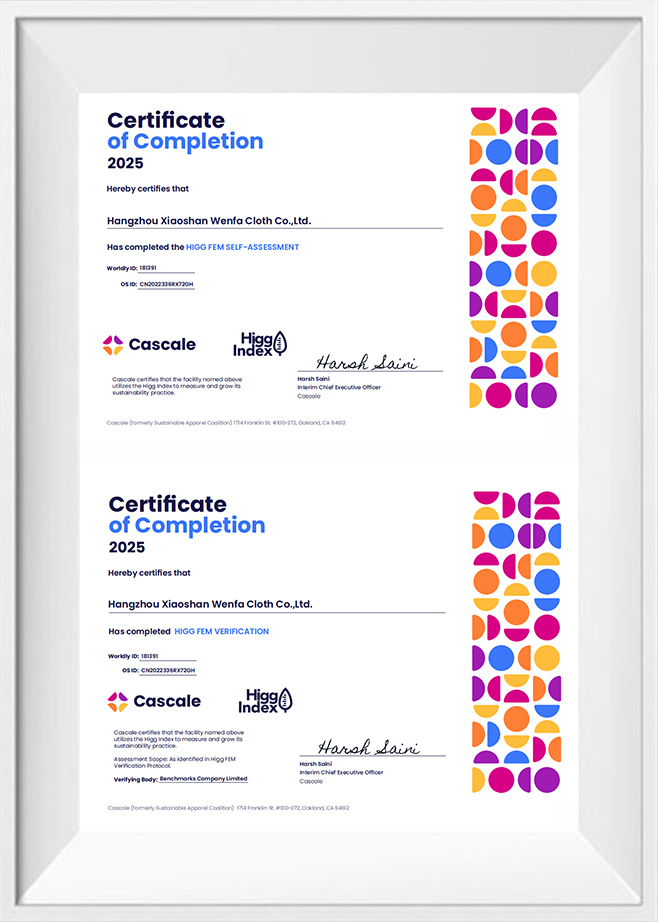
The company holds ISO certification as well as REACH, GRS, and OBP standards, reflecting its commitment to quality and sustainability. Its Oxford fabric is widely used in luggage, outdoor gear, and children's products, serving both domestic and international markets including Europe, the Americas, and Southeast Asia. Moving forward, the company will continue to leverage its integrated supply chain and technical expertise to be a trusted global supplier of Oxford fabric. Supply Custom Anti-Uv Polyester Fabric.

Welcome to Hangzhou Xiaoshan Wenfa Textile Co., Ltd.

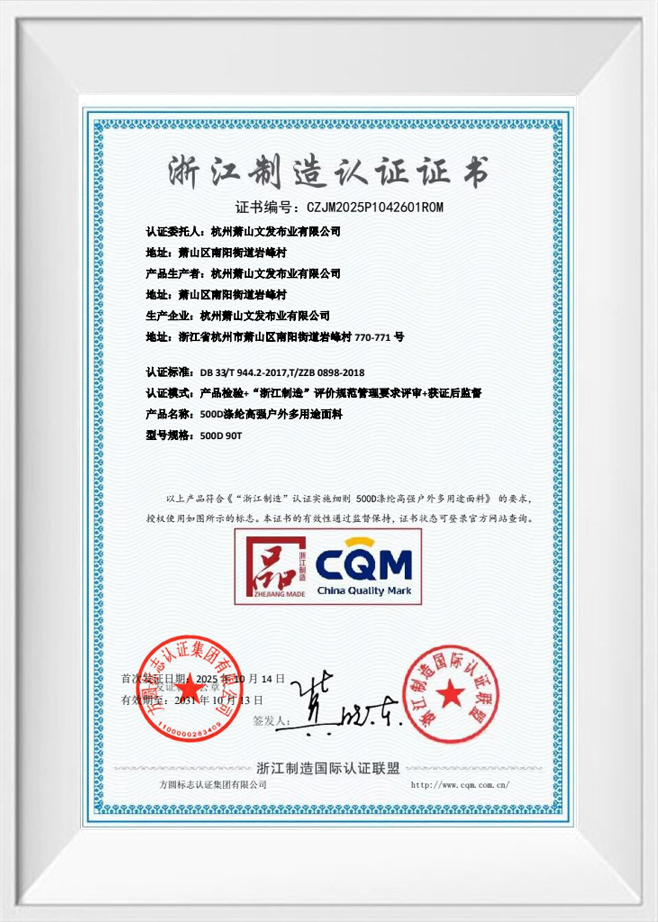
Honor

  • certificate
  • certificate
  • certificate
  • certificate
  • certificate
  • certificate
News
  • Oxford fabric is a woven textile characterized by its distinctive basketweave pattern, created by interlacing warp and weft threads in a specific 2x1 or 2x2 structure. Originally developed in Scotland and named after Oxford University, this durable material is widely used in dress shirts, sportswear, bags, and outdoor...

    READ MORE
  • PU coating fabric refers to textiles treated with a polyurethane layer to enhance water resistance, durability, flexibility, and performance in demanding environments. Unlike traditional PVC coatings, polyurethane coatings are lighter, more breathable, and environmentally friendlier, making them widely used in outdoor ...

    READ MORE
  • Understanding Jacquard Oxford Fabric Structure and Weaving Method Jacquard Oxford fabric is a functional textile that combines the durability of traditional Oxford fabric with the design flexibility of jacquard weaving. Unlike plain Oxford weaves that rely on uniform basket structures, jacquard Oxford fabric uses elect...

    READ MORE

Industry Knowledge

UV Protection Mechanisms Beyond Coatings

In industrial applications, anti-UV performance is not solely achieved through surface coatings. Advanced ANTI-UV FABRIC often integrates UV stabilizers directly into the polymer matrix during yarn extrusion or finishing. This approach ensures long-term UV resistance that does not diminish after repeated washing or abrasion, which is critical for outdoor covers and awnings.

From Wenfa's production experience, embedded UV inhibitors outperform topical treatments in lifecycle testing. This is one reason we emphasize process control at the weaving and finishing stages, rather than relying on post-treatment shortcuts.

UPF Values and Their Commercial Implications

For bulk buyers, understanding UPF (Ultraviolet Protection Factor) is essential when specifying materials. UPF ratings quantify how effectively fabric blocks UVA and UVB radiation, not just visible light. In many outdoor applications, a UPF 40+ or 50+ rating is considered a commercial benchmark.

Typical UPF ranges and their suitability for outdoor applications
UPF Range UV Blocking (%) Typical Use Case
20–29 93–96% Short-term outdoor textiles
40–49 97.5–98% Furniture covers, canopies
50+ 98%+ High-exposure outdoor and automotive

Interaction Between UV Resistance and Colorfastness

UV degradation is a primary driver of color fading in synthetic fabrics. Anti-UV formulations slow down the photochemical reactions that break dye bonds, which directly translates to improved colorfastness under sunlight exposure.

  • Dark colors benefit significantly from UV stabilizers, as they absorb more radiation.
  • Solution-dyed yarns combined with anti-UV additives offer the highest resistance to fading.
  • For buyers targeting multi-season use, UV resistance should be specified alongside colorfastness standards.

In our own export orders, aligning UV resistance with color performance has reduced after-sales complaints, particularly in European outdoor furniture projects.

UV Resistance vs. Fabric Longevity in Outdoor Supply Chains

From a supply-chain perspective, ANTI-UV FABRIC contributes directly to total cost efficiency. Fabrics that resist UV-induced embrittlement maintain tensile strength and tear resistance over time, reducing replacement frequency.

Practical considerations for bulk procurement

  • Specify UV resistance standards in technical datasheets, not just marketing descriptions.
  • Request accelerated aging or UV exposure test reports when sourcing for long-term outdoor use.
  • Balance UV performance with breathability and weight to avoid over-engineering.

As a manufacturer with stable daily output and certified systems, we see UV durability not as an add-on, but as a core performance metric that protects both your brand and downstream customers.