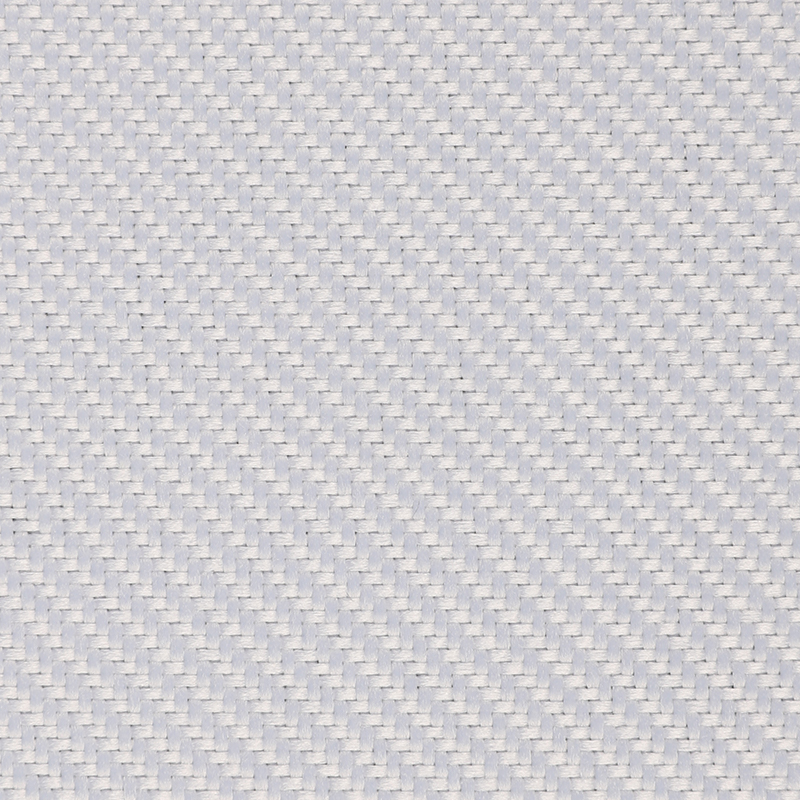
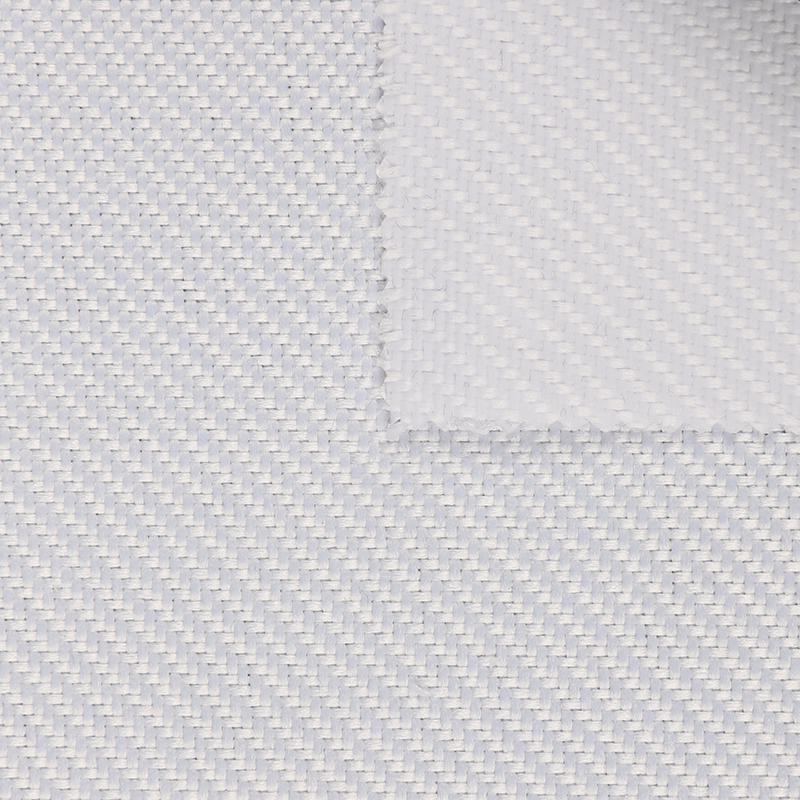
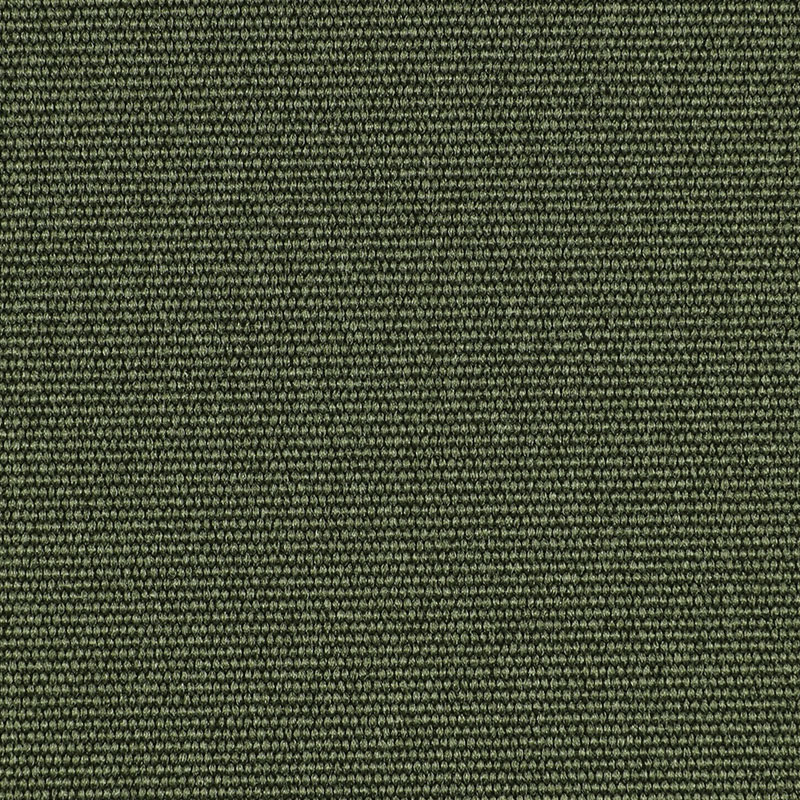
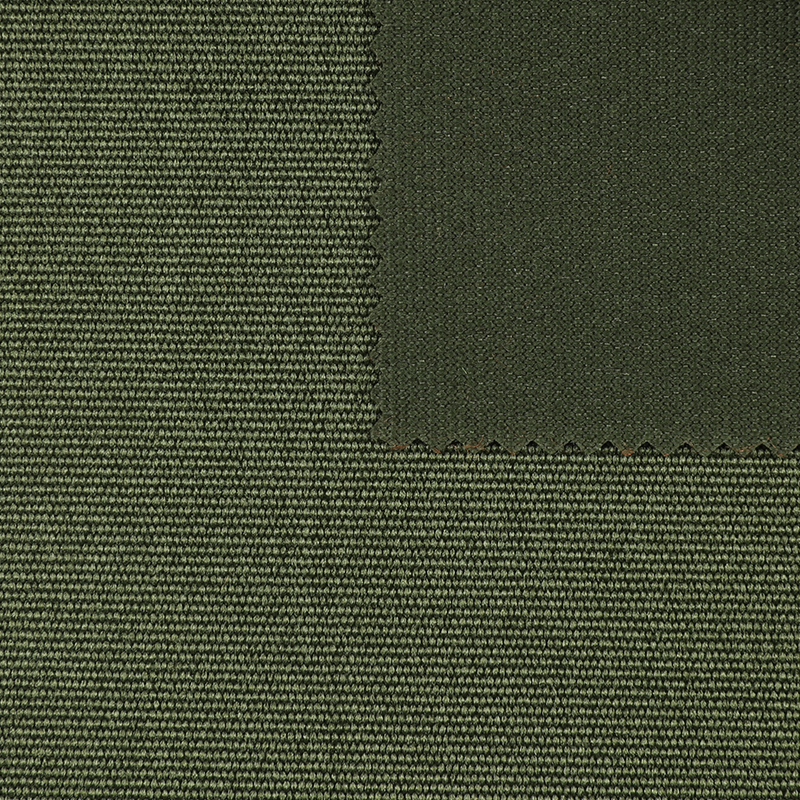
Tear Resistance: What Bulk Buyers Should Ask Beyond “Rip Strength”
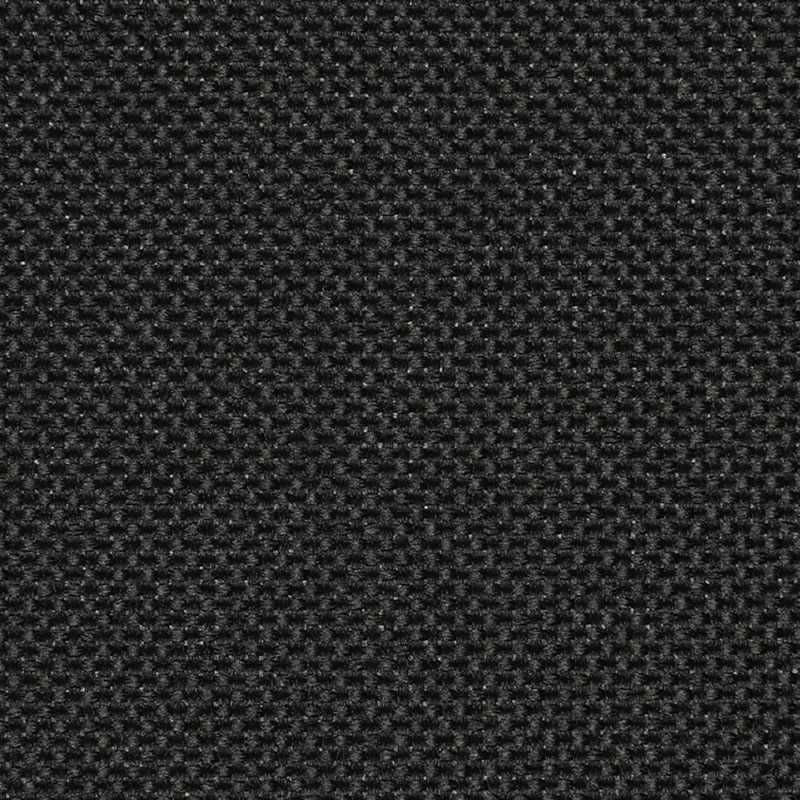
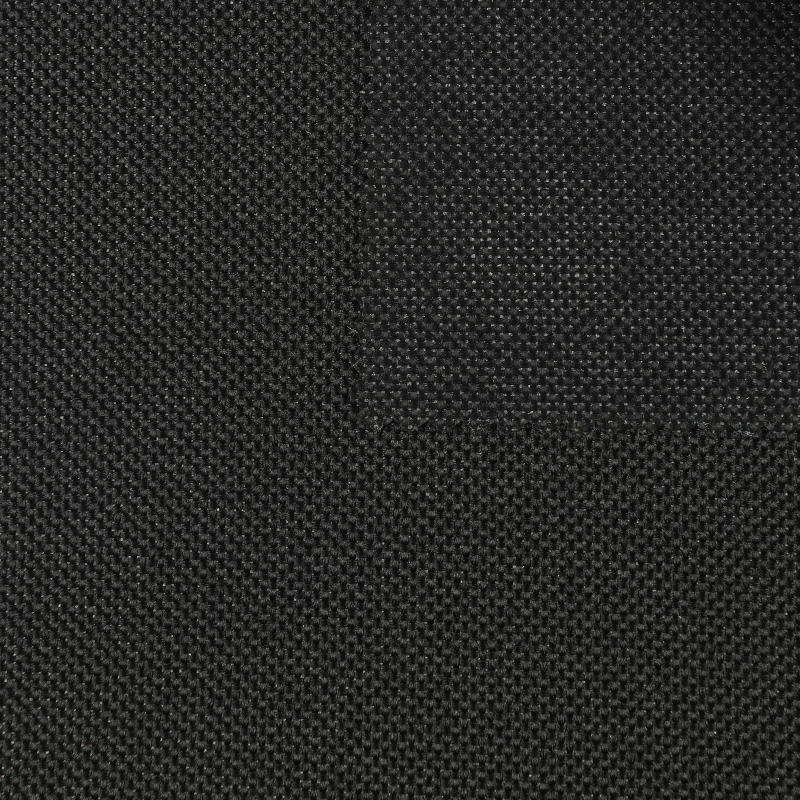
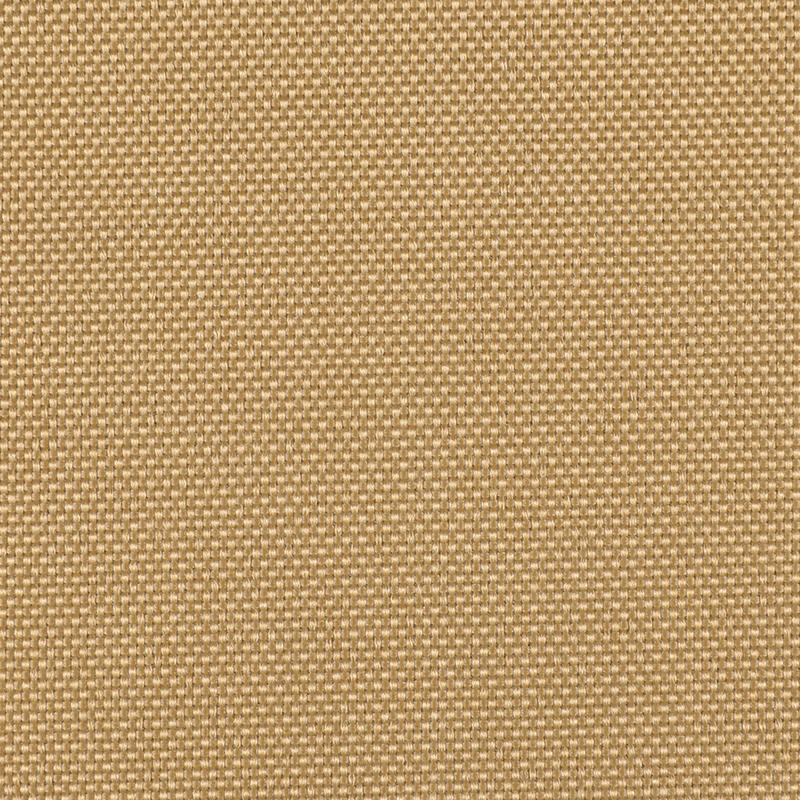
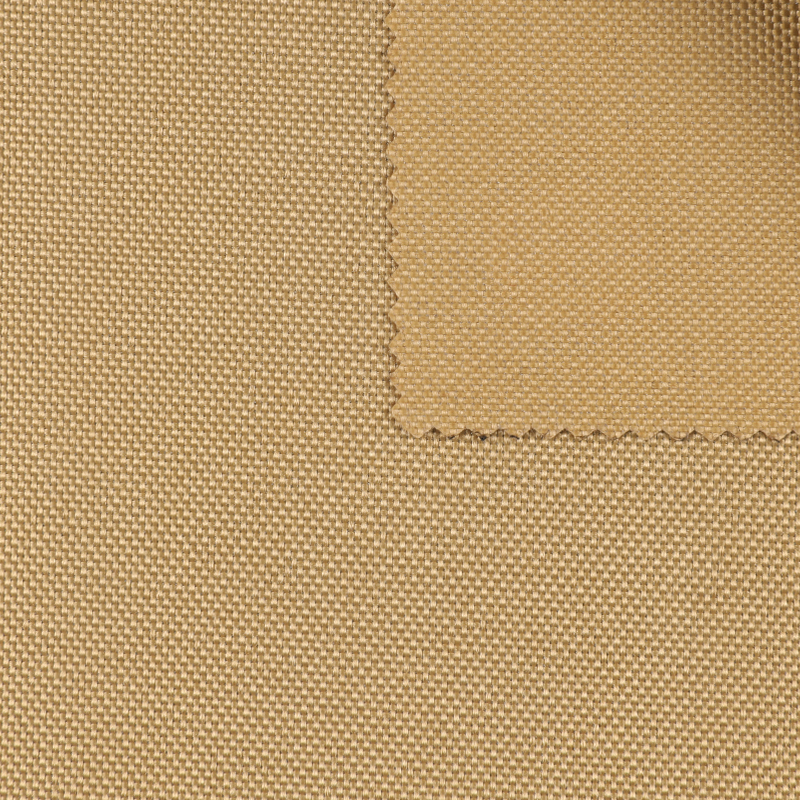
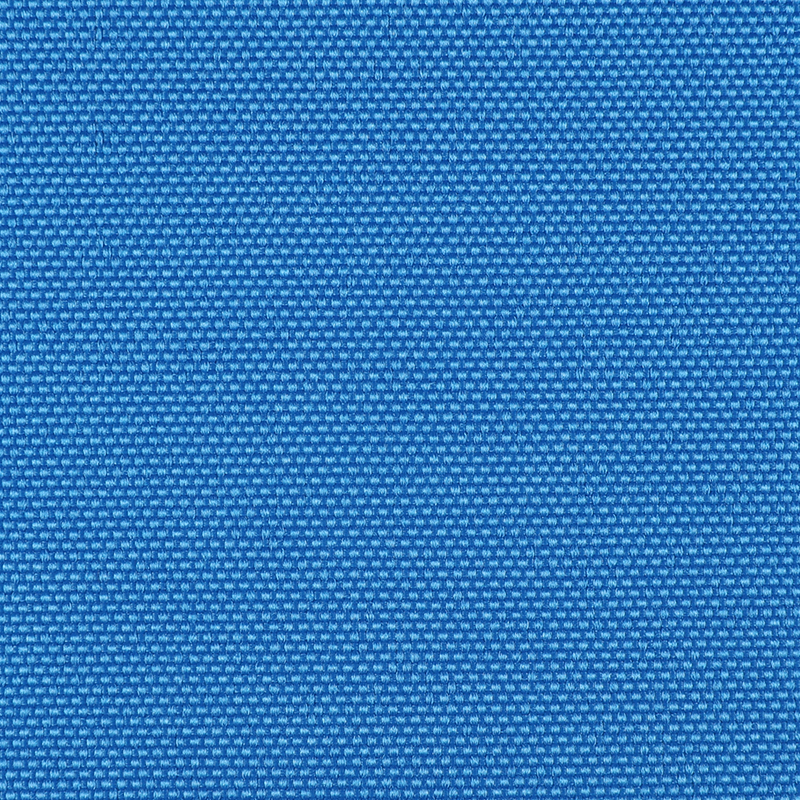
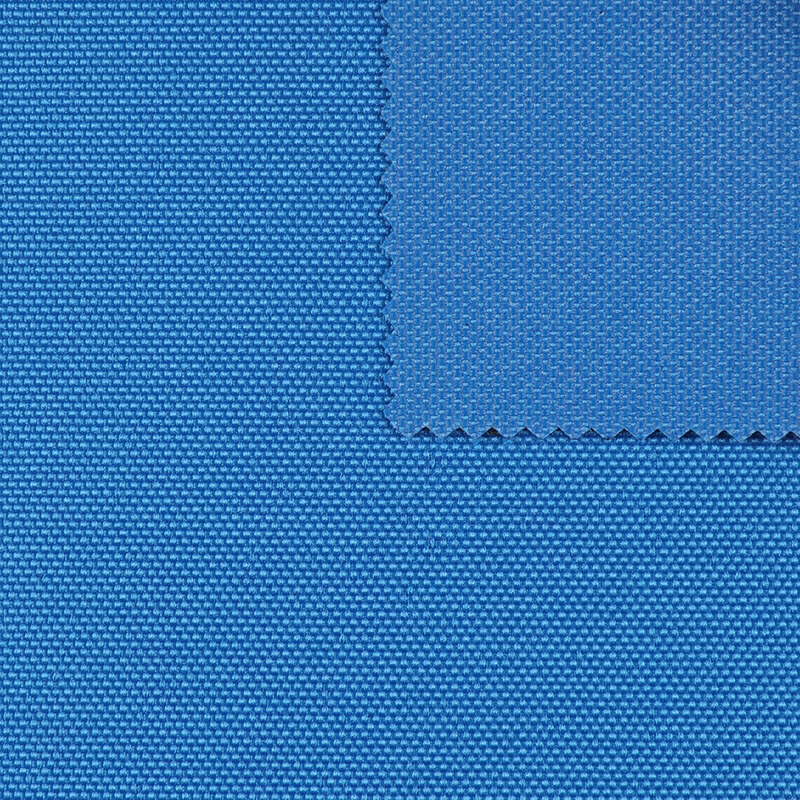
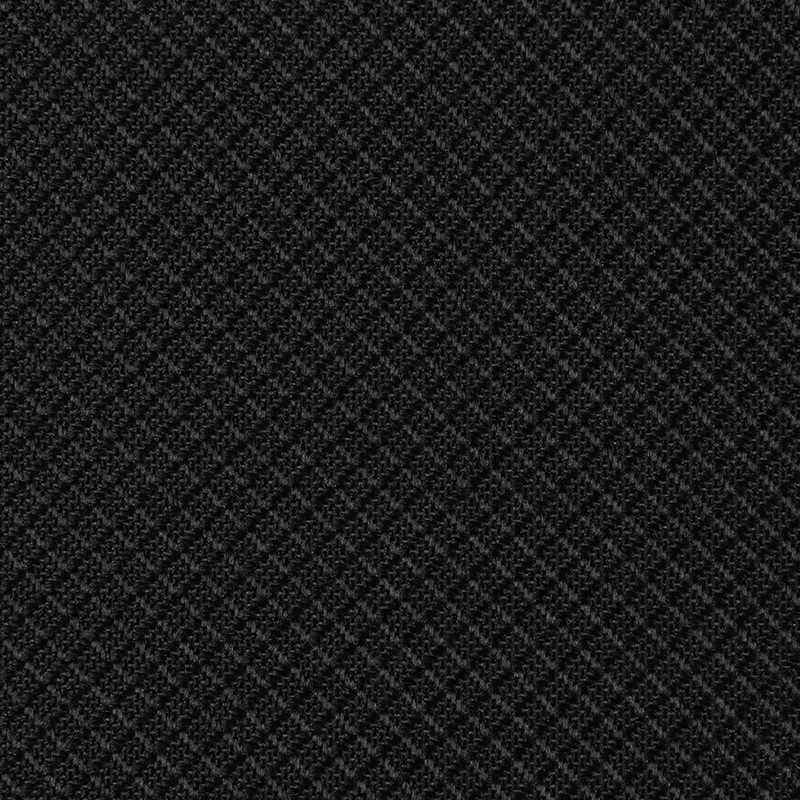
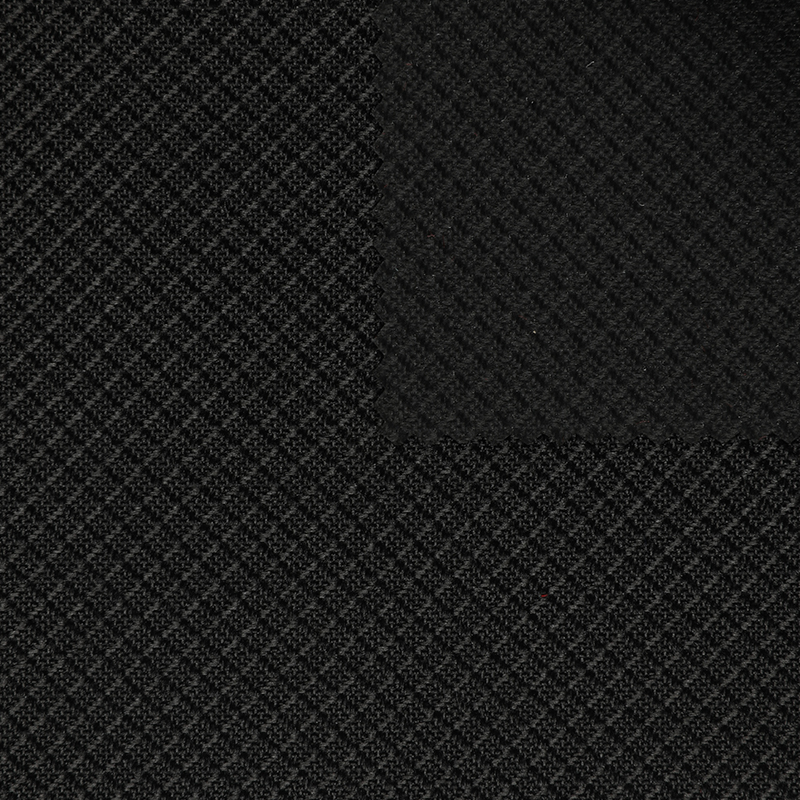
In procurement conversations, “tear resistance” is often treated as a single number. In reality, tearing behavior depends on how a fabric arrests crack propagation once a cut or puncture starts. For high-strength woven fabrics like Oxford, the practical question is not only “how strong is it,” but “how does it fail under real damage scenarios.”
Key practical distinctions
- Initial tear threshold: the force needed to start a tear from a notch, seam edge, or needle hole.
- Tear propagation control: how well the weave structure resists the tear spreading once started; dense constructions typically slow propagation.
- Directional behavior (warp vs. weft): a fabric can be strong in one direction yet weaker in the other, affecting pattern layout and seam orientation.
For bulk orders used in outdoor gear, luggage, or frequent-contact upholstery, I recommend requesting tear data in both directions and confirming test conditions (notch type, specimen conditioning). In Wenfa's Oxford production runs, we focus on consistency so your finished goods behave predictably, batch after batch.
Abrasion vs. Snag Resistance: Two Different Failure Modes
Abrasion and snag resistance are frequently bundled together, but they describe different realities. Abrasion is gradual surface wear from rubbing; snag is sudden yarn displacement or breakage from hooks and sharp edges. High-strength fabrics tend to perform well in both, but they are improved by different levers.
How abrasion and snag issues typically appear in finished products, and what they imply for fabric selection.
| Property |
Typical field symptom |
Common risk areas |
What to validate with suppliers |
| Abrasion resistance |
Surface fuzzing, coating wear, color dulling |
Seat contact, straps, corners, repeated folding |
Abrasion test method and pass/fail endpoint |
| Snag resistance |
Pulled loops, yarn picks, localized runs |
Outdoor brush contact, hardware zones, Velcro adjacency |
Snag/pick performance or real-use simulation criteria |
If your product is hardware-heavy (zippers, buckles, hook-and-loop), snag resistance becomes the hidden driver of returns. For abrasion-driven applications, pay attention to how coatings and dyeing choices hold up under repeated rubbing, not just the base fabric.
Seam and Stitching: Where High-Strength Fabrics Succeed or Fail
High-strength fabric performance can be undermined by seams. Many “fabric failures” in the field are actually seam failures: needle damage, seam slippage, or stress concentration at stitch holes. The most procurement-relevant insight is that seam engineering must match fabric strength, especially for load-bearing products.
Manufacturing checks that reduce returns
- Needle size and stitch density: overly aggressive settings can create perforation lines that behave like tear starters.
- Seam reinforcement strategy: bar-tacks and load patches should align with real load paths, not just “standard positions.”
- Edge finishing: raw edges can fray under abrasion; finishing methods should be chosen for the product’s wear environment.
If you are sourcing for bags, tactical-style gear, or workwear, evaluate seam strength and seam slippage alongside fabric tear resistance. When we support buyers, we aim to provide stable fabric lots so your sewing parameters do not need constant re-tuning.
Application-to-Property Matching for Long-Service Products
High-strength fabrics create value when their durability profile matches the product’s real wear map. If your product sees repeated friction, snag hazards, or localized load, the goal is to select a construction where durability aligns with the highest-stress zones, rather than overbuilding every panel and inflating cost.
Practical mapping from end-use conditions to the durability properties you should emphasize during sourcing.
| End-use condition |
Primary property to emphasize |
Why it matters |
Typical product examples |
| Brush/contact with rough surfaces |
Snag resistance |
Prevents yarn pulls and visible defects |
Outdoor bags, covers, field equipment |
| Repeated rubbing at corners/edges |
Abrasion resistance |
Maintains surface integrity and appearance |
Luggage, upholstery, tool storage |
| Puncture then tension load |
Tear propagation control |
Stops small damage becoming a full rip |
Workwear panels, covers, industrial textiles |
| High-cycle handling and folding |
Structural stability |
Reduces distortion, maintains fit and function |
Packable gear, cases, frequent-use covers |
If you share your usage profile (wear zones, hardware contact points, target service life), I can typically recommend a high-strength Oxford direction that balances performance and cost without unnecessary over-specification.
Quality Consistency: What to Lock in on the Purchase Order
For bulk buyers, the cost of variability often exceeds the cost of fabric. The most effective approach is to convert quality expectations into PO language that reduces interpretation. In high-strength fabrics, consistency is a performance feature—it protects your production efficiency and customer experience.
PO clauses that prevent avoidable disputes
- Define acceptance criteria for tear and abrasion in both directions (warp/weft) and specify the test method or standard you will use for inspection.
- State color tolerance expectations (e.g., against approved lab-dip or bulk swatch) and how re-approval works for repeat orders.
- Clarify roll length tolerance and joining policy to protect cutting efficiency and reduce waste.
- Record the exact construction and finish code so replenishment orders match prior lots without re-sourcing.
This is where our integrated R&D, manufacturing, and sales model helps buyers move faster: once the parameters are fixed, scaling supply becomes straightforward.

 English
 русский
 Français
 Español
 中文简体
中文简体