Hydrostatic Head vs. “Waterproof”: What Bulk Buyers Should Actually Specify
In procurement, the word “waterproof” is not a measurable requirement by itself. What you want on the spec sheet is a quantified water resistance metric, typically hydrostatic head (often written as mmH₂O). A fabric can repel splashes yet fail under sustained pressure (kneeling on wet ground, packed bags, wind-driven rain on covers).
How to write it into your PO
- State the test method you will accept (your lab or third-party), then define pass/fail thresholds for both fabric and seams (if the product is sewn).
- Require “after-abrasion” or “after-flex” performance where the application involves folding, creasing, or friction (bags, covers, rainwear).
- For coated/laminated constructions, request performance retention after aging (heat/humidity cycles) to reduce claim risk.
Key takeaway: define waterproof performance with a measurable target and a verification method; this prevents “spec drift” across production lots and suppliers.
Choosing 300D / 600D / 900D: Beyond “Thicker Is Better”
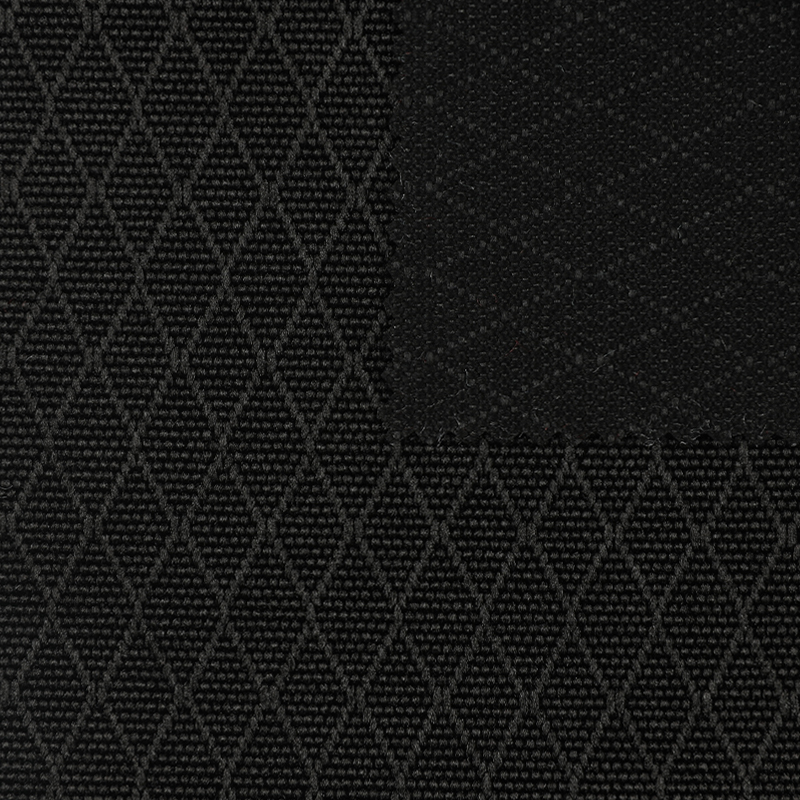
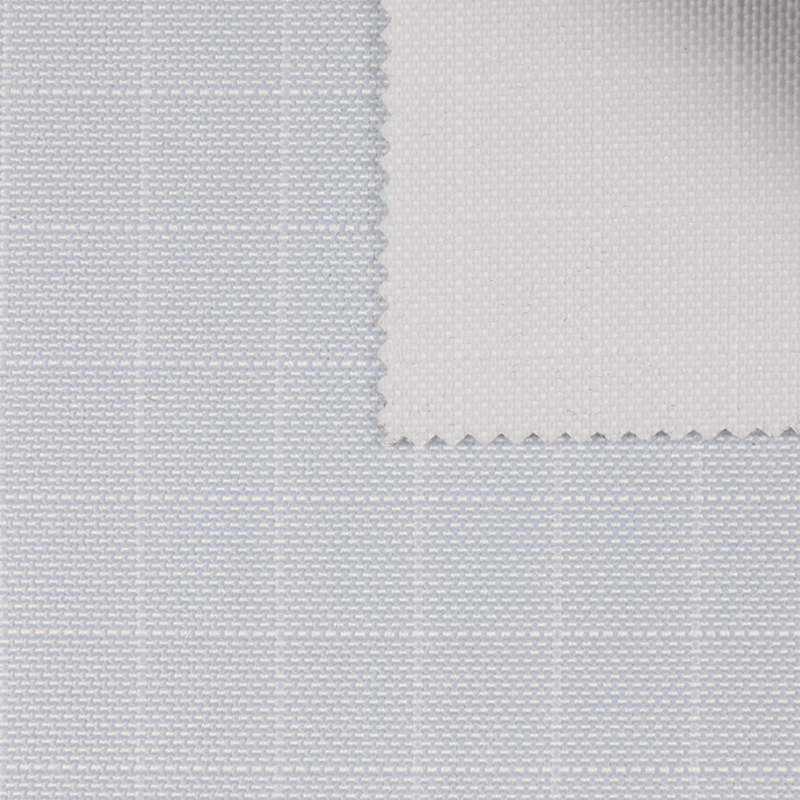
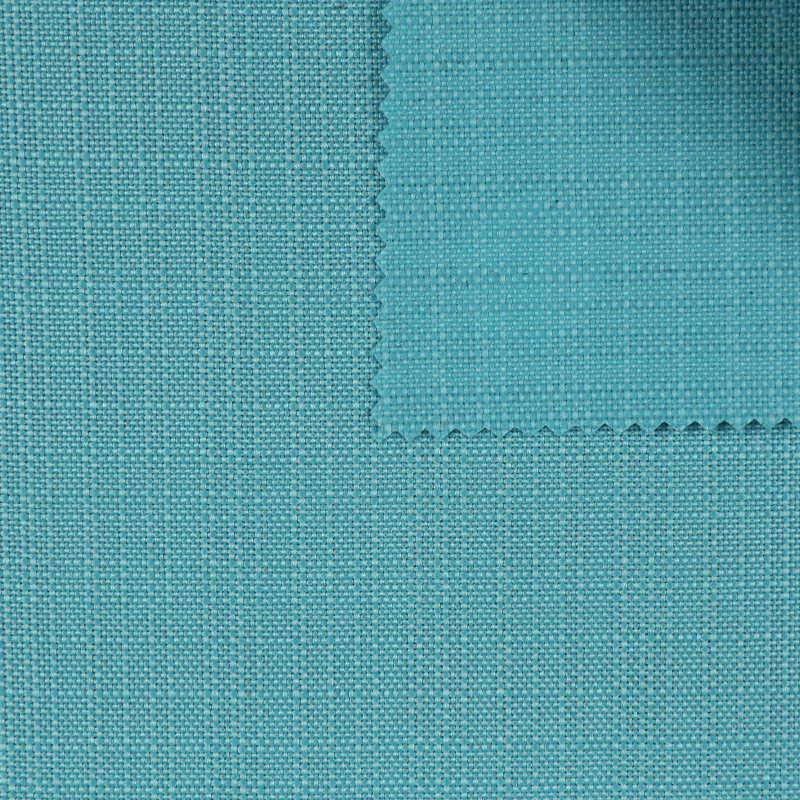
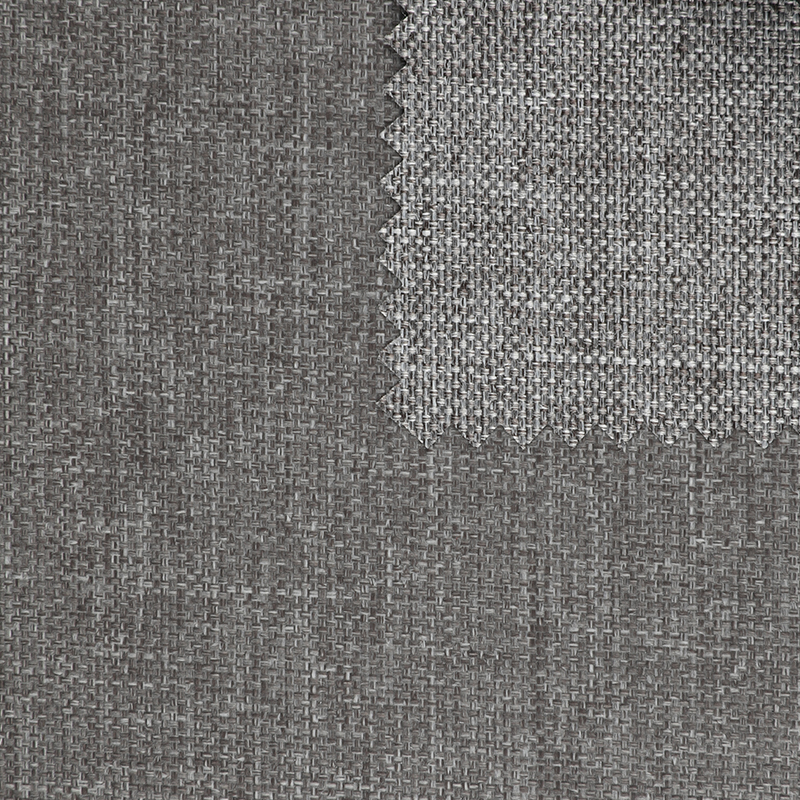
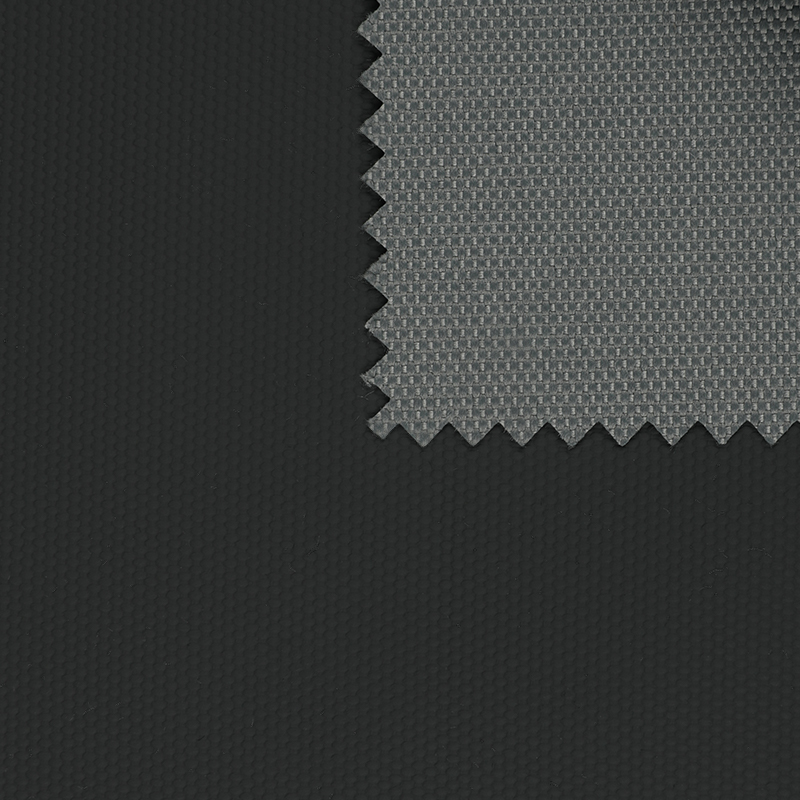
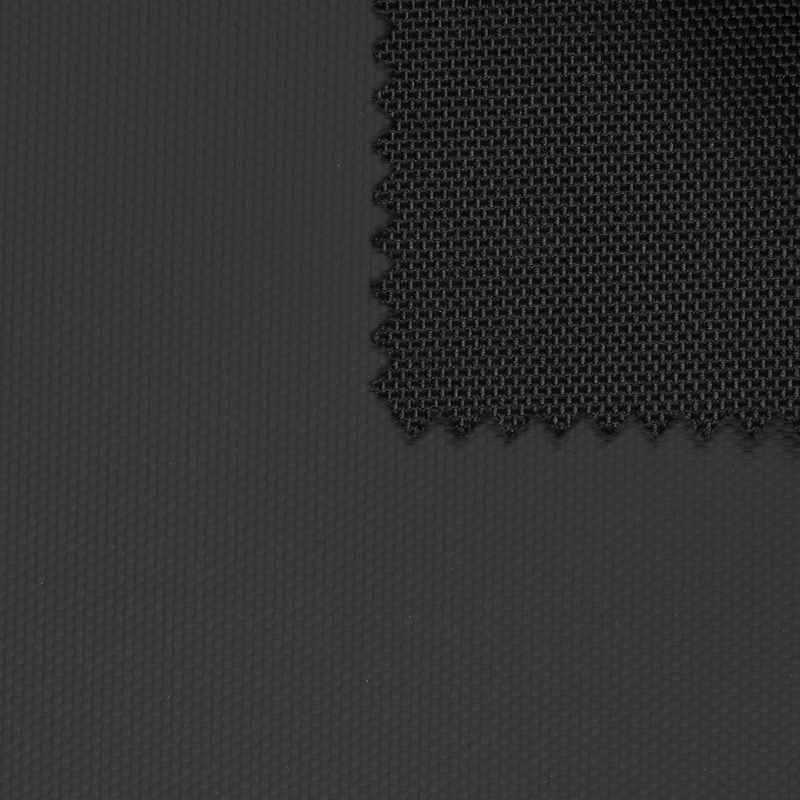
Denier (D) is a yarn fineness indicator, not a complete durability guarantee. In bulk purchasing, you should treat 300D waterproof outdoor fabric / 600D waterproof outdoor fabric / 900D waterproof outdoor fabric as a starting point and evaluate the full construction: yarn type, weave density, coating/lamination, and finishing. The “right” denier is the one that matches your use-case stress and your cost-to-performance target.
Practical selection guide for common outdoor applications (performance depends on construction, not denier alone)
| Denier Range |
Typical Buyer Goal |
Common Product Fit |
What to Validate |
| 300D |
Lightweight handling, foldability |
Rainwear panels, packable covers, inner liners |
Tear strength after creasing; coating crack resistance |
| 600D |
Balanced durability and cost |
Backpacks, luggage shells, furniture covers |
Abrasion + seam slippage; water resistance retention |
| 900D |
High abuse resistance, structure |
Tool bags, heavy-duty cases, rugged outdoor gear |
Abrasion under load; edge wear; coating adhesion |
When customers ask us “Which denier is waterproof?”, We always answer: the waterproofing comes from the structure and finishing. Denier helps you plan durability and hand-feel; your spec should still define the waterproof metric and the durability tests.
Coating and Lamination Choices: PU, PVC, and Multi-Layer Constructions
Outdoor polyester waterproof fabrics typically achieve water resistance through coating or lamination. For bulk buyers, the decision should be driven by end-use temperature range, folding frequency, odor/VOC sensitivity, and long-term adhesion performance.
A buyer-centric comparison checklist
- Flex durability: frequent folding favors constructions designed to resist coating micro-cracks and delamination.
- Low-temperature behavior: if your product is used in cold climates, request cold-flex evaluation to reduce winter failures.
- Printability: confirm which side is optimized for printing and whether primers are needed to meet rub fastness targets.
- Odor and compliance: specify restricted substances compliance requirements up front (for EU/US retail channels).
Colorfastness, UV Exposure, and Outdoor Aging: Planning for Real Service Life
Outdoor products degrade through sunlight, heat, moisture cycling, and friction. Even if a fabric remains waterproof, the customer experience can fail through fading, chalking, or coating embrittlement. Bulk buyers should treat aging as a measurable requirement tied to region and use duration.
What to include in your durability spec
- UV resistance target (color change and strength retention), especially for furniture covers and tent flysheets.
- Colorfastness to rubbing (dry/wet) for bags and luggage that contact clothing.
- Hydrolysis resistance for humid storage environments to reduce coating breakdown risk.
Because we ship globally to Europe, the Americas, and Southeast Asia, we often recommend aligning UV and humidity aging requirements with your target market climate profile rather than using one universal spec.
REACH, GRS, and OBP: How Certifications Change What You Should Ask For
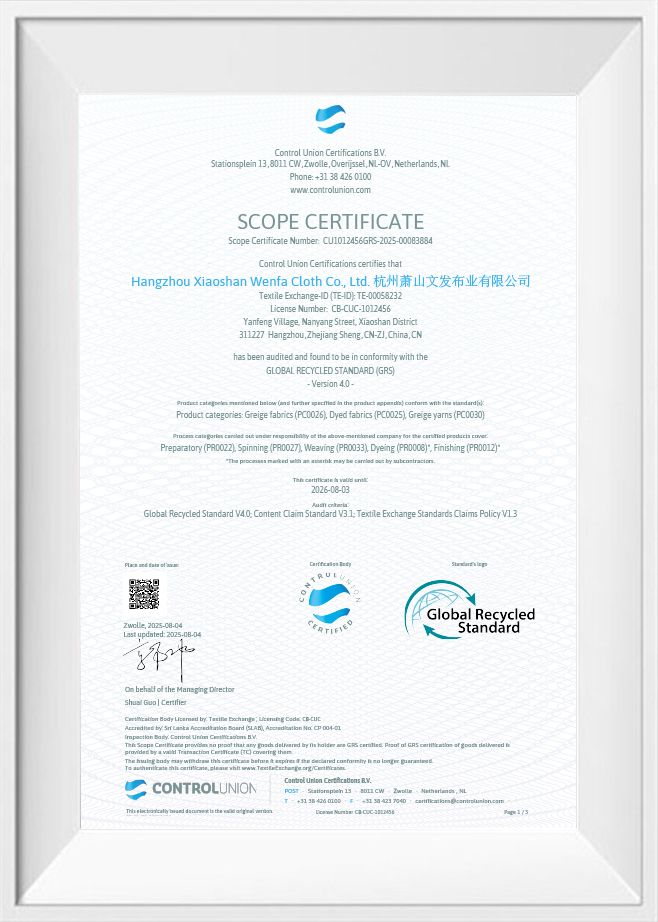
Compliance frameworks are not just “paperwork”; they affect material selection, traceability, and lot documentation. For bulk buyers, the operational question is how to structure your audit trail so your downstream customers (brands/retailers) can verify claims quickly.
Procurement documentation that reduces delays
- Request test reports and declarations by lot/batch, not only by “material type,” to support traceability.
- Define whether certification applies to the fabric, the recycled content, or the full chain-of-custody—these are not interchangeable in buyer audits.
- Lock the compliance scope in the contract: restricted substances list, testing frequency, and re-test triggers (raw material change, process change).
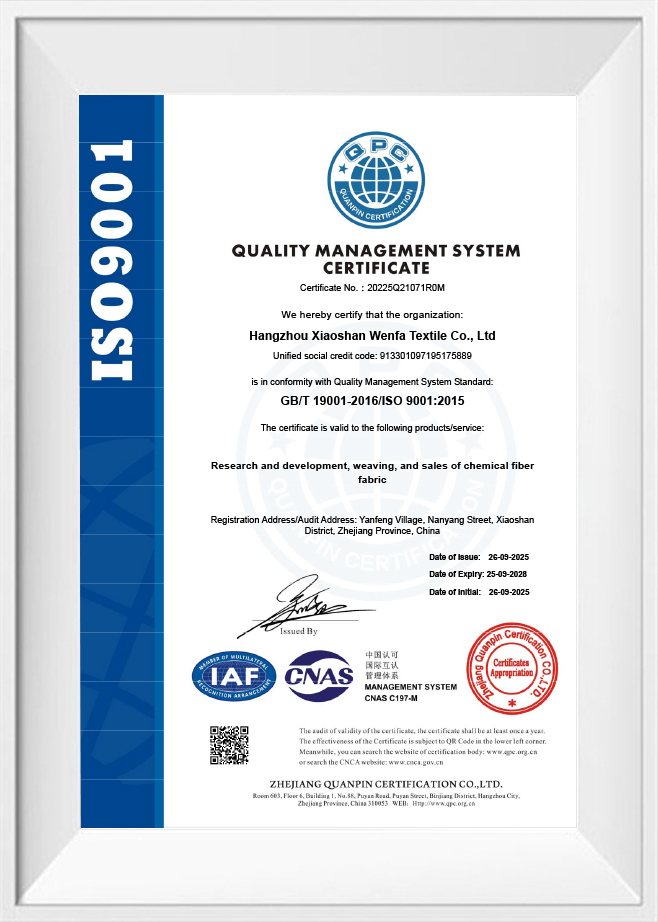
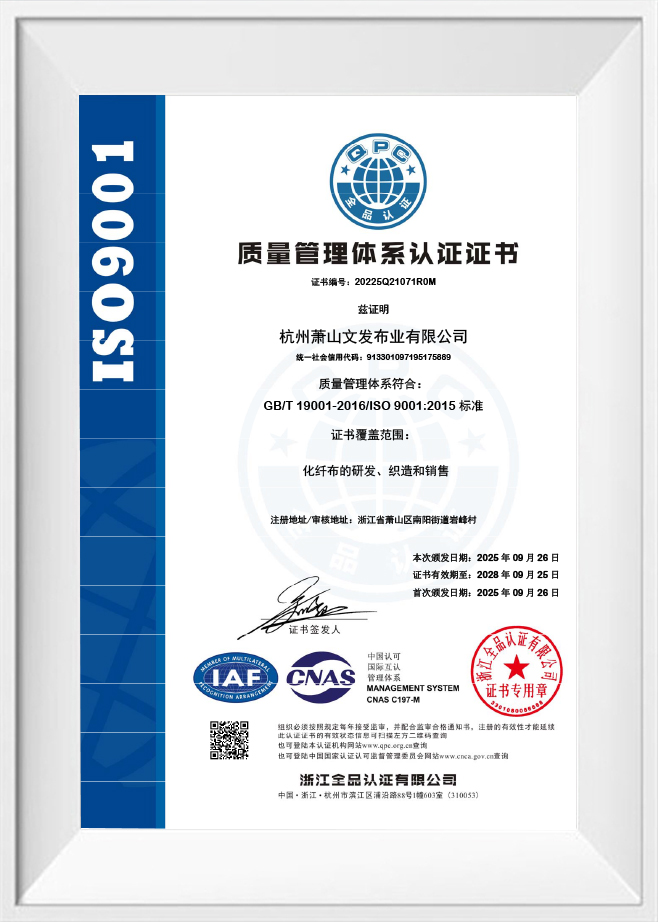
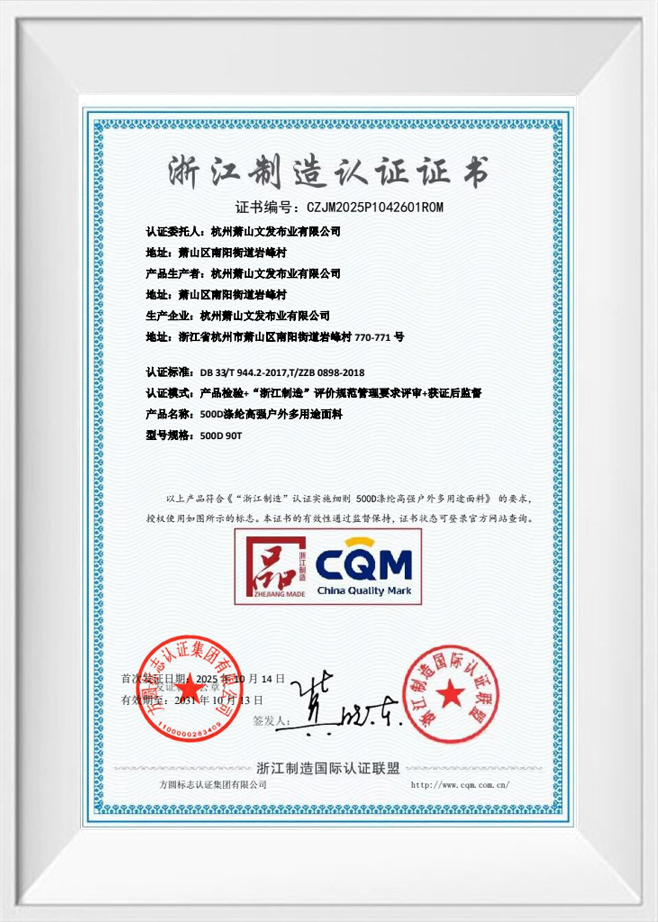
In our case, Wenfa operate with ISO systems and also support REACH, GRS, and OBP expectations, which helps bulk buyers streamline approvals when supplying regulated retail channels.

 English
 русский
 Français
 Español
 中文简体
中文简体